How Much Does It Cost to Rent a Barn for a Party? (2026 Guide)
An insider's guide to booking the perfect rustic venue on a budget.

Last updated: October 2026
How Much Does It Cost to Rent a Barn for a Party?
Most barn venues charge between $2,500 and $8,000 to rent the space. Some charge by the hour instead, and booking sites list rates from about $90 to $280 an hour, with a 3- to 4-hour minimum. The final bill depends on your location, your date, and what the rental includes.
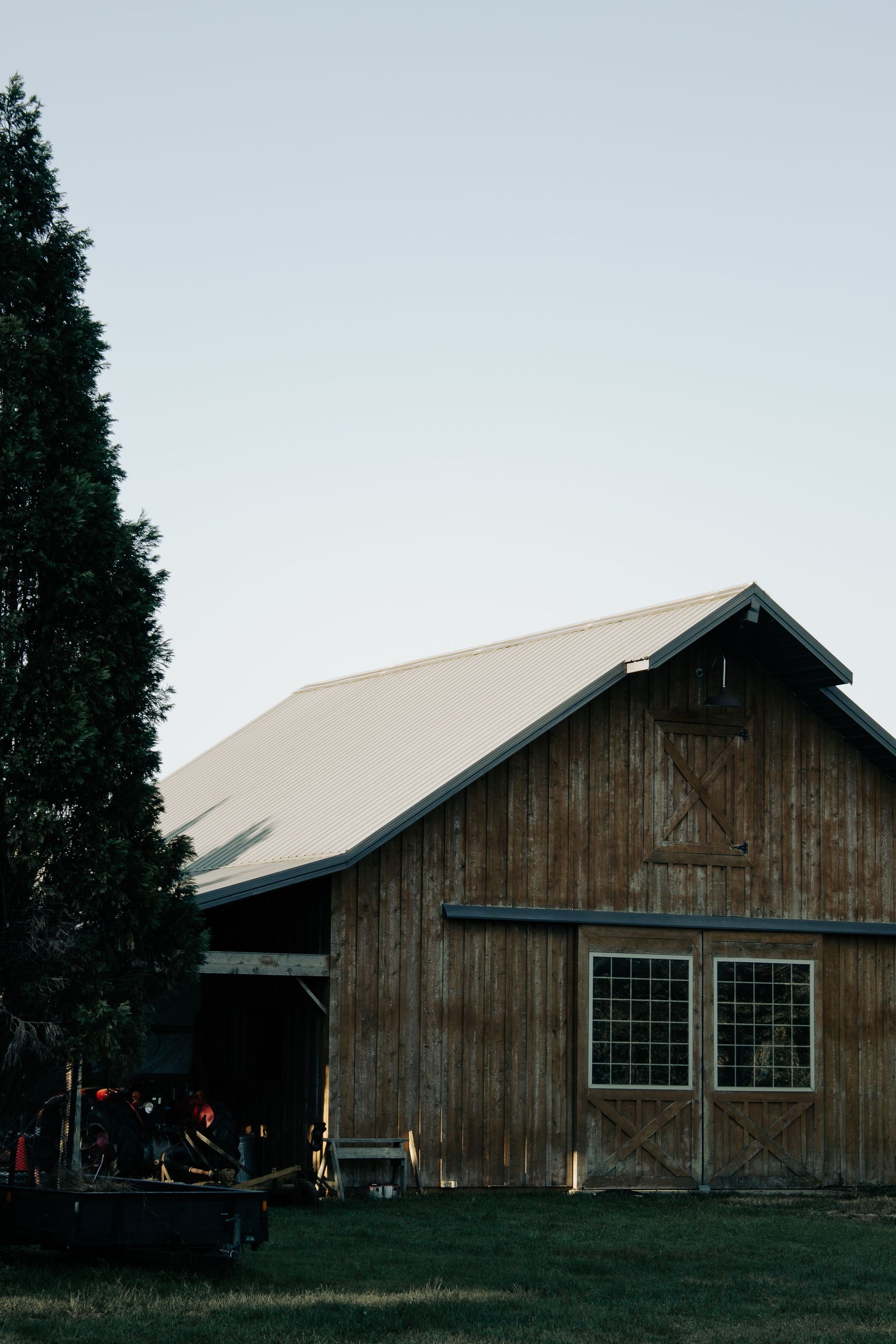
Barns are popular for weddings, birthdays, reunions, and company events. The beams and open floor do a lot of the decorating for you. But the price on the website is rarely the full price. Here is what to expect and what to ask before you sign.
What does it cost to rent a barn?
Here are typical ranges for 2026. Your area could run higher or lower.
| What You're Paying For | Typical Range |
|---|---|
| Space-only rental fee | $1,000 to $8,000 |
| All-inclusive package (space, tables, chairs, staff) | Often higher up front, but can cost less than renting each piece separately |
| Hourly rental | About $90 to $280 per hour |
| Food and drink minimum (when there's no rental fee) | $7,000 to $15,000 |
| Event insurance | $75 to $200 |
For comparison, the national average for all wedding venues is around $12,900, so barns usually come in lower. Venues in big metro areas can run 40 to 60 percent above the average. Rural barns often cost much less.
What changes the price?
- Season. Fall is the busiest time for barns. Saturdays in September and October can hit $7,000 to $8,000. The same barn might cost $5,000 to $6,000 off-season.
- Day of the week. Friday and Sunday dates are often cheaper than Saturday. Ask the owner how much.
- Time of day. Daytime parties usually cost less than evening ones.
- What's included. Some barns include tables, chairs, and linens. Others give you an empty building. Get the list in writing before you compare quotes.
- Guest count. More guests means more tables, more restrooms, more parking, and a bigger bill.
Why people choose a barn
- Less decorating. Exposed beams and old wood already look finished.
- Vendor freedom. Many barns let you bring your own caterer, baker, and DJ. That can save real money. Always confirm this before booking.
- Indoor and outdoor space. You can hold the ceremony outside and the reception inside, with a covered backup if it rains.
- Good photos. Wood walls and open fields need very little setup.
What to ask before you book
Most barn rental problems come from the small stuff. Ask these questions up front.
- Setup and teardown time. Does your rental window include it? Some barns give you the day before to decorate. Others bill by the hour for any time outside your event.
- Venue fee or food minimum. Some barns waive the rental fee but require a minimum food and drink spend. Run the numbers for your guest count to see which costs less.
- Heating and cooling. Many barns have neither. If your party is in July or January, you need a climate-controlled building.
- Restrooms. Are there indoor bathrooms, and how many stalls? If not, you'll rent portable toilets.
- Insurance. Most venues require event insurance. If alcohol is served, some want extra liability coverage.
- Parking. Rural barns often have gravel or grass lots. Ask how many cars fit, what happens if it rains, and whether older guests can get from the lot to the door.
- Power and wifi. Count the outlets. Caterers and DJs need them, and some barns have very few.
- Contract terms. Check the cancellation policy, overtime charges, noise limits, and curfew.
Frequently Asked Questions (FAQs)
How much does it cost to rent a barn for a party?
Most barns cost $2,500 to $8,000 for the space. Hourly barns run roughly $90 to $280 per hour. Food, insurance, and rentals are usually extra.
How far ahead should I book?
Popular barns fill up months ahead, especially for fall Saturdays. Start looking at least six months out for a big event.
Is a weekday cheaper?
Usually. Friday and Sunday dates often cost less than Saturday, and off-season months cost less than fall.
Do I need insurance to rent a barn?
Most venues require it. Expect to pay about $75 to $200 for a one-day policy.
Can I bring my own caterer?
Many barns allow it. Some require their own preferred list, so ask before you sign.
Are barn venues heated and cooled?
Not always. Ask directly, and get the answer in the contract if you're booking in summer or winter.
Why The Real Thing Feels Different
A lot of newer barn venues are built to look old. The beams are new, and the "weathered" finish is applied. You can tell when you walk in.
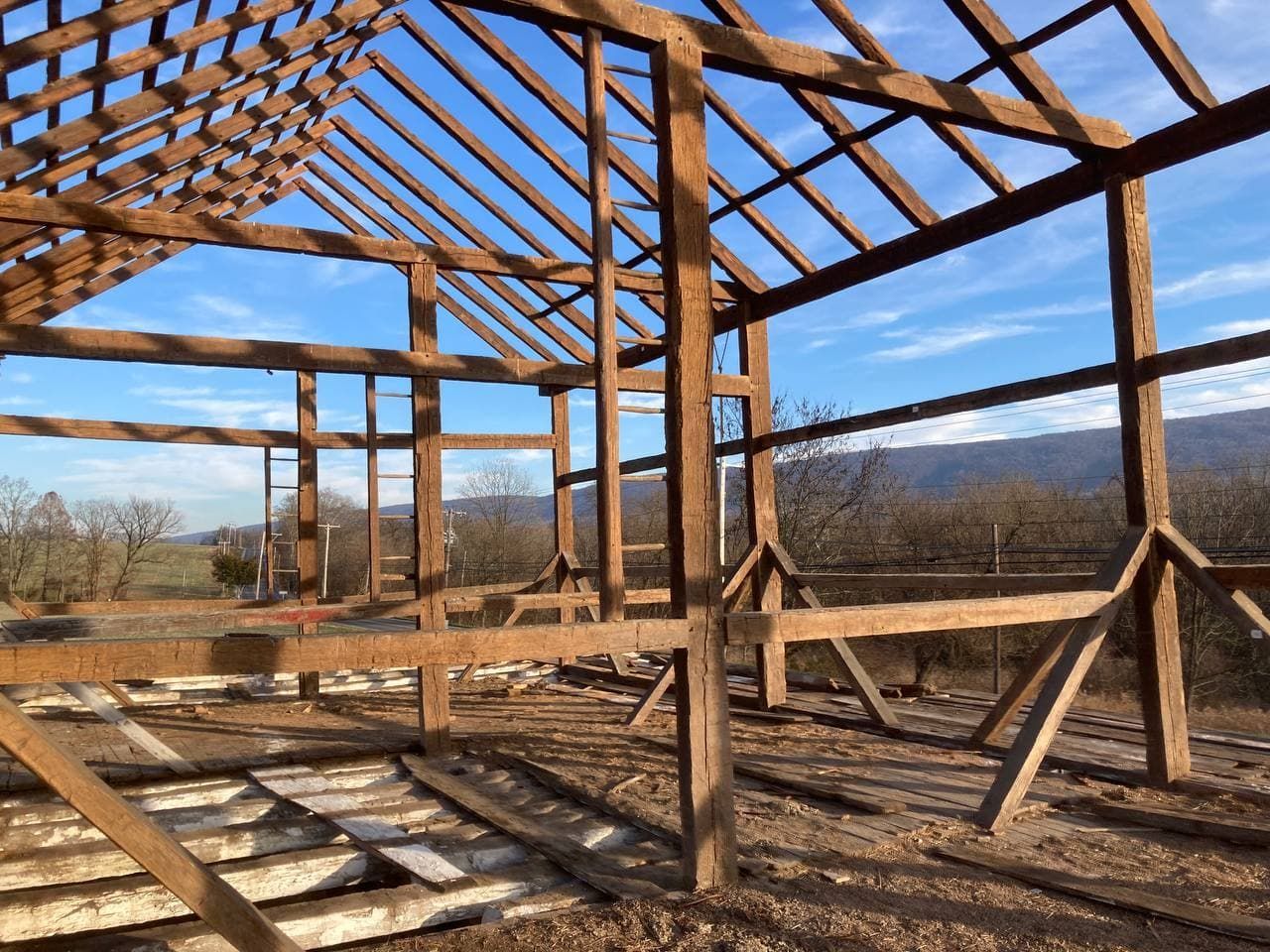
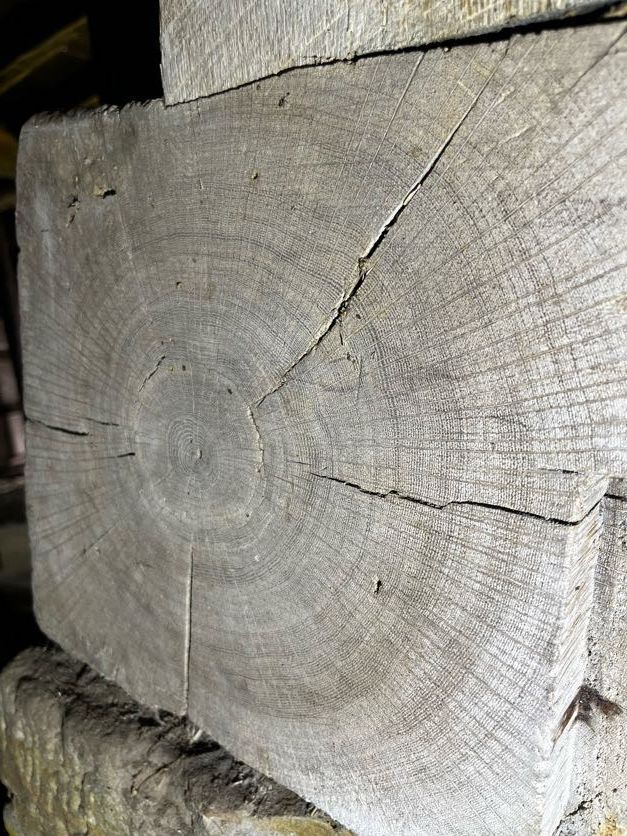
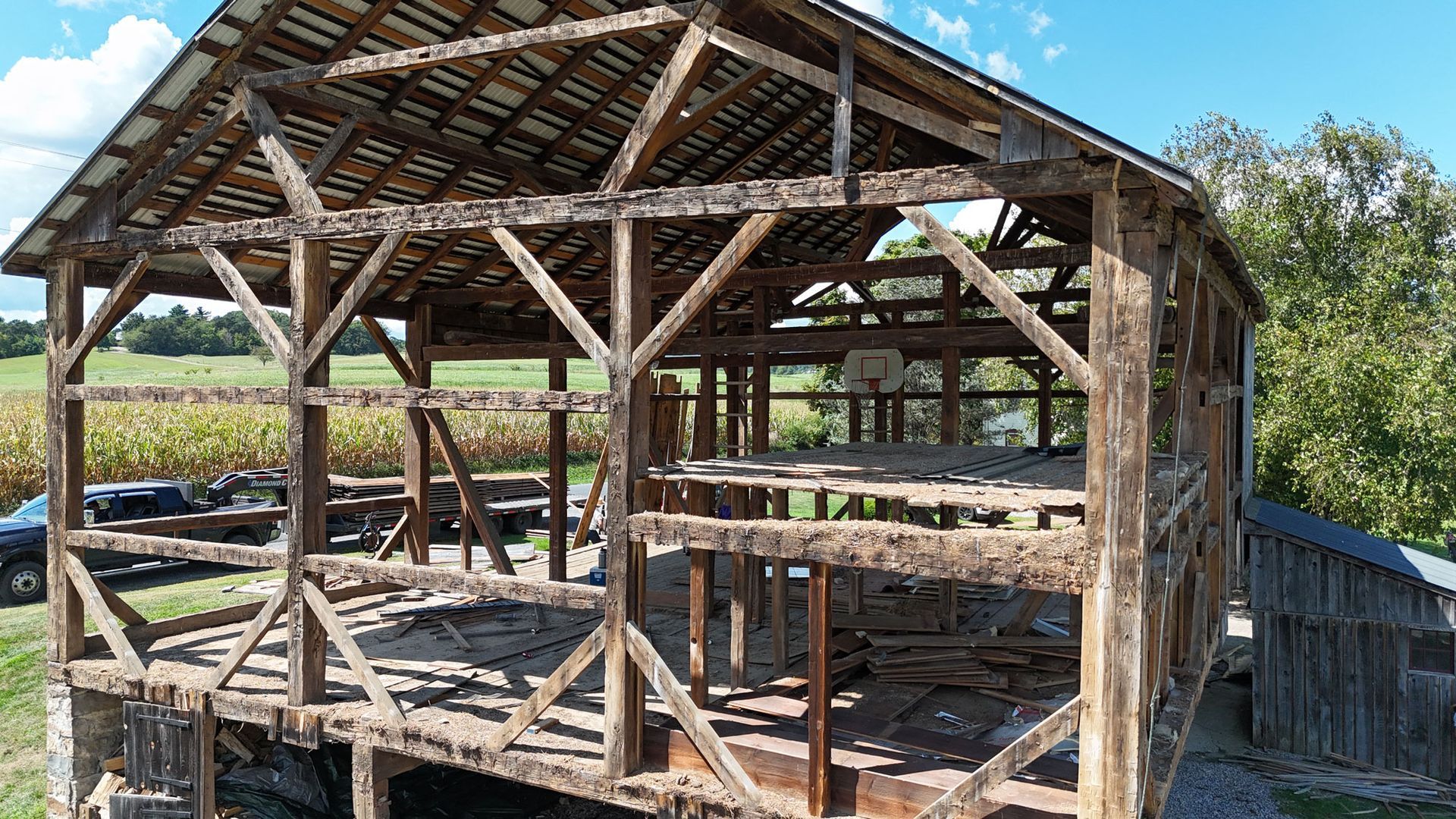
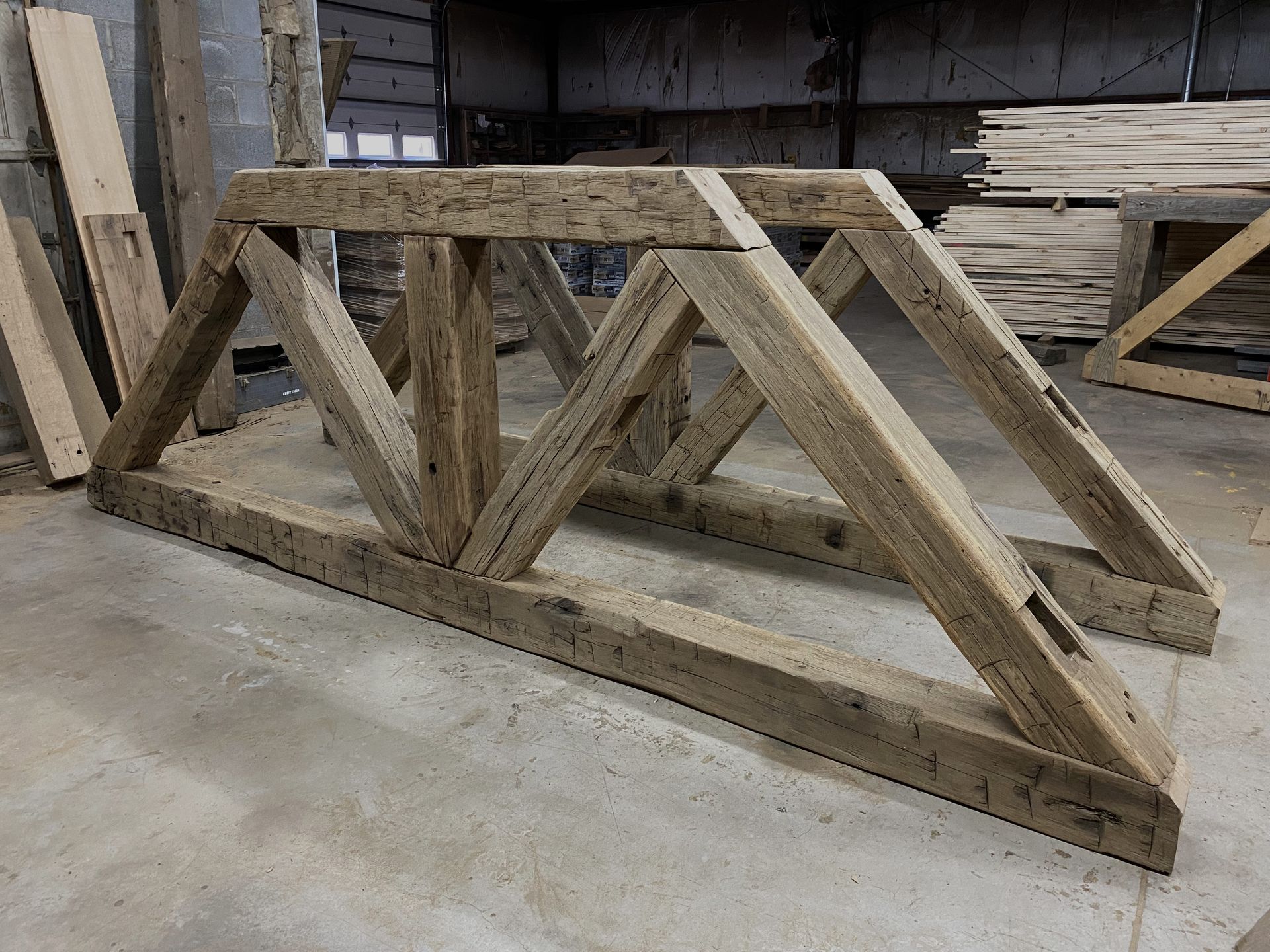
An authentic timber frame is different. The oak is dense and hand-hewn. The joints are pegged, not bolted. Some of those frames are 150 years old and still square.
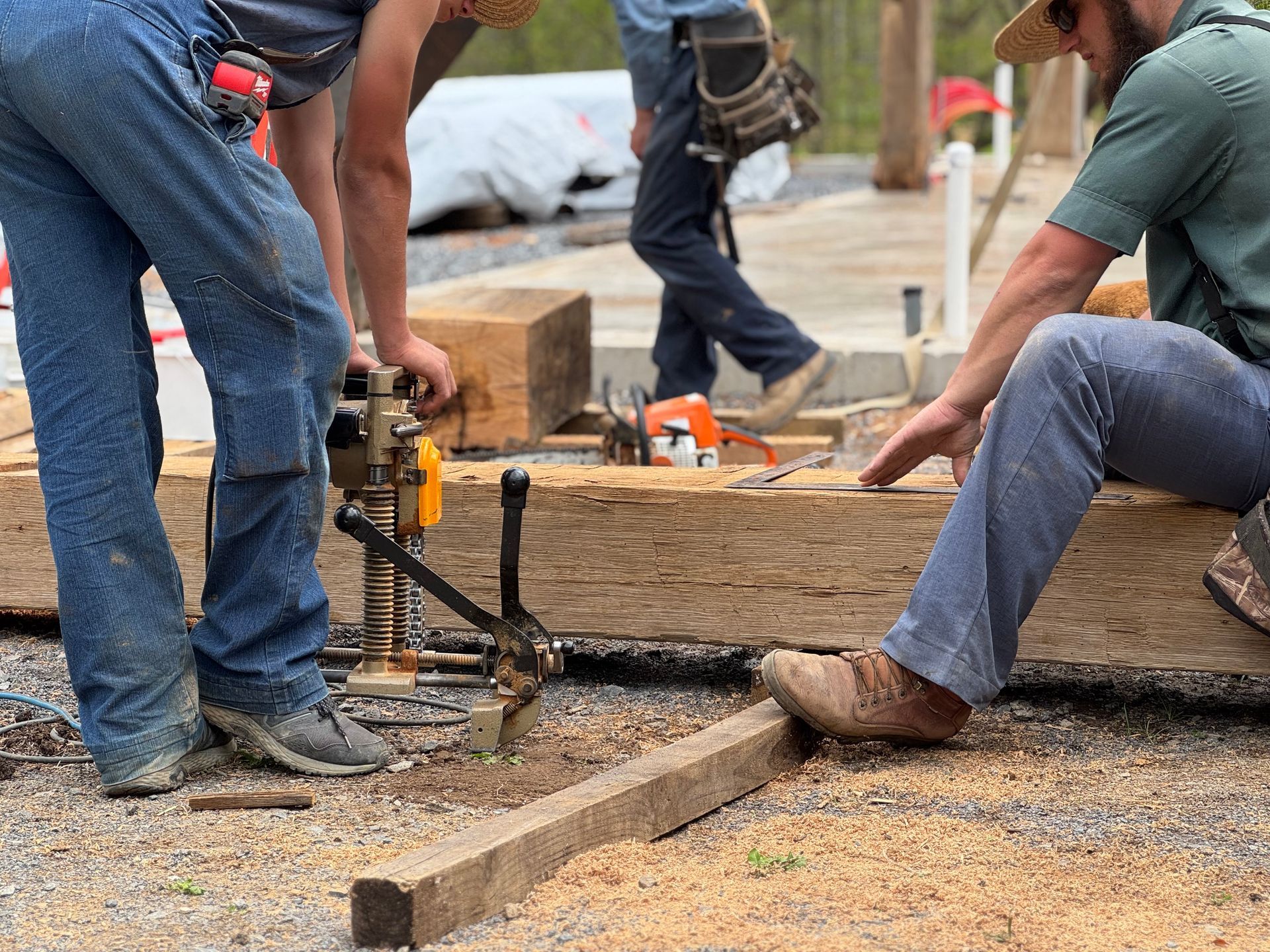
At Bay & Bent, we find historic barn frames across the country. We take them down carefully, restore them in our shop, and deliver them anywhere. Some of our frames end up as event barns. If you're thinking about building a venue with real history in it, take a look at what we have available at Bay & Bent.
The Short Version
- Plan on $2,500 to $8,000 for the space, plus food, insurance, and rentals.
- Fall Saturdays cost the most. Weekdays and off-season dates cost less.
- Ask what's included before you compare prices.
- Check heat, restrooms, parking, and power in person.
- Read the contract and get every promise in writing.
Visit the barn before you commit. Photos don't show you where the caterer will set up or how far guests will walk from the parking lot.