Ranch Style Home Builders: Cost, Craft, Timeline
What to know before you break ground
You're ready to build a ranch home. You've got the land, you've got the vision, but now you need the right builder. This decision will affect everything: your budget, your timeline, and whether you end up with your dream home or a costly headache.
Ranch homes have remained popular for nearly a century because they just work. Single-level living, open floor plans, and that classic horizontal profile appeal to families, retirees, and anyone who values accessible design. But finding the right builder to bring your vision to life takes more homework than most people expect.
Ranch Home Construction Methods
Before you even start calling builders, you need to understand the two main construction approaches available: stick-built and modular.
- Stick-built construction means your home gets built entirely on-site. The crew shows up with lumber and materials, then constructs everything from the ground up. This method offers maximum flexibility for custom designs and changes during construction. However, it takes longer and typically costs more.
- Stick-built ranches generally run $200,000 to $600,000, or about $130 to $300 per square foot. Most homeowners pay around $200 per square foot for a quality build with decent finishes.
- Modular construction takes a different approach. Most of your home gets built indoors at a controlled facility, then transported to your site and assembled. This process is faster and often cheaper because weather delays don't slow down production. The trade-off is less flexibility for custom changes.
- Modular ranches typically cost $75,000 to $391,000, or $50 to $230 per square foot. The lower end represents basic prefab models, while the higher end includes custom modular designs with premium features.
Neither method is inherently better; it depends on your priorities. Need a home quickly? Modular might be your answer. Want complete customization? Stick-built offers more options. Budget-conscious? Modular usually wins on cost.
What Ranch Builders Actually Do
A quality ranch home builder coordinates dozens of different trades and tasks. They're not just hammering nails; they're managing a complex project from start to finish.
First comes site preparation. Your builder evaluates the property, orders soil tests, and arranges for grading and excavation. This phase typically eats up 10% to 25% of your total budget, but it's critical for a solid foundation.
Next, they coordinate with specialized contractors. Electricians charge $50 to $150 per hour. Plumbers run $45 to $200 per hour. HVAC technicians cost $50 to $70 per hour, though most quote by the job rather than hourly. Your builder schedules all these professionals and ensures they work in the right sequence.
A good builder also handles permits and inspections, manages material deliveries, and solves problems as they arise. Construction always brings surprises, hidden rock deposits, unexpected water issues, and supply delays. An experienced builder has seen it all before and knows how to adapt.
The Real Cost Breakdown
The national average for ranch home construction sits around $328,000, but that number doesn't tell the whole story. Let's break down what you're actually paying for.
- Labor accounts for 30% to 50% of your total cost. For a $300,000 project, that's $90,000 to $150,000 just for the people doing the work. Construction managers typically charge 10% to 20% of your project cost to oversee everything.
- Your location dramatically affects pricing. Building in expensive coastal areas or major cities can add $50 to $100 per square foot compared to rural areas. California, New York, and Massachusetts see some of the highest construction costs, while the Midwest and Southern states often offer more affordable rates.
- Materials represent another huge chunk. The quality you choose matters more than you'd think. A 1,800 square foot ranch might need $120,000 to $240,000 in materials alone for a basic build. Upgrade to premium finishes, and that number jumps fast.
- Foundation work runs $8,000 to $45,000, depending on your soil conditions and chosen foundation type. Roofing for a ranch home costs more than a two-story house because of the larger surface area. HVAC systems in sprawling ranches often require careful sizing, or even two systems, to heat and cool effectively.
Don't forget the "hidden" costs that catch people off guard:
- Permits and inspections: $5,000 to $15,000
- Utility connections: $10,000 to $30,000 for raw land
- Landscaping and drainage: $8,000 to $25,000
- Driveway construction: $3,000 to $10,000
- Temporary facilities during construction
Timeline Expectations
How long does it take to build a ranch home? The honest answer is: it depends.
- Stick-built ranches typically take 7 to 12 months from groundbreaking to move-in. That timeline assumes decent weather, no major supply chain issues, and minimal design changes during construction.
- Modular ranches move faster because most construction happens indoors. You might complete a modular project in 3 to 6 months, including site prep and final assembly. However, you need to account for manufacturing wait times, which can add weeks or months depending on the company's schedule.
Several factors can stretch your timeline:
- Weather delays, especially in regions with harsh winters
- Permit approval wait times (can take weeks to months in some areas)
- Material shortages or delivery delays
- Complex custom designs requiring specialized work
- Change orders during construction
- Contractor scheduling conflicts
The best builders build buffer time into their schedules. If they promise completion in exactly 6 months with no wiggle room, be skeptical. Experienced builders know that construction rarely goes exactly as planned.
Questions to Ask Potential Builders
Not all ranch home builders bring the same level of skill and reliability. Before signing any contract, interview multiple builders and ask tough questions.
- Start with their experience. How many ranch homes have they completed? Can they show you recent projects? Do they have references you can contact? A builder who's completed dozens of ranches understands the unique challenges these homes present.
- Ask about their licensing and insurance. Every state has different requirements, but legitimate builders carry proper licensing, liability insurance, and workers' compensation coverage. Don't skip this verification; it protects you from serious liability issues.
- Discuss their communication style. How often will they update you? Who's your main point of contact? What happens if problems arise? Clear communication prevents misunderstandings and keeps projects on track.
- Get specific about costs. Do they provide a fixed-price bid or a time-and-materials estimate? What's included in their quote? What's not included? Are there allowances for materials where you'll make final selections? Understanding the pricing structure upfront prevents surprise bills later.
- Ask about their approach to change orders. How do they handle modifications during construction? What's their process for pricing changes? A clear system for managing changes protects both you and the builder.
Cost vs. Speed vs. Quality
In construction, you generally get to pick two out of three: fast, cheap, or good. Understanding these trade-offs helps you make realistic decisions.
- Want your ranch built quickly? You'll probably pay premium rates for expedited work, and you might need to accept less customization, especially with modular construction. Speed often means higher labor costs and less flexibility.
- Working with a tight budget? You'll need to compromise somewhere. Maybe that means builder-grade finishes instead of custom options. Perhaps it means a simpler floor plan that's easier to construct. Or it might mean a longer timeline to avoid premium rush charges.
- Prioritizing quality and custom details? Plan for both a higher budget and a longer timeline. Custom work takes time, and skilled craftspeople command higher rates. But the result is a home built exactly to your specifications.
Most people land somewhere in the middle, balancing all three factors based on their priorities. The key is being honest about what matters most to you, then finding a builder who understands and respects those priorities.
When Historic Craftsmanship Makes Sense
While modern ranch construction uses contemporary methods and materials, some property owners want something different, a home with genuine historical character and craftsmanship you can't replicate with new lumber.
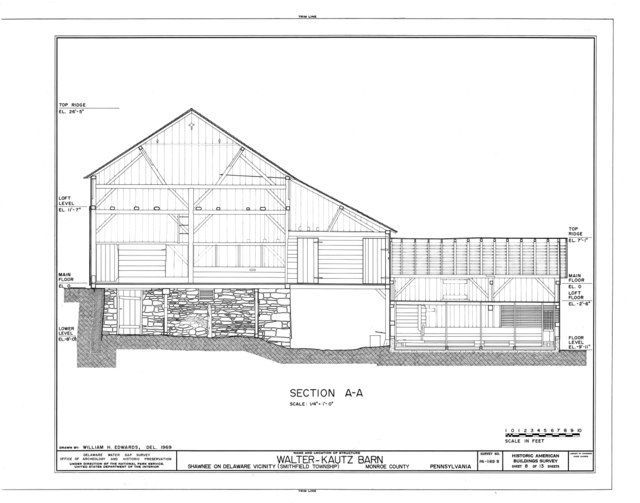
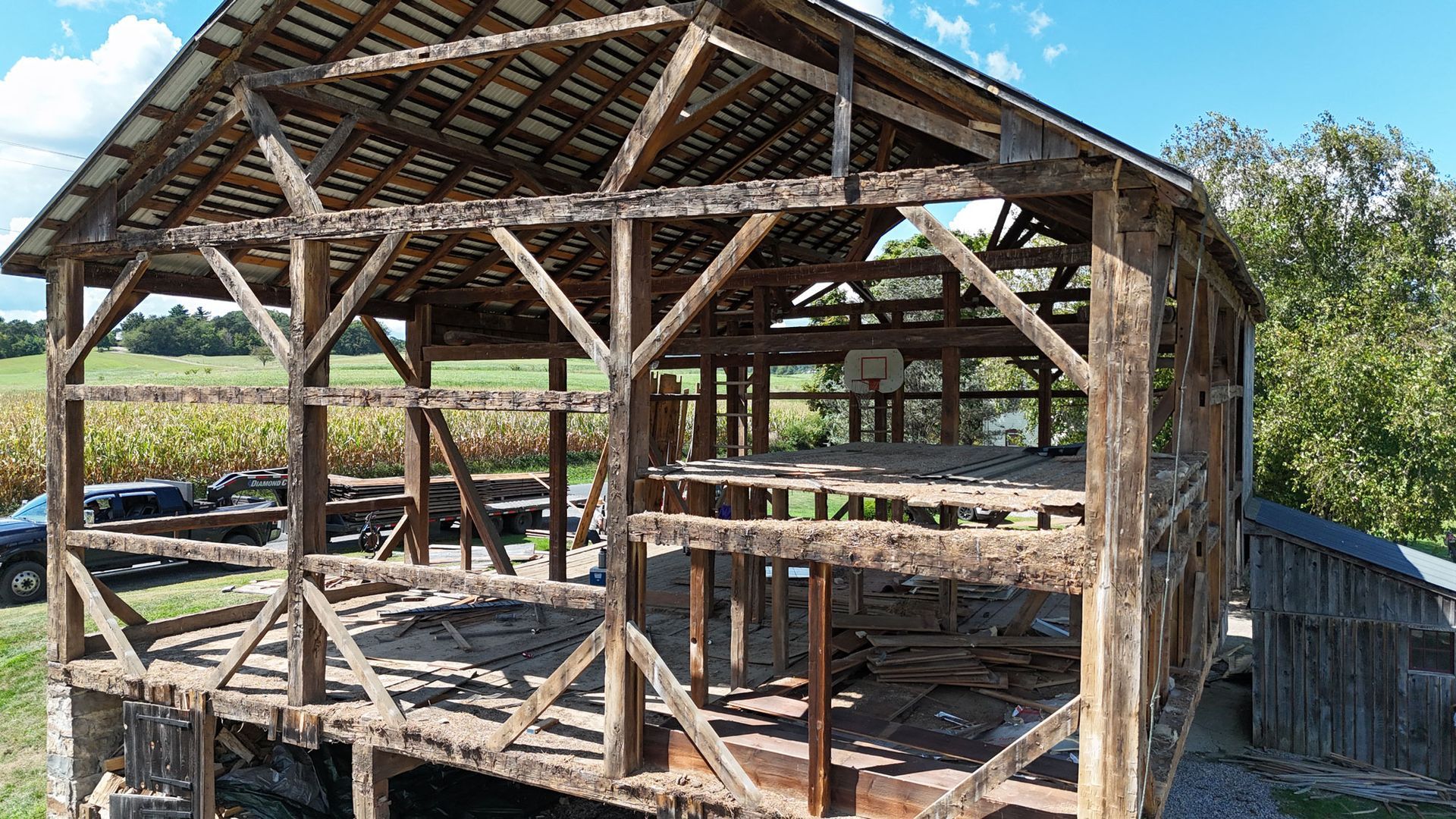
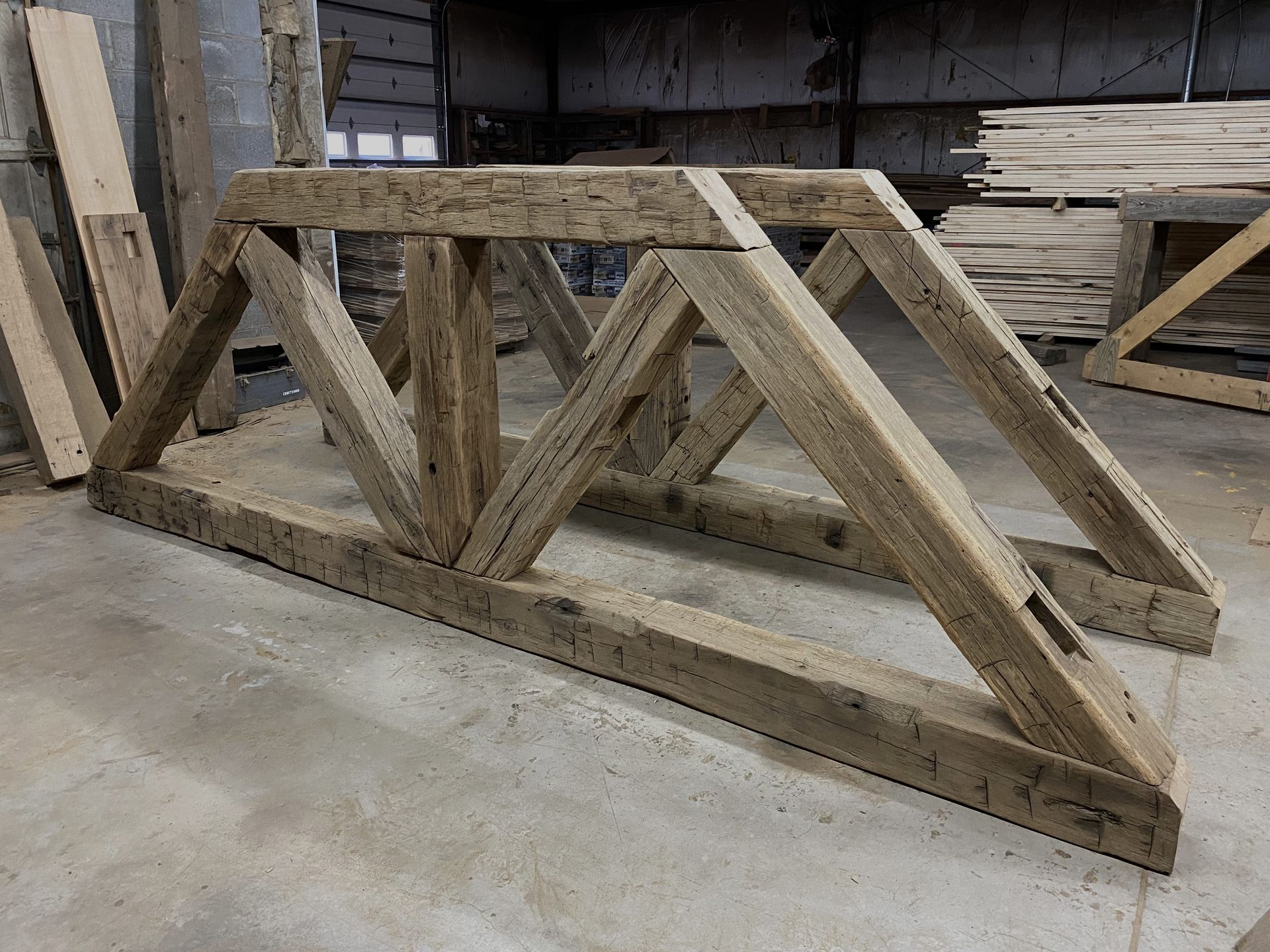
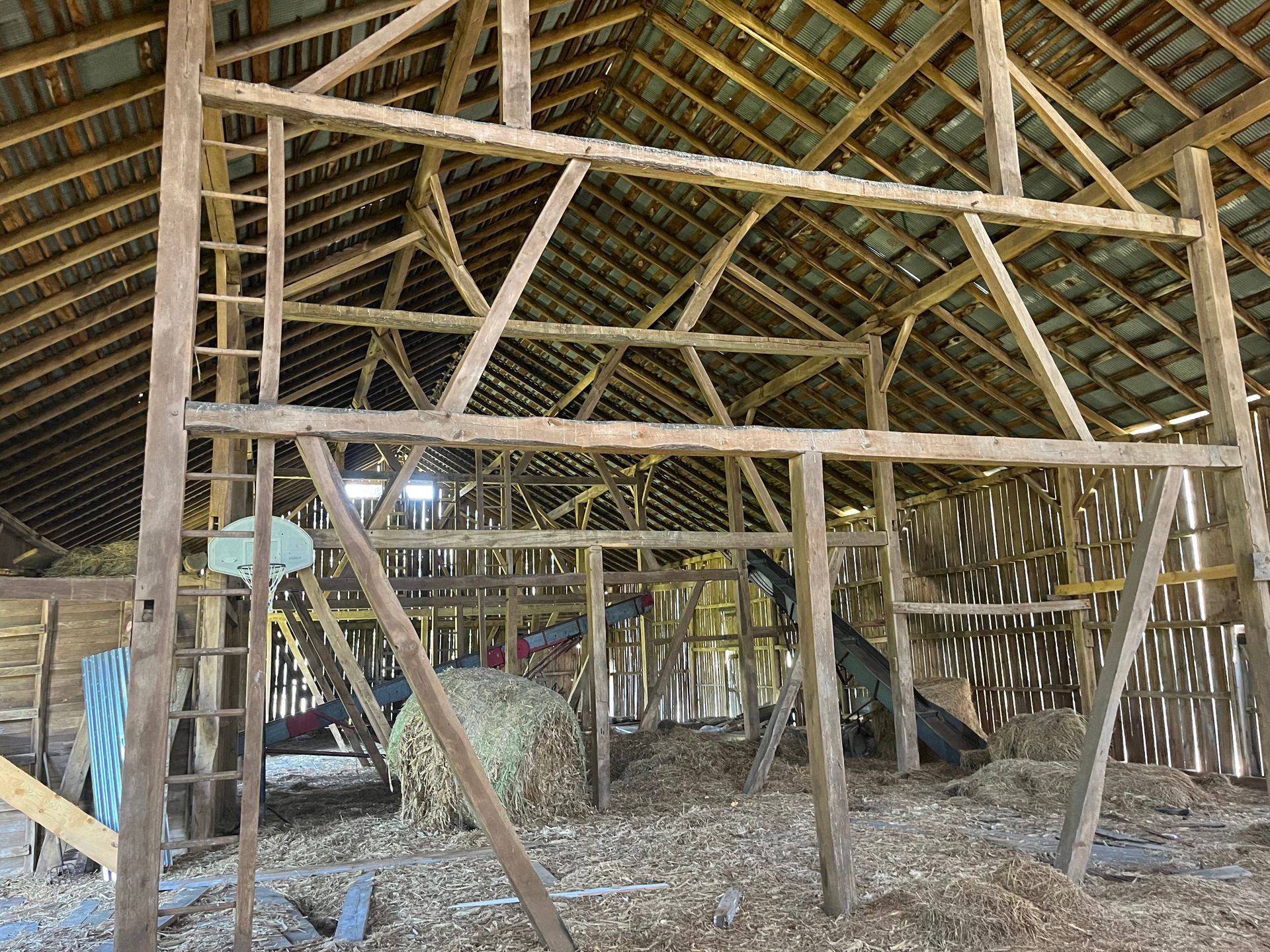
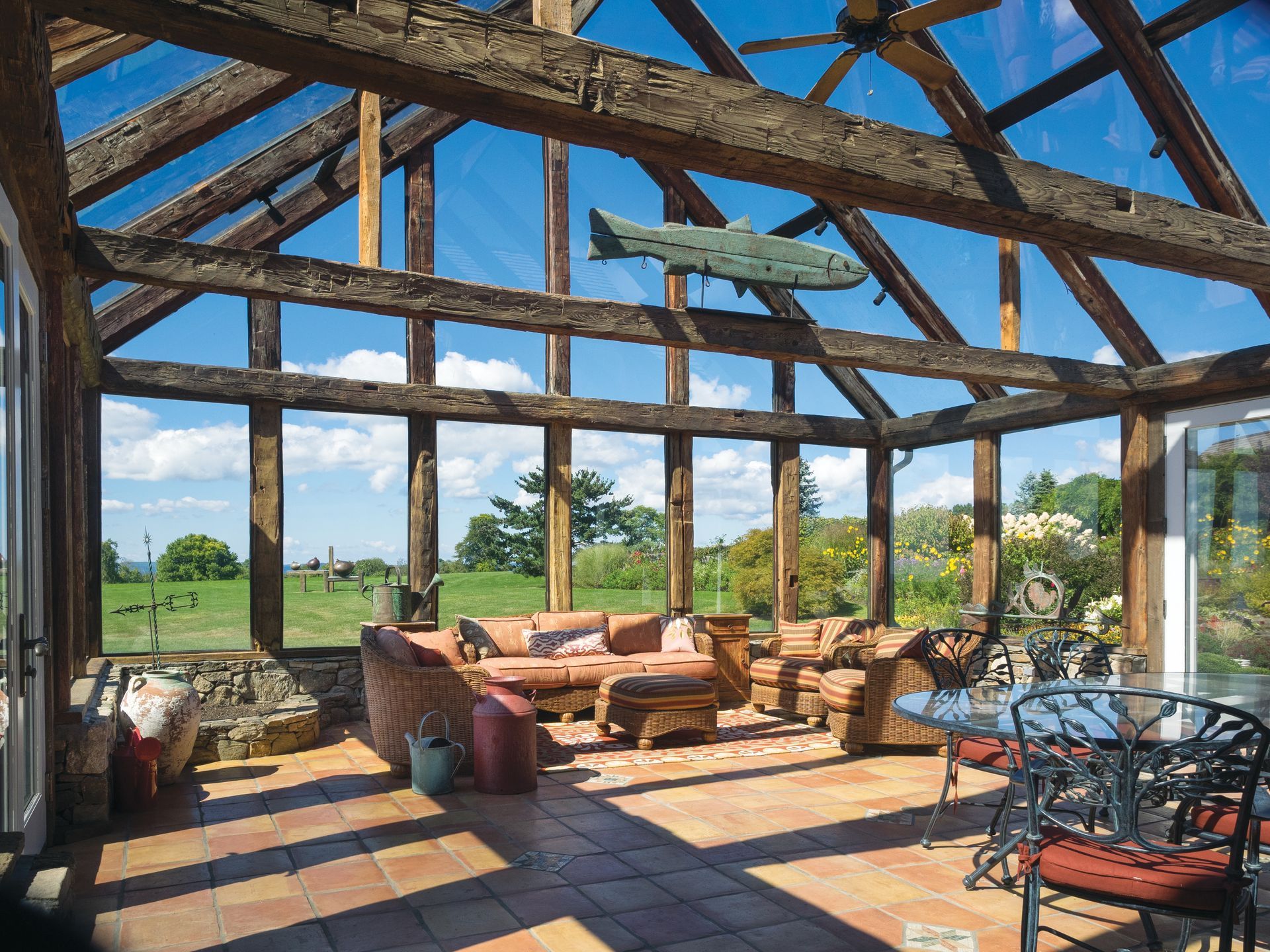
At Bay & Bent, we've dedicated ourselves to preserving America's architectural heritage through historic timber frames. We travel the country searching for the finest barn frames, structures built by skilled artisans using traditional joinery and premium timbers that are nearly impossible to find today.
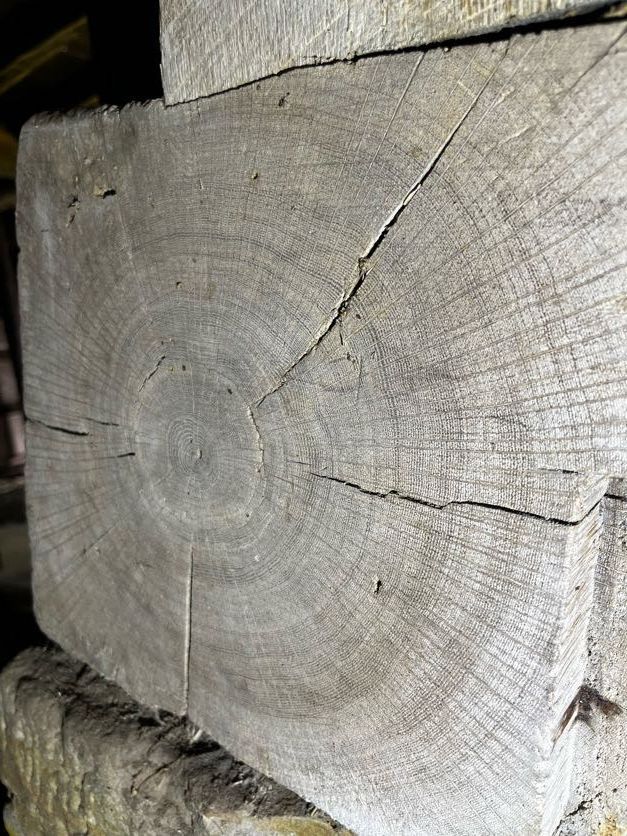
These frames carry history in every beam. The mortise and tenon joints were cut by hand, often more than a century ago. The timber itself, old-growth wood with tight grain patterns, simply doesn't exist in modern lumber yards. When we carefully disassemble these structures, repair them at our facility, and prepare them for delivery, we're not just moving buildings. We're preserving craftsmanship and stories for future generations.
For ranch home builders willing to work with historic materials, these frames offer something special. The exposed timber work becomes a stunning focal point. The quality of the wood and joinery means structural integrity that's proven itself over decades or centuries. And the environmental sustainability of reusing existing materials rather than harvesting new timber appeals to homeowners who value conservation.
We don't handle individual barn repairs or restoration work for existing structures; our focus is on finding the best historic frames, preparing them properly, and delivering them to clients anywhere in the world. For builders and homeowners planning ranch projects with a desire for authentic character, it's worth exploring what historic timber frames can bring to the design.
Making Your Final Decision
Choosing a ranch home builder ranks among the most important decisions in your construction journey. Take your time with this choice. Meet with multiple builders. Check their references thoroughly. Visit their completed projects if possible.
- Look beyond the lowest bid. A builder who quotes significantly less than competitors might be cutting corners, underestimating costs, or planning to hit you with change orders later. A slightly higher upfront price from a reputable builder often saves money and stress in the long run.
- Pay attention to how builders communicate during the bidding process. If they're hard to reach, slow to respond, or vague about details before they have your business, imagine how that might get worse during construction.
- Trust your instincts about compatibility. You'll work closely with this person for months. If something feels off during initial meetings, listen to that feeling. A great builder needs both technical skills and people skills.
Remember that building a ranch home represents a major investment, probably one of the largest financial commitments you'll make. Choosing the right builder affects not just your immediate experience, but your satisfaction with the home for decades to come.
The best builders bring expertise, reliability, clear communication, and respect for your vision. They understand that they're not just constructing a building, they're creating the backdrop for your life. When you find that builder, you've found a true partner in bringing your ranch home dream to life.