Farmers Building Supply That Actually Lasts
Built to endure, season after season.
When you're running a farm or ranch, the last thing you need is a building that falls apart after a few seasons. Your barn, equipment storage, or livestock shelter needs to stand strong through scorching summers, freezing winters, and everything nature throws at it.
But with so many building materials on the market, how do you choose supplies that will actually last?
Why Building Material Choice Matters
Think about it. Your farm buildings protect some of your most valuable investments, expensive machinery, feed for your animals, and the livestock themselves. A weak roof can collapse under heavy snow. Rotting wood can let moisture ruin your hay stores. Rusted metal panels can fail when the next storm hits.
The truth is, going cheap on building supplies usually costs more in the long run. You'll spend weekends repairing damage, replacing materials, and dealing with problems that could have been avoided from the start.
Steel
Steel has become the go-to choice for modern farm structures, and for good reason. Unlike wood, steel won't rot, warp, or become a buffet for termites. It stands up to extreme weather, heavy snow loads, high winds, and even fire.
Steel buildings also offer open floor plans without support columns getting in the way. This means more room for large equipment, easier movement for livestock, and flexibility to rearrange your space as your operation grows.
The galvanized finish on quality steel prevents rust, which means you're not repainting or treating the metal every few years. Many farmers find that steel buildings practically maintain themselves, freeing up time to focus on actual farm work instead of building repairs.
Reclaimed Timber
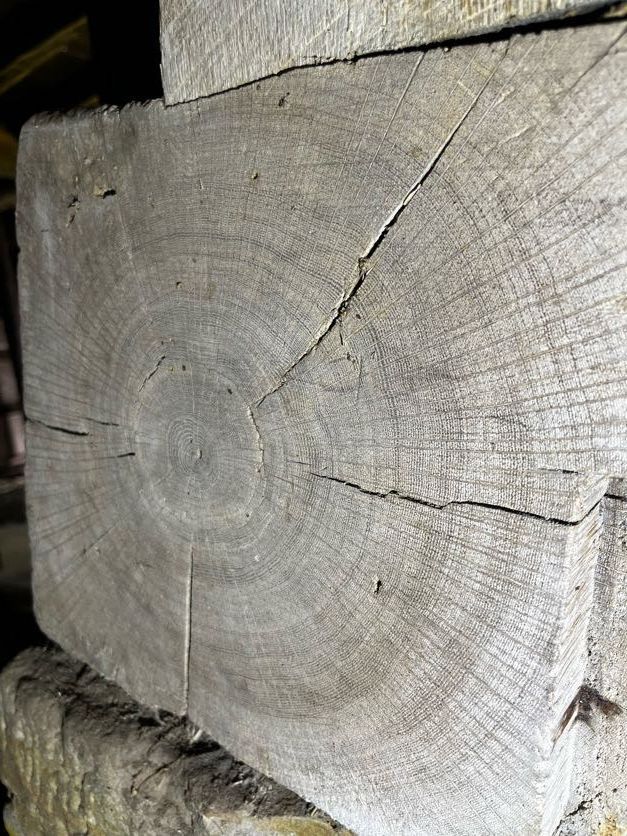
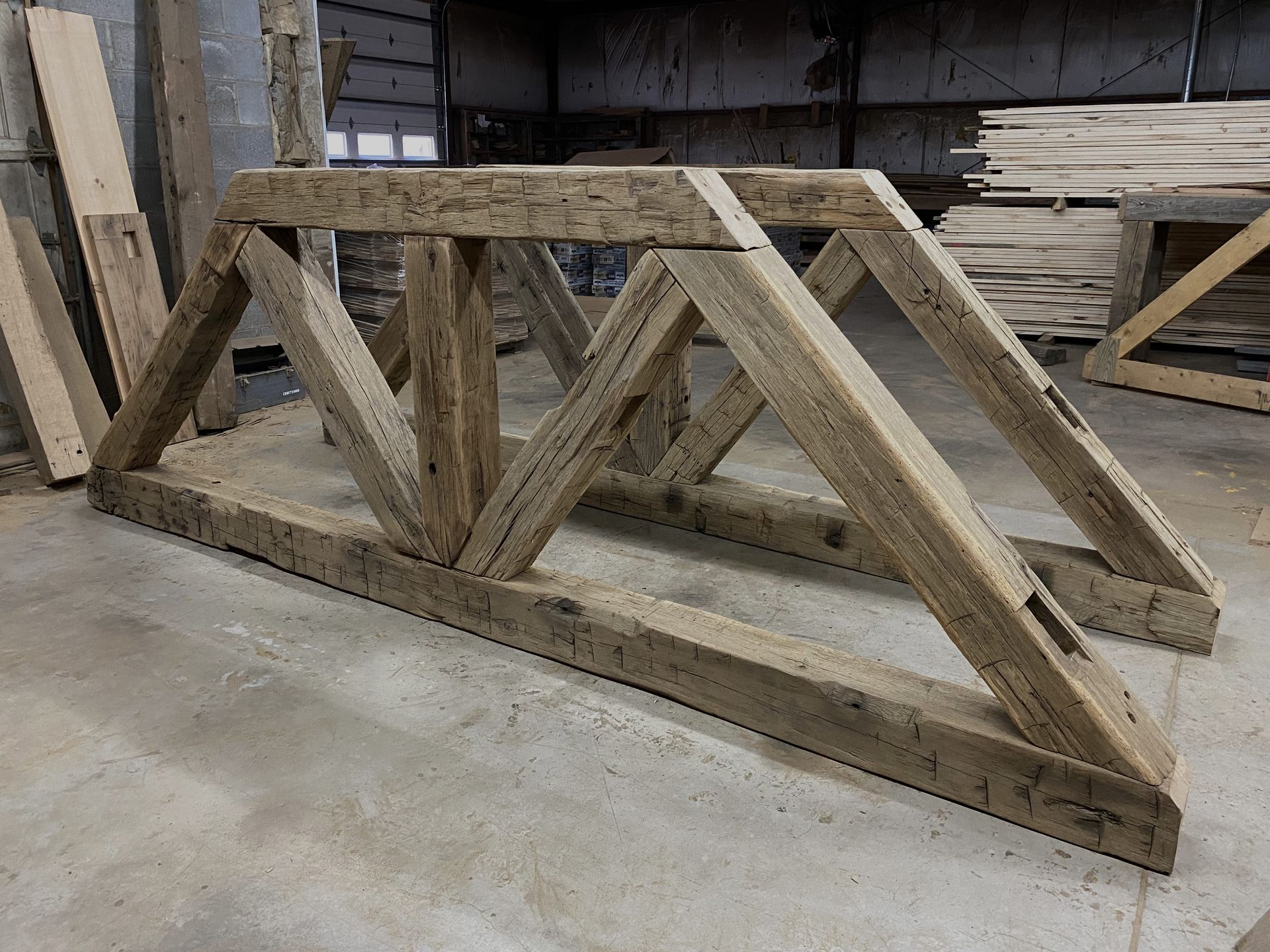
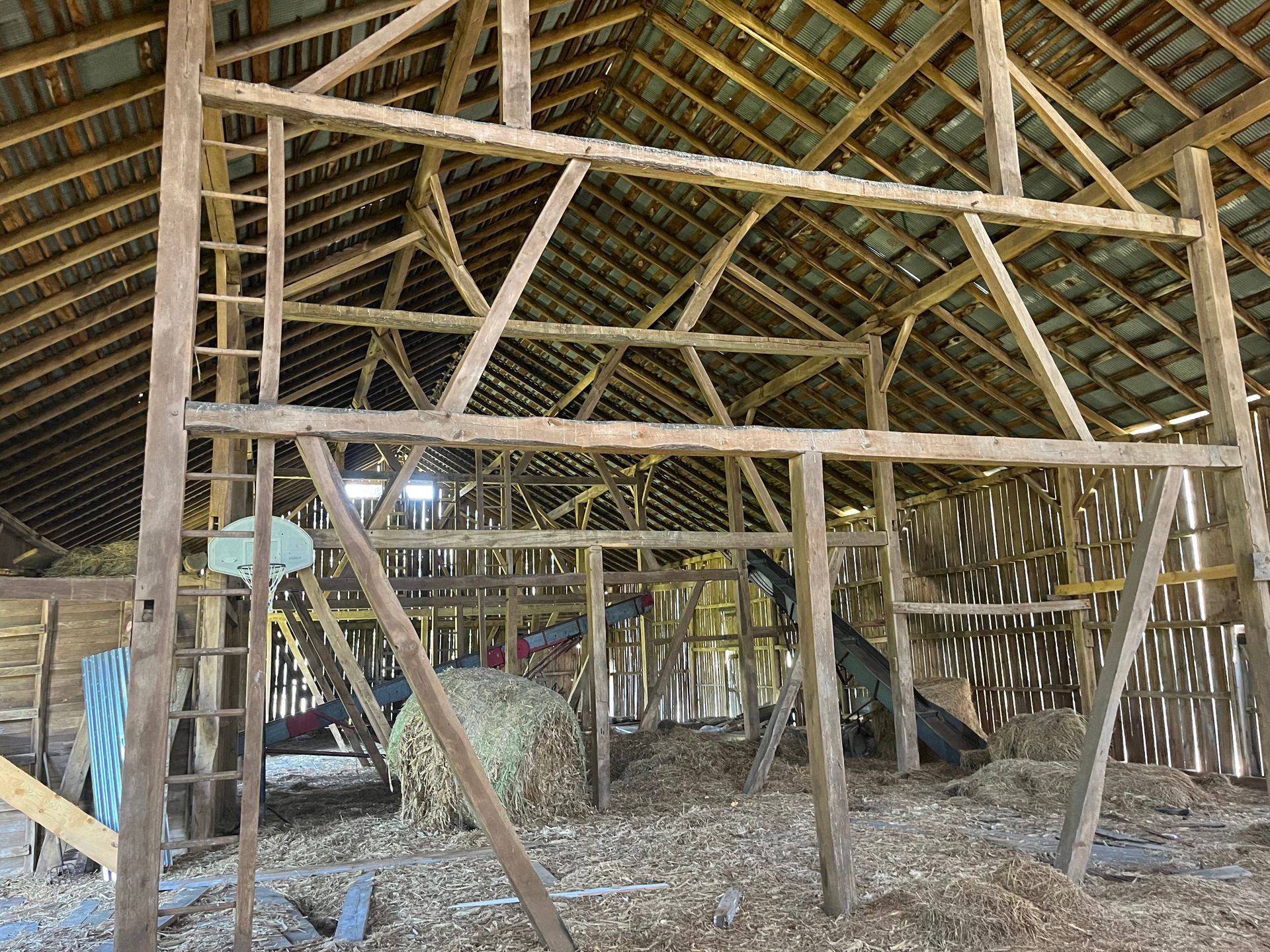
For those who prefer the warmth and beauty of wood, reclaimed timber offers an excellent option. Salvaged barn wood and other reclaimed materials come from older structures that were built when forests were more mature and wood was denser and stronger.
Douglas fir and cedar are particularly good choices because they naturally resist pests and rot without chemical treatments. Reclaimed wood also has environmental benefits, you're keeping materials out of landfills and avoiding the need for new lumber harvesting.
The catch? You need to make sure the wood is properly treated and maintained. Even the best timber needs protection from moisture to last decades rather than years.
Concrete and Modern Alternatives
Concrete foundations and floors are essential for most farm buildings. They provide a stable base, keep moisture from seeping up, and create surfaces that are easy to clean, important when you're dealing with livestock or storing feed.
Some farmers are also exploring newer options like rammed earth construction, which creates incredibly durable walls by compacting layers of earth. These walls can last centuries with minimal upkeep and provide excellent insulation, keeping buildings cooler in summer and warmer in winter.
The Cost of Cutting Corners
Here's a story that plays out on farms across the country: someone builds a barn or equipment shed using the cheapest materials available. Within a few years, they're dealing with leaks, sagging roofs, and structural problems. Eventually, they tear it down and rebuild, spending far more than if they'd invested in quality materials from the start.
Wood structures need regular maintenance. You're looking at painting, treatment for pests, replacing boards that have rotted, and fixing areas where moisture has caused damage. These repairs don't just cost money, they cost time you could be spending on your actual farm work.
Unplanned repairs often take three to nine times longer than scheduled maintenance and cost just as much in materials and labor. And while you're fixing buildings, you're losing revenue from downtime.
What to Look For in Quality Building Supplies
When you're shopping for farm building materials, keep these factors in mind:
- Durability: Will the material stand up to your local climate? If you get heavy snow, you need a roof system rated for those loads. In hot, humid areas, rust and rot resistance matter more.
- Maintenance requirements: How much upkeep will the material need? Steel requires very little. Wood needs regular attention. Factor in your time and skills.
- Lifespan: How long will it last? A material that costs more upfront but lasts 50 years with minimal maintenance often beats a cheap option that needs replacing in 15 years.
- Functionality: Does it meet your specific needs? A dairy operation has different requirements than an equipment storage building or a horse stable.
Making the Right Choice
Every farm is different. A small family operation might have different priorities than a large commercial ranch. Your climate, budget, and specific needs all play a role in choosing the right building supplies.
The key is to think long-term. Ask yourself: Will this material still be doing its job in 20 years? What will maintenance look like? What's the total cost of ownership, not just the upfront price?
Talk to other farmers in your area about what's worked for them. Local agricultural extension offices can also provide guidance on materials that perform well in your region.
Building with Heritage and Craftsmanship
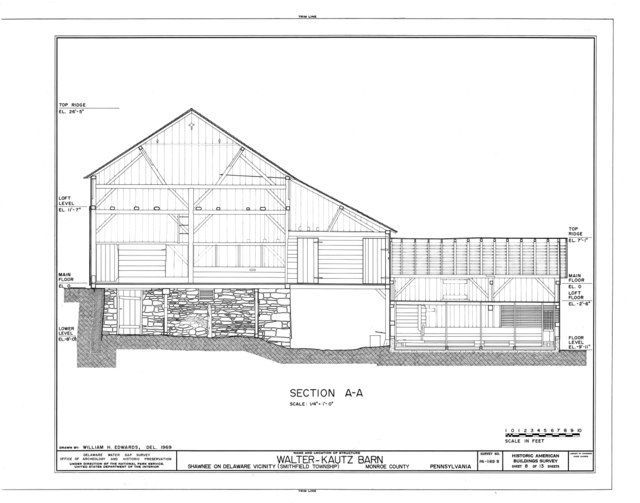
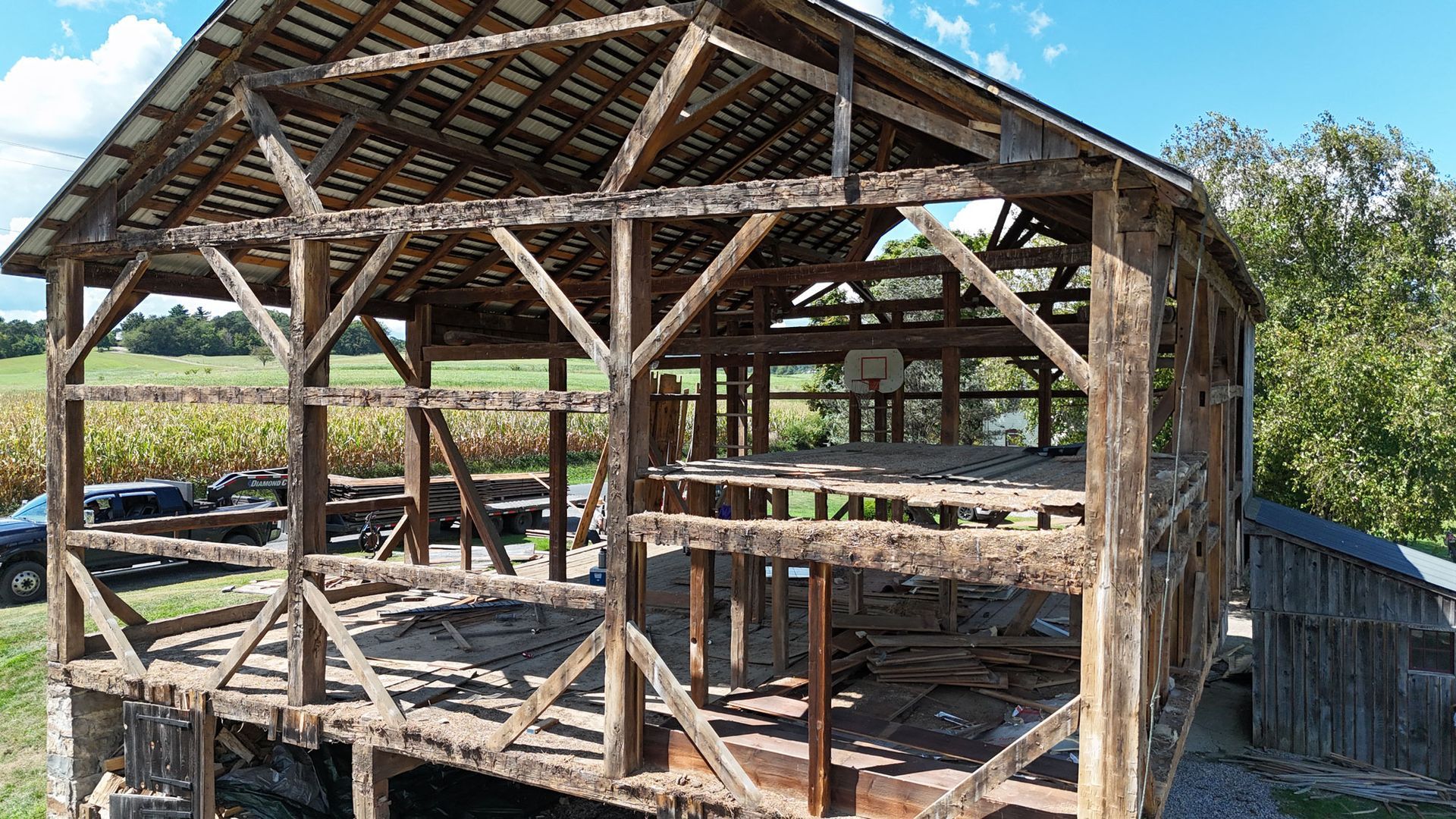
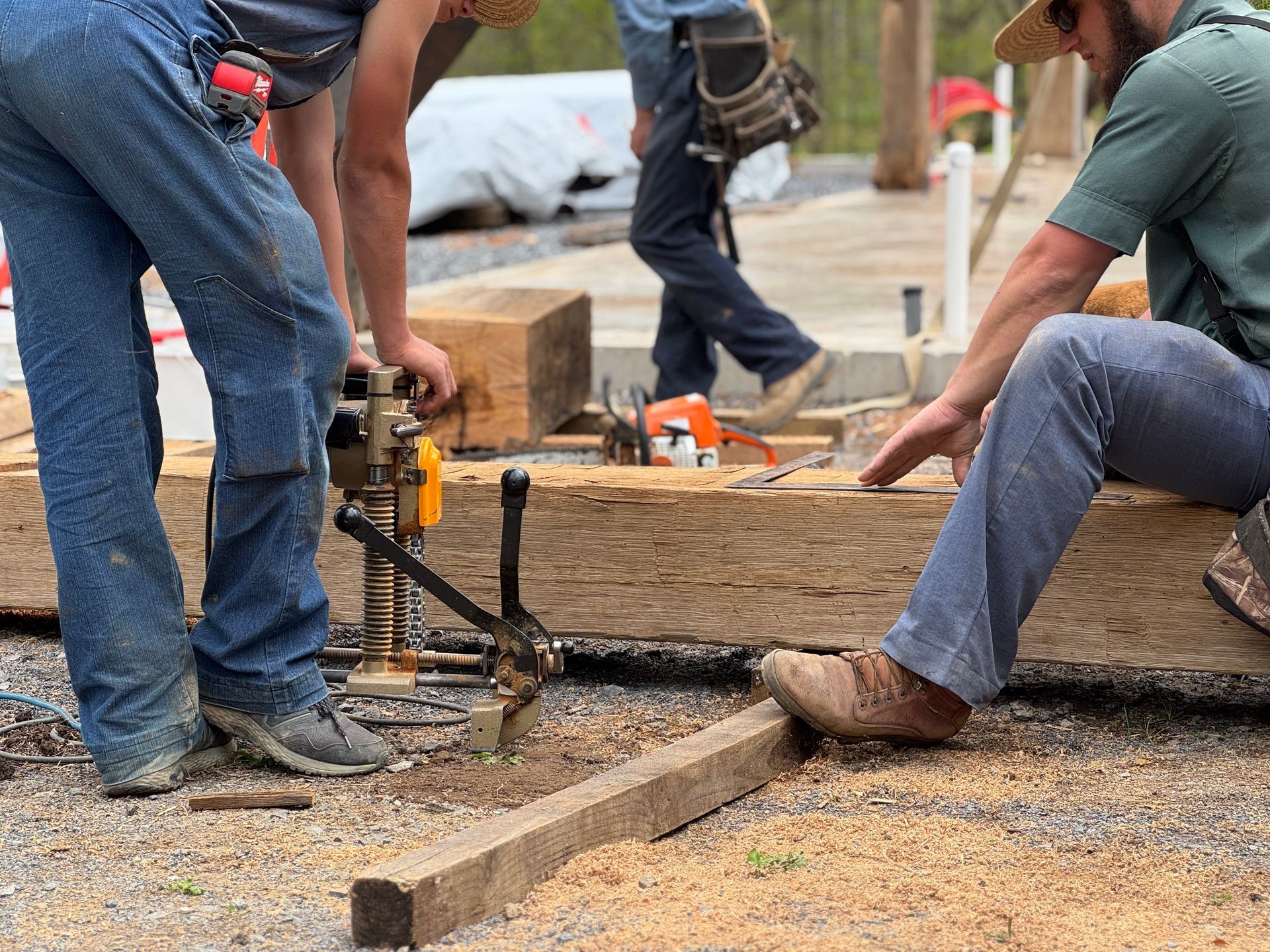
At Bay & Bent, we understand that farm buildings need to do more than just provide shelter; they need to be workhorses that serve your operation for generations. That's why we source the finest historic barn frames from across the country, carefully disassemble them, and restore them at our facility.
These frames come from an era when barns were built to last a lifetime and then some. The timber is denser, stronger, and more durable than most modern lumber. Each beam and post tells a story of American agricultural heritage.
We don't just repair existing barns for individual owners. Instead, we find these remarkable frames, bring them back to structural excellence, and deliver them anywhere in the world to people who appreciate quality craftsmanship and lasting value. When you're building something meant to serve your farm for decades, starting with a frame that's already proven itself over a century or more makes sense.
Learn more about how we preserve and deliver these pieces of American agricultural history at Bay & Bent.
The Bottom Line
Farmers building supply isn't just about getting materials, it's about investing in your operation's future. Quality materials mean less downtime, lower maintenance costs, and buildings that protect your investments for decades.
Whether you choose steel for its durability and low maintenance, reclaimed timber for its strength and character, or a combination of materials suited to your specific needs, make sure you're thinking beyond the initial price tag.
Your buildings are working structures. They need to pull their weight, season after season, year after year. Choose materials that will still be standing strong when you're ready to pass the farm on to the next generation.