Classic Barn Styles: From Bank Barns to English Barns
A journey through iconic American farm structures
Drive through rural America, and you'll see barns of all shapes and sizes dotting the landscape. There are red barns with crisp white trim, weathered gray structures leaning with age, and massive stone buildings built into hillsides. These aren't just random farm buildings; they are distinct architectural styles, each with its own history, purpose, and regional identity.
Understanding classic barn styles reveals fascinating stories about the people who built them, the work they did, and how immigrant traditions shaped American farm architecture. Whether you're a history enthusiast, considering a barn conversion, or just curious, learning to identify these styles helps you see the landscape in a new way.
Why Do So Many Barn Styles Exist?
Barns were not designed by architects in offices. They were practical structures built by farmers using local materials and building traditions from their home countries. The variations in style came from a few key factors.
- Immigrant Traditions: European settlers brought barn-building knowledge with them. A Dutch settler built differently than a German or English one, leading to distinct regional styles.
- Climate: Barns in snowy areas needed steep roofs to shed heavy loads. Those in hot, humid climates required better ventilation to prevent rot and keep animals cool.
- Local Materials: The available resources shaped construction. Areas rich in timber produced wood-framed barns, while regions with abundant fieldstone resulted in sturdy stone walls.
- Farming Needs: The barn's function determined its layout. Dairy farmers needed different features than tobacco or grain farmers.
Barn Styles
1. Bank Barns
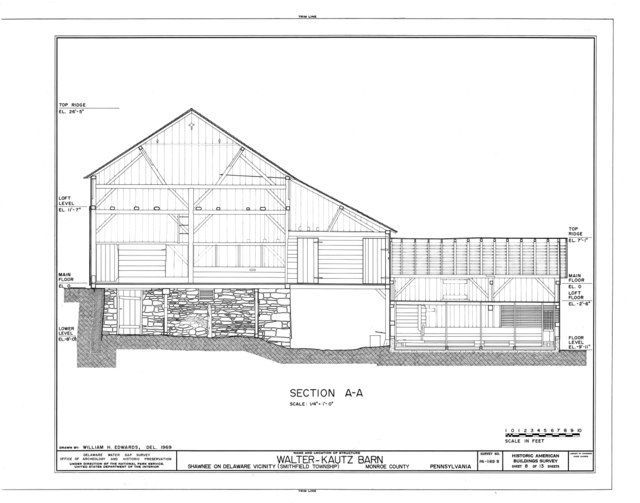
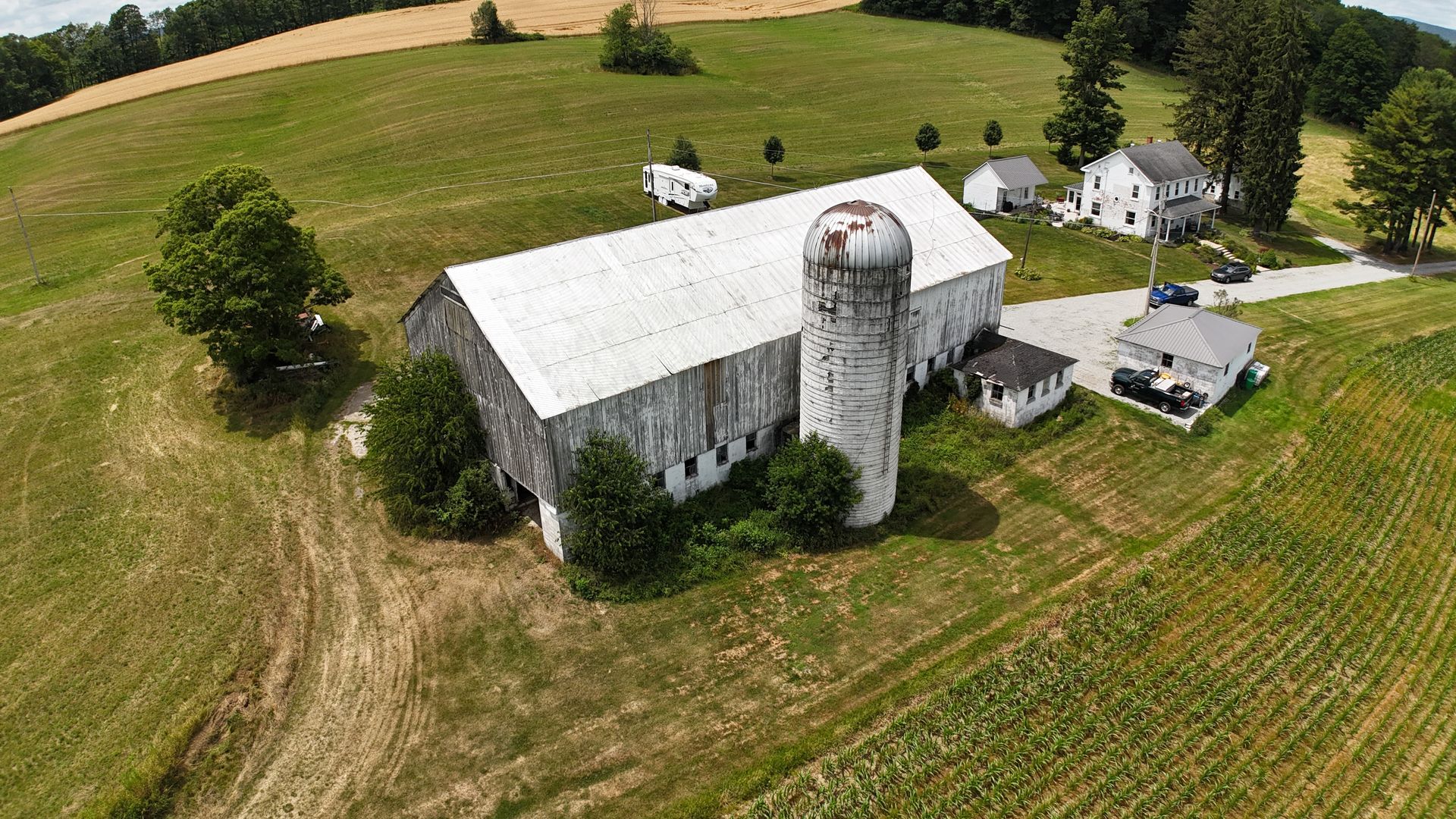
The bank barn is one of the most recognizable American styles, especially in the Mid-Atlantic and Midwest. These impressive structures get their name from being built directly into the side of a hill or "bank."
The key feature of a bank barn is its two-level ground access. The lower level opens on the downhill side, while the upper level has a separate entrance on the uphill side. This clever design meant wagons could drive directly onto the second floor for unloading hay and grain, eliminating the need for complex ramps or lifts. German farmers from Pennsylvania perfected this style in the 1700s and 1800s, bringing building traditions from Europe.
Typically, the lower level housed livestock. Its thick stone walls provided excellent insulation against winter cold and summer heat. Many bank barns also feature a "forebay," an overhang on the downhill side that protects the lower-level doors and windows from the weather.
2. English Barns
The English barn is one of the earliest and most straightforward American styles. English colonists brought this design to New England in the 1600s and 1700s, where its simplicity and practicality were a perfect fit.
A typical English barn is a small, rectangular structure built on level ground. It has a simple, steep-pitched gable roof designed to shed New England's rain and snow. Its defining feature is a central aisle with large wagon doors on both long sides of the barn. This central area served as a threshing floor, where farmers separated grain from chaff.
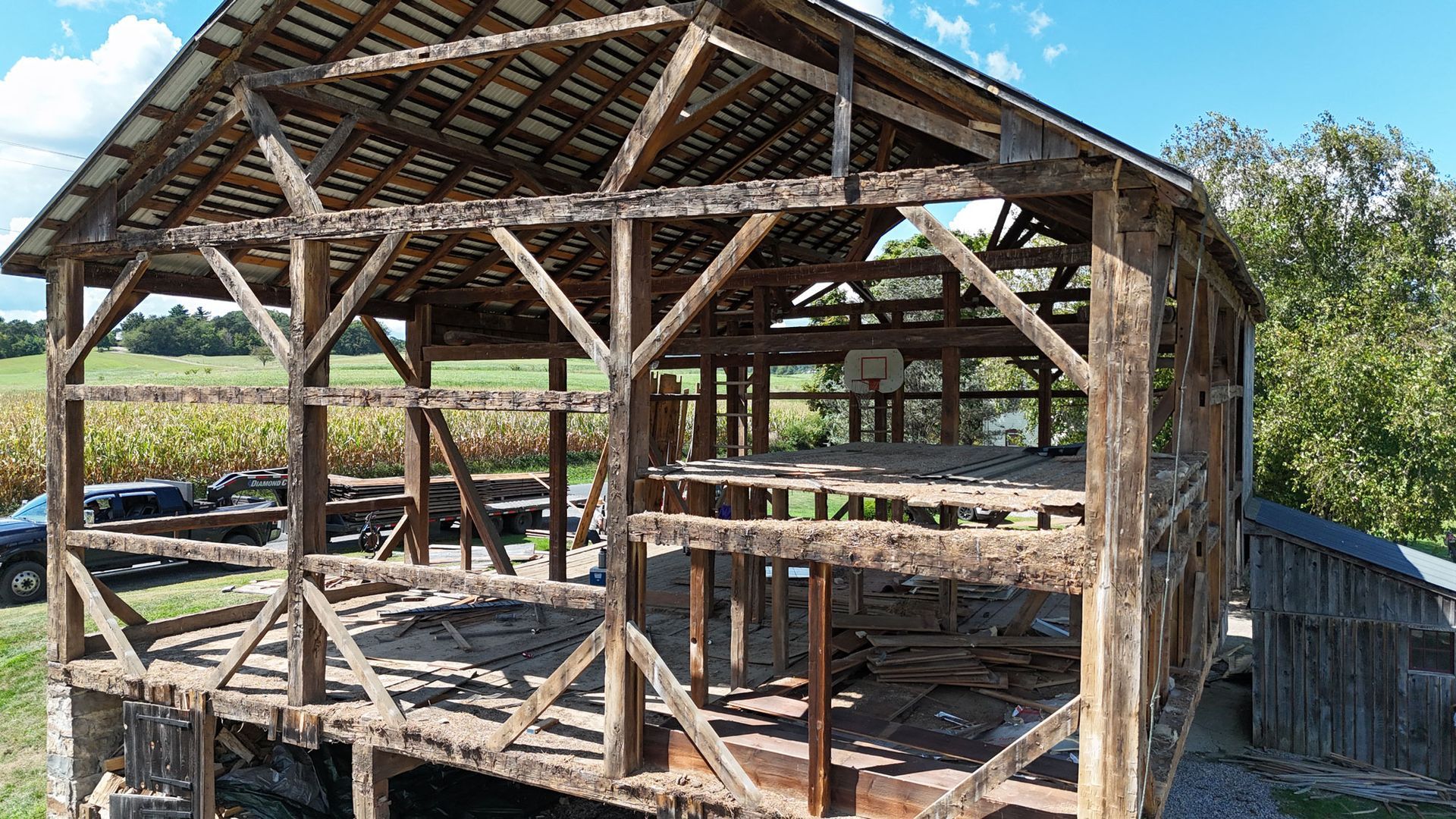
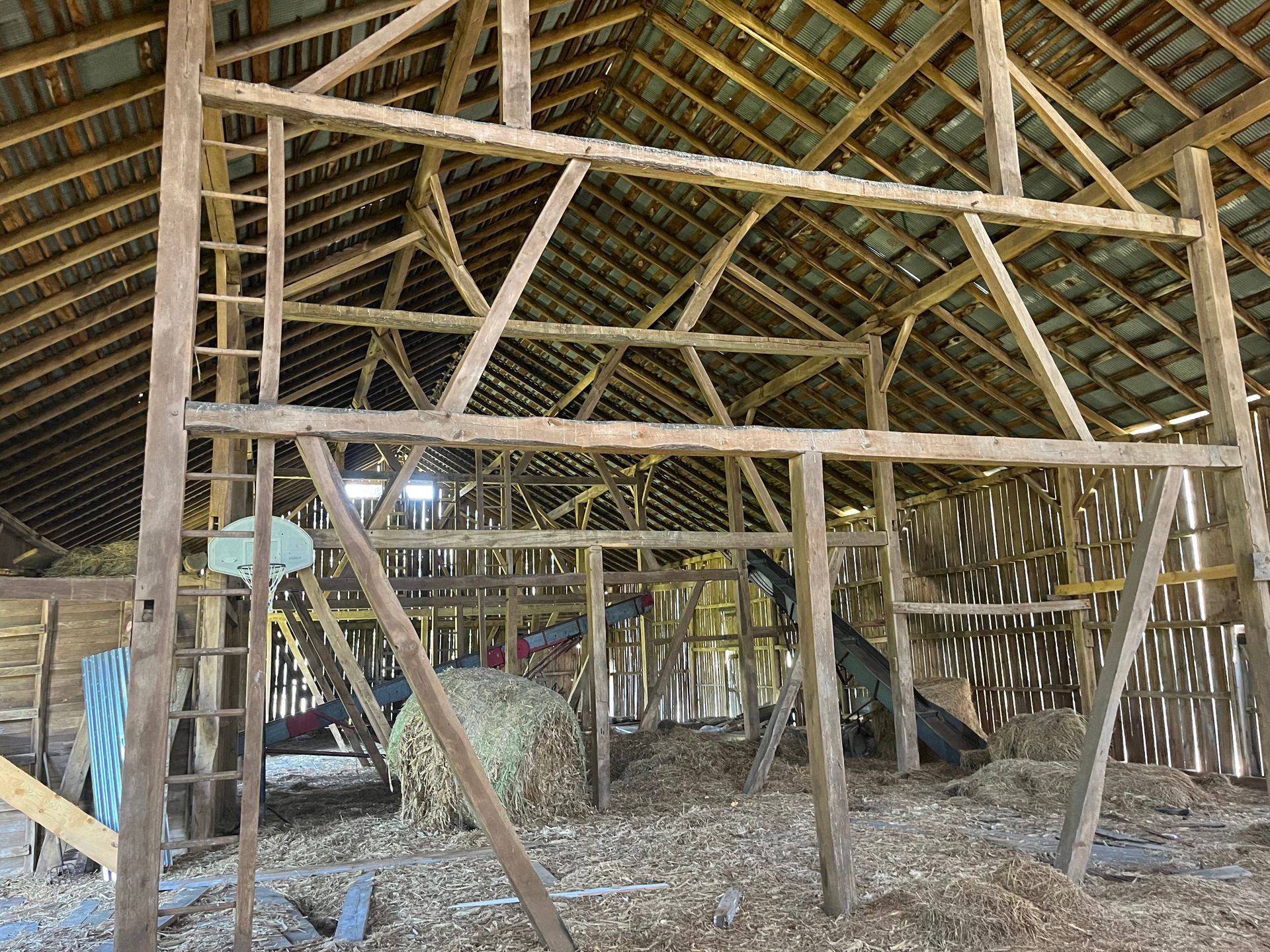
Inside, one side of the barn housed livestock, while the other side stored hay and feed. The frame was built with heavy timbers connected by mortise and tenon joints, creating a durable structure that could last for centuries. Early English barns were rarely painted, weathering to the classic gray color many associate with antique barns.
3. Dutch Barns
Built by Dutch settlers in New York and New Jersey, Dutch barns are some of America's oldest and rarest barn styles. Their unique design makes them easy to spot. The most striking feature is a broad, low-pitched gable roof that creates a massive interior space for storing hay.
The structural system is also unique, using an H-frame with heavy anchor beams that allowed for a wide, open central area without interior support posts. Doors on Dutch barns are also different. Instead of large doors on the gable ends, they often feature smaller doors at the corners, sometimes in a "Dutch door" style that is split horizontally.
The side aisles housed animals, while the vast central area was used for threshing and storage. Very few authentic Dutch barns survive today, making them historically significant subjects for preservation.
4. Crib Barns
Crib barns are common throughout the South, especially in the Appalachian regions of Kentucky, Tennessee, and the Carolinas. Their design evolved from different agricultural traditions than the barns in the North.
A "crib" is a self-contained unit, usually made of logs, used for storage or housing animals. The most common design is the double-crib barn, which features two cribs separated by an open breezeway, often called a "dogtrot." This open passage was crucial for ventilation in hot, humid Southern climates, keeping stored crops dry and providing a shaded workspace.
Construction was typically log or heavy timber. The modular design allowed farmers to add more cribs as their needs grew. A special version, the tobacco barn, featured gaps in the wall siding to allow for precise airflow control needed to cure tobacco leaves.
5. Monitor Barns
Monitor barns, also called raised-roof barns, have a distinctive roofline that sets them apart. The center section of the roof is raised higher than the sides, creating a line of vertical windows known as a clerestory.
This design floods the barn's interior with natural light and provides excellent ventilation. The concept was borrowed from industrial factory design and became popular for dairy barns in the late 1800s and early 1900s. Better light and air quality improved working conditions for farmers and promoted better health for the animals living inside.
The interior layout usually has a main aisle running down the center with stalls for cattle on either side. Hay was stored in the lofts above the stalls. You can find these barns across the country, but they are most common in the dairy regions of the Midwest and Northeast.
6. Round Barns
Round barns are perhaps the most unusual and intriguing American barn style. Their circular or polygonal shape makes them stand out in any landscape. Although a few thousand were built, they never became as common as rectangular barns, and far fewer survive today.
Advocates for the round design claimed several advantages. The shape enclosed the most space with the least amount of wall material, potentially saving on construction costs. The structure was also thought to be more stable against high winds. For dairy operations, a circular layout could improve efficiency, with cattle arranged around a central silo or feed storage area.
Building a round barn required significant skill. Creating a circular frame and topping it with a conical roof was a major challenge. Because of their unique construction and appearance, many surviving round barns have been preserved as landmarks or repurposed for community use.
7. Gambrel Barns
When most people picture a "classic barn," they are usually thinking of a gambrel barn. With its iconic double-sloped roof, this style became hugely popular in the late 1800s and early 1900s.
The gambrel roof's main advantage is the massive amount of storage space it creates in the upper level, or hayloft. The steep lower slope and gentler upper slope create a nearly full-height ceiling across the loft, maximizing usable volume for storing loose hay. A large hay door in the gable end allowed farmers to load hay directly from a wagon into the loft.
The lower level typically housed livestock, most often dairy cattle. The huge hay capacity above meant farmers could store enough feed to last through long winters. This practical, stacked design made the gambrel barn a favorite across America.
Preserving Exceptional Barn Frames
At Bay & Bent, our work is driven by a passion for the extraordinary craftsmanship found in historic barns. We focus on finding and preserving the finest examples of timber frames America has to offer.
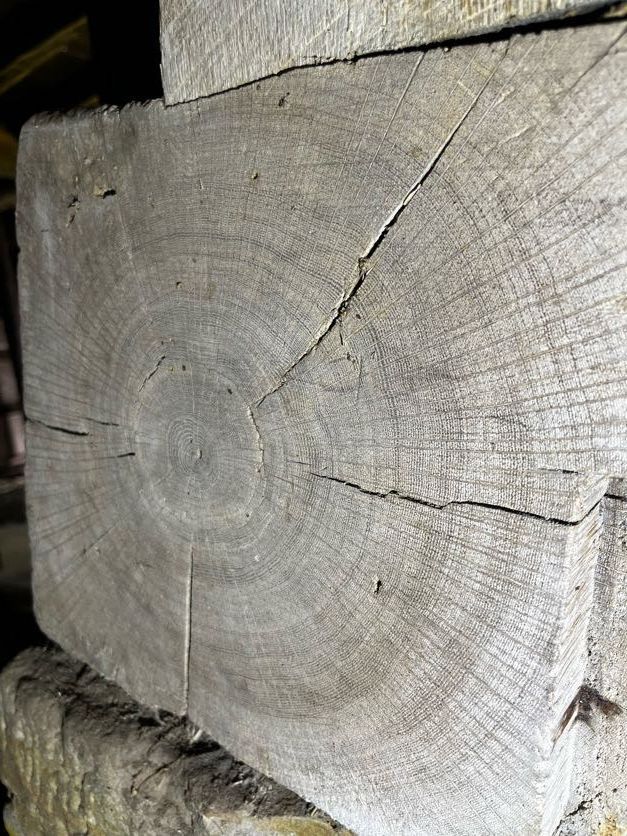
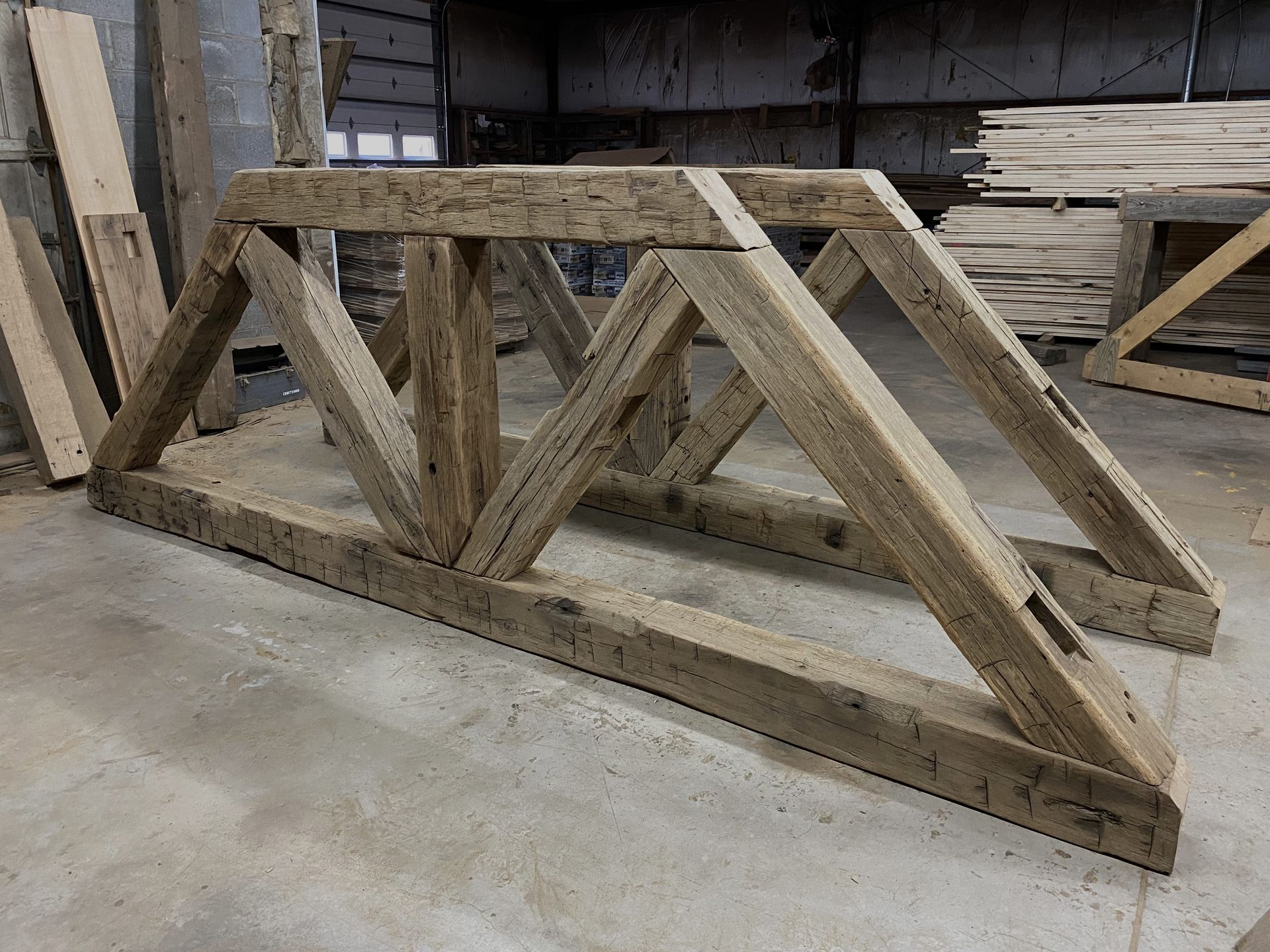
The barns we seek are more than just examples of a style; they showcase exceptional quality in both materials and construction. We look for frames built with old-growth timber and traditional mortise and tenon joinery, put together by artisans who were masters of their craft. When we find these outstanding frames, we carefully document and disassemble them.
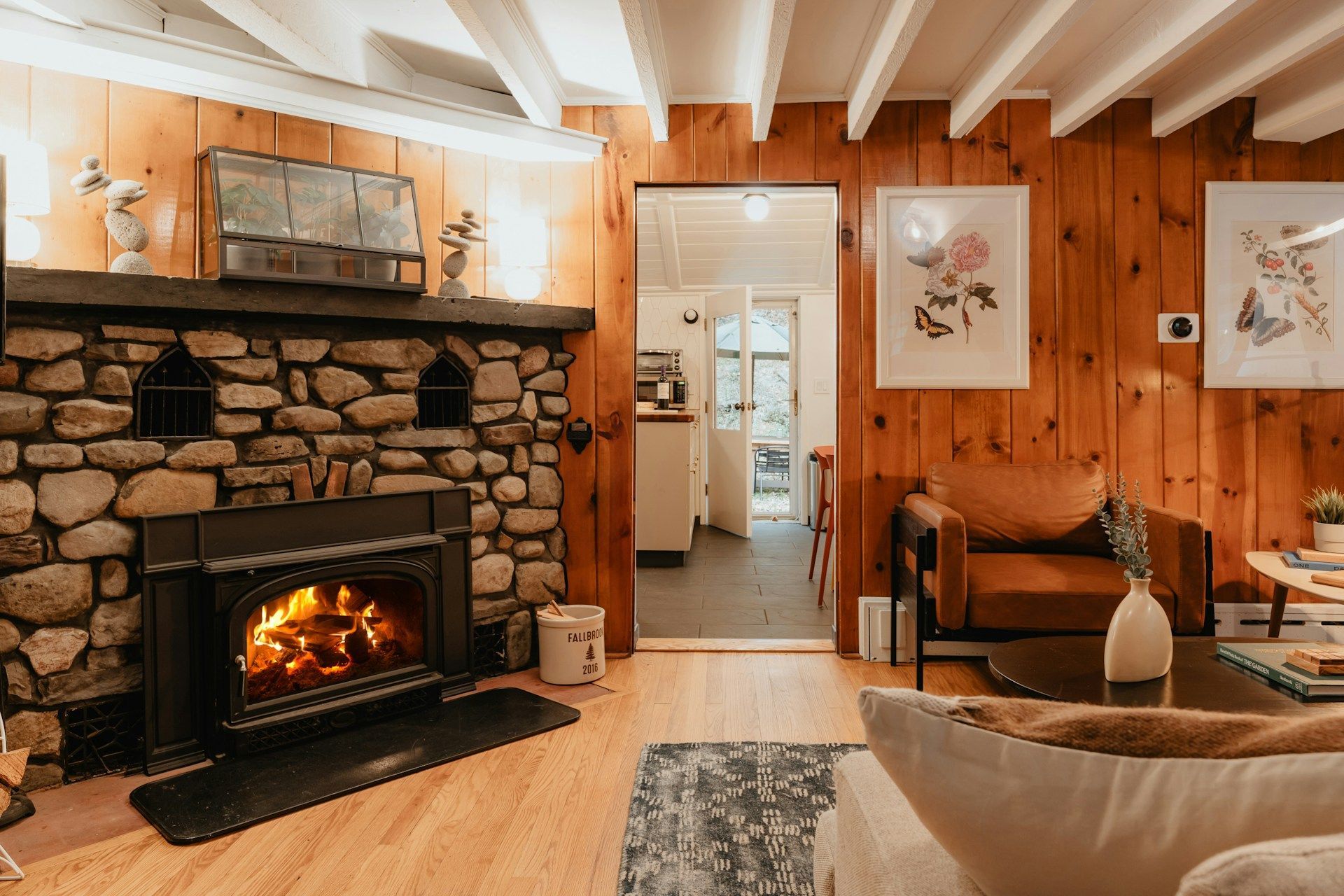
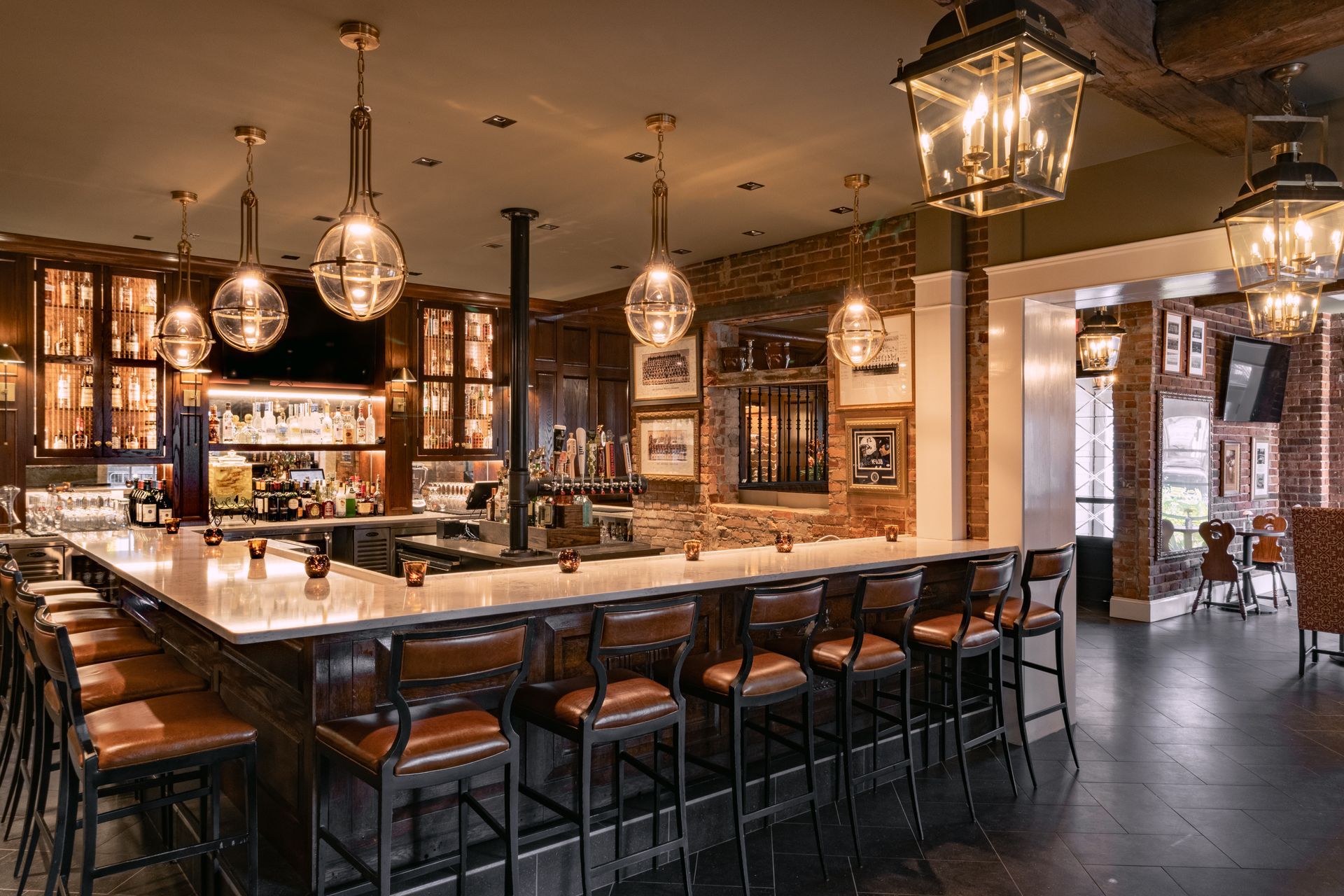
Back at our facility, we repair each timber while preserving as much of the original material and character as possible. It is important to note that we do not perform on-site restorations for barn owners. Instead, our expertise lies in identifying these truly special frames, acquiring them, and delivering them to clients around the world for use in new, one-of-a-kind projects. These historic frames bring unparalleled character and a tangible connection to the past into modern homes, venues, and commercial spaces.
How to Identify Classic Barn Styles
When you spot an old barn, a few clues can help you identify its style.
- Start with the roof. Is it a simple A-frame (gable), a double-sloped roof (gambrel), or a raised-center roof (monitor)? The roofline is often the biggest hint.
- Look at its placement. Is it built into a hillside with two levels of ground access? That's likely a bank barn.
- Check the door locations. Large wagon doors on the long sides suggest an English barn. Doors at the corners could indicate a Dutch barn.
- Note the size and shape. A small, simple rectangle is likely an English barn. A very wide structure could be a Dutch barn. A circular shape is, of course, a round barn.
- Consider the region. Certain styles are concentrated in specific areas. Bank barns are common in Pennsylvania, while English barns dominate early New England.
The Enduring Legacy of American Barns
These classic barn styles are more than just relics of agricultural history. They are a physical connection to our heritage, reflecting immigrant traditions, regional identities, and generations of practical problem-solving. While modern farming has moved on to different types of buildings, thousands of these historic structures remain.
Learning to recognize these styles enriches our view of the rural landscape. That weathered barn on the side of the road is not just "an old barn," it's a specific style with a unique story. By understanding these differences, we can better appreciate the rich architectural legacy these buildings represent.