Ranch Style House: Modern Looks, Country Roots
Vintage with a modern twist
Walk through almost any American neighborhood, and you'll spot them, those long, low homes with wide windows and attached garages. Ranch-style houses have been America's favorite home design for nearly a century, and it's easy to see why. They're practical, accessible, and they just feel welcoming.
But where did this iconic style come from? And why do people still choose ranch homes today when there are so many other options? The story of the ranch house is really the story of how Americans wanted to live, simply, comfortably, and connected to the outdoors.
The Roots: Spanish Ranches
The ranch house didn't pop up overnight. Its origins stretch back to the Spanish colonial haciendas of the 1600s and 1700s in what would become the American Southwest.
These working ranches were built low and wide, using whatever materials people could find nearby: adobe bricks, wood, and plaster. The roofs sat low with wide overhangs that provided shade from the brutal sun. Many featured U-shaped floor plans wrapped around interior courtyards. Large porches gave people places to gather outside.
These weren't fancy buildings. They were functional, designed to meet basic needs in a harsh environment. Single-story construction made sense when you were building with limited resources and labor. The thick walls kept the interiors cool. The simple designs meant faster, easier construction.
Fast forward to the 1920s and 1930s. Architects in California and the Southwest started looking at these old ranch buildings with fresh eyes. They saw something worth preserving, that connection between indoor and outdoor living, the horizontal profile that sat gently in the landscape, the informal simplicity.
Architect Cliff May, who grew up around these Spanish-style ranches in San Diego, gets credit for creating the modern ranch house. He took those traditional elements and blended them with contemporary design principles. The result was something new: the California ranch.
Ranch Houses Take Over America
The California ranch caught on quickly, but the real explosion happened after World War II. America needed housing, and it needed it fast. Millions of soldiers were coming home, starting families, and looking for homes.
The ranch house was perfect for this moment. The single-story design was efficient to build. The simple floor plans meant less complicated construction. Post-frame and conventional framing methods made it possible to build entire neighborhoods quickly.
President Eisenhower's Federal Highway Act of 1956 opened up cheap land outside cities. Suddenly, developers could build sprawling suburban neighborhoods on previously inaccessible property. The ranch house, with its horizontal spread, fit this new suburban landscape perfectly.
By the 1950s, ranch homes accounted for nine out of every ten new houses built in America. They were everywhere, from California to Connecticut, from Texas to Michigan. Regional variations emerged as builders adapted the basic design to local tastes and climates, but the core elements remained consistent.
What Makes a House a Ranch
Ranch-style houses share several defining features that make them instantly recognizable, even with all their variations.
The most obvious characteristic is the single-story layout. Ranch homes are spread out horizontally rather than stacked vertically. This creates that distinctive long, low profile. Some ranch homes later added split-level elements or raised ranch designs with partial second floors, but the classic ranch stays on one level.
Low-pitched rooflines are another hallmark. These roofs slope gently, sometimes so subtly you barely notice them. Wide eaves extend beyond the walls, providing shade and weather protection. The roofs are typically gabled or hipped, chosen for their simple, clean lines.
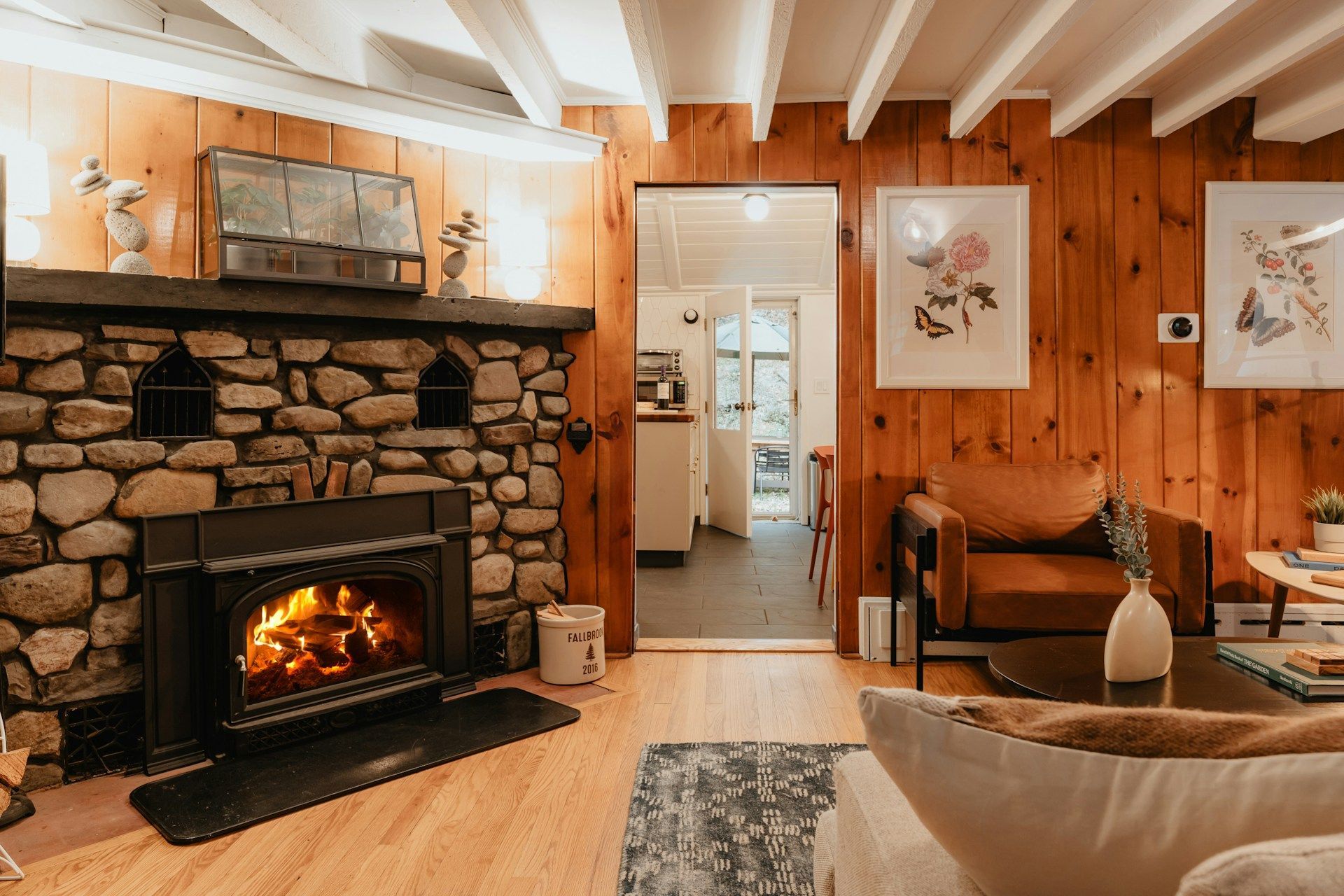
Large windows define ranch architecture. Picture windows in living rooms bring in natural light and connect interior spaces to outdoor views. Sliding glass doors, which became widely available in the postwar period, blur the boundary between inside and outside. They typically open onto patios or backyards, extending the living space.
Open floor plans feel natural in ranch homes. The kitchen, dining room, and living room flow together without many dividing walls. This layout was revolutionary when ranch homes first appeared; most houses before had clearly separated, boxed-in rooms. The open concept made homes feel larger and more social.
Attached garages or carports integrated into the home's footprint represent another key feature. This practical element reflected America's growing car culture. No more running through rain to reach a detached garage.
Ranch homes typically have asymmetrical facades facing the street. One side might have the garage, while the other holds a large picture window. This informal balance gives ranch homes their casual, unpretentious character.
Different Ranch Styles Across the Country
As ranch houses spread nationwide, regional variations developed to suit different climates, tastes, and budgets.
The California ranch remains the classic version. These homes often feature L-shaped or U-shaped floor plans that create natural courtyards or patio spaces. Spanish influences sometimes appear in details like decorative trim, stucco exteriors, or arched doorways. These ranches tend to be more spacious and luxurious than other types.
Suburban ranches became the standard in postwar developments. More compact and simplified than California ranches, these homes prioritize efficiency over decoration. They feature minimalist exteriors, concrete slab foundations in many cases, and straightforward floor plans. These are the ranch homes that filled neighborhoods across America in the 1950s and 1960s.
Raised ranches or split-entry ranches offer a clever solution for sloping lots. The front door opens onto a landing with stairs leading both up and down. The main living spaces typically sit on the upper level, while a finished basement below provides additional rooms. This design maximizes usable space on challenging sites.
Split-level ranches take this idea further with multiple staggered floors. You might enter on a middle level with stairs leading to bedrooms above and family rooms below. These homes have a distinctive appearance with their offset rooflines.
Storybook ranches, sometimes called fairytale ranches, stand out for their decorative touches. These might include ornamental shutters, detailed trim work, or charming architectural accents that give the homes more personality than typical minimalist ranches.
Why Ranch Homes Still Work Today
Despite changing tastes and newer architectural trends, ranch homes remain popular. There are good reasons people still choose this nearly 100-year-old design.
Accessibility tops the list. Single-level living means no stairs to navigate for daily activities. This appeals to families with young children, people with mobility challenges, and anyone planning to age in place. Everything you need sits on one floor.
The open floor plans feel contemporary even though the concept originated decades ago. Today's homeowners appreciate the flow between kitchen, dining, and living spaces. These layouts work well for modern lifestyles focused on casual entertaining and family interaction.
Ranch homes offer flexibility for renovation and customization. The simple structure and often non-load-bearing interior walls mean homeowners can reconfigure spaces relatively easily. Updating finishes, opening up walls, or adding modern amenities fits naturally with ranch architecture.
Connection to outdoor spaces remains a major selling point. Those sliding glass doors and large windows still make sense, especially as people increasingly value indoor-outdoor living. Patios, decks, and backyards become extensions of the home.
Energy efficiency potential makes ranch homes attractive for eco-conscious buyers. While older ranch homes may need updates, the single-story design and compact footprint can be easier to heat and cool than multi-story homes once proper insulation and modern HVAC systems are installed.
When Heritage Meets Modern Ranch Living
While most ranch homes use contemporary construction methods, some homeowners want something different, a connection to authentic craftsmanship and architectural heritage that standard new construction doesn't provide.
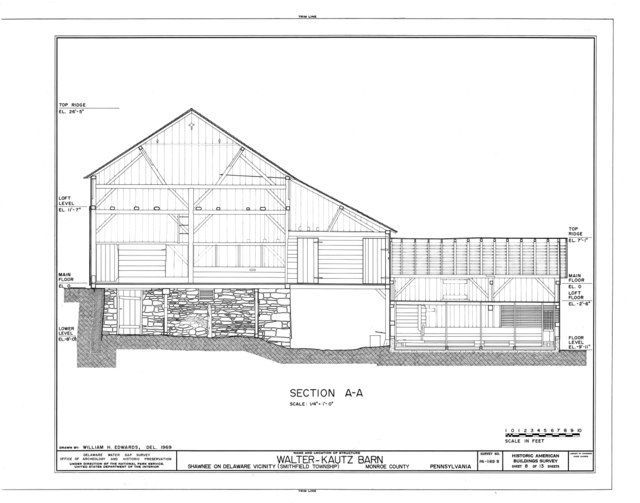
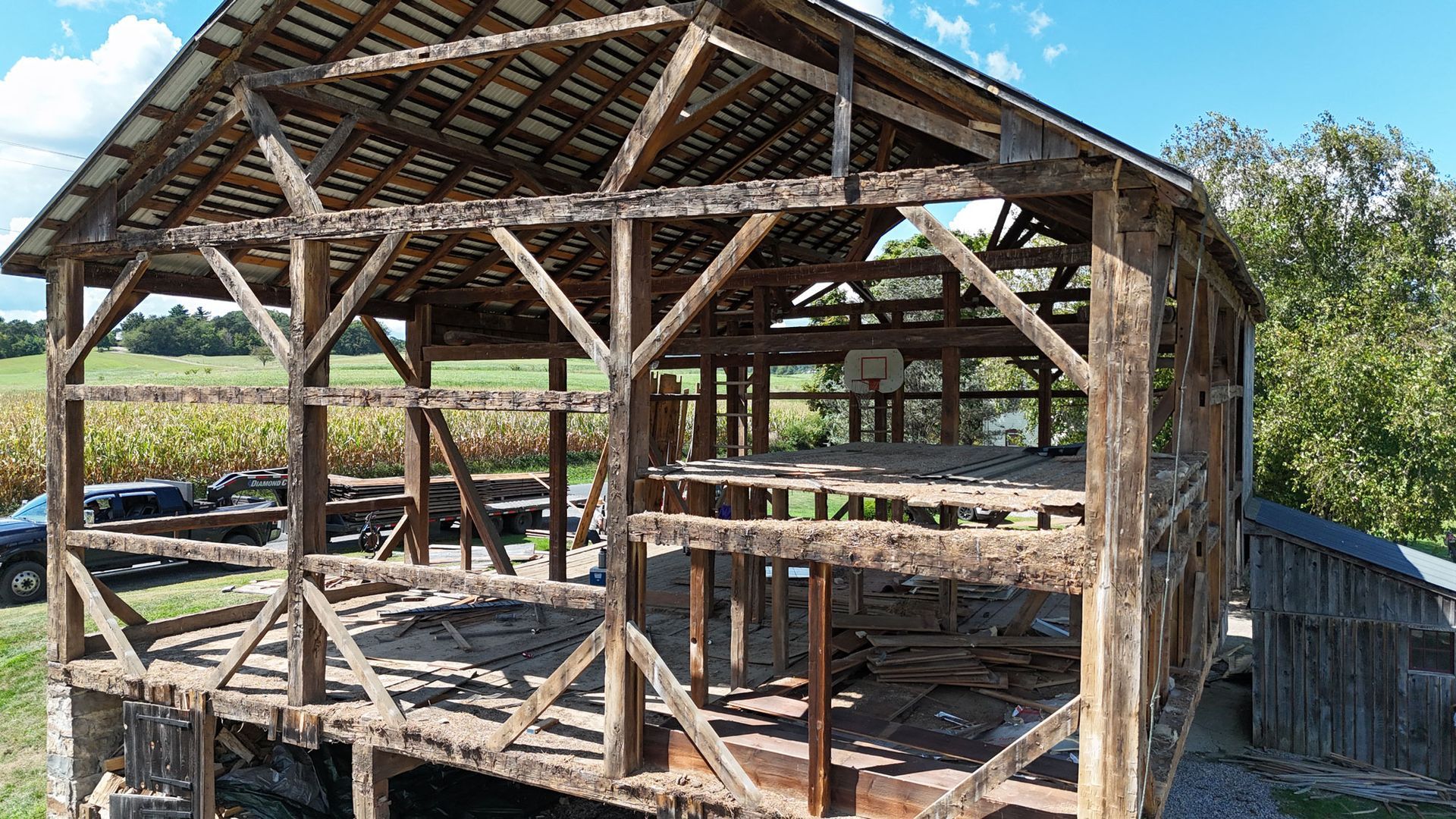
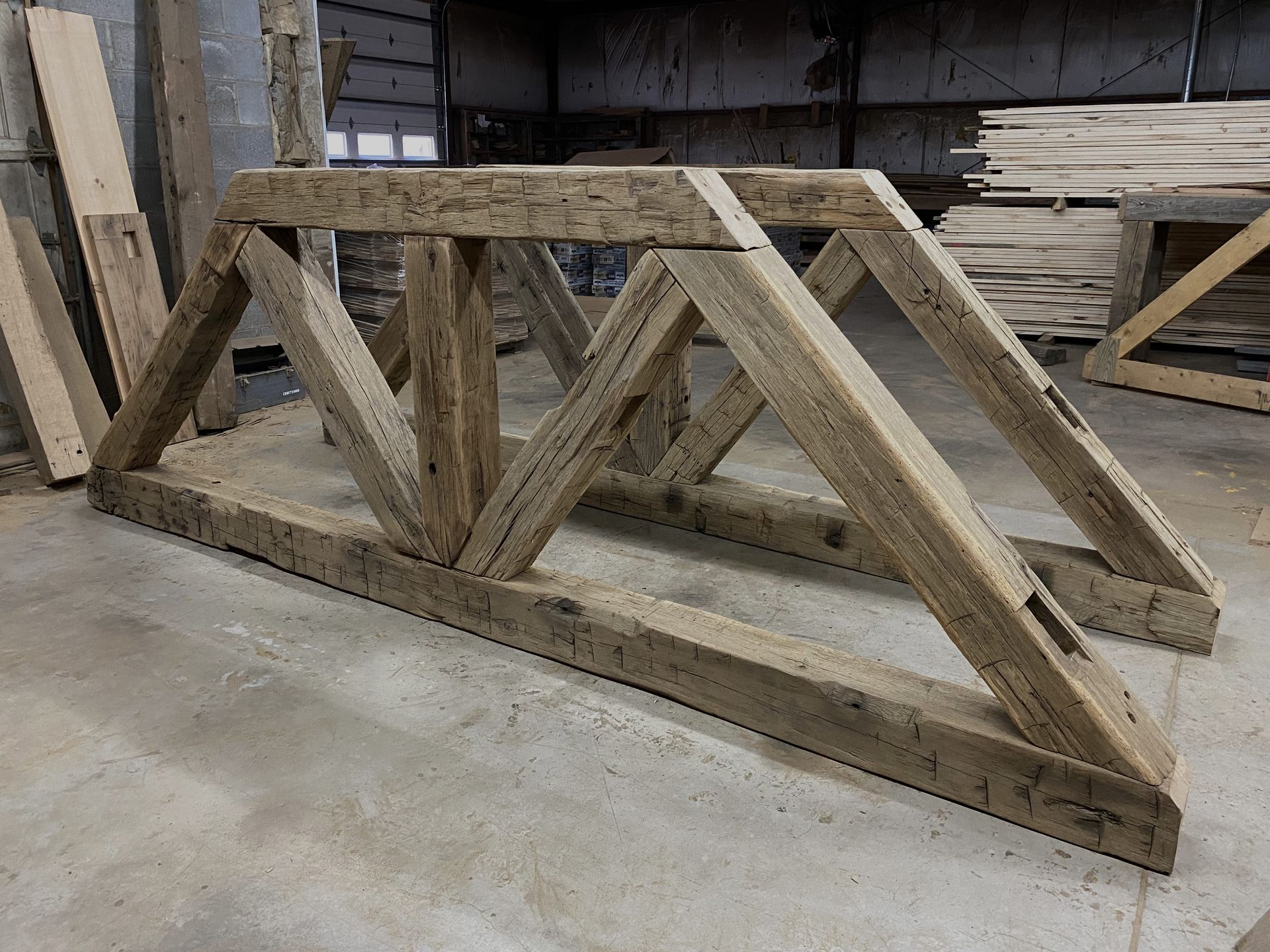
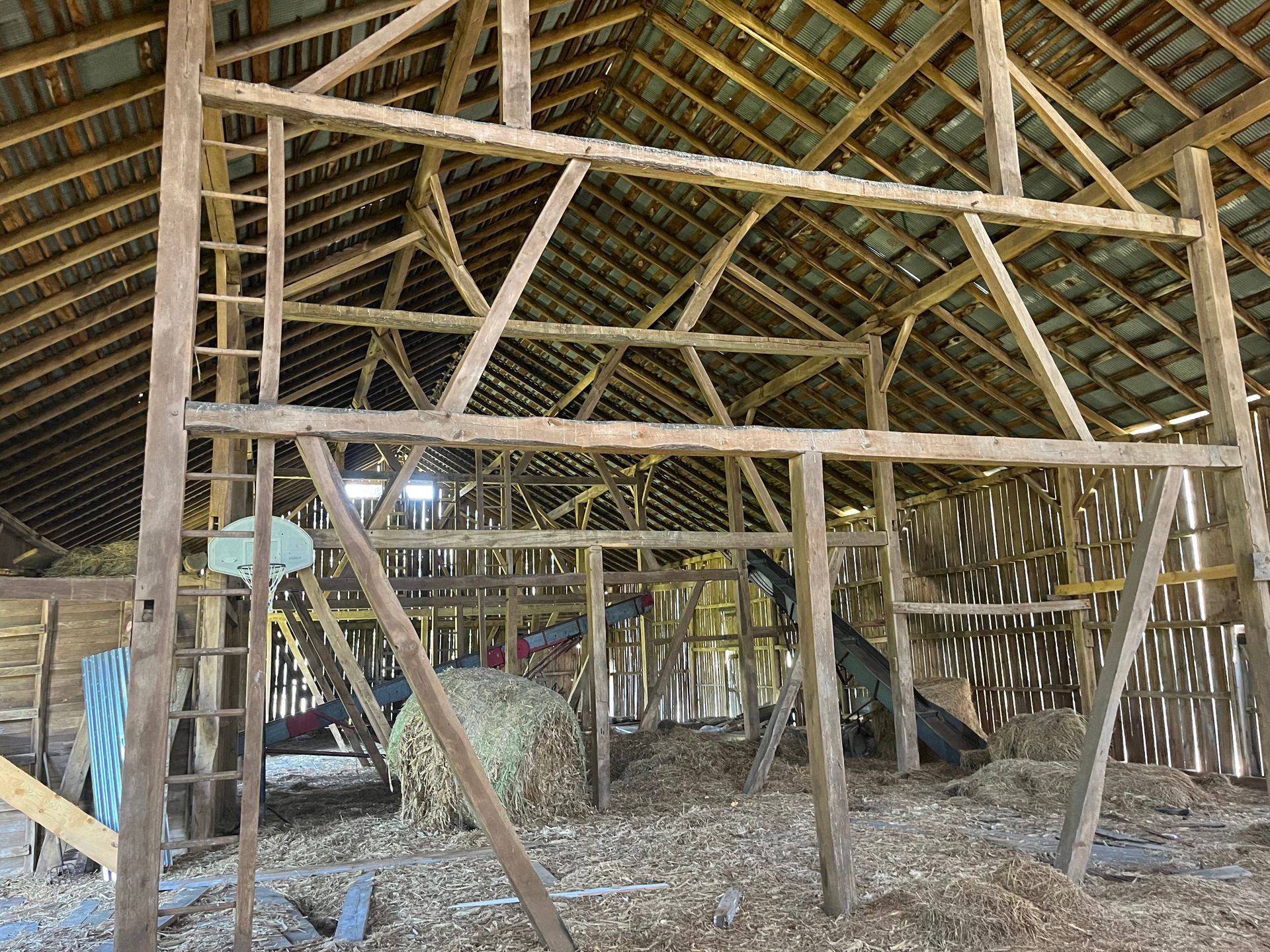
At Bay & Bent, we've spent years seeking out the finest historic timber frames across America. These aren't ordinary building materials. We're talking about structures built by skilled craftspeople using traditional joinery techniques and old-growth timber that simply doesn't exist in modern lumber yards.
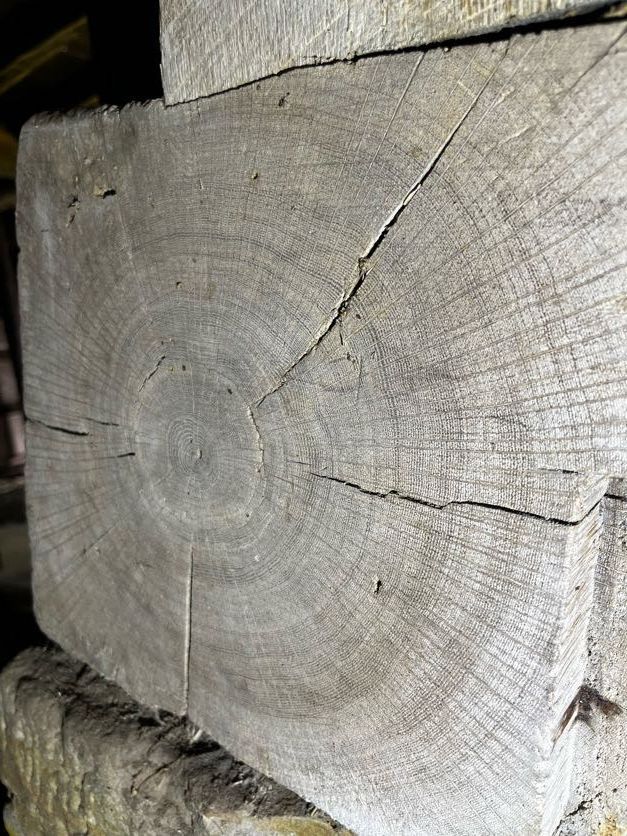
The frames we find often date back a century or more. Each beam tells a story through its hand-hewn marks, its mortise and tenon joints, and its natural patina developed over decades. The quality of these materials, the tight grain patterns, the natural durability, the substantial dimensions, represents building traditions that have largely disappeared.
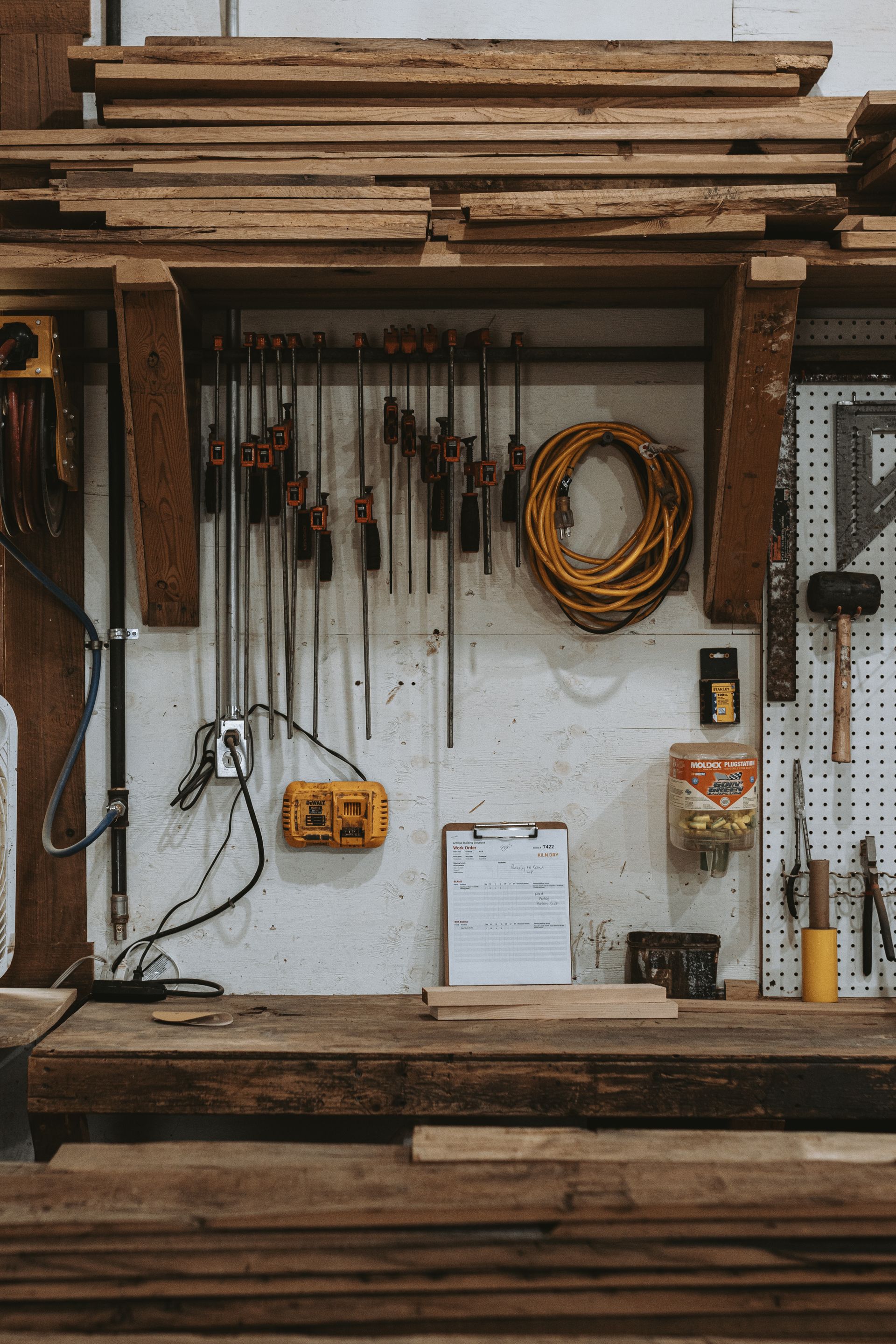
We carefully disassemble these historic frames, bring them to our facility for detailed repair work, and prepare them for delivery anywhere in the world. This isn't restoration work for existing barns on-site. Instead, we specialize in finding exceptional frames and matching them with new projects where they can continue their life in contemporary settings.
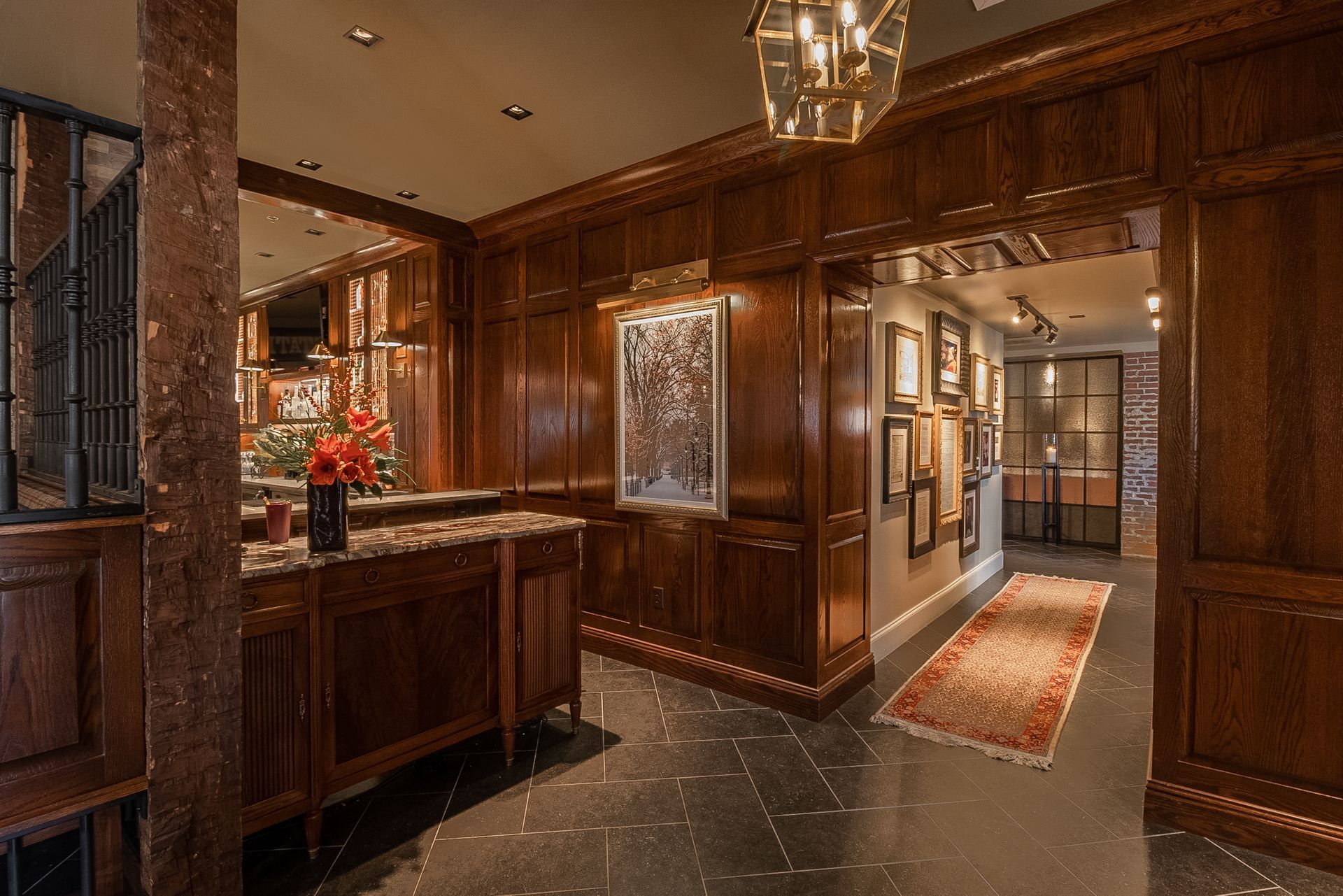
For ranch home builders interested in incorporating authentic heritage materials, historic timber frames offer something special. The exposed timber work becomes a stunning architectural feature. The proven structural integrity means strength that's been tested over time. And the sustainability of reusing existing materials rather than harvesting new timber appeals to environmentally conscious homeowners.
These frames bring instant character and craftsmanship to ranch designs that value tradition, quality, and genuine historical connection. It's a way to honor the past while building for the future.
Ranch Homes in Today's Market
Current real estate trends show ranch homes remain in demand. According to recent data, ranch-style houses continue to be among the most searched-for home styles in America.
Existing ranch homes vary significantly in price depending on location, size, and condition. A smaller ranch in a rural area might be quite affordable, while a renovated mid-century ranch in a desirable suburb near a major city commands premium prices.
Building a new ranch home typically costs between $150,000 and $200,000, though this varies widely based on size, finishes, and location. The larger footprint required for single-story construction can make ranches more expensive per square foot than two-story homes, primarily due to foundation and roofing costs.
However, ranch homes often offer strong resale value. Their accessibility features, open layouts, and timeless appeal attract buyers across generations. Well-maintained ranch homes in good locations tend to sell reliably.
Renovation potential adds to their investment appeal. Many mid-century ranch homes sit on larger lots than typical new construction. This gives buyers room for additions, outdoor improvements, or simply more yard space. The solid construction of well-built older ranches provides good bones for modernization.
Final Thoughts
What makes ranch homes special isn't complexity or grandeur. It's simplicity done right, functional design that meets real needs without unnecessary fuss.
Ranch architecture embodies practical elegance. The long, low lines sit comfortably in the landscape. The open interiors create livable, flexible spaces. The connection to outdoor areas enriches daily life. The accessible single-level layout works for people at different life stages.
These homes succeeded for a reason. They offered Americans what they wanted: easy living, informal comfort, and enough space to stretch out. That formula still works today.
Whether you're drawn to a classic mid-century ranch, considering building a new ranch-style home, or intrigued by blending historic craftsmanship with ranch design, this architectural style continues to evolve while staying true to its roots. The ranch house remains, after all these decades, quintessentially American, practical, welcoming, and built for real life.