Where to Find Vintage Building Materials
Your guide to sourcing reclaimed treasures
You’re renovating an older home and want to match the original hardwood flooring. Or perhaps you're building something new and want reclaimed timber beams that add instant warmth and history. Modern big-box stores often don't carry materials with that kind of character, but vintage building materials offer a quality and story that new products can't match.
But where do you actually find them? How can you tell if salvaged wood is still sound? This guide will walk you through the best places to find vintage building materials and what you need to know before you buy.
Why Choose Vintage Building Materials?
Before diving into where to look, it’s helpful to understand why so many people seek out these materials. The reasons go far beyond just aesthetics.
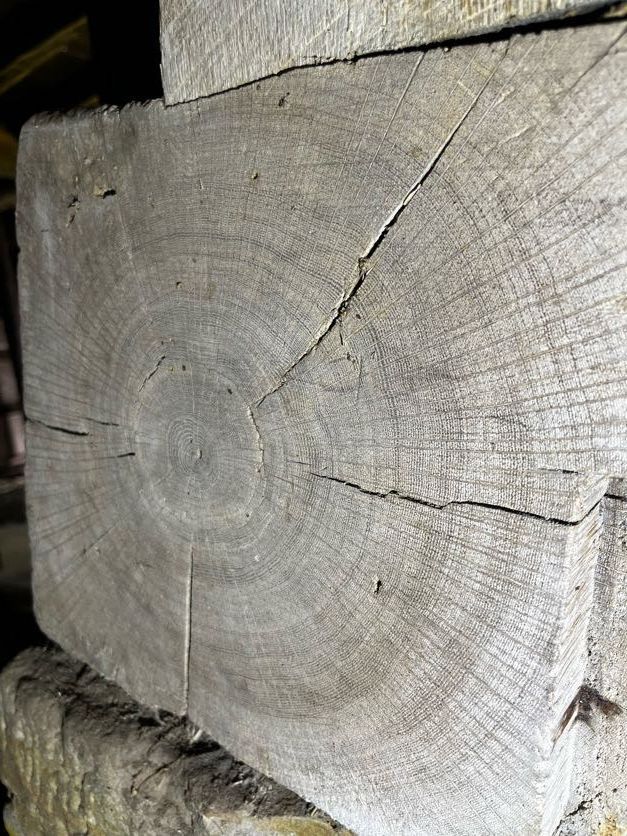
- Quality: Materials from older buildings often come from old-growth forests, which produce wood with tighter grain patterns. This wood is denser, more stable, and more resistant to wear than much of the lumber available today. Similarly, vintage bricks were often fired longer and at higher temperatures, making them incredibly durable.
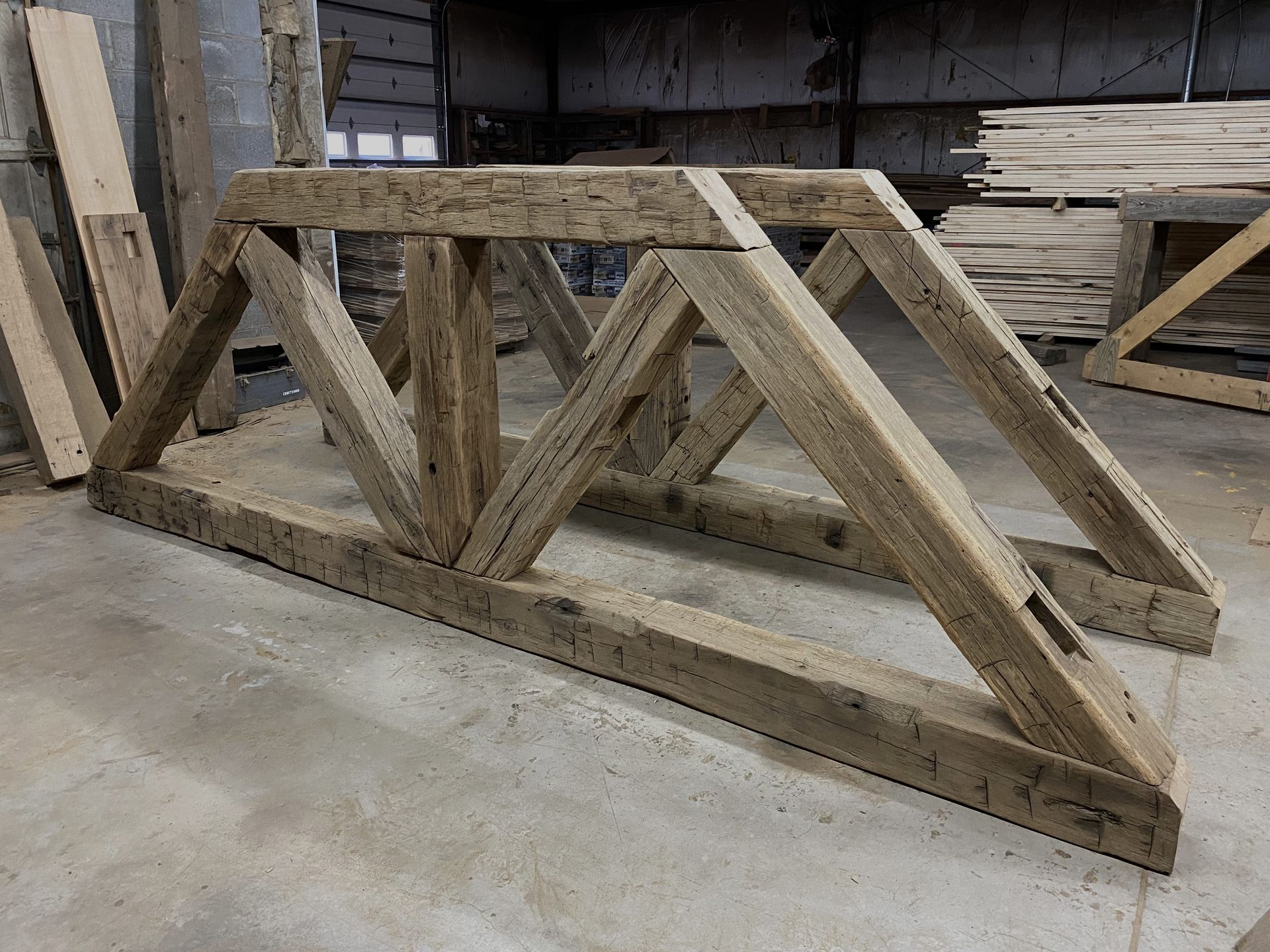
- Character: Vintage materials have a patina, a natural aging process that gives them warmth and depth. Hand-hewn beams show the tool marks of the artisans who shaped them, and old flooring has wear patterns that tell a story.
- Sustainability: Reusing materials is an environmentally friendly choice. It keeps usable goods out of landfills and reduces the energy and resources needed to produce new building supplies.
- Historical Accuracy: For a period-home restoration, authentic vintage materials are essential for achieving a result that modern reproductions simply can't replicate.
Where to Find Vintage Building Materials
1. Architectural Salvage Yards and Dealers
Architectural salvage yards are treasure troves for anyone seeking vintage building materials. These businesses specialize in rescuing items from buildings slated for demolition or renovation and reselling them.
What you'll find can vary dramatically from one yard to another. Larger operations might stock everything from barn beams and doors to lighting fixtures, hardware, sinks, and mantels. Smaller dealers may specialize in specific items, like antique doors or light fixtures. The inventory is always changing, so visiting often is key. Many now post new arrivals on their websites or social media, making it easier to see what’s available.
Be prepared to hunt. These are not pristine showrooms. Materials might be stacked in piles or stored in bins, so dress accordingly and bring your measurements.
2. Online Marketplaces for Reclaimed Materials
The internet has opened up a global marketplace for vintage building supplies, connecting sellers and buyers from all over.
Specialized websites that focus exclusively on salvaged materials are a great starting point. These platforms allow demolition contractors, salvage dealers, and individuals to list their items, which you can filter by type, location, and price.
General online classifieds are also worth checking, as you can often find homeowners and contractors selling leftover materials from their own projects.
When buying online, it’s crucial to do your homework.
- Ask for detailed photos from multiple angles, including any damage.
- Confirm the exact dimensions.
- Inquire about the material's history if the seller knows it.
- Understand the shipping costs and logistics, as vintage materials are often heavy and expensive to transport.
- Clarify the return policy before you buy. Many sales are final.
3. Demolition Companies and Contractors
Going directly to the source can give you first access to incredible finds. Contacting demolition companies and contractors can help you acquire materials before they even reach a salvage yard.
Some larger demolition companies have their own salvage operations, systematically removing reusable materials before they tear a building down. They may sell these items directly to the public. Smaller contractors might not have a formal process, but are often happy to sell materials rather than pay to haul them to a landfill.
Building a relationship with local contractors can lead to great opportunities. Just be ready to act fast. Demolition schedules are tight, so you’ll need to be prepared to inspect, purchase, and remove materials on a strict timeline.
4. Estate Sales and Auctions
Estate sales, particularly at older properties or farms, can be gold mines for vintage building supplies. The previous owners may have been builders or craftspeople who left behind stacks of vintage lumber, boxes of hardware, or other architectural elements.
Since estate sale companies don't always fully inventory these items, it pays to visit in person. Go early for the best selection. Farm auctions are also excellent sources, as old barns and outbuildings often contain hand-hewn beams, vintage hardware, and barn doors that come up for sale.
5. Specialty Reclaimed Material Suppliers
A growing number of companies specialize in sourcing, processing, and selling reclaimed materials as finished products ready for installation.
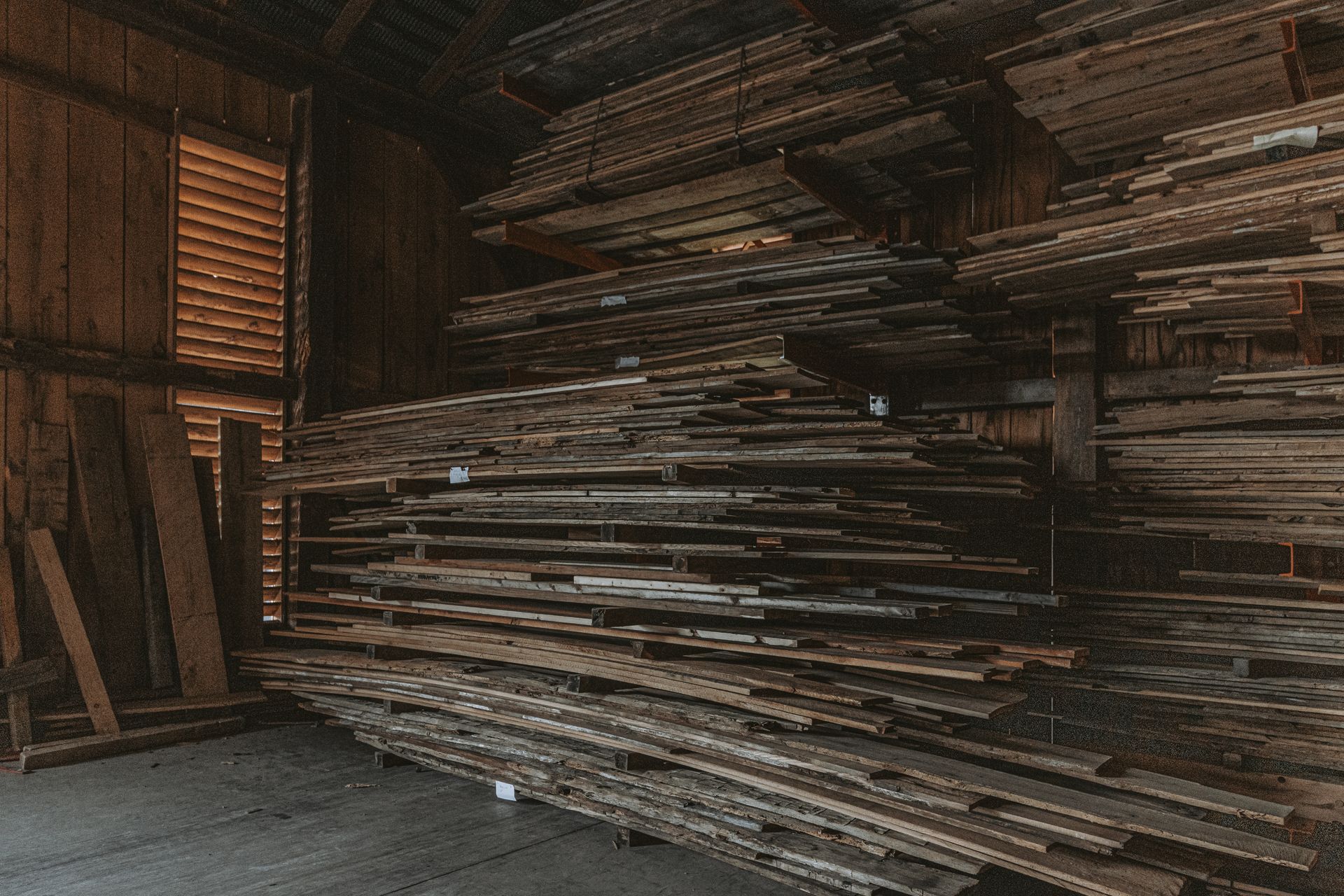
Reclaimed wood flooring companies take vintage wood from old barns, factories, and warehouses and mill it into high-quality flooring. Reclaimed timber suppliers focus on larger structural wood, like beams and posts, which are perfect for exposed timber work or mantels.
These specialty suppliers typically test and grade their materials for structural soundness, giving you confidence in their safety and quality. You can also find suppliers who specialize in reclaimed brick and stone.
Our Approach to Exceptional Historic Frames
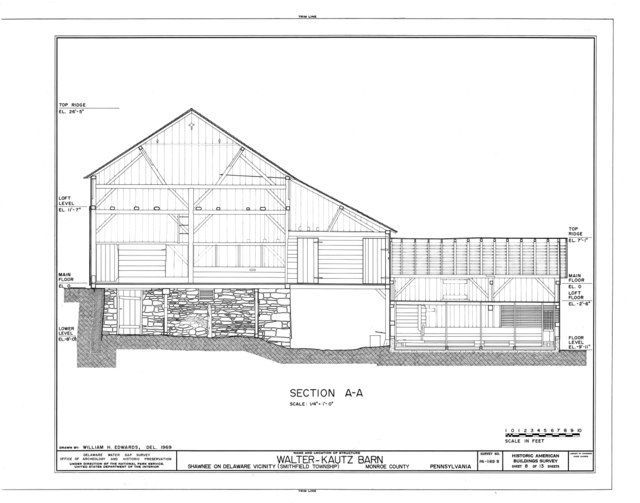
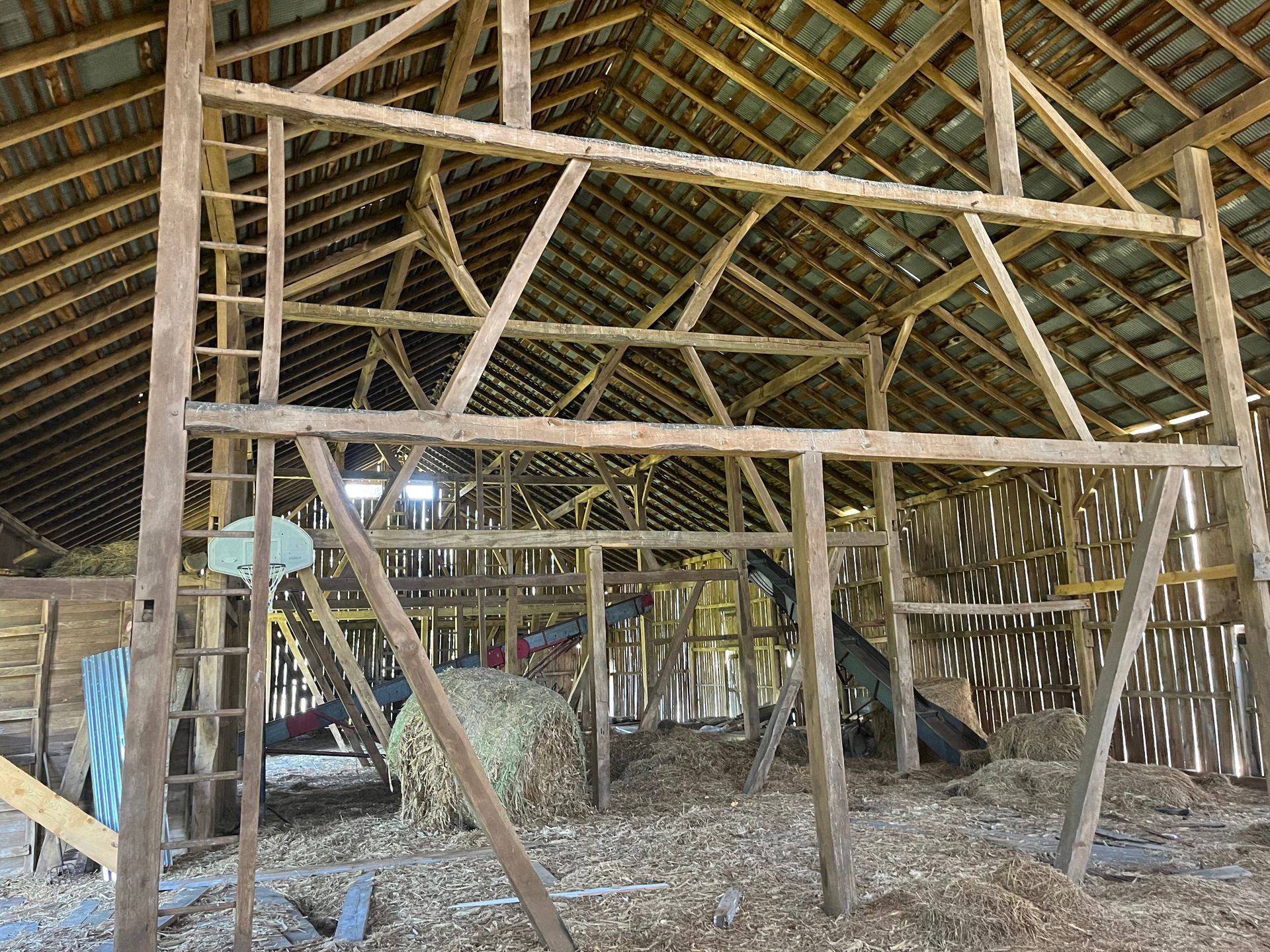
At Bay & Bent, we are dedicated to preserving the finest examples of historic timber craftsmanship. Our work is not about waiting for materials to come to us; we actively search the country for historic barn frames that represent the peak of traditional building methods.
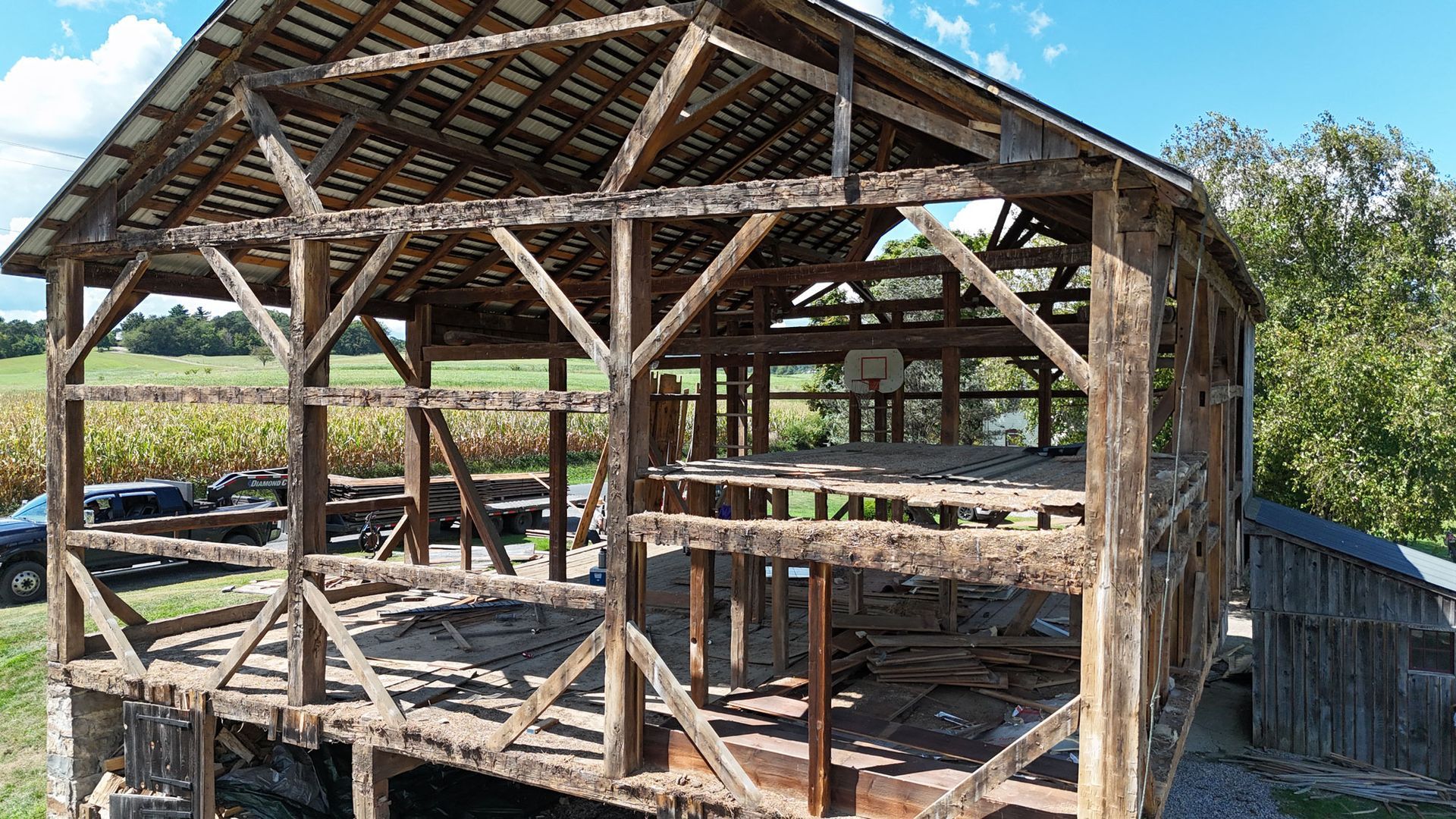
These are not ordinary salvaged materials. We seek out structures built with extraordinary skill, using premium old-growth timber and traditional joinery. When we find one, we carefully document every detail before our expert team disassembles it. Each timber is then inspected, repaired, and prepared at our facility.
Our focus is specific: we acquire these exceptional historic frames and prepare them for clients to use in new projects anywhere in the world. We do not restore barns on an owner's property. Instead, we match these incredible frames with new homes, commercial spaces, and event venues, allowing their heritage and craftsmanship to live on.
What to Check When Buying Vintage Materials
Finding the right materials is only half the battle. You need to carefully inspect them to ensure they are suitable for your project.
Inspection Checklist:
- Check for Rot: For any wood, look for signs of rot, especially on the ends or anywhere it may have contacted moisture. Tap the wood with a hammer, a solid sound is good, while a dull thud can indicate decay.
- Look for Insect Damage: Small holes could be a sign of an active infestation. If you see powder or live insects, the wood may need treatment before you bring it into your home. Old, inactive damage is usually fine.
- Verify Dimensions and Quantity: Measure everything yourself. Old lumber doesn't always conform to modern standard sizes. Always buy more than you think you’ll need to account for cuts and mistakes.
- Test Functionality: For fixtures and hardware, check if they work. Do doors hang properly? Do windows operate smoothly? Some issues are repairable, but major problems might make an item unusable.
- Assess Cleaning Needs: Many salvaged materials require significant cleaning, sanding, or refinishing. Factor this labor into your total cost and timeline.
Making Vintage Materials Work
Successfully using vintage materials requires thoughtful planning. Work with contractors who have experience with reclaimed goods, as they know how to handle materials that may have non-standard dimensions or unique characteristics.
Be prepared to mix vintage materials with new ones. You may not find enough of one material for your entire project, but a reclaimed wood accent wall or a vintage mantel can become a beautiful focal point. It's also important to accept imperfections. Nail holes, saw marks, and color variations are part of what makes these materials special.
Finally, build extra time and money into your budget. Sourcing materials takes time, and installation can be more complex. The effort, however, is well worth it.
The Reward of Building with History
Using vintage building materials connects your project to the past in a tangible way. It’s a sustainable choice that gives old materials a new purpose and keeps them out of landfills. The result is a space with authenticity, character, and a story that new construction simply cannot offer.