Keeping Craft Alive: Traditional Timber Joinery Techniques
Traditional Timber Joinery Techniques for Lasting Craft
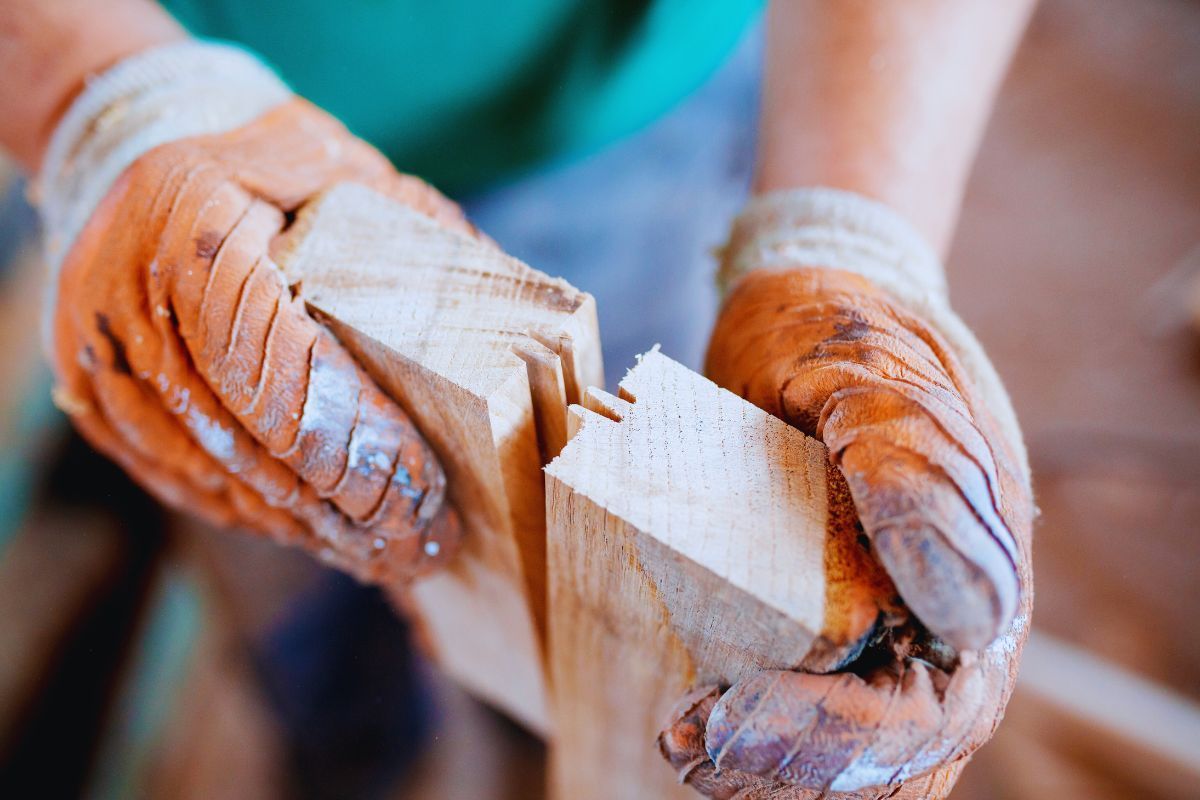
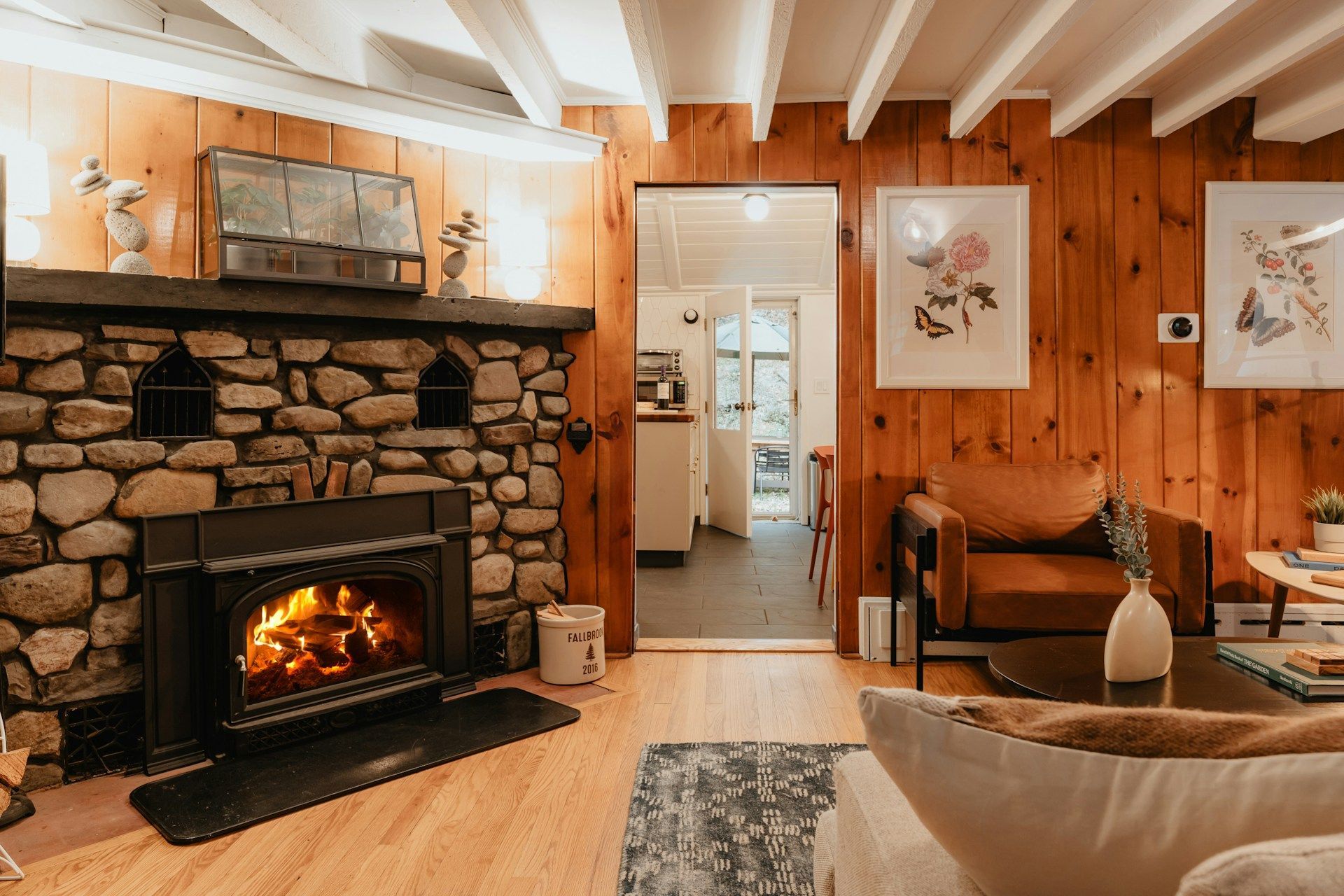
There's an honest satisfaction that comes from working with wood. It’s a connection to something real, something that lasts.
Traditional timber joinery isn't just about connecting two pieces of wood; it's about honoring a craft that has stood the test of time, creating structures with soul and a story to tell.
This isn't about slapping things together with glue and screws. This is about the patient, deliberate art of shaping wood to lock together, using methods passed down through generations. These techniques create furniture and buildings that are not only beautiful but also incredibly strong, meant to be used and admired for a lifetime.
We'll take a look at some of these time-honored methods, why they still matter, and how they fit into a world that's starting to appreciate things made with care and intention.
Core Joinery Techniques
Before power tools and mass production, craftsmen relied on their hands, sharp tools, and a deep understanding of wood. The joints they created were engineering marvels, designed to use the wood's own strength to create a lasting bond.
Mortise and Tenon
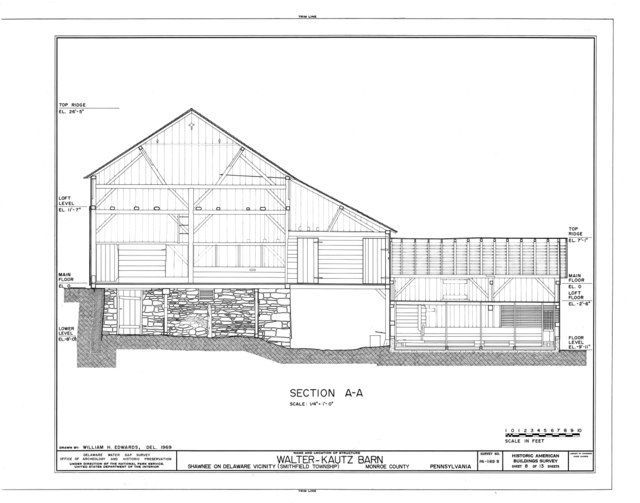
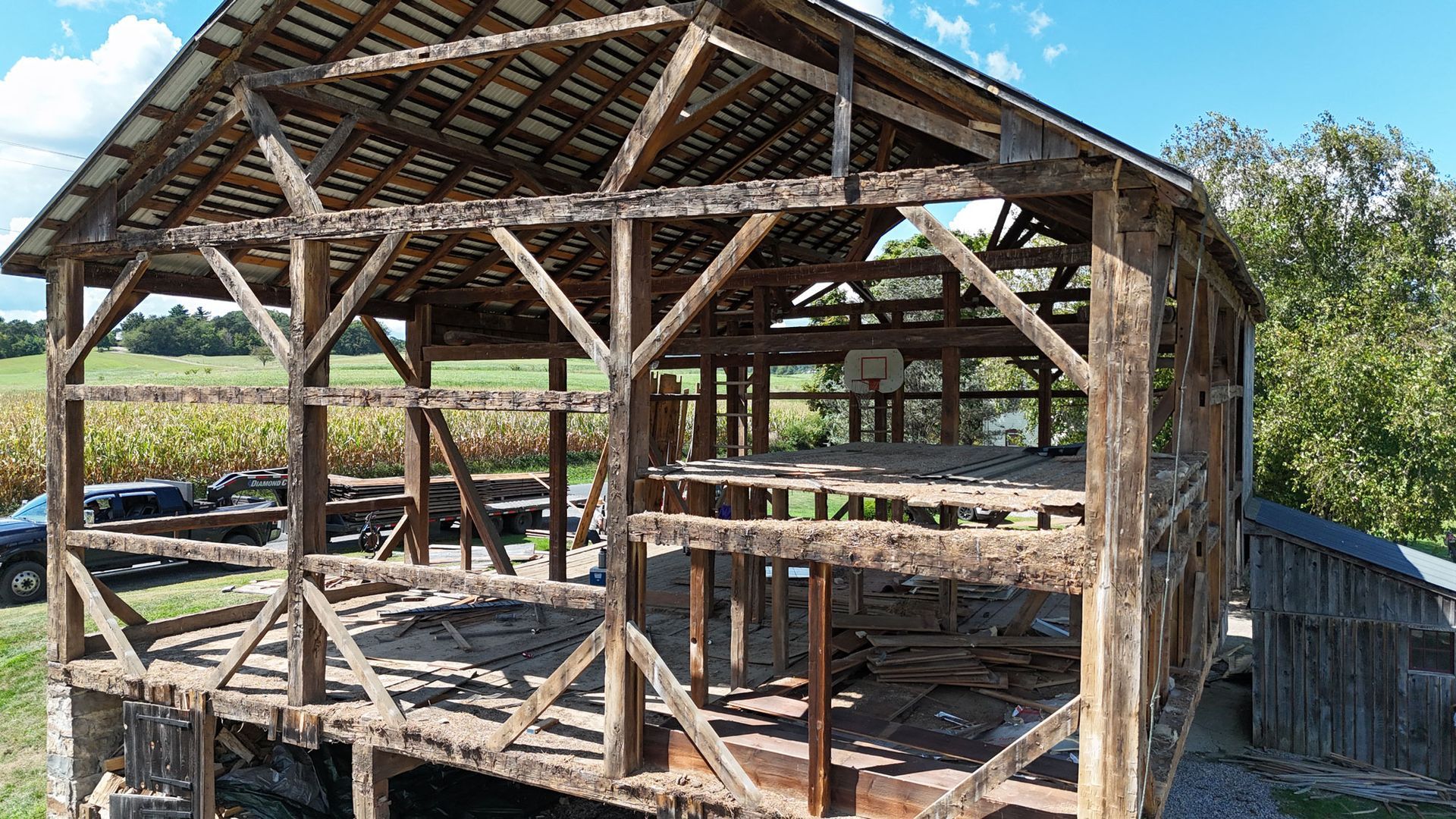
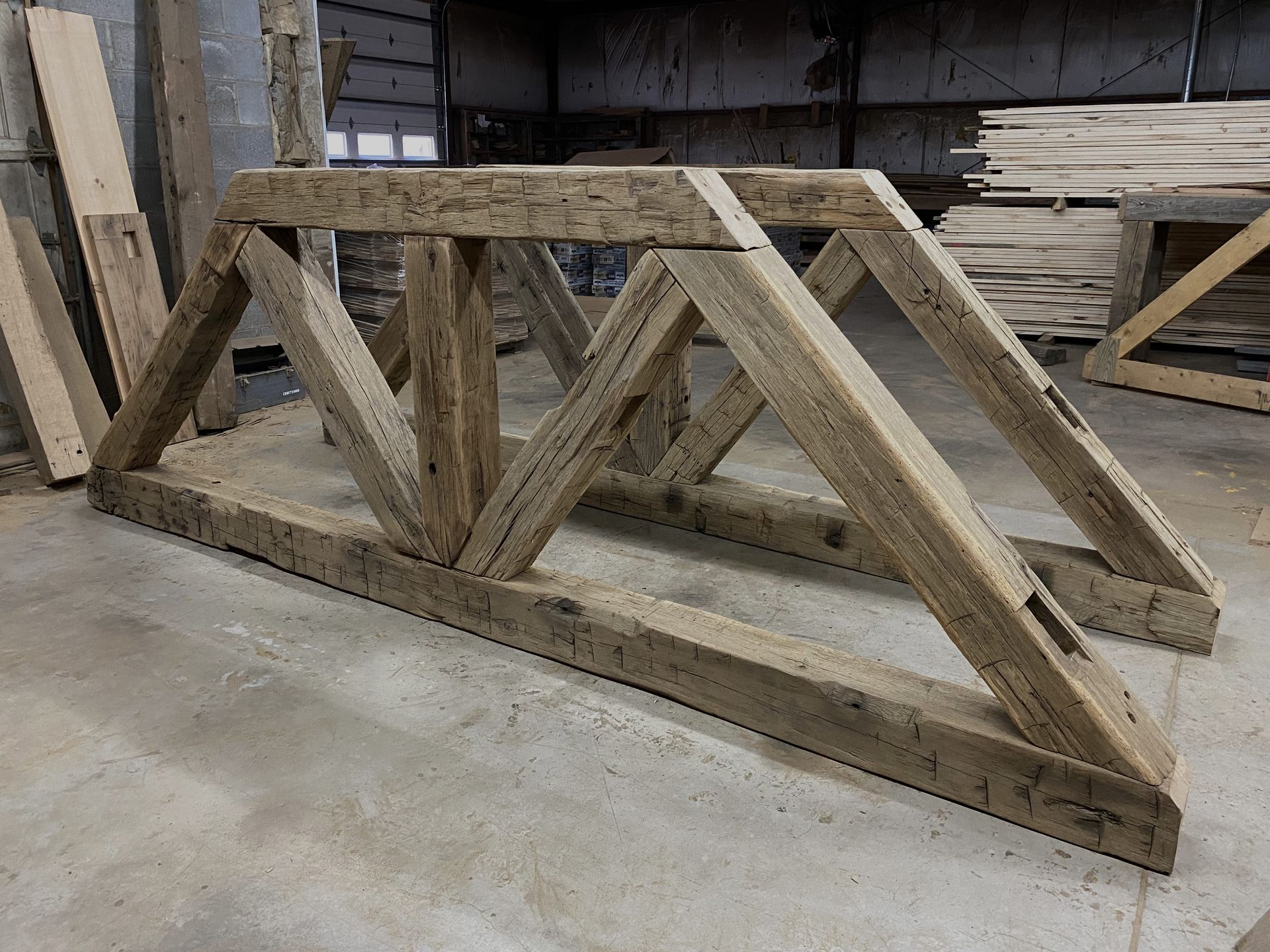
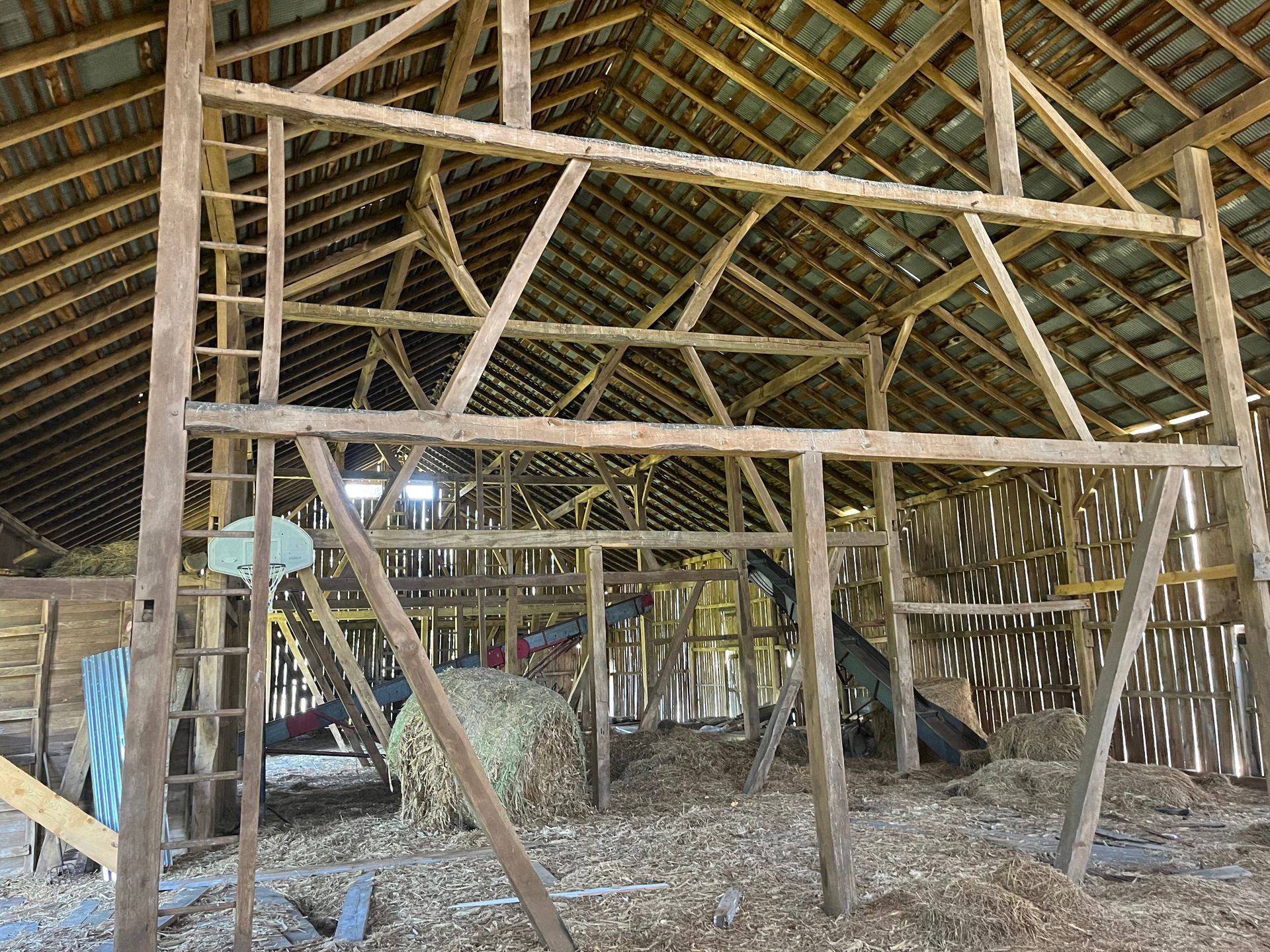
If there's one joint that defines traditional woodworking, it's the mortise and tenon. It's the sturdy backbone of everything from a simple chair to a massive timber frame barn.
The concept is straightforward: a tenon (a projecting tongue) on the end of one piece of timber fits snugly into a mortise (a corresponding hole) in another.
This joint is prized for its incredible strength, especially against forces that try to pull it apart. The connection is typically secured with wooden pegs, which lock the joint tight and allow the wood to naturally expand and contract with the seasons without weakening.
It’s a simple, rugged, and profoundly effective technique that has been used for centuries to build things that last.
Dovetail
The dovetail joint is as beautiful as it is strong. Instantly recognizable by its series of interlocking pins and tails, it's a hallmark of high-quality craftsmanship, often seen in drawer construction and cabinetry.
The flared shape of the tails makes the joint impossible to pull apart from one direction, creating a mechanical lock that only gets tighter under tension.
Cutting a dovetail by hand requires precision and a steady hand. There’s no hiding mistakes. When done right, it’s a joint that speaks to the skill of the maker. It's a statement that this piece wasn't rushed; it was built with pride.
Tongue and Fork
Often used to join rafters at the peak of a roof, the tongue and groove is another classic timber framing joint. One timber is cut with a "fork," while the other is shaped into a "tongue" that fits between the two prongs.
Like the mortise and tenon, it creates a solid, interlocking connection that can be secured with pegs. It’s an elegant solution for joining timbers at an angle, providing stability and strength right where it's needed most at the apex of a structure. This joint showcases the ingenuity of old-world builders in solving complex structural challenges with simple, effective geometry.
Why Old Ways Still Matter
In an age of convenience, you might wonder why anyone would bother with these labor-intensive methods. The answer is simple: quality and character. Traditional timber joinery techniques create pieces with integrity. They have a weight and a presence that factory-made items lack.
These methods also align with a more sustainable way of building. By creating furniture and structures designed to last for generations, we move away from a throwaway culture. Using solid wood from responsibly managed sources and joinery that can be repaired if needed is a nod to a slower, more thoughtful way of living. It's about building with the future in mind, not just for the moment.
Built with Grit and Integrity
Finding folks who still honor these traditions can feel like searching for a needle in a haystack. But some of us are still out here, covered in sawdust, keeping the craft alive. It's more than just a job; it’s a philosophy. It’s about believing that things should be made well, with honest materials and proven methods.
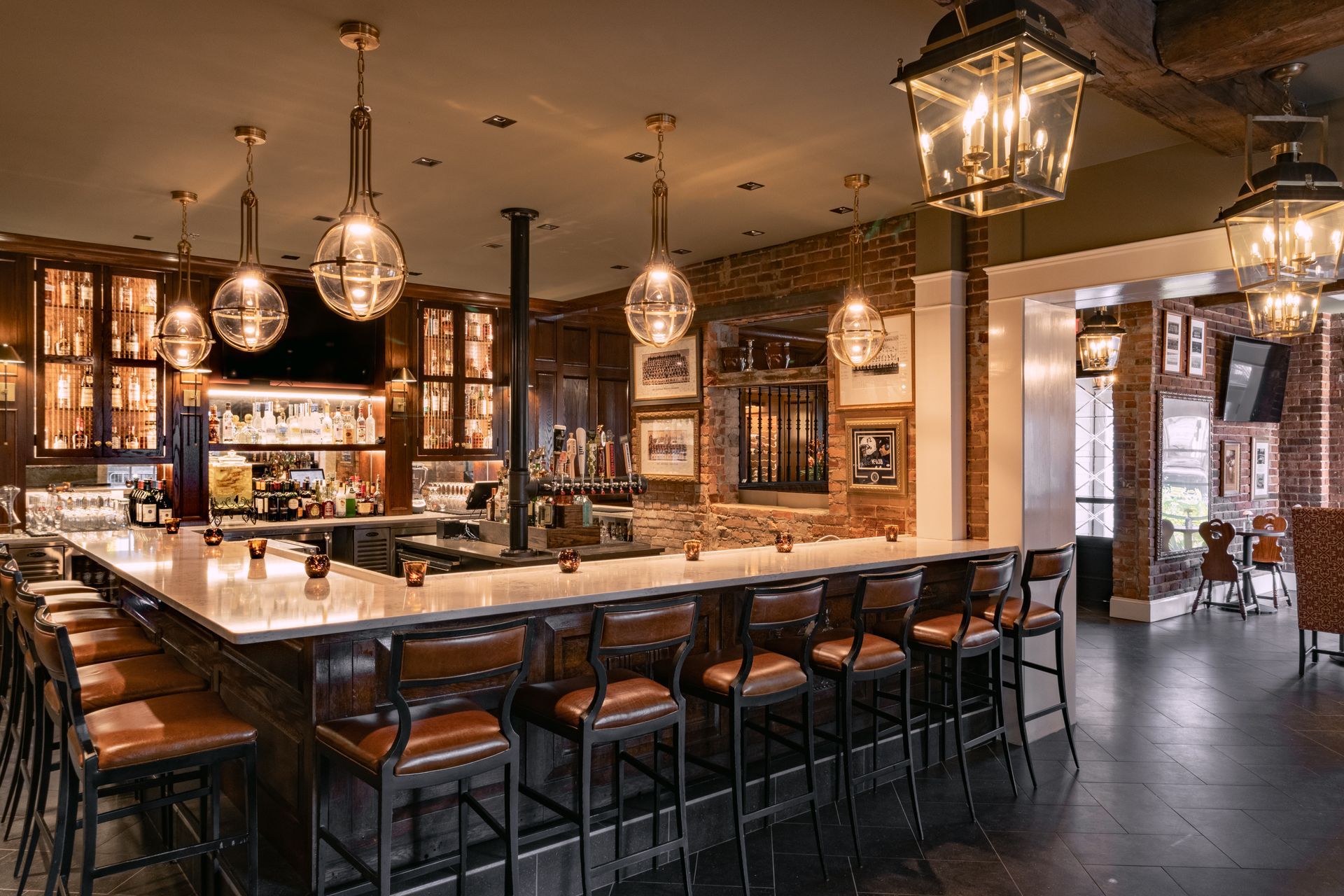
Here at Bay and Bent, we’re a group of craftsmen who live by that code. We build things the old-fashioned way because we know it’s the right way. Inspired by the rugged simplicity of vintage culture, we believe in making pieces with character, the kind that gets better with age. Our work is a tribute to the enduring spirit of American craftsmanship. We put our hands and our hearts into everything we create, from custom furniture to unique built-ins. If you value things made with integrity, take a look at who we are and the way we work.
Expand Your Craft
If you're ready to saddle up and dive deeper into joinery, check out The Wood Carpenter – a comprehensive woodworking platform offering joinery tutorials, timber techniques, and craftsmanship guides for both greenhorns and seasoned pros. Whether you're just starting out or looking to refine your hand, this site has the know-how and resources you need to sharpen your skills and keep the age-old craft thriving.
A Legacy Carved in Wood
Traditional timber joinery is more than just a set of techniques; it's a connection to our past and a blueprint for a more durable future. The mortise and tenon, the dovetail, and the tongue and groove are not relics. They are timeless methods that continue to prove their worth, offering a powerful combination of strength, beauty, and longevity.
Choosing pieces built with this level of care is an investment in quality that pays off for years to come. It’s about surrounding yourself with objects that have a story and a soul, built by hands that respect the wood and the craft. It's about keeping a legacy of true craftsmanship alive and well.