Ranch Building Mistakes That Cost A Fortune
Save money before you start digging
Building a ranch home feels like a dream come true, until the bills start piling up. What starts as a $300,000 project can balloon to $450,000 or more when common mistakes creep in. The good news? Most of these costly errors are completely avoidable once you know what to watch for.
Ranch-style homes have been popular since the 1920s, and they're still going strong today. Their single-story layout and open floor plans make them perfect for families of all ages. But that sprawling footprint comes with unique challenges that can drain your wallet if you're not careful.
The Foundation Mistake
Here's something most people don't realize: ranch homes are actually more expensive to build per square foot than two-story houses. Why? It all comes down to the foundation.
When you spread 2,500 square feet across one level instead of two, you need a much larger foundation. That means more excavation, more concrete, and more time. A foundation for a ranch home can easily run $8,000 to $45,000, and that's just the starting point.
The biggest mistake? Skipping proper soil testing before breaking ground. Clay soil, underground water, or unstable ground can force you to switch from a simple slab foundation to a more complex (and expensive) pier-and-beam system. That change alone can add $30,000 to your project.
Smart builders always invest in a thorough site assessment before construction begins. It might cost $1,000 upfront, but it can save you tens of thousands down the road.
Roof Costs
Ranch homes need huge roofs to cover their wide footprint. More roof means more trusses, more support beams, more waterproofing, more gutters, and way more shingles than a two-story home.
One common mistake is choosing cheap roofing materials to "save money." A basic asphalt shingle roof might cost $10,000 less upfront, but if it needs replacement in 15 years instead of 30, you'll pay far more in the long run.
The smarter move? Budget for quality materials from the start. Mid-range architectural shingles or metal roofing cost more initially but offer better protection and longer life spans. They also improve your home's resale value.
The HVAC System
In a two-story home, heating and cooling systems sit relatively close together. But in a ranch? Those systems get spread out across a wide, single-level space.
Many builders underestimate how much HVAC capacity a sprawling ranch needs. Rooms far from the central unit might stay too hot in summer or too cold in winter. The solution often means installing a second system, a surprise expense of $5,000 to $15,000.
The mistake here is trying to size your HVAC system without professional input. A qualified technician needs to calculate your home's actual heating and cooling loads based on square footage, insulation, windows, and climate. Guessing wrong means paying twice: once for the undersized system, and again to fix it.
Budget Planning
Most online construction calculators give you a rough estimate, but they rarely account for all the little expenses that add up. Labor costs alone eat up 30% to 50% of your total budget, and those rates vary wildly by location.
Building in rural Kentucky might cost $150 per square foot, while the same project in California could run $300 per square foot. The mistake is assuming your project will match the national average without factoring in your specific location.
Here's what many budgets miss:
- Permits and inspections (can add $5,000 to $15,000)
- Utility connections if you're building on raw land ($10,000 to $30,000)
- Landscaping and drainage ($8,000 to $25,000)
- Unexpected site conditions, like rock removal
- Material price fluctuations during construction
Always add a 15% to 20% contingency fund to your budget. If you don't need it, great. But when surprises happen, and they will, you won't be scrambling for cash.
Trying to DIY
The DIY approach sounds appealing. You might save 25% on labor costs by building your own ranch home. But this strategy backfires spectacularly when you tackle specialized work beyond your skill level.
Electrical systems, plumbing, and HVAC installation require licensed professionals in most areas. Attempting these yourself can lead to failed inspections, unsafe conditions, and expensive do-overs. Some insurance companies won't even cover homes with unpermitted DIY work.
A better approach is hiring licensed contractors for technical work while reserving simpler tasks, like painting or basic landscaping, for yourself. This gives you some cost savings without the major risks.
Regional Building Requirements
Different climates demand different construction methods. Homes in cold regions need serious insulation and weatherproofing. Humid or flood-prone areas require special foundations and drainage systems.
The costly mistake is using a generic building plan without adapting it to your specific location. What works in Arizona might fail miserably in New Hampshire. Regional building codes exist for good reasons, and ignoring them leads to expensive corrections later.
Work with local builders or architects who understand your area's requirements. They know which materials hold up best, what the permitting process involves, and how to design for your climate.
Choosing the Wrong Time to Build
Construction timing affects your bottom line more than you'd think. Material costs fluctuate throughout the year. Labor rates rise during peak building seasons when contractors are busiest.
Building during off-peak seasons can potentially save you money on labor. However, winter construction in cold climates comes with its own challenges and costs. The key is planning your timeline strategically with your contractor's input.
Material costs have been particularly volatile recently. Lumber, concrete, drywall, and glass have all seen price swings and supply shortages. Locking in material prices early through your contractor can protect you from mid-project increases.
Changing Your Mind Mid-Project
Here's a mistake that adds thousands to every budget: constant change orders. You've started construction, then you decide you want a different window style, or you'd rather move that wall, or maybe add another bathroom.
Each change costs money, not just for the new materials, but for the time wasted undoing previous work. A single significant change order can add 10% to 20% to your costs.
The solution is thorough planning before construction starts. Work closely with your architect or designer to finalize every detail. Make your changes on paper, where they're cheap, not during construction, where they're expensive.
Why Historic Timber Frames Offer Something Different
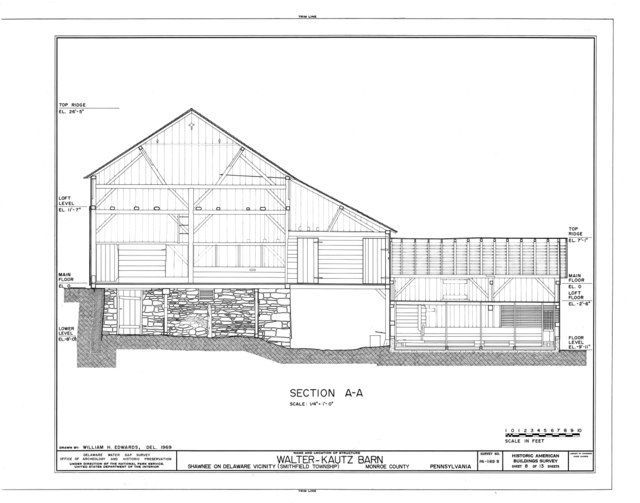
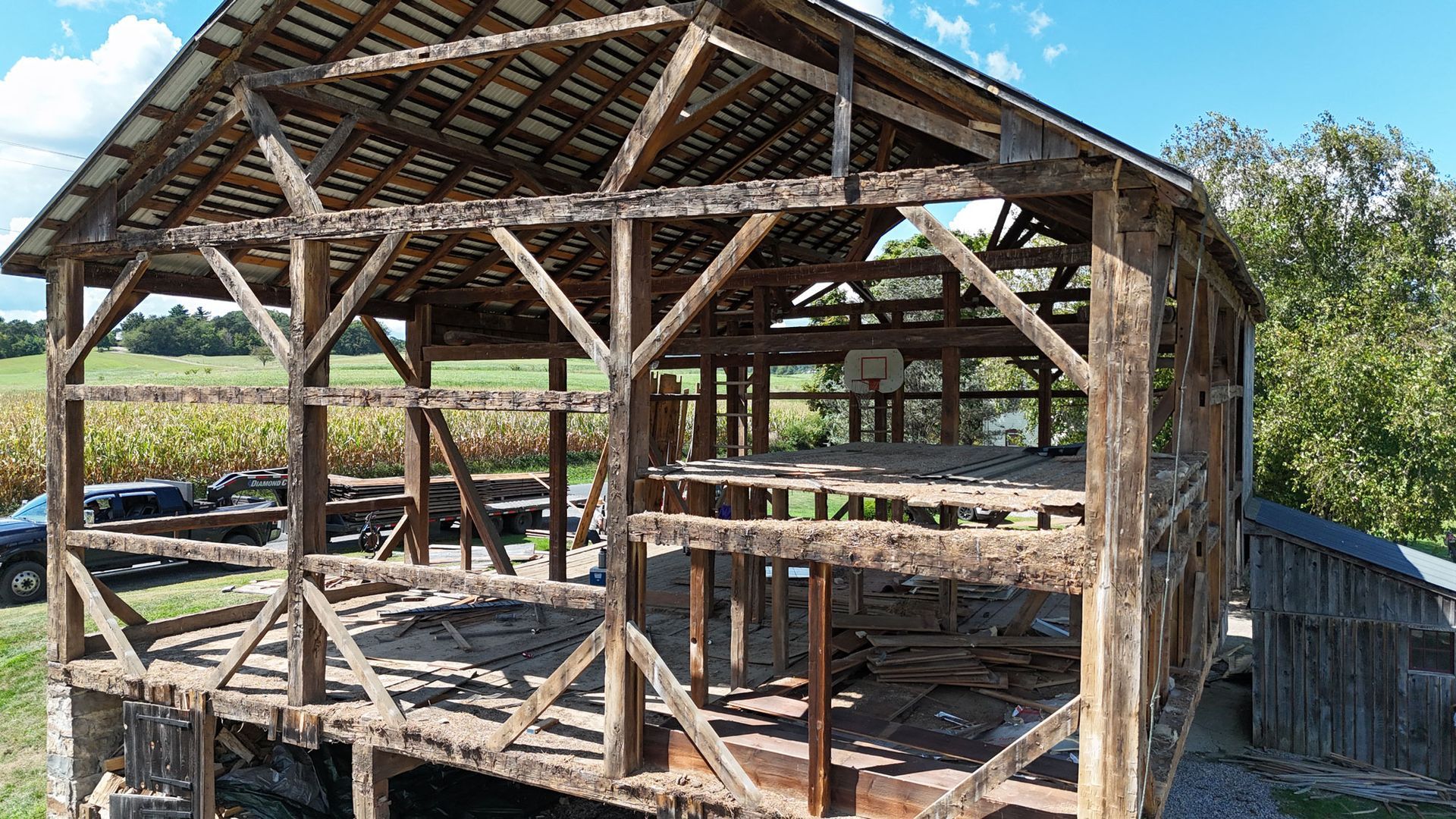
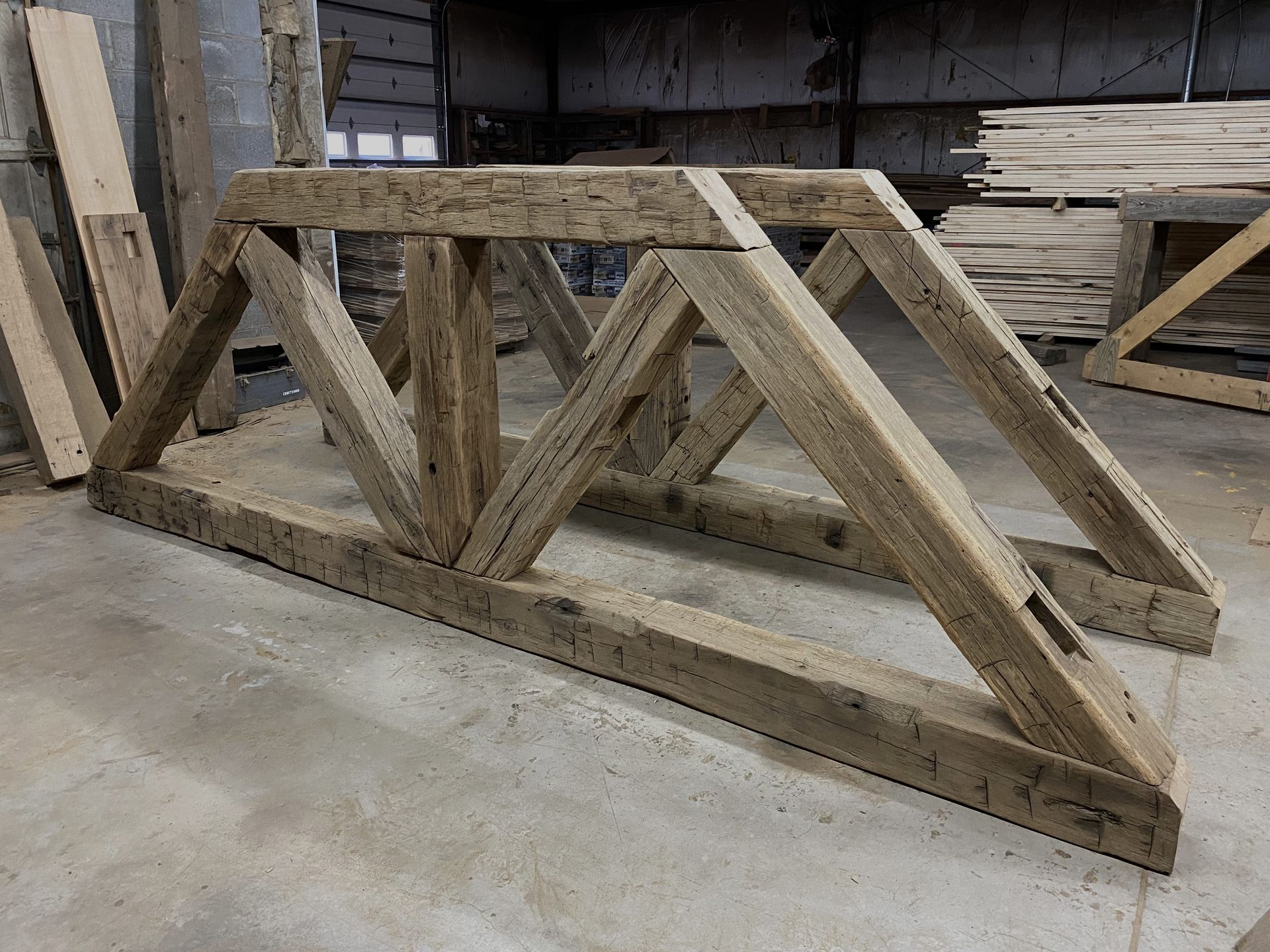
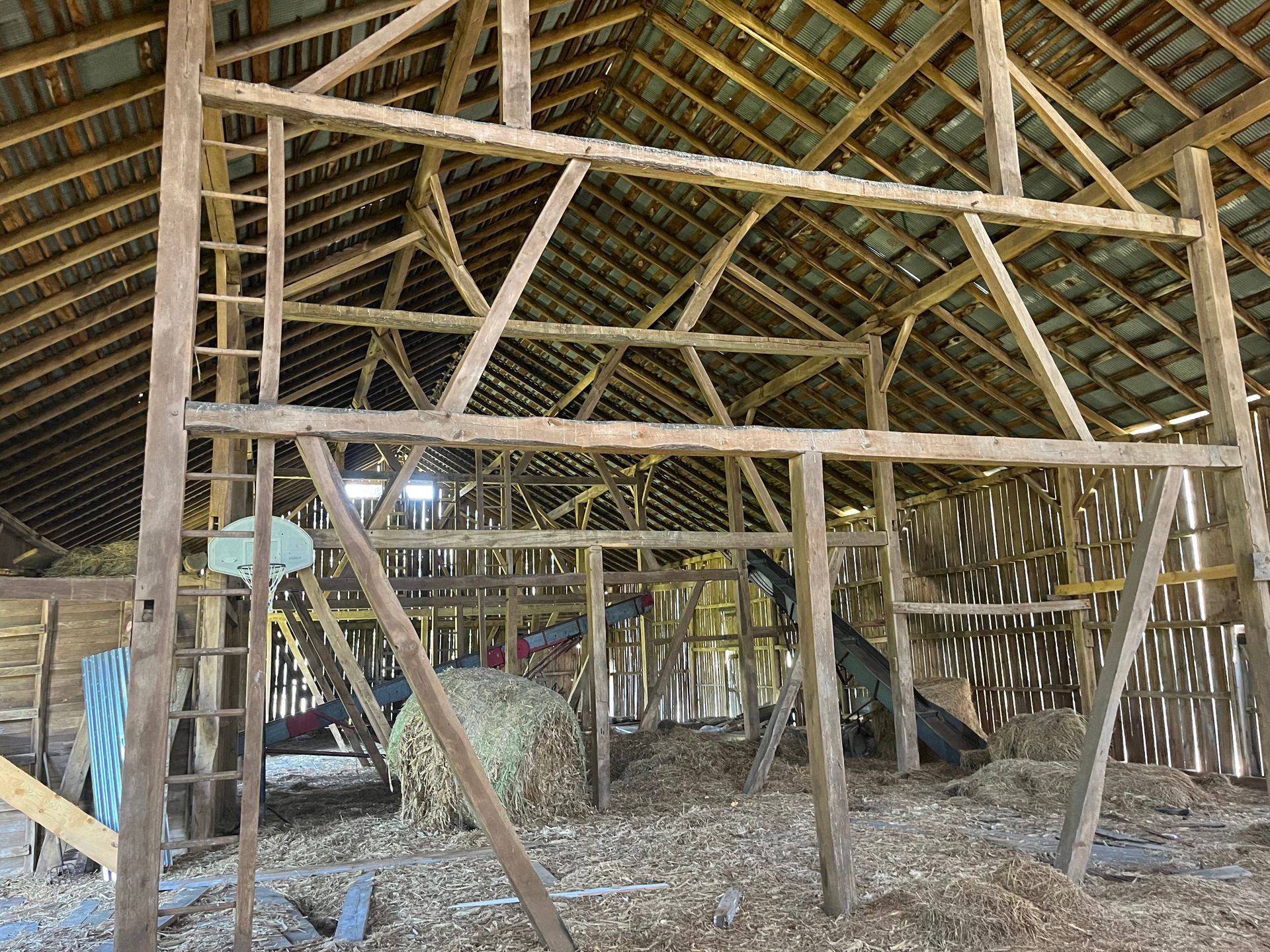
While modern ranch construction presents plenty of challenges, some builders are rediscovering an older, more sustainable approach. At Bay & Bent, we've spent years searching for the finest historic barn frames across the country, structures built with craftsmanship that's nearly impossible to replicate today.
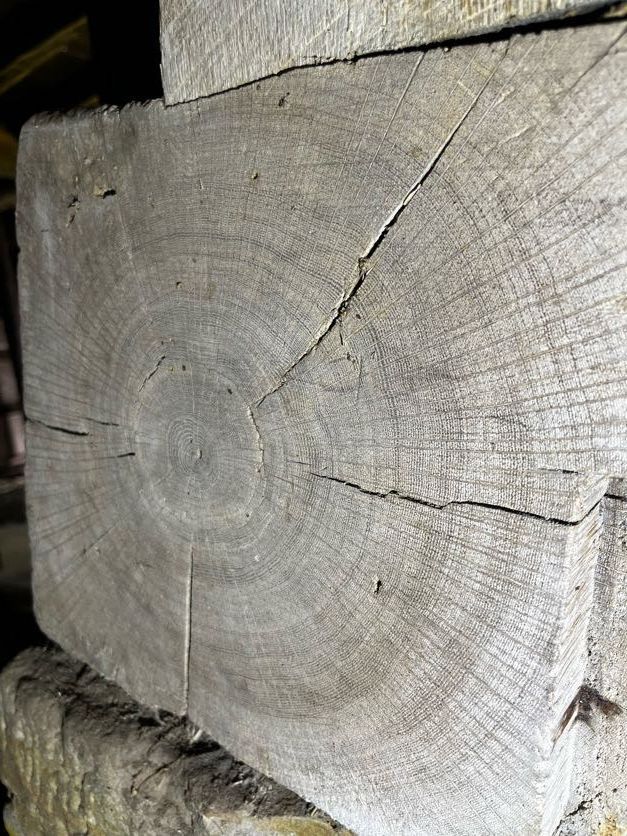
These frames tell stories. Each hand-hewn timber carries the marks of the artisans who shaped it, often more than a century ago. We carefully disassemble these historic structures, repair them at our facility, and prepare them for delivery anywhere in the world.
What makes these frames special isn't just their beauty, though the exposed timber work is absolutely stunning. It's the quality of the materials and the time-tested joinery techniques that modern construction rarely matches. These buildings were designed to last for generations, and with proper care, they will.
For property owners considering new construction, incorporating a historic timber frame brings immediate character and heritage to your project. It's not the right fit for every ranch build, but for those who value authenticity and craftsmanship, it's worth exploring.
The Bottom Line
Building a ranch home doesn't have to break the bank, but it requires smarter planning than most people realize. The typical ranch costs between $190,000 and $480,000, with an average of around $328,000. Stay within that range by avoiding these common mistakes:
Start with a thorough site assessment and soil testing. Budget realistically for your specific location. Hire qualified professionals for specialized work. Choose quality materials that will last. Plan everything completely before construction begins. And always, always include a contingency fund.
Remember that every decision affects your bottom line. The "savings" from cutting corners today often become expensive repairs tomorrow. Build it right the first time, and your ranch home will reward you for decades to come.
The key to successful ranch construction is respecting both the process and the craft. Whether you're building from scratch with modern materials or incorporating historic timber frames, quality and careful planning always prove worth the investment.