Restored Barns: 5 Must‑Know Steps To Start
Your blueprint for a successful conversion
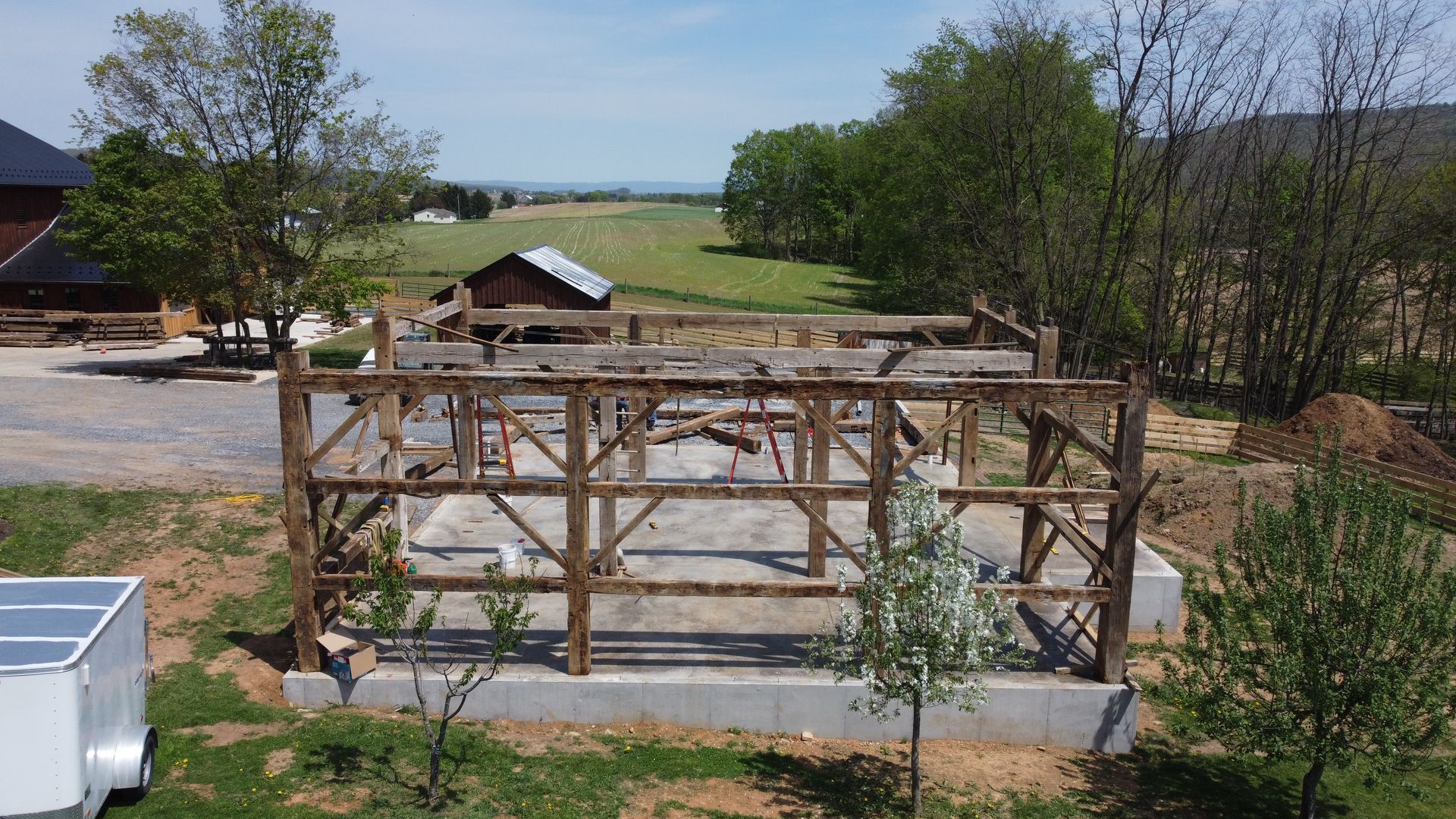
That old barn on your property holds more than hay and memories. It holds potential if you approach restoration the right way. Skip the crucial early steps, and you'll watch your budget evaporate while your barn continues deteriorating. Start smart, and you can preserve a piece of history while creating something truly special.
Barn restoration isn't for the faint of heart. These structures have weathered decades or centuries of storms, settling, and neglect. But thousands of property owners successfully restore barns every year, transforming aging agricultural buildings into stunning homes, event spaces, or protected heritage structures.
The key is knowing where to start and what to tackle first.
Restored Barns: 5 Must‑Know Steps
Step 1: Observe Everything First
Your first instinct might be to grab tools and start repairs. Resist that urge. The smartest restoration projects begin with careful observation, not hasty action.
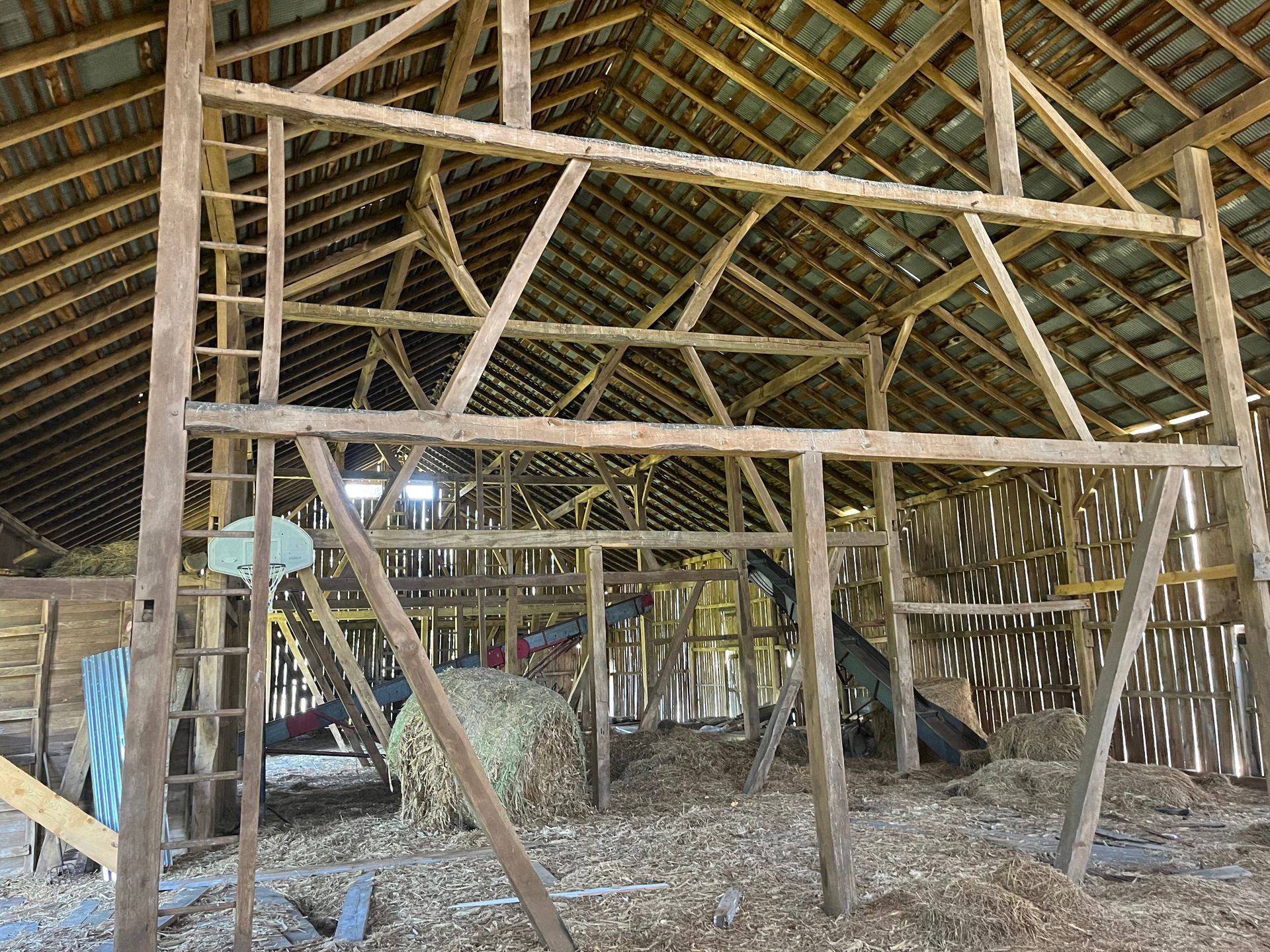
Walk around your barn during different times of day. Notice how light enters through gaps. Visit during heavy rain and watch where the water flows. Look for vegetation growing against walls or on the roof; those plants might be causing hidden damage.
Use simple tools for detailed inspection. A hammer and chisel help you check wood for rot that's hidden inside foundation sills or timber frames. Tap gently on posts and beams. Solid wood sounds different than rotted wood. Look for water stains; black marks indicate old leaks, while white stains point to more recent water problems.
Check the basics systematically:
- Are walls and posts still plumb (straight up and down)?
- Are the floors level, or has settling created slopes?
- Does the roof sag anywhere?
- Use binoculars to examine the roof shingles without climbing up
- Look for gaps in siding where the weather gets through
Document everything with photos and notes. This information becomes invaluable when you're prioritizing repairs and talking with contractors. You'll refer back to these observations throughout your project.
Take time with this observation phase. Rushing through it means missing problems that will cost thousands to fix later. Spend a few weeks really getting to know your barn before making any decisions about work.
Step 2: Set Clear, Realistic Goals
What do you actually want from this barn? That question matters more than you'd think because it shapes every decision that follows.
Some property owners simply want to keep their barn standing, preventing further deterioration while maintaining the structure's historic presence. Others plan to develop the space for new uses like workshops, storage, or rental income. Still others aim for authentic restoration, returning the building to its original condition using traditional materials and methods.
These different goals require different approaches and budgets. Stabilization costs far less than full restoration. Converting the barn for new uses adds complexity because you'll need to bring systems up to modern building codes.
Be honest about your resources. How much money can you realistically spend? How much time can you dedicate? Will you do some work yourself, or hire everything out? Can you tackle the project in phases, or does everything need to happen at once?
Many successful barn restorations happen in stages. Year one might focus on stabilizing the foundation and fixing roof leaks. Year two could address siding and drainage. Year three brings interior work. This phased approach spreads costs over time and lets you adjust plans based on what you learn.
Also consider available assistance. Some states offer tax credits or incentives for barn preservation, though these typically require registering your structure with historic preservation programs. Local preservation organizations sometimes provide matching grants to help with assessment and planning.
Writing down your goals creates accountability and helps you communicate clearly with contractors, architects, or preservation specialists you might work with.
Step 3: Fix the Roof and Foundation
Once you've observed thoroughly and set goals, it's time for actual repairs. Two areas demand immediate attention: the roof and foundation.
Roof leaks accelerate damage throughout your barn. Water rots timber, damaging siding, and creating conditions for mold and pest infestations. Even temporary fixes make a huge difference.
Start with emergency roof repairs before tackling anything else. Sometimes this means simply applying a tarp or replacing a few bad shingles. These quick fixes prevent rot from spreading while you work on more permanent solutions. A few hundred dollars spent on temporary roof patches can save thousands in structural repairs later.
Once the roof stops leaking, turn your attention to the foundation. A compromised foundation affects everything else. If the foundation shifts, any repairs you've made elsewhere might fail.
Stone foundations are common in older barns. They can settle, shift, or crumble over time. Examine yours carefully for cracks, missing stones, or signs of movement. Repairing stone foundations often requires a specialized stonemason, not a job for amateurs.
Wooden sills (the large timbers that sit on the foundation and support the barn frame) rot when exposed to moisture. Rotten sills need replacement before you do other major work. This sometimes means jacking up the barn to replace the damaged wood, definitely a job for professionals.
Don't spend serious money on cosmetic improvements until the foundation and drainage issues are resolved. Leveling a shifting foundation will affect other repairs, so get the base right first.
Step 4: Drainage and Water Management
You've stopped active leaks and stabilized the foundation, but water threats don't end there. Poor drainage around your barn can undermine even the best restoration work.
Look at the ground around your barn. Does water pool near the foundation after rain? Do gutters direct water away from the building, or dump it right beside the walls? Has erosion created channels that direct water toward your barn instead of away from it?
Proper drainage moves water away from your structure as quickly as possible. This might mean:
- Installing or repairing gutters and downspouts
- Grading soil to slope away from the barn
- Adding French drains to handle subsurface water
- Creating swales to redirect surface runoff
- Removing vegetation that holds moisture against walls
Good drainage isn't glamorous, but it protects everything else you'll invest in restoration. Many barn restoration experts say drainage work delivers the biggest return on investment because it prevents future problems rather than just fixing existing ones.
While working on drainage, tackle any vegetation management. Trees and shrubs growing too close to your barn create problems. Roots can damage foundations. Branches can damage roofs or siding during storms. Vines pull apart wooden siding and trap moisture against walls.
Clear vegetation back at least 10 feet from your barn. This creates better air circulation (which helps wood dry out and stay healthy) and makes it easier to see and access your structure for maintenance.
Step 5: Detailed Action Plan
With emergency stabilization complete, you need a comprehensive plan for the work ahead. This plan should outline every project phase, estimate realistic timelines, and identify who will do what work.
Start by prioritizing remaining repairs. What's urgent? What can wait? What makes sense to tackle together? For example, if you need to add insulation, that work should happen before you install new siding.
Consider the seasons when planning work. Exterior projects work best during dry weather. Interior work can happen year-round in many climates. Some contractors are busier during certain seasons, affecting their availability and rates.
Create a realistic budget that accounts for:
- Materials for each phase
- Labor costs (professional contractors charge by project or by hour)
- Permit fees, if required
- Equipment rental
- Unexpected problems (always include a 15-20% contingency)
Decide what you'll do yourself versus hiring out. Be honest about your skills and time. Some barn work requires specialized knowledge, structural repairs, electrical systems, and major carpentry. Attempting these yourself without proper expertise can create safety hazards or costly mistakes.
Other tasks suit dedicated DIYers, such as painting, basic finish work, and landscaping around the barn. Even if you hire professionals for technical work, handling simpler tasks yourself can reduce costs while keeping the project moving.
Your plan should also include realistic timelines. Most barn restoration projects take months or years, not weeks. Rushing leads to mistakes and burnout. Build in buffer time for weather delays, material delivery issues, and unexpected discoveries once work begins.
Professional Assessment
Many barn owners benefit from hiring professionals for initial assessment, even if they plan to do much of the work themselves. Architects, structural engineers, or barn restoration specialists can identify problems you might miss and suggest solutions you hadn't considered.
A professional assessment typically costs $1,000 to $3,000, depending on your barn's size and condition. That upfront investment can save tens of thousands by preventing major mistakes and helping you prioritize work effectively.
Look for professionals who specialize in historic structures or agricultural buildings. They understand the unique construction methods, common failure points, and appropriate repair techniques for barns. Their experience means they can spot subtle signs of problems that seem minor but indicate serious issues.
Historic Timber Frame Value
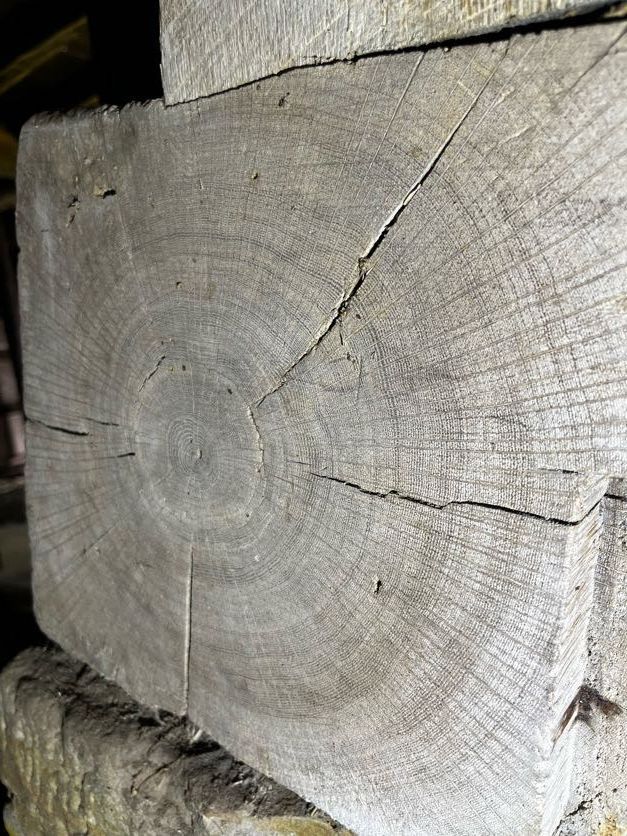
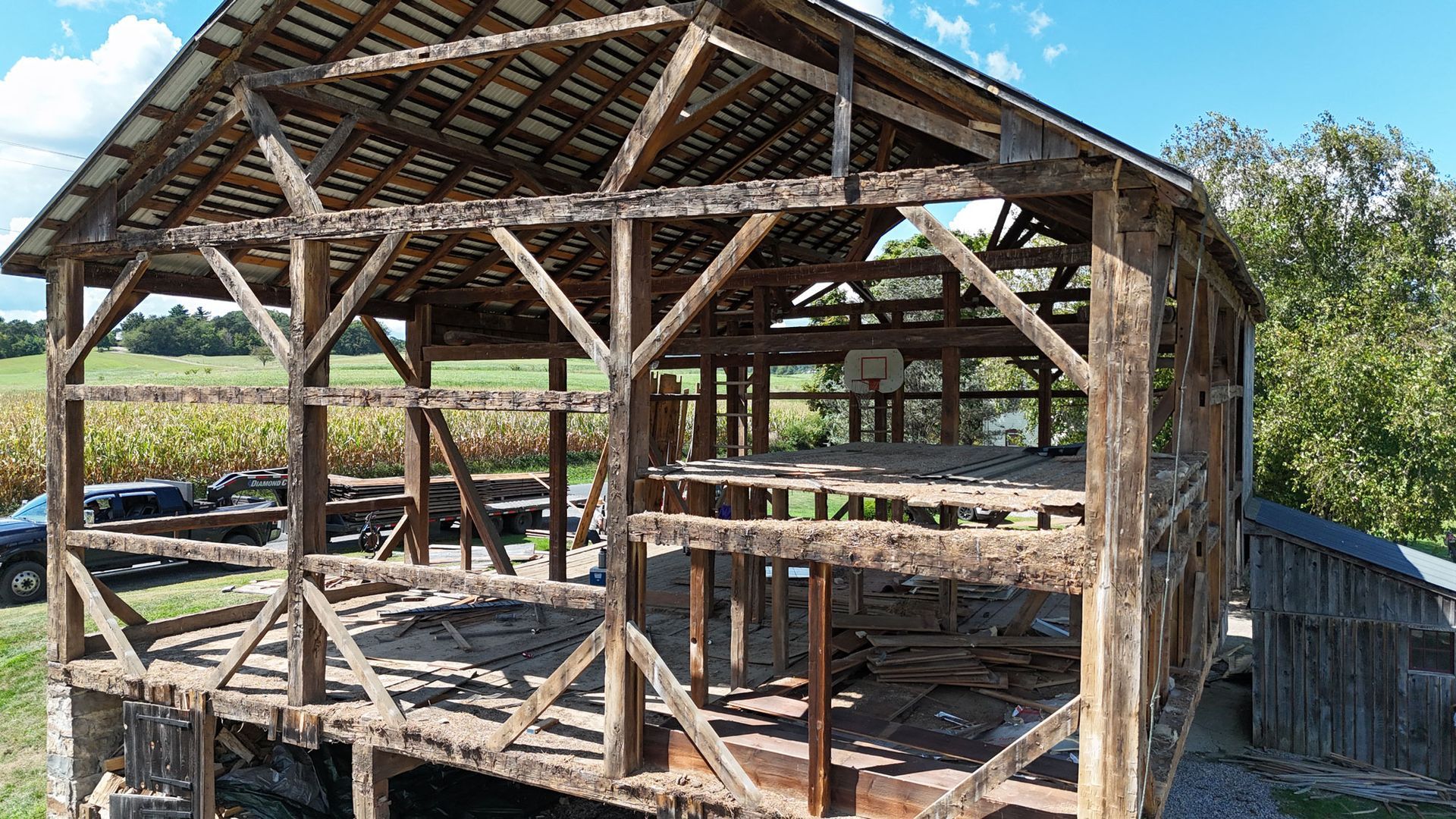
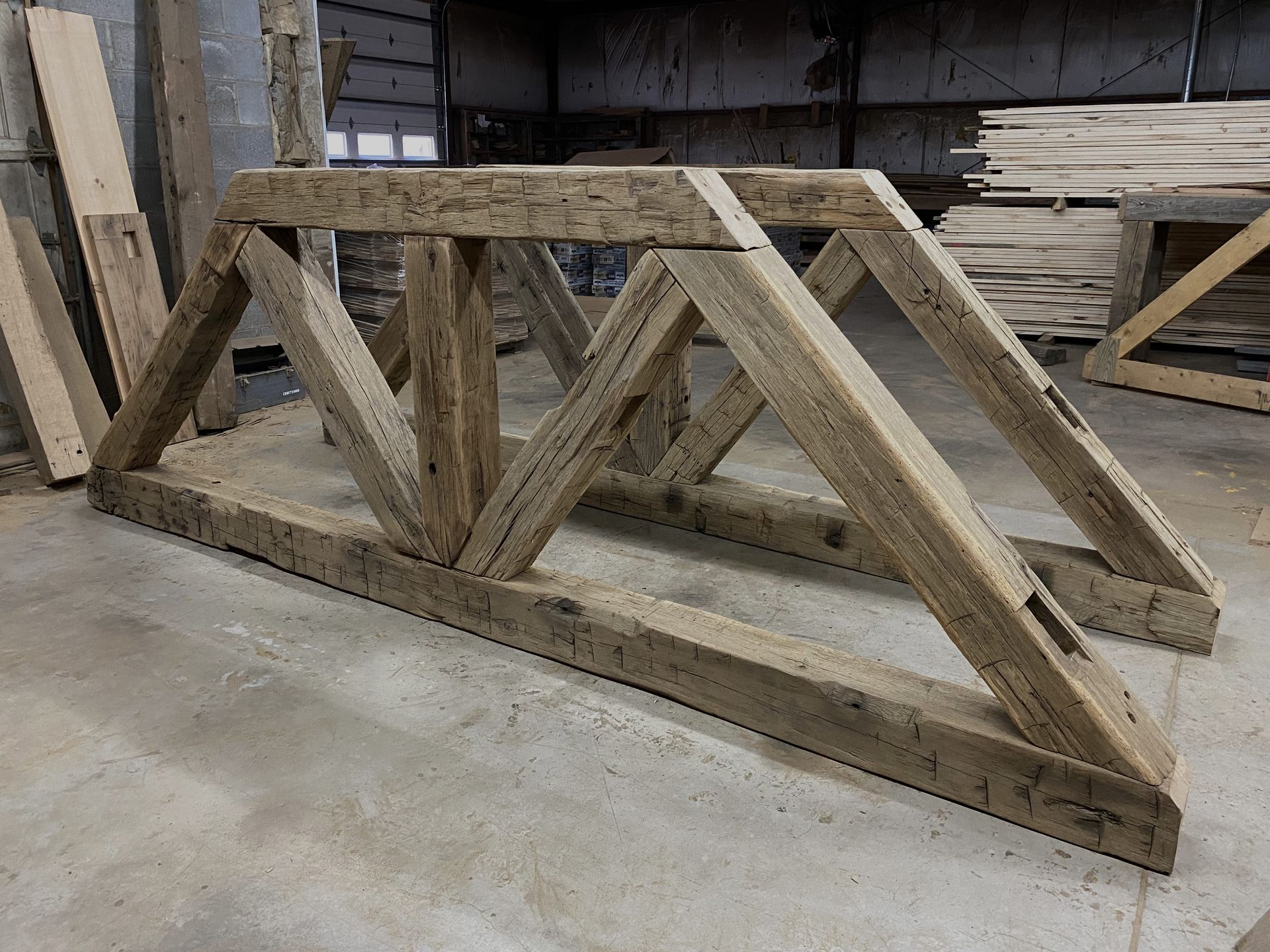
As you evaluate your barn, consider the quality and condition of the timber frame itself. Some barns feature exceptional craftsmanship, hand-hewn beams, traditional mortise and tenon joinery, and old-growth timber with remarkable grain patterns.
At Bay & Bent, we've spent years studying historic barn frames across America. We search for structures that represent the finest agricultural building traditions, with timber work that modern construction rarely matches. When we find these special barns, we carefully document them, then disassemble and transport the frames to our facility for detailed repair work.
These frames tell stories through their construction. The saw marks, peg holes, and joinery reveal techniques passed down through generations of builders. The timber itself, often cut from forests that no longer exist,
provides structural quality simply unavailable in today's lumber.
We focus exclusively on acquiring and preparing these historic frames for new lives in contemporary projects. We don't perform restoration work for individuals who own barns they want to keep on-site. Instead, we specialize in giving the finest historic frames new purposes, delivering them anywhere in the world for clients who value authentic craftsmanship and heritage materials.
For barn owners evaluating their structures, understanding what makes certain frames special helps inform restoration decisions. Sometimes the best preservation means recognizing when a barn's frame deserves protection and professional care that goes beyond typical restoration.
Financial Assistance and Incentives
Barn restoration can be expensive, but various programs exist to help offset costs. Federal and state tax credits sometimes support historic preservation, though eligibility requirements can be strict.
Most tax incentive programs require your barn to be registered with the National Register of Historic Places. They typically only apply to barns or buildings designated as historic that also produce income. If you plan to use your restored barn for rental income, events, or commercial purposes, these programs might help.
Many states offer property tax incentives for historic preservation. Your local government must approve the use of these incentives within its jurisdiction, so research requirements in your specific area early in planning.
Grant and loan programs for private individuals are limited, but some local preservation organizations, state historic preservation offices, or county development offices offer assistance. Contact these groups to learn what might be available in your area.
The National Barn Alliance serves as an excellent national resource specifically for barn preservation. Regional groups like the Iowa Barn Foundation and Michigan Barn Preservation Network sometimes maintain funding programs or can connect you with resources and expertise.
The Reward of Preservation
Barn restoration demands patience, planning, and usually significant investment. But the rewards go beyond just saving a building.
You're preserving craftsmanship and building traditions that are disappearing. You're maintaining a connection to agricultural heritage and the families who built these structures. You're keeping local history visible in the landscape for future generations.
Many barn owners describe deep satisfaction from this work, seeing rotted timber replaced with sound wood, watching water finally drain properly away from the foundation, or simply standing inside their restored barn knowing it will stand for decades to come.
The key to success is respecting both the building and the process. Start with thorough observation. Set realistic goals. Tackle critical repairs first. Address water management seriously. Develop detailed plans before jumping into work.
These five steps won't make restoration easy, but they will make it possible. And when you finally step back and see your barn standing strong again, you'll know the effort was worth it.