Heritage Restoration Services: How to Save Your Historic Building
Expert strategies for lasting preservation
That old building on your property is more than just a structure. It holds stories, craftsmanship, and a tangible link to the past. But what happens when it shows its age with a sagging roof, a crumbling foundation, or rotting wood? Saving it might seem overwhelming, but with the right approach, it’s entirely possible.
Heritage restoration is not just about fixing old buildings; it's about preserving architectural history. It’s a way to protect traditional craftsmanship and ensure these unique structures remain functional for future generations. Whether you own a historic home, barn, church, or commercial building, understanding the process helps you make smart decisions to save these irreplaceable assets.
What Are Heritage Restoration Services?
Heritage restoration is a specialized field that goes much deeper than a standard renovation. Its main goal is to preserve a building's historical authenticity while making it safe and usable for today.
True restoration aims to return a building to its appearance during a specific period. This often involves removing later additions that clash with the original design. It also means replacing damaged materials with historically accurate alternatives and using traditional construction methods whenever possible.
This is different from renovation, which typically updates a building with modern materials without focusing on historical character. It also differs from preservation, which is about maintaining the building's current state with minimal changes. Heritage restoration requires a unique skill set. The professionals involved are part historian, part artisan, and part problem-solver, blending knowledge of old-world techniques with modern structural needs.
The Building's History
Before any work begins, you need to understand what makes your building significant. This knowledge will guide every decision you make throughout the restoration project.
A building’s importance can come from several places. It might be its age, representing an early architectural style or construction method. It could be its connection to important people or events in your community. Sometimes, the significance lies in exceptional craftsmanship or rare design features.
You can research your building’s history at local historical societies, which often keep records on older structures. County assessor offices hold property records that can track ownership and changes over time. Old photos, maps, and even newspaper articles can also reveal fascinating details about your building's past. If your building seems eligible for historic designation, consider pursuing it. A listing on the National Register of Historic Places, for example, can open the door to tax incentives and grants without placing restrictions on private property owners.
Finding the Right Restoration Team
Not every contractor is equipped to handle a historic building. Heritage restoration is a specialized field that demands specific skills, experience, and often certification.
When searching for heritage restoration services, look for professionals with a proven track record in historic preservation. Ask to see a portfolio of their completed projects. Have they worked on buildings from the same era as yours? Do they understand the architectural style and construction methods of that period?
Here are the key experts you might need on your team:
- Historic Preservation Architects: These professionals are invaluable, especially for complex projects. They know how to balance modern building codes with the need to preserve historical integrity.
- Structural Engineers: An engineer with experience in historic buildings can assess your structure's soundness. They can identify what repairs are critical, preventing you from overspending or missing serious issues.
- Specialized Craftspeople: For certain tasks, you'll need artisans skilled in traditional crafts. This could be someone who can repair original plaster, restore historic windows, or replicate decorative woodwork.
The Restoration Assessment Process
A professional restoration always begins with a detailed assessment. Rushing into repairs without a complete picture can lead to expensive mistakes and may even cause irreversible damage to the building.
A thorough assessment examines every part of the structure. An inspector will check the foundation, framing, and load-bearing walls. They will evaluate the building's envelope, the roof, siding, windows, and doors for signs of water damage, pest infestations, or material decay. The goal is to document which features are original and which were added later. This helps prioritize what must be preserved.
A comprehensive assessment report serves as your roadmap for the entire project. It will detail all findings, provide recommendations, and help you create a realistic budget and timeline. This document is also useful for insurance claims, financing applications, or historic designation efforts.
First Step: Stabilize the Structure
If your historic building has significant damage, stabilization must happen before any cosmetic work. Stabilization is about making the structure safe and preventing further decay while you plan the full restoration.
This initial phase addresses immediate threats. If water is leaking through the roof, a temporary cover is needed right away. If a wall is in danger of collapse, it needs to be shored up immediately. These quick actions buy you valuable time. Securing the building against weather, vandalism, and pests by boarding up broken windows or covering damaged areas is also a key part of stabilization.
Stabilization should not be confused with restoration. It’s an emergency measure that may use modern materials for a quick fix. The authentic restoration work, using historically appropriate methods and materials, comes later.
Historic Preservation Guidelines
Most serious heritage restoration projects must follow established standards, especially if the building is historically designated or if you are seeking financial incentives.
In the United States, the gold standard is the Secretary of the Interior's Standards for the Treatment of Historic Properties. These ten principles guide preservation work to ensure historical integrity is maintained. They emphasize repairing original materials over replacing them, making any new work reversible, and ensuring that additions are distinct from the historic fabric.
State Historic Preservation Offices (SHPOs) often enforce these standards for projects seeking federal or state tax credits. Local preservation commissions may also have their own requirements, particularly in designated historic districts. While these guidelines can seem restrictive, they exist to protect the very features that make a building historically significant.
Heritage Restoration Costs
Heritage restoration generally costs more than a standard renovation. The need for specialized labor, historically accurate materials, and meticulous attention to detail all contribute to the final price.
Labor is often the largest expense, accounting for 50% to 70% of the total cost. Skilled craftspeople who understand traditional techniques command higher rates than general contractors, but their expertise is essential. Materials can also be costly, as they may require custom milling or sourcing from specialty suppliers. Expect a heritage restoration project to cost anywhere from 20% to 50% more than a comparable modern renovation.
Fortunately, financial incentives can help offset these costs. The Federal Historic Preservation Tax Incentives program, for example, provides a 20% income tax credit for the rehabilitation of historic, income-producing buildings. Many states offer their own tax credits, and some local programs provide grants or low-interest loans for restoration work.
History with Modern Needs
One of the greatest challenges in historic restoration is making an old building functional for modern life while preserving its character. Modern building codes, written for new construction, can be difficult to apply to century-old structures.
Working with code officials who appreciate historic preservation can help you find creative solutions that meet safety standards without destroying historic features. Many codes include alternative paths for historic buildings, recognizing that they can meet safety goals in different ways.
Integrating modern systems like HVAC, plumbing, and electrical wiring requires careful planning. The goal is to make these additions with minimal impact. This might mean running ductwork through non-historic closets or concealing wiring along baseboards instead of cutting into original walls. The key is to find a thoughtful balance. You are adapting a historic building for real-world use, not creating a museum piece.
Traditional Craftsmanship
At Bay & Bent, our work centers on a deep appreciation for the quality and craftsmanship found in historic structures. We believe in preserving the best examples of this disappearing building tradition.
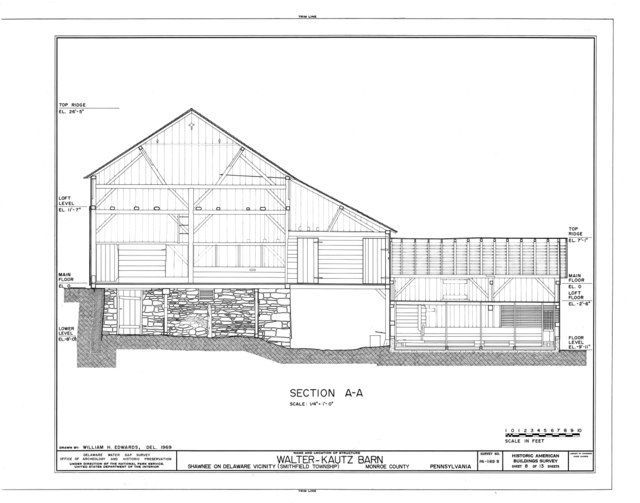
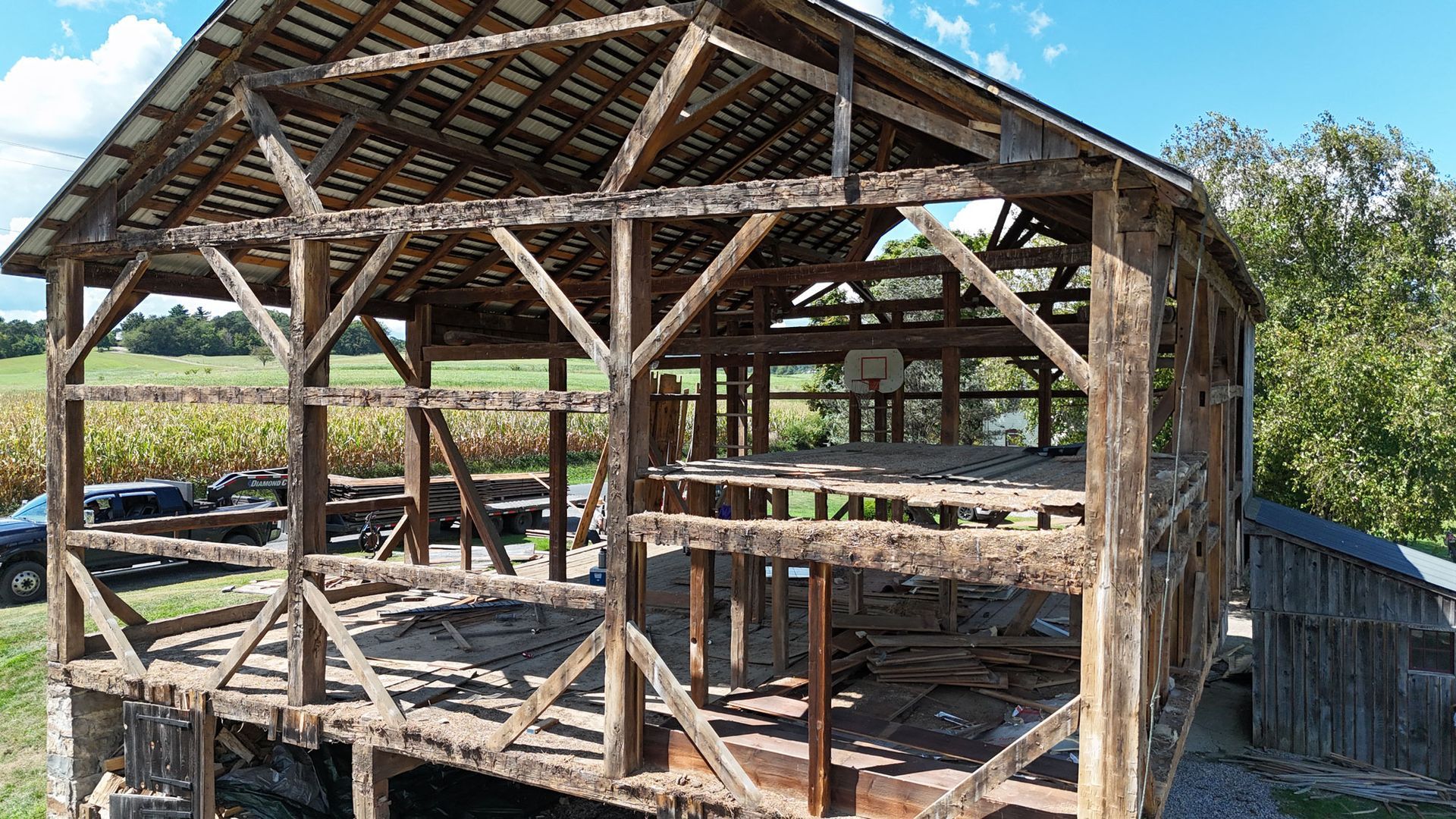
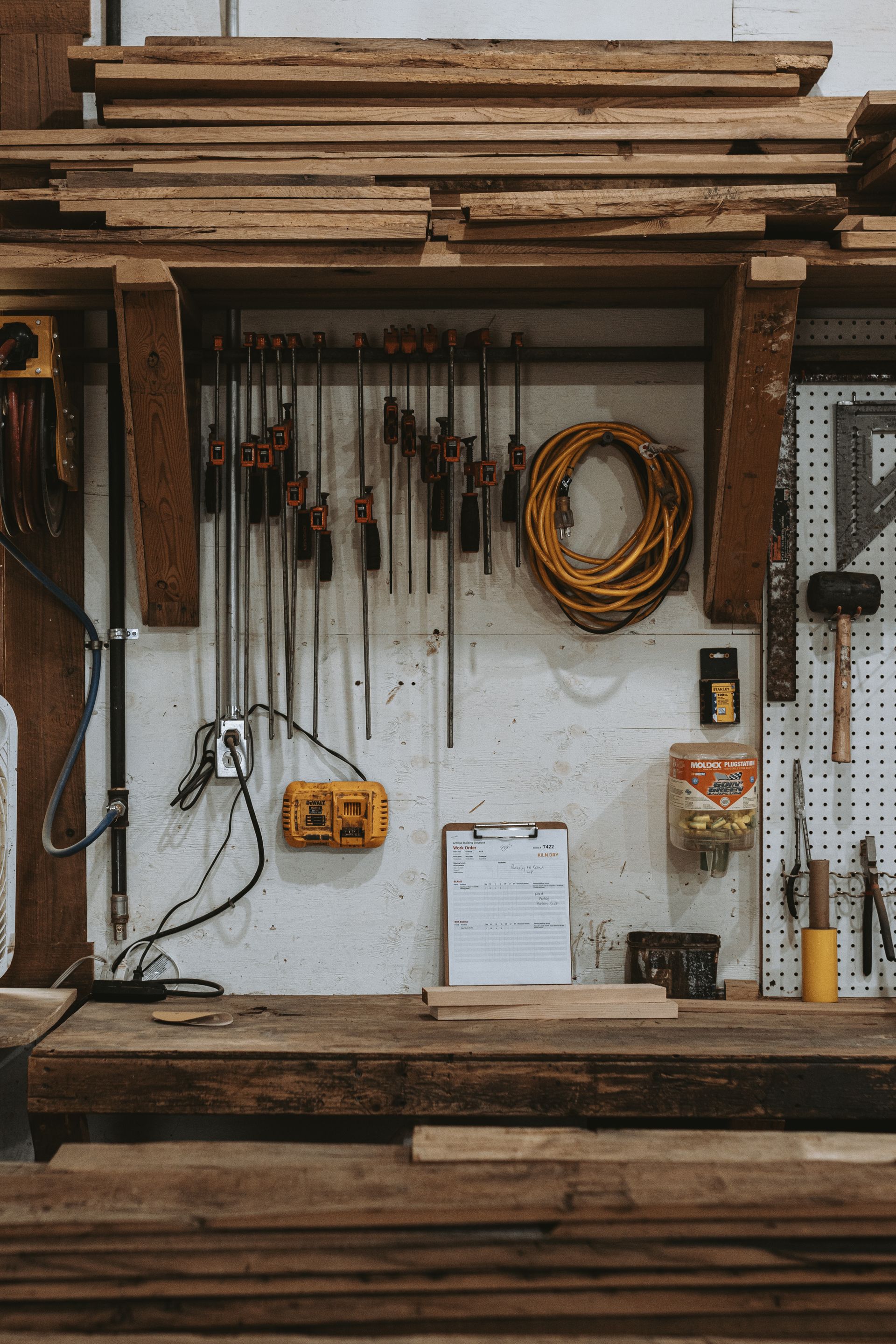
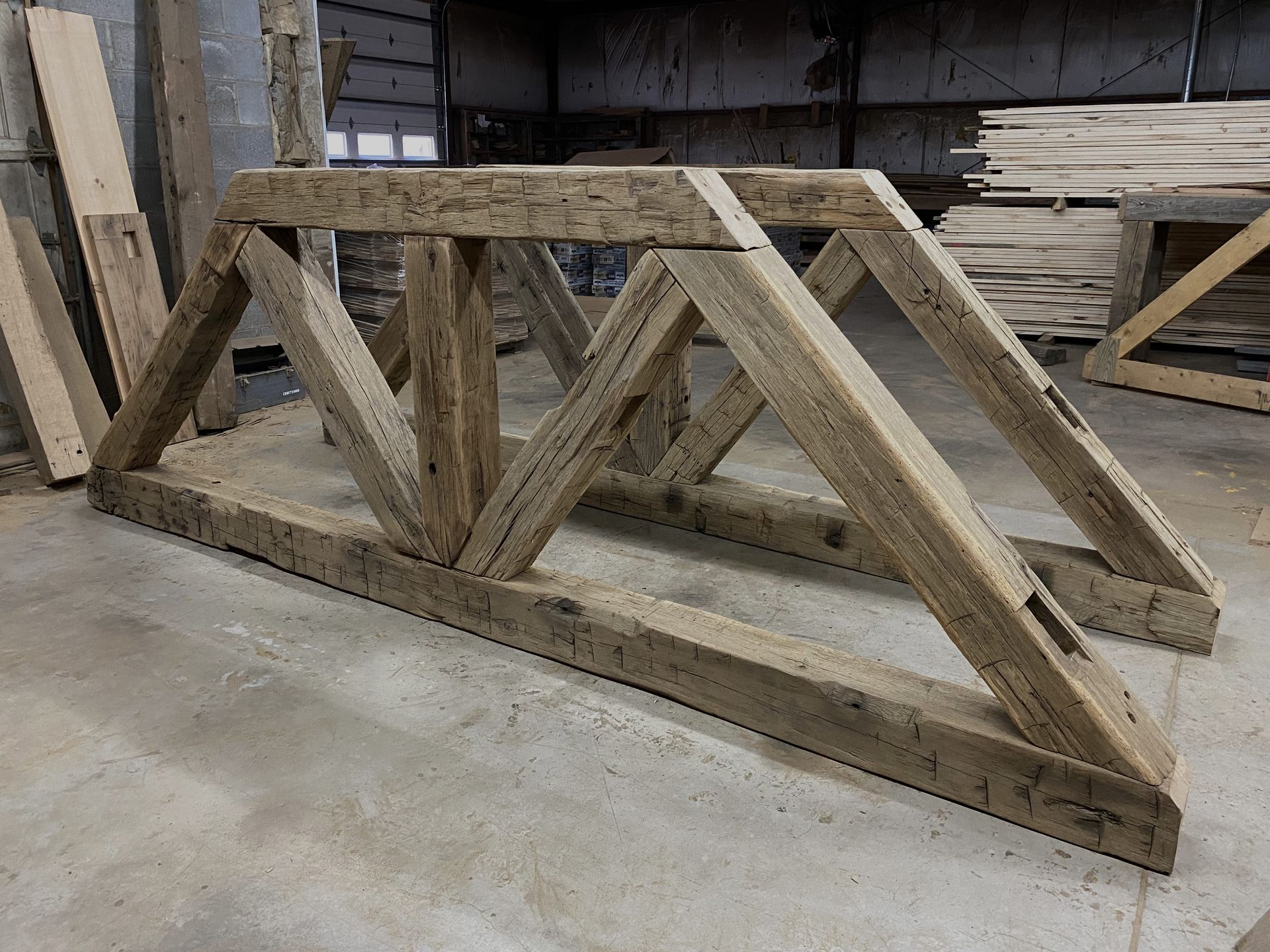
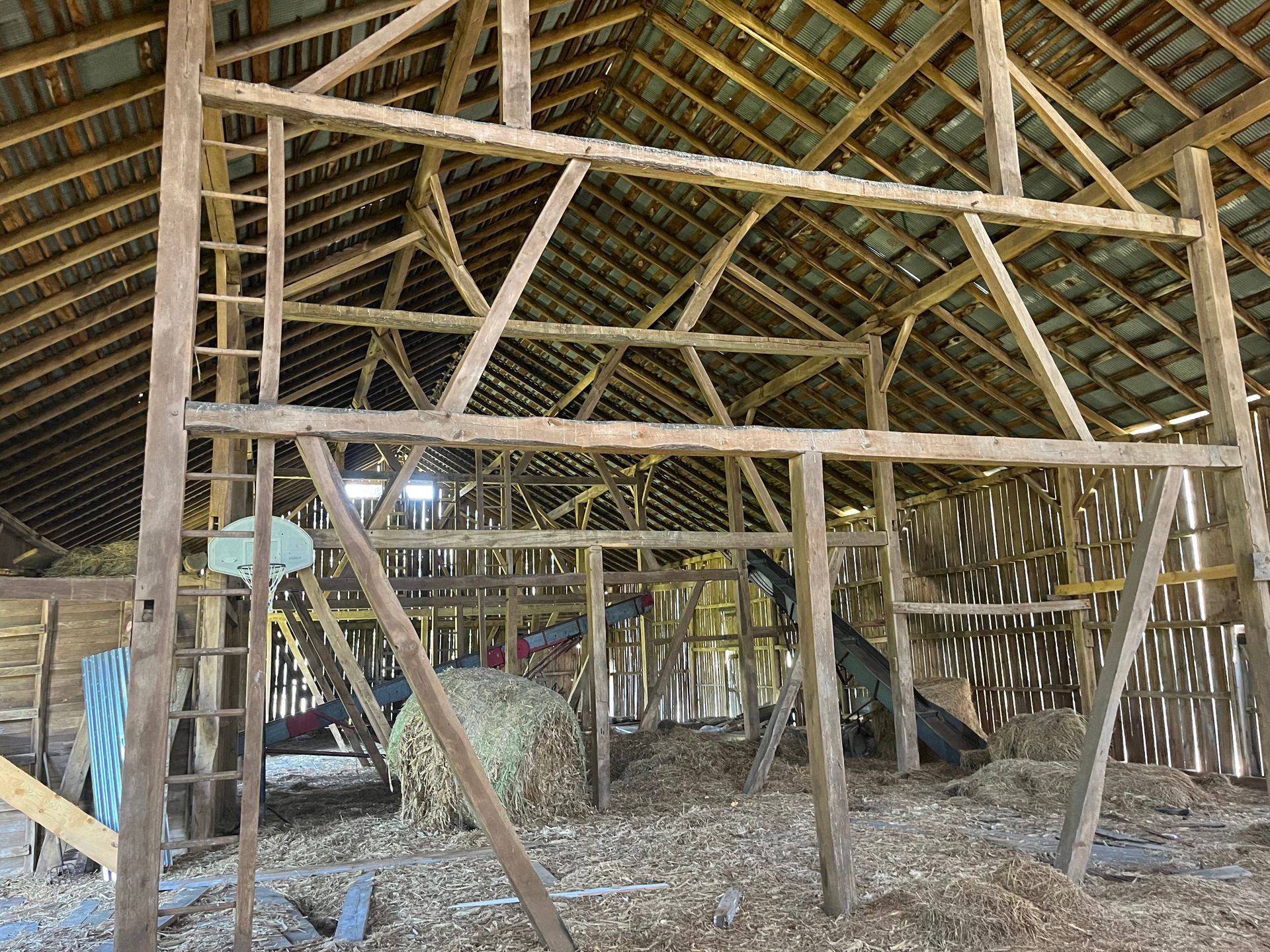
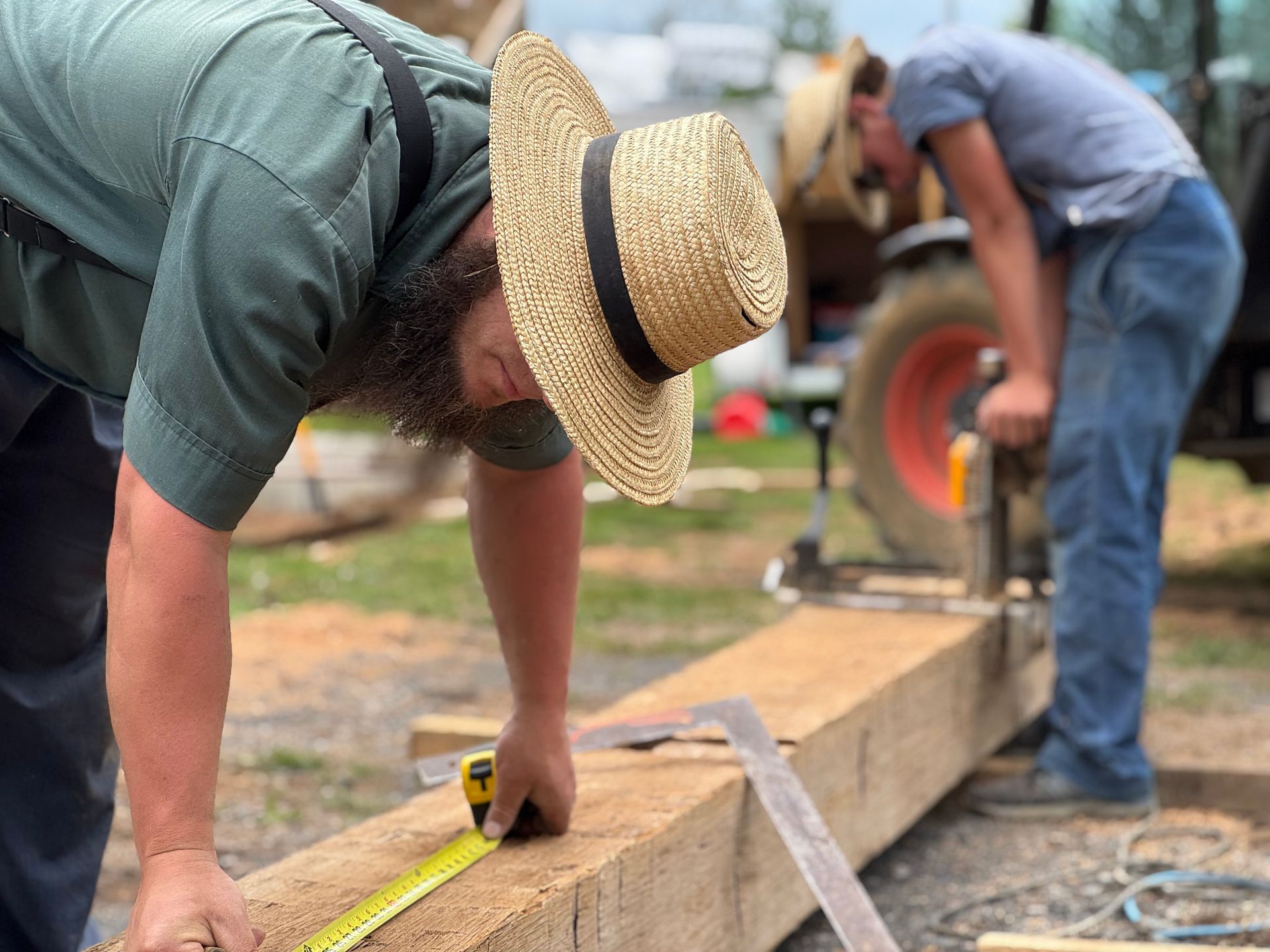
Our mission is to find historic barn frames across America that showcase exceptional craftsmanship, such as traditional joinery and old-growth timber. We carefully document and disassemble these structures, repair each timber at our facility, and prepare them for a new life. These frames are then ready to become the heart of new, custom projects for clients who value authentic heritage materials.
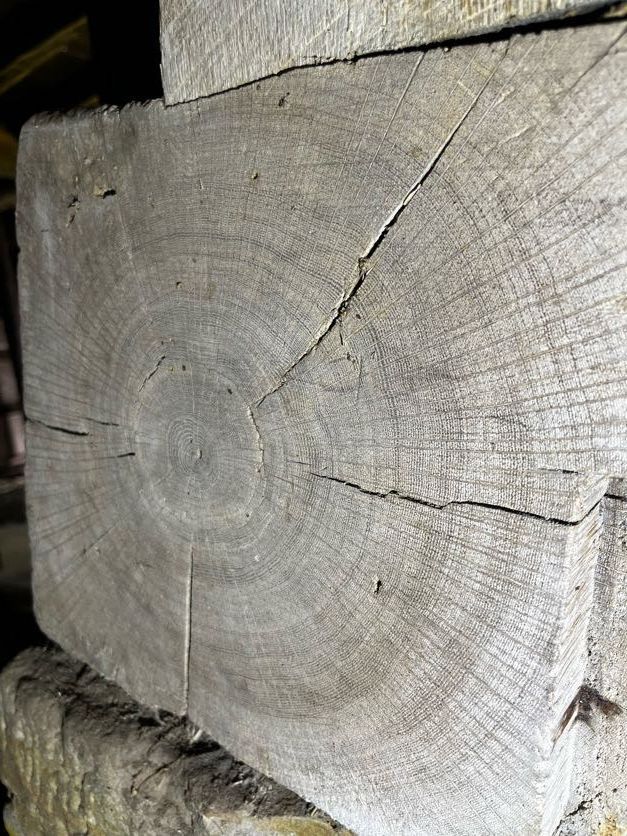
It's important to clarify our role: we are not a heritage restoration service that restores barns on an owner's property. Instead, we specialize in sourcing these remarkable historic frames and delivering them for integration into new builds around the world. The timber from these structures possesses a durability and character that modern lumber cannot match, offering a tangible connection to the past.
Long-Term Maintenance
A heritage restoration project isn't finished once the last tool is put away. Historic buildings require consistent, thoughtful maintenance to protect your investment and preserve their character for the long term.
Create a maintenance plan that outlines a schedule for regular inspections and routine tasks. Simple checks of the roof, gutters, and drainage systems twice a year can prevent small issues from becoming expensive emergencies. When making repairs, use materials and methods consistent with the restoration. For example, if your building has lime mortar, continue using it for upkeep instead of switching to modern cement.
Keep detailed records of all work done, including the materials used and the contractors you hired. This documentation will be invaluable for future maintenance and for any future owners.
Final Takeaway
Choosing to restore a historic building is a significant commitment of time, money, and passion. For many, the reward is well worth the effort. These buildings are irreplaceable pieces of our architectural heritage, and saving them preserves a piece of history for future generations.
The restoration process itself connects you to the past in a powerful way, and the finished building offers a unique character that new construction can never replicate. As the current steward of a historic property, you have an opportunity to protect something truly special. With the help of professional heritage restoration services, you can ensure your building is ready for its next chapter.