Barn Turned Into House: 9 Design Ideas That Work
From rustic charm to modern living

Last updated: October 2026
A barn turned into house works best when you keep the open space, show off the timber frame, bring in natural light, and plan the insulation and heating early. The goal is a home that feels like a barn, not a regular house squeezed into one.
Turning a building made for animals and hay into a comfortable home takes smart design. These nine ideas help you avoid the common mistakes and end up with a space that is beautiful and easy to live in.
Barn Turned Into House: 9 Design Ideas That Work
1. Keep the open space
The biggest mistake is trying to make a barn feel like a normal house. The huge open volume is the best thing about it. Work with it.
Instead of lots of small rooms, make zones inside the open area.
- Use large rugs to mark the living, dining, and kitchen areas.
- Arrange furniture to form separate spaces without walls.
- Lower the ceiling over one area, like the kitchen, so it feels cozier while the main space stays open.
Big open spaces can echo. Rugs, upholstered furniture, and curtains help soften the sound.
2. Show the original structure
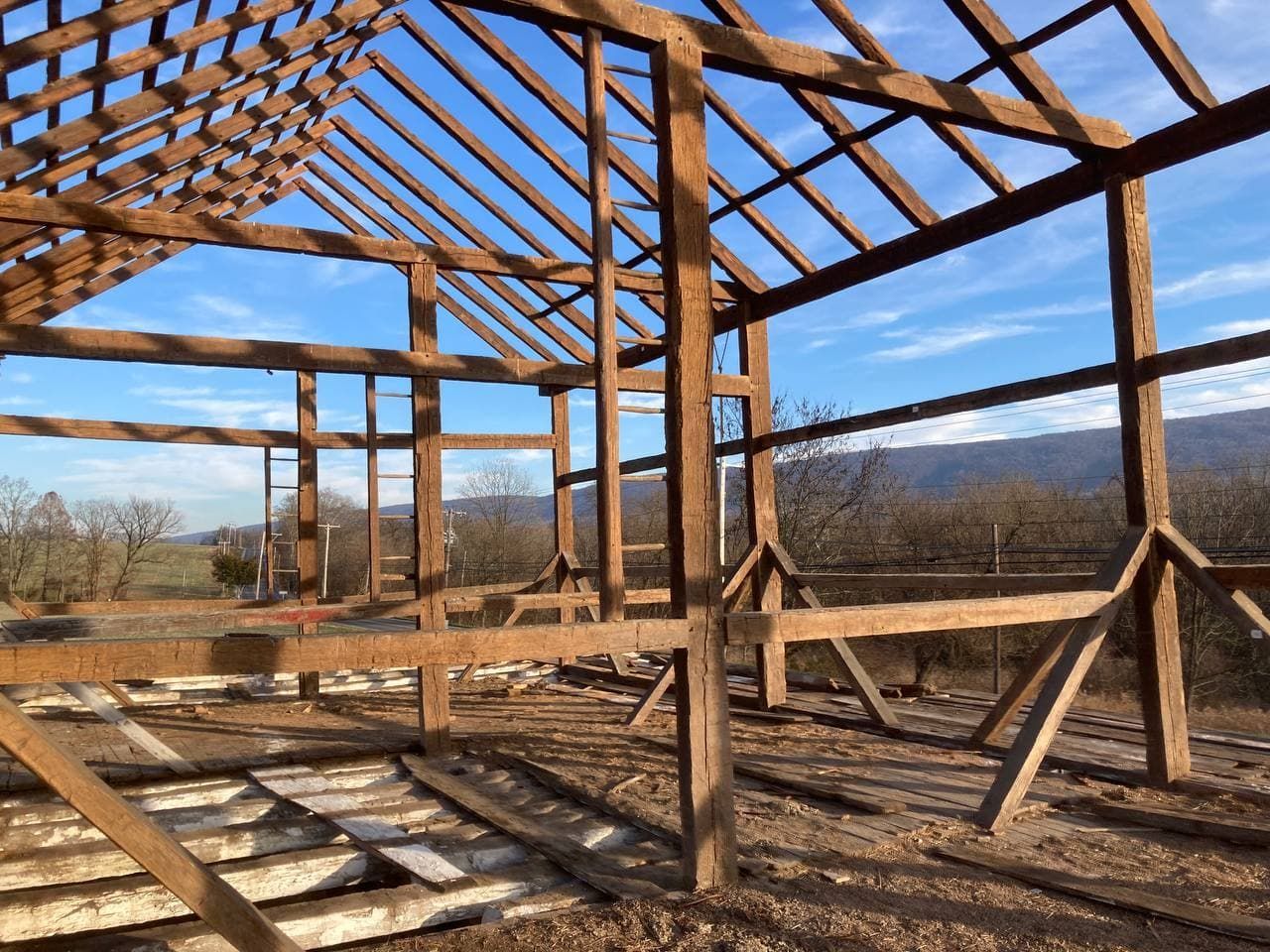
The old posts and beams are the heart of your barn. Don’t hide them.
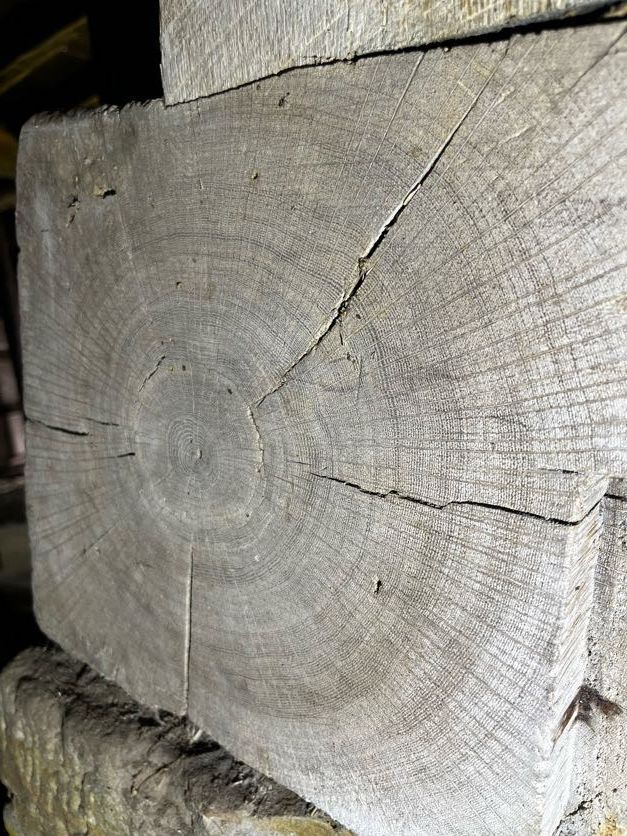
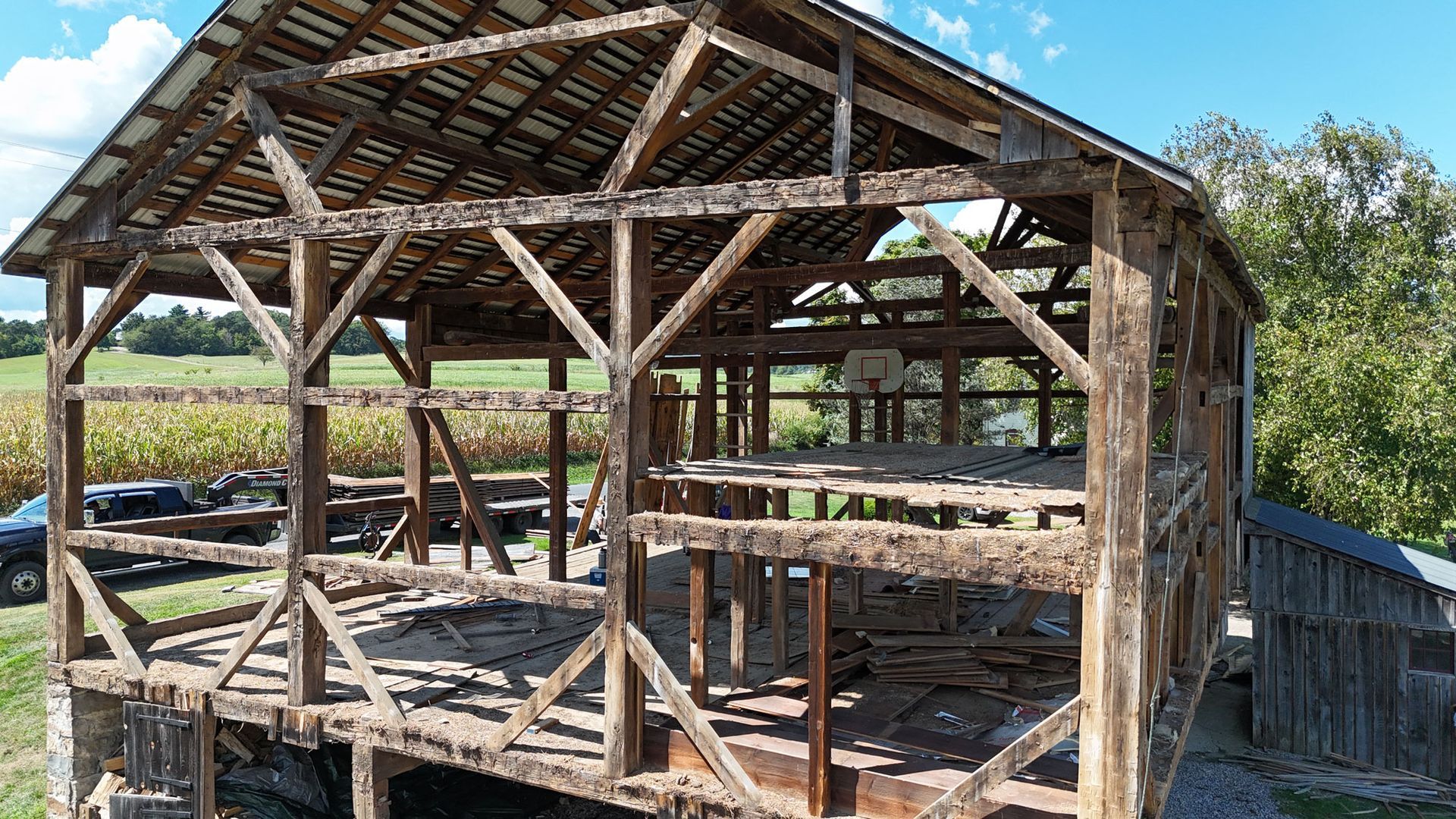
Leave the timber frame exposed wherever you can. Hand-cut joints and aged wood add character that new construction can’t copy. Mix old and new for contrast. Put modern furniture under rustic beams, or a glass wall next to rough old stone.
Before you cut, notch, or remove any timber, talk to a structural engineer. Timber frames carry load in ways that are not obvious, and one wrong cut can weaken the whole frame.
3. Bring in natural light
Barns were built for storage, not sunlight. Finding ways to let light in is a big part of barn home design.
- Large openings. The wide doorways where wagons once entered are ideal places for floor-to-ceiling glass. It floods the space with light and looks great from outside.
- Skylights. They bring light deep into the home without changing the look of the walls.
- Frame-friendly placement. Put windows between posts so they don’t interrupt the structure.
Use insulated, energy-efficient glass. Large openings can lose a lot of heat if you don’t.
4. Design a kitchen that fits the barn
In most barn conversions, the kitchen sits at the center of the main living area. Mix rustic style with modern function. Think exposed beams overhead, simple cabinets below, reclaimed wood countertops next to stainless steel appliances.
A large island works well in an open plan. It gives people a place to gather without blocking the flow of the room. Plan for a strong range hood too, since cooking smells travel in tall open spaces.
5. Create zones without building walls
You can separate areas in a wide-open barn without solid walls.
- Change the flooring. Polished concrete in the kitchen and wide wood planks in the living area guide how people use each space.
- Add sliding barn doors or glass partitions. You can close off an office for privacy or open everything up for a party.
- Change the floor level. A few steps down to a sunken living room, or up to a raised dining area, define a space nicely.
Stairs and level changes have code rules for rise, run, and railings, so check them before you build.
6. Make the bedrooms and bathrooms special
Use the building’s shape to your advantage.
Mezzanine bedrooms, or lofts, take advantage of the barn’s height. They put the sleeping area above the main floor and keep the ground level open for living. Sloped ceilings from the roofline can make a bedroom feel snug.
Lofts and bedrooms have to meet code. That usually means a proper stair, a guardrail, and an egress window or exit for any sleeping space. Your builder or local building department can tell you what applies.
In the bathroom, contrast is the idea. A modern freestanding tub looks great against an old stone wall. A glass walk-in shower set against exposed timber combines the best of both. Natural stone and wood tie the room to the rest of the barn.
7. Honor the building’s history
The best conversions remember their farm past. Keep some original features if you can.
- Clean up old barn hardware and use it as towel hooks or cabinet pulls.
- Hang vintage farm tools or signs as wall decor.
- Save original wood floors that are in good shape. The wear from decades of use adds authenticity new materials can’t match.
If you reuse old barn flooring or boards indoors, have them checked and cleaned first. Wood from a working barn can hold dirt, odors, and pests.
8. Plan heating, cooling, and insulation early
A big open barn with a high ceiling is hard to heat and cool. You need a plan from the start.
- Insulation comes first. The goal is to insulate well while keeping the frame visible inside. A common way to do that is to wrap the outside of the frame with insulated panels, such as structural insulated panels (SIPs), or to build the insulated wall outside the timbers. That keeps the posts and beams exposed on the inside and the home efficient.
- Radiant floor heat works well under a concrete slab. It gives even warmth with no visible vents or radiators.
- Ceiling fans push warm air back down from the high ceiling in winter.
- HVAC should be sized by a professional for a large-volume space. Ask for a proper load calculation, and work with someone who has done barn homes before.
9. Connect indoors and outdoors
Barns are usually in beautiful settings, so use that.
Large folding or sliding glass doors blur the line between inside and out. Open them on a nice day and the living room runs into the patio or garden. Covered porches create a comfortable in-between space for morning coffee or evenings outside. Landscaping with native plants and natural materials helps the home feel like it belongs there.
What should you check before you start?
Design is the fun part. Check these first.
- Structural review. Have an engineer look at the frame, foundation, and roof before you plan openings or lofts.
- Permits and zoning. Changing a barn from agricultural to residential use usually requires permits and may need zoning approval. Call your local building department early.
- Utilities. Confirm you can get water, power, and a septic system or sewer connection.
- Moisture and pests. Check the foundation, the roof, and the timbers for rot, damp, and wood-boring insects.
- Energy code. New homes have to meet insulation and efficiency requirements.
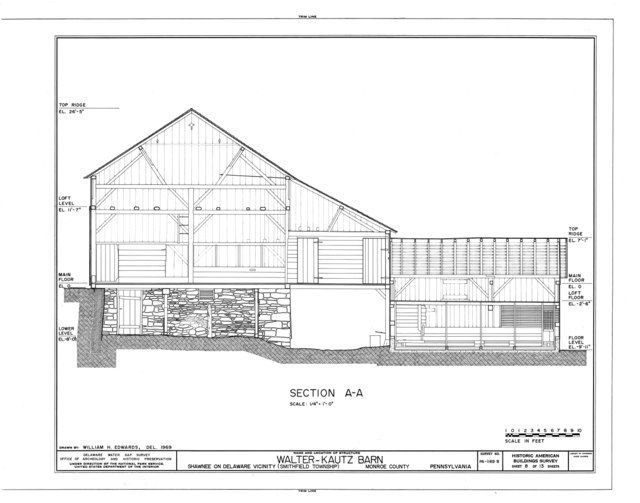
The National Park Service also has a helpful guide on adapting historic barns for new uses without losing what makes them special.
Where do Bay & Bent frames fit in?
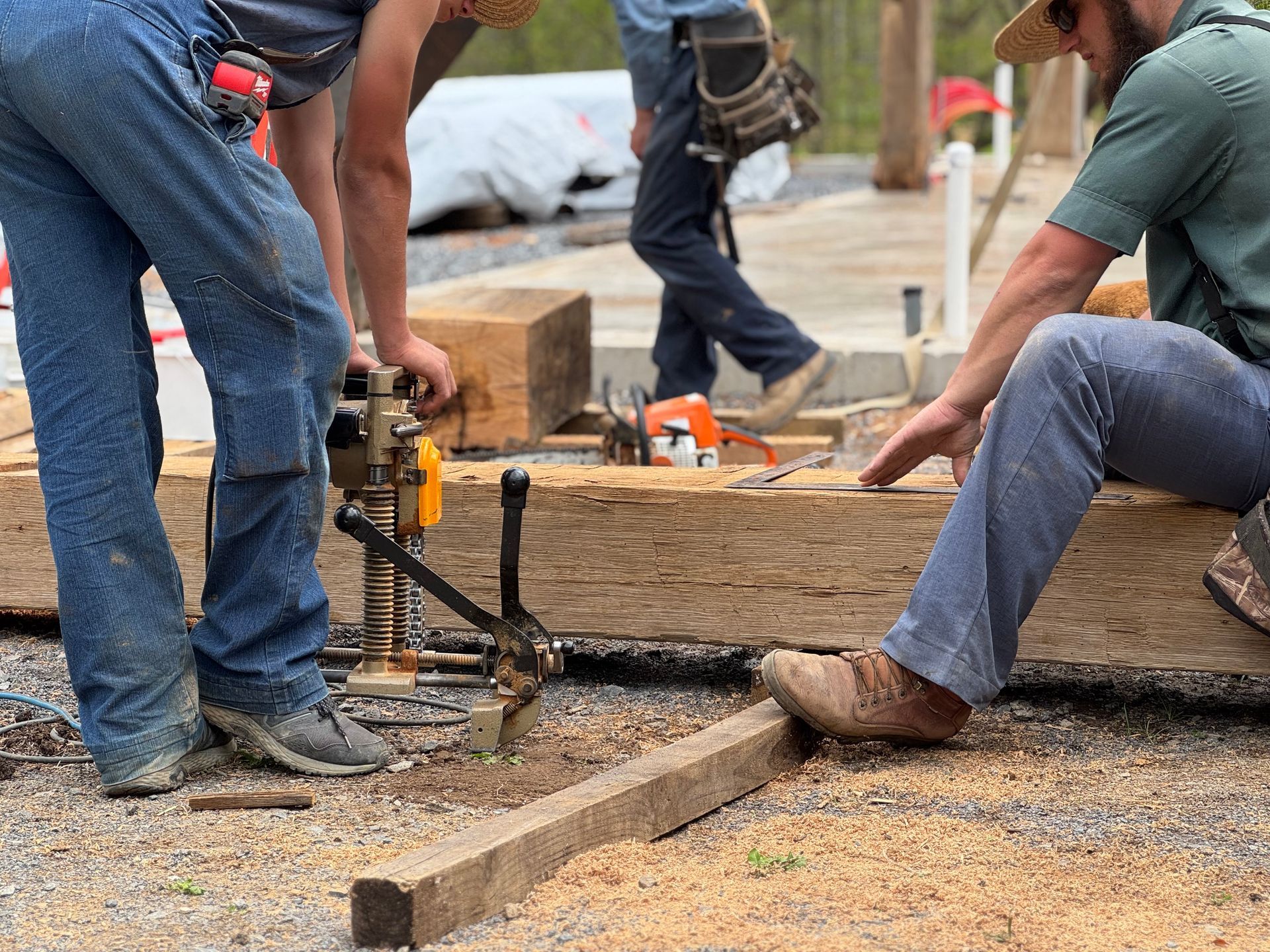
At Bay & Bent, we respect the craft of old barns. We travel the country to find barns with exceptional historic timber frames, built by skilled hands from old-growth wood.
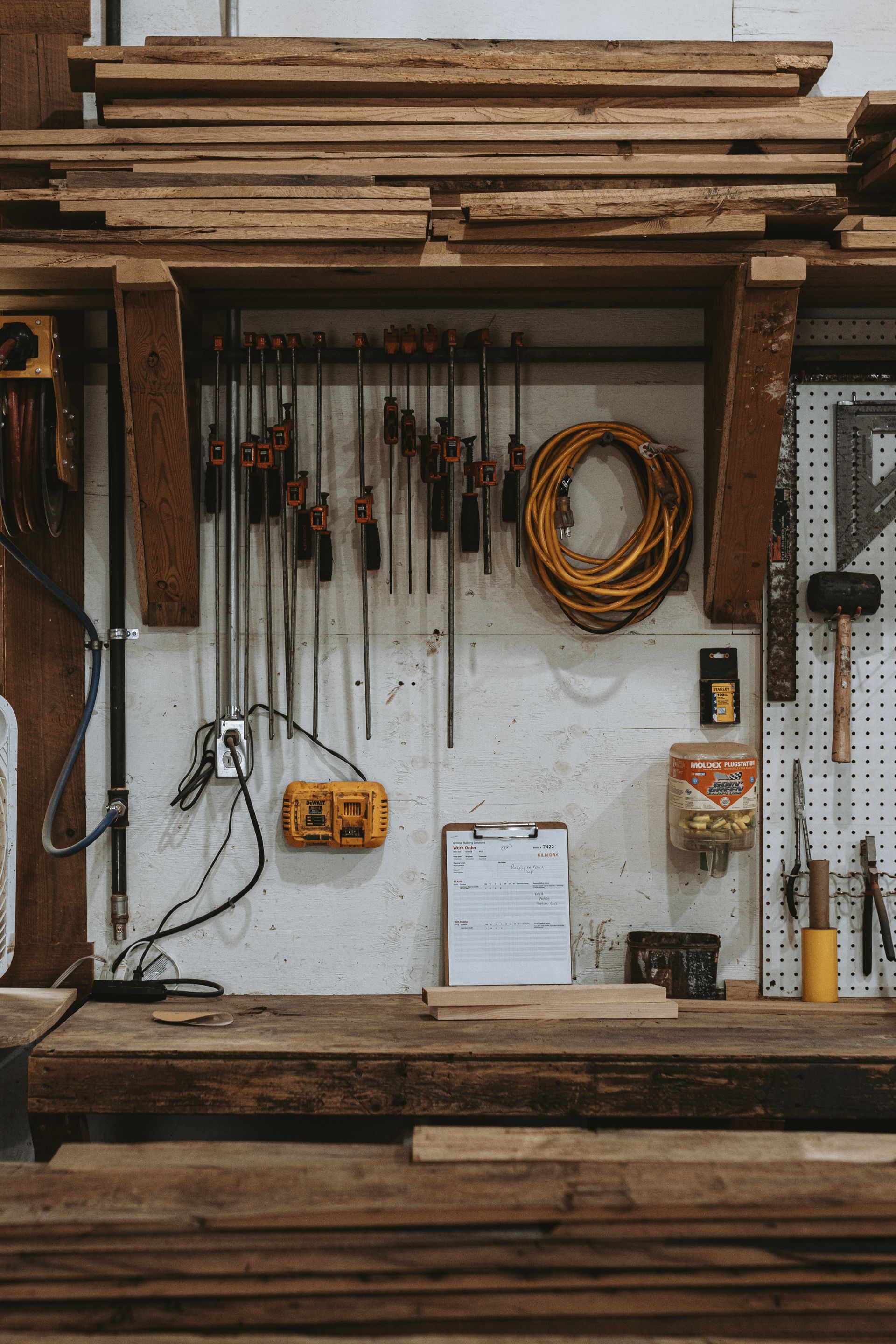
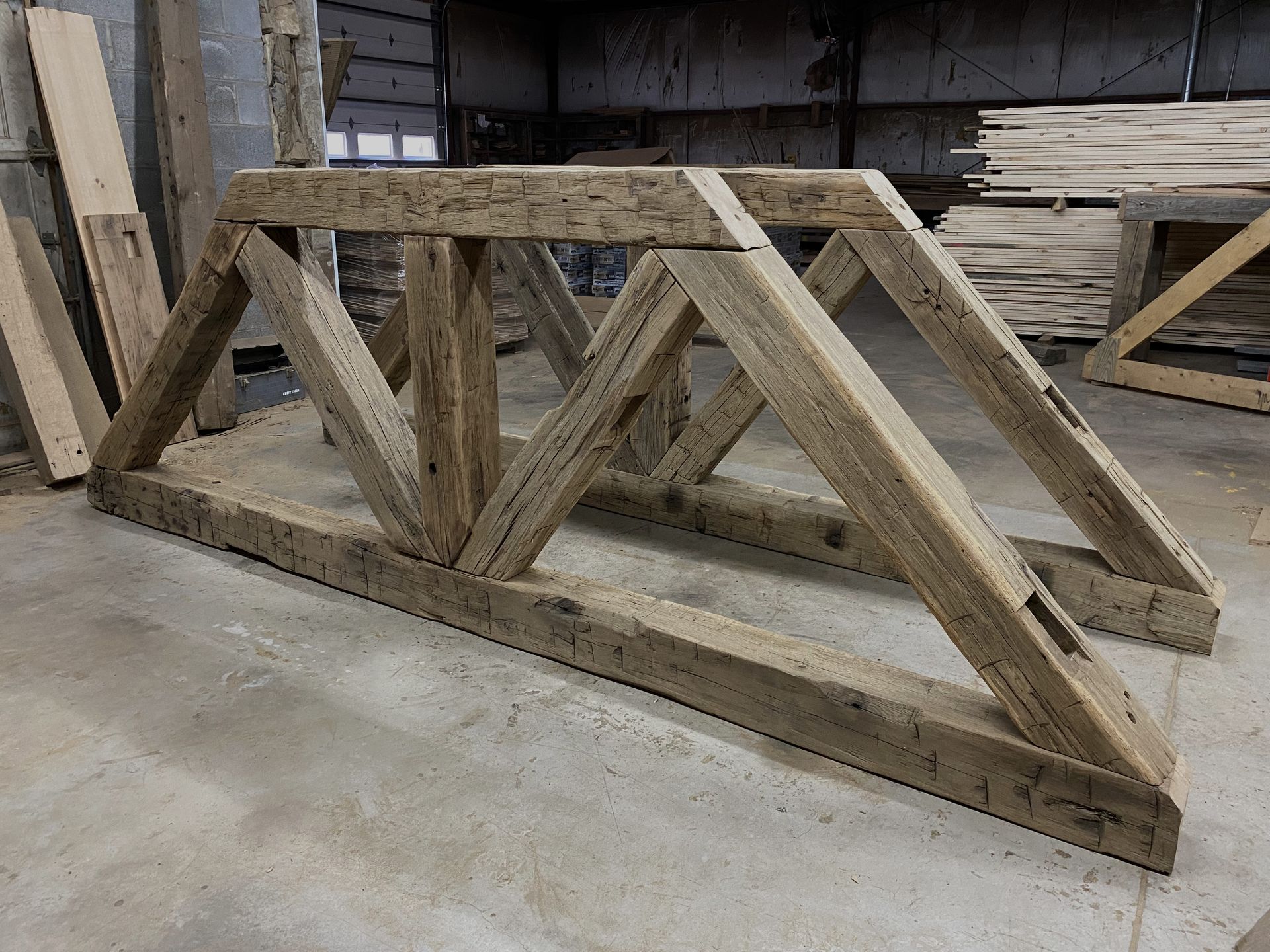
When we find one, we take it apart carefully. Each timber is documented, repaired at our workshop, and prepared for a new life. Then we deliver the restored frame to clients around the world, ready to become the heart of a new home.
We supply frames for new building projects. We do not restore barns that are already on a client’s property. If you already own a barn, a local timber framer or preservation contractor is the right call. If you are starting fresh, you can browse the frames on our barns page. A restored historic frame gives you the character of a barn home with a structure that has been inspected and repaired before it reaches your site.
Frequently asked questions (FAQs)
Can you turn a barn into a house?
Yes. Many barns have the structure and space to become homes. The frame needs a structural review, and the project needs permits, utilities, and insulation.
How much does it cost to convert a barn into a house?
It varies a lot with the barn’s condition, size, location, and finish level. The big cost drivers are structural repairs, insulation, utilities, and permits. Get quotes from local builders who have done barn conversions.
Do I need a permit to convert a barn to a home?
Almost always. Changing the use from agricultural to residential usually requires building permits and may require zoning approval. Ask your local building department first.
How do you insulate a barn house and keep the beams visible?
Insulate outside the frame with insulated panels or an exterior insulated wall. That leaves the timbers exposed on the inside.
Is radiant floor heating good for a barn home?
Yes, especially with a concrete slab. It gives even heat in a tall, open space without visible vents.
Can I keep the open floor plan?
Yes, and you should. Use rugs, flooring changes, furniture, partitions, and level changes to define zones without walls.