How To Build A Farm: 7 Rookie Mistakes To Avoid
Start your farm build the right way
Starting a farm from scratch is one of the most rewarding adventures you can take. Growing your own food, raising animals, and working the land offers a sense of accomplishment that's hard to find anywhere else. But let's be honest, farming is also one of the toughest businesses to break into.
The average farm makes around $275,000 per year, but getting to profitability isn't easy. Many beginning farmers make costly mistakes that set them back years or even force them to give up entirely. The good news? Most of these mistakes are completely avoidable if you know what to watch out for.
Whether you're dreaming of a small market garden or planning a larger operation, this guide will walk you through the seven biggest rookie mistakes and show you how to dodge them.
Mistake #1: Underestimating Startup Costs
This is the number one mistake new farmers make. You see a piece of land, imagine crops growing, picture happy animals grazing, and think, "I can do this!" Then reality hits.
The Real Numbers
Starting a farm typically requires an investment ranging from $50,000 to $500,000 or more. Even a small-to-medium market garden farm can easily cost $10,000 to $40,000 just to get off the ground.
Here's what many beginners forget to budget for:
- Land costs: This is your biggest expense. An acre of land in Wyoming might cost $740, but in California, you could pay $10,000 or more per acre. And you typically need multiple acres to make farming viable.
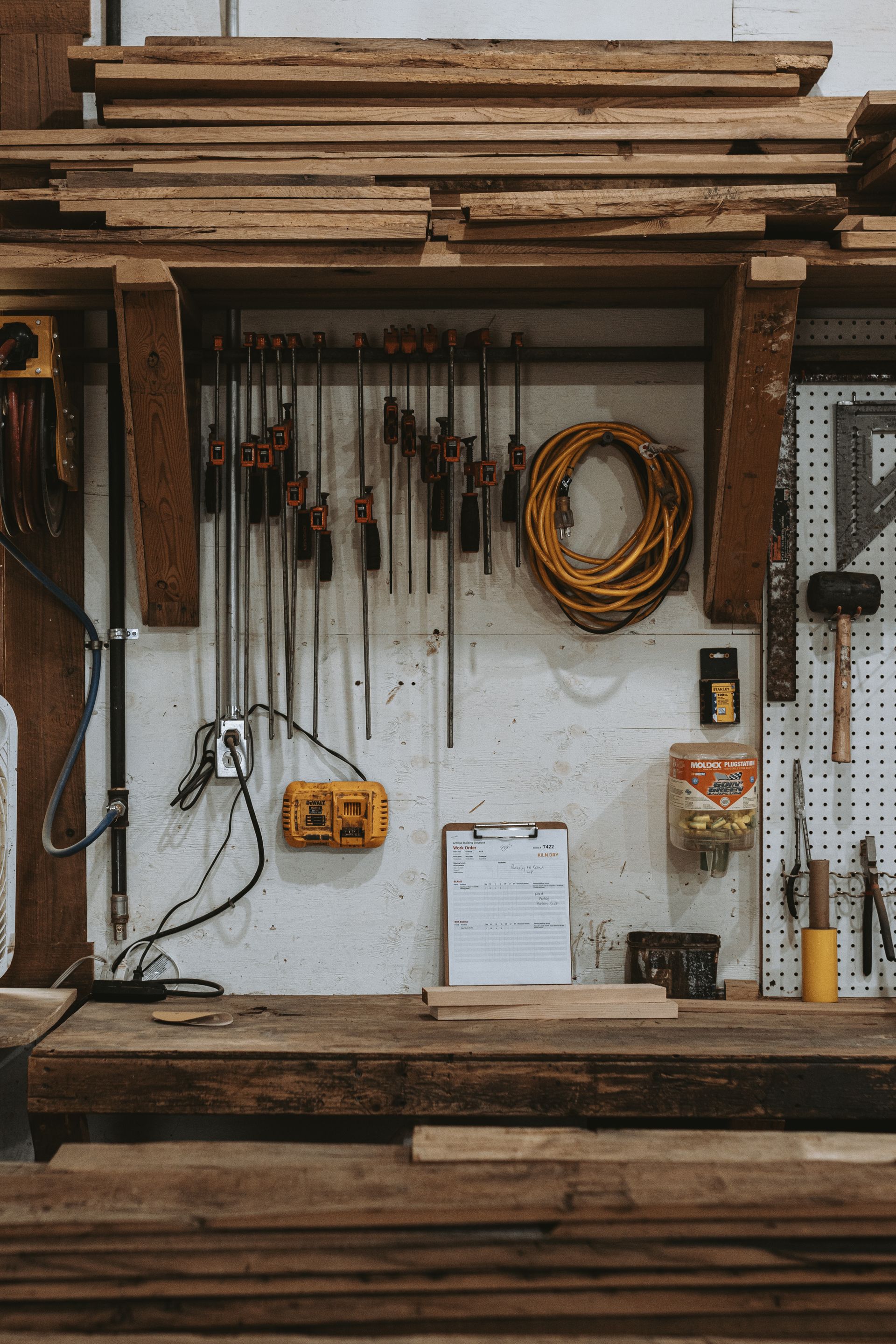
- Equipment and tools: Even if you plan to work mostly by hand, you'll need shovels, rakes, broadforks, wheelbarrows, and irrigation systems. Budget at least $500 for basic hand tools. Want a tractor or rototiller? Add several thousand dollars per piece of equipment.
- Infrastructure: Barns, storage facilities, fencing, and greenhouses cost between $50,000 and $500,000, depending on your operation's size and needs.
- Seeds and supplies: Expect to pay $400-$500 on seeds for a small-to-medium farm, plus fertilizers, soil amendments, and other growing supplies.
- Utilities and permits: Water, electricity, business licenses, and permits can add $5,000 to $50,000 to your startup costs, depending on your location.
- Operating capital: You need money to live on while waiting for your first harvest. Most experts recommend having at least one year of living expenses saved, that is $50,000 to $75,000 for many families.
The Fix
Create a detailed, realistic budget before buying anything. Talk to established farmers in your area about actual costs. Consider starting smaller than you originally planned so you can grow gradually without taking on crushing debt.
Many successful farmers recommend avoiding debt entirely. Use cash reserves when possible, and only borrow what you absolutely must.
Mistake #2: Buying Land Before You Understand Your Needs
New farmers often buy the first affordable piece of land they find, only to discover later that it doesn't suit their farming goals.
What Goes Wrong
You might buy land that:
- Doesn't have adequate water access or water rights
- Has poor soil quality that requires expensive amendments
- Is too far from markets or lacks good road access
- Doesn't have proper zoning for agricultural operations
- Has drainage problems or floods seasonally
- Is too small for your plans or too large to manage
The Fix
Before buying land, spend at least a full growing season learning about farming. Better yet, lease land first or work on someone else's farm to understand what you really need.
When you're ready to buy, invest in:
- Soil testing to understand fertility and pH
- Water testing and verification of water rights
- Title searches to ensure clear ownership
- Conversations with neighbors about common issues
- Professional surveys of the property
Some new farmers make deals with established farmers to work a portion of their land in exchange for labor on the larger farm. This gives you experience and access to land without the huge upfront investment.
Mistake #3: Trying to Do Everything at Once
Beginning farmers often want to grow vegetables, raise chickens, keep bees, have dairy cows, and sell at farmers' markets, all in their first year. This almost never works.
Why It Fails
Each farming activity requires specific knowledge, equipment, time, and money. Spreading yourself too thin means:
- Nothing gets done well
- You can't develop expertise in any area
- Cash flow becomes unpredictable
- You burn out quickly
- Quality suffers across all products
The Fix
Start with one or two complementary activities and master them before expanding. For example:
- Begin with just vegetables, then add chickens
- Start with a small cow-calf operation before expanding the herd
- Perfect your farmers' market presence before adding online sales
Successful farms grow incrementally. Once you're profitable and confident in one area, reinvest those profits to expand slowly into new products or services.
Mistake #4: Ignoring the Business Side of Farming
Many people get into farming because they love working with plants or animals, not because they love bookkeeping and marketing. But farming is a business, and treating it like just a hobby is a fast track to failure.
Common Business Mistakes
New farmers often:
- Don't track expenses properly
- Fail to price products to cover all costs plus profit
- Neglect marketing and customer relationships
- Skip business licensing and insurance
- Don't file proper tax documents
- Have no written business plan
The Fix
Treat your farm like the business it is. This means:
Create a business plan that includes:
- Your mission and goals
- Target market analysis
- Detailed financial projections
- Marketing strategy
- Growth plans
Set up proper record-keeping from day one:
- Track every expense, no matter how small
- Record all income
- Save receipts and invoices
- Use farm management software or spreadsheets
- Work with an accountant familiar with agriculture
Price correctly: Many beginning farmers underprice their products because they forget to include their own labor, land costs, equipment depreciation, and other overhead. Calculate your true costs before setting prices.
Invest in marketing: Social media, a simple website, and participation in local networks can generate customers without breaking your budget. A few hundred dollars for basic branding goes a long way.
Mistake #5: Poor Equipment Choices
Equipment can make or break a farm's budget. New farmers often either buy too much equipment they don't need or skip essential tools that would save them time and back-breaking labor.
The Equipment Trap
Beginners frequently:
- Buy brand-new equipment, which, when used, would work fine
- Purchase specialized machinery that they'll only use a few times per year
- Skip maintenance until equipment breaks down
- Choose equipment that's wrong for their operation's size
- Forget to budget for fuel, repairs, and storage
The Fix
Be strategic about equipment:
- Start minimal: Don't buy anything until you know exactly why you need it and why something less costly can't do the job.
- Buy used when possible: Quality used tractors, tillers, and tools cost a fraction of new equipment prices. Check local farmers' markets, online marketplaces, and farm auctions.
- Rent or share: For specialized equipment you'll rarely use, renting or joining a farm co-op makes more sense than buying. Many communities have tool-sharing programs.
- Prioritize maintenance: Treating your tools and machinery with care keeps them running longer and prevents expensive repairs.
One successful farming couple started with a minivan instead of a pickup truck. Their van carried everything from flower buckets to animal feed while protecting items from the weather, all while costing less than a new truck.
Mistake #6: Underestimating Labor and Time
Farming takes more time and more hands than most beginners imagine. The romantic idea of peaceful mornings tending gardens crashes into the reality of 14-hour days during planting and harvest seasons.
The Reality Check
First-time farmers often:
- Try to do everything themselves
- Don't budget for hired help
- Underestimate how long tasks actually take
- Forget that animals need care every single day, including holidays
- Skip proper training for employees
- Don't plan for their own fatigue and need for breaks
The Fix
Be realistic about time: Animals need daily care. Crops need regular attention. Equipment breaks. The weather doesn't cooperate. Build buffer time into every plan.
- Budget for labor: If you need employees, offer competitive wages and consider benefits to attract good workers. Plan to spend 25-35% more than base salaries when you factor in payroll taxes and workers' compensation insurance.
- Make it a family affair: If family members are willing to help, involve them meaningfully. Offer them perks like free produce or a share of profits if they become regular contributors.
- Provide training: Well-trained staff are more productive and make fewer costly mistakes. Invest in training for agricultural best practices, equipment use, and safety protocols.
Mistake #7: Building Without Heritage in Mind
Here's something most farming guides won't tell you: the structures you build can make or break your farm's long-term success and value.
Why This Matters
We've seen countless new farmers rush to put up modern pole barns or metal buildings without considering:
- How these structures will age
- Whether they'll maintain their value
- If they provide the character that customers value
- Whether they honor agricultural heritage
- How they'll function in 50 or 100 years
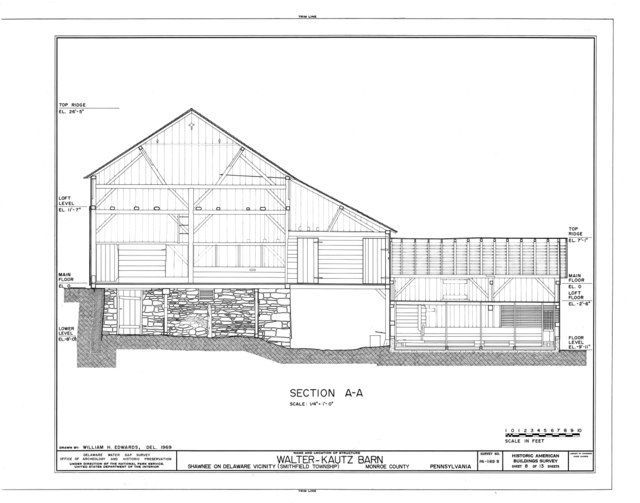
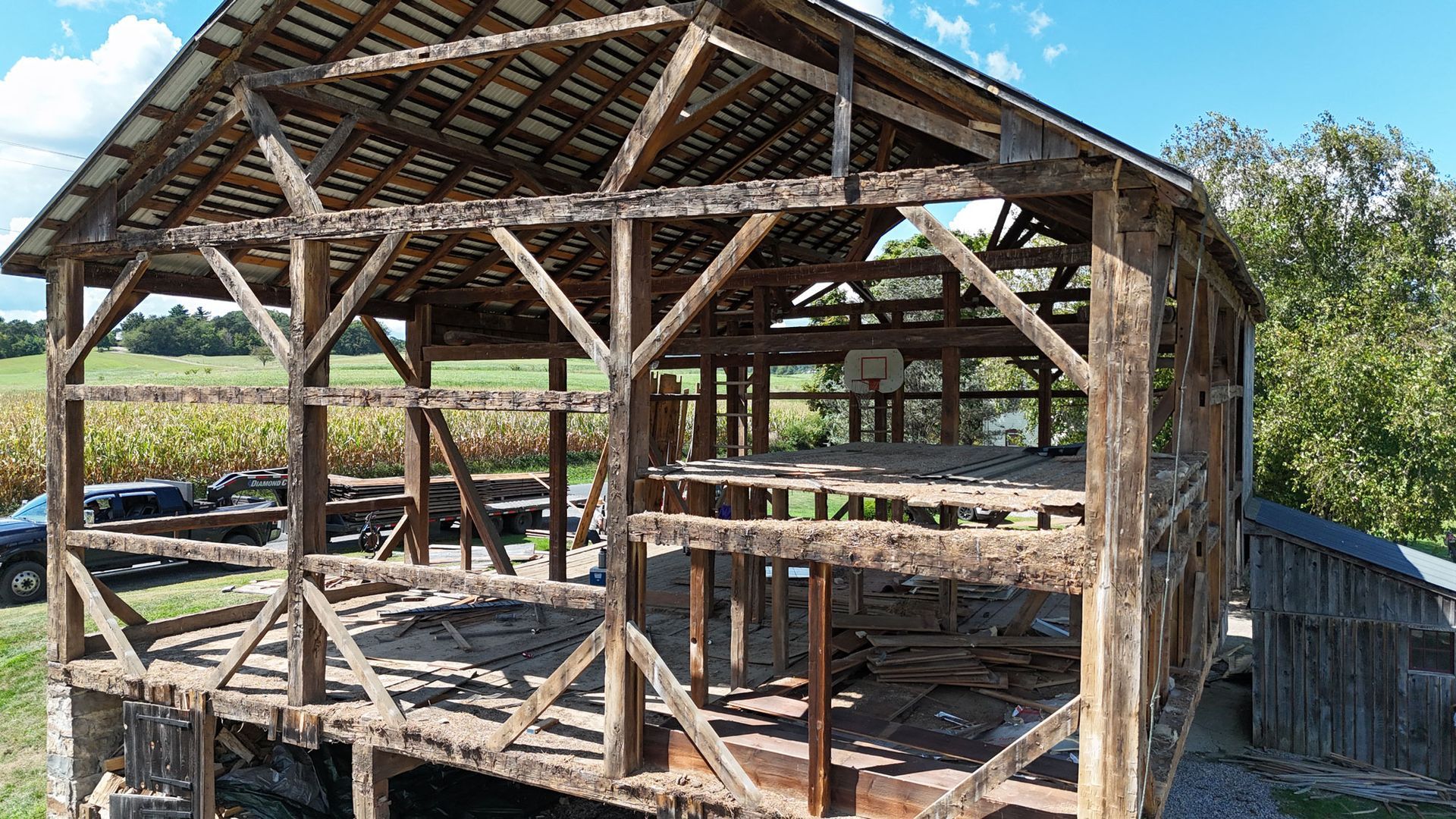
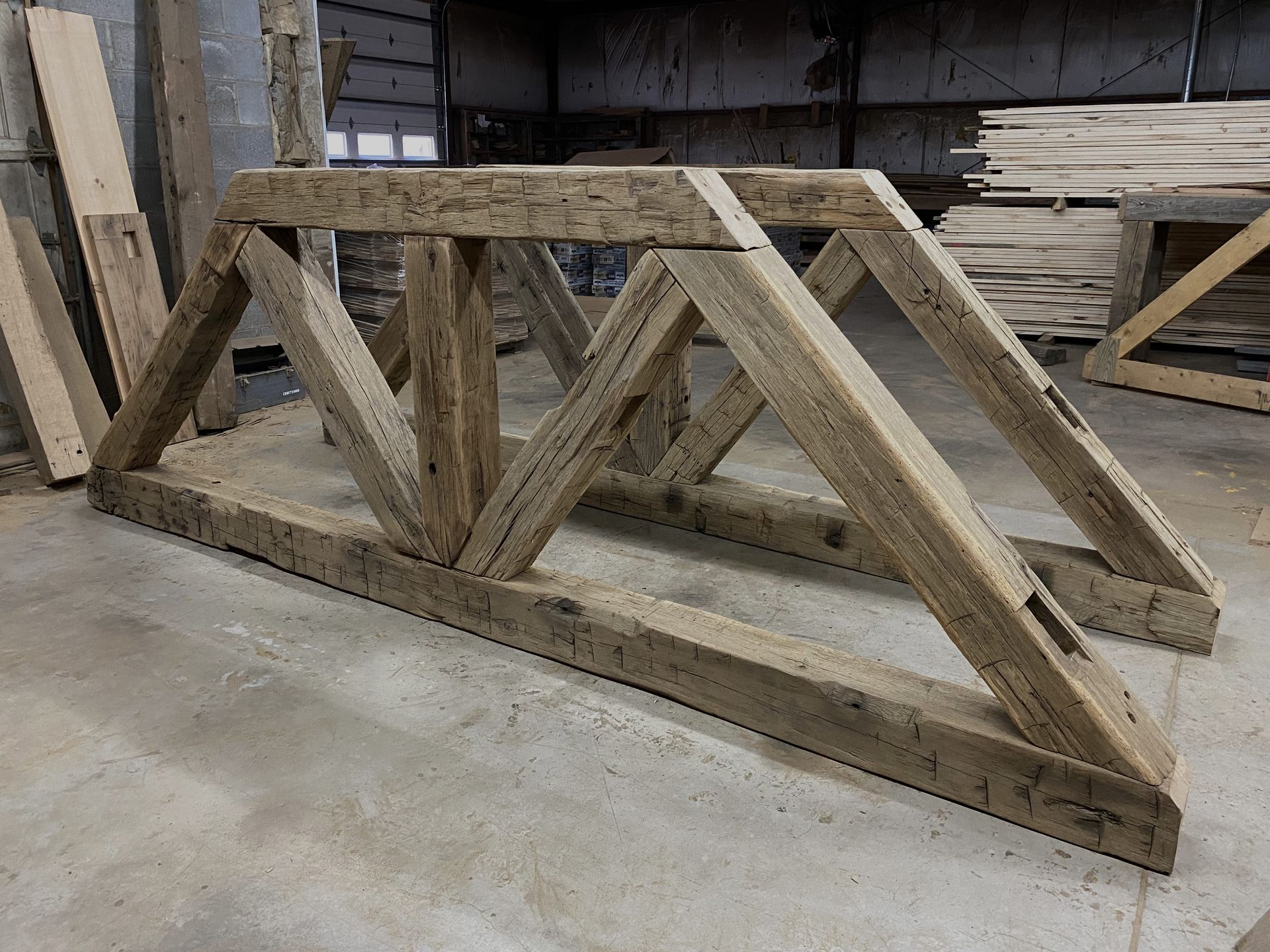
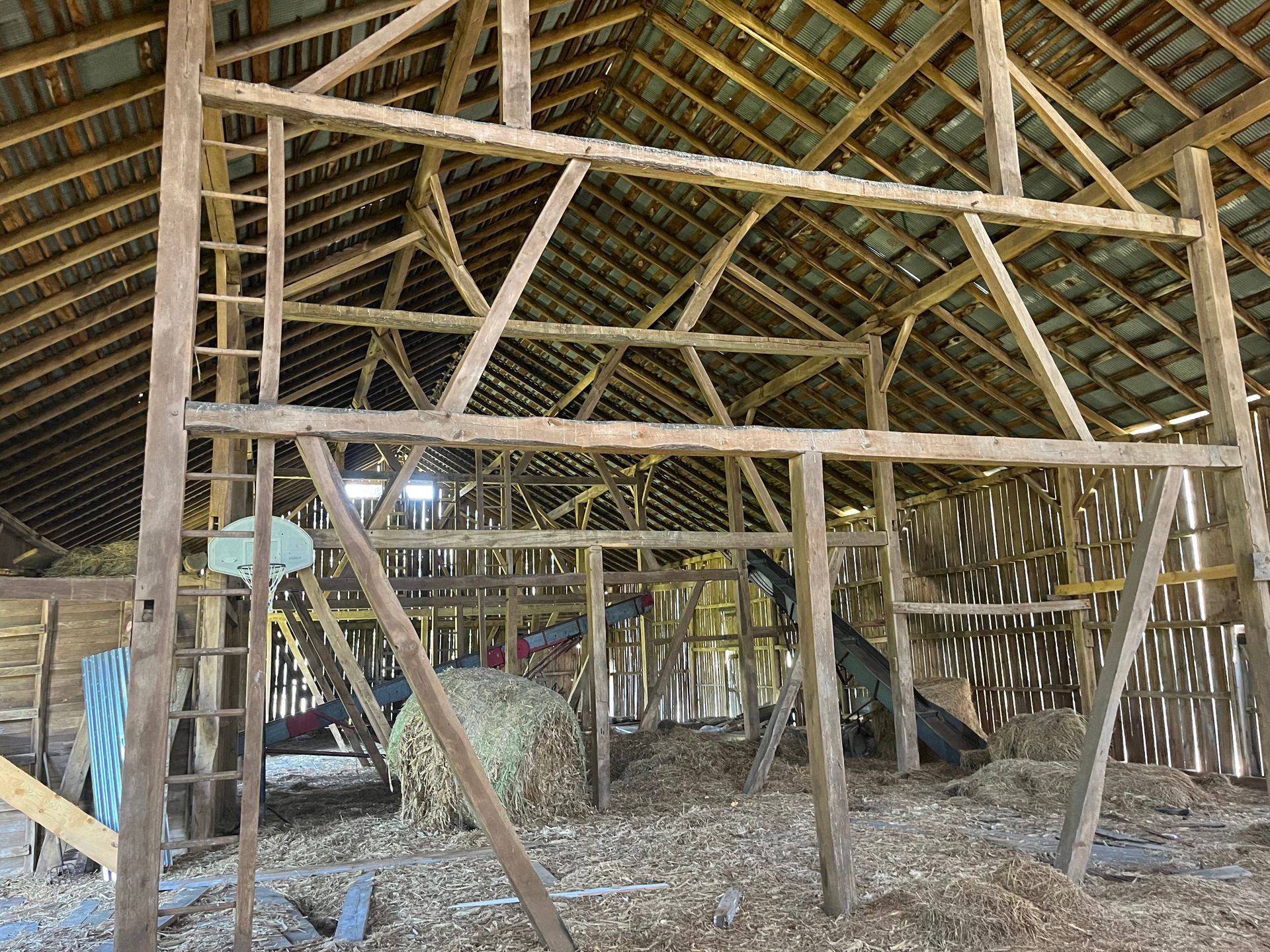
At Bay & Bent, we've made it our mission to preserve the finest historic barn frames in America. We travel the country finding authentic timber frame structures, carefully disassemble them, restore them at our facility, and deliver them anywhere in the world.
Why does this matter for your farm? Because authentic historic frames provide:
- Lasting value: Properly restored timber frames last for centuries, not decades. They become more valuable with age rather than deteriorating like modern structures.
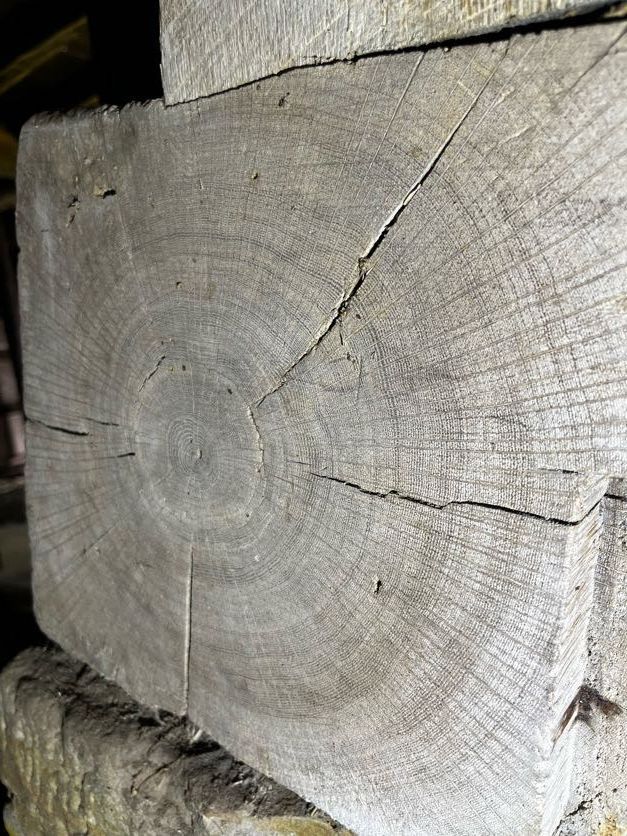
- Superior craftsmanship: Hand-hewn beams and traditional joinery techniques create stronger, more beautiful structures than anything you can build with modern materials.
- Customer appeal: Today's consumers value authenticity and heritage. A farm with genuine historic buildings stands out at farmers' markets and attracts customers who appreciate quality and tradition.
- Functional excellence: These frames were designed by people who understood agriculture intimately. The proportions, ventilation, and layout of historic barns often work better for modern farming than new designs.
When you start your farm with an authentic timber frame from Bay & Bent, you're not just putting up a building, you're creating a lasting legacy that will serve your operation and increase your property's value for generations.
Learn more about our historic frames at Bay & Bent.
Your Path Forward
Starting a farm is challenging, but thousands of people do it successfully every year. The difference between those who thrive and those who struggle often comes down to avoiding these seven costly mistakes.
Remember:
- Budget realistically and avoid crushing debt
- Understand your land needs before buying
- Start small and expand gradually
- Run your farm as a business from day one
- Be strategic about equipment purchases
- Plan for adequate labor and time
- Build structures that will last and add value
The farming life offers incredible rewards, fresh air, meaningful work, connection to the land, and the satisfaction of feeding your community. With careful planning and realistic expectations, you can build the farm of your dreams without the rookie mistakes that sink so many beginners.
Take your time, learn from experienced farmers, and remember that every successful farm started with someone who was willing to work hard and learn from both their successes and their failures. Your farming journey starts with that first careful step.