Buying an Old Timber Frame Barn: What to Know Before You Buy
What to know before you buy
Last updated: October 2026
Old Timber Frame Barn: What to Know Before You Buy
An old timber frame barn is a hand-cut wooden frame that has been taken down from its original site, restored, and sold to be rebuilt somewhere new. Small frames often run $15,000 to $30,000. Larger frames, or ones with rare wood and a good history, can reach $50,000 or more. That price covers the frame only. You still need a foundation, roof, walls, and labor.
People buy these frames for wedding venues, barn homes, workshops, and party barns. Whatever you plan to build, the same few things decide whether you got a good frame: condition, wood, pest treatment, size, and who is selling it.
What is a timber frame barn?
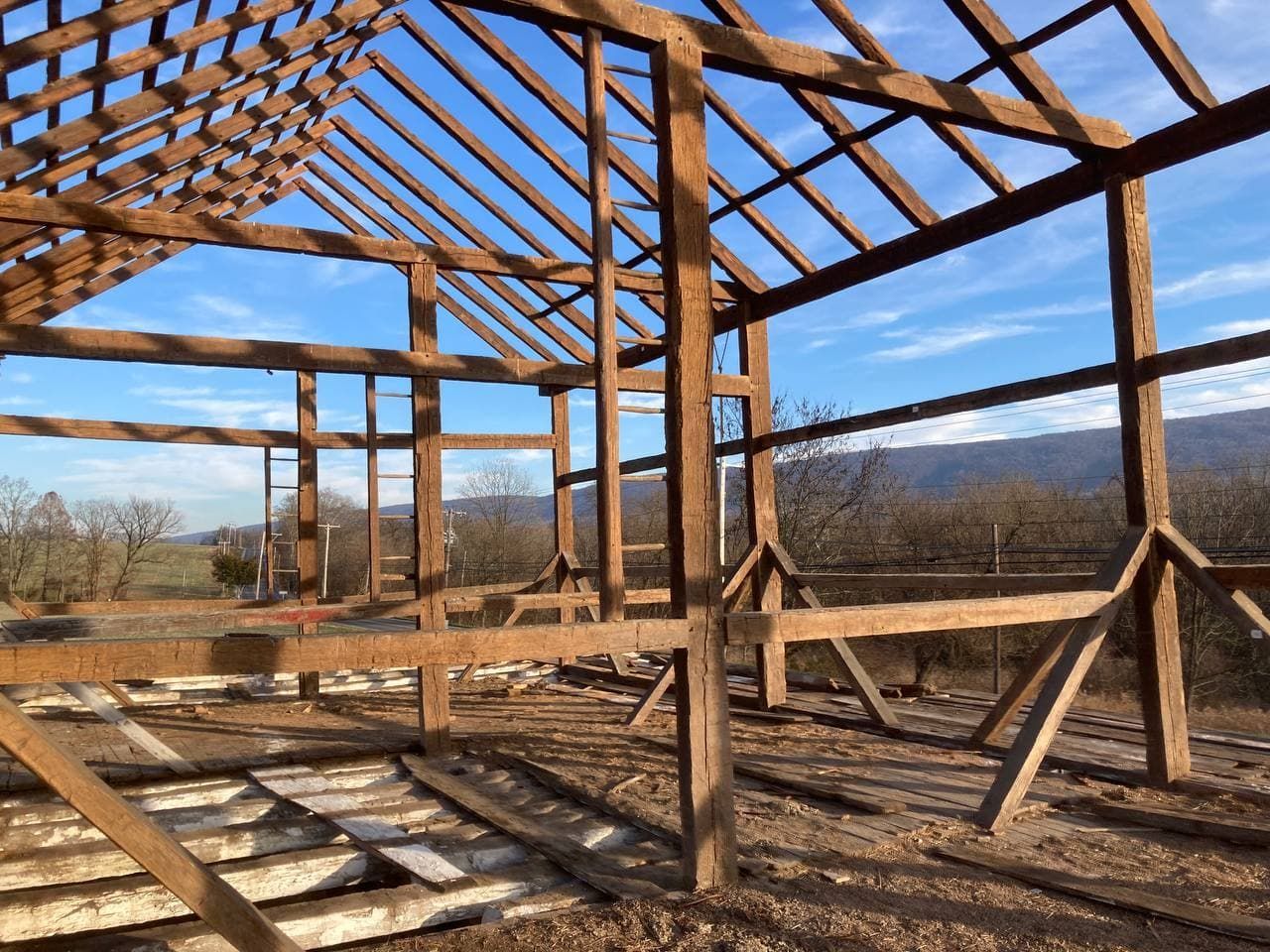
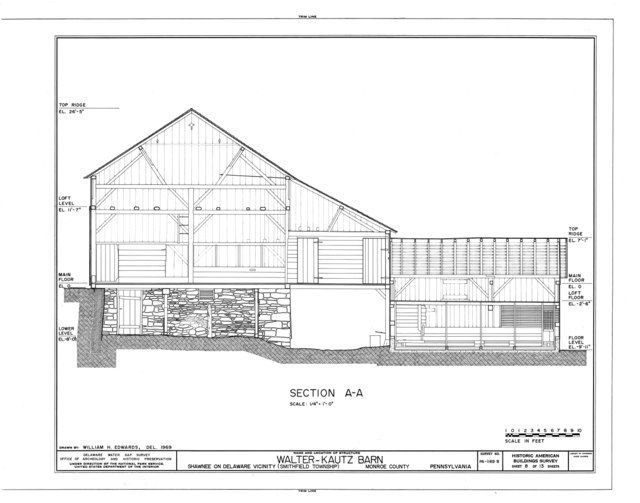
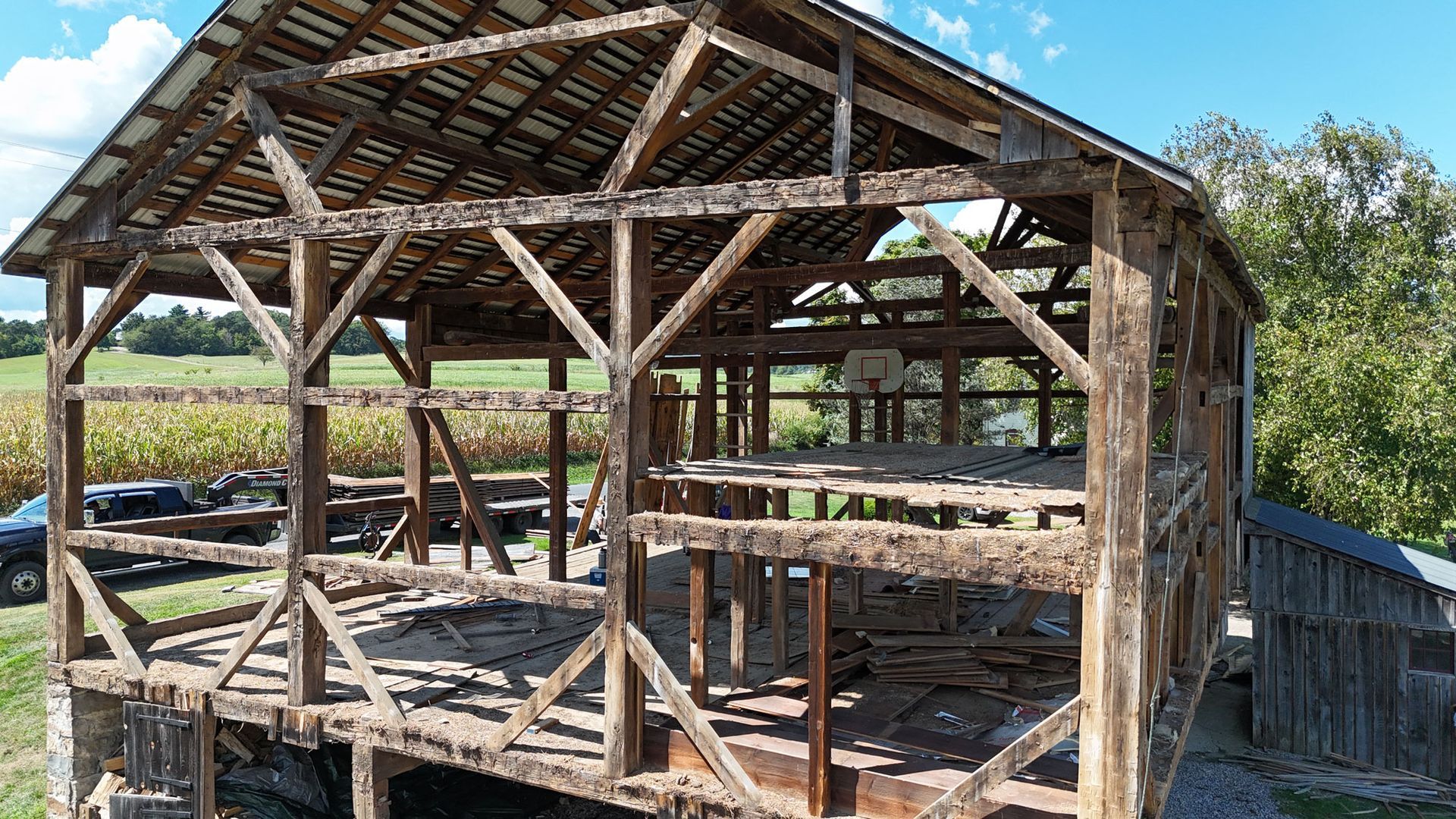
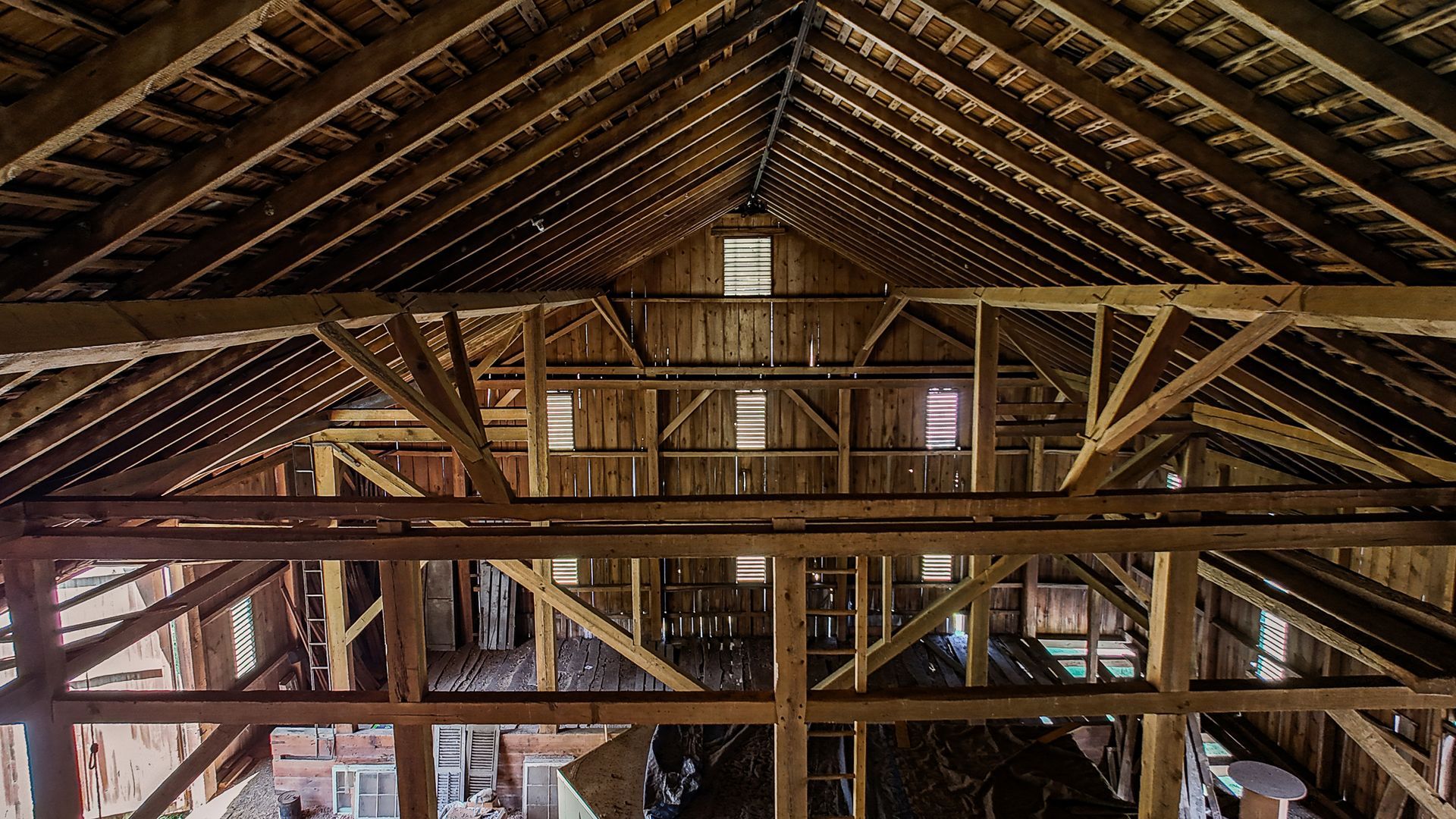
A timber frame barn is built from heavy hand-hewn beams, not nailed lumber. Posts are often 8x8 and tie beams 8x12. The pieces connect with mortise and tenon joints and are locked with wooden pegs. No metal hardware holds the frame together.
That is why so many of these barns are still standing after 100, 200, or even 300 years. With care, a restored frame can last another few centuries.
Which barn style is right for you?
Four styles come up most often. Each one gives you a different roofline and a different amount of loft space.
| Style | What It Looks Like | Good For |
|---|---|---|
| Gambrel | Double-sloped roof, the classic barn shape | Extra loft space and tall interiors |
| Gable | Simple A-shaped roof | Clean look, smaller loft |
| Monitor | Raised center section with windows around the top | Natural light and dramatic ceilings |
| Bank | Two stories built into a hillside | Sloped sites, ground access to both levels |
What to look for in a historic frame
- Structural condition. The posts, beams, and braces carry the building, so start there. Some weathering is normal and looks great. Rot that goes through the timber is not. Check the joinery too. Tight mortise and tenon joints are a good sign. Loose ones can be repaired, but heavy damage means a bigger bill later.
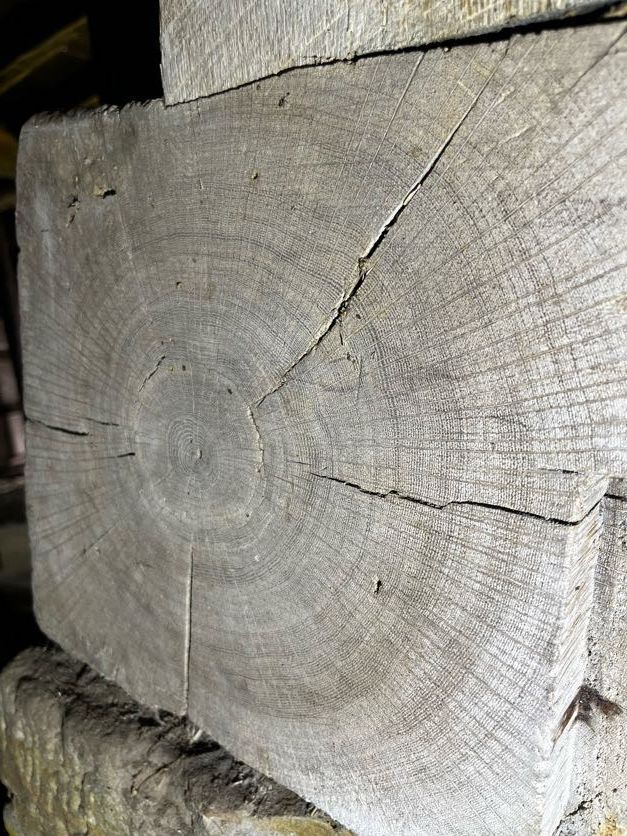
- Wood species. Old barns were built from what grew nearby. That means oak, chestnut, hemlock, Douglas fir, and pine. Old-growth timber is dense and strong, much more so than fast-grown lumber today. Oak darkens with age and holds up for a very long time. Chestnut is rare because blight wiped out most mature American chestnut trees, so chestnut frames are in demand. Hemlock and pine run lighter in color and are just as sound when kept dry.
- Pest treatment. Powder post beetles and other wood borers can wreck a frame. Any frame you buy should be treated for them before it ships. Ask what treatment was used and get it in writing. An active infestation is costly to fix after delivery.
- Provenance. Where did the barn stand? When was it built? Some frames date to the 1700s and 1800s. A documented history adds to the story and to the value.
- Size and layout. Start with what you want to use it for. An event venue may need a big open floor, something like 40 by 60 feet. A workshop or small party barn can be much smaller. Remember the frame is only the start. Size drives the cost of the foundation, roof, and walls too.
How much does an old timber frame barn cost?
Frame prices depend on size, condition, wood species, and age. Plan on these ranges for the frame alone.
| Frame Type | Typical Price |
|---|---|
| Small Frame | $15,000 to $30,000 |
| Large or rare frame with strong provenance | $50,000 and up |
Then budget for foundation work, roofing, siding, insulation, interior finishing, and construction labor. Get quotes for all of it before you buy the frame, so the full number doesn't surprise you.
A historic frame can compare well against a new timber frame of the same size. You get older, denser wood and hand-cut joinery. But it is still a real investment, and the final cost depends on your site and your plans.
What can you build with one?
- Event and wedding venues. The tall ceilings and open floor draw renters. Many people search for barns to rent for weddings and parties, so a venue can earn its keep.
- Barn homes. Modern insulation and building systems make a converted frame as comfortable as a regular house.
- Workshops and studios. The open space and natural light suit woodworking, art, and hobby work.
- Party barns. Some owners build one just for family gatherings, barn dances, and cookouts.
- Garages and storage. Car collectors and equipment owners like the mix of room and good looks.
Before you design anything, check local zoning and building codes. Most projects need engineered drawings and a permit. Your architect or engineer can work the old frame into a modern structure that meets code.
Questions to ask a frame supplier
Get clear answers before you buy.
- What comes with the frame? Is it every timber for the structure, or just the main frame? Are joists and purlins included?
- How was it treated for pests? Ask for the method in writing.
- What shape is the joinery in? Does it need repair, or is it ready to reassemble?
- Do you offer assembly help? Some suppliers give technical guidance or installation support for your contractor.
- What is the timeline? How long from purchase to delivery, and when will any repairs be done?
- Can I see photos of the barn at its original site? That shows you what you are getting.
A good supplier will help you match a frame to your plan and budget, share its history and condition, and ship it where you need it.
How we do it at Bay & Bent
We save old barns. We travel the country looking for frames with good bones, fine craftsmanship, and a story worth telling.
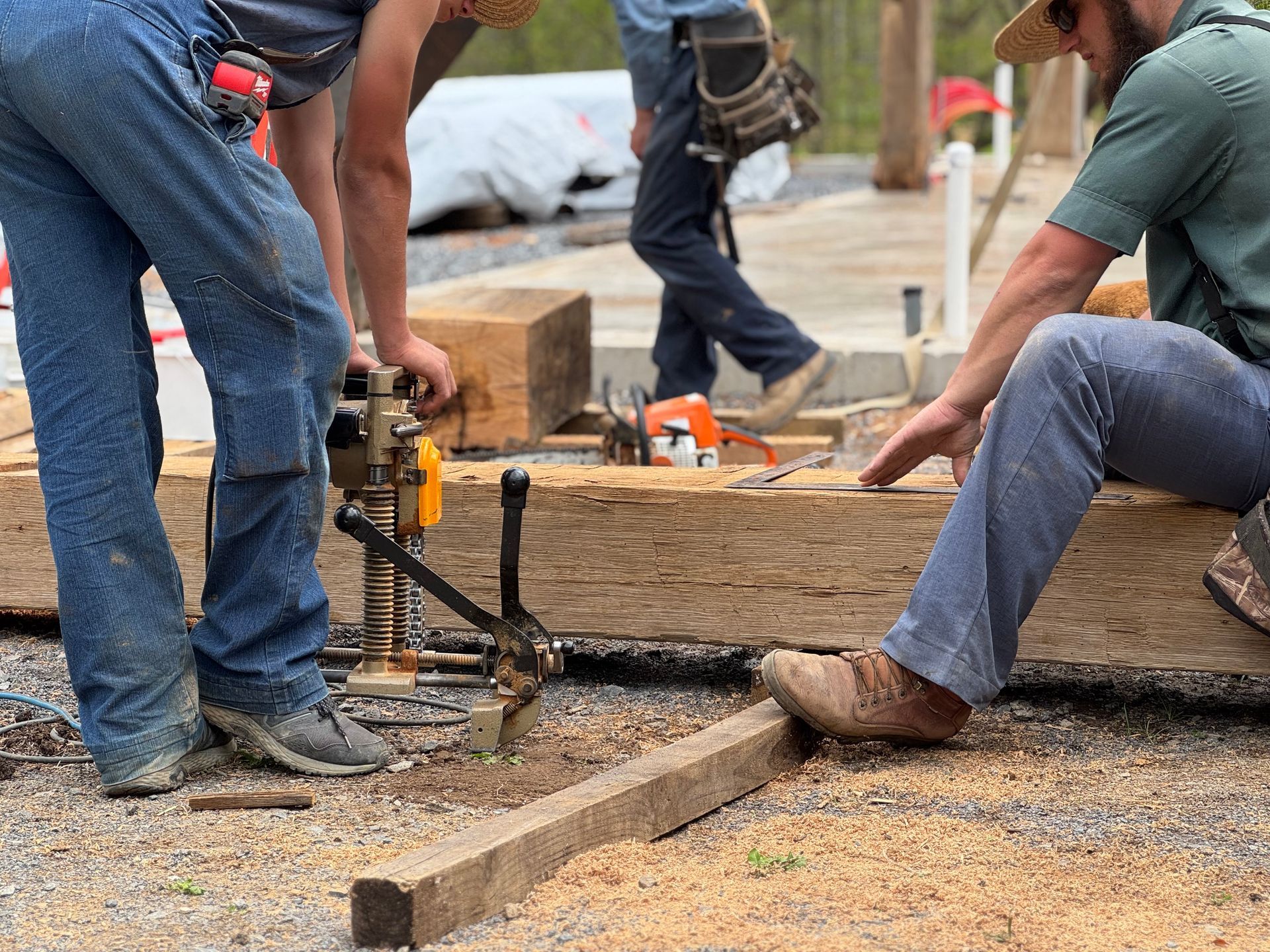
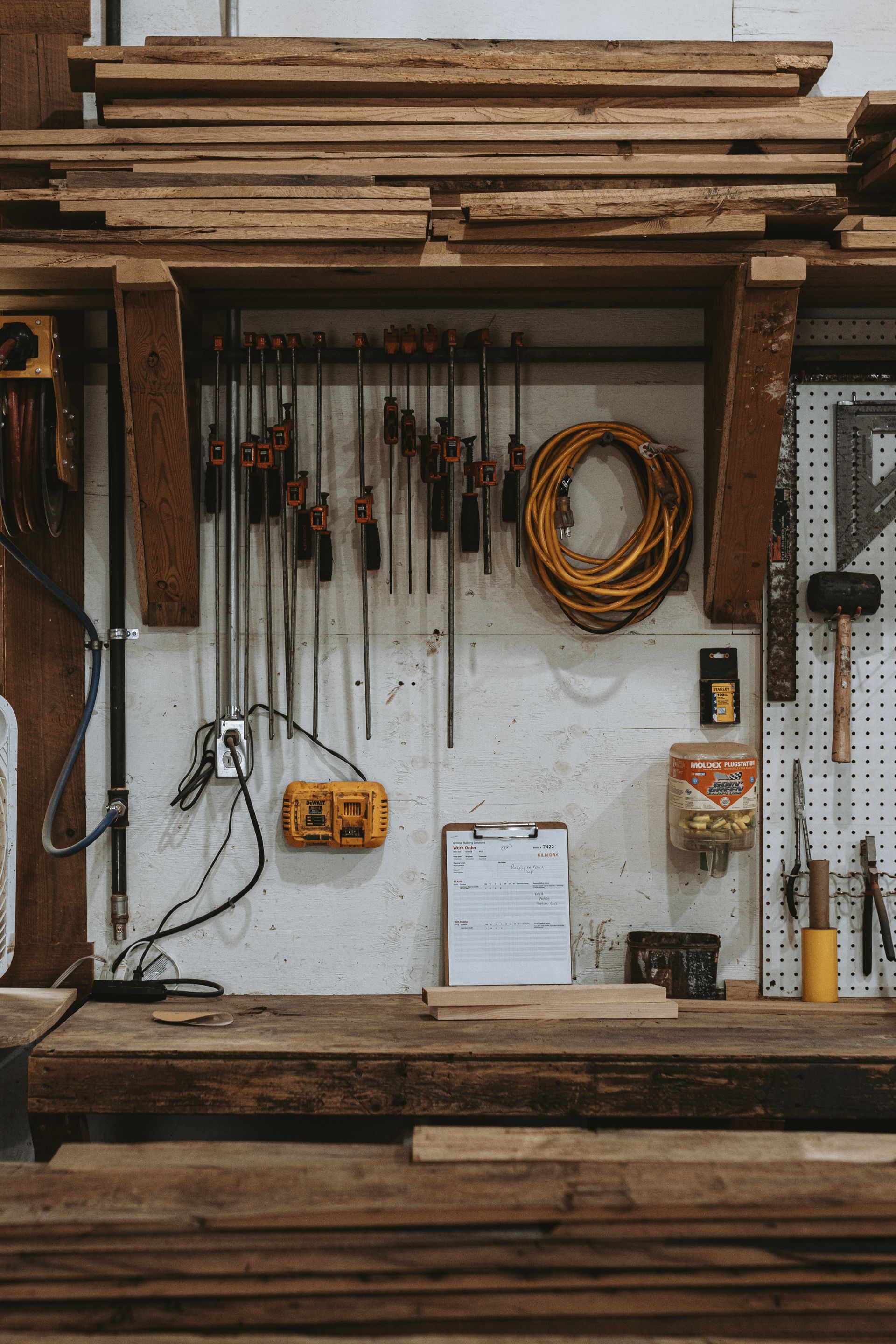
When we find one, we take it down by hand and bring every timber back to our shop. Our crew repairs damaged sections, restores the joinery, and fumigates the whole frame. Then we deliver it anywhere in the world.
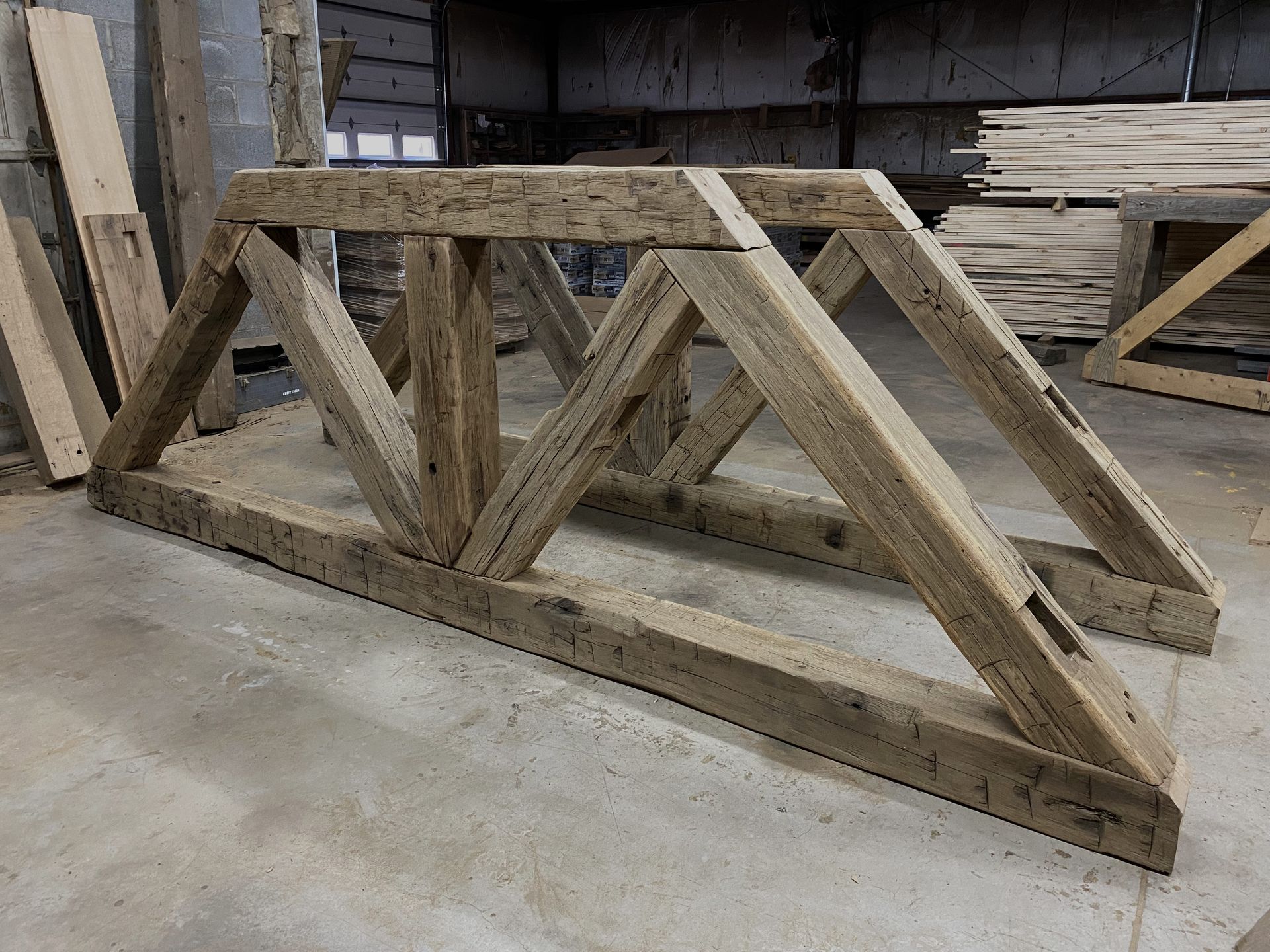
We know our inventory inside and out. We know which frames have the best trusses, which ones have rare wood, and which ones have the history that makes guests ask about the barn. If you want a venue, a home, or just a barn that belongs on your land, we can help you find the right one. See what we have at Bay & Bent.
Frequently Asked Questions (FAQs)
How much does an old timber frame barn cost?
Small frames often run $15,000 to $30,000. Large or rare frames can reach $50,000 or more. Foundation, roof, walls, and labor are extra.
How long do timber frame barns last?
Many are over 150 years old, and some are 300. A restored frame kept dry and well maintained can last for centuries.
What wood are old barn frames made from?
Usually oak, chestnut, hemlock, Douglas fir, or pine, depending on what grew near the original site.
Do old barn frames need to be treated for insects?
Yes. Frames should be treated for powder post beetles and other wood borers before delivery. Ask your supplier for details.
Can you live in a timber frame barn?
Yes. Many people convert frames into homes. You need proper insulation, engineering, and local permits.
Is a historic frame cheaper than building new?
It can be competitive with a new timber frame of the same size, but it depends on the frame and the project. Price out the whole build first.