How To Build A Ranch Without Breaking The Bank
Your guide to building a dream ranch on a budget
Building a ranch from scratch sounds like a dream come true: wide open spaces, cattle grazing peacefully, horses running free, and the satisfaction of building something lasting with your own hands. But let's talk about the elephant in the pasture: ranching is expensive.
The traditional path to ranch ownership requires millions of dollars. Land alone can cost $3,000 to $8,000 per acre, and you need thousands of acres for a viable cattle operation. Add livestock, equipment, and infrastructure, and you're looking at initial investments that range from $2 million to over $10 million.
But here's the good news: You don't have to be independently wealthy to start ranching. With smart planning, creative financing, and strategic choices, you can build a ranch without drowning in debt. This guide will show you how.
Understanding the Real Costs
Before we dive into cost-cutting strategies, let's be honest about what ranching actually costs. Understanding these numbers helps you plan realistically and avoid financial disasters.
Land: The Biggest Investment
Land typically represents 70-80% of your total startup costs. According to recent data, you need about 40 acres per cow-calf pair in most regions. A modest 400-head operation requires roughly 16,000 acres.
At $600 per acre (a conservative estimate), that's $9.6 million just for the land. Even at cheaper rates of $200-$300 per acre, you're still looking at $3-5 million.
These numbers explain why the average age of American ranchers is now 58.3 years old. Young people simply can't afford the entry costs.
Livestock Costs
Your initial herd represents a substantial investment:
- Quality bred heifers: $1,800-$2,500 each
- Bulls: $3,000-$7,000 each
- A starter herd of 400 cows, 16 bulls, and 80 heifers: approximately $700,000-$900,000
Equipment and Machinery
Ranching requires serious equipment:
- Tractors: $25,000-$75,000 (used)
- Trailers: $5,000-$20,000
- Feed wagons: $3,000-$10,000
- Trucks: $20,000-$60,000 (used)
- Basic equipment package: $100,000-$300,000
Infrastructure
You'll need:
- Barns and shelters: $50,000-$200,000
- Fencing: $3-$8 per foot installed
- Corrals and handling facilities: $20,000-$80,000
- Water systems: $10,000-$50,000
- Total infrastructure: $100,000-$500,000
Operating Capital
You need money to keep the ranch running while you wait for income:
- Annual operating expenses: $150,000-$200,000
- First-year buffer: Essential for survival
Total traditional startup cost: $2 million to $15 million, depending on size and location. These numbers shouldn't discourage you; they should motivate you to think creatively.
Strategy #1: Start with Leasing, Not Buying
The single most effective way to reduce startup costs is leasing land instead of buying it.
How Leasing Works
Many landowners have property they're not actively using and are willing to lease it to ranchers for grazing. Lease arrangements typically cost $15-$40 per acre annually, which is dramatically cheaper than purchasing.
Example: Instead of buying 2,000 acres at $600 per acre ($1.2 million), you could lease for $30,000-$80,000 per year. This frees up massive amounts of capital to invest in livestock, equipment, and operations.
Benefits of Leasing
- Minimal upfront capital required
- Flexibility to move if the arrangement doesn't work
- Ability to test ranching before committing to land purchase
- Option to lease multiple properties to spread risk
- Focus your investment on income-producing assets (cattle) rather than land
Making Leasing Work
Successful lease arrangements require:
- Long-term agreements: Negotiate 5-10 year leases for stability
- Clear contracts: Define responsibilities, improvements, and terms in writing
- Good landowner relationships: Many lease opportunities come from word-of-mouth
- Land improvements: Invest in pasture improvements, fencing, and water systems that benefit both parties
Many successful ranchers started by leasing land and built up cash reserves over time. Once they had strong revenue and savings, they purchased their own property.
Strategy #2: Custom Grazing for Cash Flow
Instead of owning cattle immediately, consider custom grazing, managing other people's cattle on leased land for a fee.
How Custom Grazing Works
Other cattle owners pay you to:
- Graze their cattle on land you lease or manage
- Monitor herd health and condition
- Handle day-to-day care and management
- Move cattle between pastures
- Report on cattle performance
Typical rates: $1.50-$3.00 per head per day, depending on services provided and location.
Why This Strategy Works
- Generates immediate cash flow without huge livestock investment
- Allows you to learn ranching with less financial risk
- Builds your reputation and network in the cattle industry
- Creates income you can reinvest in your own herd
- Reduces your capital needs by 70-80%
Skills You Need
- Grazing management and pasture planning
- Livestock handling and health monitoring
- Strong people skills for managing client relationships
- Business management and record-keeping
- Marketing to attract custom grazing clients
Many ranching schools and agricultural extension programs offer training in these areas at low or no cost.
Strategy #3: Start Small and Scale Gradually
You don't need 400 head to be a rancher. Starting with a smaller operation dramatically reduces costs while you learn.
The Small-Scale Approach
Begin with:
- 20-50 head instead of 400
- 800-2,000 acres leased instead of 16,000
- Minimal equipment, renting or borrowing specialized tools
- Part-time ranching while maintaining other income
- Gradual expansion as you learn and generate revenue
Realistic small-scale startup: $50,000-$150,000 instead of $2-15 million.
Growing Over Time
As your small operation becomes profitable:
- Reinvest profits into additional cattle
- Lease more land
- Purchase equipment gradually
- Eventually, buy your first land parcels
- Scale to your desired size over 10-20 years
This path requires patience, but it's achievable without massive debt or inherited wealth.
Strategy #4: Buy Used and Share Equipment
Equipment costs can sink a ranch before it even starts. Smart equipment strategies save hundreds of thousands of dollars.
Buy Used Equipment
- Used tractors cost 40-60% less than new
- Older models are often simpler to repair
- Look for well-maintained equipment from retiring ranchers
- Check farm auctions, online marketplaces, and local networks
Rent Specialized Equipment
For equipment you'll only use occasionally:
- Rent by the day or week
- Much cheaper than purchasing
- No maintenance or storage costs
- Examples: large hay equipment, specialized trailers, earth-moving equipment
Share Through Co-ops
Join or form local ranching co-ops to share:
- Expensive equipment like hay balers
- Specialized tools
- Bulls (bull-sharing programs reduce genetics costs)
- Labor during busy seasons
Prioritize Maintenance
Make equipment last longer by:
- Following maintenance schedules religiously
- Storing equipment properly
- Making small repairs before they become big problems
- Learning basic mechanical skills
One successful rancher started with a borrowed tractor, a used truck, and basic hand tools. He rented everything else for the first three years while building cash reserves, then slowly purchased essential equipment as his operation grew.
Strategy #5: Work Another Job Initially
Most successful new ranchers maintain outside income while building their operations.
The Dual-Income Approach
Benefits:
- Steady income while the ranch builds cash flow
- Health insurance and benefits
- Reduces pressure on the ranch to be immediately profitable
- Provides capital to invest in ranch growth
- Many people ranch successfully for decades while working other jobs
Jobs That Pair Well With Ranching
- Agricultural jobs with flexible schedules
- Remote work or self-employment
- Seasonal work that aligns with ranch needs
- Part-time professional positions
- Skills-based consulting or contracting
Time Management
Make dual-income ranching work by:
- Starting with cattle operations that need less daily attention
- Using efficient systems and technology
- Hiring part-time help for peak seasons
- Involving family members
- Being realistic about what you can manage
Strategy #6: Tap Into Government Programs
Federal and state governments offer numerous programs to help beginning ranchers.
USDA Beginning Farmer and Rancher Loans
The USDA provides:
- Direct farm ownership loans up to $600,000
- Operating loans for working capital
- Lower interest rates than commercial banks
- Longer repayment terms
- Support for beginning ranchers specifically
Conservation Programs
Programs like the Conservation Stewardship Program (CSP) and Environmental Quality Incentives Program (EQIP) provide:
- Cost-share assistance up to 75% for conservation practices
- Funding for fencing improvements
- Water development assistance
- Pasture renovation support
- Soil health initiatives
These programs can cover a significant portion of infrastructure costs if your ranch qualifies.
Agricultural Grants
Research available grants for:
- Sustainable agriculture
- Beginning farmers and ranchers
- Specific livestock breeds or practices
- Value-added agricultural products
- Direct-to-consumer marketing
Tax Advantages
Ranching offers various tax benefits:
- Agricultural property tax rates (often much lower than residential)
- Depreciation on equipment and buildings
- Business expense deductions
- Potential estate planning advantages
Work with an accountant familiar with agricultural taxation to maximize benefits.
Strategy #7: Build With Authentic Materials That Last
When you're ready to build barns, shelters, and other structures, the cheapest option isn't always the most economical long-term choice.
The True Cost of Cheap Construction
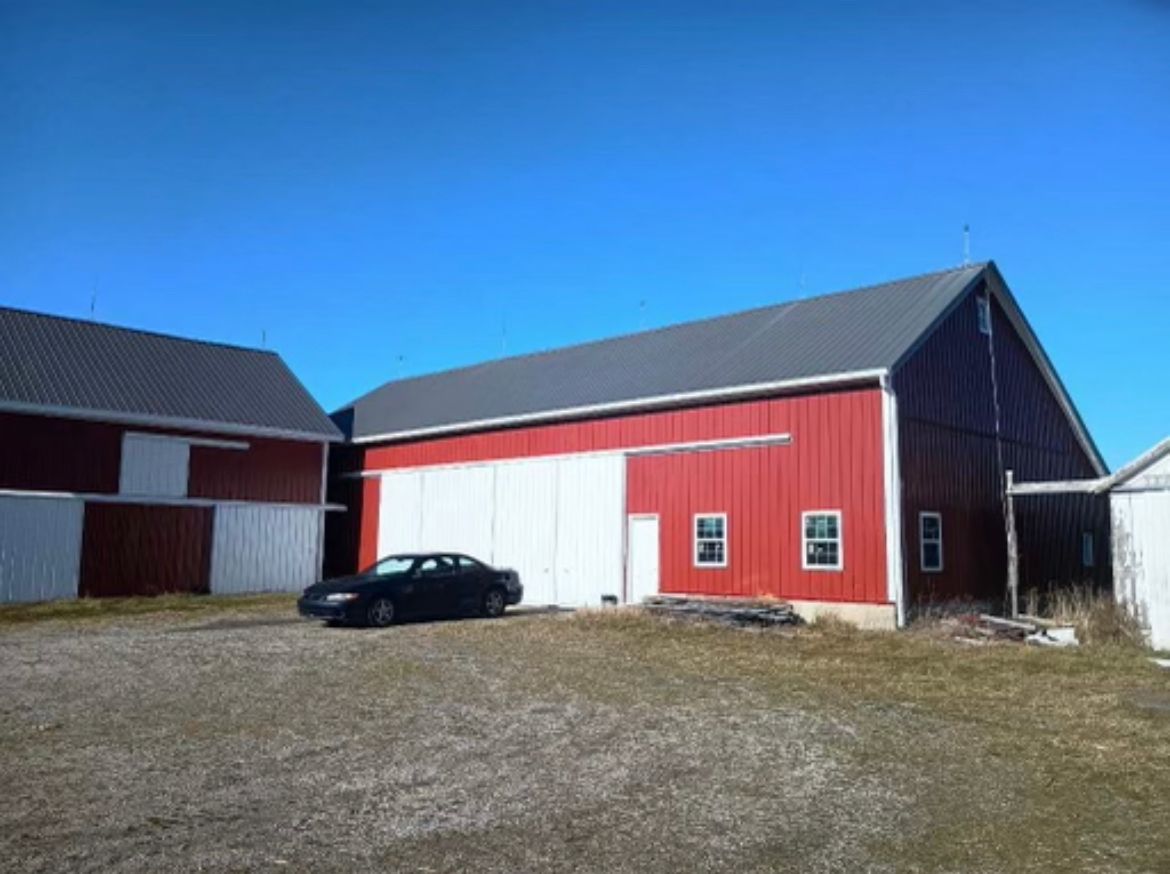
Many beginning ranchers put up inexpensive metal buildings or basic pole barns to save money initially. While this reduces upfront costs, these structures:
- Deteriorate quickly in harsh weather
- Require frequent repairs and replacement
- Provide poor ventilation for livestock
- Decrease in property value over time
- Lacks the character that adds to the ranch appeal
- Often need replacement within 20-30 years
The Bay & Bent Difference
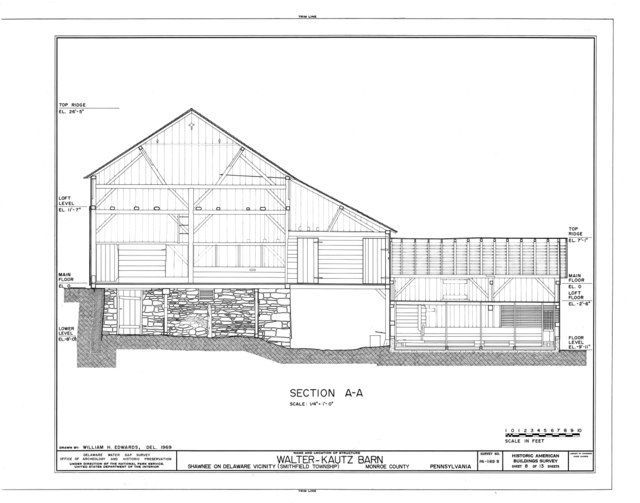
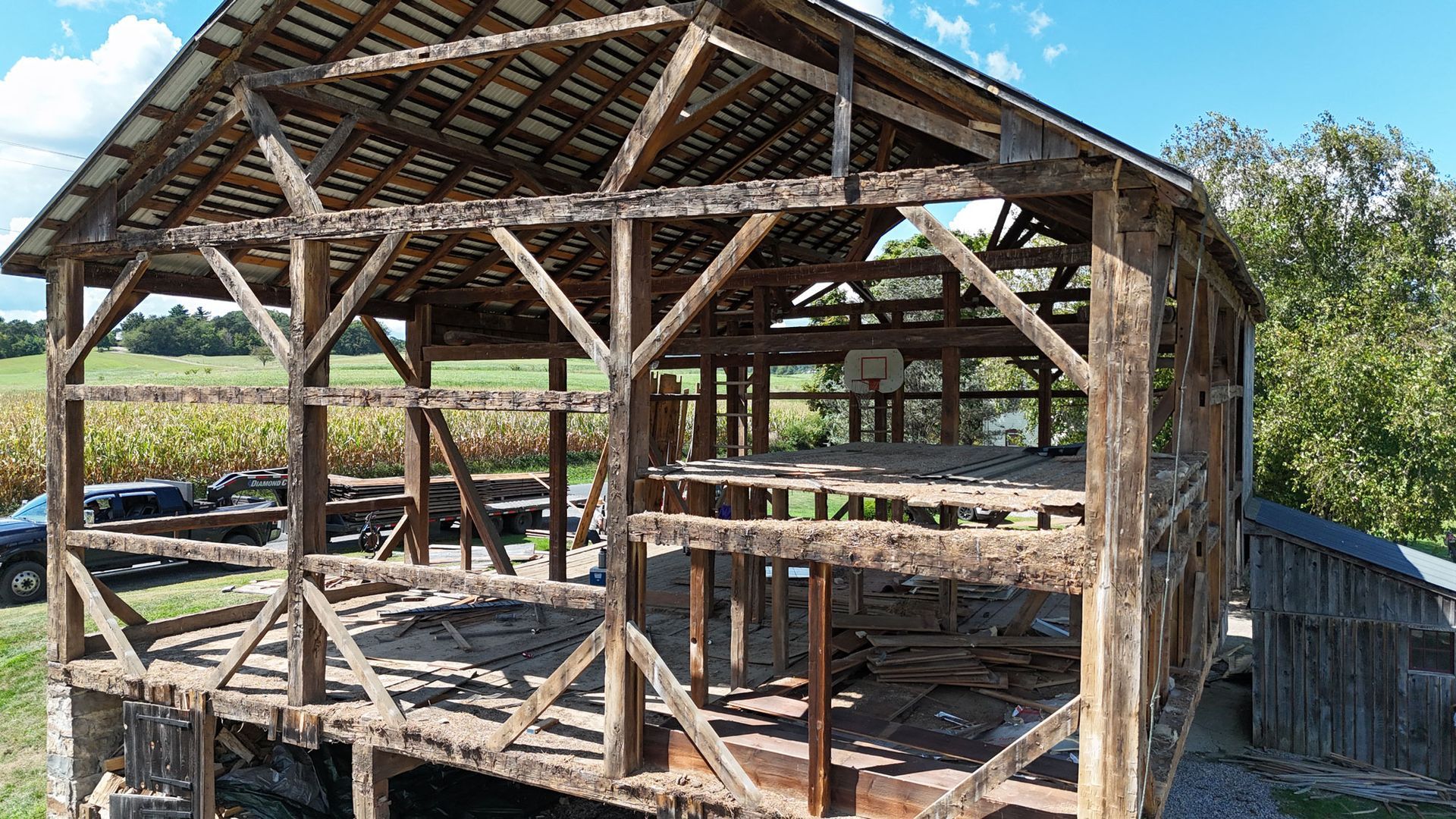
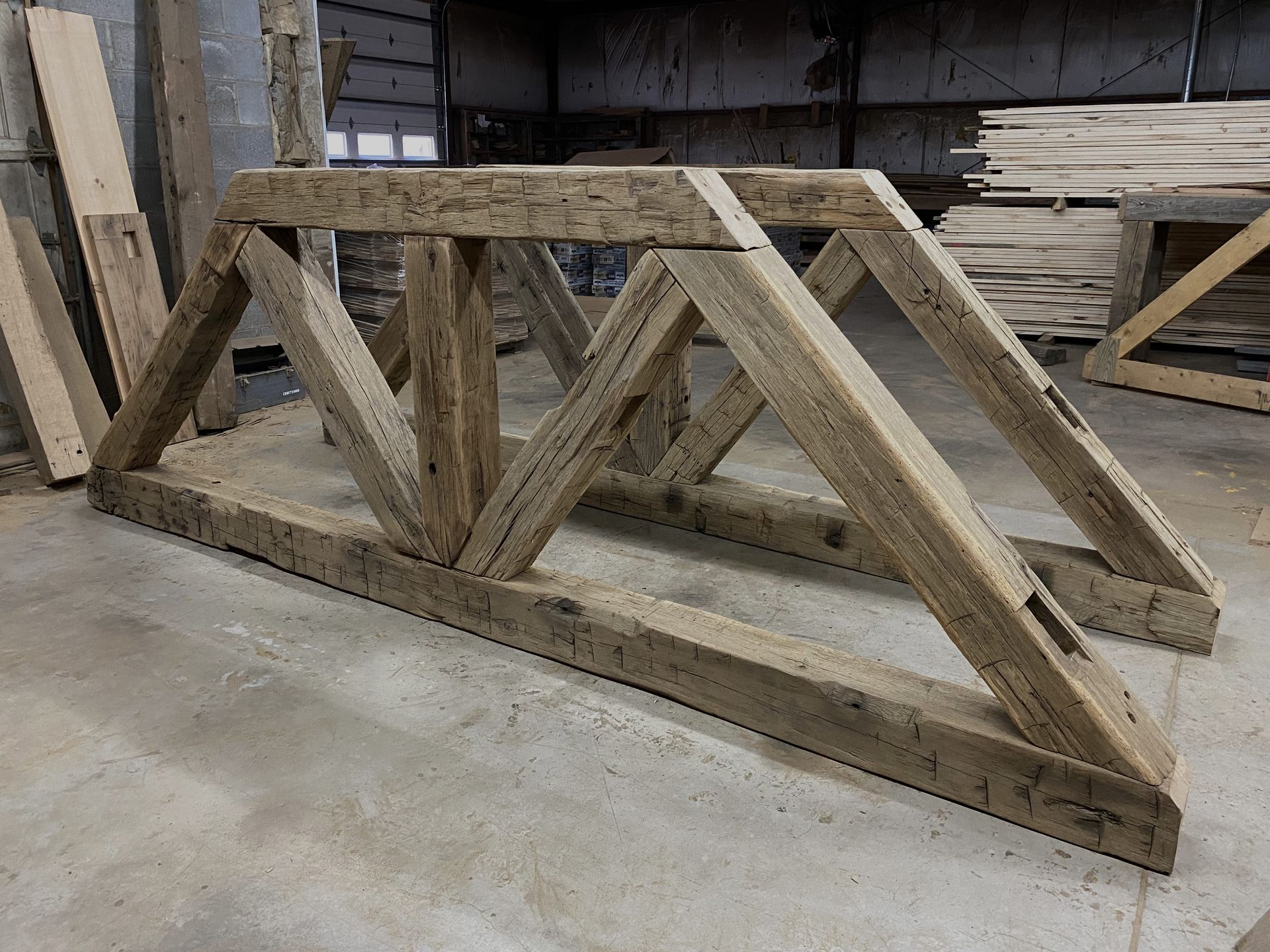
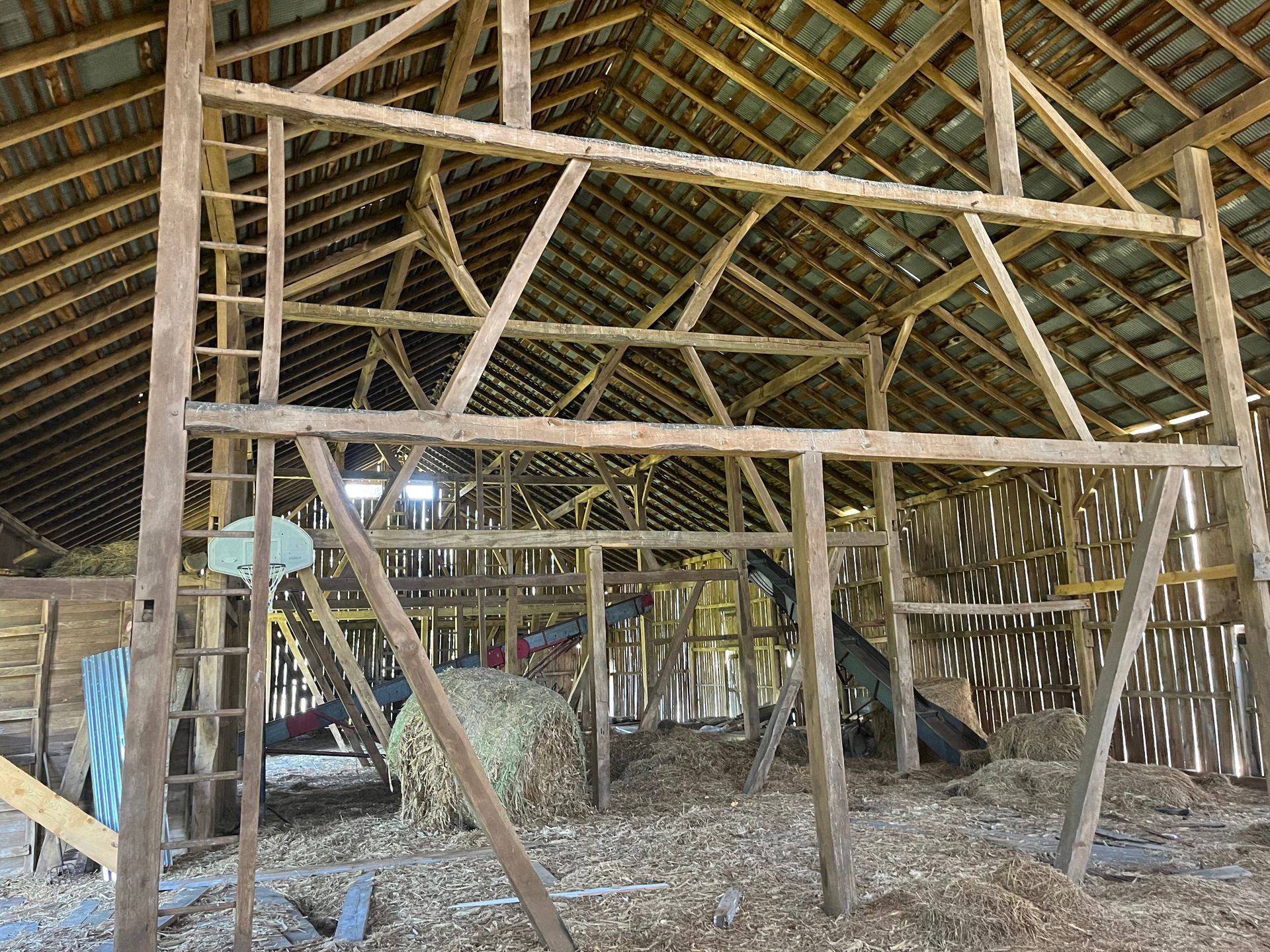
At Bay & Bent, we offer an alternative that makes financial sense for ranchers thinking long-term. We specialize in locating, acquiring, and restoring authentic historic timber frames from across the country.
Here's why this matters for your budget:
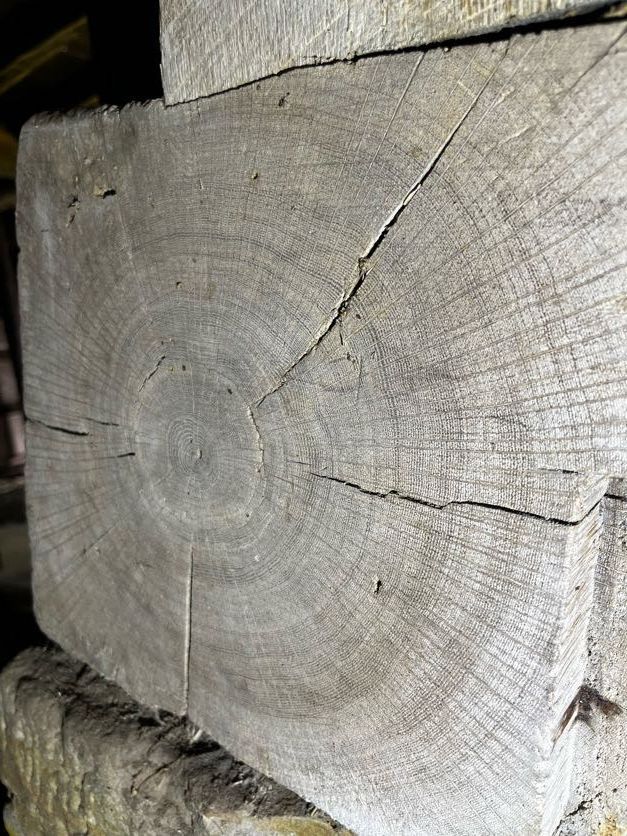
- Longevity: Properly restored timber frames last for centuries, not decades. This is a one-time investment, not a recurring expense.
- Lower insurance costs: Timber frame construction often qualifies for lower insurance rates due to superior structural integrity.
- Increased property value: Authentic historic structures significantly increase property values. If you eventually sell your ranch, this investment pays dividends.
- Superior livestock housing: Traditional barn designs provide better ventilation, temperature regulation, and space utilization than modern alternatives. Healthier animals mean better profits.
- Tax advantages: Historic structures may qualify for preservation tax credits and special depreciation schedules.
- Reduced maintenance: Quality timber construction requires minimal maintenance compared to metal or modern wood structures that rust, rot, or degrade.
When you're building your ranch on a budget, it's tempting to go with the cheapest construction options. But we've seen too many ranchers make this mistake and end up spending more money over time on repairs, replacements, and rebuilding.
Our restored timber frames represent authentic American agricultural heritage—the same structures that housed cattle and sustained ranching families for generations. We carefully disassemble these frames, repair and restore them at our facility, and deliver them anywhere in the world.
You're not just buying a building, you're investing in a lasting legacy that will serve your ranch and your family for generations while maintaining and increasing its value.
Learn more about our historic frames at Bay & Bent.
Strategy #8: Focus on Direct-to-Consumer Marketing
Maximize your revenue by selling directly to customers instead of through commodity markets.
Why Direct Sales Matter
Traditional commodity sales (selling to feedlots or processors):
- Lower prices per pound
- No control over pricing
- Dependence on market fluctuations
- Minimal profit margins
Direct-to-consumer sales:
- 2-3 times higher revenue per animal
- Customer loyalty and repeat business
- Premium pricing for quality and story
- Better profit margins for sustainable growth
Direct Sales Strategies
- Sell quarters, halves, and whole animals to local families
- Develop relationships with local restaurants and butchers
- Attend farmers' markets
- Use social media to share your ranch story
- Offer farm tours and education
- Create a simple website for online orders
- Join local food cooperatives
The Value of Your Story
Consumers increasingly want to know where their food comes from. Your ranch's story, especially if you're using sustainable practices, heritage breeds, or working to restore land, becomes a powerful marketing tool that justifies premium prices.
Creating Your Ranch Budget
Now that you understand cost-saving strategies, create a realistic budget:
Minimal Startup Approach
- Lease 1,000-2,000 acres: $30,000-$60,000/year
- Purchase 30-50 head: $50,000-$100,000
- Used equipment basics: $15,000-$30,000
- Minimal infrastructure: $20,000-$40,000
- Operating capital: $20,000-$40,000
- Total: $135,000-$270,000
This is still substantial but achievable through:
- Savings
- Small business loans
- USDA beginning farmer programs
- Family support or partnerships
- Outside employment income
Five-Year Growth Plan
- Year 1-2: Establish operations, learn, stay small
- Year 3-4: Expand herd gradually, improve infrastructure
- Year 5: Evaluate purchasing land or continuing to lease and expand
Your Path to Ranch Ownership
Building a ranch without breaking the bank requires:
- Patience and willingness to start small
- Creative use of leasing and custom grazing
- Strategic equipment decisions
- Outside income during the startup phase
- Smart use of government programs
- Focus on direct-to-consumer sales
- Long-term thinking about infrastructure
- Continuous learning and adaptation
The path won't be easy, but it's possible. Many successful ranchers started with minimal capital, leased land, worked other jobs, and built their operations slowly over time. Today, they own profitable, sustainable ranches that provide a good living for their families.
You don't need to inherit land or win the lottery to become a rancher. You need determination, smart planning, hard work, and the willingness to think creatively about how to achieve your goals.
Start small, learn continuously, manage your money carefully, and build something lasting, one acre, one cow, one season at a time. Your ranch is waiting for you to bring it to life.