Silo Restoration: Techniques to Revive Aging Structures
Breathing New Life Into Old Farm Silos
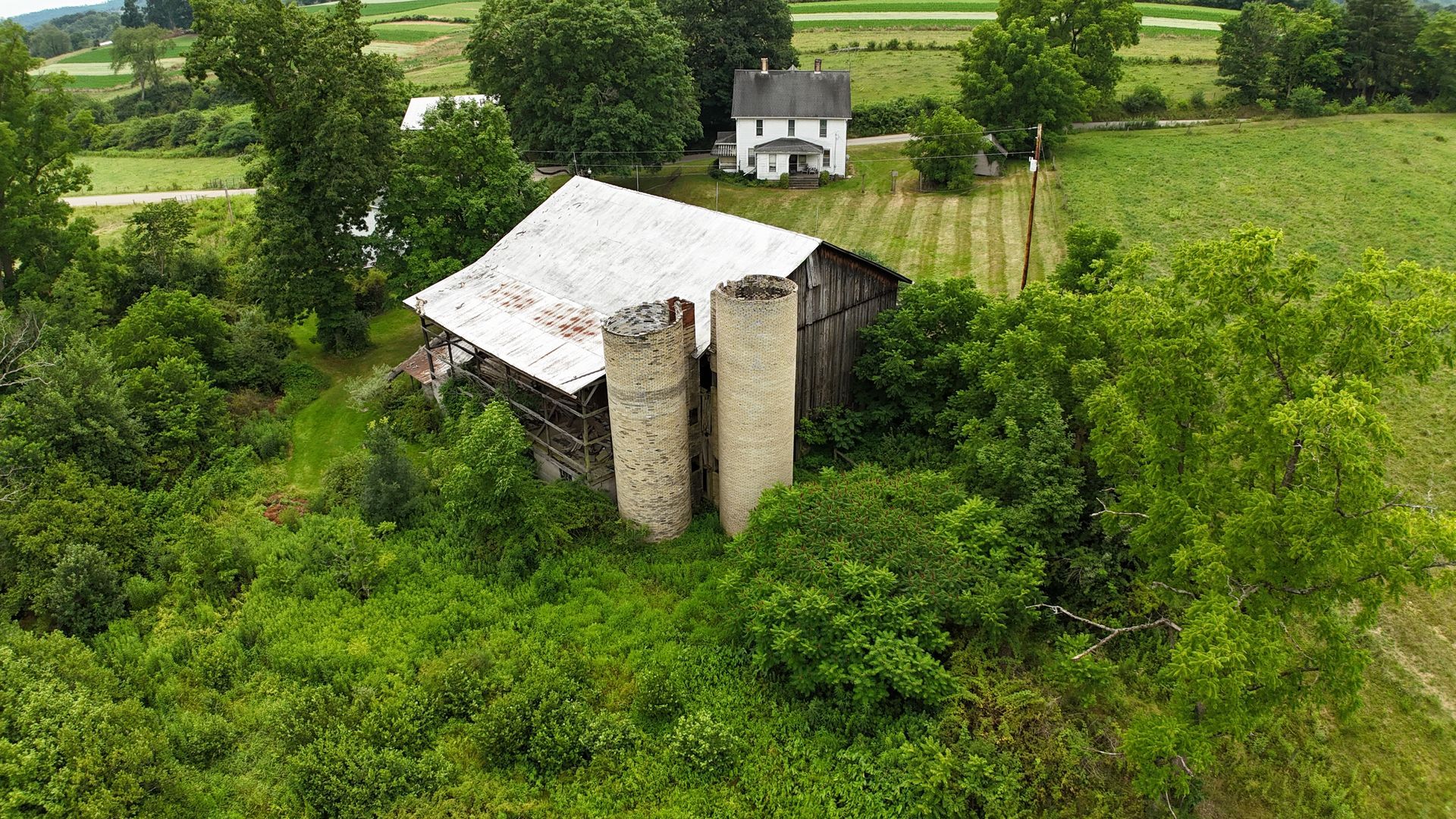
Out here in Pennsylvania, silos are more than just tall cylinders standing in a field. They're part of the landscape. They mark farm families going back generations. A well-built silo tells you something about the people who put it up, the care they took, the materials they chose, and the way they thought about the long haul. When one of those structures starts to fail, it's not just a structural problem. It's a loss of history.
That's exactly why silo restoration matters, and why doing it right matters even more.
If you're a farmer looking to bring an aging grain silo back to life, a facility manager dealing with a concrete stave silo that's seen better days, or a property owner with a historic silo you want to preserve, this guide will walk you through what you need to know. We'll cover the most common types of damage, the restoration techniques that actually work, and when to call in the professionals.
Why Silo Restoration Is Worth the Investment
Let's be honest, nobody wants to spend money on a silo repair bill. But here's the thing: the longer you wait, the more expensive it gets.
A silo that's neglected long enough doesn't just need a patch here and there. It can become a collapse risk. And a collapsed silo doesn't just destroy your stored materials; it can endanger workers, damage equipment, and put you on the wrong side of OSHA regulations.
On the flip side, a properly restored silo can serve you for decades more. The goal isn't just to fix what's broken. It's to understand why it broke, so you don't end up right back in the same situation two years down the road.
Regular maintenance and silo restoration can extend the useful life of your structure significantly, reduce unplanned downtime, and protect your bottom line. Think of it the same way you'd think about restoring a timber frame barn; you're not just saving a building, you're preserving its function and its story.
Two Main Types of Silos and How They Age Differently
Before we dive into restoration techniques, it helps to understand what kind of silo you're working with. Most fall into one of two categories:
Concrete Stave Silos
These are the classic agricultural silos you see all over the Pennsylvania countryside. They're built from precast concrete blocks, called staves, that interlock and are held together by exterior galvanized steel hoops. The hoops do the heavy lifting, compressing the walls and giving the structure its tensile strength.
Over time, those hoops corrode. The staves crack. Moisture gets in. And what was once a structurally sound tower can start showing some serious warning signs.
Steel Silos
Steel silos are common in industrial and large-scale agricultural settings. They're strong and efficient, but they're not immune to time. Corrosion and buckling are the primary enemies of a steel silo, and catching those problems early through inspection, including ultrasonic thickness testing, is the key to keeping them operational.
Warning Signs You Should Never Ignore
The best thing you can do for a silo is know what to look for before a small problem becomes a catastrophic one. Walk around your silo regularly. You don't need to be an engineer to spot trouble; you just need to know what's out of the ordinary.
Here are the key warning signs that mean it's time to act:
Cracks in The Walls
Not all cracks are equal. Hairline surface cracks might be cosmetic, but horizontal, vertical, or diagonal cracks, especially ones that are growing or showing movement, are a sign of structural stress. When you see a crack and the wall looks like it's starting to shift, that's a call-in-the-experts situation, no question about it.
Discoloration or Staining
Water staining on silo walls is an early indicator of moisture intrusion. Left unchecked, that moisture leads to corrosion of internal steel reinforcing, which in turn leads to concrete delamination and spalling.
Spalling Concrete
When chunks of concrete break away from the wall surface, the structural capacity of that wall is compromised. Spalling around roof beam pockets is especially serious; those beam pockets are what hold up the roof.
Corroded or Missing hoops
On a concrete stave silo, the galvanized steel hoops are the muscle of the whole structure. If you see rust, breakage, or gaps where hoops used to be, that's a structural emergency waiting to happen.
Tilting or Leaning
A silo that's leaning out of plumb is often the result of foundation problems or deteriorating staves near the base. This one can't wait.
Ponding Water on the Roof
Water sitting on the silo roof isn't just an inconvenience. It accelerates coating breakdown, promotes leaks, and can signal deeper problems with the roof beam support structure underneath.
Core Silo Restoration Techniques
Once you've identified the problem or brought in a professional to do a proper inspection, here's what the restoration process typically involves. These aren't quick fixes. They're proven, time-tested methods used by experienced silo contractors across the country.
1. Rehooping
This is one of the most common and effective repairs for concrete stave silos. When the exterior steel hoops have corroded beyond usefulness, they need to come off and be replaced with a full set of new steel bands. Done right, rehooping brings a stave silo back to its original structural capacity. A waterproof coating is often applied after the new hoops are installed to protect them from future corrosion.
2. Post-Tensioning
Concrete is strong under compression, but weak under tension. Over time, especially in silos that see heavy loads and asymmetric filling and discharge, the horizontal steel reinforcing inside the concrete walls becomes overstressed. You'll see it as vertical cracking, spalling, or wall separation.
Post-tensioning addresses this by wrapping high-strength steel strands around the exterior of the silo.
These strands take on the structural load that the internal steel can no longer handle. When the concrete itself is still in good shape, post-tensioning can restore a silo to its full original load capacity, and it's often more economical than replacement.
3. Gunite / Shotcrete Application
Gunite is a mixture of sand, cement, and water that gets pneumatically sprayed onto the silo surface. It bonds directly to clean concrete, it's weather-resistant, and it's just as strong as poured concrete when properly applied. It's used to rebuild deteriorated wall sections, repair spalling, and add a protective layer to an aging surface.
This is not a DIY job. Proper gunite application requires skill and experience to get right, but in the hands of a qualified crew, it's one of the most durable restoration solutions available.
4. Crack Repair with Epoxy Injection
For cracks that haven't progressed to full structural failure, epoxy injection can be highly effective. The epoxy is forced into the crack under pressure, bonding the concrete back together and restoring the wall's integrity. This method is often paired with exterior composite fiber reinforcement for added strength.
5. Composite Fiber Reinforcement
Modern composite fiber systems, like those using carbon fiber or fiberglass-reinforced polymers, can strengthen existing concrete without requiring heavy equipment or wall removal. They're bonded to the surface and provide significant tensile reinforcement. This is a particularly useful option when you need to stabilize a section of wall without taking the structure fully offline.
6. Silo Straightening
If your silo has begun to lean, it can often be corrected by jacking it back to plumb, replacing the failing staves around the base, and treating the foundation area with sprayed concrete. The key is catching the lean early; the further it progresses, the more complex and costly the correction becomes.
7. Roof Repair and Waterproof Coating
The roof takes the worst of the weather, year in and year out. Cracked slab roofs, failing beam pockets, and deteriorated coatings all need attention. For long-term protection, a rubberized elastomeric coating, one that can flex with the structure through temperature changes, outperforms traditional tar or membrane products, which crack, peel, and fail under normal silo loading and unloading cycles.
8. Foundation Stabilization
The foundation is where it all starts. Settlement, erosion, and water damage beneath the footing can cause uneven loading that stresses the whole structure. Foundation issues are typically corrected through underpinning, grout injection to stabilize the soil, or adding concrete reinforcement. This work always requires a professional engineering assessment.
The Inspection Schedule
Here's a practical rule of thumb that every silo owner should know: get a professional inspection done every two to five years, depending on your silo's age, usage, and history. Don't wait until you see something alarming.
A proper professional inspection covers foundations, walls, cones, discharge configurations, floors, tunnels, and roofs. For the most accurate results, the silo should be empty, and a cleaning should happen at the same time because built-up material can hide internal damage that would otherwise be caught and corrected cheaply.
Spring is often the best time to schedule these inspections and any exterior repairs. Temperate weather makes the work easier, and you're set up heading into the heavier use seasons. Small repairs identified during an inspection are always less expensive when addressed promptly, and scheduling inspection and restoration together in a single mobilization saves you both time and money.
Keep detailed records of every inspection, every repair, and every material used. That documentation becomes invaluable when assessing future damage or making decisions about long-term silo management.
A Word About Silo Safety
This section is worth stopping on for a moment, because it doesn't get said enough.
Silo work is hazardous. Confined space entry, work at heights, and exposure to stored material dust all of it carries real risk. OSHA's Confined Space Standard (29 CFR 1910.146) exists for good reason. Any interior silo work needs to be done by trained professionals with proper equipment, safety protocols, and confined space entry certification. This isn't the place to cut corners or try to save a few dollars by going the DIY route.
If you're doing exterior visual checks from the ground, that's something a facility manager or farm owner can safely do regularly. Anything beyond that, go to the professionals.
Why Heritage Matters in Restoration Work
There's a philosophy that guides good restoration work, whether you're dealing with a silo, a timber frame barn, or any other historic agricultural structure: the goal is to understand what the original builders intended, respect the materials and methods they used, and extend the life of the structure in a way that honors its history.
That takes more than technical know-how. It takes genuine respect for the craft.
Working With People Who Understand Agricultural Heritage
If you're dealing with a property that includes both aging timber frame structures and silos in need of attention, it's worth reaching out to a team that understands the full picture of agricultural heritage preservation. Learn more about Bay & Bent and our story.
Frequently Asked Questions
How do I know if my silo needs restoration or full replacement?
Start with a professional inspection. Most silos, even aging ones with significant damage, can be restored if the core concrete is still sound and the damage has been caught before catastrophic failure. Replacement is typically the last resort, and a good silo contractor will tell you honestly which situation you're in.
How much does silo restoration cost?
It varies widely depending on silo type, size, the nature and extent of damage, and the restoration methods required. Minor repairs done promptly are almost always a fraction of what major structural work costs, which is why early inspection matters so much.
Can a leaning silo be saved?
Often, yes, but the sooner you address it, the better. A modest lean caught early can be corrected with straightening, stave replacement, and foundation treatment. A severe lean that's been ignored for years may be a different story.
How long does a restored silo last?
With proper restoration and a consistent maintenance program going forward, a well-restored silo can serve reliably for decades. The key is not treating restoration as a one-time fix, but as part of an ongoing commitment to maintenance.
Is silo restoration environmentally responsible?
Absolutely. Restoring an existing structure uses significantly fewer resources than building new. It reduces construction waste, preserves embodied energy, and keeps functioning structures out of landfills. For anyone who values sustainability, restoration is almost always the more responsible choice.
The Bottom Line
Silo restoration isn't glamorous work, but it's important work. These structures have served farms and industries for generations. With the right attention, the right techniques, and the right craftsmen on the job, they can keep doing that work for generations more.
The key is not waiting until there's a crisis. Walk your silos. Know what you're looking at. Schedule professional inspections on a regular basis. And when repairs are needed, get them done promptly and properly.
That's how you respect a structure. That's how you preserve its usefulness and its history. And out here in Pennsylvania, that's just how we do things.
The team at Bay & Bent has been preserving Pennsylvania's agricultural and architectural heritage since 1998. Visit us to learn more about our work with historic timber frames and barn restoration.