Timber Frame vs Stick Frame: Which Is Right for Your Build?
Timber vs. Stick: Choose Your Build Style
We've been working with old timber frames since 1998, and not a week goes by that someone doesn't ask us: "Should I go timber frame or stick frame?" It's a good question, and the honest answer is, it depends on what you're building and why.
Both methods work. Both have been building solid structures for generations. But they are fundamentally different in how they're made, what they cost, how long they last, and what they feel like to walk into. If you're planning a new home, a barn conversion, or a heritage event venue, understanding these differences isn't just helpful; it'll save you money and years of regret.
Let me walk you through this the way I'd explain it to a neighbor on the porch.
What Exactly Is Timber Frame Construction?
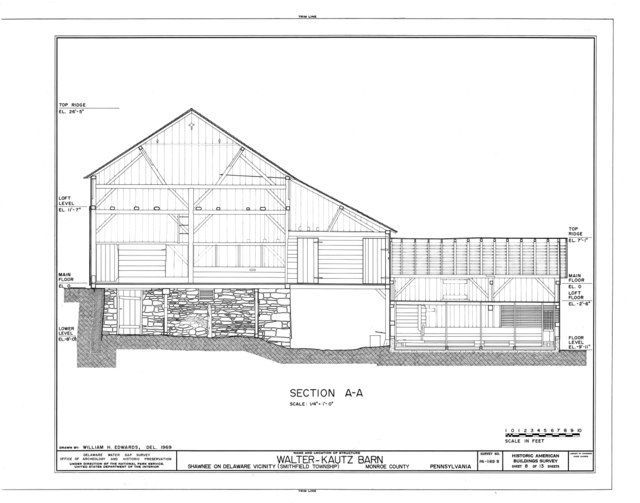
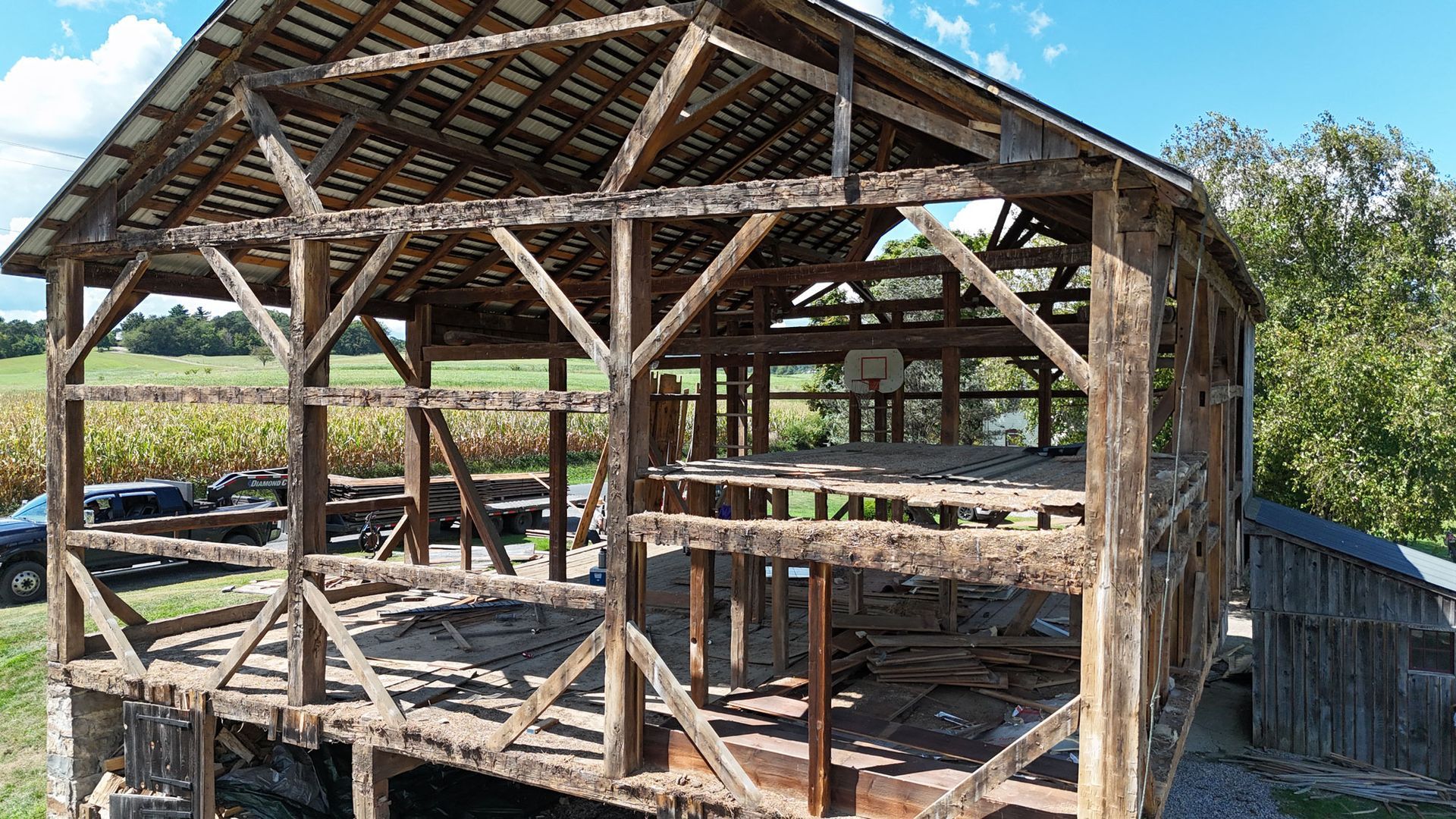
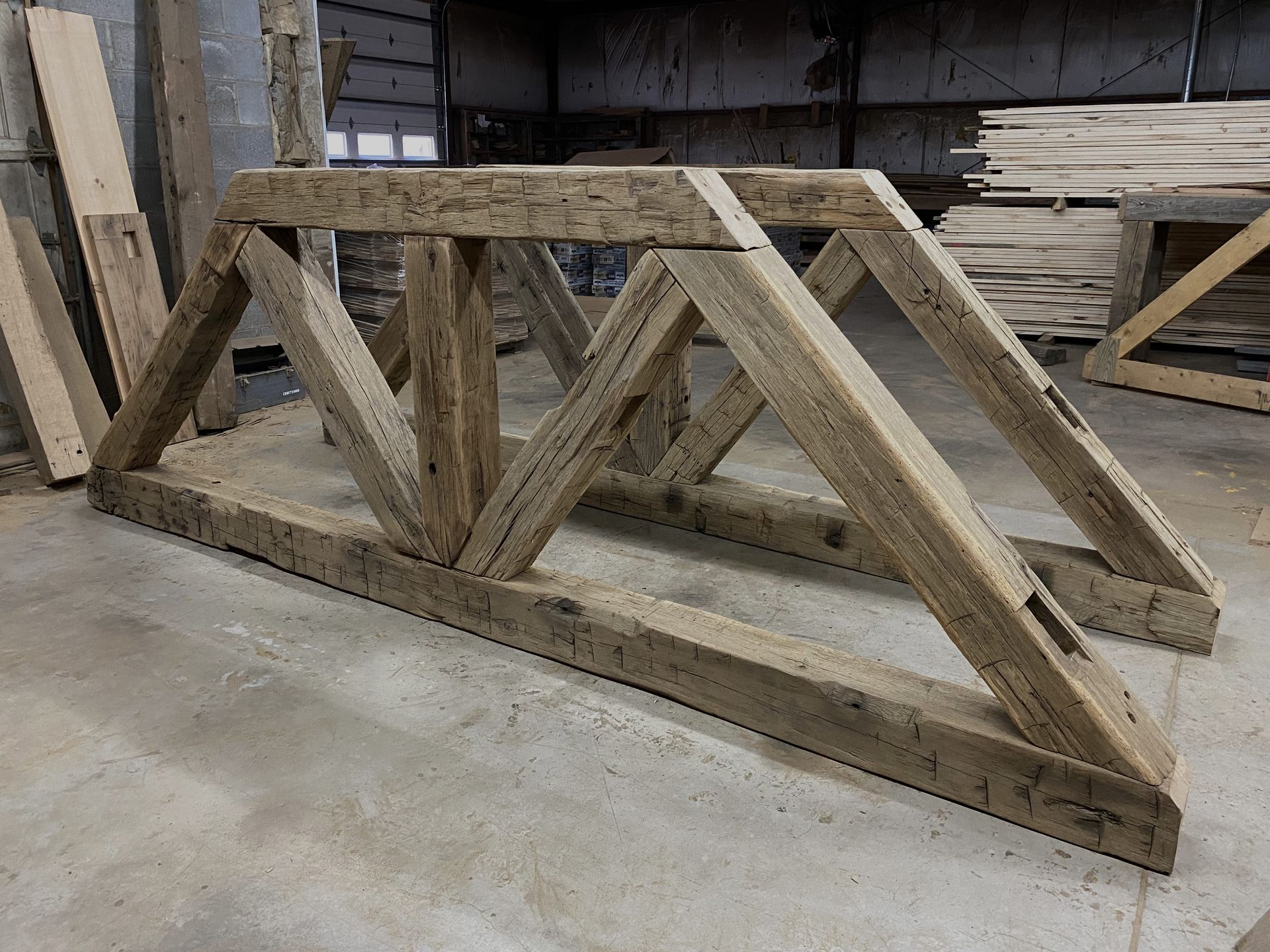
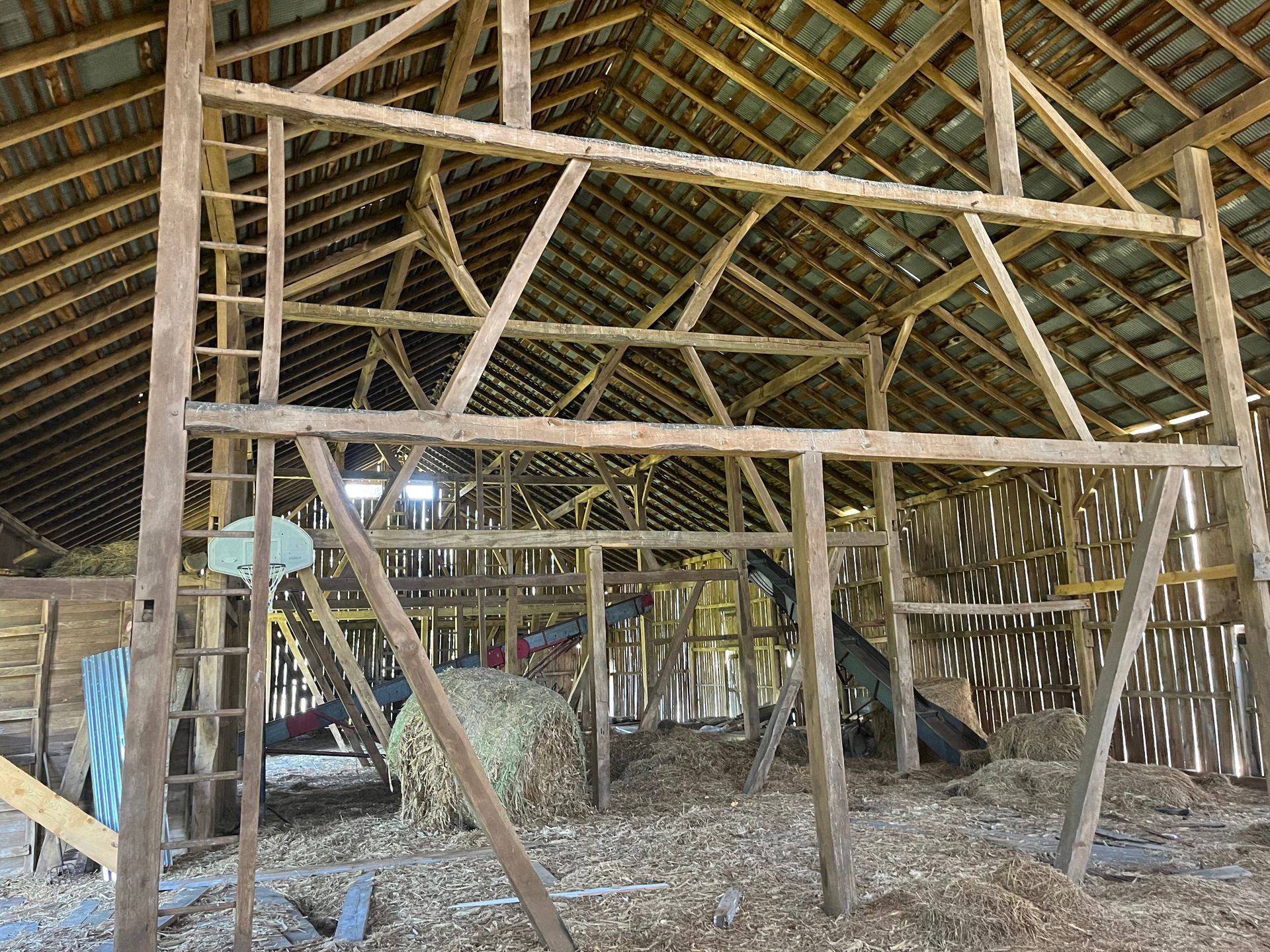
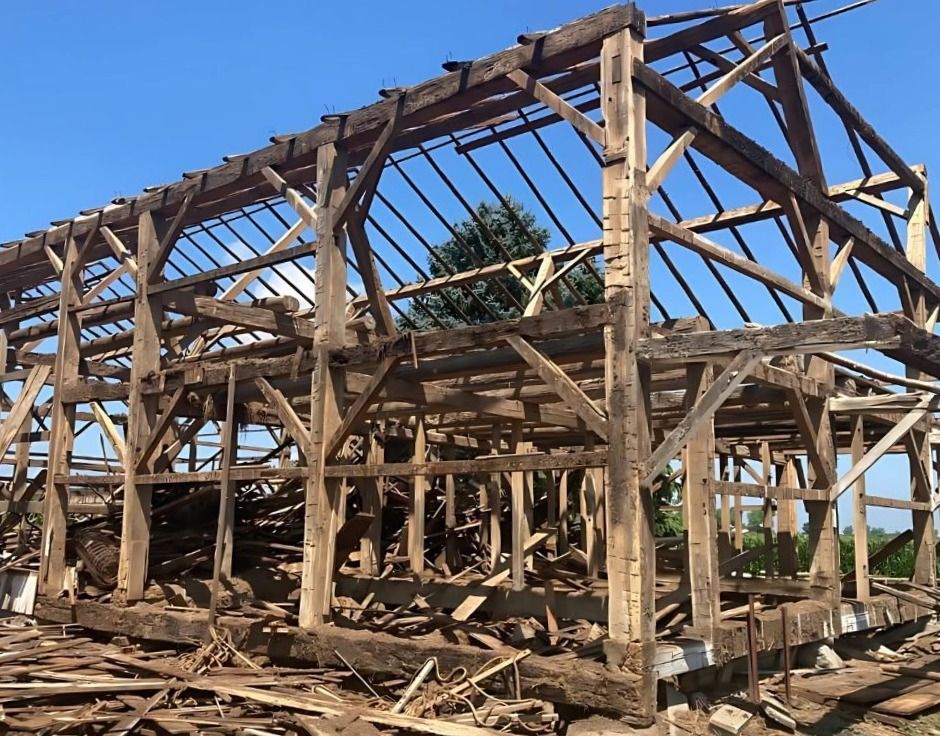
Timber framing is one of the oldest building methods in the world. At its heart, it uses large, solid wood beams, heavy posts, and horizontal members, joined together with traditional mortise-and-tenon joinery and secured with wooden pegs. No nails holding the structure together. No metal plates. Just wood fitted into wood, the same way craftsmen have been doing it for centuries.
The key thing is that the heavy timber carries all the load. That means the interior walls don't need to be structural, you get wide-open floor plans and dramatic, cathedral-like spaces. Exposed beams become the defining feature of the interior, not something hidden behind drywall.
Modern timber framing often incorporates CNC-precision cutting and prefabricated components. A well-designed frame can go up on site in a matter of days, though the preparation and joinery work happens well ahead of time in the shop. In Pennsylvania, you still find many barn builders working closely with this tradition, and the results speak for themselves: pre-Civil War frames that are still standing strong after 200 years.
What Exactly Is Stick Frame Construction?
Stick framing, sometimes called conventional or platform framing, is what most American homes are built with today. It uses dimensional lumber like 2×4s and 2×6s assembled on-site, piece by piece. The structure gets its strength from many small members working together, fastened with nails and metal hardware.
It's fast. Materials are widely available at any lumber yard. Most residential crews know it cold. That familiarity is a real advantage; you're not hunting for a specialist, and you're not paying premium labor rates for custom joinery. Stick framing also adapts easily to design changes during construction, which is something builders and homeowners both appreciate.
The trade-off is that the structural system runs through your walls, which means load-bearing walls are needed throughout. Open floor plans are still achievable, but they require engineered beams and careful planning. And the look? You won't see any of the framing once the drywall goes up. If you're building a spec home or a straightforward residential project on a tight schedule, stick frame is often the practical choice.
Side-by-Side: The Real Differences
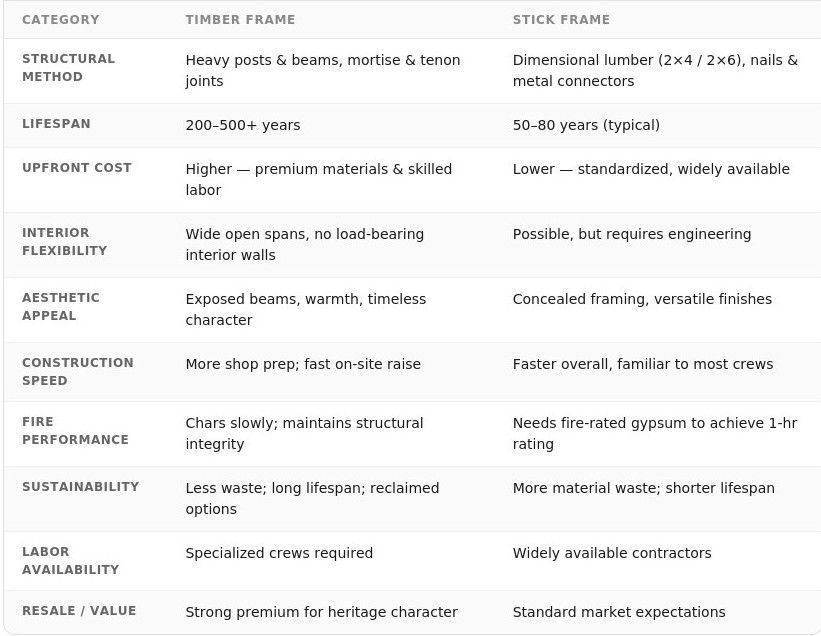
Before we get into the details on each topic, here's a quick reference table so you can see the big picture at a glance.
Strength & Longevity
This is where timber framing really earns its reputation. The interconnected heavy timber system distributes loads efficiently across the entire structure, and it's proven over centuries, not decades. Many historic barns built in Pennsylvania in the late 1700s and early 1800s are still standing and structurally sound. That's not luck. That's good joinery in good wood.
Stick-framed structures are strong, but their many small members can be less consistent over time. The lightweight lumber is more vulnerable to shifts, moisture intrusion, and wear over the decades than a heavy timber counterpart. The general expectation for a well-maintained stick-built home sits around 50 to 80 years before significant work or replacement is needed, compared to a properly cared-for timber frame that can outlast your grandchildren's grandchildren.
Worth Knowing
Heavy timber construction qualifies as Type IV construction under the International Building Code, meaning it inherently meets certain fire and structural requirements that smaller-member framing has to achieve through added materials.
Timber frames are also notably resistant to seismic activity and high winds. The rigidity of the joinery and the mass of the members work together in ways that a rack of 2×4s simply can't replicate. If you're building in a region with heavy snow loads, strong storms, or seismic risk, that matters.
Cost Considerations
Let me be straight with you: timber frame costs more upfront. Premium-grade timbers cost more than dimensional lumber. Skilled timber framers are specialists, and their labor reflects that. The custom joinery work, whether cut by hand or with precision CNC equipment, takes time. Depending on design complexity, location, and whether you're working with new timber or reclaimed antique frames, the cost difference over stick framing can be meaningful.
But the cost picture changes when you zoom out. A timber-framed structure doesn't need to be torn down and rebuilt every two or three generations. The maintenance demands are different, mostly moisture management and periodic inspection of joinery, rather than the structural replacements that stick-framed homes often face over time. Over a hundred-year horizon, the math looks different.
Reclaimed timber frames offer a compelling middle path. An antique frame, properly dismantled, catalogued, and re-erected, gives you centuries-old hardwood joinery at a cost that often competes favorably with new timber framing, while adding unmatched authenticity and character. It's something worth exploring before assuming new is the only option.
For straightforward residential builds where budget is the primary driver and longevity is less of a concern, stick framing is hard to beat on upfront economics. For a forever home, a heritage property, or a commercial event venue where character and durability matter, the timber frame investment tends to pay for itself in ways that show up on appraisals and in your daily life.
Aesthetics & Character
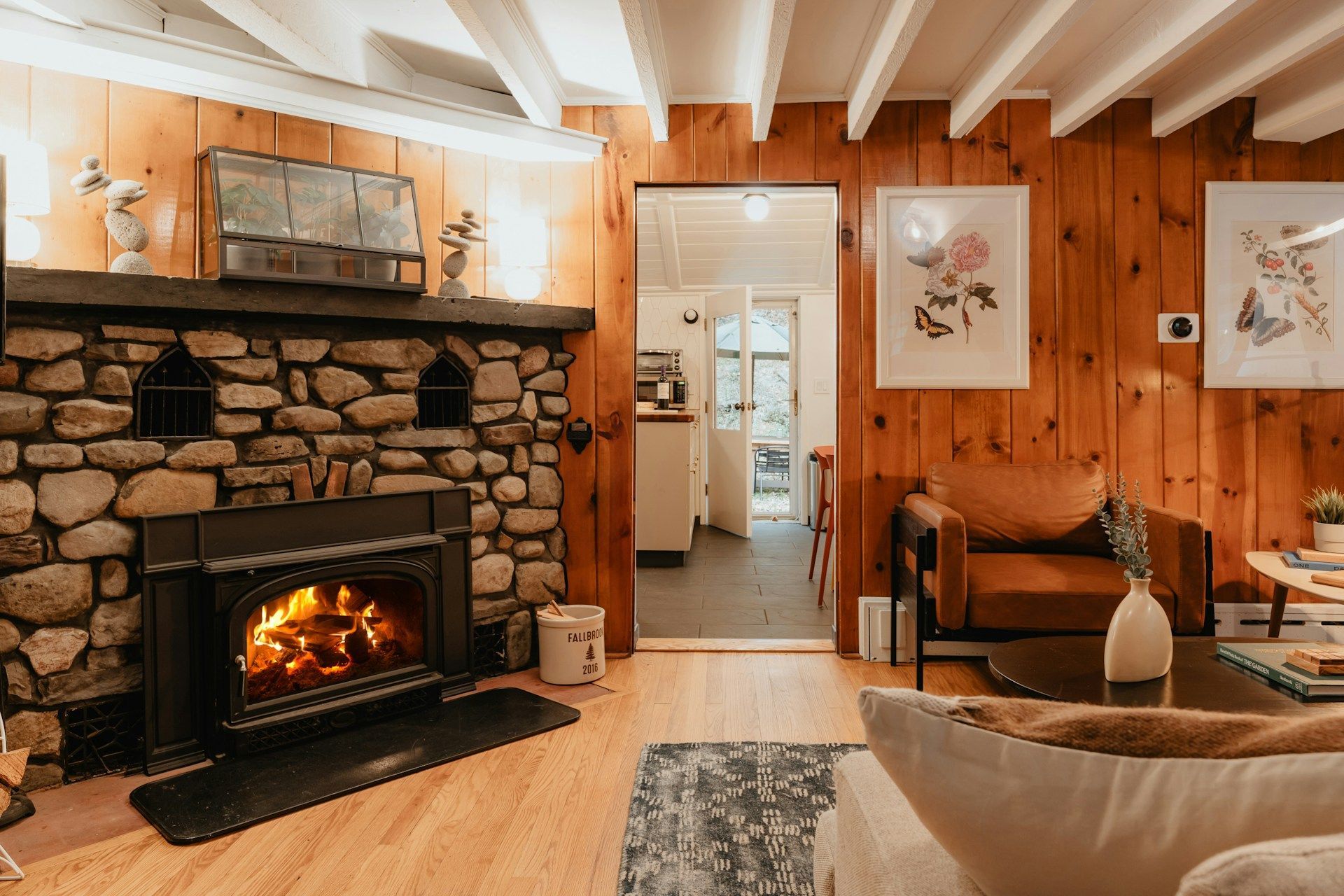
I've walked through a lot of buildings in my time, and nothing compares to the feeling of a well-done timber frame interior. The exposed structure isn't something to hide; it is the design. The grain of the wood, the scale of the beams, and the shadow lines at every joint create warmth and visual depth that no finishing product can replicate.
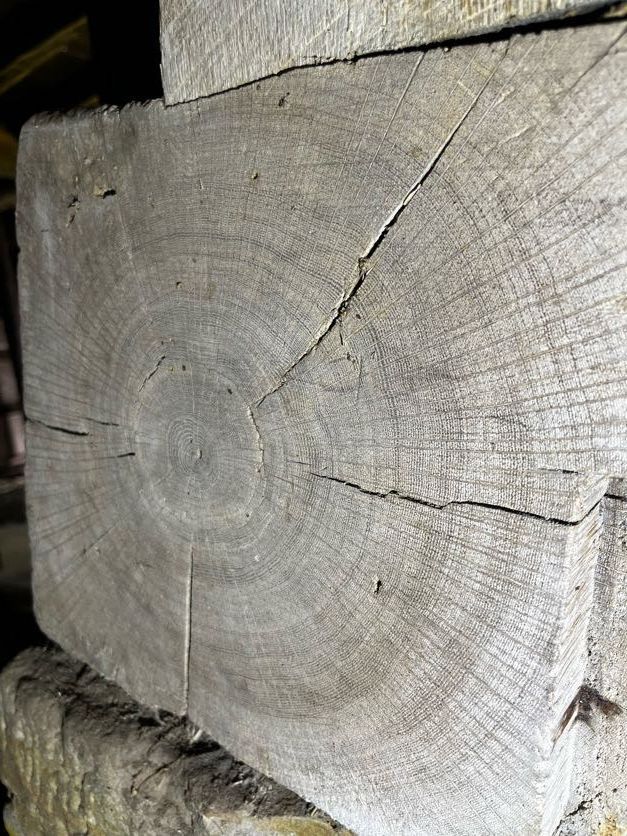
Stick framing gives you a blank canvas that's flexible and familiar. You can finish a stick-framed space beautifully. But the structure itself disappears behind the drywall. If your vision includes soaring open ceilings, the sight of hand-cut mortise joints, or the visual weight of a Pennsylvania white oak bent, you need timber framing to get there.
For homeowners who want a rustic, traditional, or heritage aesthetic, especially here in Pennsylvania, where our architectural history runs deep, a timber frame delivers an authenticity that simply can't be designed around.
Energy Efficiency & Sustainability
Both methods can achieve excellent energy performance when properly insulated. The popular Structural Insulated Panel (SIP) system pairs exceptionally well with timber framing. SIP panels wrap the outside of the timber frame envelope, creating a tight, well-insulated shell while leaving the interior beams fully exposed. It's a combination that delivers both beauty and performance.
Stick-framed walls are also well-suited to modern insulation systems, and contractors are generally very familiar with meeting current energy codes. Neither method has a built-in energy disadvantage; what matters most is the quality of the insulation strategy and the tightness of the building envelope, not the framing method itself.
Where timber framing carries a genuine sustainability edge is in its long-term footprint. Timber frames use fewer total members than a stick-framed equivalent. Reclaimed timber frames reuse wood that's already been harvested, often old-growth hardwood that would cost a fortune to source new and can't be replicated. And a structure that stands for 300 years instead of 60 represents a very different environmental calculation over its lifetime.
Fire Performance
This one surprises a lot of people. Intuitively, you'd think a big wooden beam would be more of a fire risk than a wall of 2×4s. The reality is the opposite.
Heavy timber chars on the outside when exposed to fire. That char layer actually insulates the interior of the beam, slowing further combustion and allowing the structural member to maintain its load-bearing capacity far longer than a light-framed assembly. This is why heavy timber construction is classified under Type IV construction in the International Building Code; it's recognized for its inherent fire-resistant performance.
Stick-framed buildings can meet fire resistance requirements, but they typically do so by adding fire-rated gypsum board to walls and ceilings rather than relying on the framing itself. For assembly occupancies like event barns, wedding venues, and community buildings, the inherent fire behavior of heavy timber can also translate into more favorable insurance classification.
Meet the Craftsmen
Since 1998, Bay & Bent has been one of Pennsylvania's most respected names in antique timber frame restoration. We specialize in sourcing authentic antique frames, documenting every timber, and re-erecting them as the structural heart of heritage homes, event venues, and distinctive builds. We don't treat these frames as salvage material. We treat them as the irreplaceable handwork of craftsmen who built to last, and our job is to honor that by making sure they last another few centuries more.
If you're seriously considering a timber-frame build and want to explore the option of using authentic reclaimed Pennsylvania timber, we'd love to talk. There's nothing quite like seeing what an 1830s white oak barn frame looks like when it rises again inside a new home.
Which One Is Right for Your Build?
The honest answer is that both methods are legitimate choices. The question is which one fits your goals.
Consider Timber Frame if:
- You want a forever home that outlasts generations
- Open, dramatic interior spaces are part of the vision
- Heritage character and exposed wood are important to you
- You're building a commercial venue, event barn, or retreat
- Sustainability and reclaimed materials align with your values
- You have a flexible budget and a longer time horizon
Consider Stick Frame if:
- Budget is the primary driver of your project
- Speed of construction matters more than longevity
- You want a wide range of contractor options
- Mid-century to contemporary finish aesthetics are the goal
- You're building to the standard residential code without specialty needs
- Your design requires frequent mid-construction adjustments
One thing we'll add from experience: many people start this conversation assuming timber framing is out of their budget. Sometimes that's true; new timber framing with custom joinery is a premium product. But if you're open to reclaimed antique frames, you may find that the economics shift considerably. You're getting old-growth wood, hand-cut joints, and a documented history, often at a cost that competes with new timber construction, and sometimes surprises people with how achievable it is.
Whatever direction you're leaning, the most important thing is to decide with clear eyes on what each method actually delivers, not just the upfront cost line, but the full picture of performance, aesthetics, longevity, and what it means to walk into that space thirty years from now.
If you're looking at a timber frame project, we're happy to talk through your options, show you what we have available, and help you figure out whether an antique frame is the right fit for your build. There's no pressure, just a straight conversation between people who love this craft.