The Ultimate Guide to Historic Barn Wood Sourcing for DIY Enthusiasts
Find and reclaim timber for your projects
There’s somethin’ about the way a beam feels when it’s seen a hundred winters. It’s got grit. It’s got character. And unlike that green lumber you pull off the shelf at the big box store, it’s got a story to tell.
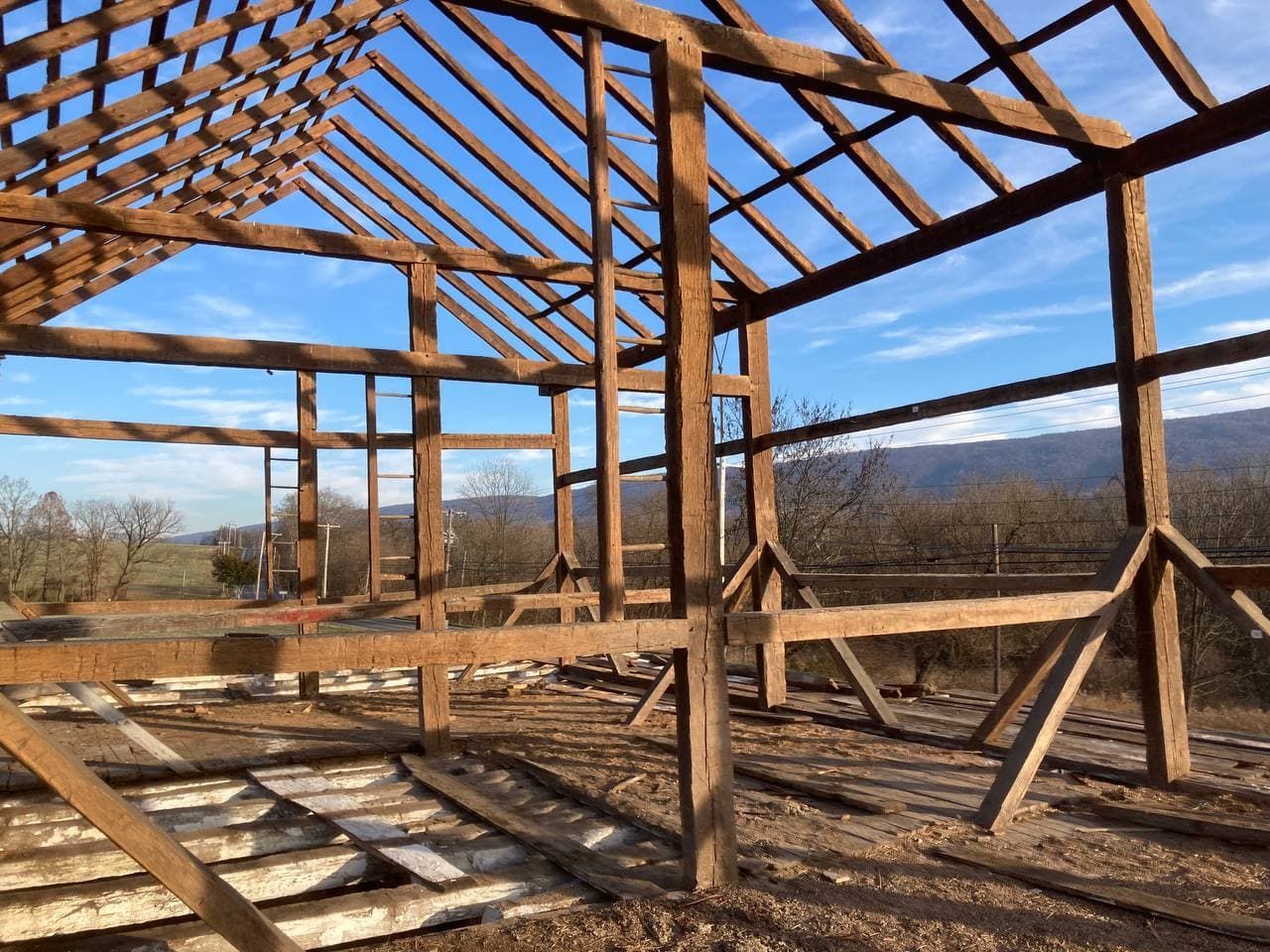
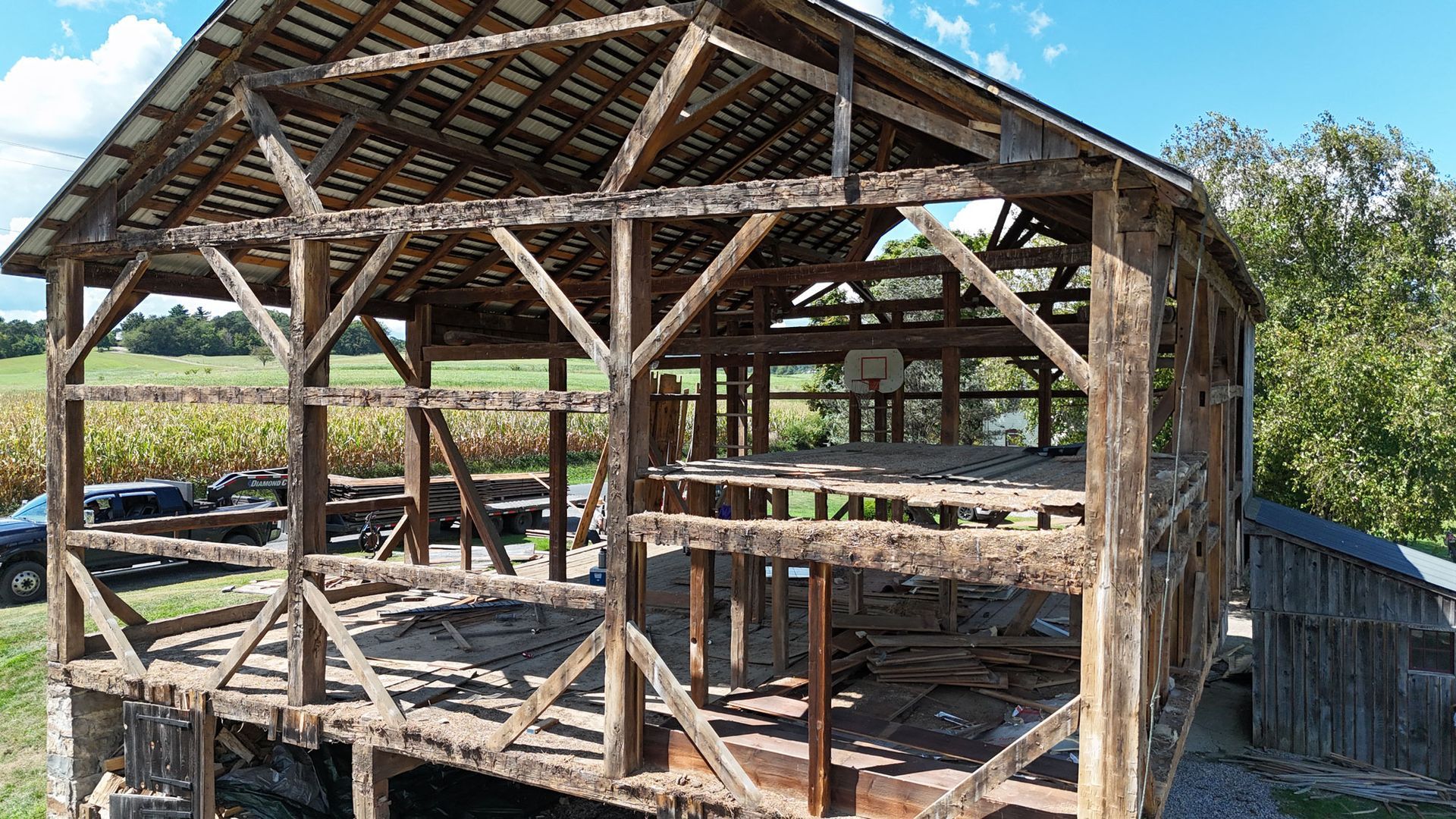
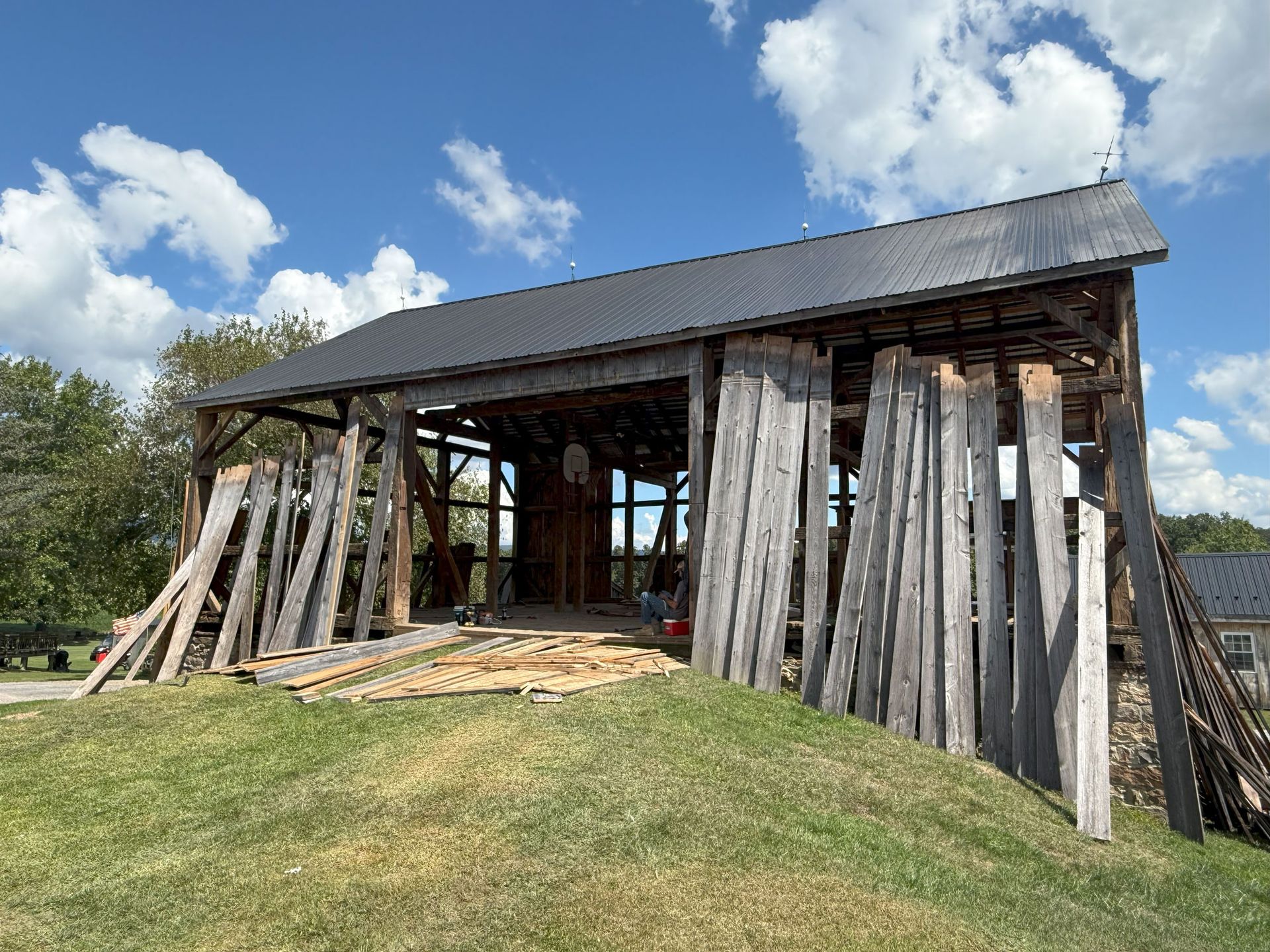
If you’re reading this, you probably already know that historic barn wood sourcing isn’t just about buying materials. It’s a hunt. It’s about rescuing a piece of American history before it rots in the ground and giving it a new life in your living room.
Grab your work gloves. We’re going to talk about how to find the good stuff, how to tell the gold from the garbage, and why reclaimed wood is the best choice for a craftsman who gives a damn about quality.
Why Historic Barn Wood Beats New Lumber Every Time
You might be wondering why folks go through the trouble of pulling nails out of old planks when they could just buy new boards. Well, partner, it ain’t just about the look, though that silver-grey patina is hard to beat. It’s about the wood itself.
Strength
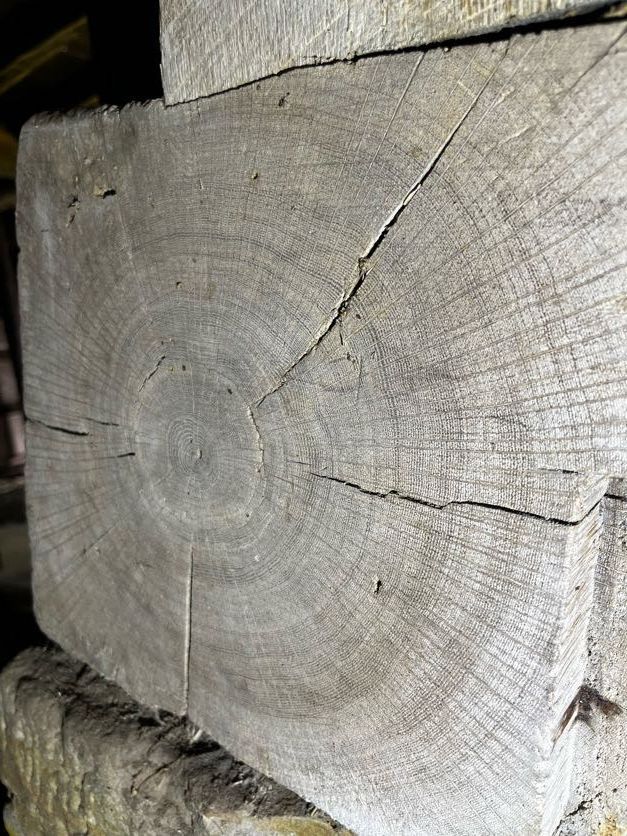
Most of the barns standing today were built from trees that grew slowly and steadily in dense forests long before modern farming took over. We call this "old-growth" timber. Because these trees fought for sunlight, their growth rings are tighter than a drum. That makes the wood denser, harder, and more stable than the fast-growing pine you see today.
When you’re sourcing historic barn wood, you’re often getting species like American Chestnut, old-growth Oak, or Heart Pine, woods that are either extinct or commercially unavailable in their natural form today.
Legacy
Every scratch, saw mark, and nail hole is a chapter in that wood’s biography. Maybe it was a threshing floor where a farmer worked for forty years. Maybe it was a siding board that withstood the Dust Bowl. When you build with this stuff, you aren’t just making furniture; you’re preserving heritage.
Environmental Stewardship
This one’s simple: We don’t need to cut down living trees when we have perfectly good ones falling down in fields across the country. Reclaiming wood keeps quality material out of the landfill and reduces the demand for new logging. It’s the cowboy way of respecting the land.
How to Source Historic Barn Wood Like a Pro
Now, let’s get down to brass tacks. Historic barn wood sourcing can be tricky. You don’t want to end up with a truckload of rot or wood that’s infested with powderpost beetles. Here’s how to source it right.
1. Know Your Sources
You generally have three options when hunting for wood:
- Direct from the Farmer: This is the "pickers" route. You spot a dilapidated barn, knock on the door, and make a deal. It’s high effort, but often low cost. Just make sure you have permission and liability is clear; barns are dangerous places.
- Salvage Yards: These folks do the hard work of dismantling for you. You can inspect the wood in a safer environment, but you’ll pay a premium for the labor.
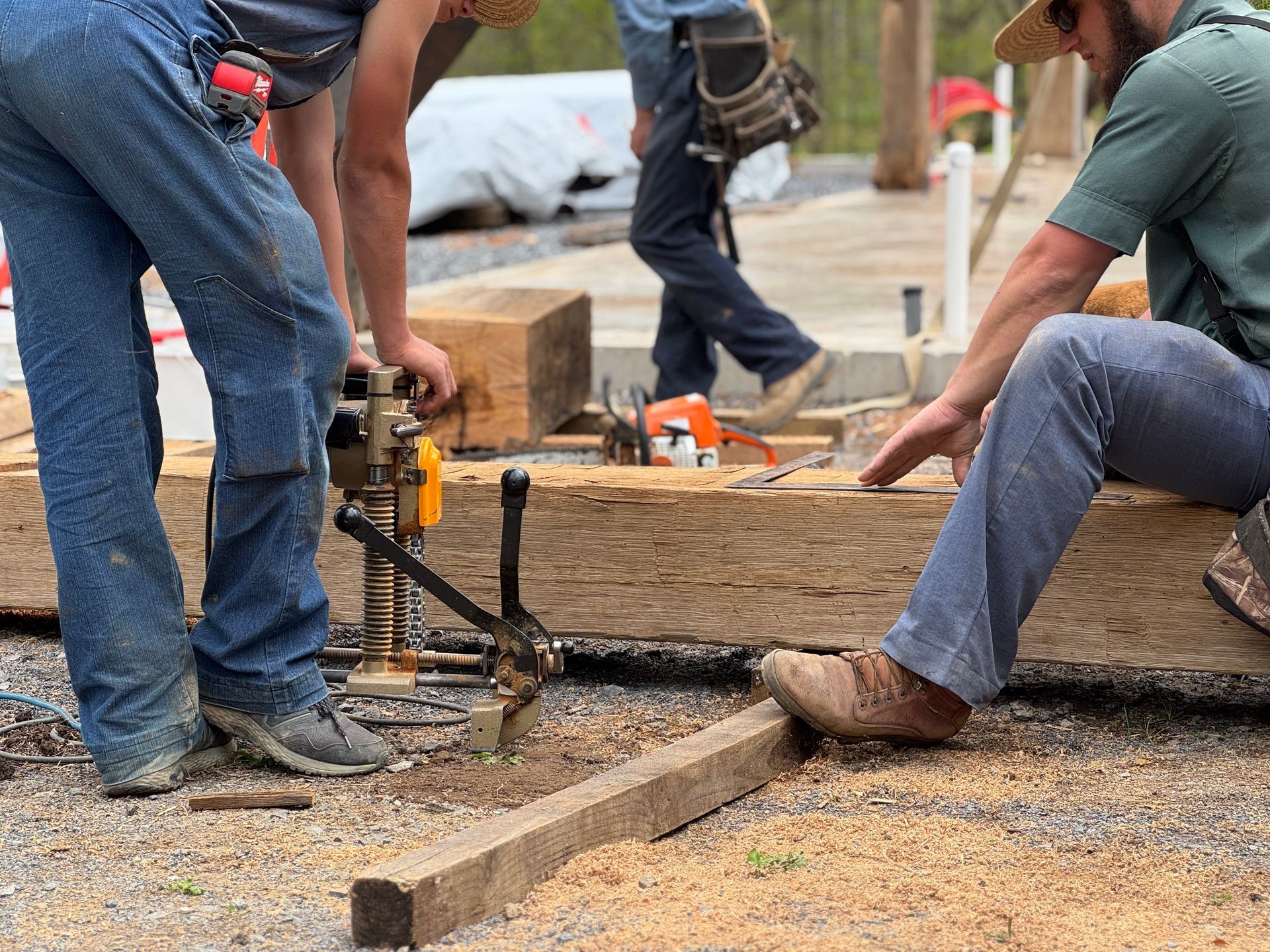
- Specialized Reclaimed Wood Dealers: This is the gold standard for serious projects. Companies (like us) denail, kiln-dry, and grade the wood so you know exactly what you’re getting.
2. Inspect for the "Three R's”
- Rot: Stick a pocketknife into the wood. If it goes in like butter, walk away. You want solid timber, not a sponge.
- Refugees (Bugs): Look for tiny holes with fresh sawdust (frass) around them. That means bugs are currently eating the wood. If you buy this, you need to kiln-dry it immediately, or you’ll infect your whole house.
- Rickety-ness (Structural Integrity): If you’re using beams for structural support, you need a professional to grade them. Just because it held up a roof in 1920 doesn’t mean it meets building codes in 2026.
3. The Importance of Kiln Drying
I can’t stress this enough. If you are bringing wood inside your home, it needs to be kiln-dried. This process uses heat to kill any dormant insects, larvae, or mold spores living deep in the grain. It also stabilizes the moisture content so your beautiful new floor doesn’t warp the first time you turn on the heater.
Common DIY Projects for Reclaimed Wood
Once you’ve wrestled your timber home, what do you do with it? Here are a few ways to let that wood shine.
The Farmhouse Table
This is the classic. Use 2-inch thick threshing floor planks for the top. Leave the saw marks visible. Sand it enough to avoid splinters, but not so much that you erase its character. Finish it with a natural oil to make that grain pop.
Accent Walls and Cladding
"Shiplap" is the buzzword, but real barn siding is the real deal. Use weathered grey or faded red siding to create a focal point in a living room or bedroom. It adds instant warmth and texture that paint just can’t mimic.
Sliding Barn Doors
It’s only fitting to use barn wood for a barn door. These are great for separating rooms without swinging a door into valuable floor space. Just make sure you get heavy-duty hardware; this wood is heavier than hollow-core doors.
Floating Shelves
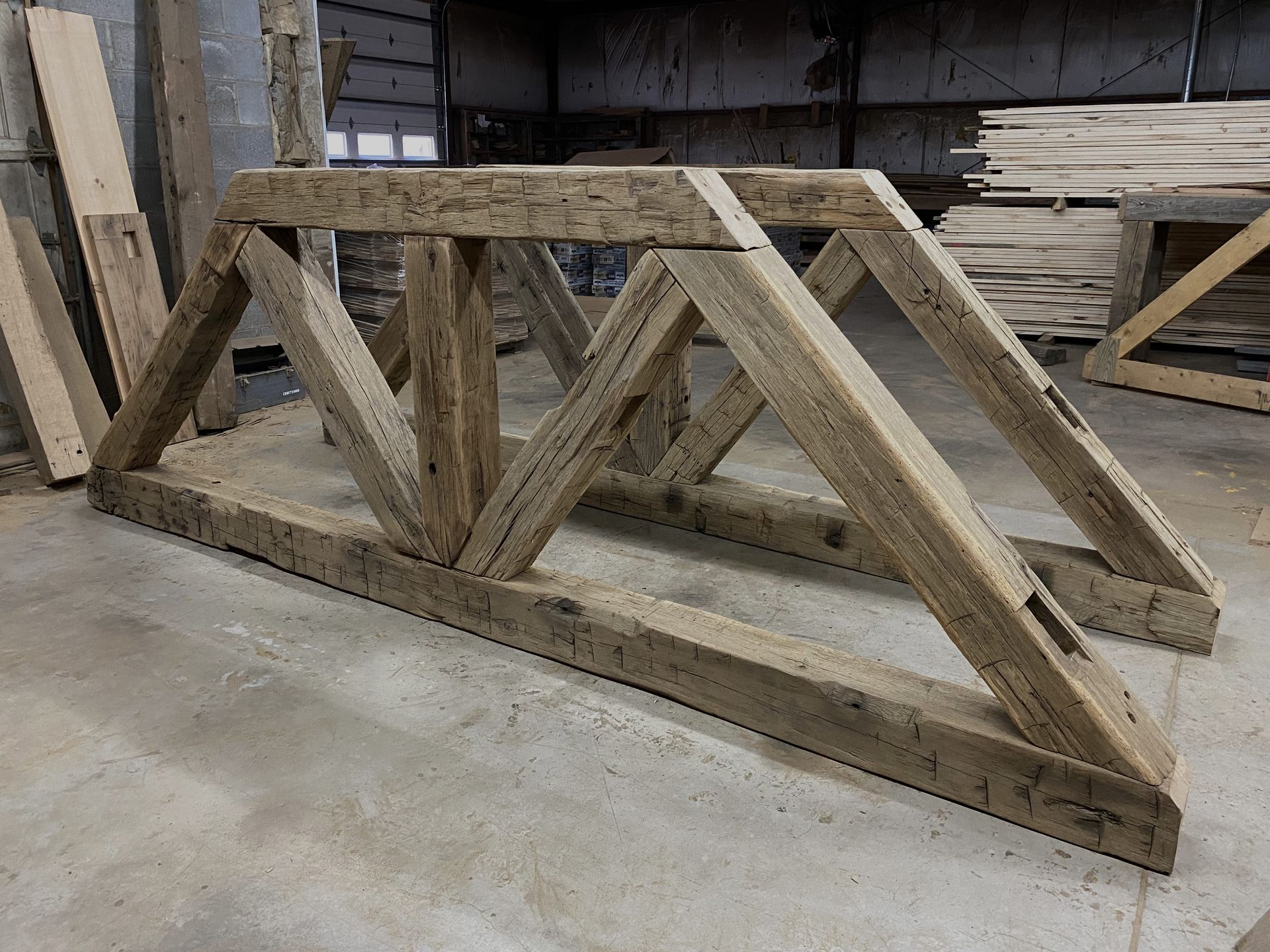
Got some beam cut-offs? Don’t burn ‘em. A chunky, hand-hewn beam makes for an incredible fireplace mantel or floating shelves in a kitchen. It brings a rugged, masculine element to even the cleanest modern design.
The Bay & Bent Difference
Look, we know you can go find wood on your own. But if you want the character without the headache, you come to Bay & Bent.
We aren't just selling lumber; we're curators of American grit. We scour the countryside for the structures that built this nation, carefully dismantling them piece by piece. But we don't stop there.
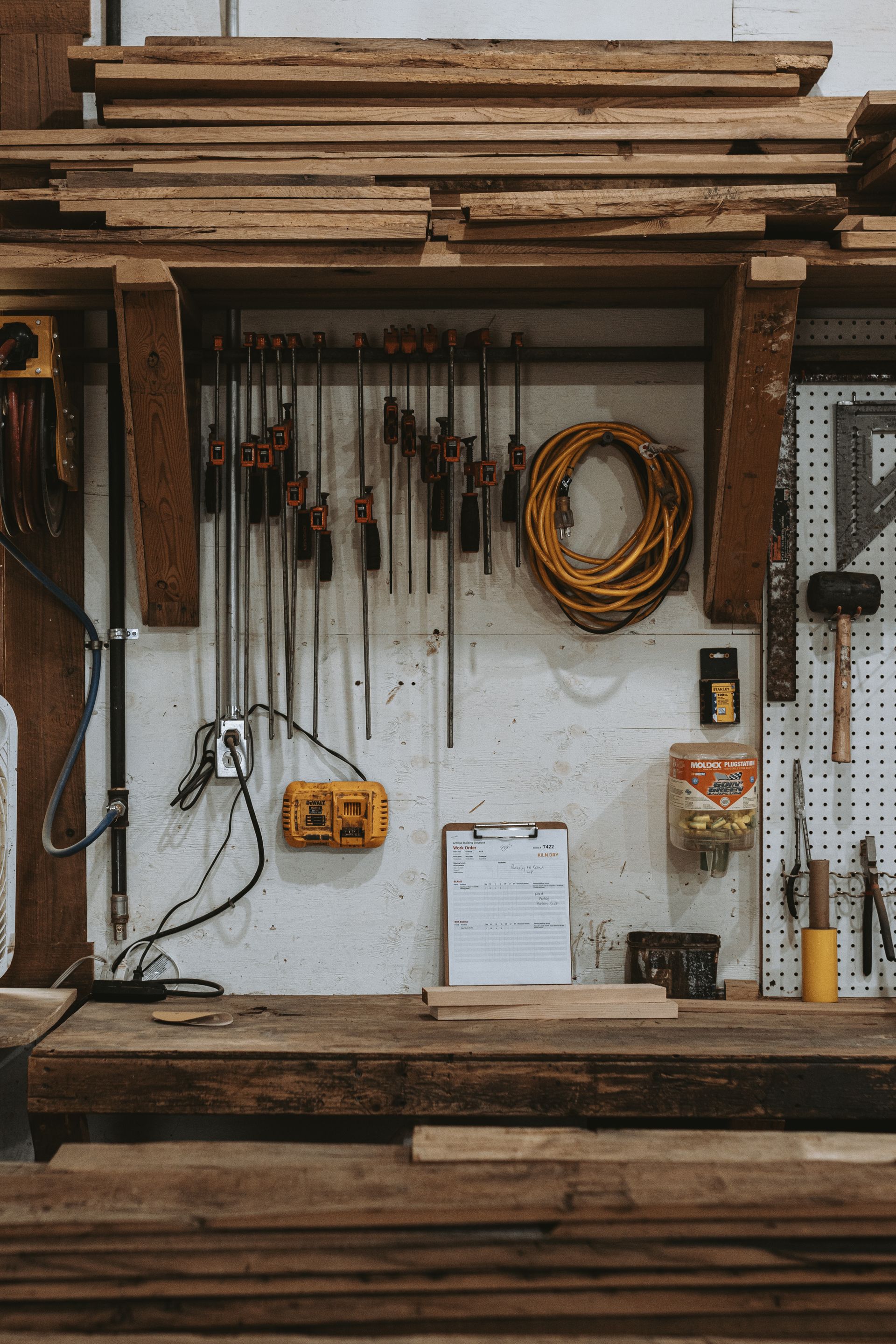
At Bay & Bent, every board goes through our rigorous preparation process. We pull the nails so you don’t ruin your saw blades. We kiln-dry every stick to ensure it's stable and bug-free. And we surface the wood just enough to make it workable while keeping that rugged aesthetic you’re after.
Whether you need a custom mantel that looks like it was hewn by a pioneer’s axe or flooring that’s walked through history, we’ve got the stock. We do the dirty work so you can do the craft work.
Frequently Asked Questions (FAQs)
Is historic barn wood sourcing safe for indoor use?
It is, provided it’s been handled right. The biggest risks are lead paint (on painted wood) and insects. Always test painted wood for lead before sanding, and ensure any wood brought indoors has been kiln-dried to eliminate bugs.
Why is reclaimed wood more expensive than new lumber?
You’re paying for labor and scarcity. Dismantling a barn by hand is dangerous, slow work. Then comes the denailing, cleaning, drying, and milling. Plus, they aren't making any more 200-year-old oak trees.
How do I clean reclaimed wood without ruining the patina?
Go easy. A stiff-bristle brush and a vacuum are usually enough for dust. If it’s dirty, use a mild soap and water, but don’t soak it. Avoid power washing if you want to keep that silver-grey color; high pressure will strip the aged layer right off.
Can I use barn wood in a bathroom?
You can, but seal it well. Humidity is wood’s enemy. Use a high-quality marine-grade sealer or multiple coats of polyurethane to protect the wood from moisture absorption.
How do I calculate how much wood I need?
Measure your square footage (length x width) and add at least 15-20% for "waste." With reclaimed wood, you’ll likely have to cut around knots, splits, or jagged ends. It’s better to have leftovers for a picture frame than to come up short.
Final Thoughts
Historic barn wood sourcing is a journey, not a transaction. It takes a sharp eye and a steady hand, but the result is a project that carries the soul of the past. If you’re ready to start building with material that means something, give us a holler at Bay & Bent. We’ll get you sorted.