The Benefits of Using Eco-Friendly Barn Restoration Materials
How to restore with a green conscience
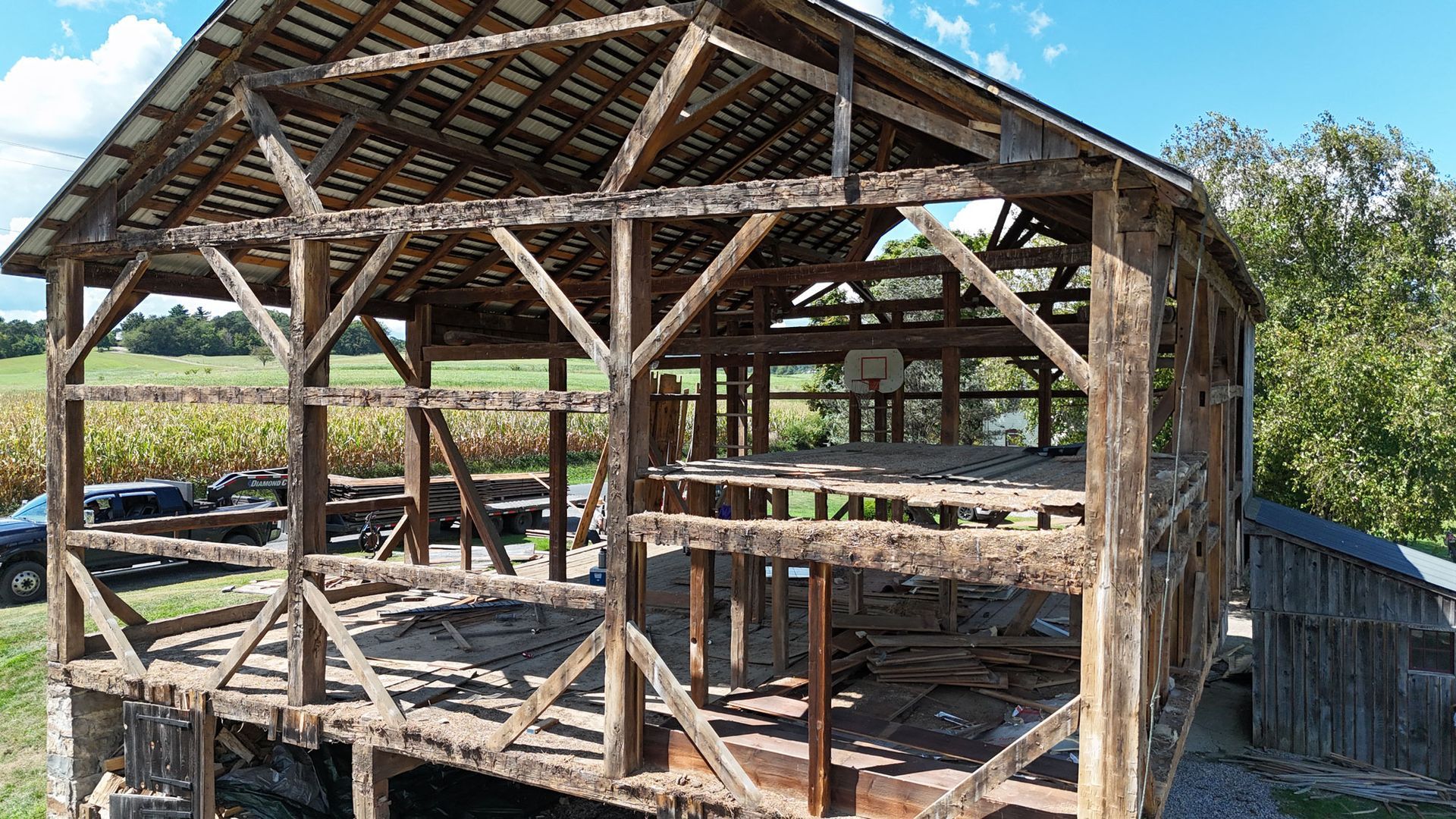
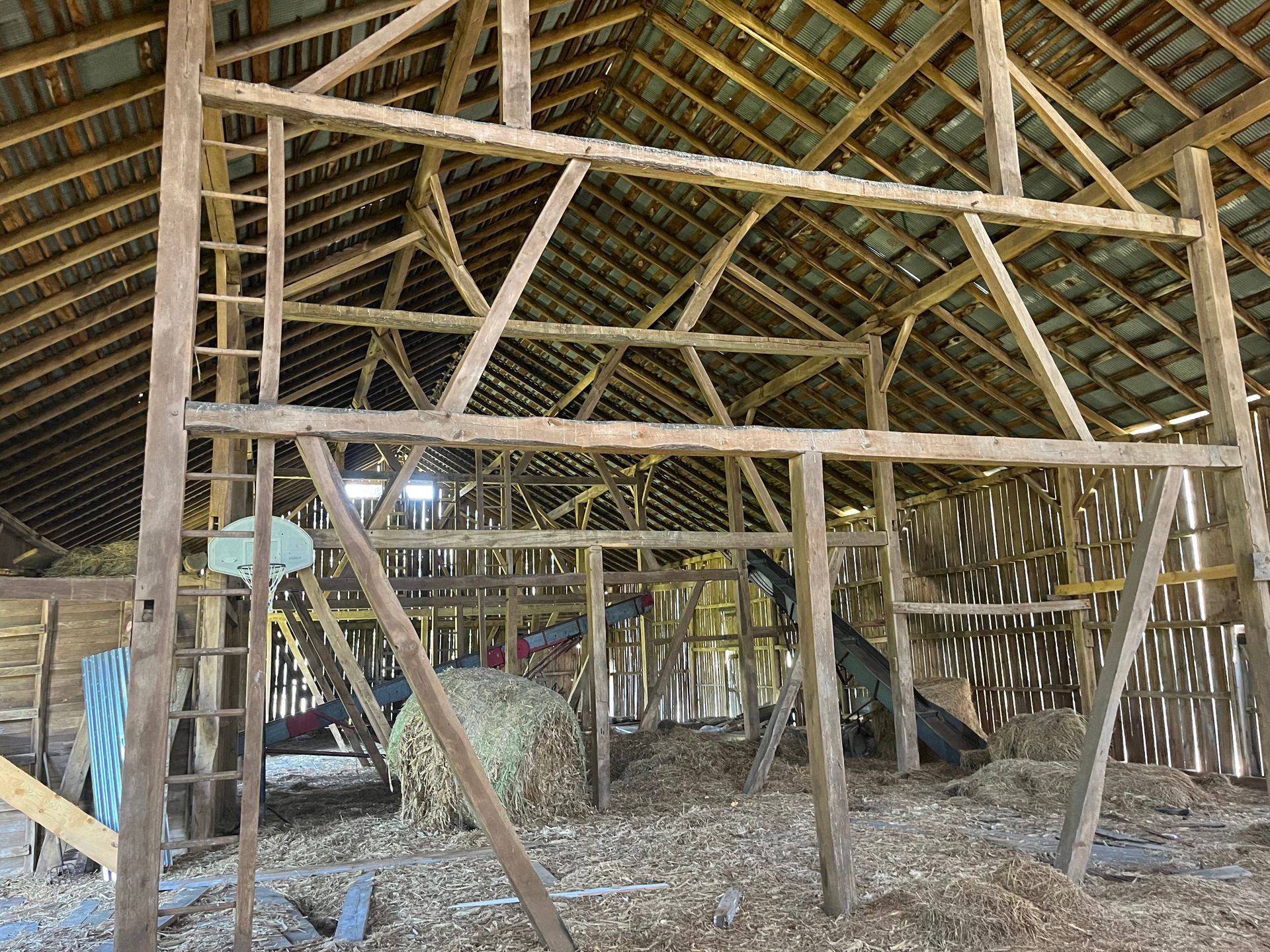
An old barn has stories etched into its timbers. It’s seen seasons change, families grow, and hard work turn into a legacy. When it’s time to breathe new life into one of these structures, the materials you choose matter. It’s about more than just patching things up; it’s about honoring that history while building a solid future.
Using eco-friendly materials isn't just some newfangled trend; it’s a return to smart, sturdy building practices that respect the land and your wallet.
Choosing sustainable materials for your barn restoration means you're building with strength, character, and a clear conscience. You get a structure that not only looks right but feels right, rooted in durability and respect for the environment.
We'll walk you through the real-world advantages of using materials like reclaimed wood and recycled steel and show you why it’s the best path forward for your project.
Why Go Green? The Solid Perks of Sustainable Materials
Opting for eco-friendly isn't just about feeling good. It brings practical, hands-on-the-ground benefits that you'll appreciate for years to come. These materials are tough, they save you money in the long run, and they make your barn a healthier, more comfortable space.
Built to Last and Reduce Waste
Many sustainable materials are tougher than their brand-new counterparts. Think about it: reclaimed wood has already stood for a century, weathering storms and seasons. It's proven its mettle. By choosing recycled or reclaimed options, you’re not just getting character; you’re getting materials with a track record.
This approach also keeps a whole lot of good material out of the landfill. Tearing down an old structure and hauling it away creates waste. Restoring it with materials that have been given a second chance is a smarter way to build. It’s resourceful, and that’s a principle any hardworking person can stand behind.
Better for Your Wallet and the Air You Breathe
Energy efficiency is a big win with eco-friendly restoration. Materials like sheep wool insulation keep your barn warmer in the winter and cooler in the summer without working your HVAC system to the bone. That translates directly to lower energy bills month after month.
Plus, many modern building products are made with chemicals that release toxins, known as VOCs, into the air. Natural and sustainable materials like untreated wood, bamboo, and low-VOC finishes don't have that problem. This means cleaner, healthier air inside your barn, which is better for you, your family, and your livestock.
Top-Hand Materials for Your Barn Restoration
When it comes to picking the right stuff for the job, you’ve got some mighty fine options. These materials bring their own unique strengths to a restoration project, from timeless looks to modern performance.
Reclaimed Wood
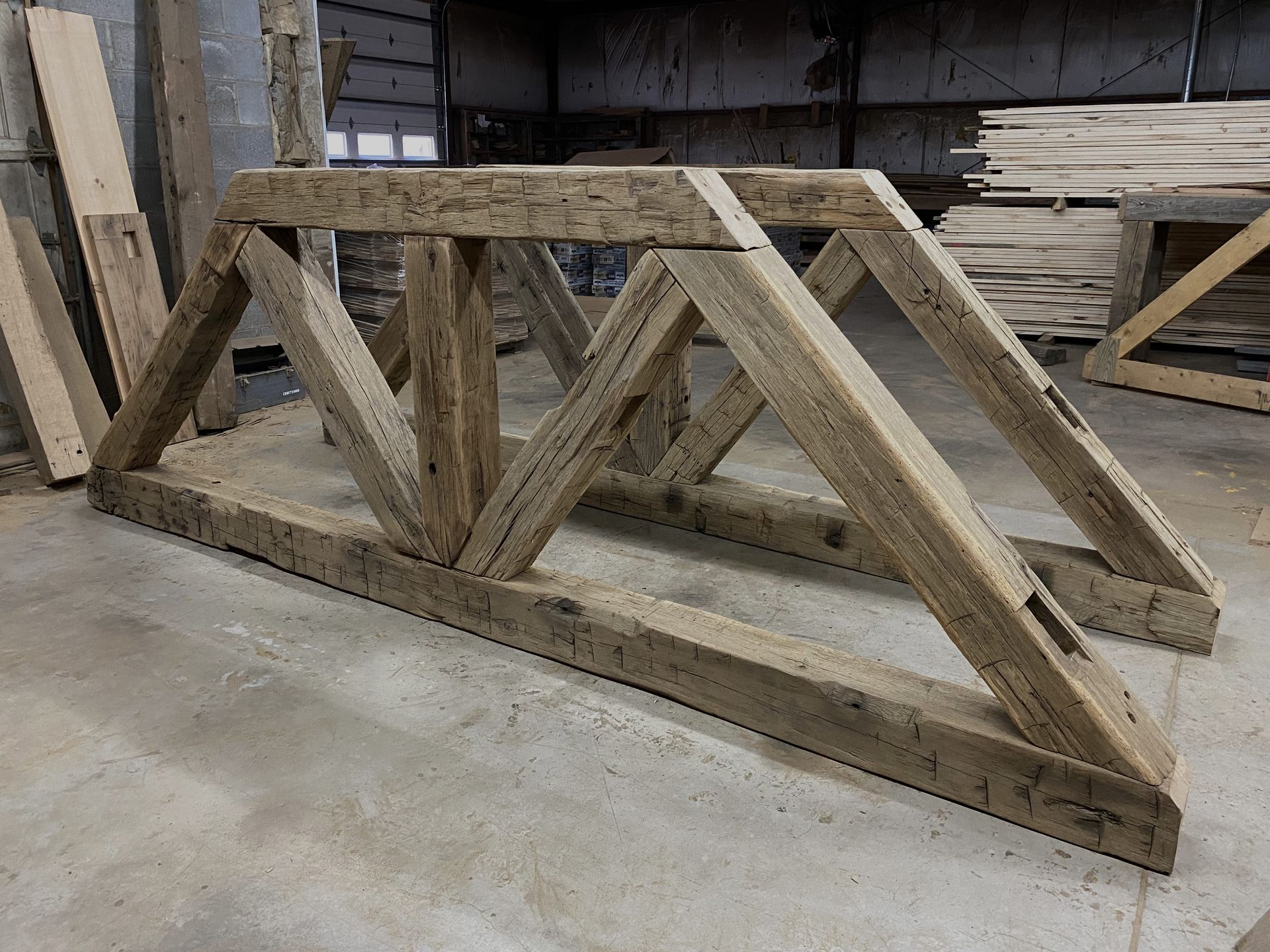
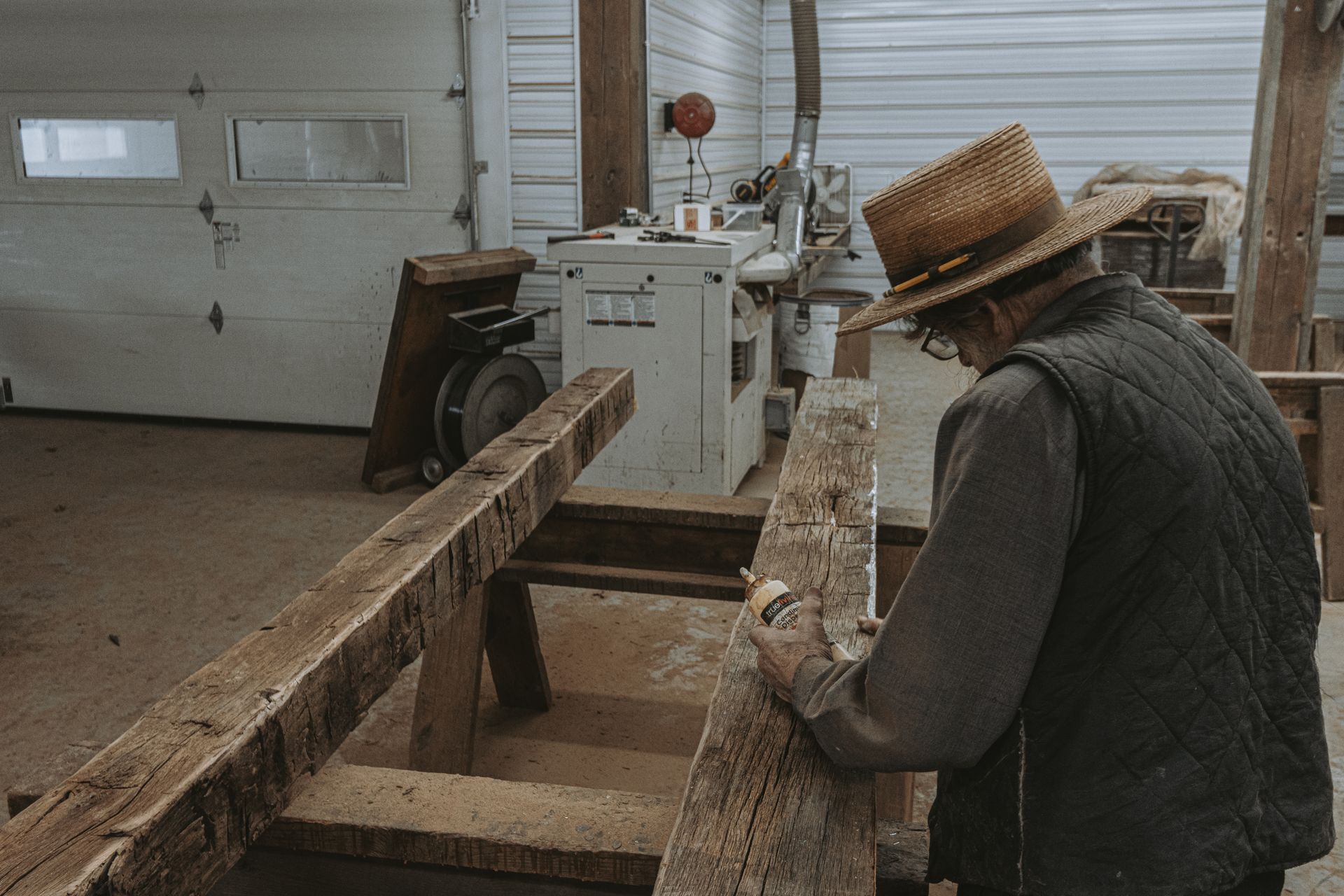
There’s nothing quite like the look of reclaimed wood. Sourced from old barns, warehouses, and other historic structures, these timbers have a rich patina and character that you just can’t replicate. Each knot, nail hole, and saw mark tells a part of its story.
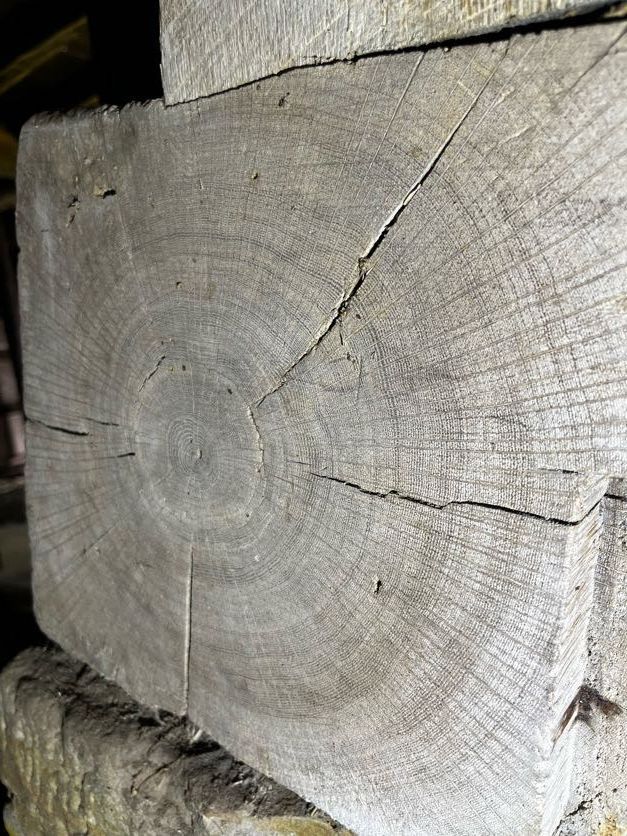
But it’s not just about looks. This wood is often denser and stronger than new timber because it comes from old-growth trees. It has already dried and settled over decades, so it’s less likely to warp or split. It’s the perfect choice for structural beams, flooring, or accent walls that make a statement.
Recycled Steel
Steel is a cornerstone of barn construction for a reason: its strength and durability are second to none. Recycled steel gives you all that muscle without the environmental heavy lifting of producing it from scratch. It takes far less energy to recycle steel than to create it new.
Use it for roofing that can stand up to hail and high winds, or for siding that won't rot, warp, or fall prey to pests. It’s a low-maintenance, long-lasting solution that provides a clean, modern look while protecting your investment for the long haul.
Bamboo
Bamboo might seem like a newcomer, but it’s one of the toughest, most versatile building materials out there. Technically a grass, it grows incredibly fast, making it a highly renewable resource. Some species can be harvested in just a few years, compared to decades for traditional hardwood.
Don't let its quick growth fool you; engineered bamboo is harder than many hardwoods, making it great for flooring and paneling. It offers a unique, clean aesthetic that can complement a rustic barn or give it a more modern feel.
Sheep Wool Insulation
When it comes to keeping your barn comfortable, forget the itchy pink stuff. Sheep wool insulation is a natural wonder. It’s a fantastic insulator, but its real genius lies in how it handles moisture. Wool fibers can absorb and release water vapor without losing their insulating power, which helps prevent mold and mildew.
It’s also naturally fire-resistant and acts as an air purifier by trapping harmful chemicals from the air. It’s a renewable, biodegradable material that works hard to keep your space comfortable and healthy.
Your Trusted Partner in Barn Restoration
Restoring a barn is a big undertaking, and you need a partner who understands the craft and respects the materials. Here at Bay & Bent, we’re not just builders; we’re stewards of these historic structures. We believe in doing things the right way, with quality materials and an honest day’s work.
We specialize in sourcing the finest eco-friendly and reclaimed materials for barn restorations. Whether you need authentic, hand-hewn beams or durable, recycled steel roofing, we’ve got the know-how and the connections to find the perfect fit for your project. Our crew has years of experience blending old-world craftsmanship with modern building science to create structures that are both beautiful and built to endure.
If you’re ready to bring your barn back to its former glory, talk to us at Bay & Bent. We’re here to help you build a legacy.
Frequently Asked Questions (FAQs)
What are the main benefits of using eco-friendly materials?
The biggest benefits are durability, cost savings, and health. Reclaimed materials have already proven they can last. Better insulation and energy-efficient designs lower your utility bills. And natural, non-toxic materials create better indoor air quality for everyone.
Are eco-friendly materials more expensive?
Not always. While some materials, like high-quality reclaimed wood, can have a higher upfront cost, they often save you money over time. You’ll spend less on energy, repairs, and replacements. Plus, there are many affordable options, like recycled steel and cellulose insulation, that compete directly with conventional materials.
Where can I find sustainable restoration materials?
Finding the right materials takes a bit of looking. You can connect with salvage yards, specialty lumber suppliers, and companies that focus on green building products. The best bet is to work with an experienced builder, like Bay & Bent, who has established relationships with trusted suppliers.
Does using reclaimed materials compromise structural integrity?
Not at all. When sourced and prepared correctly, reclaimed wood and recycled steel are just as strong, and often stronger, than new materials. A professional will inspect every piece to ensure it meets structural standards before it’s used in your project.
Building for the Next Generation
Restoring a barn with eco-friendly materials is about more than just a single project. It's a commitment to quality, sustainability, and craftsmanship. It’s about creating a space that honors the past while being ready for whatever the future holds. By choosing materials that are durable, efficient, and kind to the earth, you’re not just fixing up a building; you’re ensuring it will stand strong for generations to come.