Barn to Heritage Home: A Step-by-Step Guide to Transformation
Barn to Heritage Home Transformation
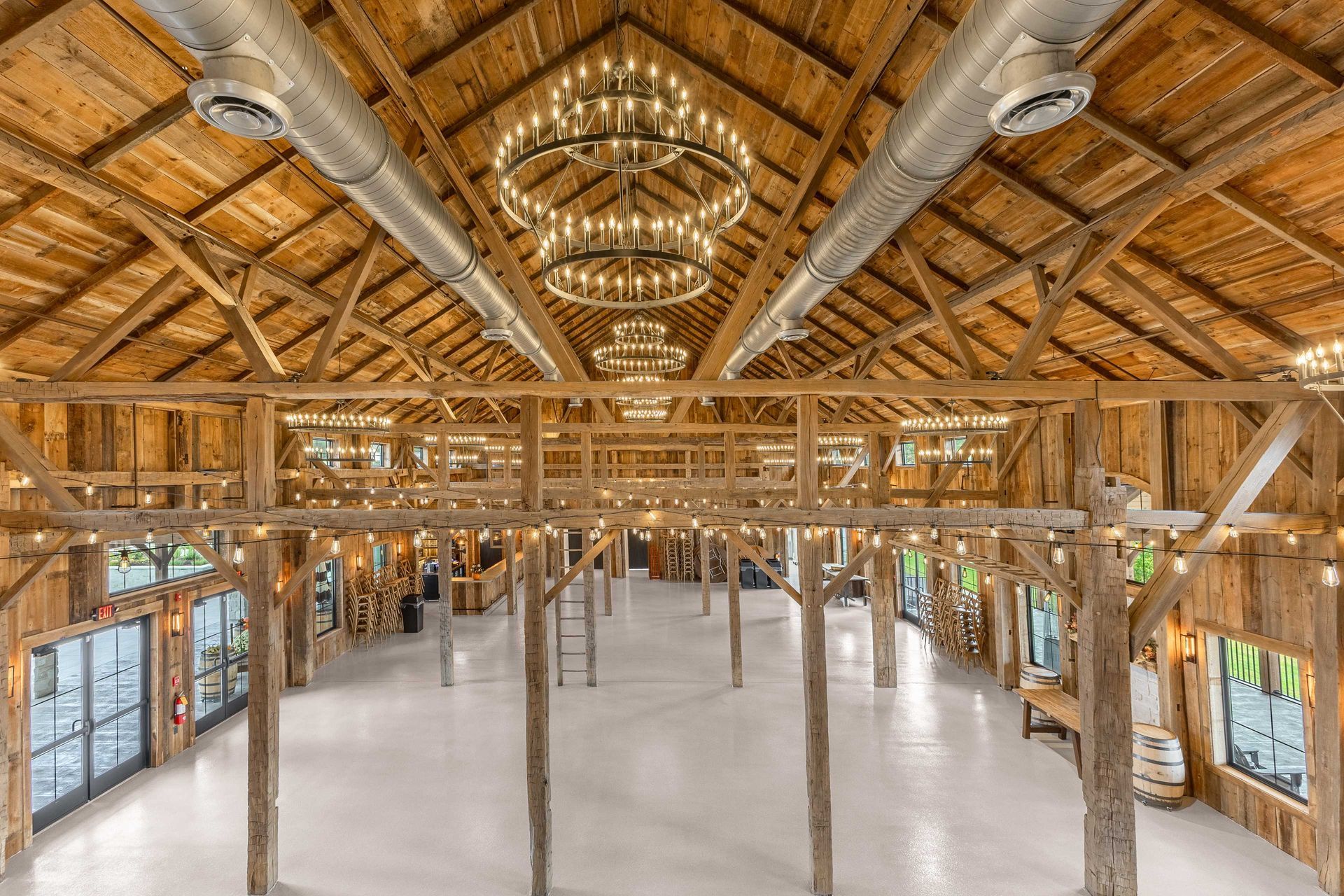
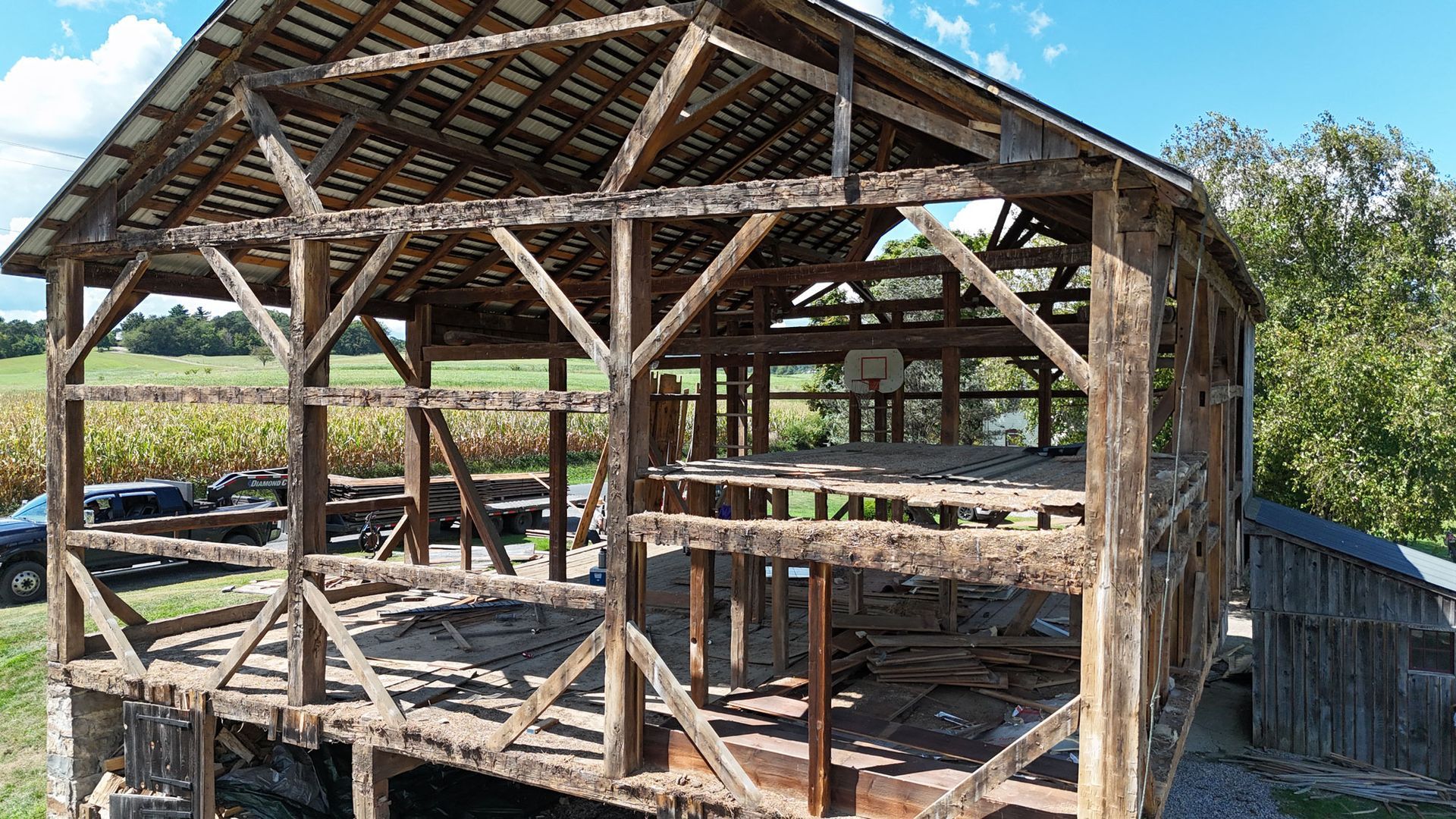
There’s somethin’ honest about an old barn. You can see the history in its bones, the massive, hand-hewn timbers that have stood against wind and weather for a hundred years or more. Turning one of these agricultural cathedrals into a place you can call home is a special kind of work. It’s more than a renovation; it's about givin’ a piece of history a new lease on life.
Tackling a barn to heritage home transformation is a big undertaking, but it’s one of the most rewarding jobs a person can do. You’re not just building walls and putting on a roof. You’re weaving a new story into an old one, blending rustic soul with modern comfort. This guide will walk you through the process, from kicking the dirt on a potential site to settlin' into your finished heritage home.
First Things First: Sizing Up the Structure
Before you let your imagination run wild, you need to get a clear-eyed look at what you’re workin’ with. A lot of old barns have been left to the elements, and they can have problems that ain't just skin deep.
Check the Bones
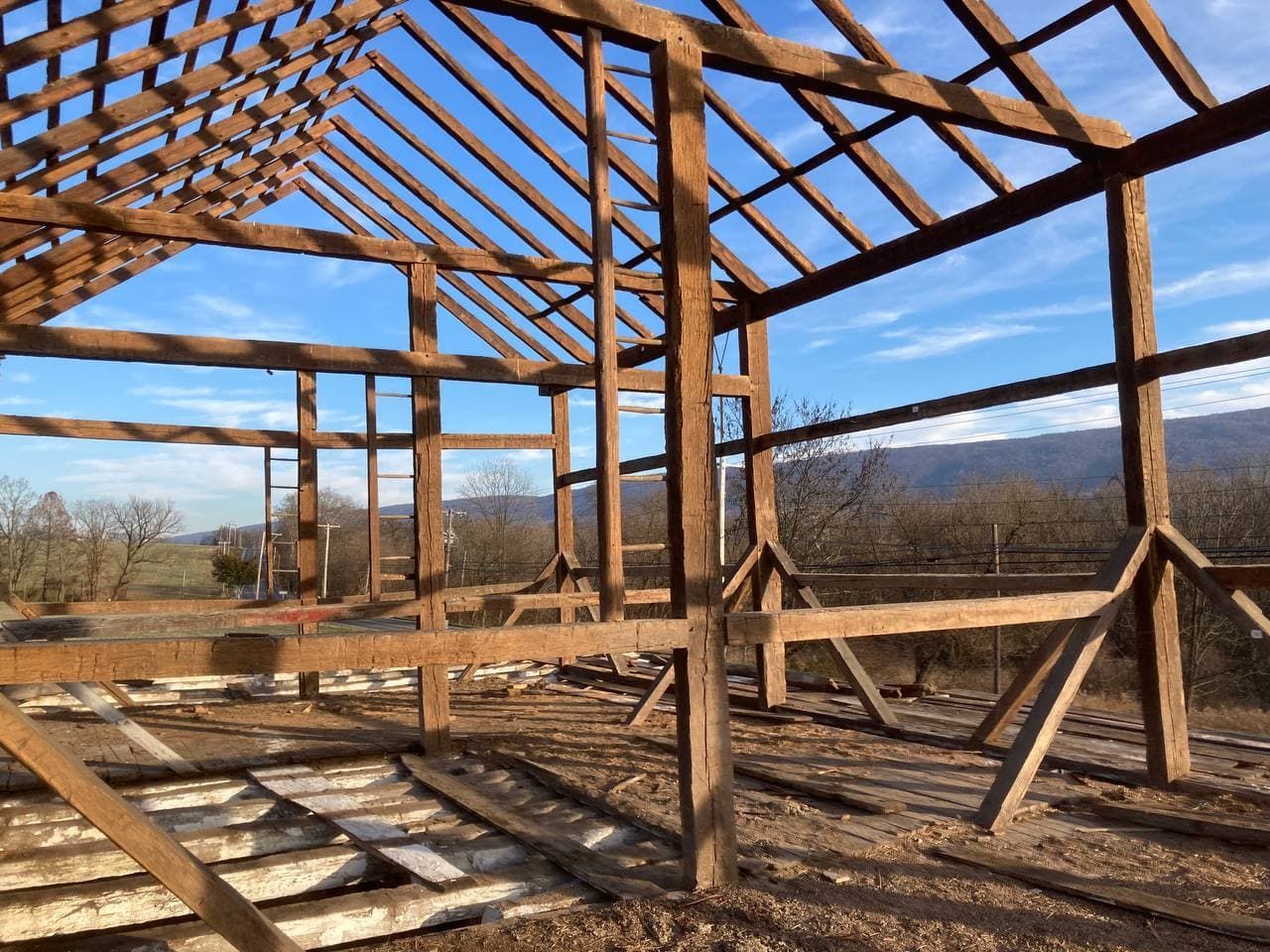
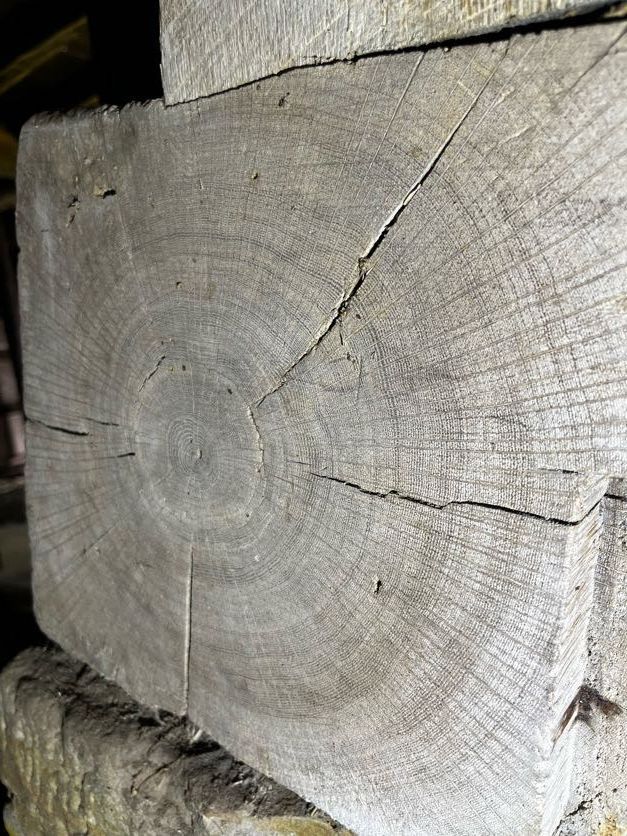
The timber frame is the heart of the barn. Look at the main posts and beams. Are they solid, or do you see signs of rot or insect damage? Powderpost beetles and termites can turn a mighty beam into sawdust. A little damage can be fixed, but widespread issues can be a deal-breaker.
Look at the Foundation
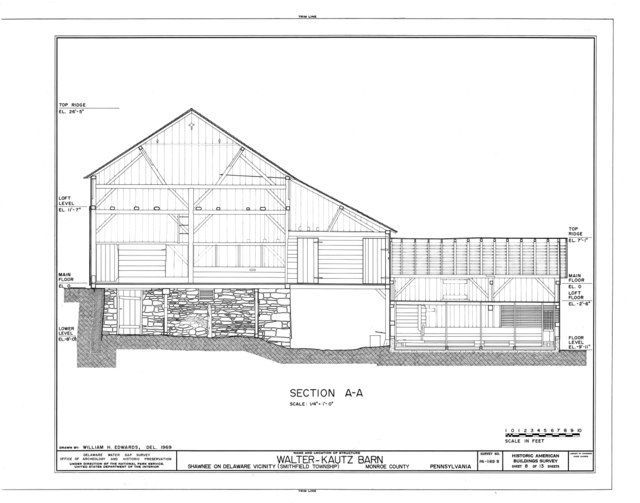
Most old barns sit on a dry-laid stone foundation. Over the years, water and frost can shift those stones, causing the whole structure to sag. A shaky foundation is a big problem that needs a big fix, often involving jacking up the entire barn to pour a new concrete footing.
The Roof and Siding
Take a look at the roof. Is it letting water in? Water is the biggest enemy of an old wooden structure. It causes rot in the rafters and can warp the walls. The siding might look weathered and beautiful, but you need to see if it’s still doing its job of keeping the weather out.
A Step-by-Step Guide
Once you’ve got a solid barn to work with, the real work of the barn-to-heritage-home transformation begins.
Step 1: Design and Permitting
This ain’t just about sketching a floor plan on a napkin. You need a professional architect or designer who understands old structures. The goal is to create a livable space without losing that wide-open, soaring feeling that makes a barn special. You'll need to figure out where to put bedrooms, bathrooms, and a kitchen without cluttering up the main space.
At the same time, you’ll need to wrangle with local zoning and building codes. Turning a building meant for livestock into a home for people requires permits, and every county has its own set of rules. Get this sorted out early to avoid headaches down the road.
Step 2: Structural Reinforcement
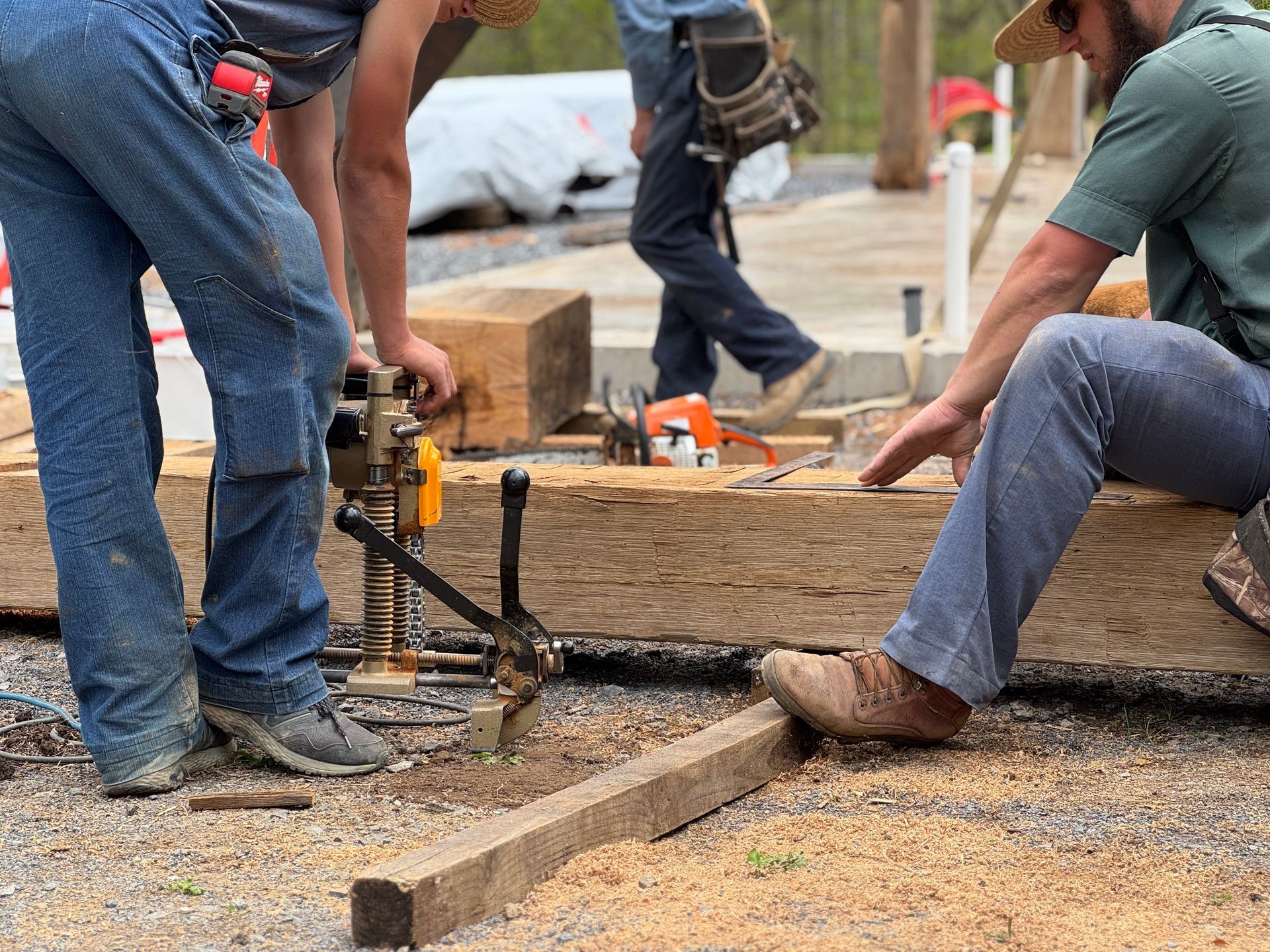
Now it’s time to make sure the barn is strong enough for another century. This might involve replacing rotted posts, reinforcing the frame, or, as mentioned, rebuilding the foundation. It's dusty, heavy work, but it’s the most important part of the job. A home is only as good as the frame that holds it up.
Step 3: Sealing the Envelope
Barns were built to breathe, not to be energy-efficient. To make it a comfortable home, you need to seal it up tight. A popular method is to wrap the exterior in Structural Insulated Panels (SIPs). These panels provide insulation and a weather barrier all in one, and they let you keep the original timber frame exposed on the inside. This is how you get a warm, draft-free home that still shows off its history.
Step 4: Installing Modern Systems
This is where the old meets the new. You'll need to run plumbing for kitchens and bathrooms, wire the whole place for electricity, and install an HVAC system for heating and cooling. The challenge is to hide all this modern machinery without compromising the rustic look. A good craftsman can route pipes and wires in a way that keeps them out of sight.
Step 5: Interior Finishing
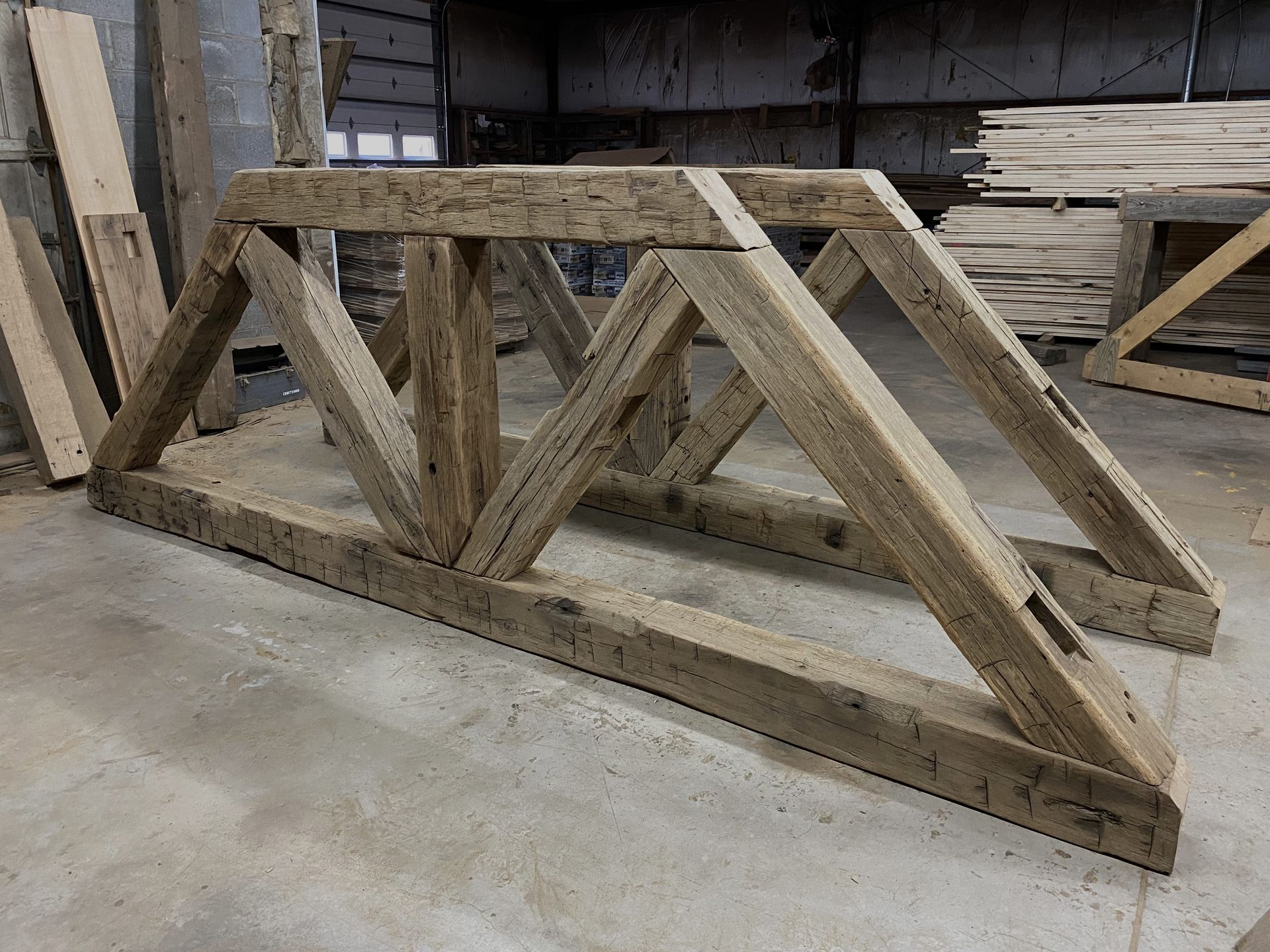
Here’s where your vision really comes to life. The floors, the walls, the fixtures, it all comes together. Many folks choose to use reclaimed wood from other old structures to maintain that authentic feel. Laying down flooring, putting up interior walls (sparingly!), and building out the kitchen are the final major steps before you can move in.
Bay & Bent: Masters of the Craft
Breathing new life into old wood is what we do. At Bay & Bent, we're not just builders; we’re custodians of history. We specialize in timber frame restoration and using reclaimed wood to create spaces that are both beautiful and true to their roots. A barn-to-heritage-home transformation isn’t a job for just any contractor. It takes a deep respect for the materials and a steady hand.
We know how to read the story in a piece of timber and how to honor its character. If you’ve got a dream of turning an old barn into a home, you need a partner who understands the soul of the work. Give us a call, and let’s talk about how we can build your heritage.
Frequently Asked Questions
What's the biggest challenge in a barn conversion?
The biggest hurdle is usually structural. Many old barns have foundation issues or have suffered water damage over the years. Assessing the structural integrity from the get-go is critical. Underestimating these problems can lead to major budget overruns.
How much does a barn-to-heritage-home transformation cost?
That’s like asking how long a rope is. The cost varies wildly depending on the condition of the barn, the size, and the level of finish you want. It can be more expensive than building a new house from scratch because of the specialized labor required to deal with an old structure.
Can I keep the original barn doors?
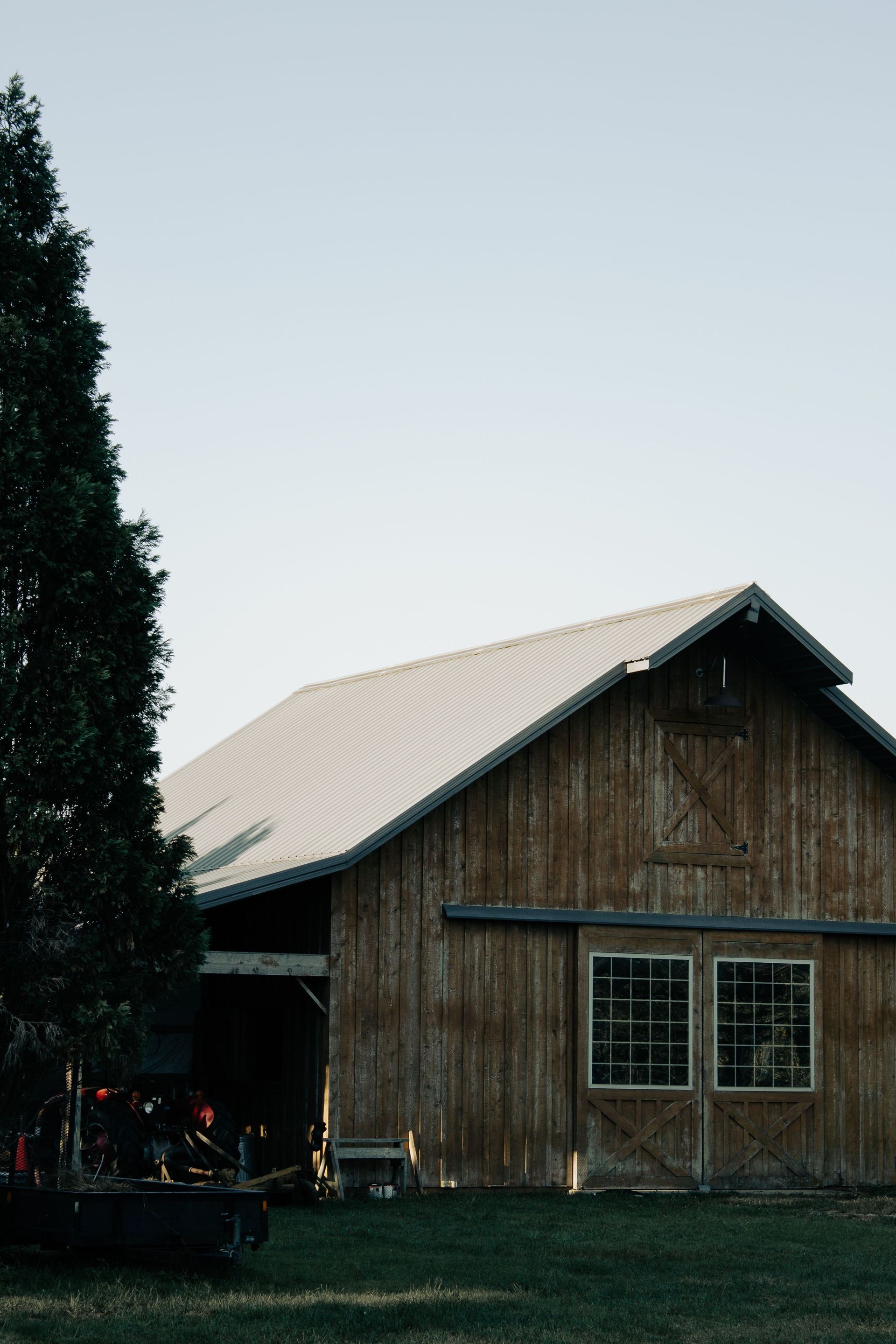
Absolutely. Many people incorporate the large sliding doors as a key feature, often behind a modern glass wall. It’s a great way to blend the old function with new form and create a stunning indoor-outdoor connection.
How do you design a floor plan for such an open space?
The key is to resist the urge to fill it with walls. Use "zones" for different activities. A great room can have a living area, a dining area, and a kitchen that all flow together. Lofts are often used for bedrooms to keep them private while still overlooking the main living space.
A barn to heritage home transformation is a journey. It takes patience, a good team, and a love for things that were built to last. The end result is more than just a house; it’s a home with a story etched into every beam.