Top Trends in Timber Frame Structural Engineering for 2026
Innovations shaping the future of timber frame engineering
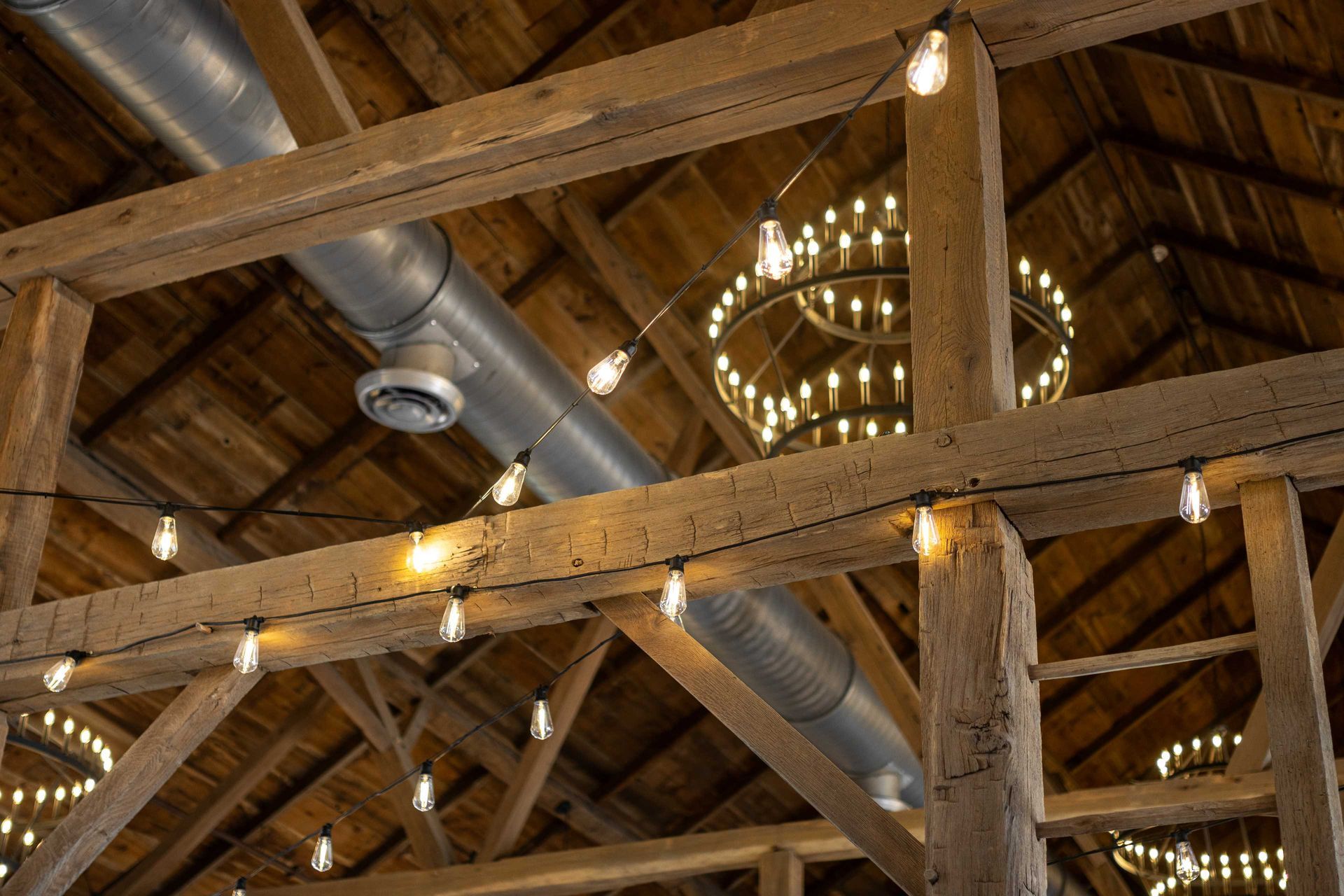
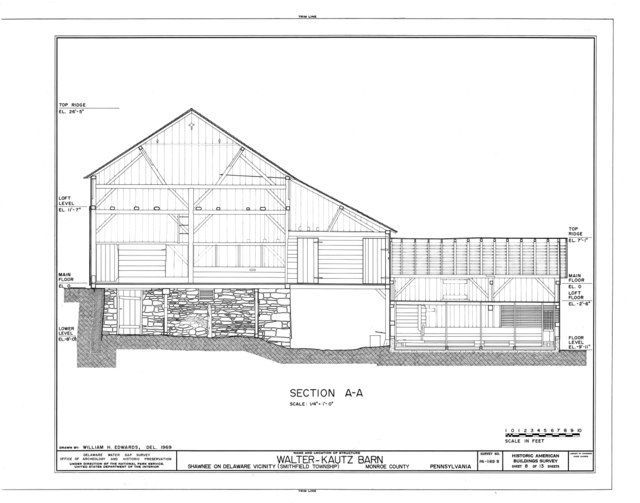
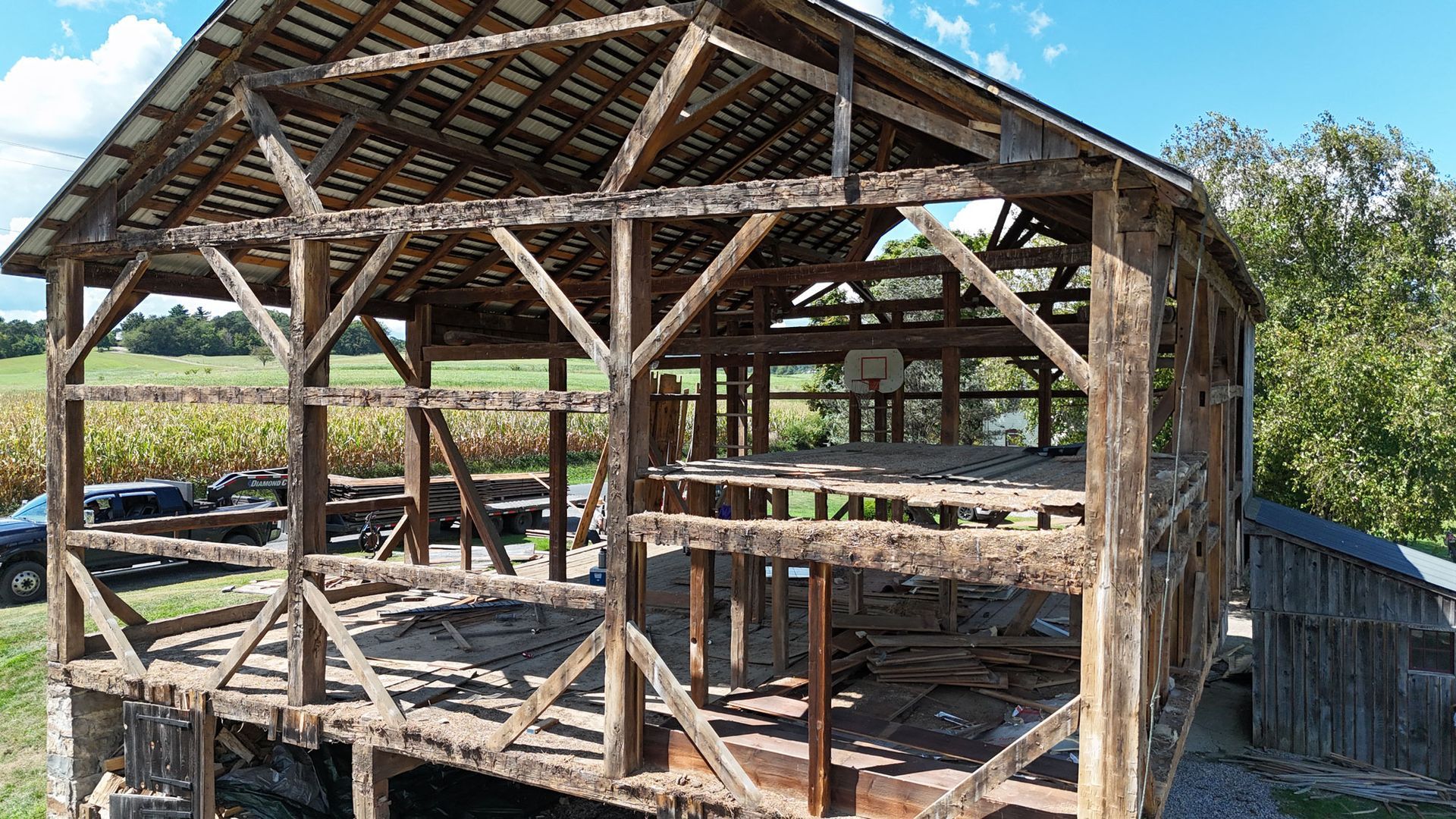
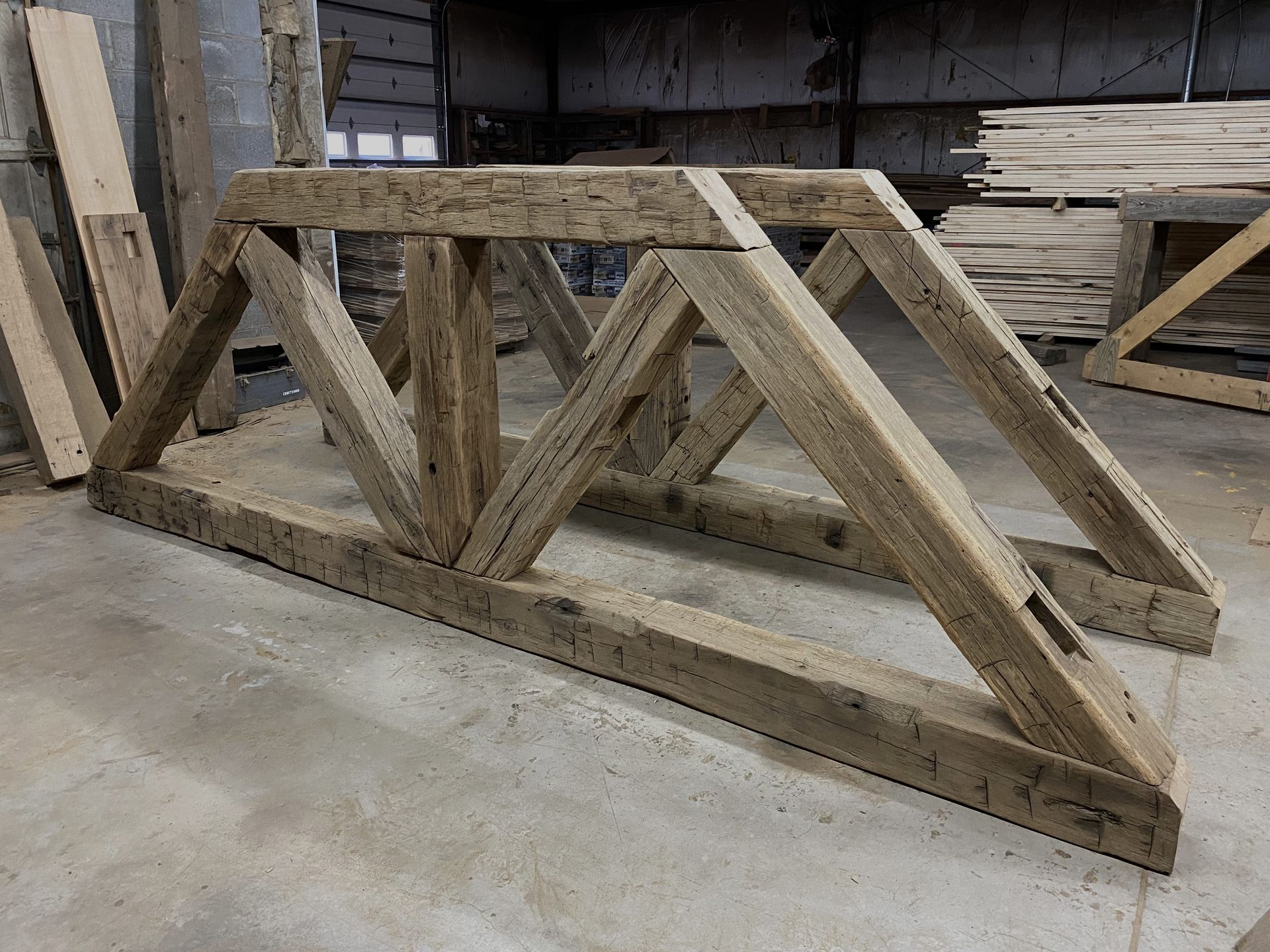
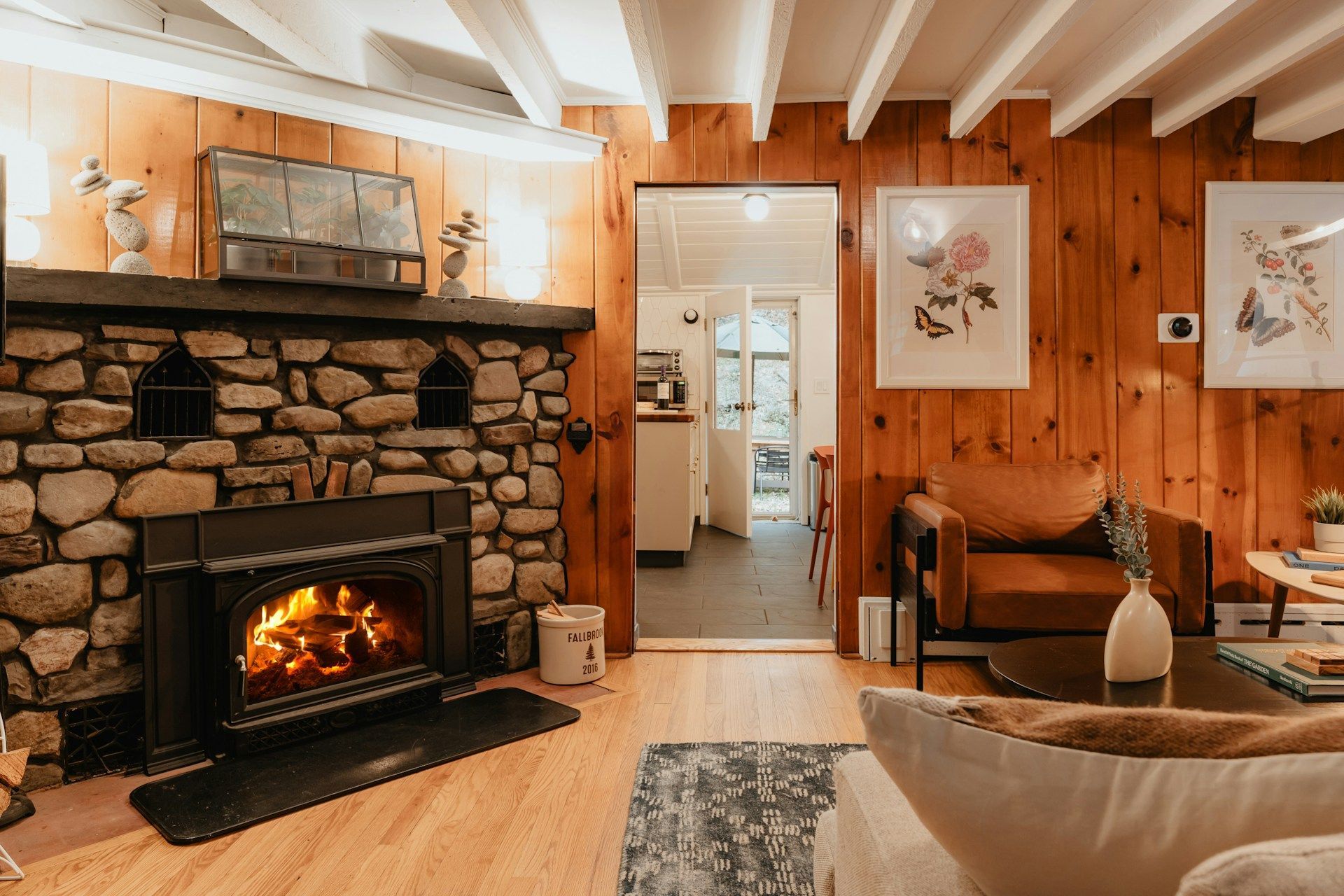
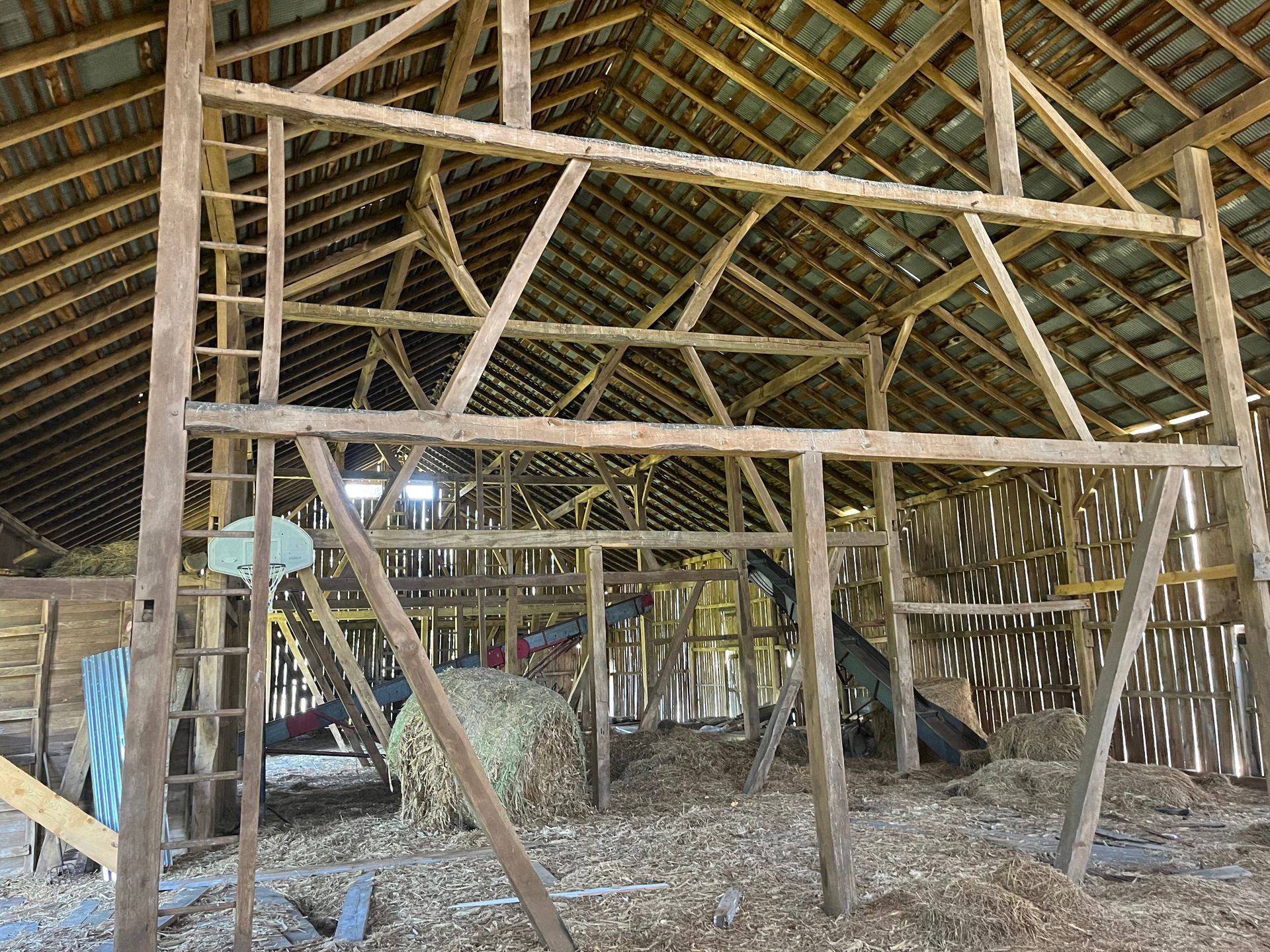
There is a quiet strength in a well-built timber frame that you just do not get from standard stick-built construction. When you walk into a room held up by massive, exposed wooden beams, you feel the bones of the building. It is honest, hard-working, and built to outlast us all. But just because we honor the old ways of mortise and tenon joinery does not mean we are stuck in the past.
As we ride into 2026, the way we design and build these magnificent structures is evolving. We are blending rugged craftsmanship with high-tech precision. If you are planning a build, you need to know how timber frame structural engineering is shifting to meet modern demands for efficiency, sustainability, and rock-solid durability.
Let us dust off our boots and take a hard look at the trends, innovations, and heavy-lifting techniques shaping the frontier of timber construction this year.
The Core of Timber Frame Structural Engineering in 2026
Timber frame structural engineering is the backbone of any reliable wood structure. It is the careful science of calculating load paths, shear strength, and connections to ensure a building can stand tall against heavy snows, howling winds, and the test of time.
Today, engineers and craftsmen are pushing the boundaries of what wood can do. We are taking the natural strength of timber and pairing it with advanced manufacturing, hybrid material integration, and smarter design software. The result? Buildings that go up faster, perform better, and look absolutely stunning.
Top Trends Shaping the Frontier
1. Hybrid Designs Joining Forces
You do not always have to rely solely on wood to get the job done right. One of the biggest trends we see in 2026 is the rise of hybrid designs. This means bringing together heavy timber with structural steel, concrete, or even conventional framing where it makes the most sense.
By integrating these materials, engineers can span wider open spaces and handle heavier loads without sacrificing the rustic beauty of the exposed wood. Steel gusset plates and hidden custom connectors allow us to marry these materials seamlessly. It gives you the warmth of a classic timber lodge with the industrial muscle of a modern commercial build.
2. Off-Site Prefabrication for Dead-On Precision
Out on the job site, time is money, and the weather is unpredictable. That is why smart builders are taking the heavy lifting indoors. Prefabrication is dominating timber frame structural engineering right now.
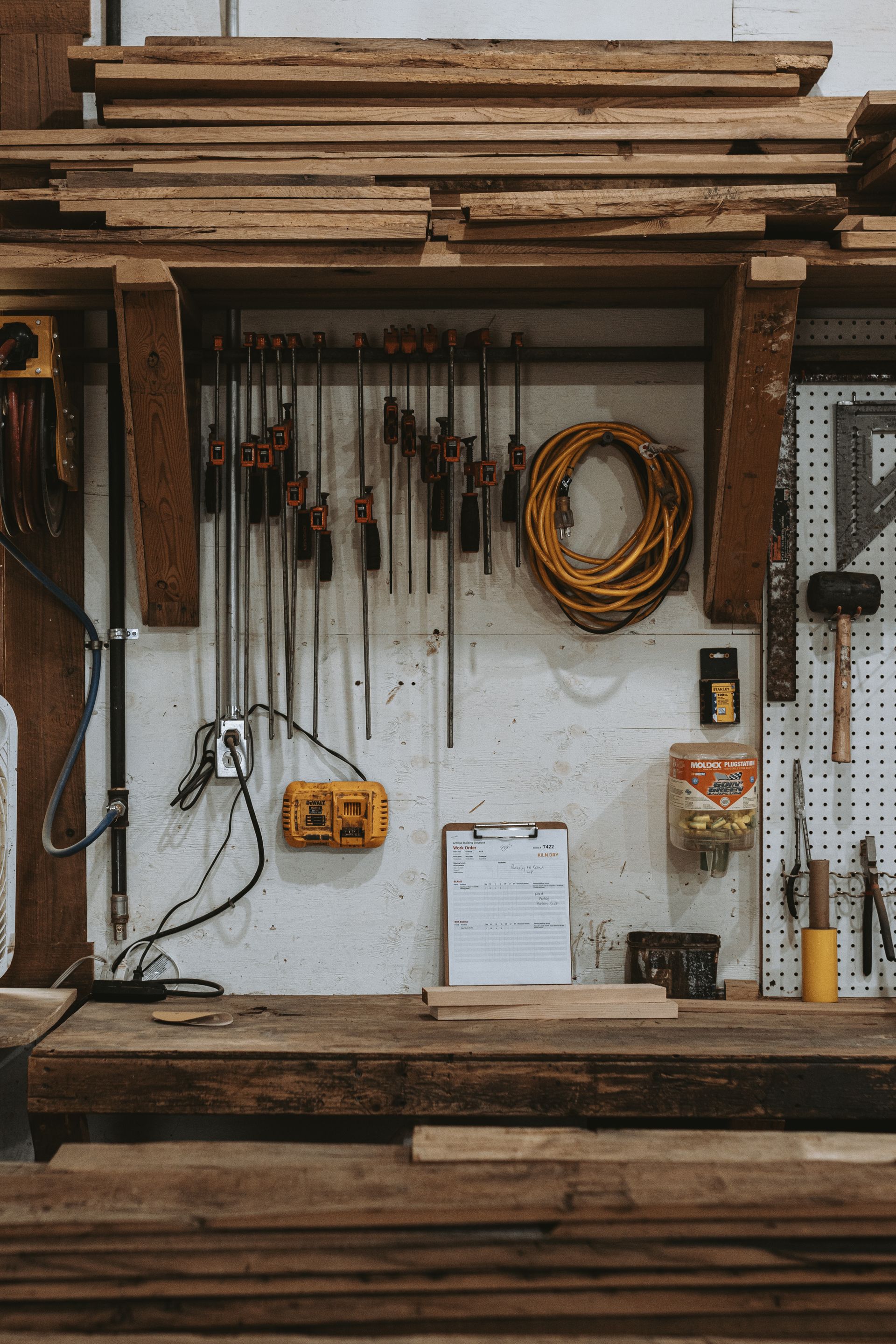
Using advanced CNC (Computer Numerical Control) machines in a controlled shop environment, we can cut massive timbers to razor-thin tolerances. Every joint, peg hole, and notch is crafted with exact precision before the wood ever leaves the yard. When those timbers finally arrive on your dirt, they fit together like a well-oiled saddle.
This approach cuts down on site waste, speeds up the raising process, and ensures a level of quality that is hard to match out in the elements.
3. Wrapping the Frame in SIPs
A sturdy frame needs a good coat to keep out the cold. Structural Insulated Panels (SIPs) are the go-to choice for enclosing timber frames in 2026. A SIP is essentially a thick layer of high-performance insulating foam sandwiched between two rigid structural boards.
When you wrap a timber frame in SIPs, you get a continuous, airtight envelope that keeps the interior comfortable no matter what the thermometer reads outside. Because the panels sit on the outside of the frame, the beautiful woodwork remains fully exposed on the inside. It is a highly energy-efficient solution that works hand-in-hand with modern engineering standards to lower heating and cooling costs.
4. Harnessing Mass Timber for Bigger Builds
While traditional heavy timber framing focuses on large, solid logs, mass timber is making huge waves for larger commercial and multi-story residential builds. Products like Cross-Laminated Timber (CLT) and Glued Laminated Timber (glulam) involve engineering smaller pieces of wood together to create massive, incredibly strong structural panels and beams.
Timber frame structural engineering has fully embraced mass timber because it allows us to build taller and wider than ever before. These engineered wood products offer exceptional dimensional stability, meaning they resist warping and shrinking as the seasons change.
5. Sinking Carbon with Sustainable Forestry
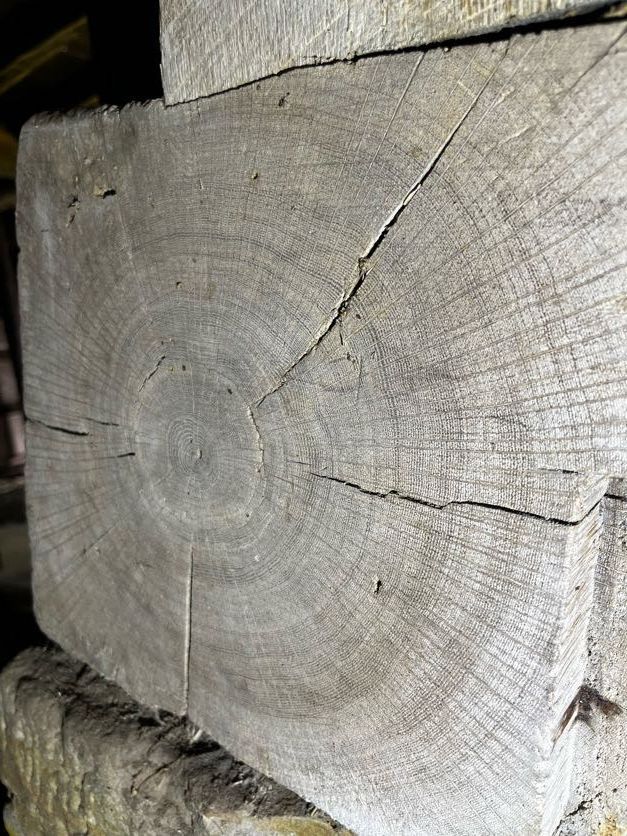
Folks are paying closer attention to the footprint they leave behind. Wood is the only major building material that actively pulls carbon out of the air while it grows. When we harvest mature trees responsibly and turn them into sturdy frames, we lock that carbon away for a century or more.
In 2026, sustainable sourcing is not just a buzzword; it is a fundamental part of the engineering process. Builders are prioritizing materials like Douglas fir and white pine sourced from well-managed forests. Replanting efforts ensure that we are growing tomorrow's timber while building today's homes.
Build It Right with Bay and Bent
If you want a timber frame that stands strong and true, you need a crew that knows wood down to its very grain. At Bay and Bent, we pride ourselves on blending the rugged, time-tested traditions of heavy timber crafting with top-tier engineering.
We do not cut corners, and we do not settle for "good enough." Whether you are looking to build a sweeping custom home, a sturdy party barn, or a commercial space with genuine character, we bring the expertise to make it happen. Our team understands the intricate details of timber frame structural engineering, ensuring that every mortise, tenon, and beam is engineered to endure.
When you partner with Bay and Bent, you are getting honest craftsmanship, hard work, and a structure you will be proud to hand down to the next generation.
Frequently Asked Questions (FAQs)
How does timber frame structural engineering handle fire safety?
It might sound backward, but heavy timber is incredibly fire-resistant. When a large wooden beam is exposed to fire, the outside layer burns and forms a thick layer of char. This char actually insulates the inner wood, cutting off the oxygen supply and slowing down the burning process. Unlike steel, which can quickly warp and buckle under intense heat, a heavy timber frame maintains its structural integrity for a remarkably long time. Engineers specifically calculate this "char rate" to ensure buildings meet or exceed strict fire safety codes.
What is the real difference between heavy timber and mass timber?
Heavy timber construction uses large, solid pieces of wood cut straight from the tree. We join these big timbers together using traditional mortise and tenon joinery held tight with wooden pegs. It is perfect for custom homes, lodges, and large pavilions.
Mass timber, on the other hand, involves engineered products like CLT or glulam. We make these by gluing layers of smaller lumber together to form massive panels or beams. Mass timber is typically used for large-scale commercial buildings, schools, and multi-story structures.
Can timber frames stand up to harsh weather and moisture?
Absolutely, provided you treat them right. A proper timber frame is engineered to manage the loads of heavy snow and the shear forces of high winds. When it comes to moisture, the key is keeping the wood protected from prolonged, direct exposure to the elements. Using generous roof overhangs and proper weather sealing keeps the frame dry. We also apply high-quality stains and protective coatings to exterior timbers to block UV rays and repel rain.
Does it take longer to build a timber frame home?
Usually, it is actually faster to get the structure up. Because the timber frame structural engineering and fabrication happen off-site in our shop, we arrive on your property ready to assemble. The groundwork and foundation happen while we are cutting the frame. Once the foundation is cured, a skilled crew can raise the entire timber frame in a matter of days or weeks, depending on the size. Wrapping it in SIPs also speeds up the enclosure process, getting you out of the weather much quicker than conventional stick framing.
Wrapping It Up
The frontier of construction is looking brighter than ever, and wood is leading the charge. The top trends for 2026 prove that you do not have to abandon the beauty of natural materials to build a high-performance, modern structure. By embracing hybrid designs, smart prefabrication, and energy-efficient enclosures, we are building homes and commercial spaces that perform just as hard as they look.
Timber frame structural engineering is all about respecting the material while applying the sharpest modern science to maximize its potential. It is a rugged, honest way to build. When you are ready to put stakes in the ground and raise a frame that will stand the test of time, find a team that respects the craft. Gather your plans, review your budget, and get ready to build something legendary.