The Benefits of Antique Timber Salvage and Reuse
The eco-friendly and aesthetic value of reclaimed wood
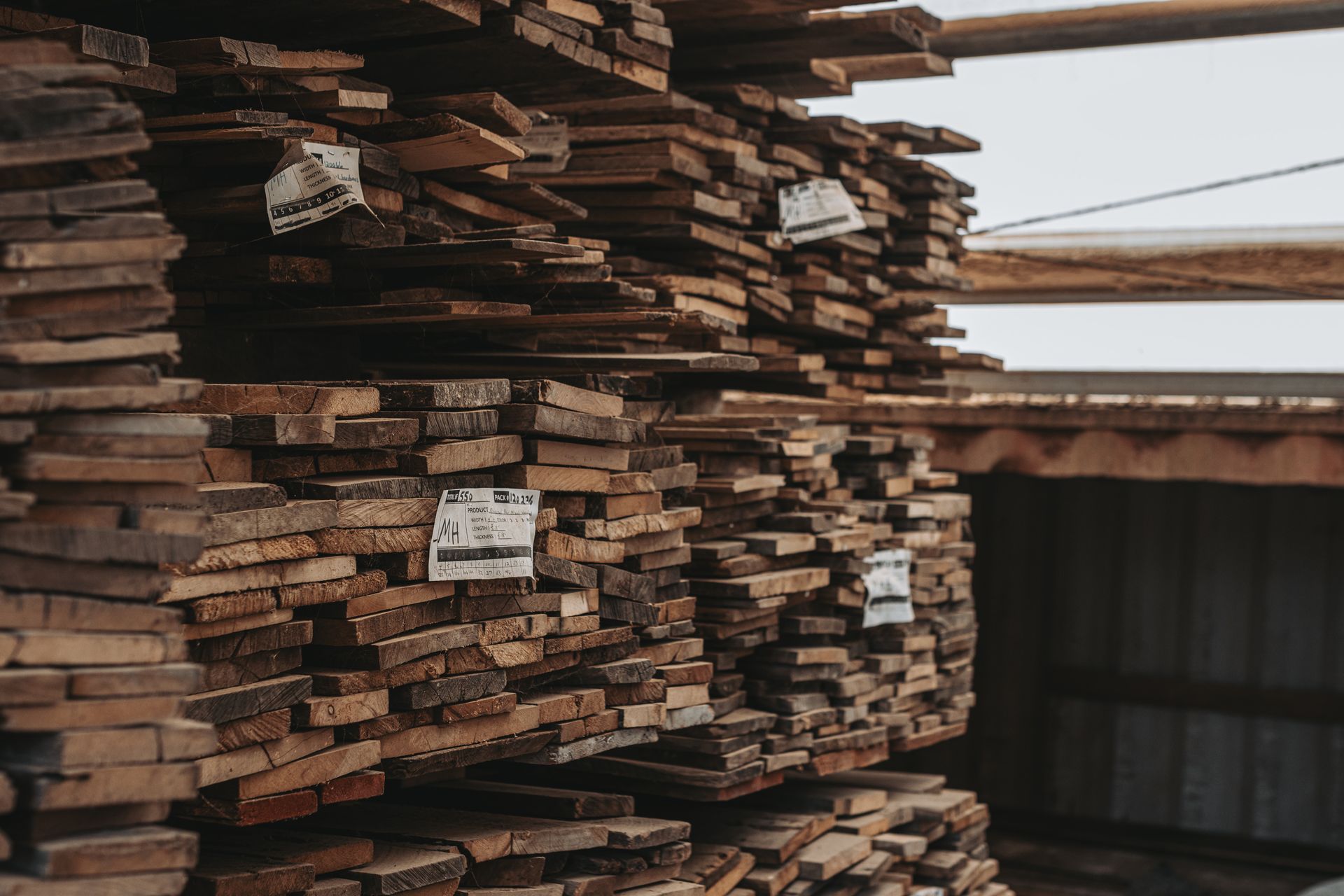
If you've worked with reclaimed timber, you already know what it does for a build. Structural integrity, real texture, a story attached to it. New lumber doesn't give you any of that.
Salvaging old barns and timber frames isn't a design trend we jumped on. It's just the right way to treat material that's already proven itself. When a structure comes down and that wood gets a second life, the space it ends up in feels different. Heavier, in a good way.
Benefits of Antique Timber Salvage and Reuse
Here's why we'd choose reclaimed timber over fresh-cut lumber every time.
It's Already Stable
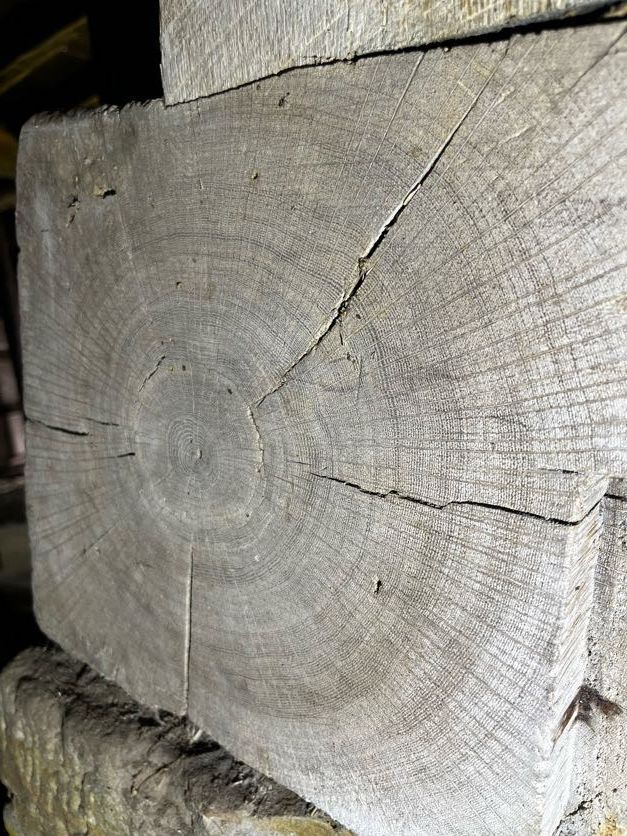
Old-growth trees grew slow, over a hundred years or more, so the grain is tighter and denser than anything coming out of a farmed lot today. That's the strength part.
But there's more to it. This wood has already gone through decades of seasons expanding, contracting, settling. Whatever movement it had, it's done. So when it shows up on your job site, it stays where you put it. No warping on you six months after install, no surprise splits. If you need timbers or flooring that behave, this is the wood that behaves.
You Can't Fake This Look
Sun and rain don't come in a can. Every nail hole and saw mark on a reclaimed beam is from actual work, actual decades. That's what gives a room warmth a factory finish can't touch.
We've had clients get genuinely excited that their mantel used to be part of a dairy barn from the 1800s. That connection matters to people. New pine and drywall don't carry it.
It's Better for the Land
Simple version: pulling usable lumber out of an old building keeps it out of a landfill, and it means one less tree cut down. Less demand for new logging, less carbon spent milling and hauling fresh lumber across the country. Some commercial projects even use reclaimed material to help hit green building certification requirements.
Use what's already standing before you cut down what isn't.
How Bay & Bent Handles It
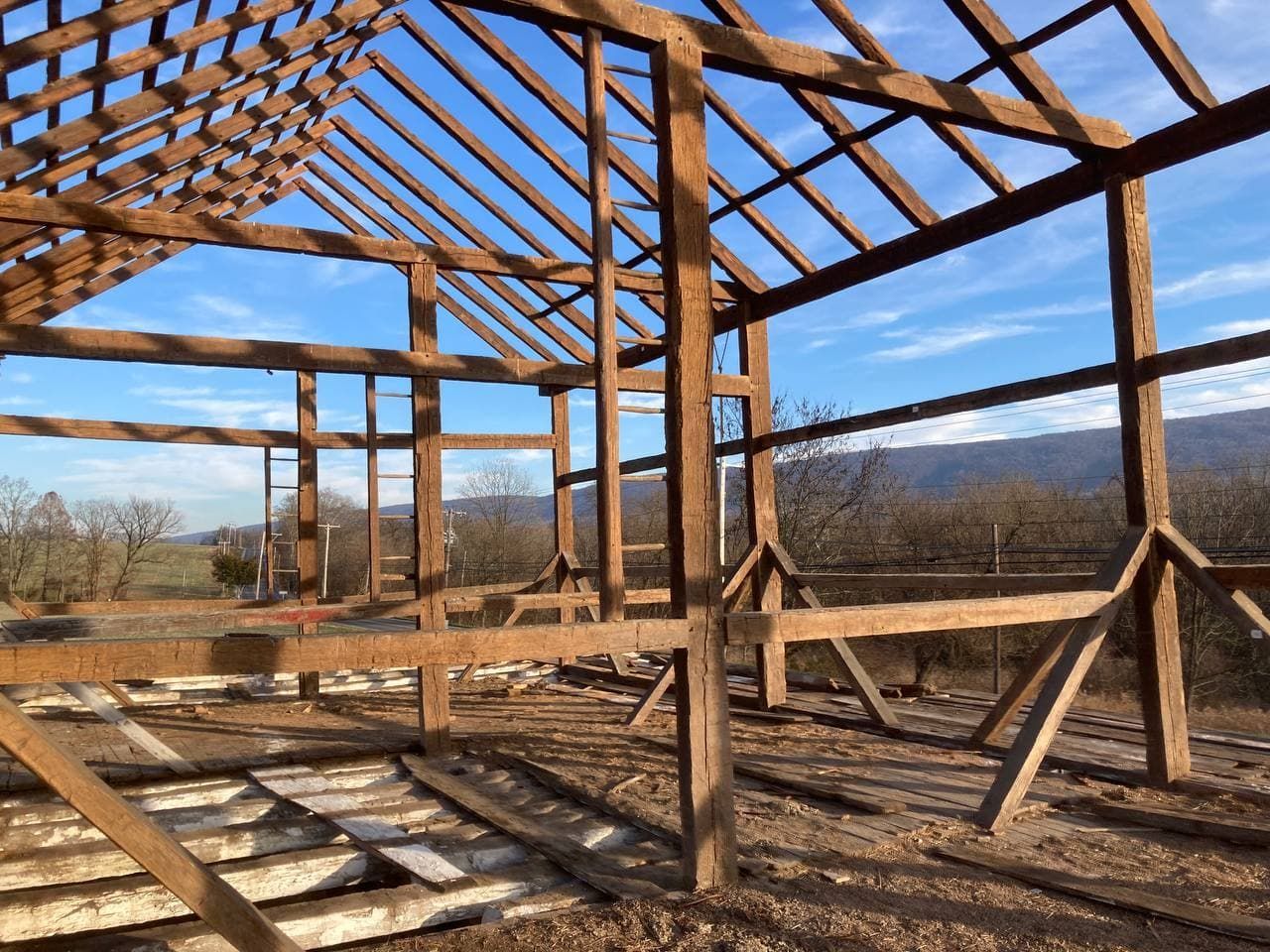
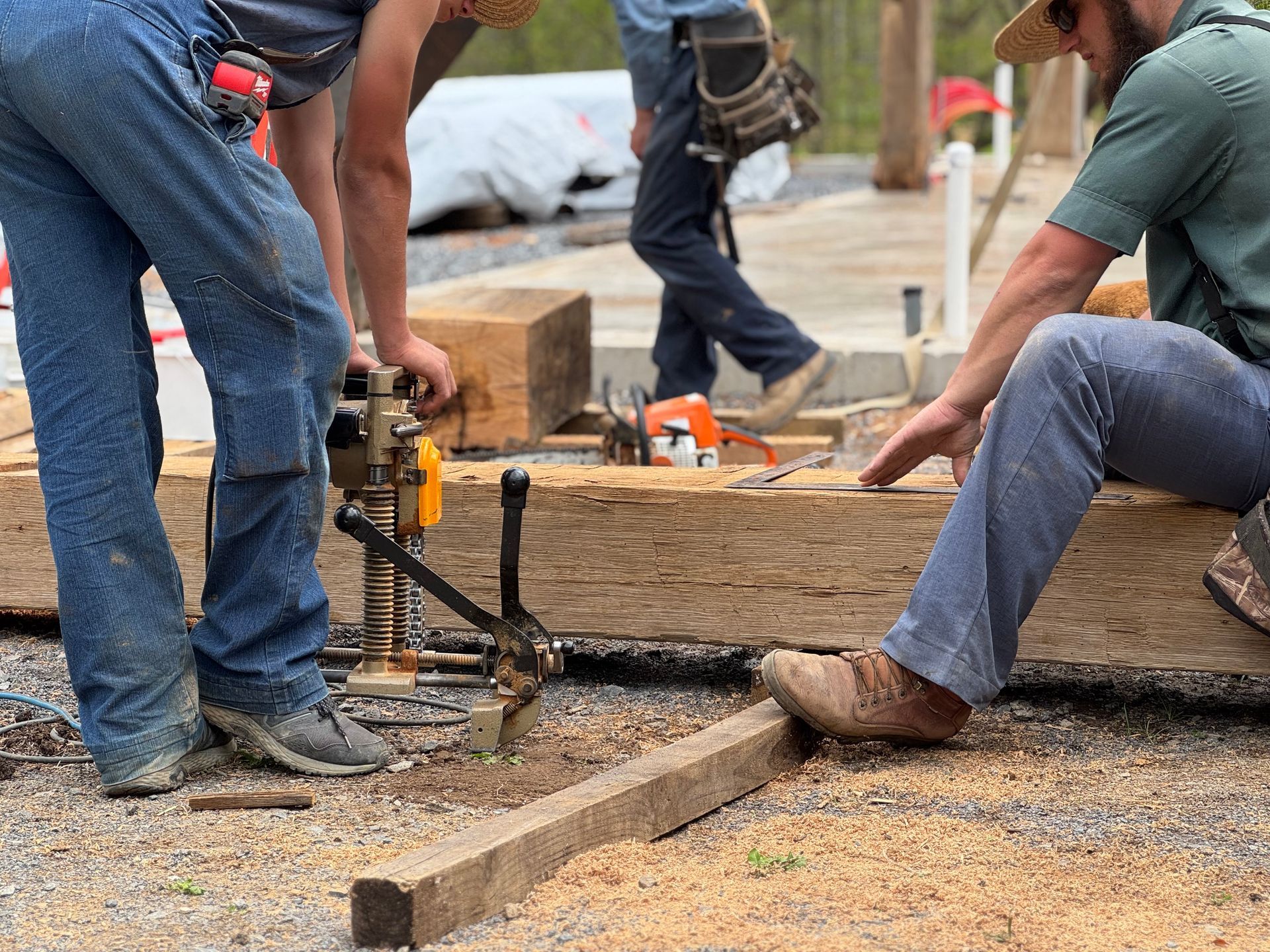
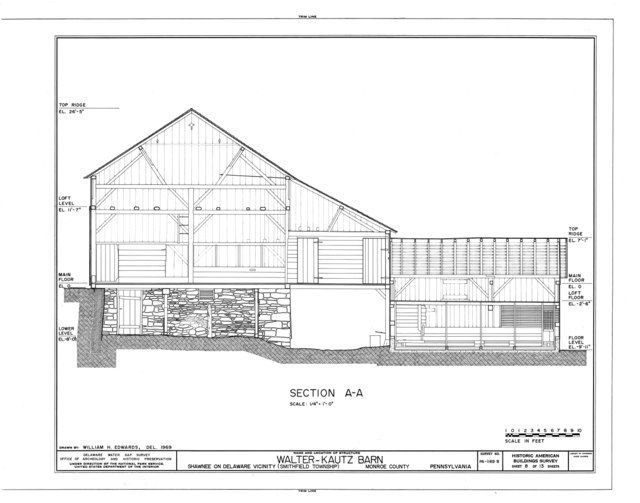
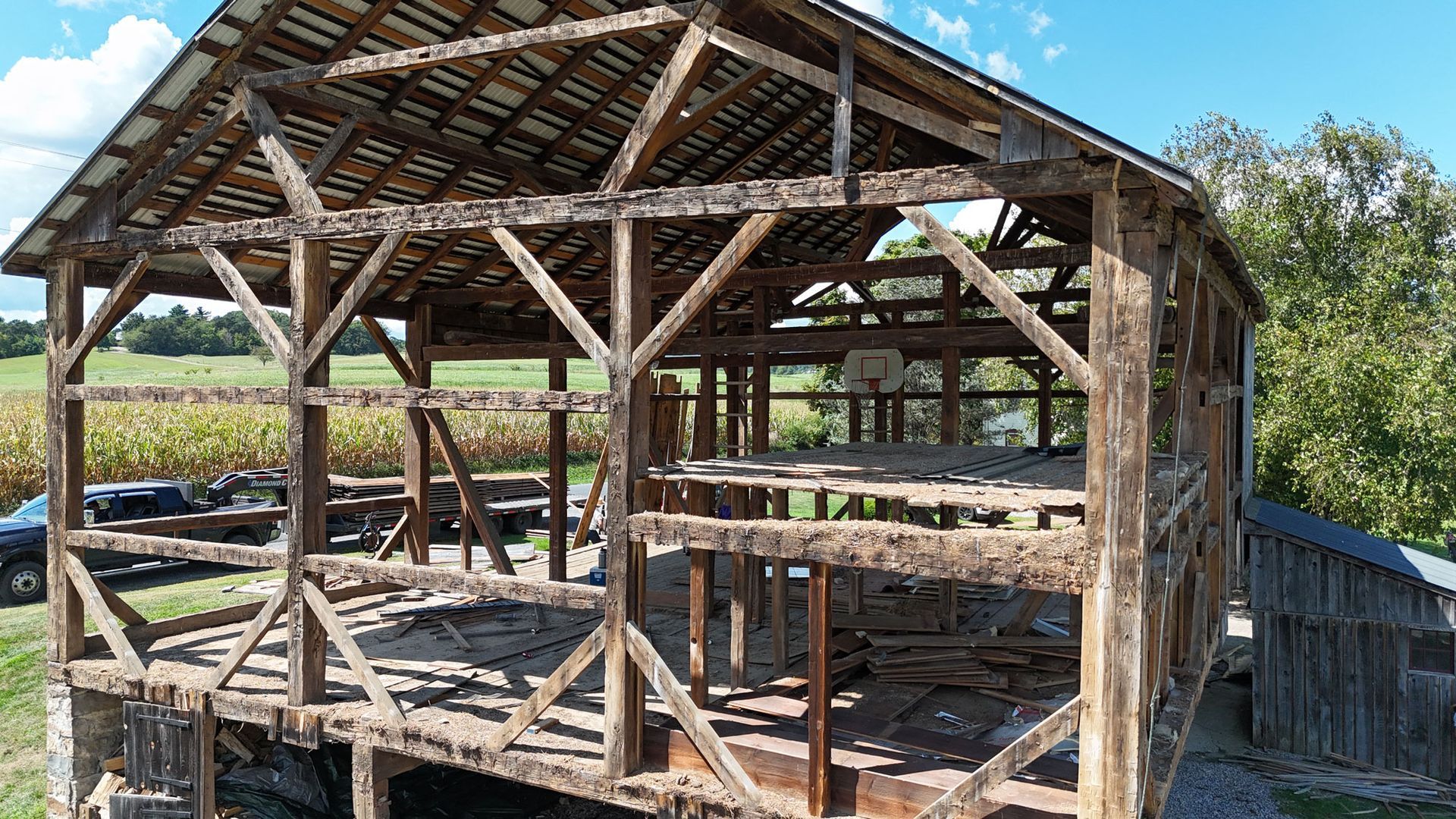
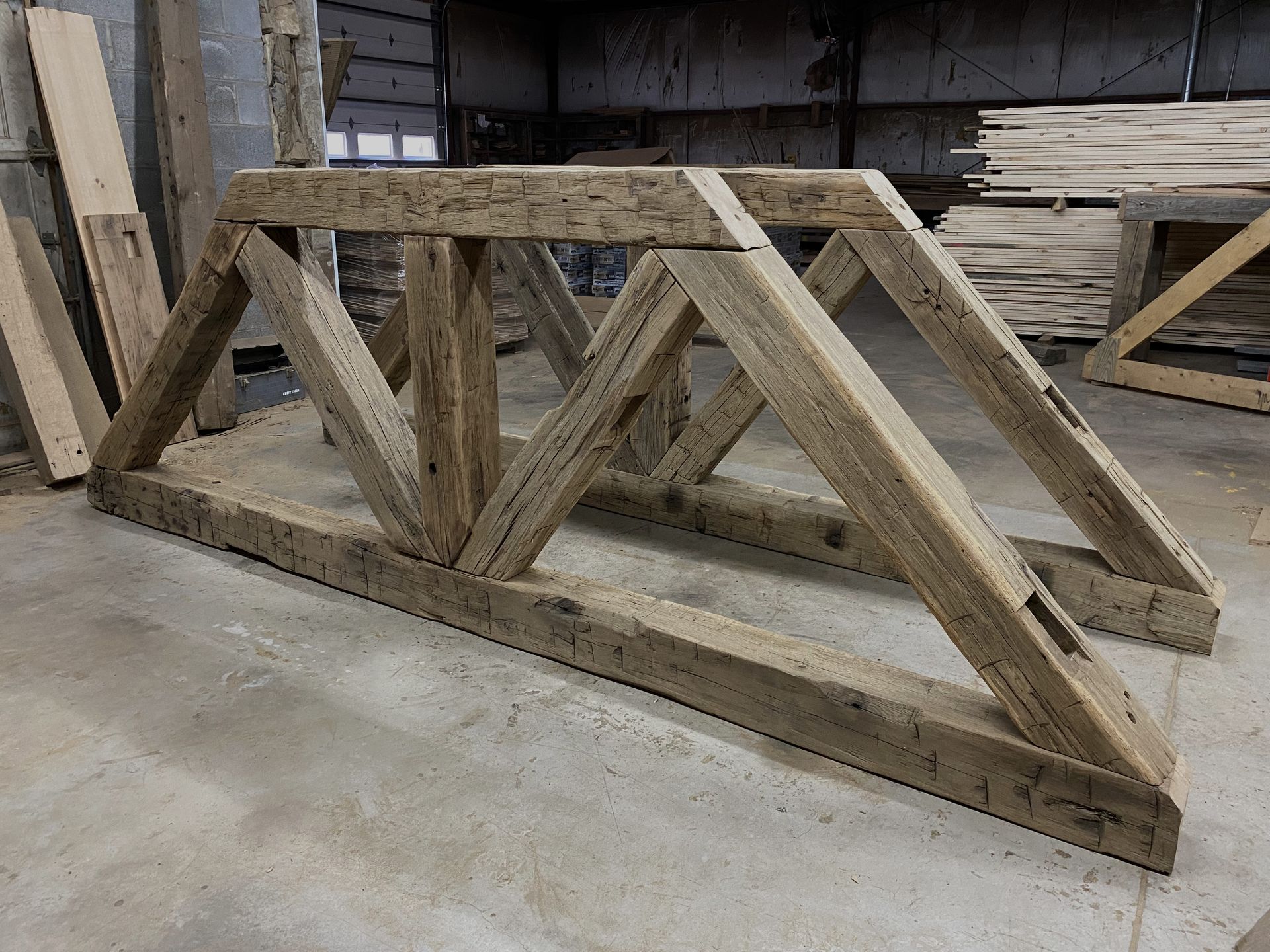
We don't just tear old barns apart. When we find one worth saving, we 3D scan it first to map out every joint and beam. Then we take it down by hand, piece by piece, and label everything before it leaves the site. It gets cleaned up and put back together with traditional joinery, not shortcuts.
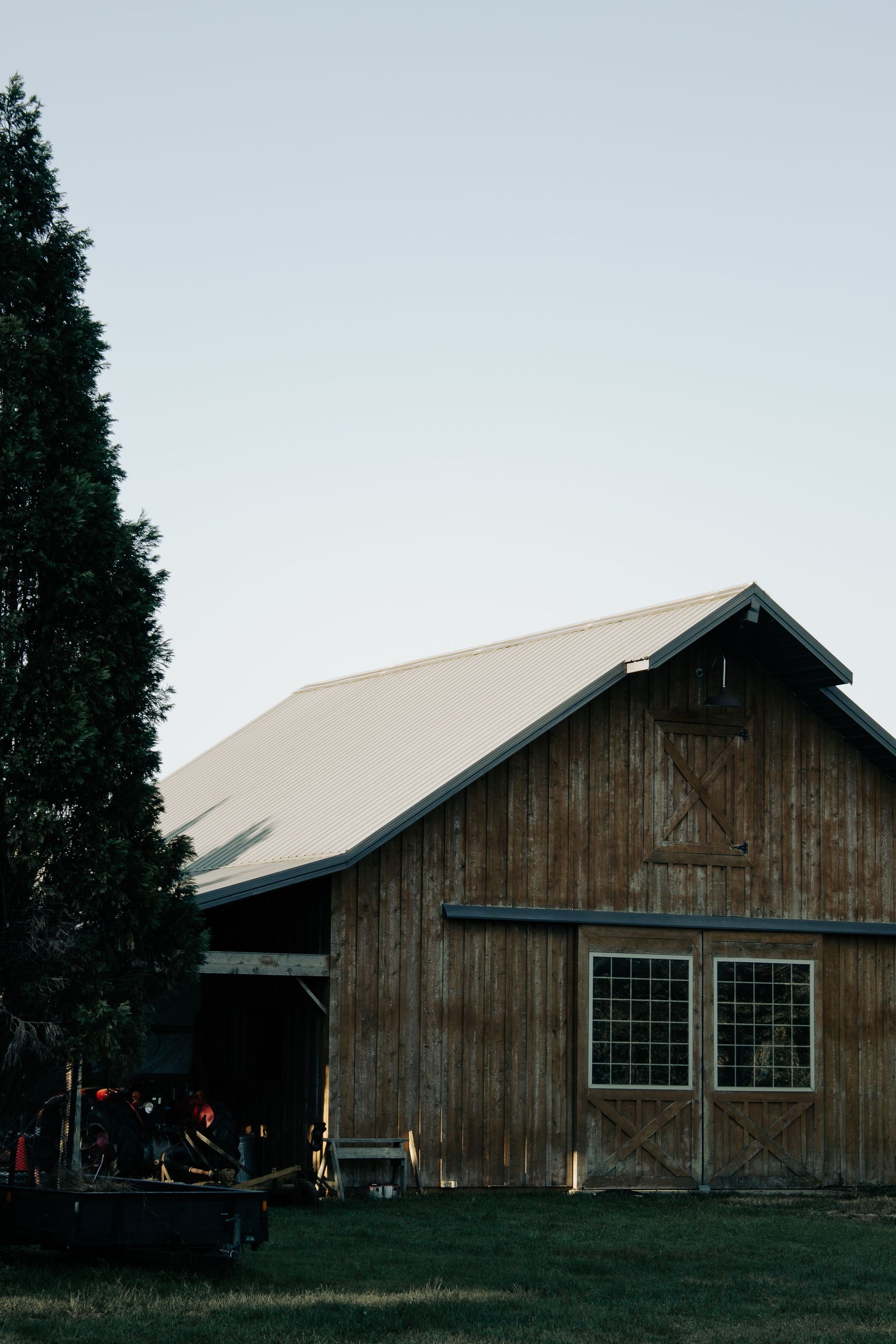
We work with architects, builders, and designers to re-erect these frames for heritage homes, wedding venues, and commercial spaces. If you've got a project that could use timber with some real history in it, reach out. We'll figure it out together.
Frequently Asked Questions (FAQs)
Where does antique salvaged timber come from?
Most of our reclaimed wood comes from old agricultural and industrial structures that have outlived their original purpose. We source heavy timbers, siding, and flooring from historic barns, old textile mills, factories, and warehouses. Rather than letting these incredible buildings rot and fall down, careful salvage crews dismantle them piece by piece so the lumber can serve a new generation.
Is reclaimed wood actually better for the environment?
Yes, without a doubt. Reclaiming wood stops usable building materials from clogging up landfills. It also actively reduces the logging of living trees, which preserves complex forest ecosystems and protects wildlife. Additionally, repurposing old wood uses significantly less energy than harvesting, milling, and kiln-drying brand-new lumber, which drastically lowers the carbon footprint of your building project.
How do builders use reclaimed timber today?
Builders and designers use salvaged wood for almost everything. Structurally, massive hand-hewn beams are used to support modern open-concept homes. Aesthetically, reclaimed boards are milled into durable hardwood flooring, exterior siding, and custom interior paneling. Craftsmen also use this wood to build heavy, long-lasting furniture, rustic mantels, and unique retail fixtures that give commercial spaces an authentic, welcoming atmosphere.
Build a Legacy That Lasts
Choosing your materials carefully separates a decent build from a masterpiece. Antique timber salvage and reuse offer builders and designers a way to create stunning, durable structures while doing right by the environment.
This wood has already proven it can stand the test of time. Now, it is up to you to give it a new purpose. Reach out to a reputable salvage partner, get your hands on some historic timber, and build something your clients will be proud to pass down to the next generation.