The History and Future of Logging in the US
The rugged history and bright future of logging in the US
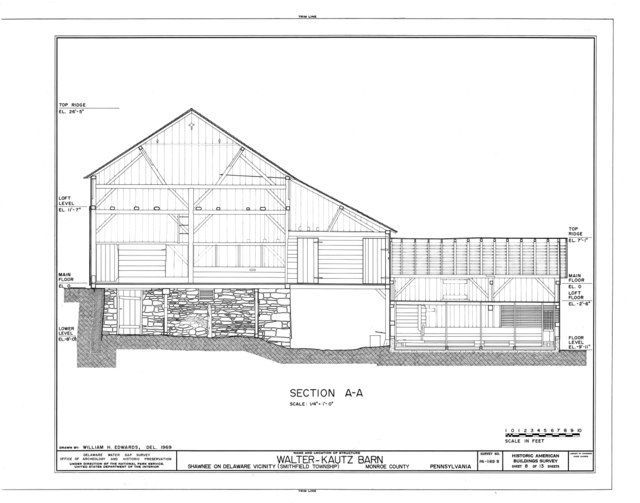
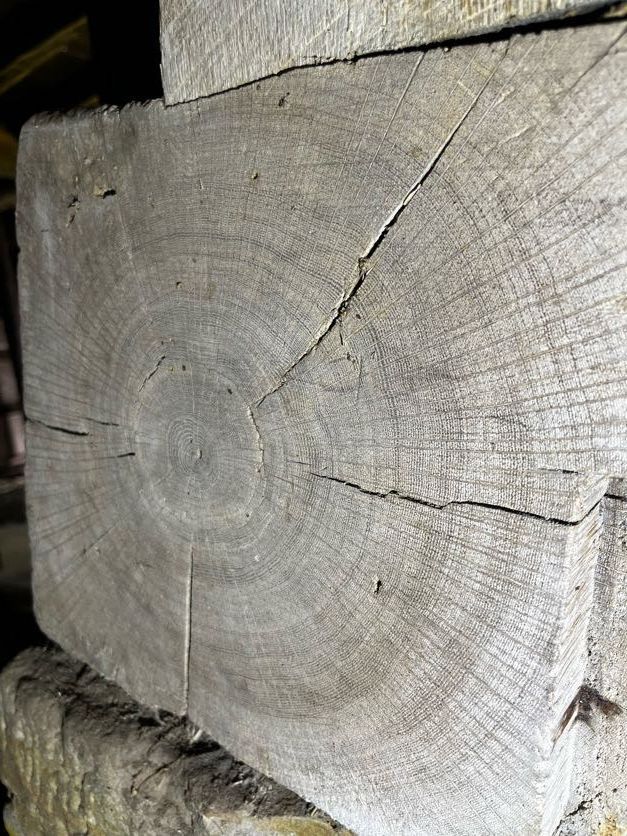
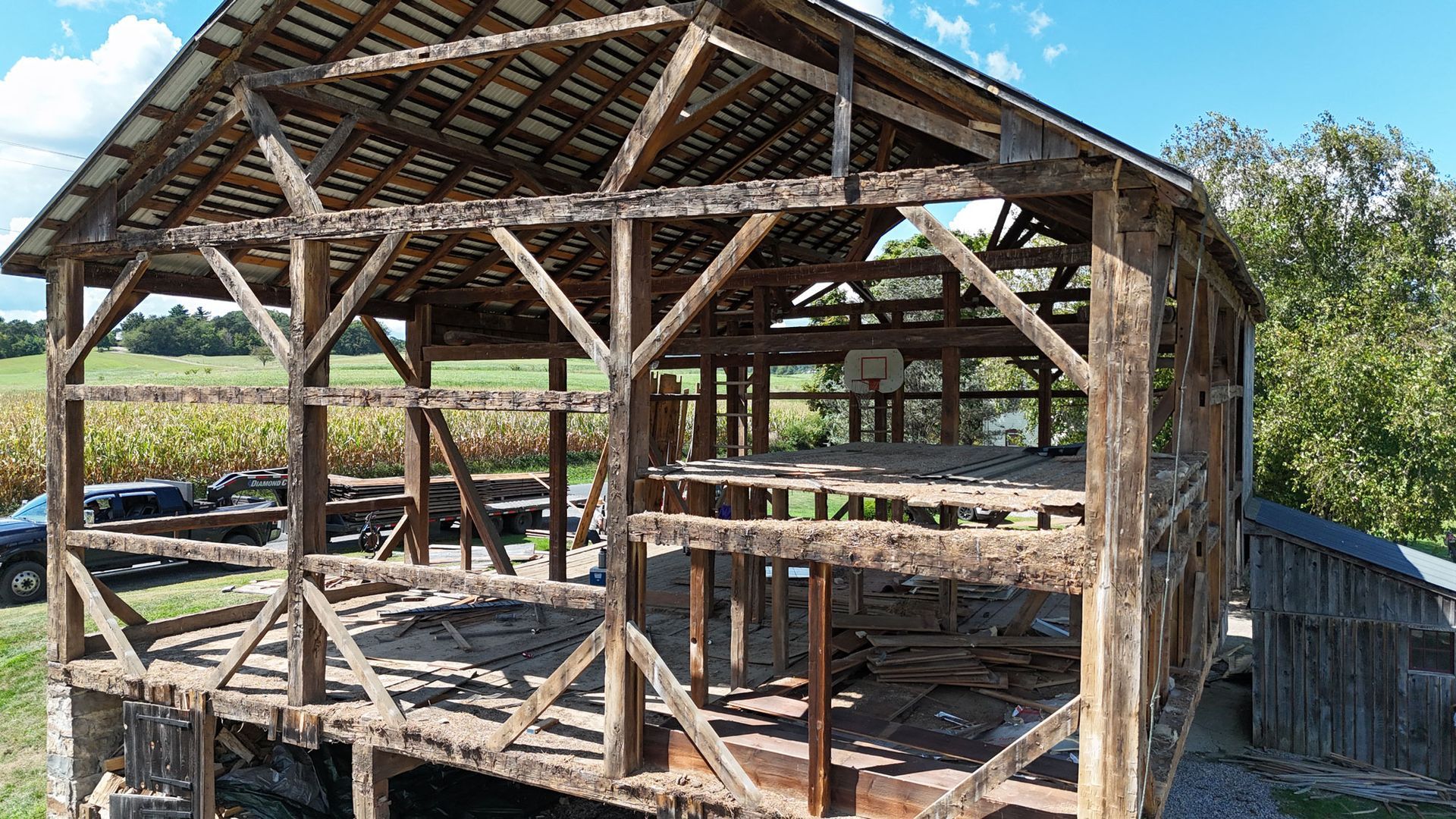
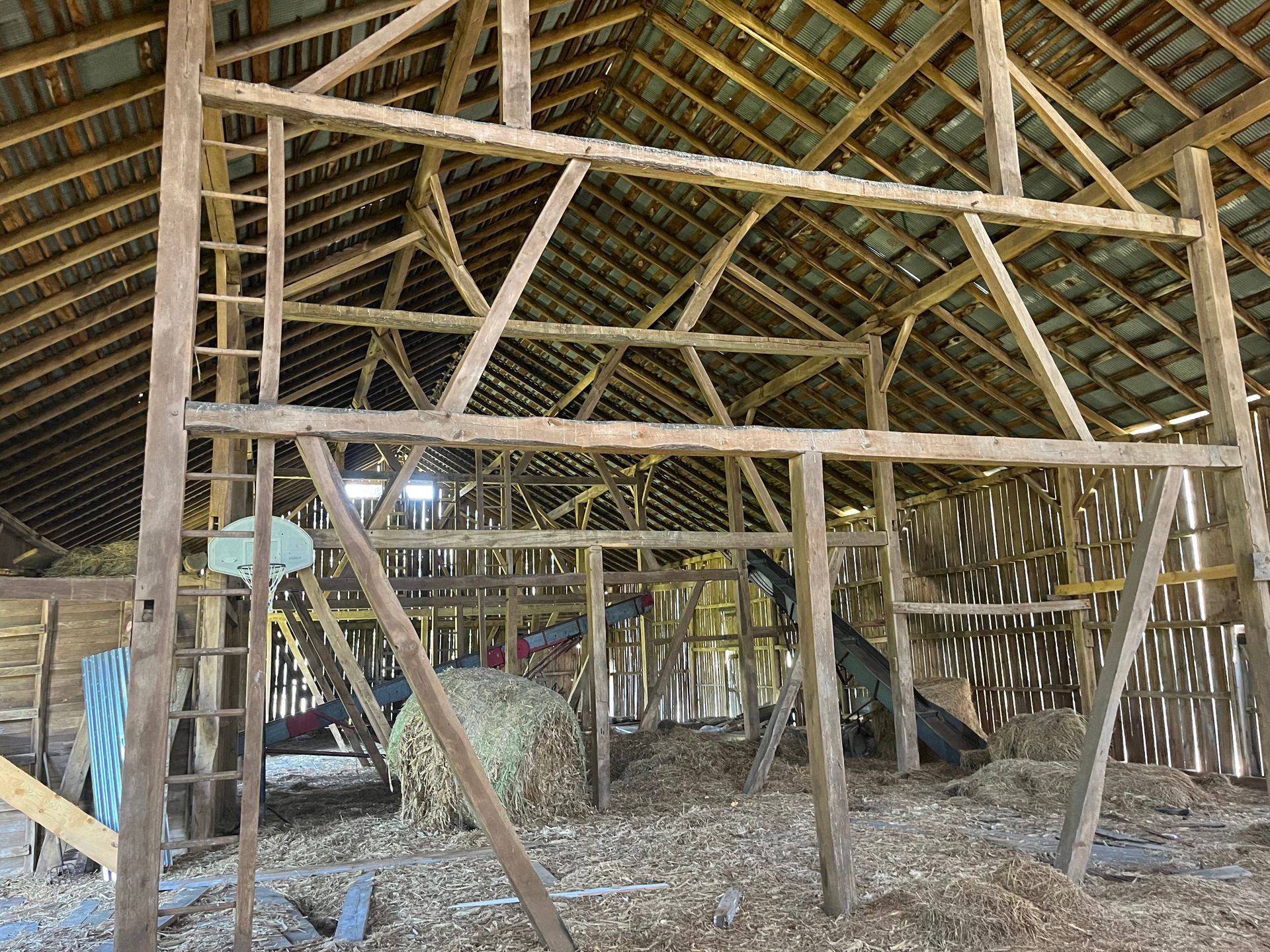
If you've ever stood inside an old timber-frame barn, hand-hewn beams overhead, mortise-and-tenon joints still locked tight after 150 years, you already understand something most people miss: wood isn't just a building material. It's the backbone of this country.
Every chapter of American history has wood running through it, quiet and strong as a white oak post. So let's talk about logging in the US. Where it started, where it went, and where it's headed. Pull up a stump.
Where It All Started: Colonial Logging (1607–1790s)
The story of logging in the US started the moment the first settlers stepped off their ships. When the English landed at Jamestown in 1607, they found a land covered in massive, old-growth forests. Back across the pond, England had practically stripped its own lands of useful timber. They desperately needed wood to build their naval fleets and heat their homes.
America was the perfect answer.
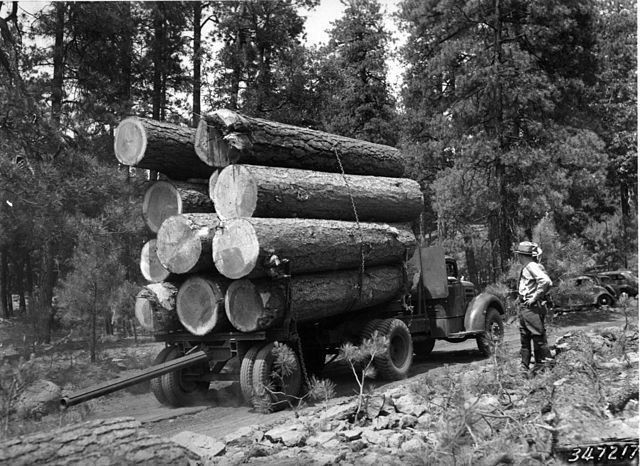
Almost immediately, colonists began cutting and shipping timber back to England. The work was brutal. Men hauled massive logs out of the thick brush using nothing but muscle, axes, and teams of oxen.
By the 1790s, New England was shipping out roughly 36 million feet of pine boards every single year.
The British Royal Navy prized the towering Eastern White Pines for their ship masts. In fact, the King of England sent agents to mark the best trees with a "Broad Arrow" to claim them for the crown. The colonists did not take kindly to this. That tension over timber became one of the early sparks that ignited the American Revolution.
The Great Expansion: Logging Moves West (1800s)
As the 1800s rolled in, the country began to stretch its legs. People pushed west, and the demand for lumber skyrocketed. The timber supply in New England started to run thin, so the logging camps packed up and moved toward the Great Lakes.
By 1880, Michigan became the undisputed king of lumber production. Loggers lived a rugged, hardscrabble life. They spent months isolated in damp, freezing camps. They ate hearty meals, worked from dawn until dusk, and faced constant danger. Felling a massive tree with a hand-pulled crosscut saw was a task that demanded total respect for the woods.
During this time, the railroad industry boomed. Trains needed wooden ties to cross the plains, and the towns springing up along the tracks needed lumber for houses, saloons, and storefronts. Loggers figured out new ways to move heavy timber. They built log flumes, used big wheels, and eventually laid down their own temporary rail lines right into the heart of the forest.
By the turn of the century, the timber bosses looked even further west. They set their sights on the Pacific Northwest. The sheer size of the Douglas firs and redwoods in Washington and Oregon required new tools and even more grit. Loggers pounded springboards into the trunks, standing several feet off the ground just to make their cuts. It was dangerous, backbreaking work that built the legends of American folklore.
Mechanization Changes Everything (20th Century)
The 20th century brought massive changes to logging in the US. When the Great Depression hit, lumber production dropped like a stone. Prices plummeted, and many operations had to shut their doors.
But Americans are nothing if not resilient. Programs under President Franklin D. Roosevelt helped steady the ship. Around this time, folks also realized that the forests were not limitless. We could not just cut and move on forever. The conservation movement took root, leading to the creation of the Forest Reserve Act and the division of federal lands. Loggers had to learn how to replant and manage the land for the next generation.
Technology also stepped up to the plate. The invention of the portable chainsaw replaced the old two-man crosscut saws. Later, heavy machinery like feller-bunchers hit the scene. These machines could grab, cut, and stack a tree in a matter of seconds. The physical toll on the logger decreased, but the need for sharp skills and deep knowledge of the woods remained as strong as ever.
The Future of Logging in the US
So, where do we stand today? The truth is, we still need wood just as much as our ancestors did. The United States produces over 30 billion board feet of lumber every year. We are the largest producer and consumer of lumber on the planet.
But the future of logging in the US is all about working smarter. The industry is leaning heavily into sustainable forest management. We are treating trees like the renewable crop they are. When a plot gets harvested, new seedlings go right back into the dirt.
We are also seeing incredible advances in wood products. Cross-laminated timber (CLT) is changing the construction game. It is a mass timber product that is strong enough to replace steel and concrete in large commercial buildings. This opens up entirely new markets for American timber.
The government recognizes this potential, too. Recently, the USDA announced a massive $200 million investment to expand timber production. This move aims to cut through red tape, increase harvests on national forests, and reduce the risk of massive wildfires by actively managing the brush. It is a big win for rural economies and a solid step toward securing our domestic supply chain.
Bay & Bent: Craftsmanship Born from the Forest
Out here, we respect the raw materials. We know that every good piece of work starts with a solid foundation. That same rugged spirit that drove the early loggers into the wilderness is exactly what fuels us at Bay & Bent.
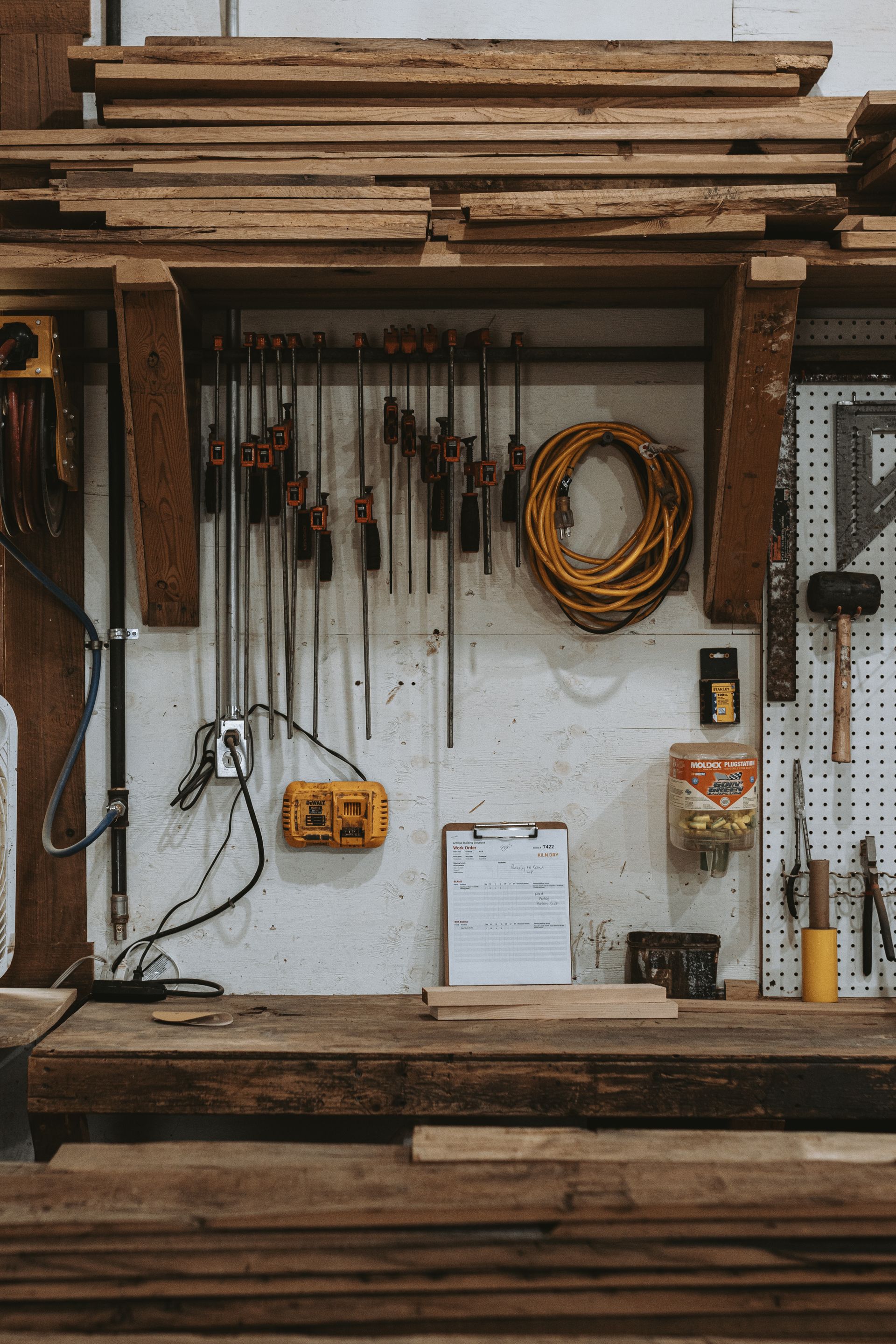
We believe in the power of American craftsmanship. We know that taking the time to do a job right is the only way to do it at all. Whether you are out in the woods turning timber into lumber or back in the shop turning that lumber into a masterpiece, you need tools and gear that work as hard as you do.
At Bay & Bent, we celebrate the hands-on, hardworking lifestyle. We build our brand for the folks who aren't afraid of a little sawdust and elbow grease. When you respect the history of the trade and honor the materials, the results speak for themselves. Check out what we offer, and equip yourself for the hard road ahead.
Frequently Asked Questions (FAQs)
Are there rules for logging to protect our water?
You bet. Loggers must follow strict Best Management Practices (BMPs). These rules ensure that forestry work does not pollute streams or cause soil erosion. For example, loggers must leave a Streamside Management Zone(SMZ) around creeks and rivers. This buffer of trees acts like a natural filter to keep the water clean and clear.
Is clearcutting bad for the environment?
It might look rough right after a harvest, but clearcutting is an accepted and useful forestry tool. Many tree species need full, direct sunlight to grow back strong. Clearcutting mimics natural disturbances like wildfires or windstorms. When done right, it quickly creates new habitats for deer, bears, and wild turkeys.
Do loggers need a permit to cut trees?
If a landowner is practicing sustainable forestry, they usually do not need a specific permit just to harvest the timber. However, if they are clearing the land to build a shopping mall or a housing tract, that is considered land-clearing. That process requires heavy permitting and sediment control plans. Forestry, on the other hand, is managed as an ongoing agricultural practice.
How are modern forests kept sustainable?
Forestry today is a science. When a logging company harvests a tract of land, they follow a written management plan. They assess the soil, protect the waterways, and plant specific tree seedlings designed to thrive in that exact spot. We grow more wood than we harvest every single year in this country.
Conclusion
From the early days of hauling logs with oxen to the modern era of sustainable forestry and mass timber, logging in the US has always been a story of progress. The men and women who work the woods are the unsung heroes of American industry. They provide the materials that keep our country standing strong.
The future looks bright for the timber industry. With smart management and a deep respect for the land, we will keep harvesting this green gold for generations to come.
If you share that same respect for hard work and quality materials, you belong with us. Head on over to
Bay & Bent to find the gear that matches your grit. Keep your tools sharp, respect the craft, and never back down from a hard day's work.