5 Ancient Woodworking Techniques You Can Use Today
Apply timeless craftsmanship to modern woodworking projects
There is nothing quite like the smell of fresh sawdust in the morning or the feel of a sharp chisel biting into a solid piece of timber. If you spend enough time in the shop, you start to realize something pretty special. The best ways to build things were figured out a long, long time ago.
Ancient woodworking is not just some history lesson. It is the rugged foundation of everything we build today. Long before power tools and fancy electric saws, craftsmen built ships, chariots, and fine furniture using nothing but muscle, sharp metal, and a whole lot of patience. They knew wood better than anyone. They understood how it breathes, how it bends, and how it holds together.
In this guide, we will walk through five ancient woodworking techniques that you can put to work in your own shop right now.
Technique 1: Mortise and Tenon Joints
When you need two pieces of wood to hold together through thick and thin, you use a mortise and tenon joint. This is one of the oldest and most reliable ways to connect timber.
What It Is and Where It Started
Think of this joint like a simple peg and hole. The "tenon" is a projecting tongue carved onto the end of one board. The "mortise" is the hole carved into the other board. You slide the tenon into the mortise, and you get a snug, tight fit.
The ancient Egyptians used this exact method to build everything from heavy doors to riverboats. They locked these joints into place using small wooden pegs, driving them right through the side. It was tough, dependable, and required zero metal nails.
How We Use It Today
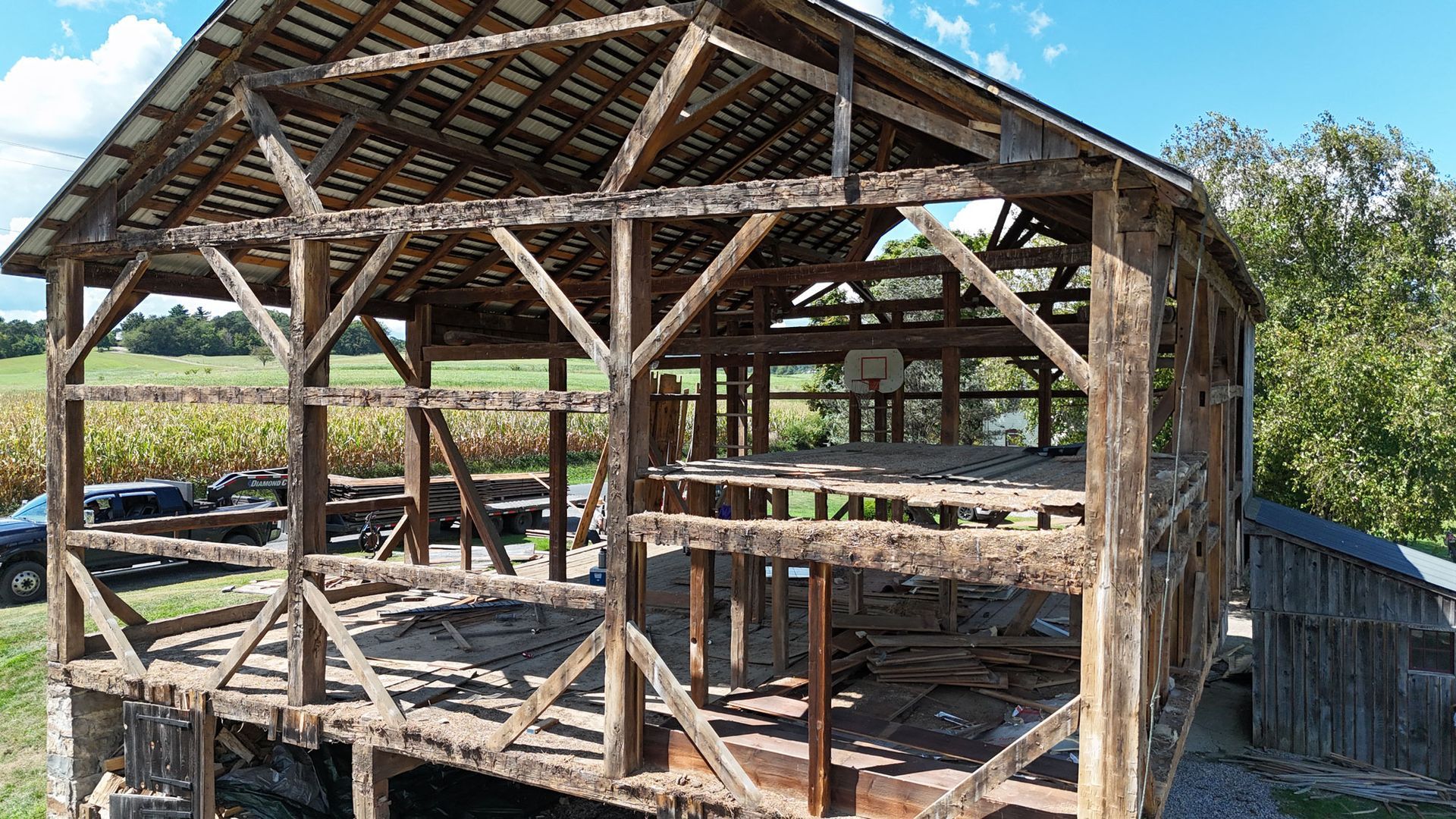
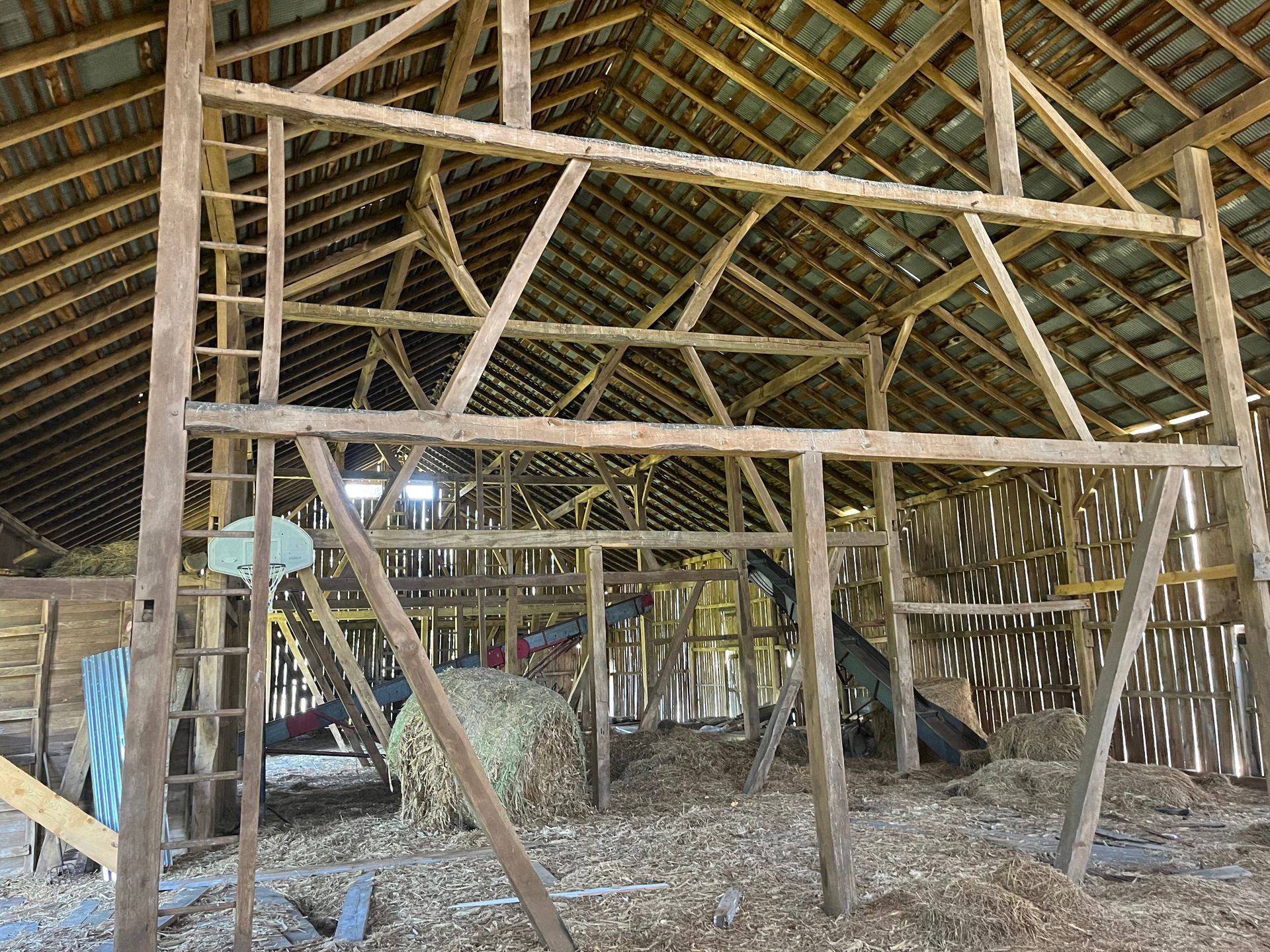
If you are building a heavy workbench, a solid oak door, or a timber frame for a house, this is your go-to joint. It gives you massive surface area for glue. Even without glue, a well-cut mortise and tenon locked with a wooden peg will outlast us all. It takes a bit of elbow grease with a chisel and mallet, but the structural stability is well worth the sweat.
Technique 2: Dovetail Joinery
If you want a joint that looks sharp and holds like a bulldog, you cannot beat the dovetail. It is the undisputed king of corner joints.
The Origins of the Dovetail
A dovetail joint relies on interlocking shapes that look a lot like the tail feathers of a dove. You carve "pins" on one board and "tails" on the other. Once they slide together, they physically cannot be pulled apart in one direction.
We have found dovetail joints in ancient tombs and on early furniture pieces spanning back thousands of years. Early builders valued this joint because they did not have strong wood glue or cheap screws. They needed the shape of the wood itself to do all the heavy lifting.
Dovetails in the Modern Shop
Today, we use dovetails for building strong drawers, fine wooden boxes, and high-end cabinets. Sure, you can whip out a router and a jig to cut them quickly. But cutting them by hand with a fine saw and a sharp chisel is a rite of passage for any serious woodworker. A hand-cut dovetail shows the world that you care about your craft.
Technique 3: Hand Planing
There is a distinct, satisfying sound that a sharp hand plane makes as it peels a paper-thin ribbon of wood off a rough board. It is the sound of honest work.
A Tool Tested by Time
Before the Romans came along, folks used tools like the adze to chop and scrape wood flat. But the Romans stepped up the game by inventing the hand plane. This tool allowed builders to flatten, smooth, and shape a board with incredible control.
A heavy iron blade sits snugly in a wooden or metal body. As you push it across the timber, it slices off the high spots. It was a total game-changer for early carpenters who needed flat, smooth planks for building straight walls and tight-fitting furniture.
Why the Hand Plane Survives
You might be wondering why we still use hand planes when we have loud, heavy electric thickness planers. The answer is simple: control and finish. An electric planer leaves tiny ridges and tear-out marks. A well-tuned hand plane leaves a surface so smooth it shines like glass. It connects you directly to the grain of the wood.
Technique 4: Woodturning
Taking a square, rough block of wood and spinning it into a smooth, round shape is nothing short of magic. That is the art of woodturning.
The Ancient Lathe
Thousands of years ago, early craftsmen figured out that if they spun a piece of wood, they could hold a sharp blade against it to carve out perfectly round bowls, tool handles, and chair legs.
The Egyptians and Romans used a primitive tool called a bow lathe. A worker would wrap a leather strap around the wood and pull the strap back and forth like a bow. This spun the wood while the craftsman shaped it. It was slow, hard work, but it produced beautiful, symmetrical pieces.
Spinning Timber Today
Our modern shops have electric lathes that spin the wood for us at high speeds. But the technique of holding the gouge or chisel is exactly the same as it was back then. Woodturning is a fantastic way to make custom table legs, wooden bowls, and heavy-duty tool handles. It takes a steady hand and a good eye, but the results are always impressive.
Technique 5: Veneering
Sometimes, you want the look of a rare, expensive piece of timber without the massive cost or weight. That is where veneering comes in to save the day.
An Egyptian Masterpiece
Veneering is the process of taking a very thin slice of beautiful, high-quality wood and gluing it over a piece of cheaper, plainer wood. You might think this is a cheap modern trick, but it actually goes back over 5,000 years to ancient Egypt.
The Egyptians lived in a desert. Good wood like cedar and ebony had to be imported, making it incredibly rare and expensive. So, they carefully sliced their precious timber into paper-thin sheets. They glued these sheets over local, rougher woods to make stunning caskets and furniture for their pharaohs.
Modern Veneering Methods
Today, veneering is still a brilliant way to build. It lets you use beautiful, highly figured woods like burled walnut or tiger maple without sacrificing structural strength. A solid piece of burled wood is fragile and prone to warping. But a thin veneer glued over a stable core of modern plywood gives you a gorgeous, rock-solid piece of furniture.
Built to Last with Bay and Bent
Here at Bay and Bent, we know that the old ways are usually the best ways. We do not just respect ancient woodworking techniques; we live by them.
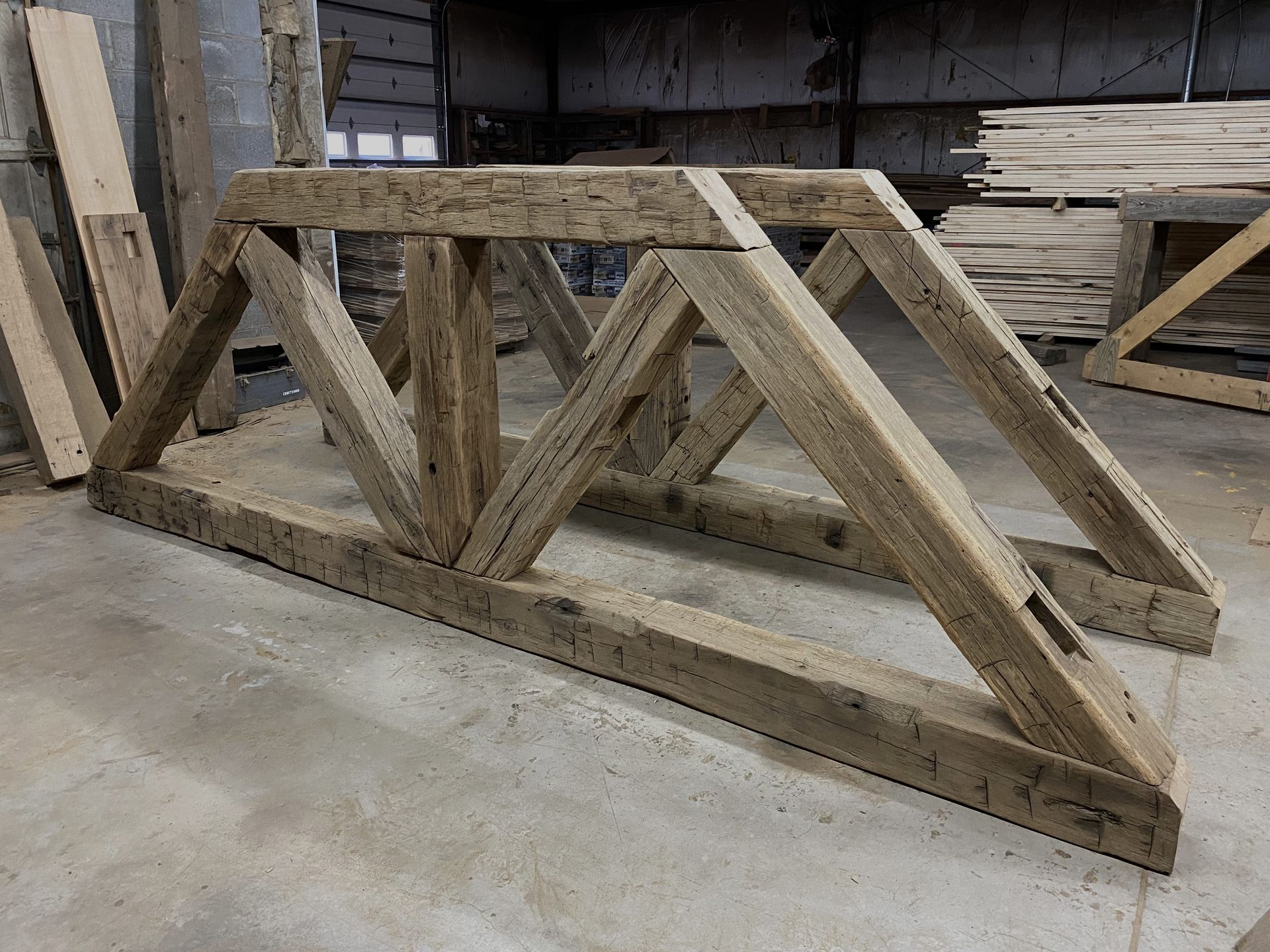
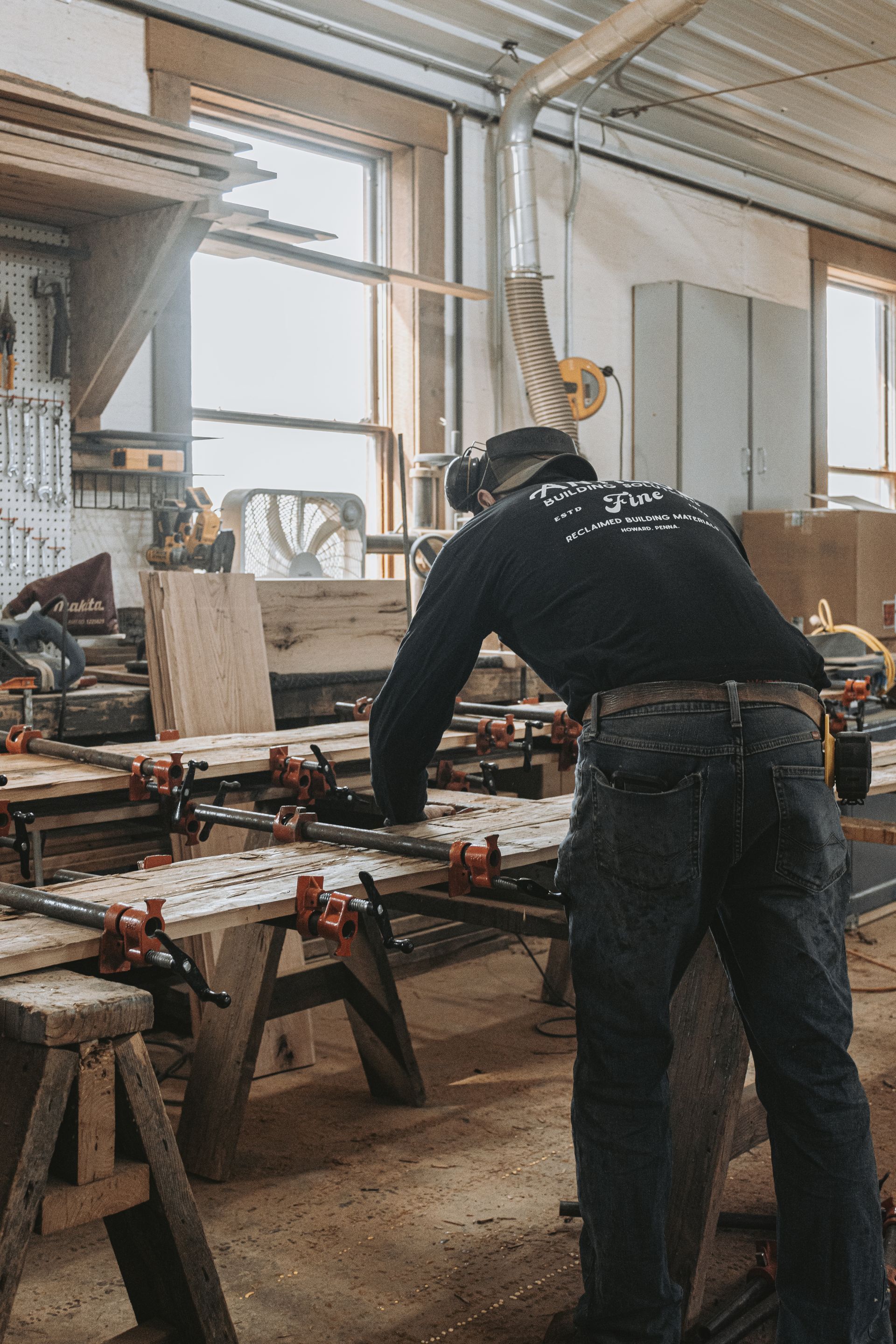
We specialize in repurposing historic materials to create timeless designs for your home or property. We take reclaimed timber that has stood the test of time and give it new life. When you use materials that have already survived a century or two, and you join them together using proven, traditional methods, you get something that will stand tall for generations.
Whether you are looking for massive reclaimed beams to frame out your living room, or custom antique flooring that tells a story, we have the grit and the goods to make it happen. We build things the right way, no cutting corners.
The Enduring Legacy of the Craft
Ancient woodworking is not a dead language. It is a living, breathing set of skills that every good carpenter relies on. Mortise and tenon joints keep our frames standing. Dovetails keep our drawers pulling strong. Hand planes give us a finish that no machine can match. Woodturning brings symmetry to our builds, and veneering lets us stretch the beauty of rare timber.
The next time you step into your shop, take a minute to appreciate the tools in your hands. You are part of a long, proud line of builders. Dust off that hand plane, sharpen up your chisels, and try cutting a joint the old-fashioned way. You might just find that the old ways are exactly what your next project needs.