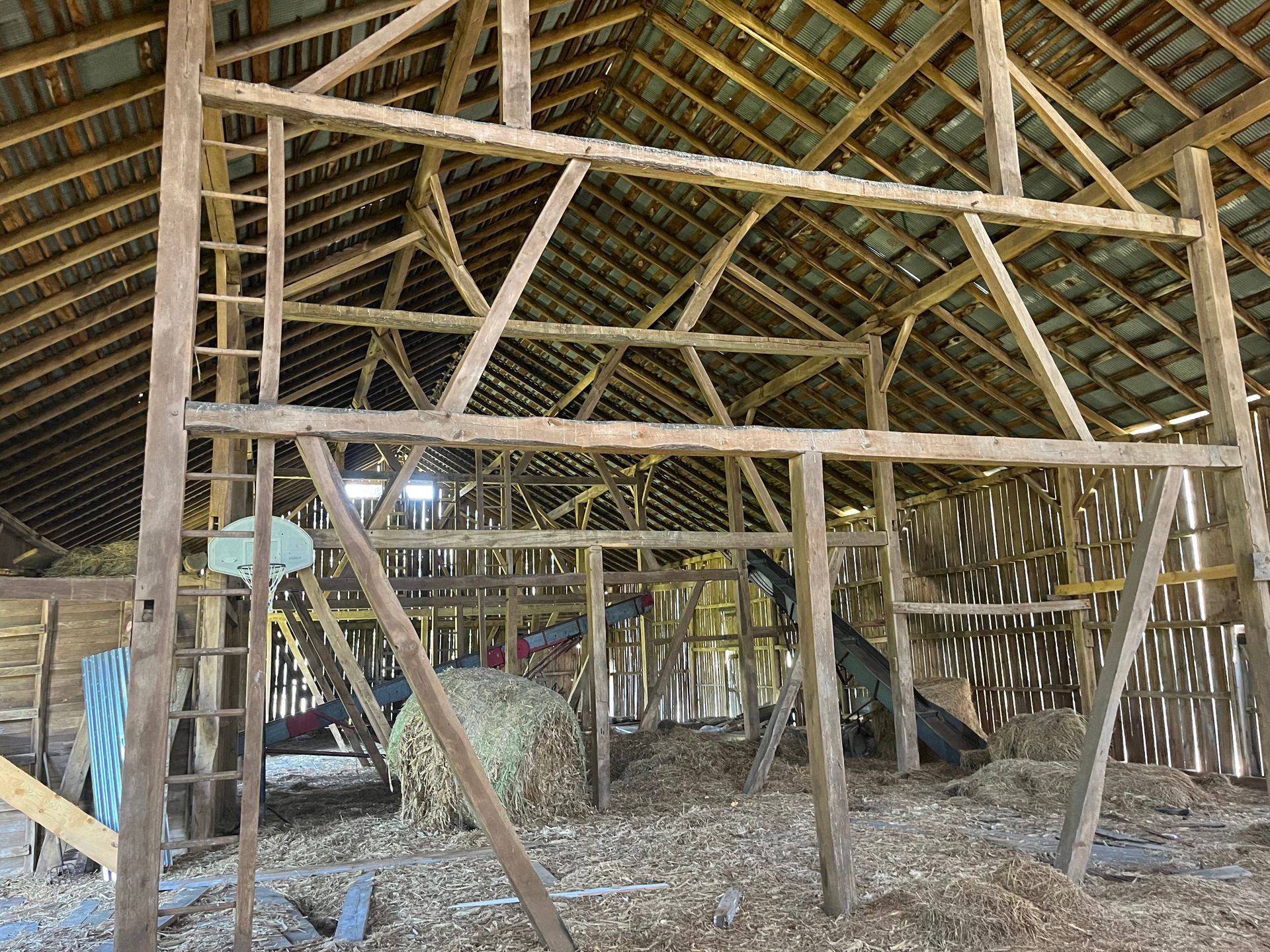
7 Stunning Examples of Architectural Timber Joinery
Explore the artistry and craftsmanship behind masterful wood joints
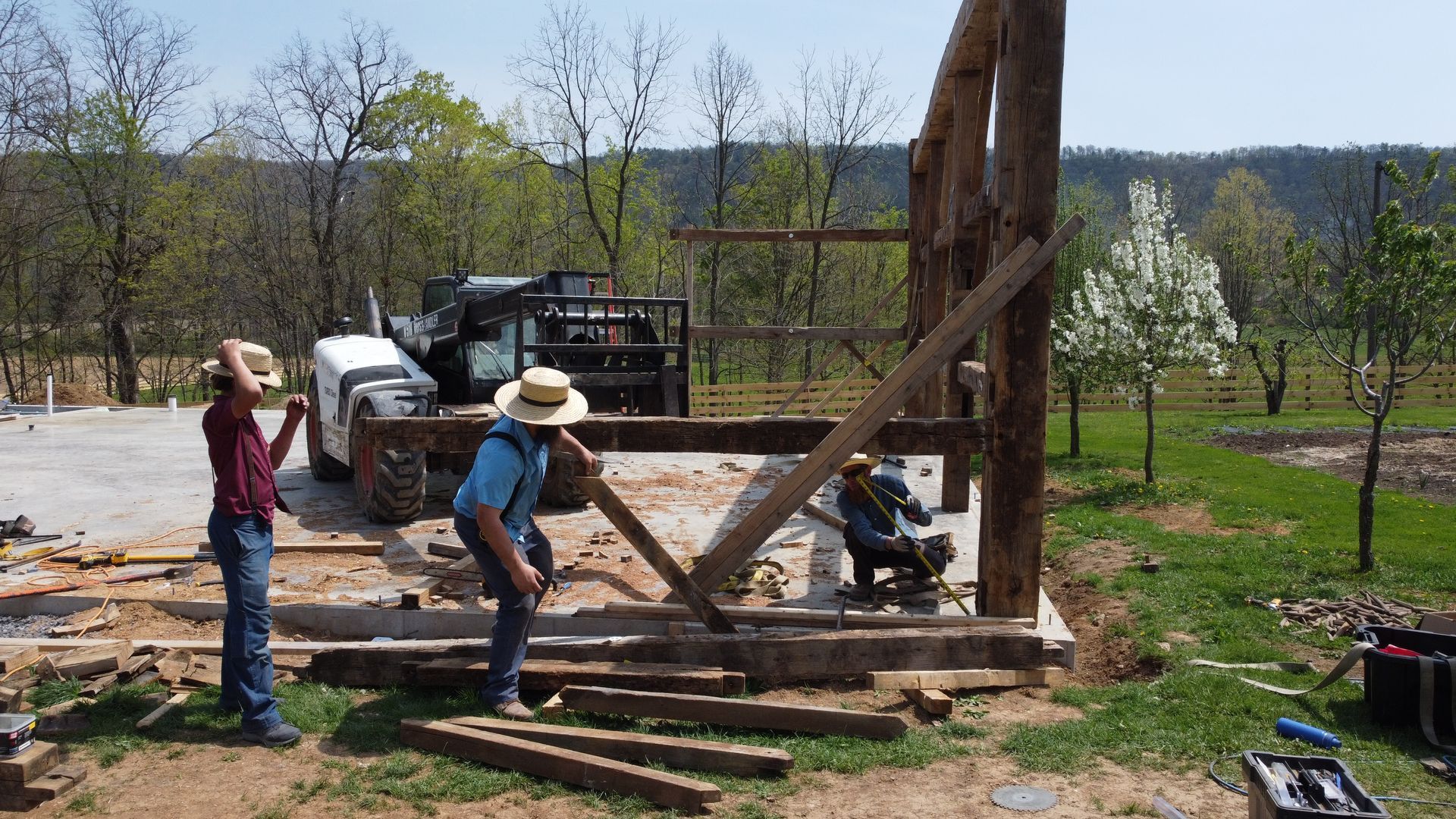
For centuries, craftsmen have relied on heavy timber to build structures meant to outlast the folks who built them.
Today, that tradition is still alive and kicking. A true timber frame bridges the gap between the rugged frontier of the past and the sleek, modern comforts we expect today. It is not just about holding up a roof. It is about crafting a living space that feels grounded, tough, and fiercely independent.
If you are looking to build a legacy, you need to know what sets this method apart from the cheap, stick-built houses popping up on every corner. Let us saddle up and explore seven unique architectural timber features that make these buildings a breed apart.
1. The Raw Warmth and Texture of Exposed Wood
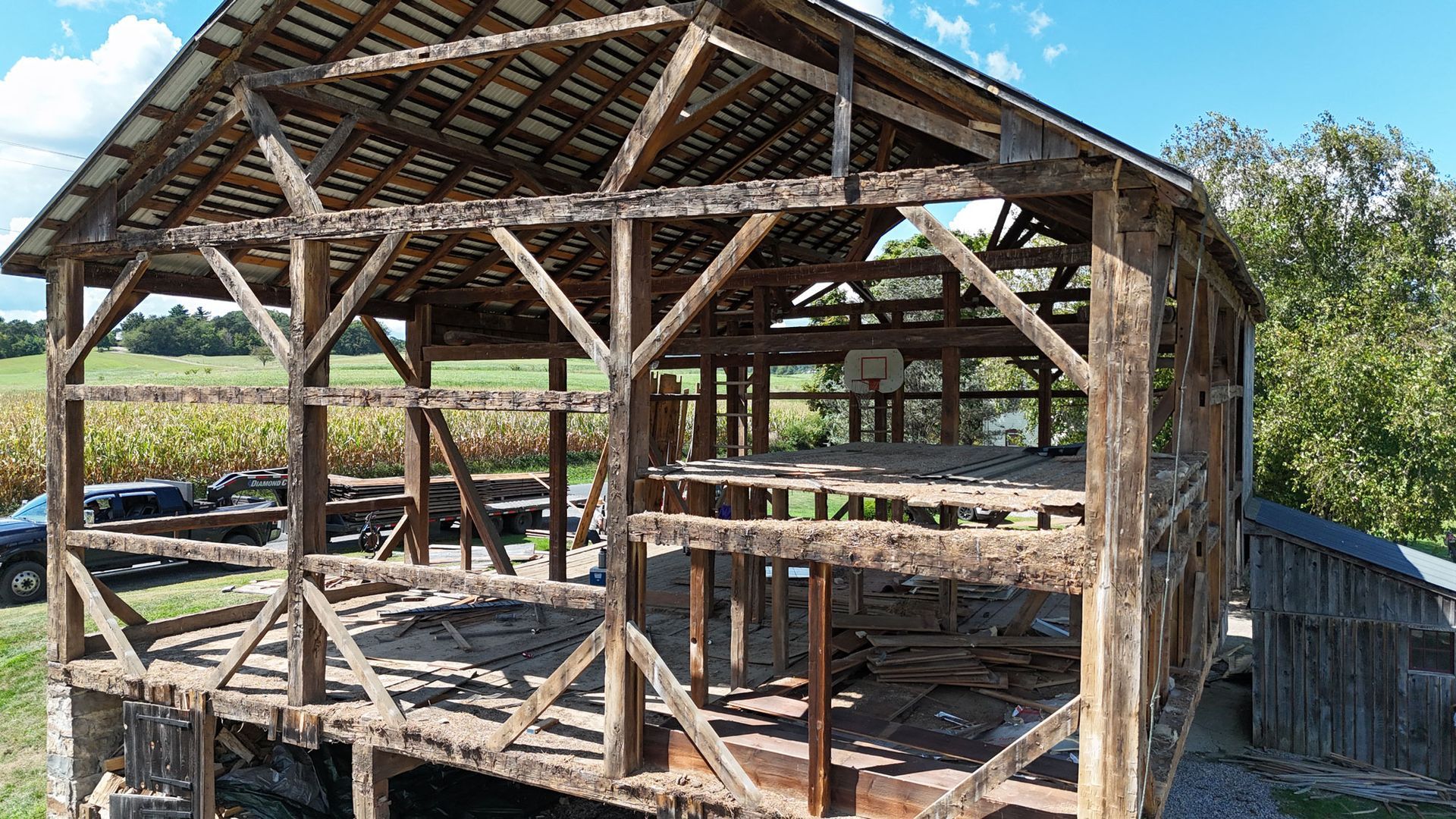
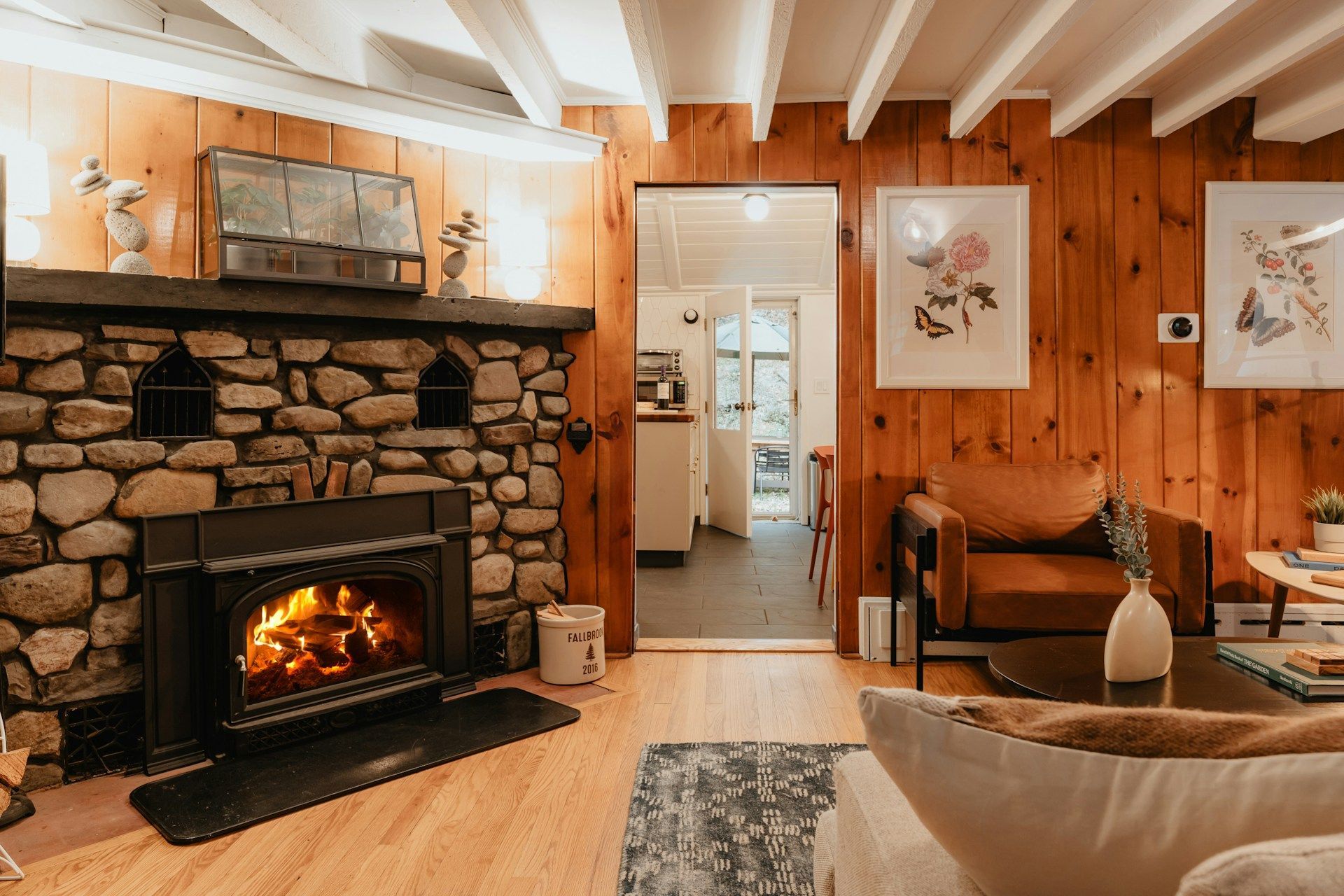
You cannot fake the character of real wood. Standard houses hide their cheap pine studs behind layers of drywall and paint. A timber frame takes the opposite trail. We put the massive, load-bearing timbers right out in the open for everyone to admire.
This gives a room an immediate sense of warmth that cold steel and concrete simply cannot match. You get to see the natural grain, the deep colors, and the rough-hewn texture of the tree itself. Every knot and split tells a story of the forest it came from. When the evening sun hits those beams, the whole room glows with a rich, natural light that makes you want to kick off your boots and stay awhile.
2. Wide-Open Custom Floor Plans
Out on the plains, we like our space. Timber framing gives you exactly that. Because the heavy timber skeleton carries the entire weight of the roof, you do not need a maze of flimsy interior walls to hold the building up.
This structural freedom lets you design wide-open floor plans that flow seamlessly from one room to the next. You can build a massive great room that combines your kitchen, dining, and living areas without a single pillar blocking your view.
It is one of the most liberating architectural timber features available to a homeowner. You get the freedom to customize your layout exactly how you see fit, without the building fighting you every step of the way.
3. Energy Efficiency Built on Thermal Mass
Do not let the rustic look fool you. These structures are built smart. When you pair a heavy timber frame with modern Structural Insulated Panels (SIPs), you get a building wrapped up tighter than a winter bedroll.
But the wood itself also plays a huge role in keeping you comfortable. Massive wooden timbers possess a quality called thermal mass. They absorb heat during the day and slowly release it as the evening chill sets in. This natural temperature regulation means your heating and cooling systems do not have to work nearly as hard. You stay warm in the dead of winter and cool during the dog days of summer, saving you a whole lot of hard-earned cash in the long run.
4. Iron-Tough Joinery Techniques
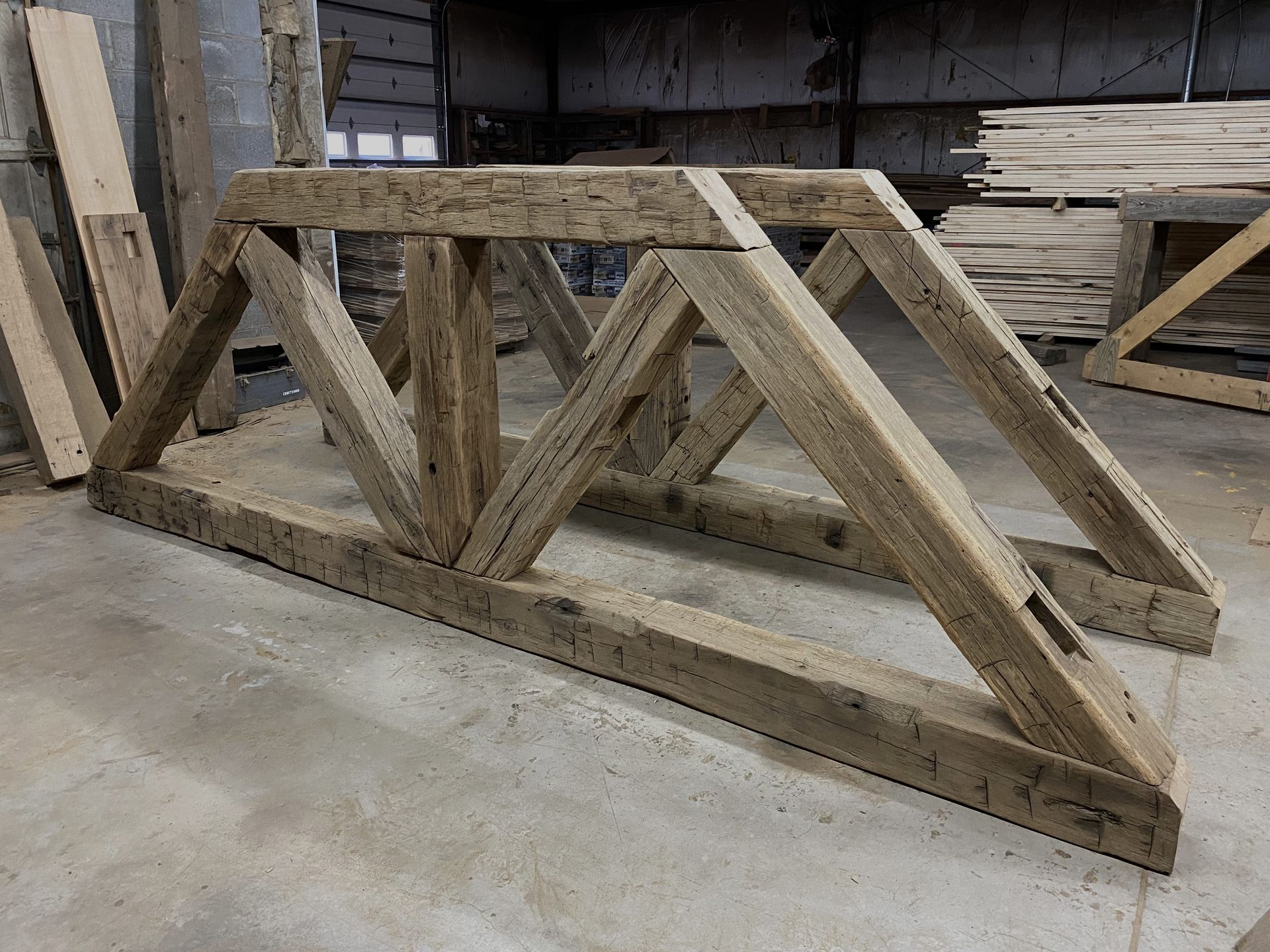
A structure is only as strong as its weakest link. In a timber frame, there are no weak links. We do not rely on a fistful of wire nails to keep the walls standing. Instead, we use time-tested, wood-to-wood joinery.
Craftsmen cut precise mortises and tenons, interlocking the heavy beams like pieces of a massive, unyielding puzzle. We drive hardwood pegs through the joints to lock them in place. These unique joinery techniques are standout architectural timber features that provide incredible durability. A well-cut wooden joint can flex and settle with the earth, absorbing heavy winds and heavy snow loads that would tear a lesser building apart.
5. A Natural Handshake with the Outdoors
A good building respects the land it sits on. Timber frames look like they sprouted right out of the soil. The heavy wood creates a natural bridge between the untamed wilderness outside and the cozy hearth inside.
Because the timber frame carries the load, you can fill the exterior walls with massive expanses of glass. You can design walls of windows that bring the mountains, the forests, or the prairie right into your living room. The structural beams can even extend past the exterior walls, creating deep, sweeping porches. It is a seamless integration that honors the great outdoors while keeping you safe from the elements.
6. A Timeless Aesthetic That Ages Like Fine Leather
Some buildings look outdated the second the paint dries. A timber frame only gets better looking with time. Wood is a living material, and as the years roll by, it settles into its permanent character.
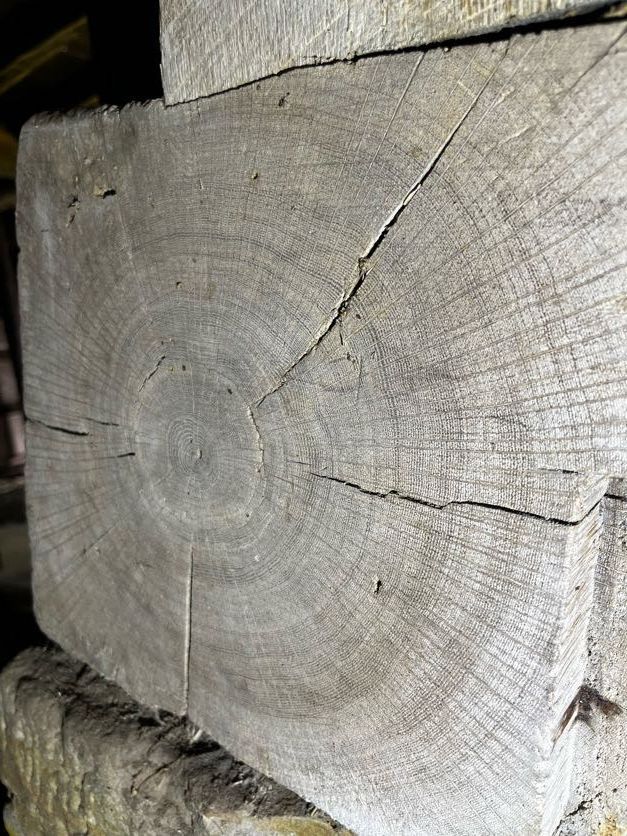
The heavy beams will naturally oxidize, deepening in color and taking on a rich, weathered patina. The small cracks, known as checks, will open up as the wood dries, adding rugged texture without compromising a single ounce of strength. This timeless aesthetic appeal ensures your home will look just as impressive fifty years from now as it does the day you turn the key. It is an investment in a legacy.
7. Absolute Versatility Across Design Styles
Just because timber framing is an old tradition does not mean you are stuck building a pioneer cabin. The sheer versatility of this building method is staggering. The frame is your canvas, and you can dress it up or down however you please.
If you want a rugged, mountain lodge, you can leave the timbers rough-sawn and natural. If you prefer a clean, modern aesthetic, you can plane the wood smooth, oil it, and pair it with sleek steel fixtures and polished concrete floors. The structural integrity of the timber frame remains the same, but the final look is entirely up to you. It is a custom-tailored suit made of solid wood.
Frequently Asked Questions (FAQs)
What are the main benefits of building a timber frame home?
The biggest benefits are structural strength, wide-open floor plans, and unmatched energy efficiency. These buildings are tough as nails and can survive harsh weather that destroys conventional homes. Plus, the beauty of the exposed wood gives you a living space full of character and warmth.
How much maintenance does a timber frame require?
A whole lot less than you might think. Keep the wood dry, and it will take care of itself. A good roof overhang protects the exterior timbers from rain and snow. Inside, the wood breathes naturally. You might want to apply a coat of natural oil every decade or so to keep the color rich, but otherwise, these frames are built to be largely maintenance-free.
Can I change the floor plan of a timber frame later?
Yes, you can. Because the interior partition walls do not hold up the roof, you have incredible design flexibility. If you want to knock down a bedroom wall ten years from now to make a bigger office, you can do it without worrying about the house caving in. The heavy timber skeleton does all the heavy lifting.
Ready to Raise the Roof?
Building a timber frame is an honest day's work, and it results in a home that commands respect. These seven architectural timber features prove that you can build a structure that is as beautiful as it is unbreakable. If you are tired of flimsy, cookie-cutter houses and want to build something with real soul, it is time to look at heavy timber. Draw up your plans, find a crew that respects the craft, and build a place that will stand tall for generations to come.