Finding the Best Barn Frame Supplier for Quality Structures
Choose Quality You Can Count On for Strong, Reliable Barn Frames
Last updated: October 2026
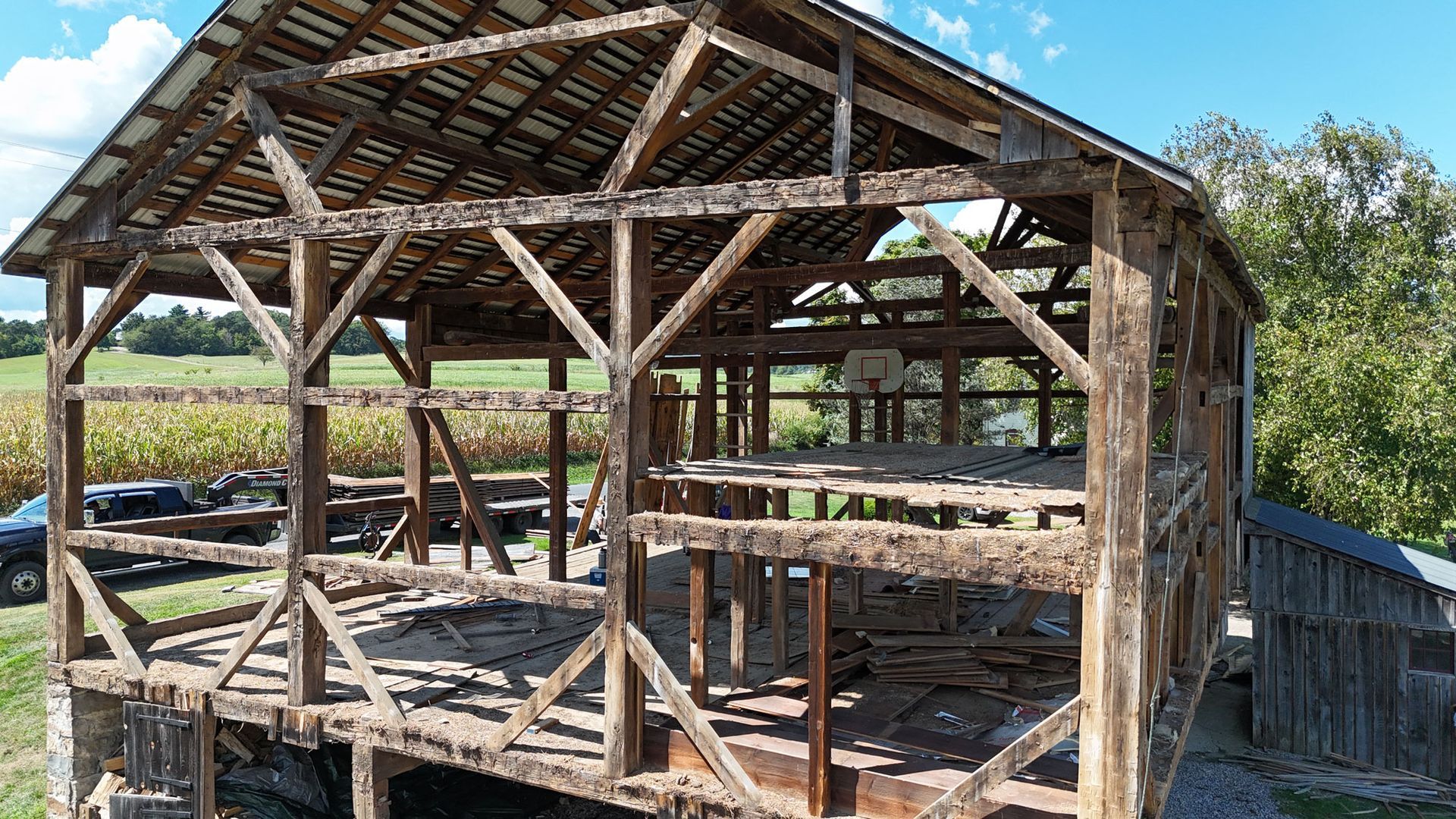
The best barn frame supplier knows historic timber work, can show where every frame came from, repairs and treats the timbers properly, and helps you get the frame engineered and re-erected. Price matters, but those four things decide whether you get a frame that lasts or a pile of old wood and a headache.
An authentic barn frame is a big decision. These timber skeletons are often a century or more old, and they carry real history. Here is what to look for, what to ask, and what should make you walk away.
What makes the best barn frame supplier?
1. Real experience with historic timber frames.
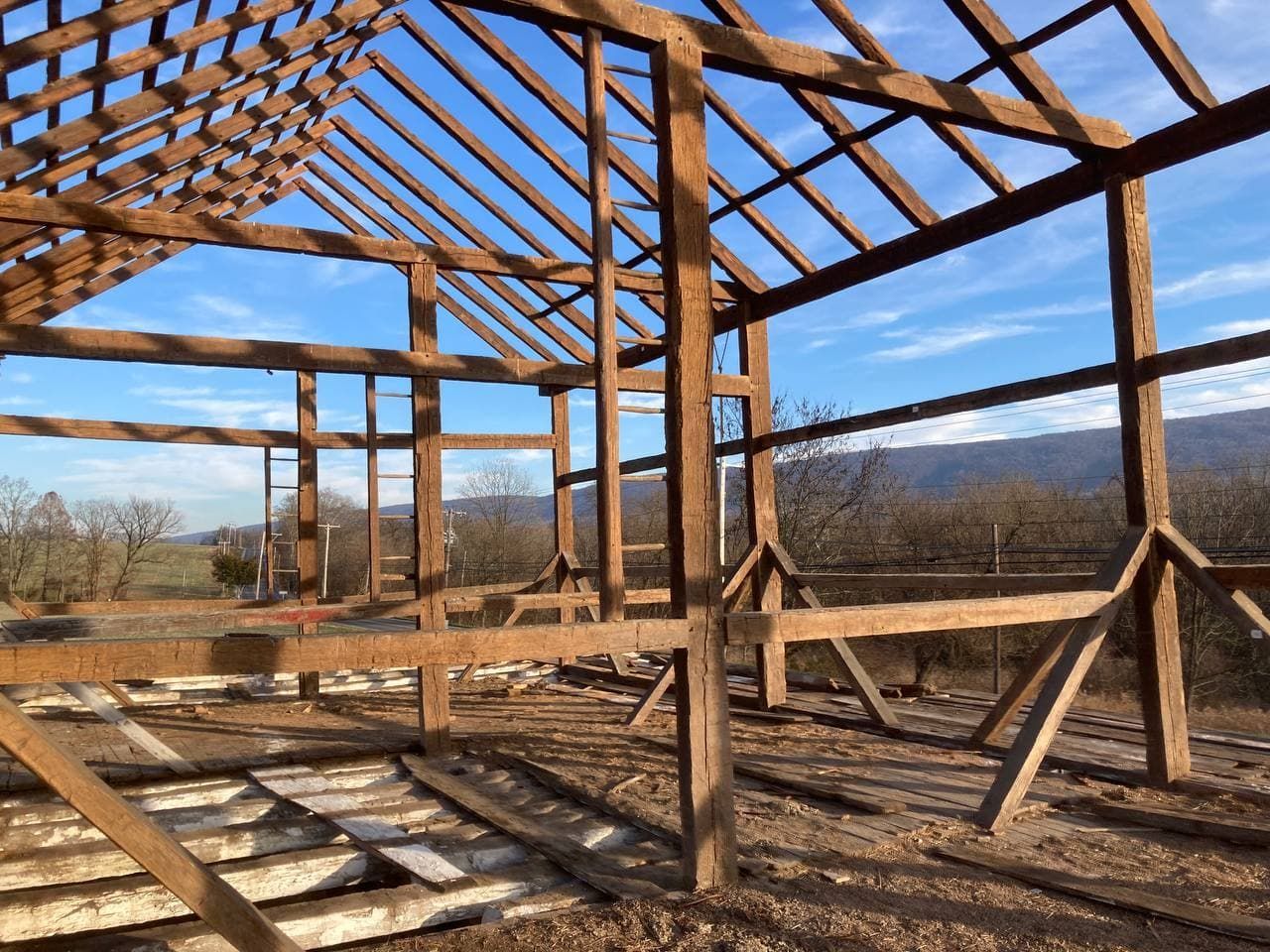
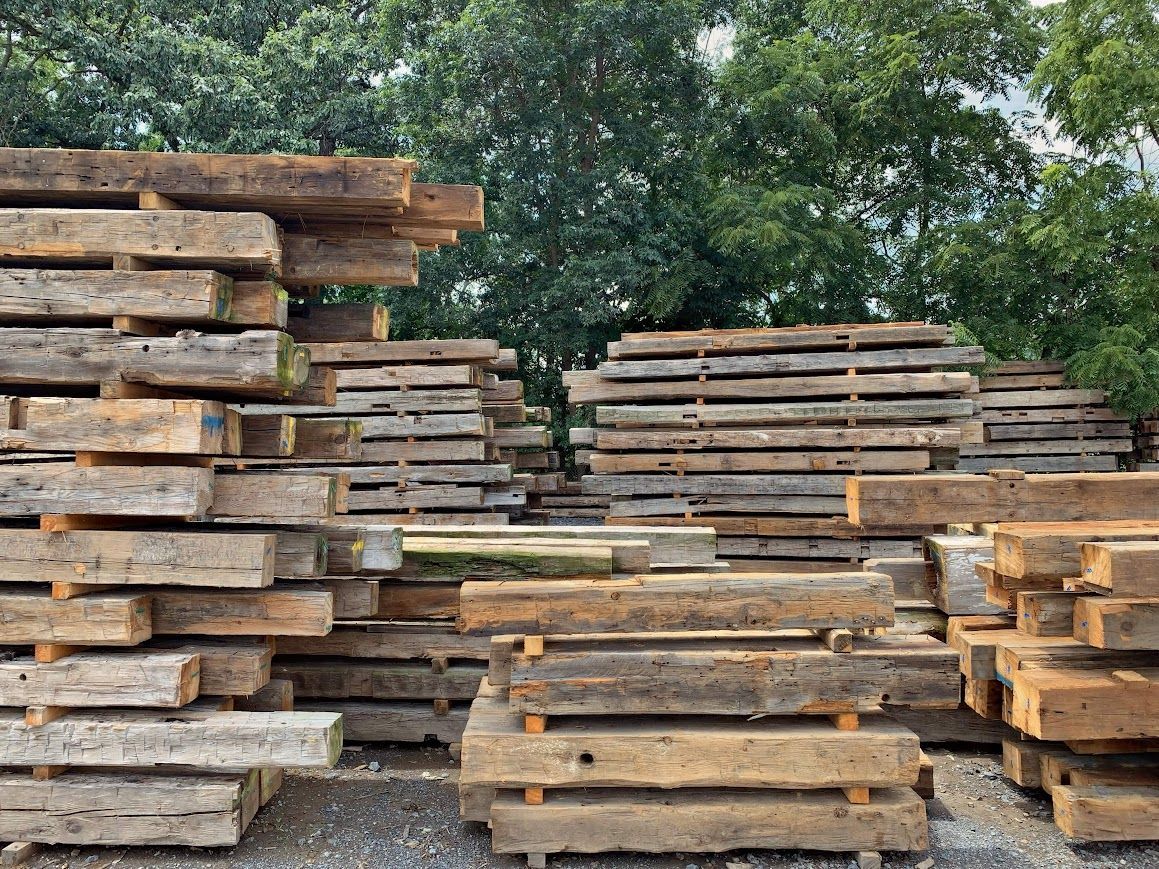
Old frames take more than general carpentry. A good supplier understands mortise and tenon joinery, hand-hewn timbers, and how aged wood behaves. Ask how long they have been doing this work and how many frames they have taken down and put back up.
2. Honest, ethical sourcing.
Good suppliers get frames from barns that are being lost, not from barns that could have been saved in place. Reusing an existing frame means no new trees have to be cut for that timber. Ask where the frames come from and how the supplier works with the owners.
3. Documentation you can see.
Every frame has a history. A good supplier can tell you where the barn stood, roughly when it was built, what species the timber is, and what was found when it came down. That record, known as provenance, adds to a frame’s story and its value.
4. Careful restoration and treatment.
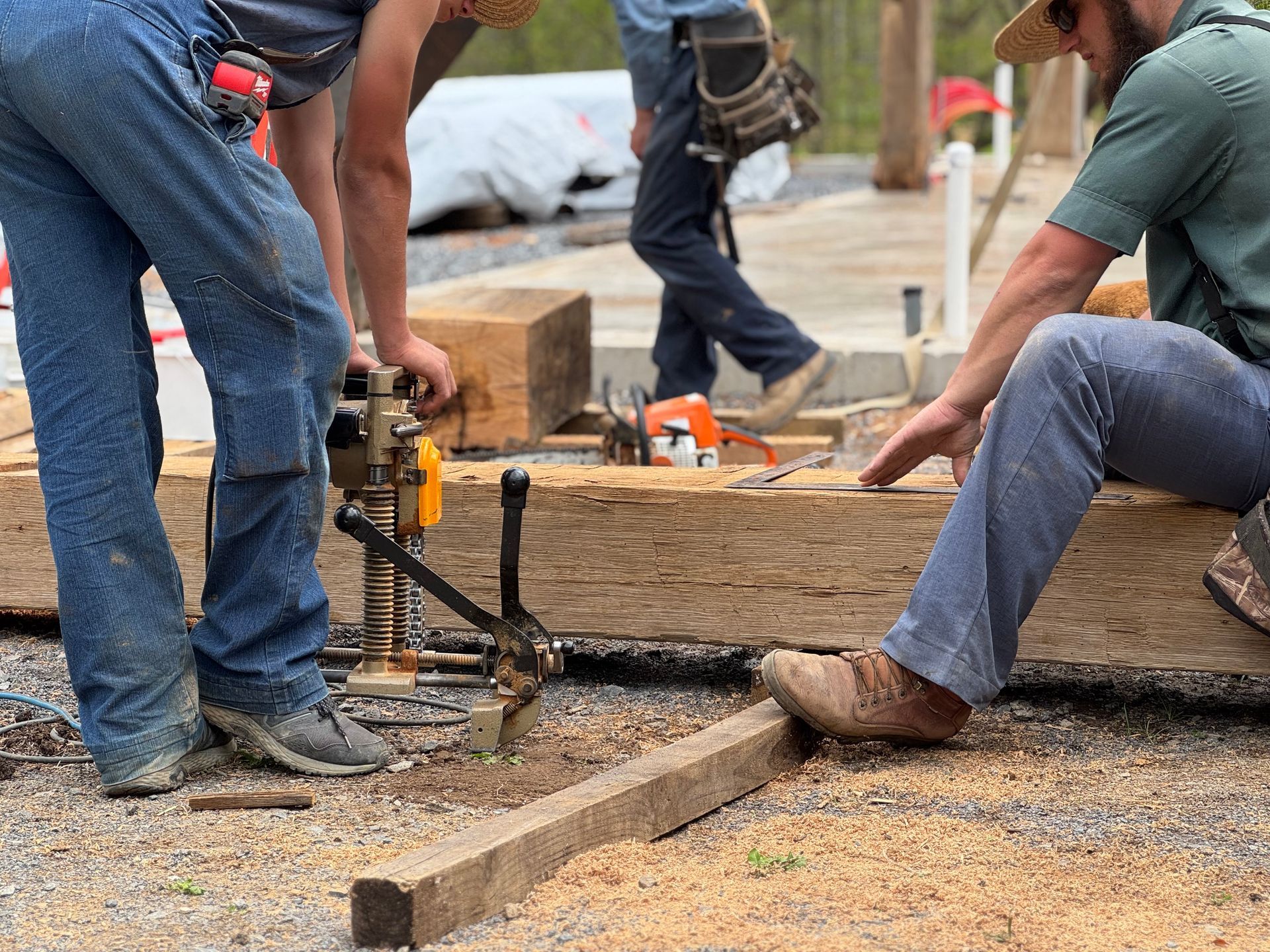
Each timber should be inspected for rot, insect damage, and wear. Repairs should respect the original joinery. Ask how the frame is cleaned and treated for insects before it ships.
5. Support for engineering and re-erecting.
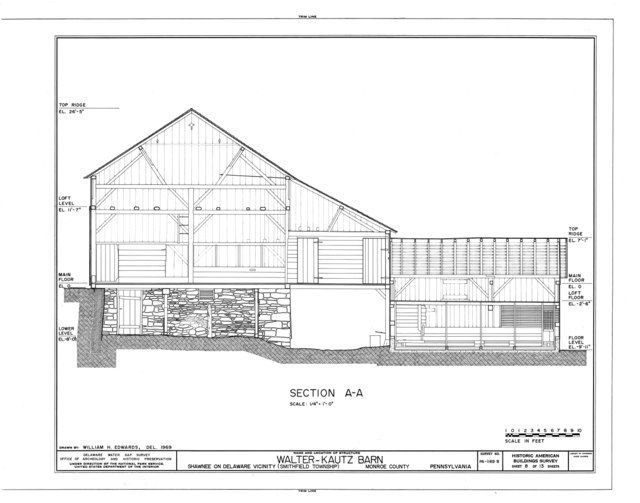
A frame is not a finished building. You need engineered drawings, a foundation, and a permit that meets local code. A good supplier marks every piece, provides plans, and guides your builder through raising the frame.
6. Clear communication.
You should get plain answers on condition, size, price, timeline, and what is and isn’t included. Vague answers are a warning sign.
Green Flags and Red Flags
| Green Flags | Red Flags |
|---|---|
| Can tell you where the frame came from | Can’t say where or when it was built |
| Shows photos of the actual frame | Uses stock photos |
| Explains insect treatment and repairs | Dodges questions about condition |
| Marks every timber and provides plans | Sells loose timbers with no layout |
| Offers references or past projects | Has no references or past work |
| Talks about engineering and permits | Says “it’s just a barn, no engineer needed” |
| Gives a clear price and scope | Gives a price with no details |
What should you ask a barn frame supplier?
- How do you source your frames?
- What documentation comes with each frame?
- What species is the timber, and what shape is it in?
- What happens during restoration?
- How is the frame treated for insects?
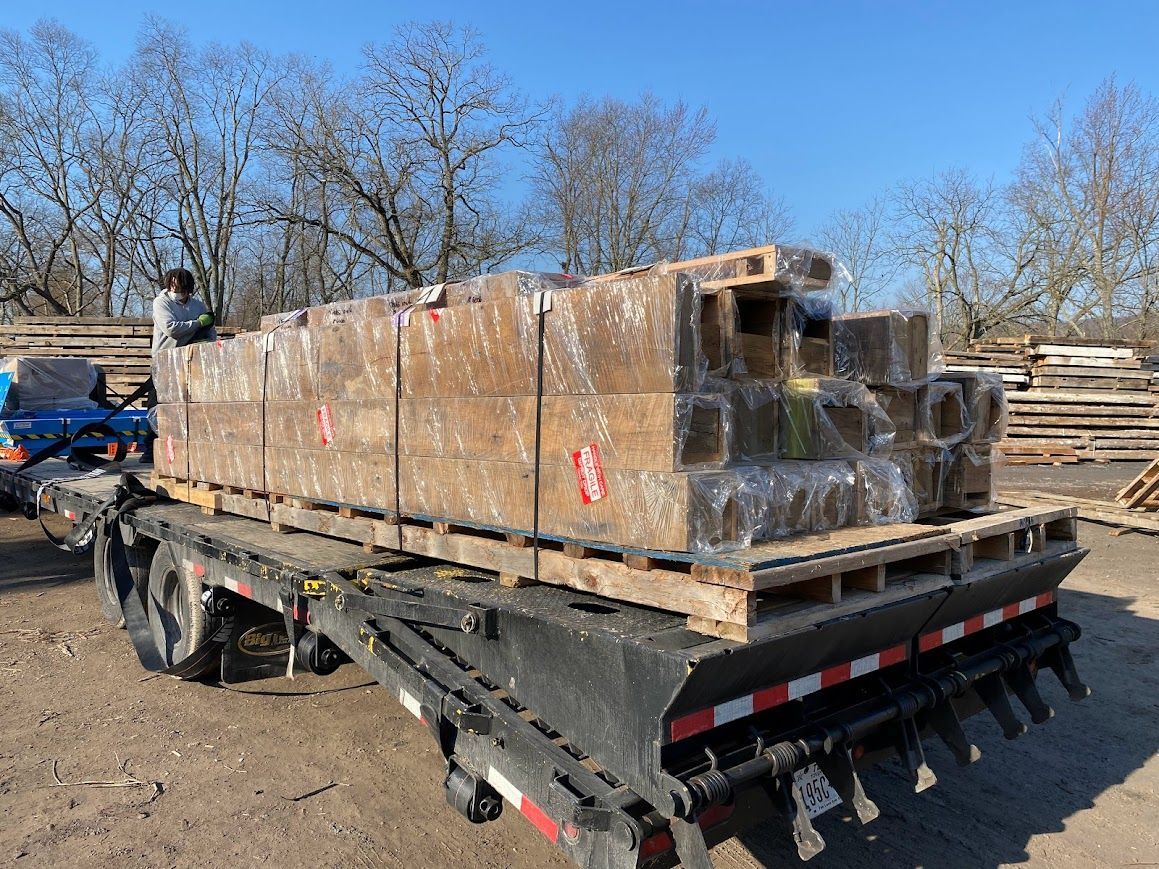
- How do you prepare it for transport and reassembly?
- Do you provide drawings or marked timbers for my builder?
- Can you share references or photos of past projects?
- What exactly is included in the price?
Get the answers in writing. If you want to ask people who know barns in your area, the National Barn Alliance lists state and regional barn groups that can point you to experienced people.
What does a supplier do after you buy?
The sale is the start. After you buy, a supplier should:
- Deliver the frame in good condition
- Provide a layout with every timber identified
- Answer your builder’s questions
- Help you understand what to expect during raising
You can see how we handle each step on our process page.
What do we do at Bay & Bent?
We’re not going to tell you we are the only supplier worth calling. We’ll tell you how we work and let you decide.
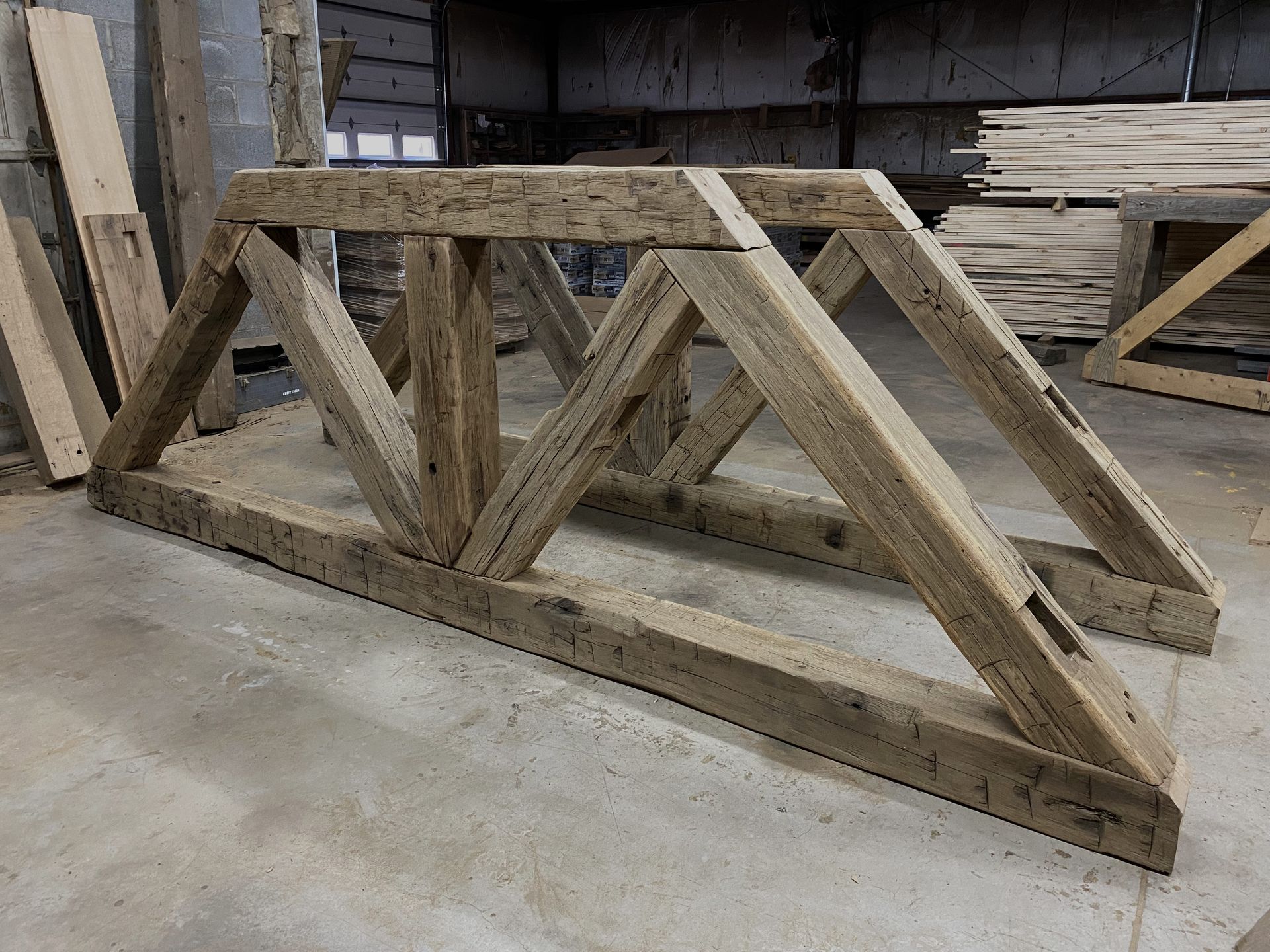
We don’t sell loose old wood. We find historic barn frames, document them, and take them down piece by piece. We repair and restore the timbers in our shop, then deliver the frame anywhere in the world, ready to be raised. We supply frames for new building projects. We do not restore barns that are already on a client’s property.
If you want to ask us any of the questions above, we’re happy to answer them. You can also browse what we have on our barns page.
Frequently Asked Questions (FAQs)
What should I look for in a barn frame supplier?
Experience with historic frames, honest sourcing, documentation, careful restoration and insect treatment, and help with engineering and re-erecting.
How do I know a barn frame is authentic?
Ask for provenance, including where it stood and when it was built. Look for hand-hewn timbers, pegged mortise and tenon joints, and tool marks that match the era.
Do I need an engineer for a reclaimed barn frame?
Yes, in most cases. A frame in a new building needs engineered drawings and a foundation to meet local code.
Are reclaimed barn frames treated for insects?
They should be. Ask any supplier how a frame is cleaned and treated before it ships, and get it in writing.
Can a barn frame supplier deliver anywhere?
Many suppliers ship. Ask about transport, timing, and who handles unloading and storage.
How do I compare barn frame prices?
Compare what is included, such as repairs, treatment, marking, plans, and delivery, not only the number. Ask for a full project quote that includes the foundation, roof, walls, and labor.