What Is a Barndominium? Types, Costs, Pros, and Cons (2026)
the charm, benefits, and basics of barndominiums.
Last updated: October 2026
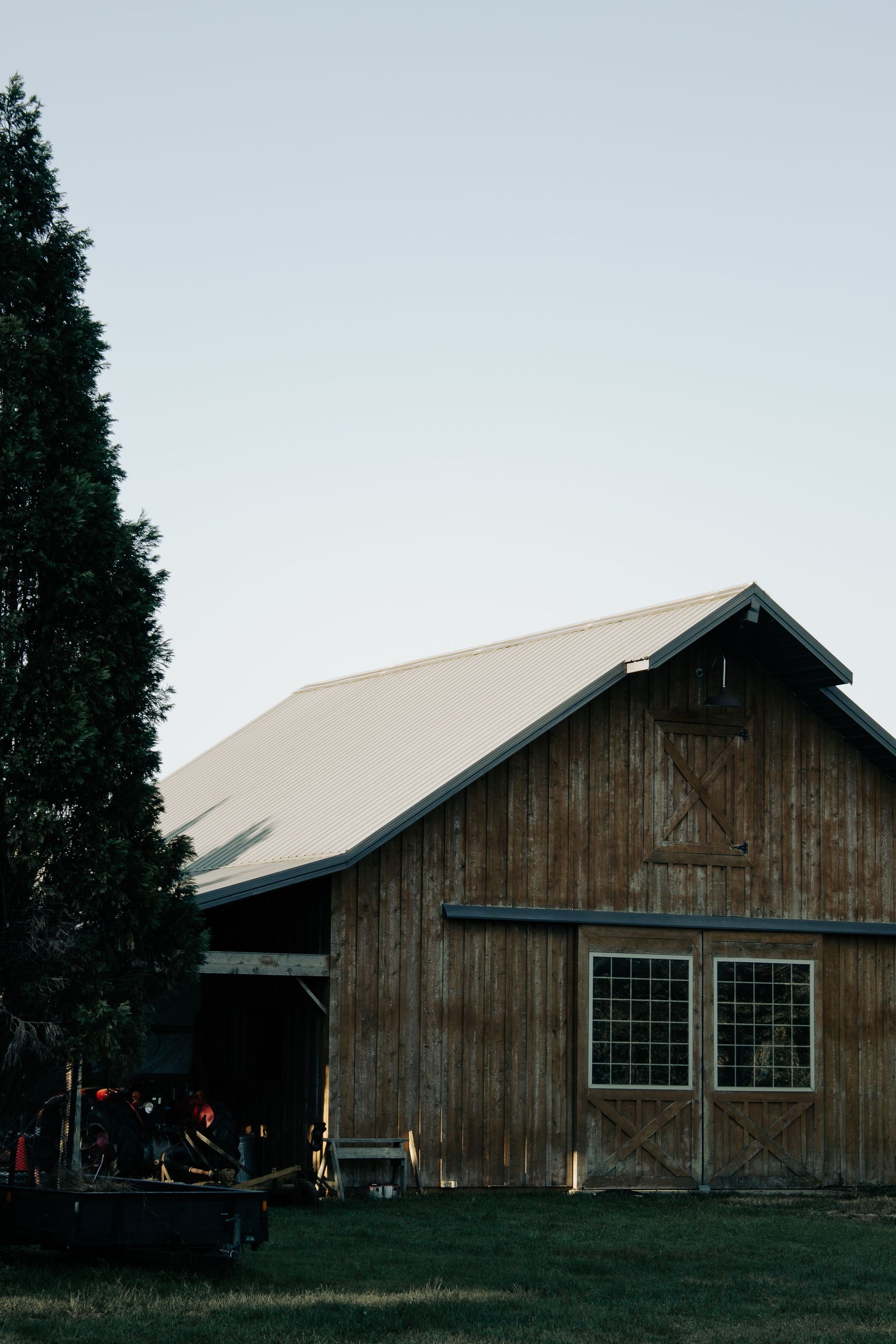
A barndominium is a home built in a barn-style building. It usually has living space, and often a workshop or storage, under one roof. The building might be a new metal or post-frame shell, a timber frame, or a converted old barn. People like them for the open space, the flexible layouts, and the rustic look. They come with trade-offs in cost, financing, and zoning that you should know before you build.
More people are looking for alternatives to the standard suburban house, and the barndominium has become one of the best known. Here is what it is, what types exist, and what to check first.
What is a barndominium?
The word blends “barn” and “condominium.” Early barndominiums were barns with living quarters. Today the term covers any home with barn-style architecture, whether it’s new or old.
Most barndominiums share a few features:
- Exteriors of metal, wood, or a mix
- Open floor plans
- High ceilings, often with exposed beams or trusses
- Large windows and sliding doors
- Living space combined with a workshop, garage, or storage
- Layouts that are easy to customize
What types of barndominiums are there?
| Type | What is is | Good for | Watch for |
|---|---|---|---|
| New metal building | A pre-engineered steel shell finished as a home | Lower cost and fast construction | Condensation and insulation planning |
| Post-frame (pole barn) | Wood posts set in or on a foundation, with girts and trusses | Wide spans at a modest cost | Moisture at the posts, insulation, code |
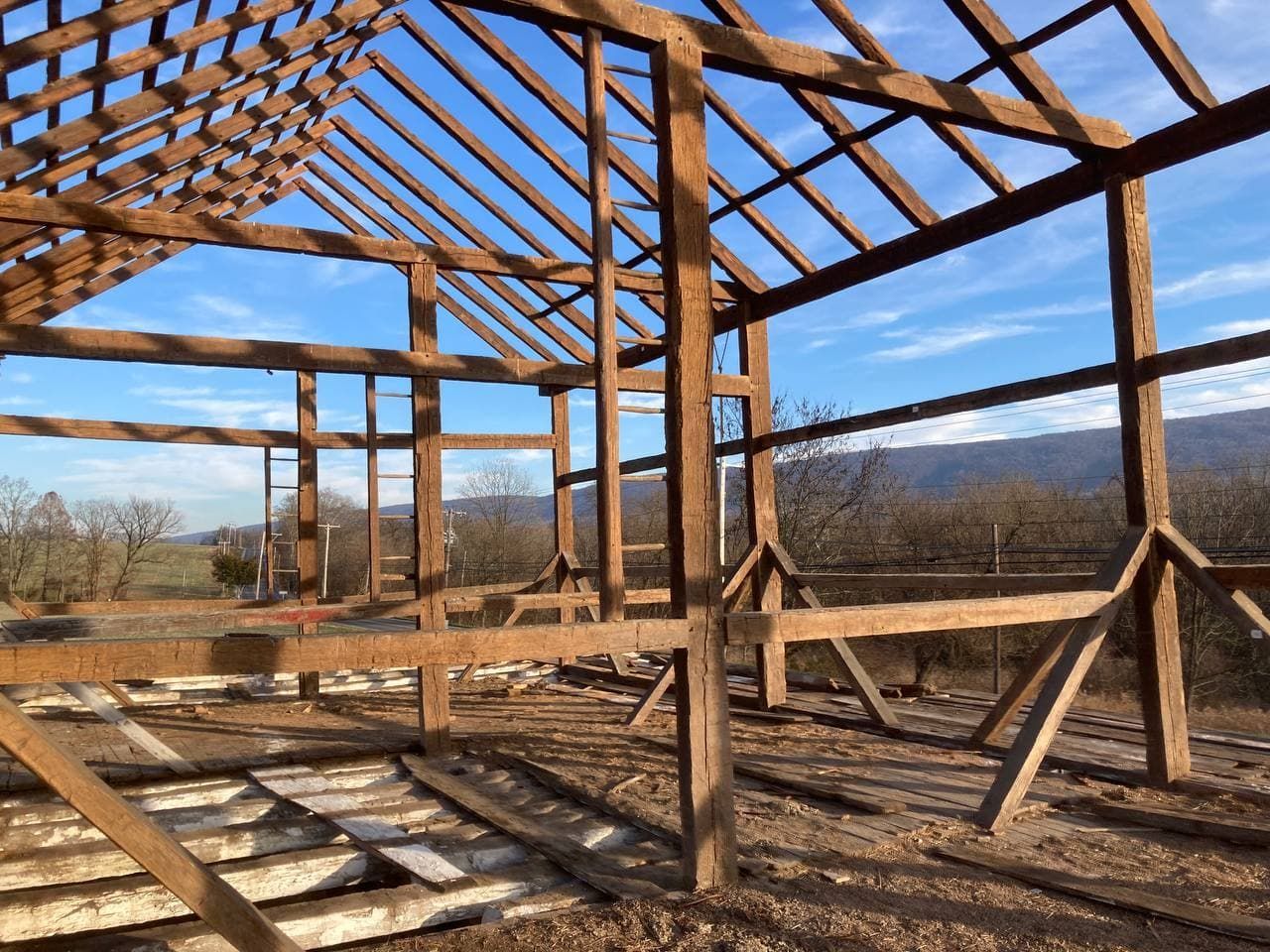
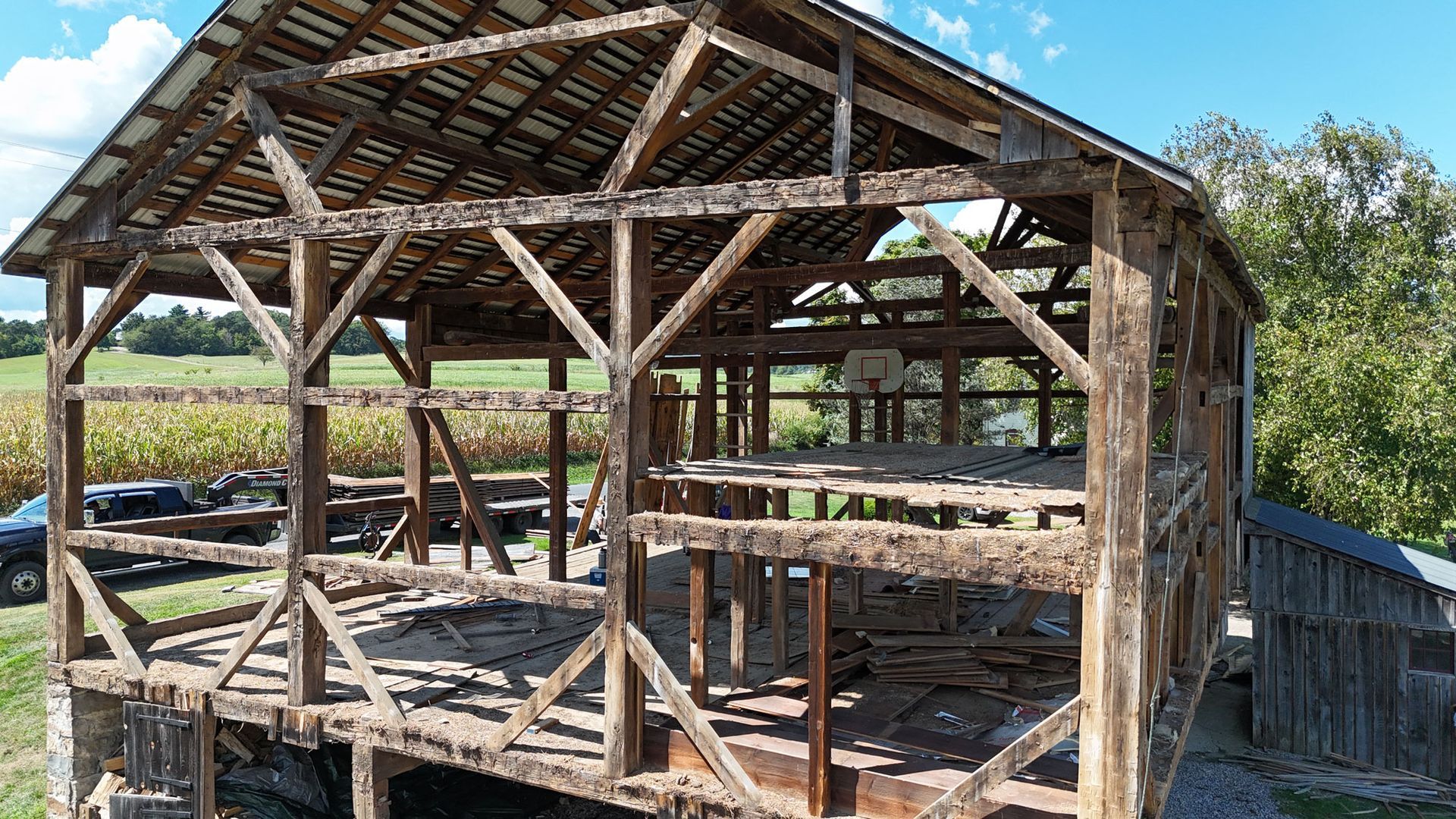
| Timber frame | Heavy timber posts and beams, new or reclaimed | Character, exposed joinery, long life | Higher cost and fewer experienced builders |
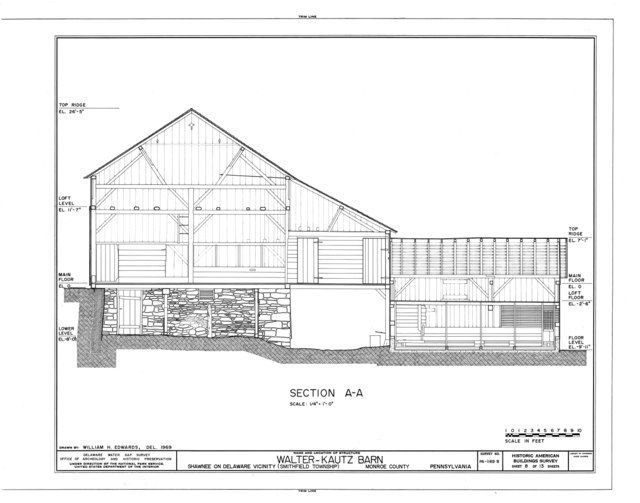
| Converted old barn | An existing barn turned into a home | Owners who already have a barn | Structural repairs, foundation, permits |
Why are barndominiums popular?
- Space for the money. A simple shell can give you a lot of square footage. The cost gap closes fast once you add finishes, but you often get more space per dollar.
- Open and flexible. With a clear-span structure, interior walls usually don’t carry the roof. You can arrange rooms the way you want and change them later.
- Durable materials. Metal roofs and siding hold up well and need little upkeep. Quality varies, though, so look at coatings, fasteners, and warranties.
- Indoor and outdoor living. Sliding doors, big openings, and covered porches connect the house to the land.
- Multi-use space. Many owners add a shop, garage, or studio under the same roof as the living area. It suits hobbies, home businesses, and equipment storage.
- A distinctive look. Rustic wood and clean modern lines make a home that feels both warm and fresh.
How much does a barndominium cost?
Published 2026 estimates for a finished barndominium mostly land between about $100 and $160 per square foot. High-end finishes can run well above that. Many of those figures come from builders and kit sellers, so treat them as planning ranges, not bids. Bankrate’s guide to barndominiums is a good starting point for the comparison with traditional homes.
What moves the price:
- Shell type. Steel, post-frame, and timber frame cost different amounts.
- Finishes. Kitchens, bathrooms, flooring, and cabinets are where budgets grow.
- Size. Larger homes usually cost less per square foot.
- Site and utilities. Land, foundation, well, septic, and power can be major costs.
- Location. Labor and material prices vary a lot by region.
Get quotes from local builders, and keep a contingency for surprises.
What are the pros and cons?
Pros
- Often more space for the money
- Customizable open layouts
- Durable, low-maintenance materials when done well
- Room for living and working under one roof
- A look people remember
Cons
- Financing. Many conventional lenders treat barndominiums differently from standard homes, and some won’t lend in certain markets. Talk to lenders before you buy land.
- Zoning and codes. Some areas restrict metal buildings or mixed-use structures, and HOAs may not allow them. A barndominium still has to meet residential building code.
- Insulation and moisture. Metal buildings can sweat. Insulation, vapor control, and ventilation have to be designed in from the start.
- Insurance. Some insurers price these homes differently. Get quotes early.
- Resale. Value depends on your market and how familiar buyers are with the style.
Can you build a barndominium with a reclaimed timber frame?
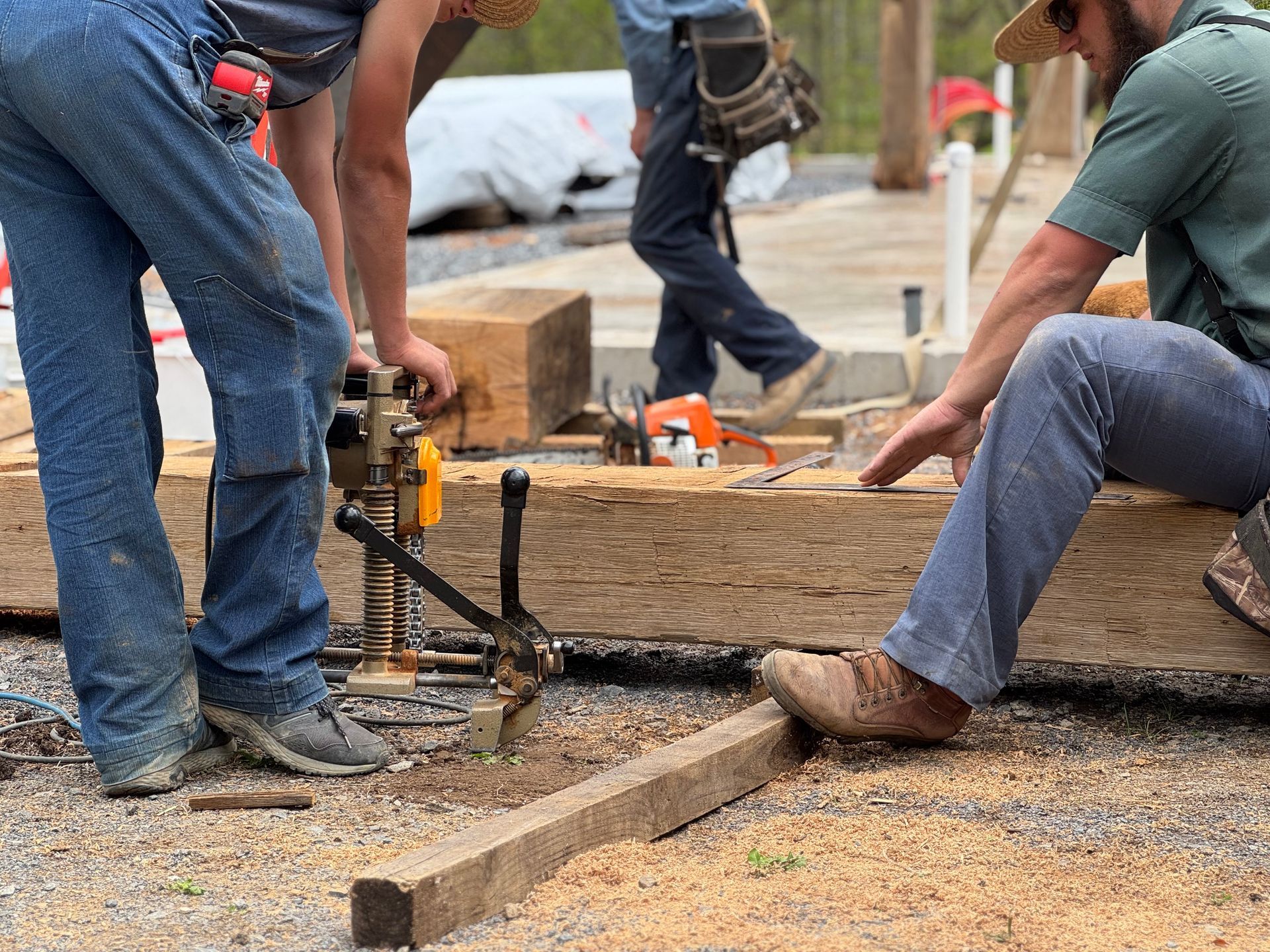
Yes. If you want the barn look with real history, you can build around a reclaimed barn frame. At Bay & Bent, we find historic barn frames across the country, take them down, repair the timbers, and deliver them anywhere in the world, ready to be raised.
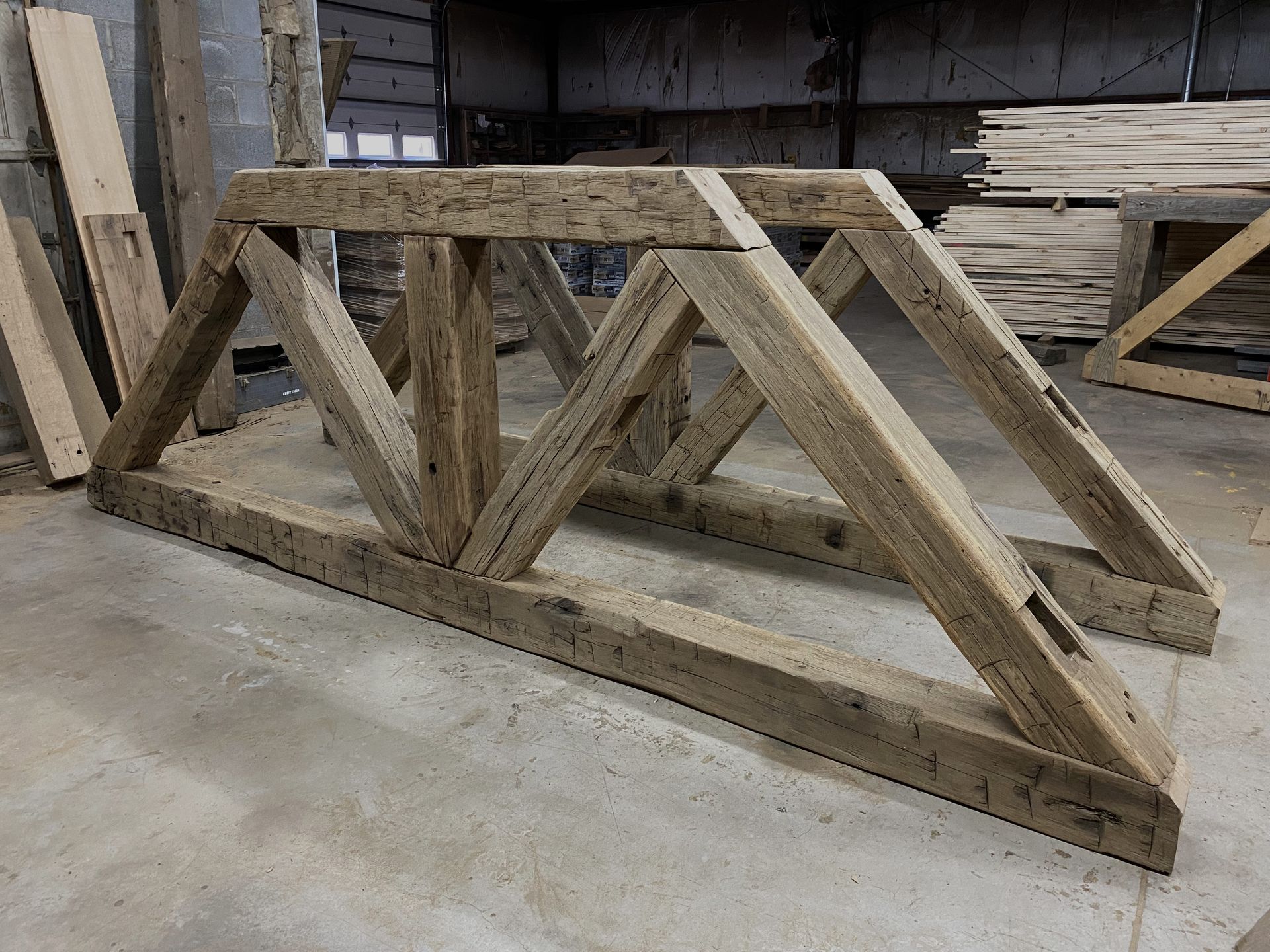
A reclaimed frame usually costs more than a metal shell. In return, you get old-growth timber, hand-cut joinery, and a barn’s character that a new building can’t copy. You still need a foundation, engineering, enclosure, and permits. We supply frames for new projects. We do not convert or restore barns on a client’s property. You can see what we have on our barns page.
Frequently Asked Questions (FAQs)
What is a barndominium?
It’s a home built in a barn-style building, often with living space and a workshop or storage under one roof. The building can be new metal, post-frame, timber frame, or a converted barn.
Are barndominiums cheaper than regular houses?
Often, per square foot, but the gap narrows with higher-end finishes. Site work, utilities, and permits cost about the same either way.
Can you get a mortgage for a barndominium?
Sometimes. Many lenders treat them differently from standard homes, and construction loans are common. Talk to lenders before you buy land.
Are barndominiums durable?
They can be, with quality materials and good construction. Metal roofs and siding last a long time, but insulation, moisture control, and coatings still matter.
Is a barndominium the same as a pole barn home?
A pole barn home is one type of barndominium. The term also covers metal buildings, timber frames, and converted barns.
Can I build a barndominium anywhere?
Not always. Zoning, HOA rules, and building codes vary. Check with your local building department first.
Do barndominiums hold their value?
It depends on your market and the quality of the build. Don’t count on appreciation as a guarantee.