The Parts of a Barn: A Guide to Timber Frame Anatomy
From foundation to rafters, know your barn
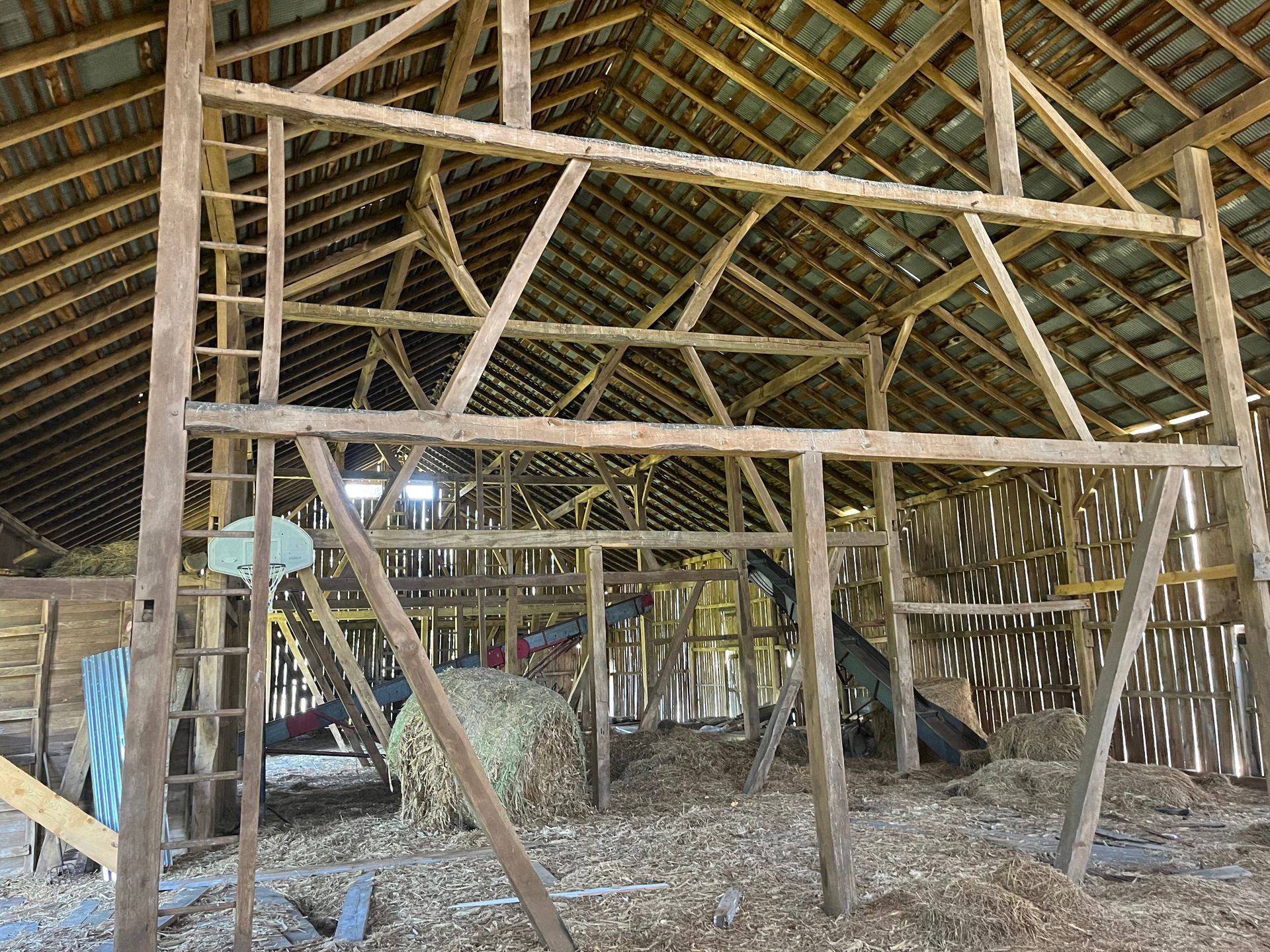
Stand inside an old timber frame barn and look up. You are seeing a masterpiece of engineering that has stood for over a century. Those massive beams and intricate joints all have names and purposes. But what are all those parts called, and how do they work together?
Understanding the anatomy of a barn helps you appreciate the incredible craftsmanship behind these historic structures. Whether you own an old barn, are thinking about converting one, or simply admire traditional building, knowing the parts reveals the brilliant logic of their design.
What is Timber Frame Construction?
Before we get into specific parts, it’s helpful to know why traditional timber framing is so different from modern construction.
A timber frame uses large, heavy pieces of wood, posts, and beams that are spaced far apart. This massive skeleton carries the building’s entire weight. The pieces are connected using traditional mortise and tenon joints, which are locked together with wooden pegs instead of nails.
This method is very different from modern "stick framing," which uses smaller pieces of wood (like 2x4s) nailed together. Timber framing creates wide-open interior spaces because the frame itself does all the structural work, so no internal load-bearing walls are needed. This is why old barns feel so open and spacious.
The Parts of a Barn
The Foundation and Sills
Every barn starts with a solid base. The type of foundation often depends on when and where the barn was built.
- Foundation: This is the base that supports the entire structure. Many historic barns sit on stone foundations, made of either dry-stacked stones or stones held together with mortar. Over time, these can settle, but they are often remarkably durable.
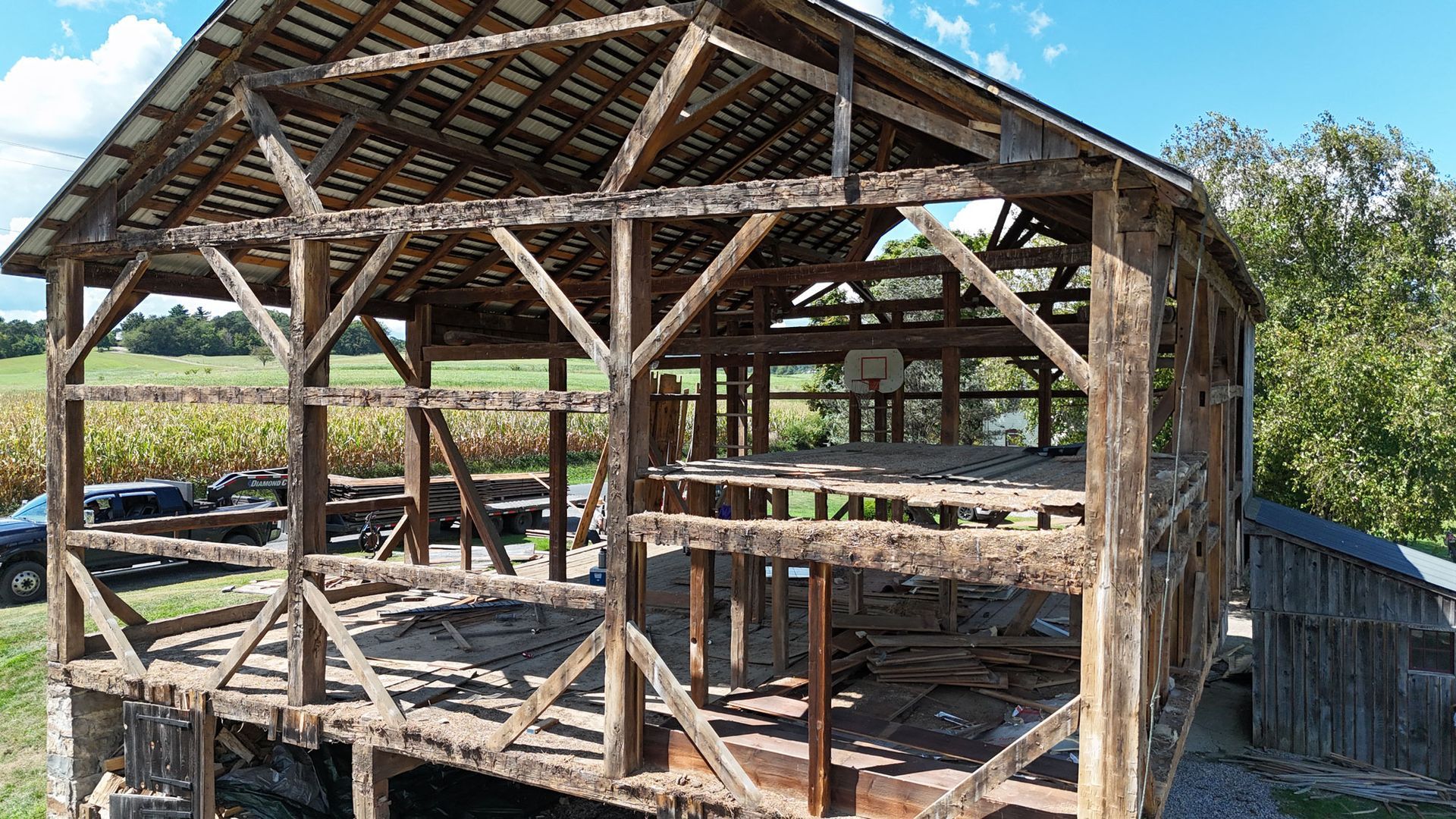
- Sills: These are the large, horizontal timbers that sit directly on top of the foundation. They form the perimeter of the barn and distribute the building's weight evenly. All of the vertical posts of the frame rest on the sills.
Because sills are so close to the ground, they are vulnerable to moisture, rot, and insects. Replacing a failed sill is a major restoration project, as the entire barn frame must be carefully lifted to access it.
Posts
Posts are the legs of the barn. These vertical timbers carry the load from the roof and upper floors down to the foundation. Different posts have specific names depending on their location.
- Principal Posts: Also known as corner posts, these are the heavy-duty timbers at the four corners of the barn. They are critical anchors for the entire structure.
- Intermediate Posts: These run along the walls between the corner posts, providing support for the siding and helping to carry the roof load.
- Interior Posts: In larger barns, these posts support the center of the structure, holding up floor beams or other major elements.
- Queen and King Posts: These are specialized posts within the roof structure. A pair of queen posts supports the horizontal roof timbers, while a single king post rises to the very peak of the roof.
Beams, Girts, and Plates
A series of horizontal timbers connects the posts, creating the sturdy framework of the barn. Like posts, these horizontal pieces have different names based on their function.
- Girts: These are horizontal beams that connect the wall posts. They provide attachment points for the siding and add rigidity to the walls.
- Plates: These long beams sit on top of the wall posts and run the full length of the barn. They are a critical connection point, as the entire roof structure rests on them.
- Summer Beams: These are massive floor beams that support the upper level, or hayloft. They carry the immense weight of stored hay, grain, and equipment.
- Tie Beams: These beams connect opposing walls, preventing them from bowing outwards under the weight of the roof. They essentially "tie" the frame together.
The Bent
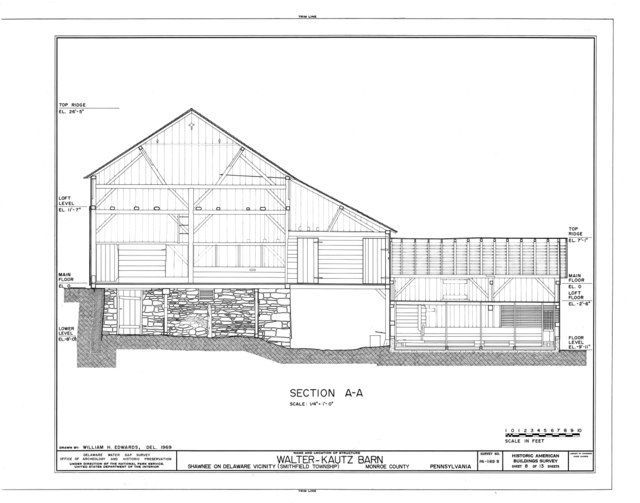
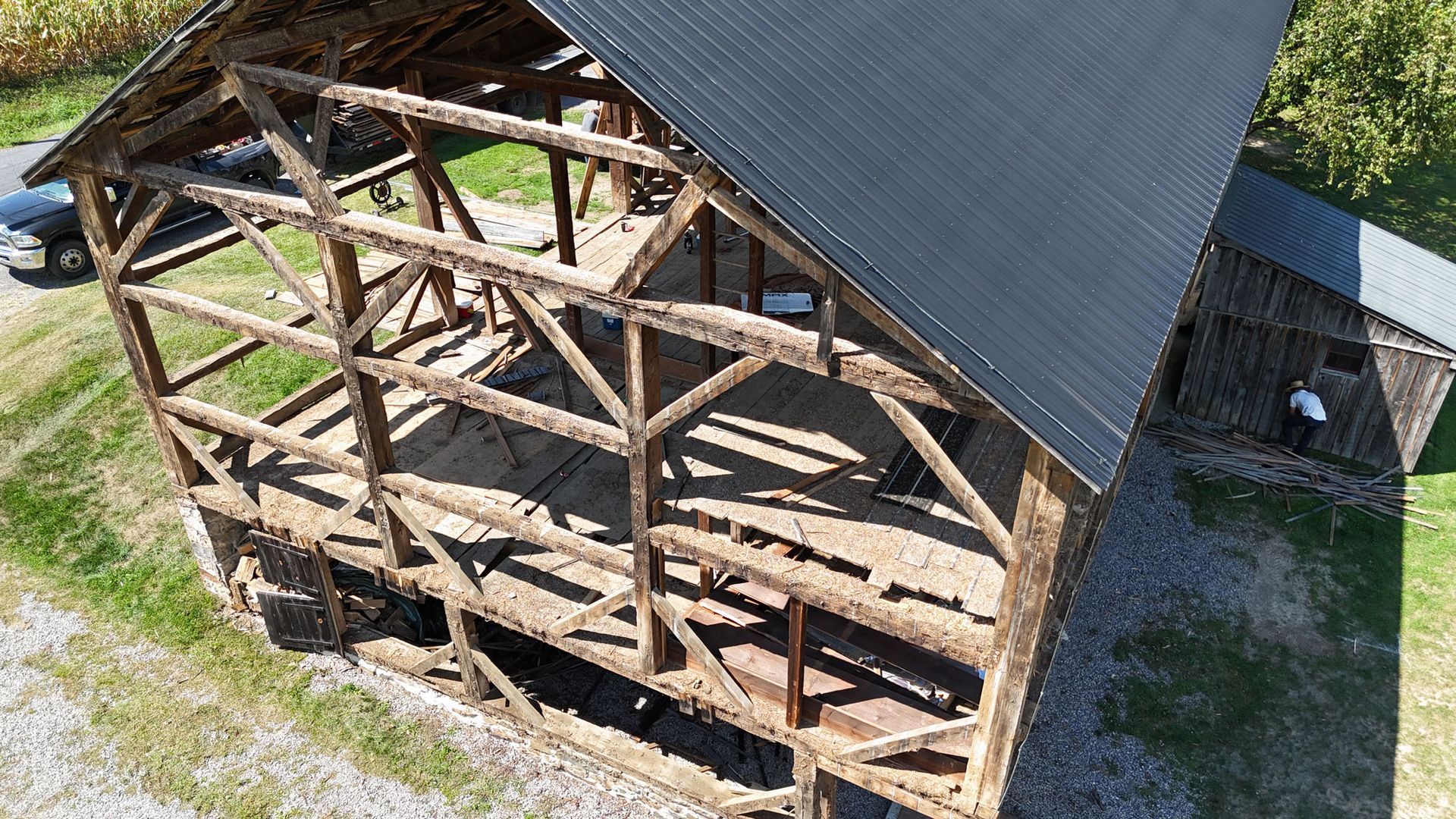
The "bent" is a fundamental concept in timber framing. A bent is a single, complete cross-sectional frame of the barn. Imagine taking a slice of the barn, the two posts, the tie beam connecting them, and the roof truss above form one bent.
These bents were assembled flat on the ground and then raised into position during a "barn raising." The space between two bents is called a "bay." A barn's length is measured by the number of bays it has, such as a "three-bay" or "five-bay" barn. This modular system made it easy for farmers to expand their barns by simply adding another bay.
Parts of the Roof Structure
The roof system in a timber frame barn is an integrated unit of parts working together to handle wind and snow loads.
- Rafters: These are the angled timbers that form the main slope of the roof. They extend from the plate at the top of the wall up to the peak.
- Ridge Beam: This is the horizontal beam that runs along the very peak of the roof, where the rafters meet.
- Purlins: These are horizontal timbers that run parallel to the ridge beam, supporting the rafters and preventing them from sagging.
- Struts: These are diagonal supports that brace the rafters and purlins, adding rigidity to the roof system.
The entire roof structure is designed to transfer loads down through the frame to the foundation. Understanding this path shows why every single component is essential.
Braces
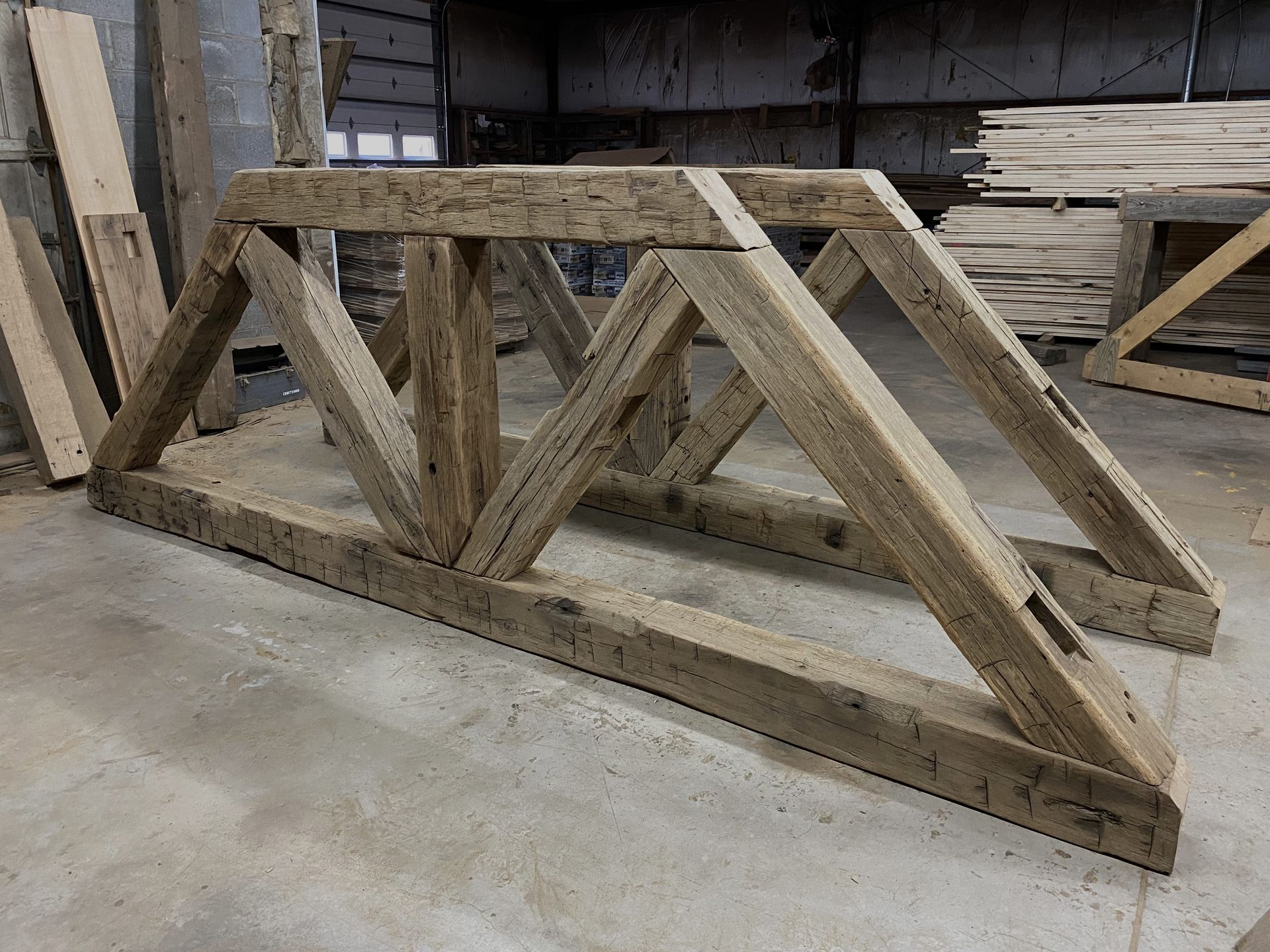
Braces are the diagonal timbers that connect posts to beams. They might seem like minor parts, but they are crucial for a barn's stability. They create rigid triangles within the frame that prevent it from racking or shifting.
- Knee Braces: These are the most common type, found in the corners where posts and beams meet. They are essential for resisting lateral forces from wind.
- Wind Braces: These are longer braces that run diagonally across entire wall sections to help the barn resist strong wind pressure.
Braces are what transform a wobbly collection of posts and beams into a solid, stable structure. In many old barns, you'll see that the craftsmen added curves or decorative cuts to the braces, a sign of the pride they took in their work.
Joinery
The true magic of timber framing lies in the joinery. Instead of nails, traditional builders used carefully cut wooden connections to lock the frame together.
The most common connection is the mortise and tenon joint. One timber is cut with a rectangular projection (the tenon), which fits snugly into a hole (the mortise) cut into another timber. Once assembled, the joint is secured by driving one or more wooden pegs through holes that pass through both pieces.
This level of precision, achieved entirely with hand tools, is remarkable. The joints were designed to handle specific forces, with different types of joints used in different parts of the frame. This sophisticated system is why these structures have remained standing for hundreds of years.
Recognizing Quality in a Historic Frame
Not all old barns were created equal. Through our years of experience, we've learned to spot the signs of truly exceptional craftsmanship. At Bay & Bent, we search for historic barn frames that represent the very best of this building tradition.
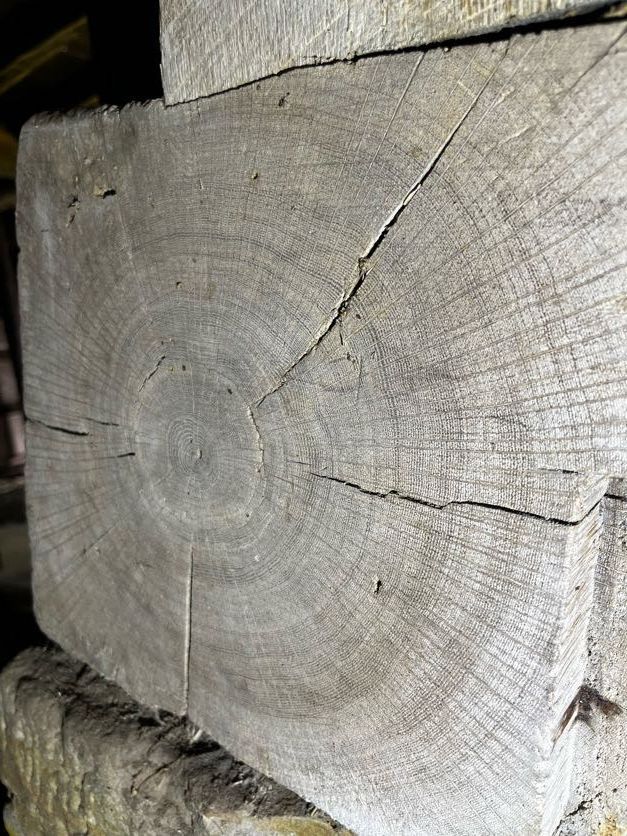
We look for frames built with high-quality, old-growth timber, which is denser and more durable than modern lumber. We also study the joinery. Clean, precise cuts and tight-fitting joints are the mark of a skilled craftsman. The entire frame should show a clear structural logic and thoughtful design.
It's important to clarify that we do not perform on-site restorations. Instead, our mission is to identify these superior frames, carefully disassemble them, and prepare them for a new life. We deliver these historic structures to clients around the world for use in contemporary projects, where their heritage and craftsmanship can be celebrated.
How to Assess a Barn Frame
If you own a historic barn or are considering buying one, understanding its parts will help you assess its condition.
- Check the foundation and sills first. Look for rot, insect damage, or settling. These are the most common problem areas.
- Inspect the posts. Check for rot where they meet the sills and for splitting or damage at the joints.
- Evaluate the beams. Look for excessive sagging or loose connections. Minor surface cracks are normal, but deep splits can be a structural concern.
- Examine the roof. Sagging rafters or damage at the connection points can indicate issues.
For a comprehensive evaluation, it’s always best to hire a structural engineer who has experience with historic timber frames. Their expertise can prevent costly mistakes and give you a clear understanding of the barn's condition.
A Legacy of Craftsmanship
Understanding the parts of a barn and how they work together deepens your appreciation for these amazing buildings. They are not just piles of old wood; they are highly engineered systems where every part has a name, a function, and a story to tell. They represent centuries of accumulated knowledge, and the ones that survive today have proven their worth time and again.