Sustainable Reclaimed Timber Uses in Commercial Space Redesigns
Eco-friendly design for modern businesses
There’s a certain feeling you get when you run your hand over a piece of old timber. It’s got a texture, a story that new wood just can’t replicate. It’s been places, seen things.
This isn't just lumber; it’s a piece of history. For years, I’ve seen good, honest wood from old barns and factories get tossed aside. But now, folks are wising up. They're realizing that giving this timber a second chance isn’t just good for the soul, it’s good for business.
Using reclaimed timber in commercial redesigns is about more than just a rustic look. It’s about bringing character, strength, and a genuine commitment to sustainability into a space. Whether it’s a bustling restaurant, a slick new office, or a retail shop, this old wood has a new story to tell.
Why Choose Reclaimed Timber?
Before we get into the nuts and bolts of how to use it, let's talk about why you’d want to. Reclaimed wood isn't some fleeting trend. It's a smart choice for any business owner looking to make a lasting impression.
A Nod to Mother Nature
Every plank of reclaimed wood you use is one less new tree that needs to be cut down. It keeps valuable material out of the landfill and reduces the carbon footprint of your project.
By choosing reclaimed, you're making a statement that your business values sustainability. It’s about doing right by the land, something a good craftsman understands in his bones.
Strength Forged by Time
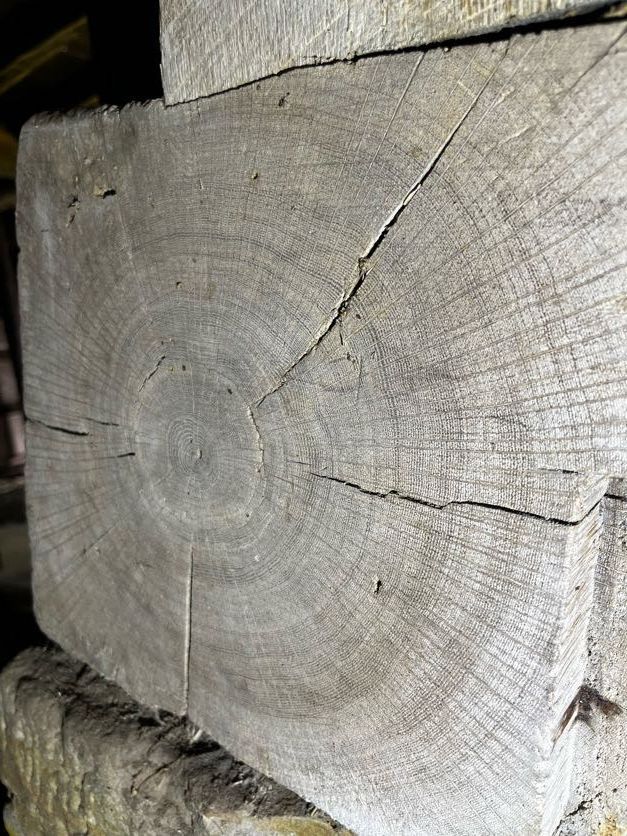
Much of the timber we salvage comes from old-growth forests, trees that grew slow and strong for a hundred years or more. This wood is denser and more stable than most of the new lumber you can buy today.
It's weathered decades of sun, rain, and snow, making it naturally resistant to warping and shrinking. It's built to last, plain and simple.
Character in Every Knot and Nail Hole
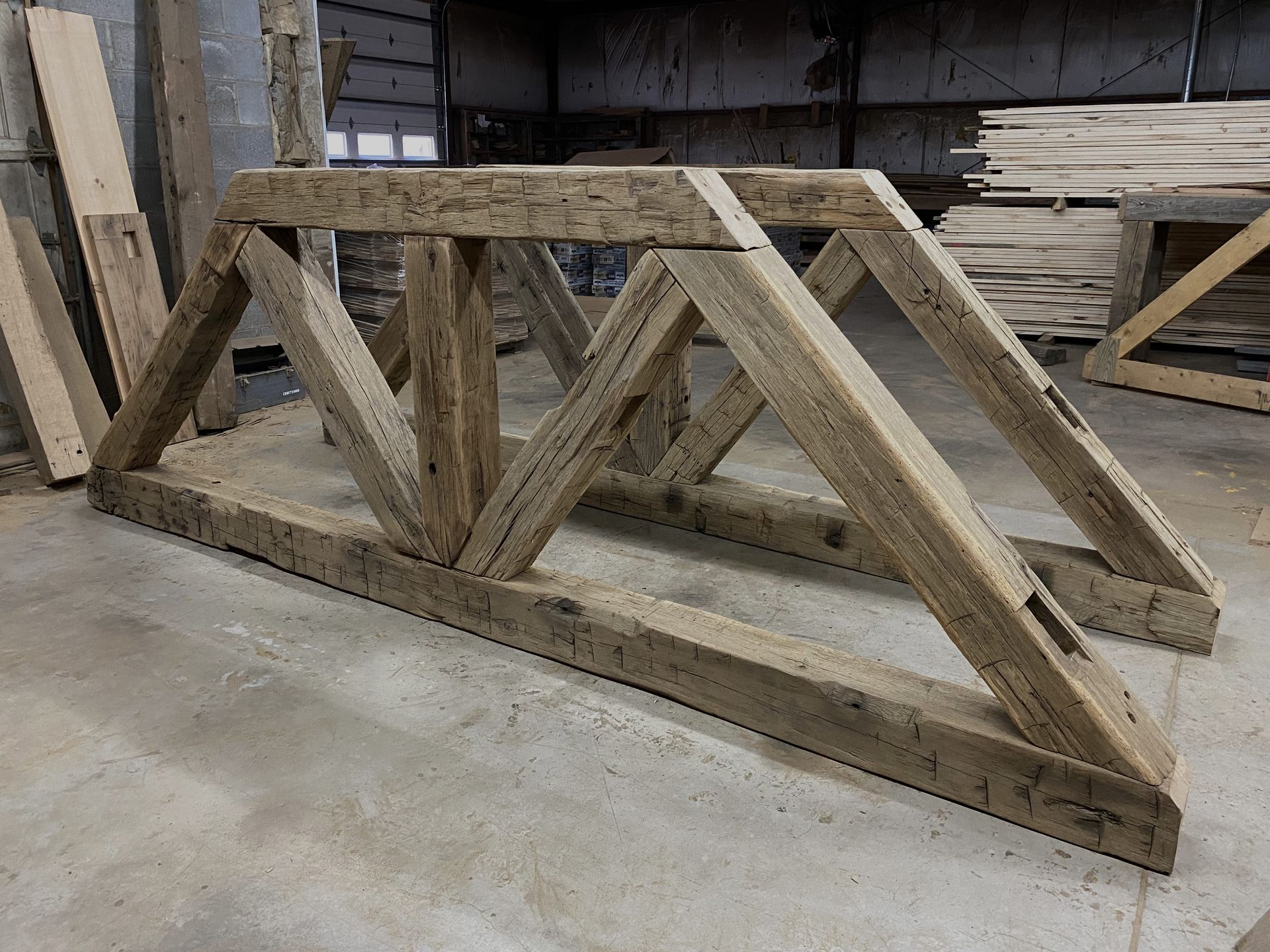
You can’t fake the patina that comes from a century of use. The nail holes, the saw marks, the subtle shifts in color, these aren't imperfections. They’re the timber’s history, and they give your space an authenticity that manufactured materials just can't touch.
Each piece is one-of-a-kind, bringing a warmth and texture that makes a commercial space feel genuine and inviting.
Sustainable Reclaimed Timber Uses in Your Commercial Space
So, you're sold on the idea. But how do you put this old wood to work in a modern commercial setting? The possibilities are as wide as a prairie sky. Here are a few tried-and-true ideas.
1. Reception Areas and Foyers
The first impression is the one that sticks. A reception desk crafted from thick, reclaimed beams or a feature wall paneled with weathered barn wood sets a powerful tone right away.
It tells your visitors that this is a place of substance and character. The warm, inviting nature of the wood puts people at ease, whether they're checking into a hotel or walking into a corporate office.
2. For Restaurants and Bars
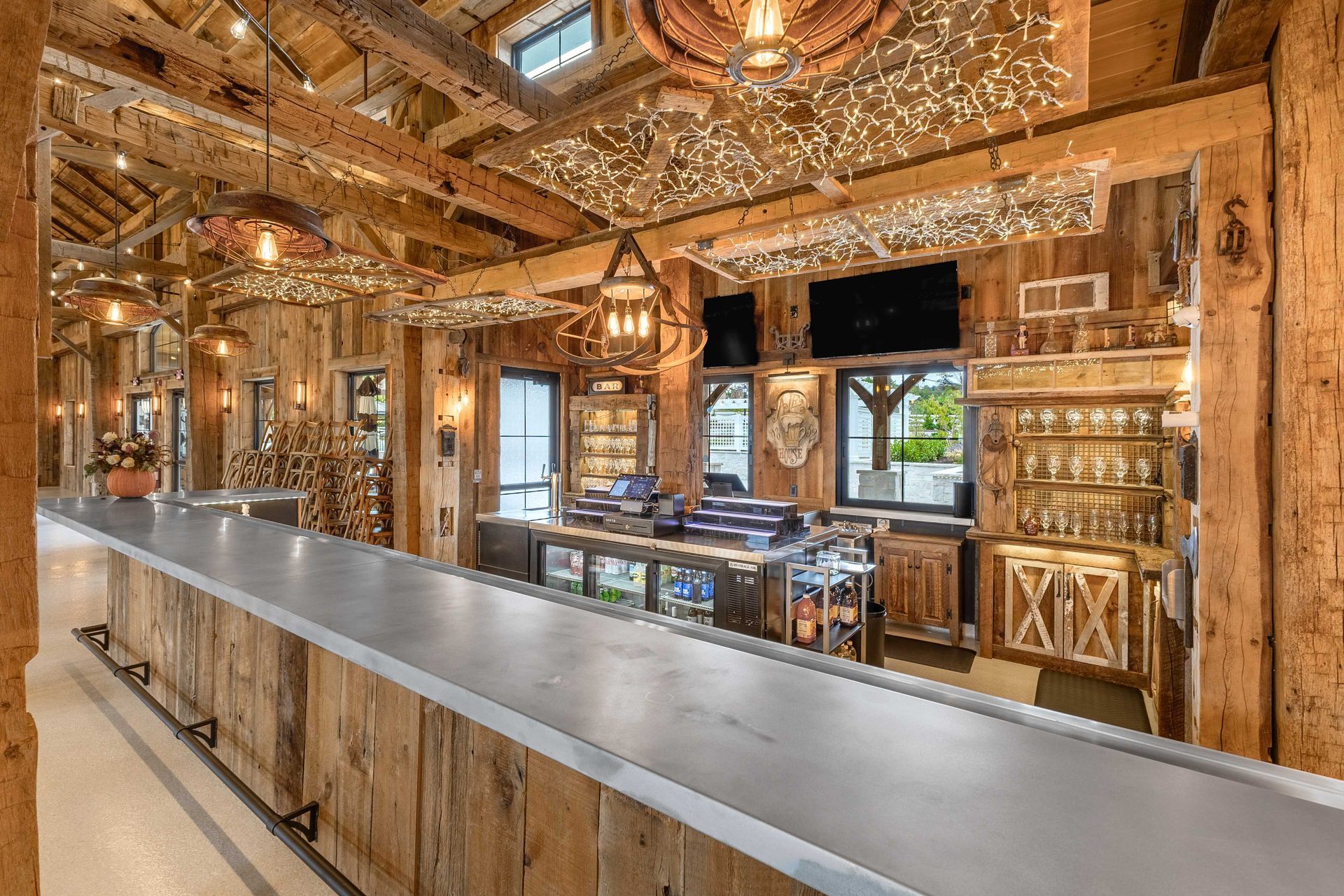
There's nothing like a sturdy wood bar to anchor a restaurant or pub. It’s where people gather, share stories, and make memories.
Using reclaimed timber for the bar top, shelving, or even the ceiling beams creates an atmosphere of timeless comfort.
Tabletops made from salvaged lumber add to the ambiance, and a reclaimed wood floor can handle the heavy foot traffic while looking better with every passing year.
3. For Offices and Conference Rooms
An office doesn't have to be a sterile box. Bringing reclaimed wood into the design can boost morale and productivity. A massive conference table made from a single slab of reclaimed oak becomes a centerpiece for big ideas.
Wood-paneled walls in a lounge or break area can create a relaxing escape from the daily grind. Even small touches, like shelving or decorative beams, can warm up a space and make it feel more human.
4. For Showcasing Goods in Retail Spaces
In retail, the environment is everything. You want your space to draw people in and highlight your products. Reclaimed wood is perfect for this. Use it for custom shelving, display tables, or as a backdrop for your merchandise.
The natural texture of the wood makes products pop, and it creates a shopping experience that feels unique and curated. An entryway framed with hand-hewn beams is a surefire way to get folks to stop and take a look inside.
The Bay & Bent Way
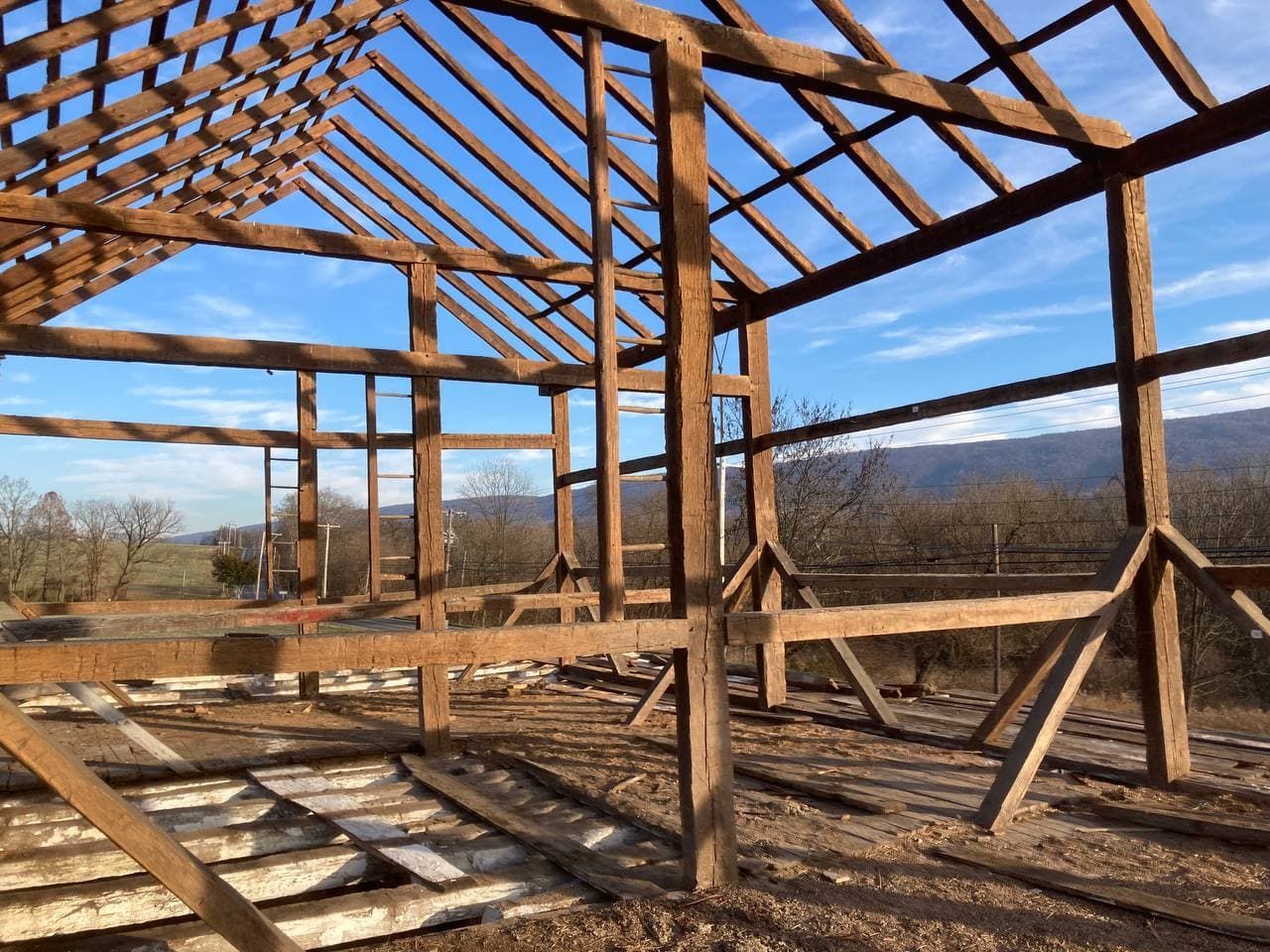
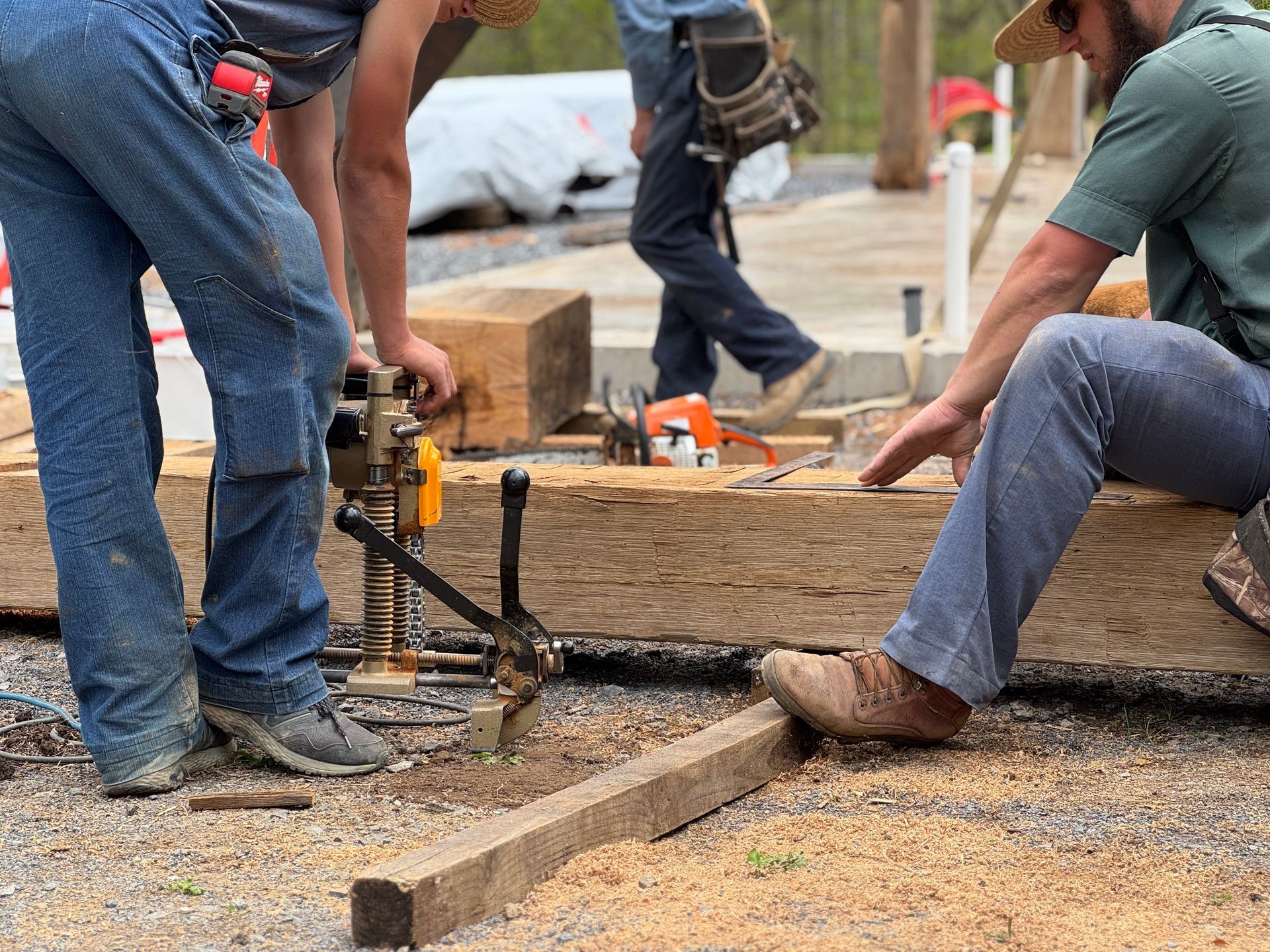
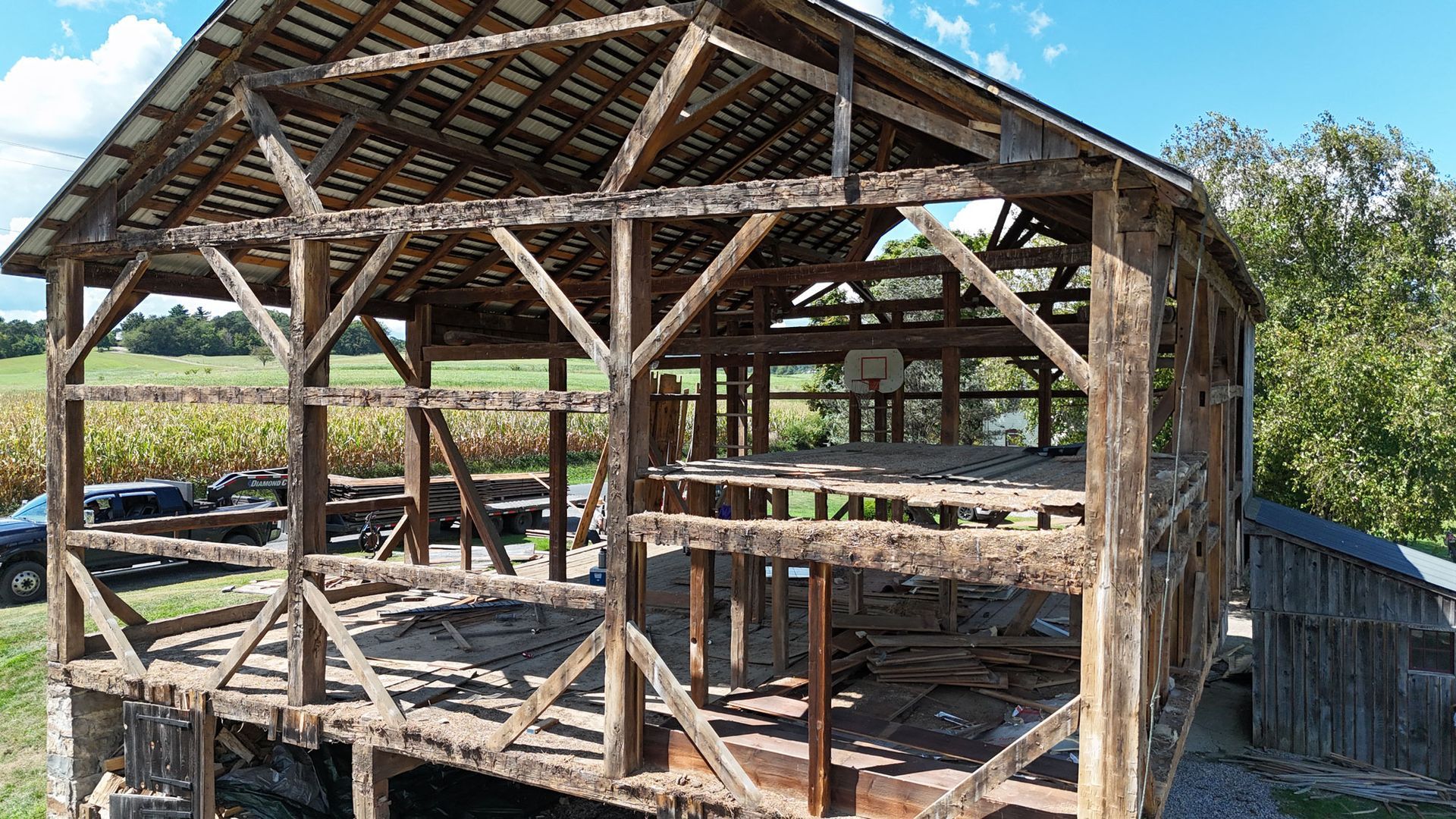
Breathing new life into old timber is more than just a job for us; it's a passion. We see these historic timber frames not as relics, but as the bones of something new and beautiful. At Bay & Bent, we specialize in the art of heritage restoration. We carefully dismantle antique barns and other historic structures, preserving every beam and joint. Then, we raise them again, transforming them into remarkable homes, event spaces, and unique commercial venues.
We believe that every timber frame has a soul. Our work is about honoring its history while adapting it for modern life. It's about expert craftsmanship, a deep respect for the past, and a commitment to building a sustainable future.
If you're looking for a team that understands the story in the wood, we invite you to learn more about our mission. Find out who we are and see how we blend heritage with function to create spaces that are truly timeless.
Built to Last, Ready for a New Chapter
Using reclaimed timber in your commercial redesign is a choice that pays off in more ways than one. You get a material that's durable, beautiful, and steeped in history. You create a space that feels authentic and welcoming. And you make a responsible choice that honors our natural resources.
This wood has already stood the test of time. It's seen generations come and go. By giving it a place in your business, you're not just designing a space, you're becoming part of its story and building a legacy of your own.