Reclaimed Wood Near Me: Where to Find It and What to Check
Sustainable and Locally-Sourced Reclaimed Wood for Your Projects
Last updated: October 2026
The best places to find reclaimed wood near you are local salvage yards, reclaimed lumber dealers, Habitat for Humanity ReStores, demolition contractors, and online listings. Call before you drive. Stock changes week to week, and the quality changes with it.
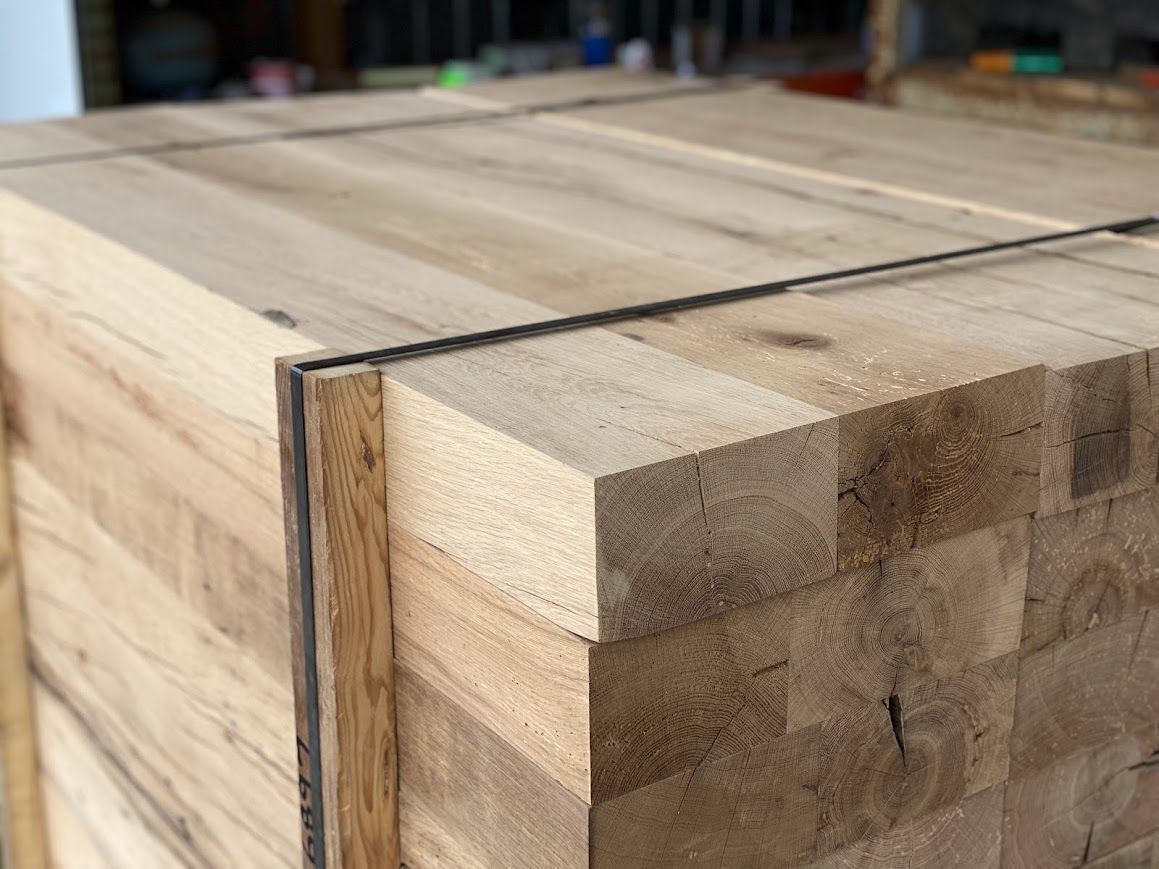
Reclaimed wood is old lumber pulled out of barns, mills, and warehouses and used again. It has tight grain, real age, and tool marks you can’t fake. But it needs a closer look than new lumber. Here is where to look, what to check, and what to ask.
Why choose reclaimed wood?
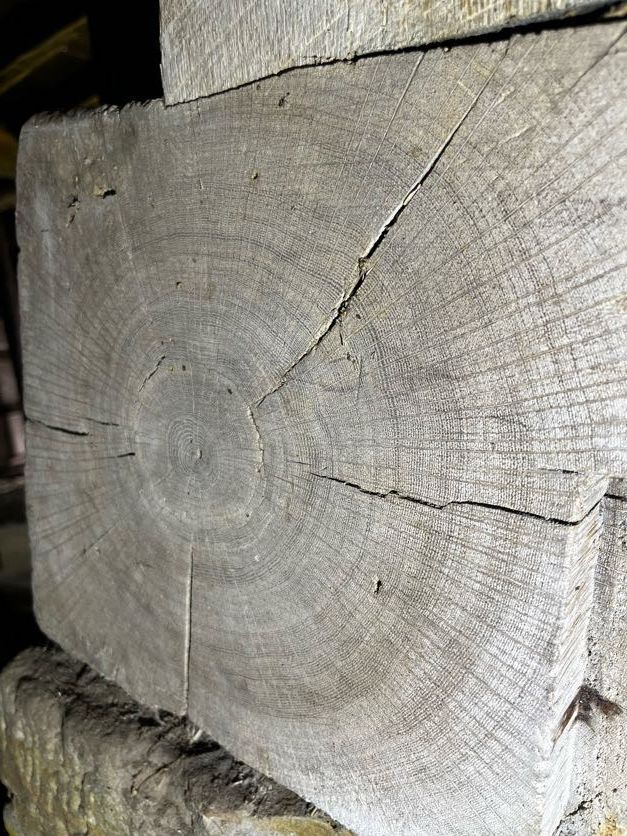
It looks like nothing else. Nail holes, saw marks, and a color that took a century to develop. New wood that has been “distressed” is stain and a wire brush. Real reclaimed wood is easy to tell apart once you’ve handled it.
It’s often denser. Many old boards and beams came from slow-grown trees. That can mean tighter grain and harder wood than a lot of new lumber. Each piece still has to be judged on its own condition.
It keeps good material in use. Reusing wood means less new timber has to be cut. It’s not a cure for anything, but plenty of our customers care about it.
It isn’t always cheaper. Reclaimed wood usually costs more than a pile of new framing lumber. You pay for the age, the character, and the work it takes to clean and mill it. ReStores and salvage yards can be easier on the budget.
Where to find reclaimed wood near you
1. Salvage yards and architectural salvage. These stock old doors, beams, boards, and flooring. Staff often know where a piece came from and can help you choose.
2. Reclaimed lumber dealers. Some yards deal only in reclaimed wood. They clean, sort, and mill boards, beams, and flooring, so what you buy is ready to use.
3. Habitat for Humanity ReStores. ReStores sell donated building materials, and the selection depends on what came in that week. You can find a ReStore near you by ZIP code. Quality varies, so check each board.
4. Demolition contractors and flooring companies. Crews taking down old buildings sometimes sell or give away usable timber. Flooring shops may carry reclaimed options or know who does.
5. Barn owners and online listings. Facebook Marketplace and community boards turn up barn wood. Always ask permission and confirm who owns the wood. Inspect it in person, and never go into a leaning barn to pull boards.
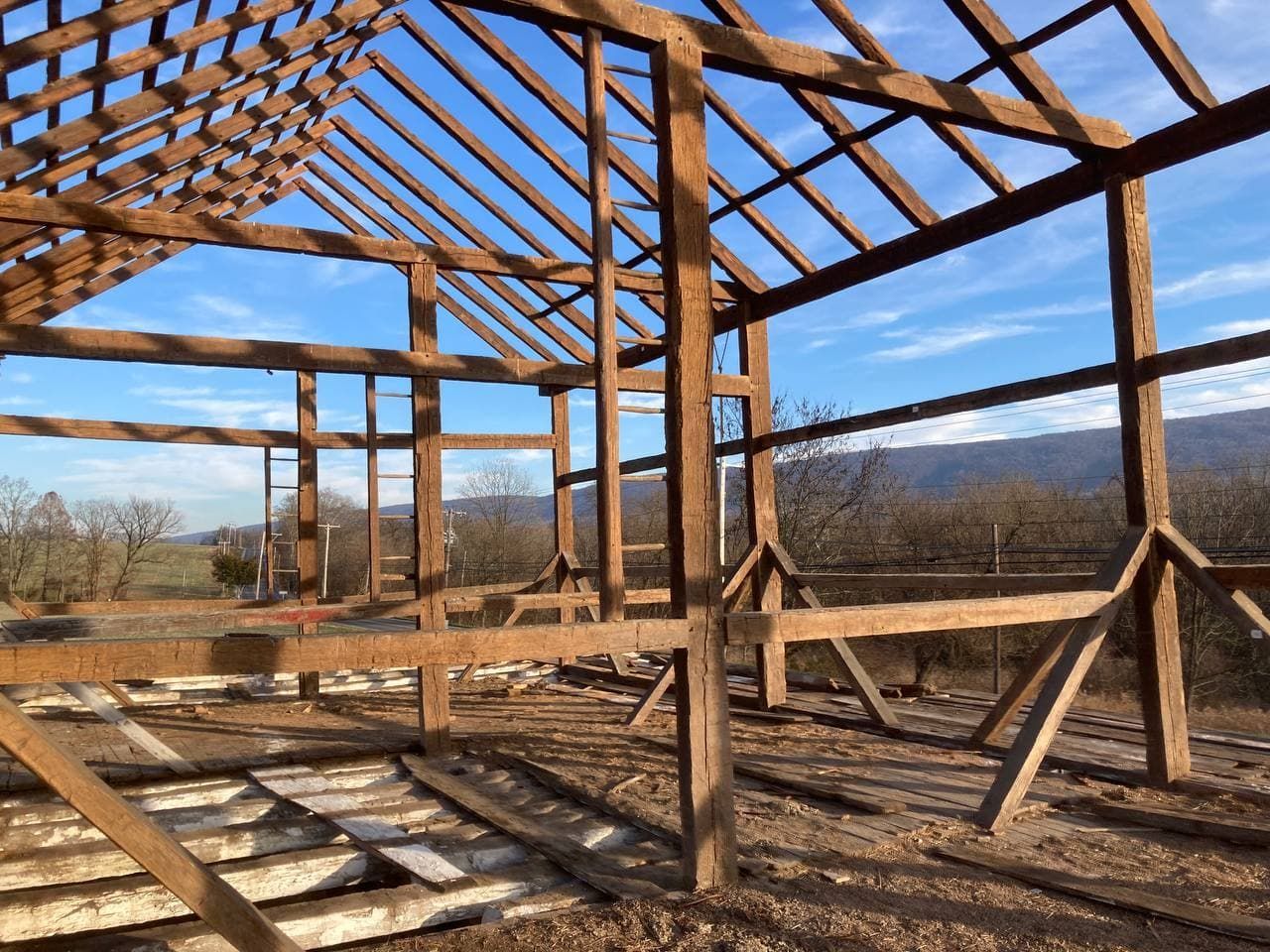
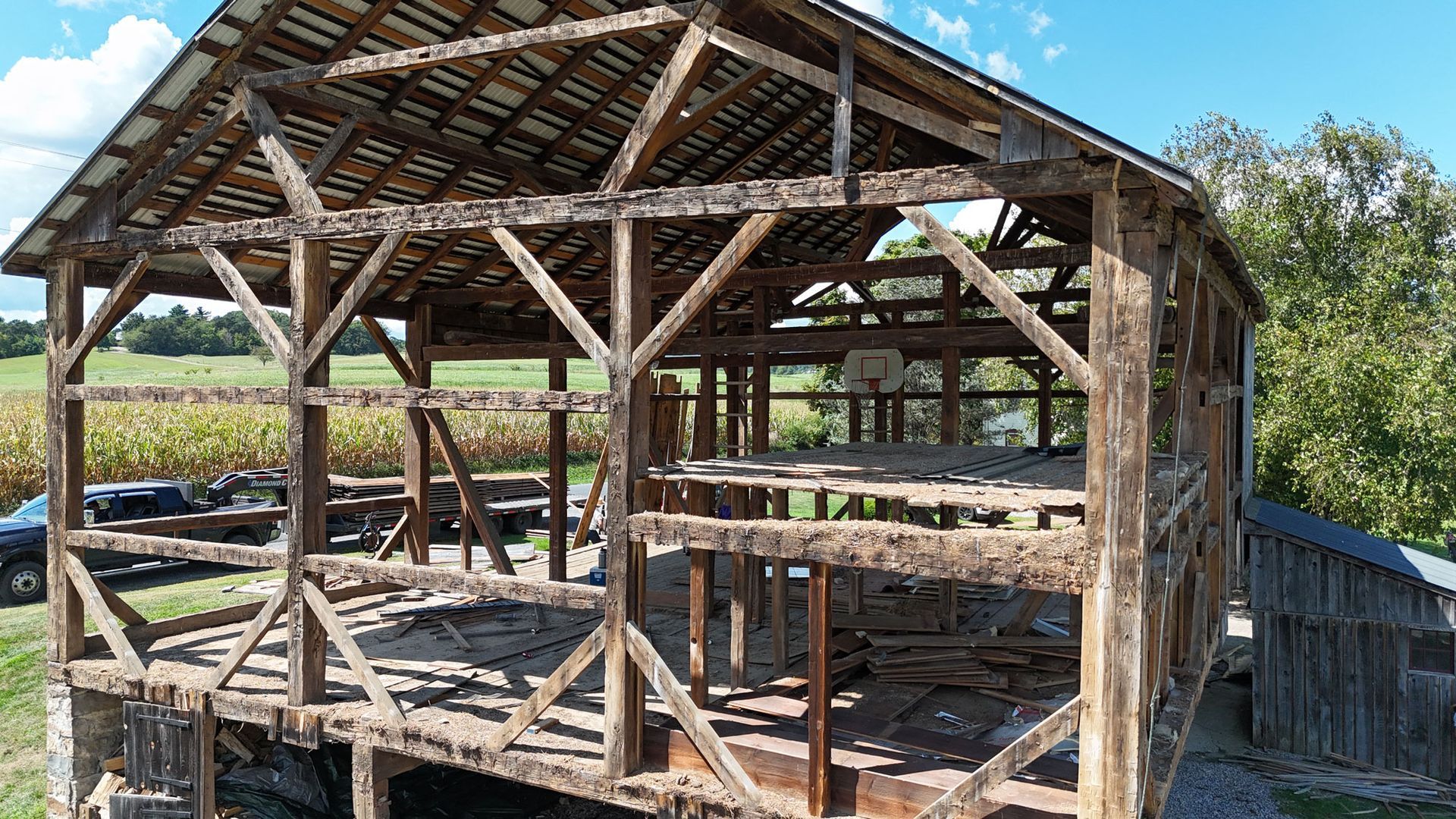
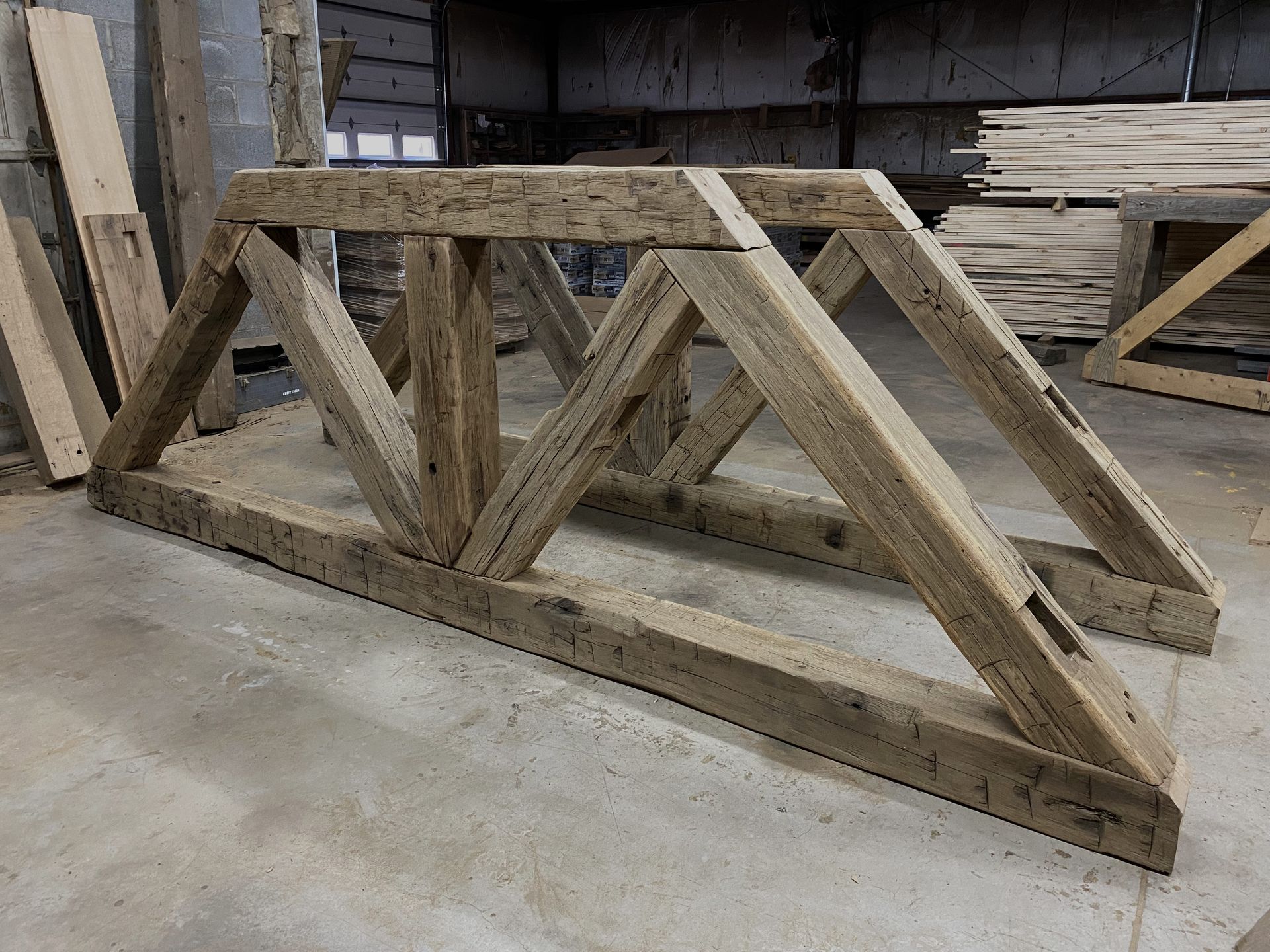
6. Bay & Bent, for whole frames. If your project needs a full structure, we are a different kind of source. We find historic barn frames across the country, take them down, restore them in our shop, and deliver them anywhere in the world. We don’t sell boards or flooring, so for those, use the options above. See our frames on our barns page.
What should you check before you buy?
- Insects. Look for small round holes and fine powder, which can mean powder post beetles. Ask how the wood was treated or dried.
- Lead paint. Paint on wood from before 1978 can contain lead. Don’t sand or burn it. Have painted boards tested, or choose unpainted wood.
- Hidden metal. Old nails, screws, and bolts can break saw blades and cutters. Run a metal detector over the boards before you cut them.
- Moisture. Wet wood can warp, shrink, or rot. Ask whether it is air-dried or kiln-dried, and let it acclimate in your space before you install it.
- Condition. A few cracks and checks add charm. Deep rot, soft spots, and major splits don’t.
- Cleaning and finish. Old wood may carry dirt, oil, or old finishes. Ask what has been done to it and whether it is safe for the way you plan to use it.
Wood used for tabletops, bar tops, or cutting surfaces in a restaurant also has to be sealed properly. Check your local health code for food-contact surfaces.
What should you ask the seller?
- Where did the wood come from, and what species is it?
- Is it air-dried or kiln-dried, and how was it cleaned?
- Is any of it painted? Has it been tested for lead?
- Can I see the actual boards, not only the photos?
- Can I return anything that doesn’t work?
How do you spot real reclaimed wood?
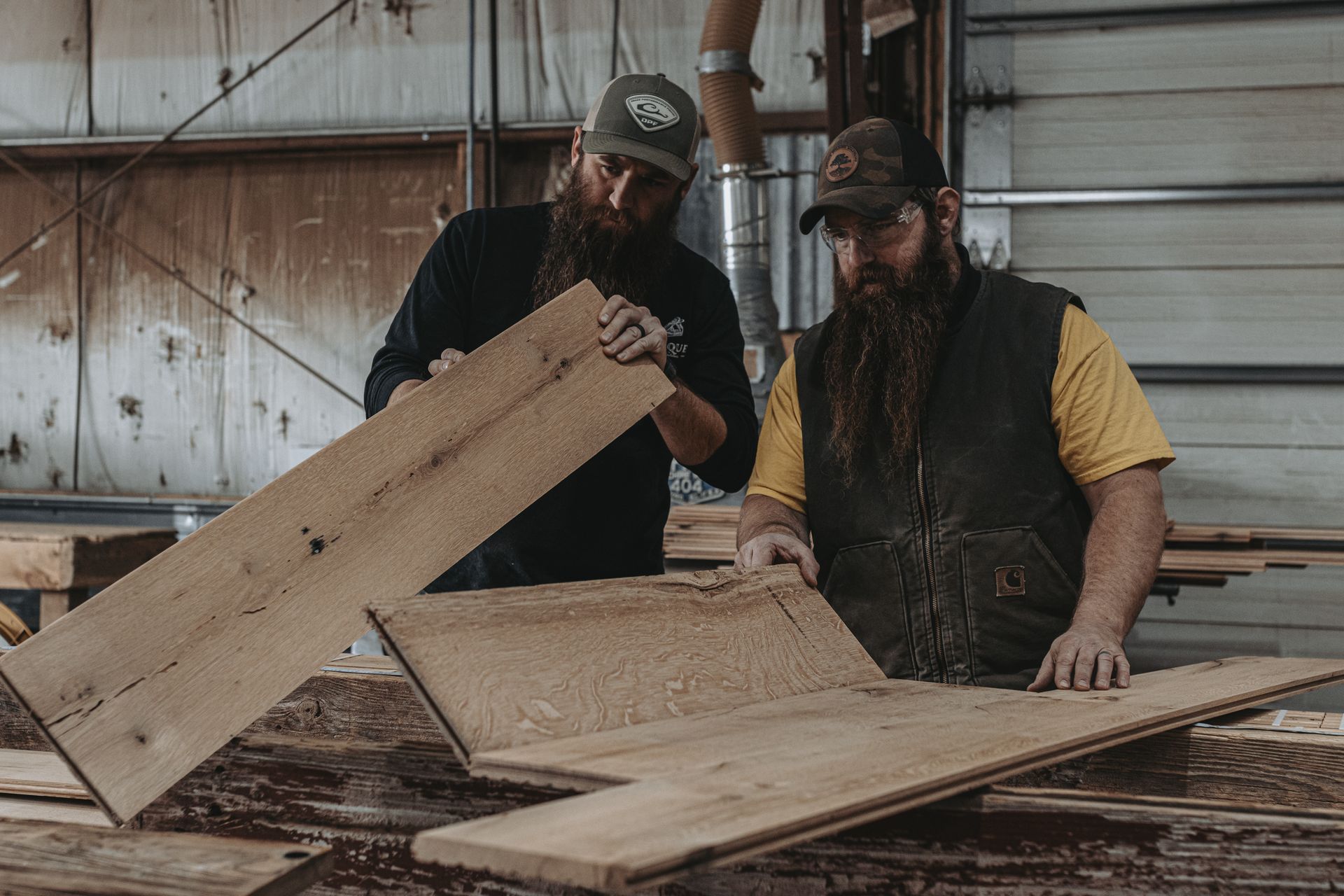
Look for varied saw marks, old nail holes, uneven wear, and a patina that changes across the board. Pick it up. Old-growth wood is often heavier than it looks. Ask where it came from. A seller with the real thing will usually have a story. If every board looks identical, it may be new wood made to look old.
What can you do with reclaimed wood?
- Feature walls, mantels, and floating shelves
- Flooring and stair treads
- Furniture, tables, and beds
- Restaurant and bar tops, retail displays, and signs
- Exposed beams in homes and businesses
A restaurant, shop, or office built with reclaimed wood tends to feel warm and lived in. Customers notice it.
Frequently Asked Questions (FAQs)
Where can I buy reclaimed wood near me?
Try salvage yards, reclaimed lumber dealers, Habitat for Humanity ReStores, demolition contractors, and online listings. Call first to check what’s in stock.
Is reclaimed wood more expensive than new wood?
Often, yes. You are paying for the age and character, plus the cleaning and milling. ReStores and salvage yards can cost less.
Is reclaimed wood safe to use?
It can be, if you check it. Look for pests, lead paint on wood from before 1978, and hidden metal. Ask the seller how it was cleaned and dried.
Can I use reclaimed wood outdoors?
Sometimes. It depends on the species, the condition, and the finish. Some woods hold up better than others, so ask the seller.
How do I find reclaimed barn wood near me?
Ask local barn owners, farm auctions, and demolition contractors. Check community boards, and always get permission before you take anything.
Do you sell reclaimed lumber and flooring?
Bay & Bent sells whole historic barn frames, not boards or flooring. For boards and flooring, look at local reclaimed lumber dealers and salvage yards.