Transform Your Home with Reclaimed Barn Frames
Rustic Charm Meets Sustainability with Reclaimed Barn Frames

Last updated: October 2026
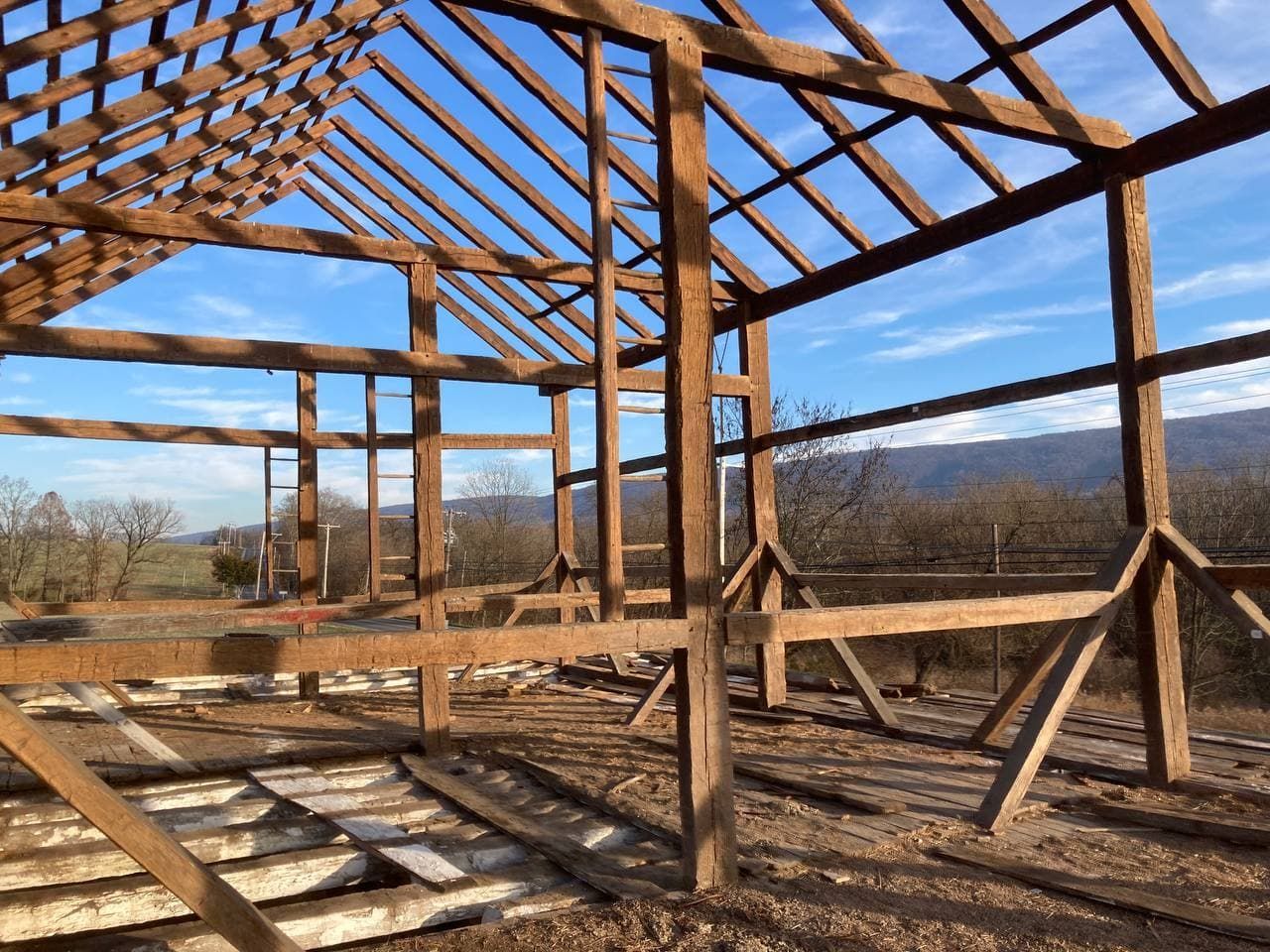
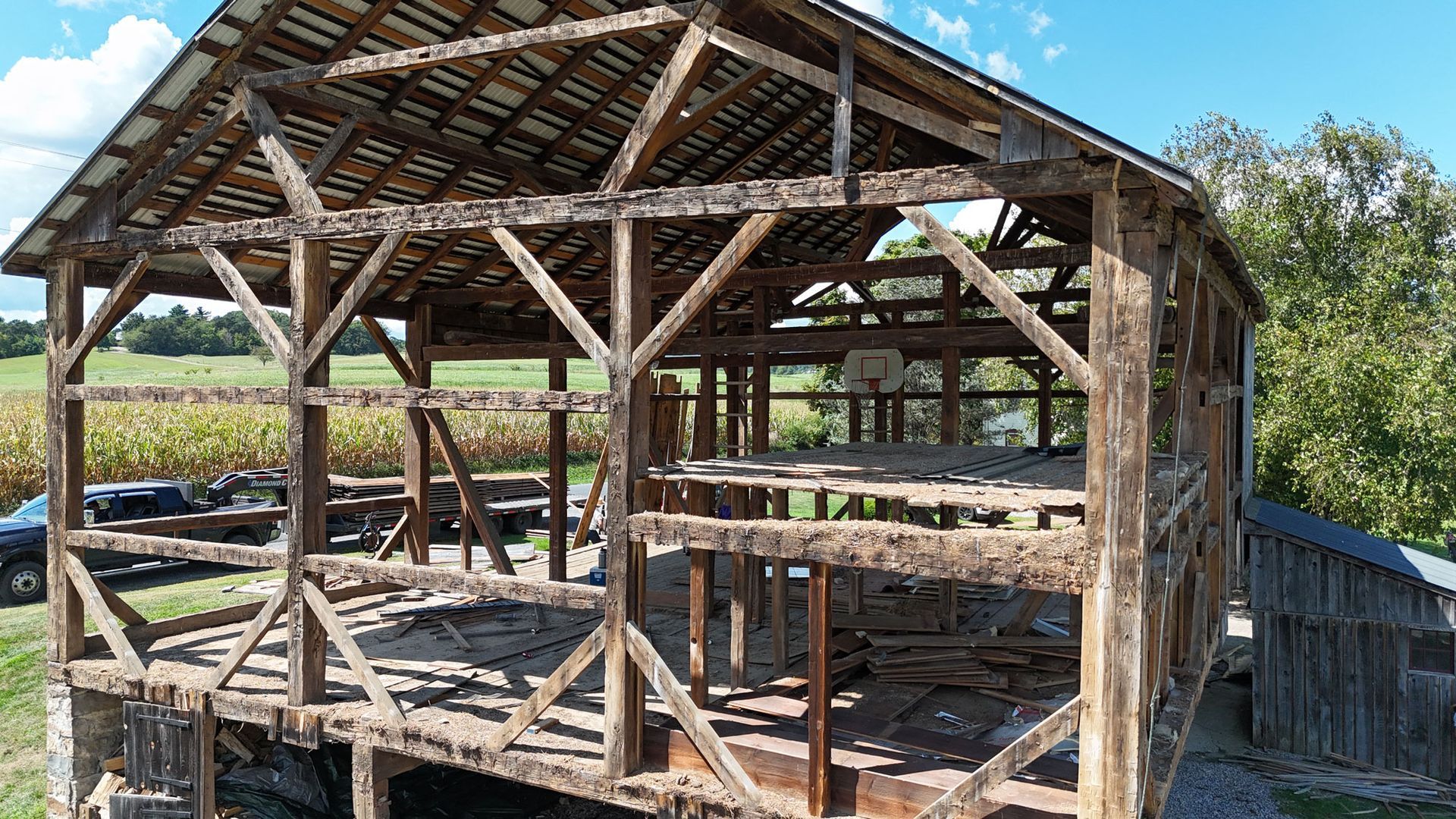
Reclaimed barn frames are old post and beam skeletons that have been taken out of their original barns, repaired, and rebuilt as part of a new home or building. They give you old-growth timber, hand-cut joinery, and real age that new construction can’t match. Most are 100 to 200 years old and still sound.
These frames were the backbone of American farms. Now they are giving homes, restaurants, and event spaces a different kind of character. Here is what makes them special, how they get from the field to your site, and what to check before you buy one.
What are reclaimed barn frames?
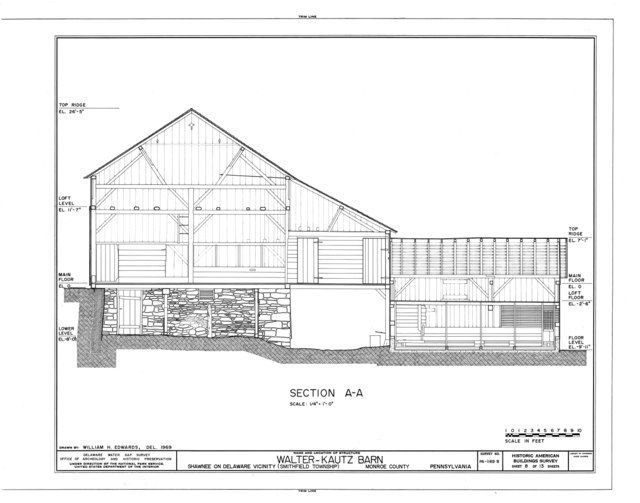
A barn frame is the main structure of an old barn. It is built from heavy posts, beams, and braces joined with mortise and tenon joints and locked with wooden pegs. No metal plates hold it together.
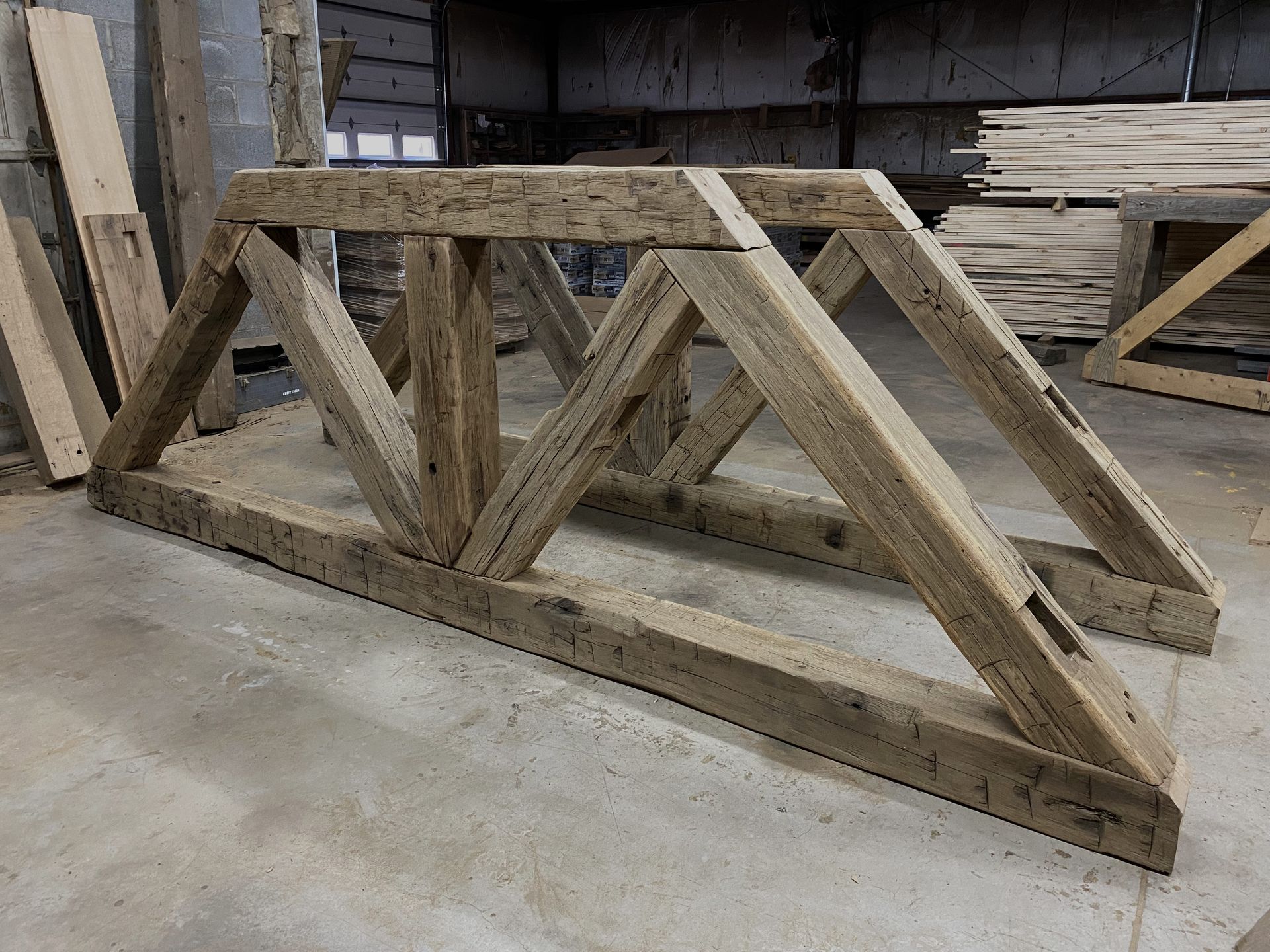
A reclaimed frame has been dismantled with care, with each timber labeled so it can go back together. The pieces are cleaned, repaired, and made ready to be raised again in a new place.
Why do people choose reclaimed barn frames?
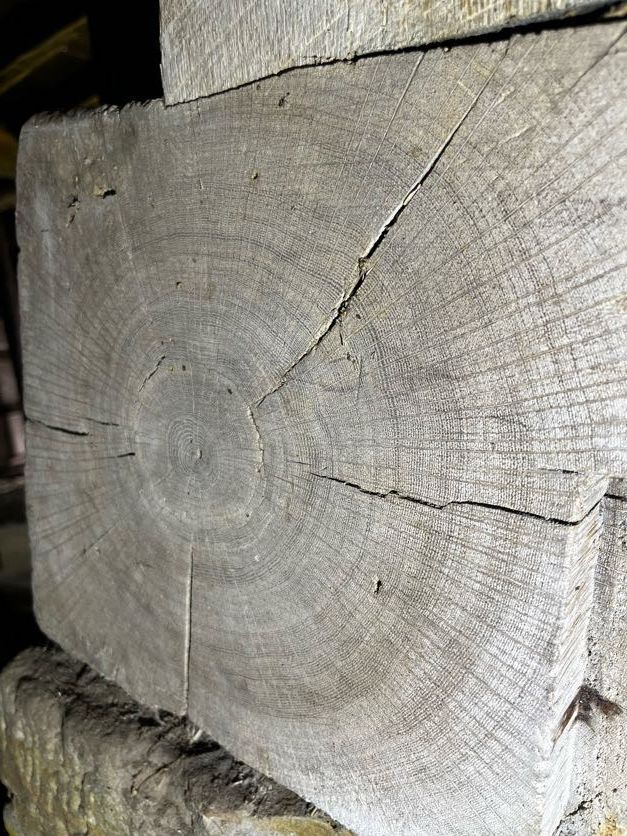
- Old-growth wood. Many barns were framed from slow-growing trees. That often means denser, tighter-grained wood than a lot of lumber made today. Each timber still has to be judged on its own condition, but the quality is hard to beat.
- Handcrafted marks. Broadaxe marks, saw marks, and chisel work are still visible. They show where hands did the work. No machine can copy that.
- Hand-cut joinery. A builder laid out and cut every mortise and tenon by hand. Those joints have carried loads for generations. Good joinery on a new frame can be excellent too, but it doesn’t come with a century of proof.
- Natural aging. Patina, small cracks, and weathered surfaces give old timbers warmth. What new materials treat as flaws, we see as part of the frame’s history.
Where are reclaimed barn frames used?
- Homes. From a countryside house to a small retreat, a frame brings tall open space and strong bones.
- Restaurants, shops, and hotels. Customers notice the warmth and the story right away.
- Event venues and community buildings. Tall ceilings and open floors suit weddings, gatherings, and meetings.
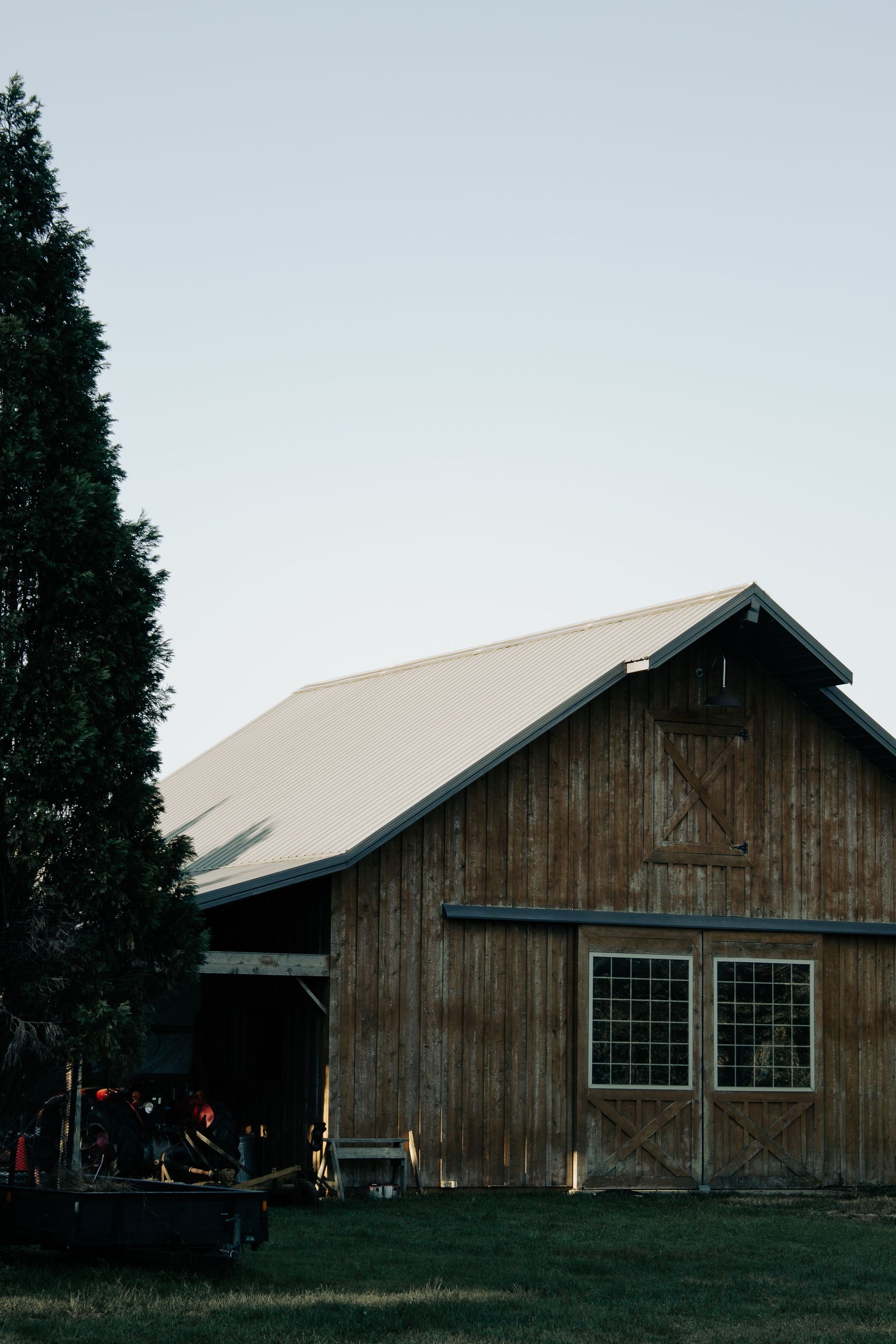
- Farm buildings. Some frames go back to work on the land, housing a farm stand, a workshop, or a new barn.
A frame is only the structure. You still need a foundation, a roof, walls, insulation, and systems, plus engineered drawings for your site.
How does a barn frame get from the field to your build?
- Finding and assessing. We search the country for frames with good bones and craftsmanship. Each candidate gets a close look at its condition and history before we commit.
- Documenting and dismantling. We record measurements and details, then take the barn down piece by piece. Every timber is labeled.
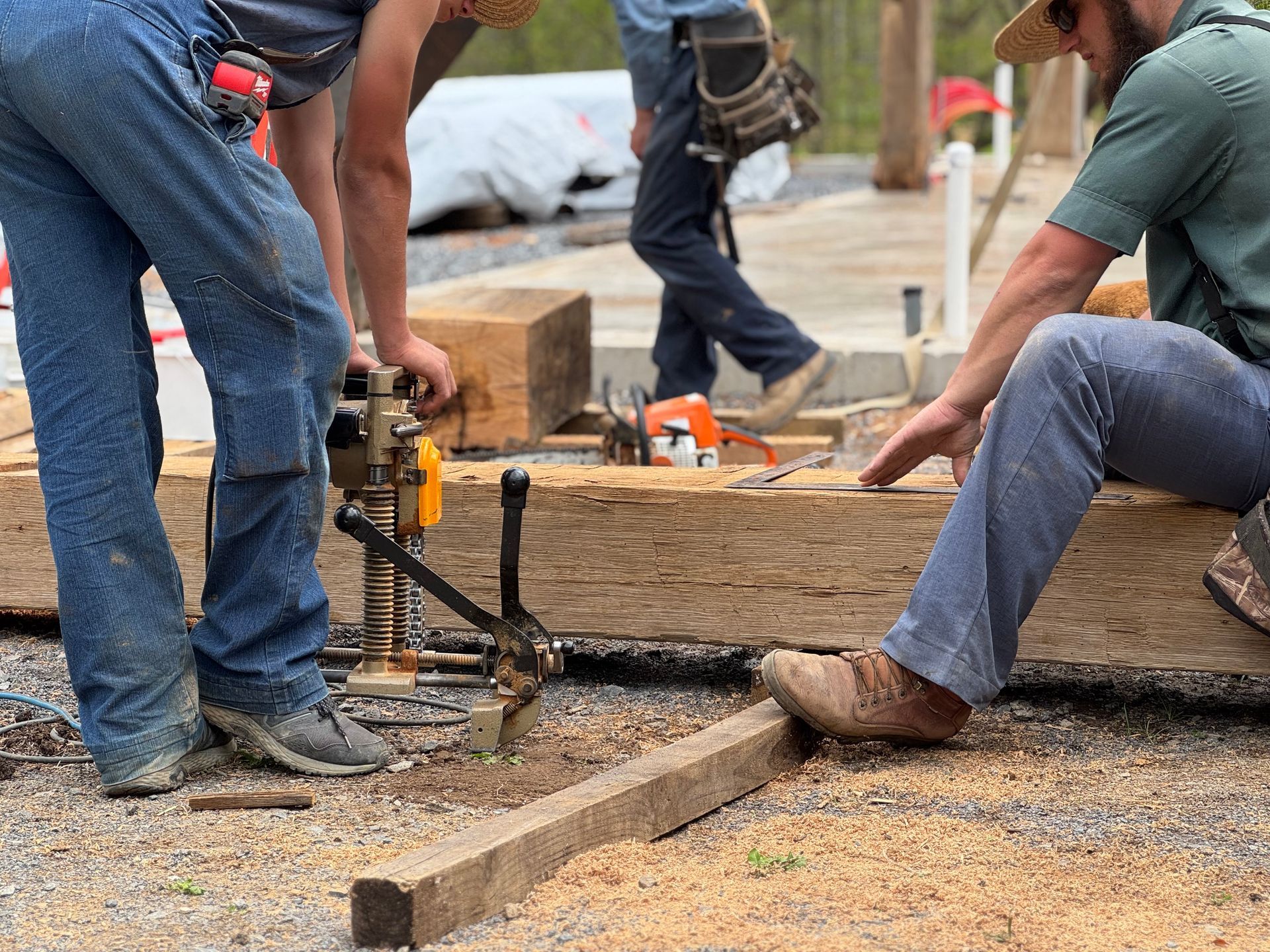
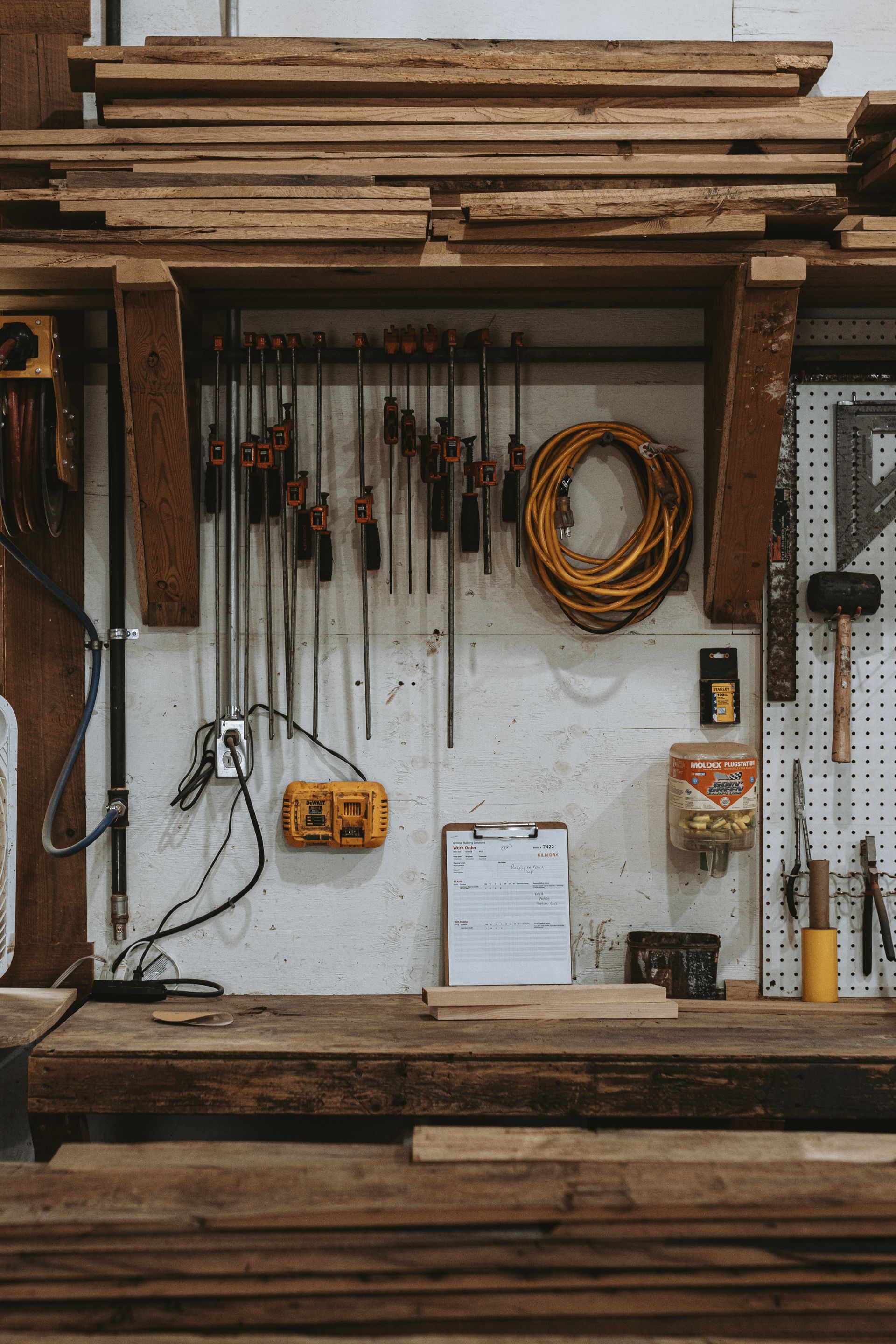
- Repair and restoration. Back at our shop, our crew repairs damaged sections and restores the joinery. We keep the frame’s original character while getting it ready for reuse.
- Engineering. The frame is reviewed, and your engineer designs the building around it so it meets local code. A frame by itself is not a code-approved building.
- Delivery and raising. We deliver the frame anywhere in the world and can help get it re-erected.
- You can see more about how we work and what we have available on our barns page.
Are reclaimed barn frames sustainable?
Reuse is a good start, though it isn’t the whole story. Here is what holds up.
- Less new milling. A reclaimed frame has already been grown and cut. Reusing it usually means less new timber has to be harvested and processed for the same job.
- Carbon stays stored. Wood holds carbon as long as it stays in use. A frame that serves another century keeps that carbon out of the air. The USDA Forest Products Laboratory’s Wood Handbook covers wood as a building material and its life-cycle impact.
- Less waste. A frame that is saved doesn’t end up in a landfill or a burn pile.
- Hard-to-find species. Some woods, like American chestnut, aren’t available as new lumber. Old barns are one of the few places left to find them.
Transport and the rest of the building matter too. Shipping a frame far has a footprint, and a poorly insulated building won’t be efficient however good the frame is.
What should you ask before you buy a reclaimed barn frame?
- Where did the barn stand, and when was it built?
- What species is the timber?
- What shape are the joints and timbers in?
- How was the frame cleaned and treated for insects?
- What are the exact dimensions?
- Who will engineer and re-erect it?
A good supplier answers all of these plainly.

Frequently Asked Questions (FAQs)
What are reclaimed barn frames?
They are the timber frames of old barns, taken down, repaired, and rebuilt in new homes or buildings.
How old are reclaimed barn frames?
Most date from the 1700s, 1800s, and early 1900s. Many are over 100 years old.
Are reclaimed barn frames strong enough to build with?
Yes, when a frame is sound and an engineer designs the building for your site. Old-growth timber is often dense, but each piece depends on species and condition.
How much do reclaimed barn frames cost?
It depends on the size, species, and condition. The frame is one part of the budget. You also need a foundation, roof, walls, and labor. Ask for a full project quote.
Can I use a reclaimed barn frame for a house?
Yes. Homes are one of the most common uses, along with event venues and commercial spaces.
Can reclaimed barn frames be delivered anywhere?
We deliver anywhere in the world.