Old Barn Wood for Sale? 7 Things to Check Before You Buy
Discover the Charm and Growing Demand for Reclaimed Barn Wood
Last updated: October 2026
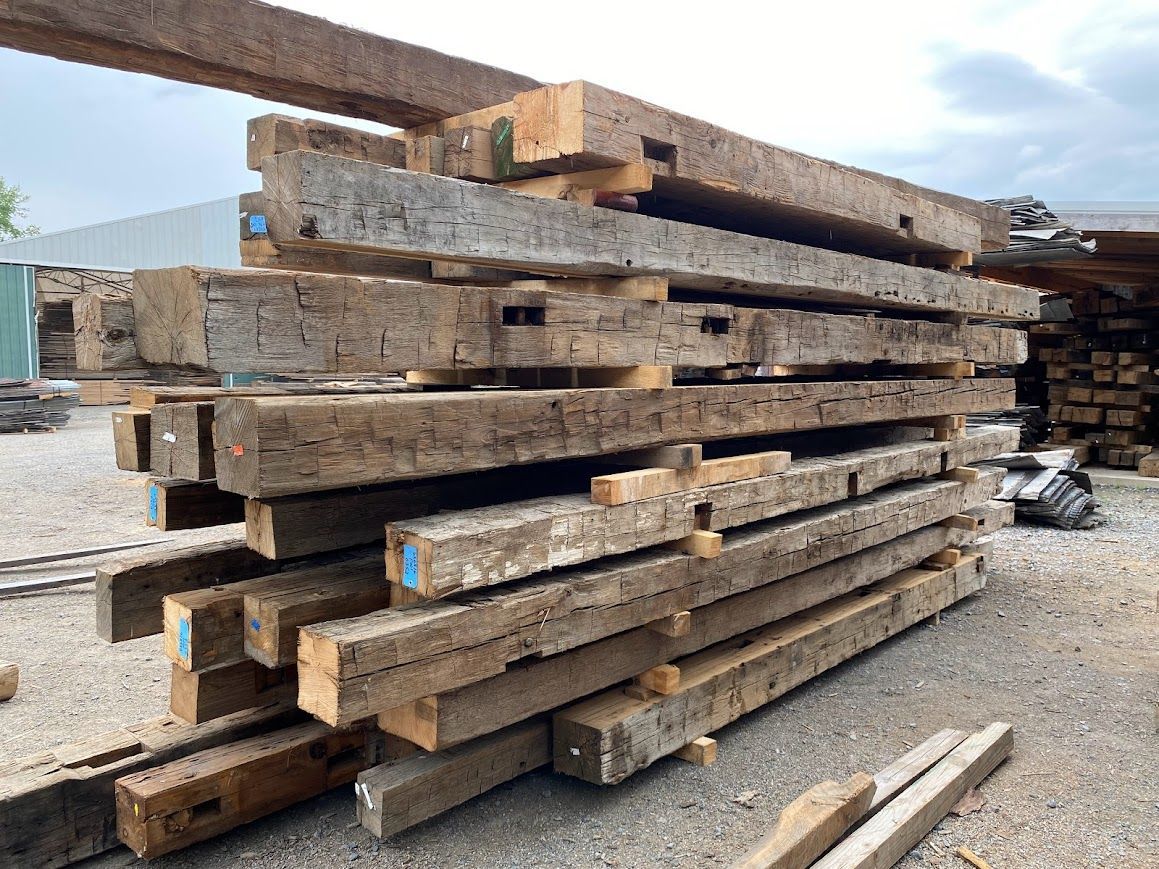
Old barn wood is lumber taken from old barns, including hand-hewn beams, siding boards, and flooring. People want it because it’s often denser than new lumber, it looks like nothing else, and it comes with a story. If you’re shopping for old barn wood for sale, here is what to know about the types, the price, and what to check first.
Every weathered board and heavy beam reflects a piece of America’s past. It also takes some care to buy well.
What makes old barn wood different?
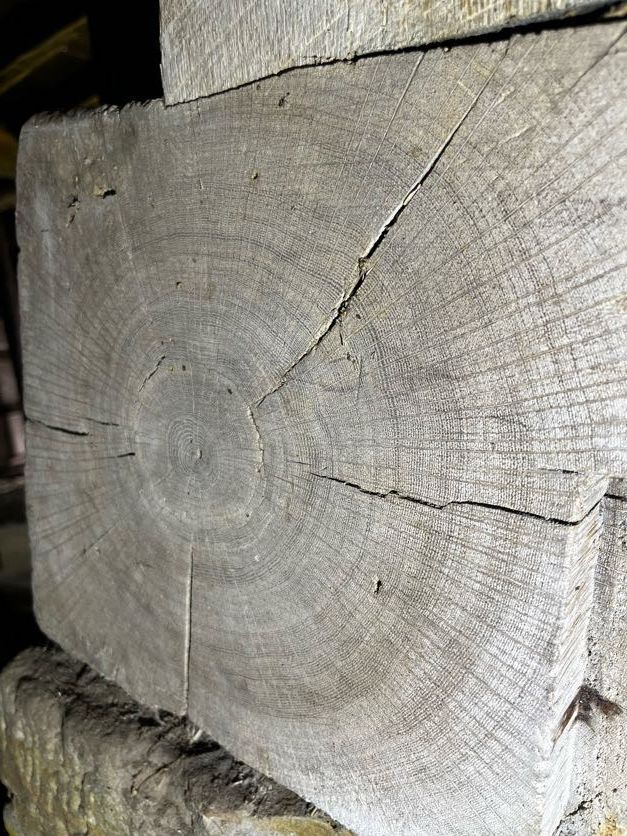
Many old barns were built from old-growth timber. That means trees that grew slowly for a long time. The wood is often denser and tighter-grained than much of what’s milled today. Here is what sets it apart from fresh lumber.
- A look you can’t fake. Sun, rain, and wind build a rich patina over decades. Nail holes, saw marks, and small cracks give each piece its own character.
- Reuse. Using reclaimed wood keeps good material out of the landfill and means less new timber has to be cut. Transport matters too, so a nearby source helps.
- Dried over time. Barn wood that has hung for a century has long since dried. It still takes on and gives off moisture with the seasons, so let it adjust to your space before you install it.
- History. Much of it comes from the 1700s and 1800s. Fewer historic barns are left each year, so the material is hard to replace.
What types of old barn wood can you buy?
| Type | What it is | Common uses | Watch for |
|---|---|---|---|
| Barn siding boards | Weathered exterior boards | Feature walls, shelving, furniture | Hidden nails, uneven thickness |
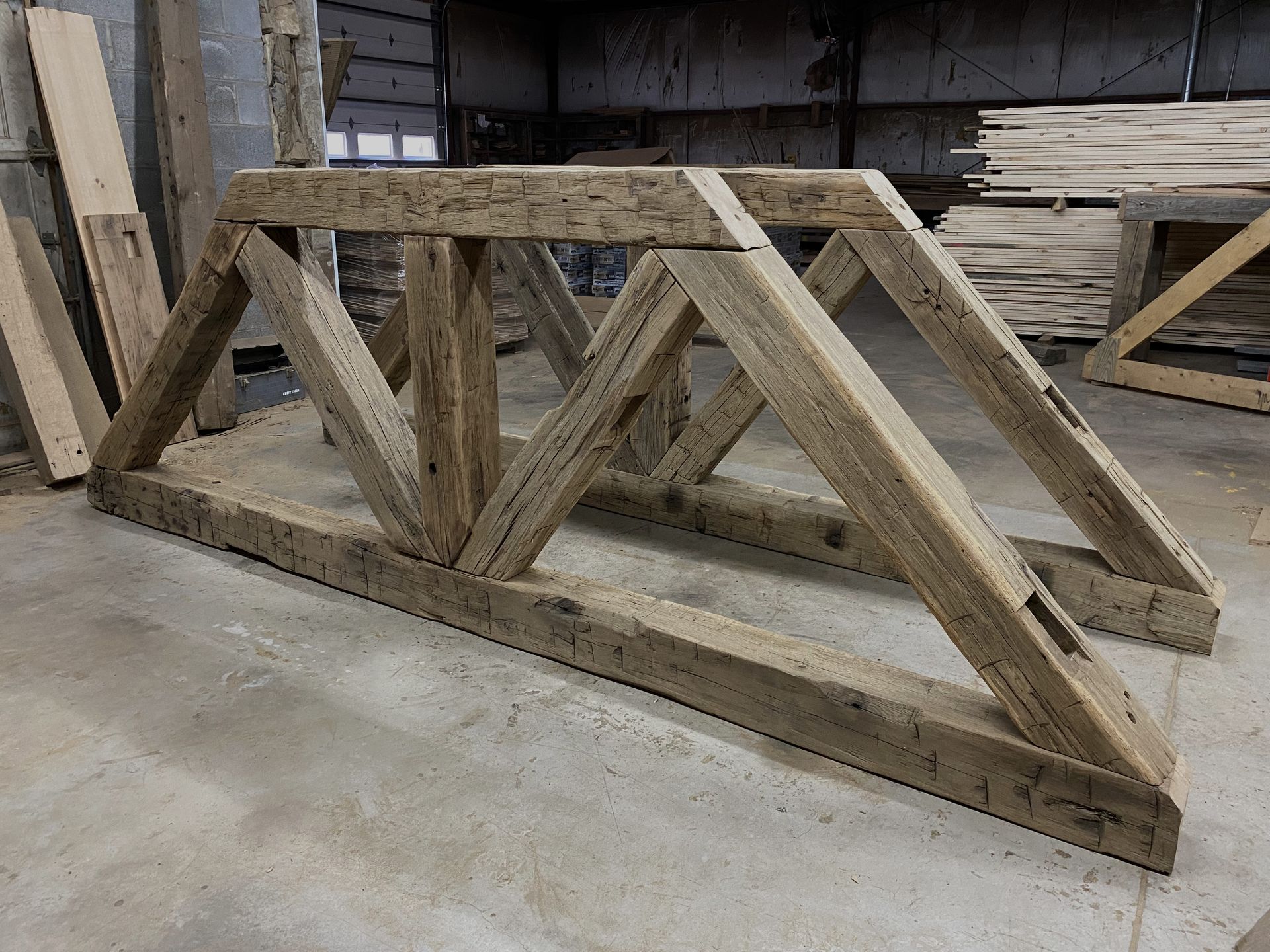
| Hand-hewn beams | Large timbers shaped with an axe | Mantels, exposed beams, trim | Size, checking, insect holes |
| Barn flooring | Planks from barn floors and lofts | Floors, tabletops, stair treads | Wear, contamination, thickness |
| Posts and timbers | Heavy structural pieces | Posts, beams, frames | Condition and engineering |
| Whole barn frames | Complete post and beam structures | Homes, venues, commercial buildings | Dimensions, repairs, engineering |
How do you use old barn wood?
- Homes with character. Beams and frames bring tall, warm interiors.
- Restaurants, shops, and offices. Reclaimed wood makes a space feel welcoming and different.
- Accent pieces. Shelves, mantels, accent walls, and tables add personality in a smaller way.
What should you check before you buy?
- Insects. Look for small round holes and fine powder. Ask how the wood was treated or dried.
- Lead paint. Wood painted before 1978 may carry lead. Don’t sand or burn it. Have it tested, or choose unpainted wood.
- Hidden metal. Old nails and bolts break saw blades. Check boards with a metal detector before you cut.
- Moisture and condition. Avoid damp or soft wood. A few checks and cracks are normal. Deep rot is not.
- Species. Oak, chestnut, pine, and hemlock look and age differently. Ask what you’re getting.
- Authenticity. Real barn wood shows varied wear, nail holes, and tool marks. If every board looks identical, it may be new wood made to look old.
- Food contact. Wood used for tabletops or bar tops should be sealed, and food service surfaces may have health code rules.
What affects the price?
Reclaimed wood usually costs more than new framing lumber. The price depends on:
- Species and age
- Size and grade
- How much cleaning, milling, and drying was done
- How rare the look is
- Where it came from, and how far it has to travel
Sellers price by the board foot, the square foot, or the piece. Ask what is included, and compare the full cost, not only the per-foot number.
Where can you buy old barn wood?
Salvage yards, reclaimed lumber dealers, Habitat for Humanity ReStores, and demolition contractors are good places to start. Call before you drive, since stock changes fast. Ask where the wood came from and how it was cleaned and dried.
Where does Bay & Bent fit?
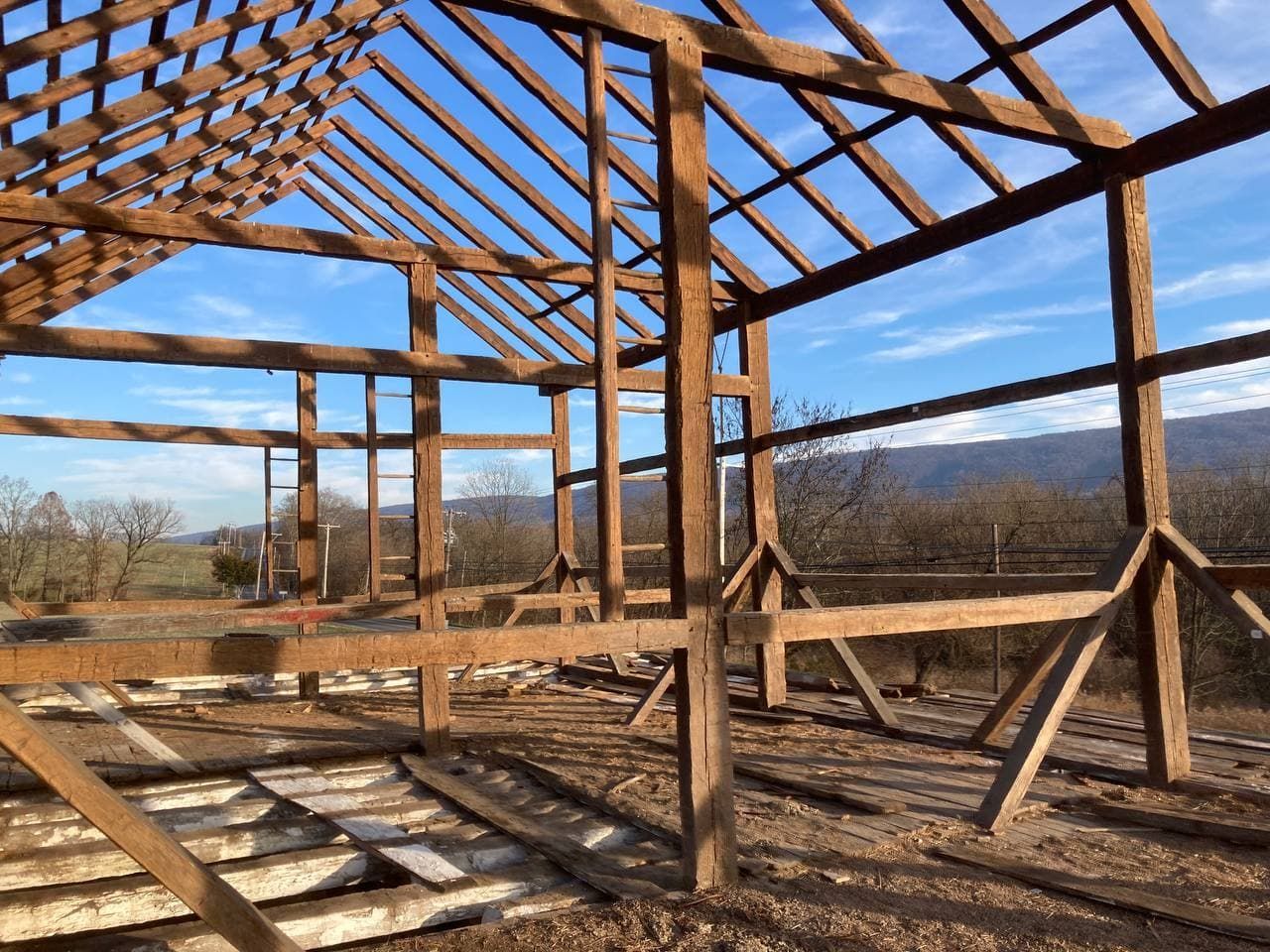
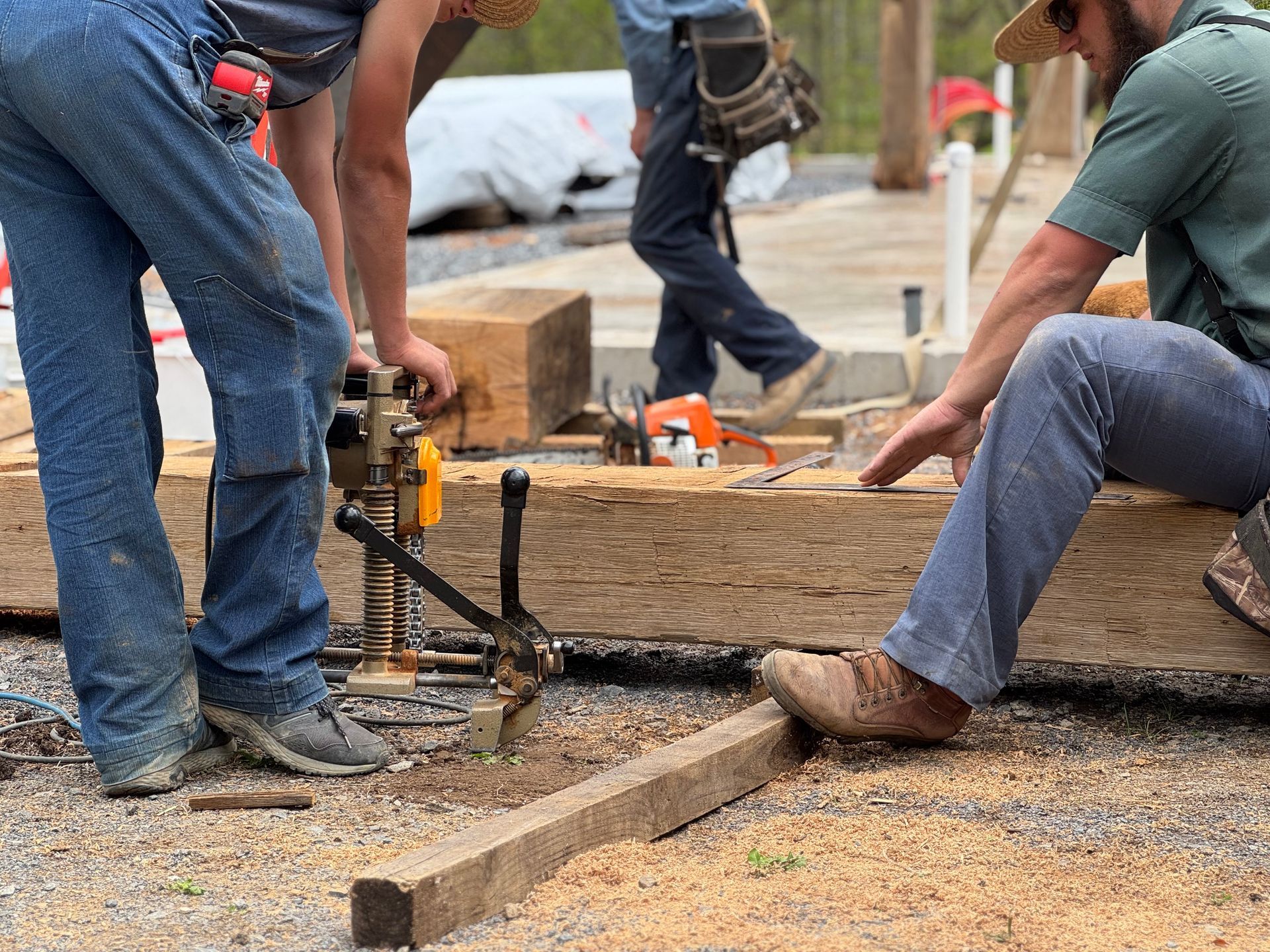
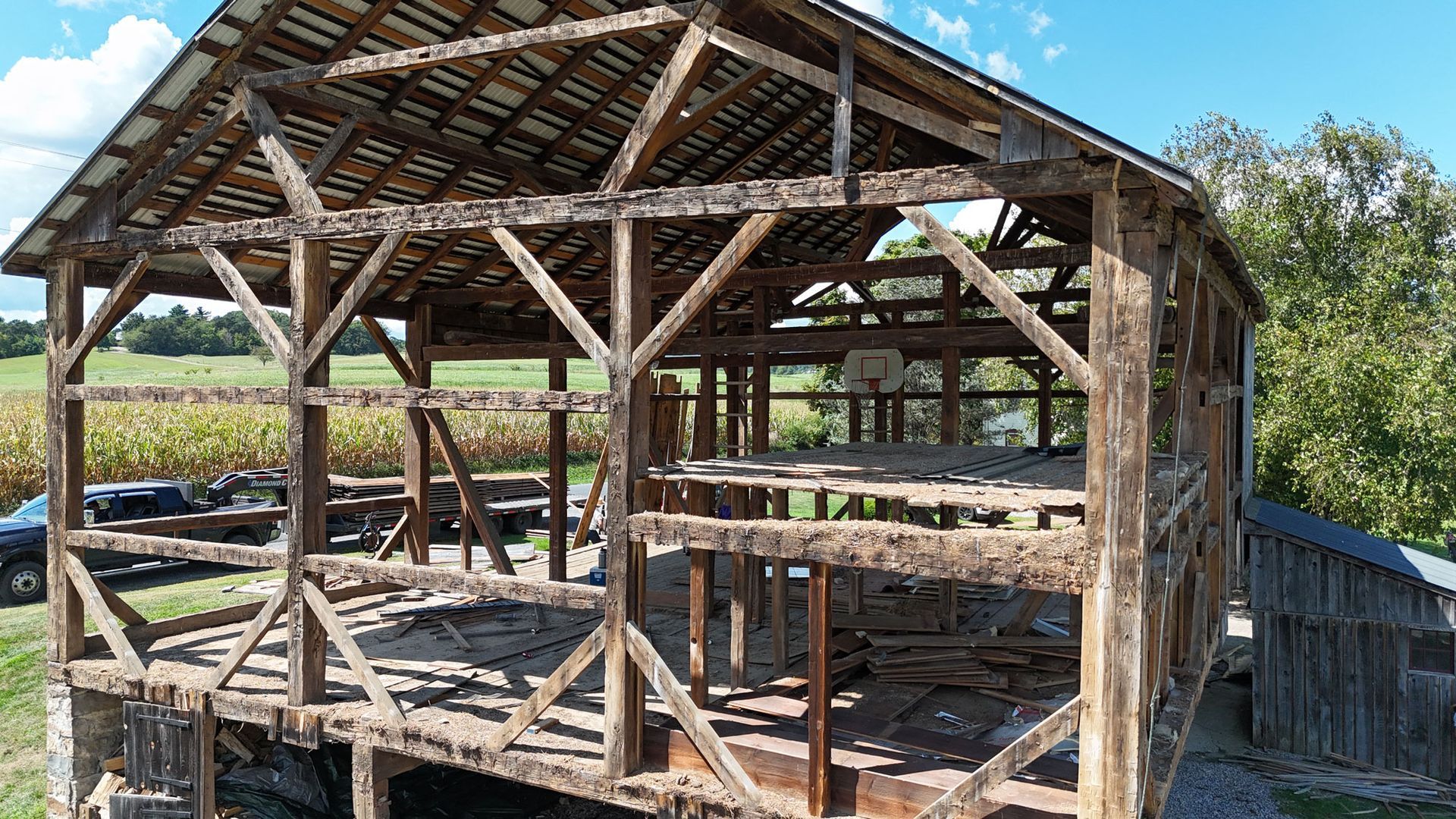
We want to be clear about what we do. We don’t sell loose boards or flooring. We find historic barn frames across the country and take them down carefully, piece by piece, so the original joinery stays whole. Then we assess and repair every timber at our facility and deliver the frame to clients around the world.
If what you want is a full historic structure, a frame is a different route from buying boards. It gives you old-growth timber, hand-cut joinery, and a barn’s history in one piece. You can learn more about our team and how we work. If you only need boards or flooring, a reclaimed lumber dealer or salvage yard is the better fit.
Why does the rarity matter?
Fewer historic barns stand each year. When one comes down, its timber is gone unless someone saves it. That’s what makes this wood special. It can’t be made again.
Frequently Asked Questions (FAQs)
Where can I buy old barn wood?
Try salvage yards, reclaimed lumber dealers, ReStores, and demolition contractors. Call ahead to check stock.
How much does old barn wood cost?
It varies by species, size, condition, and how much work was done to prepare it. It usually costs more than new framing lumber. Ask for the full cost, not only the per-foot price.
Is old barn wood safe to use inside a home?
It can be, if you check it. Look for pests, lead paint on wood painted before 1978, and hidden metal. Ask how it was cleaned and dried.
Does old barn wood warp?
It’s already dried, but it still moves with humidity. Let it adjust to your space before you install it.
How can I tell real barn wood from fake?
Look for varied weathering, old nail holes, saw marks, and patina that changes across the board. If everything looks the same, it may be new wood made to look old.
Do you sell old barn wood?
We sell whole historic barn frames, not loose boards or flooring.