How to Choose the Perfect Wood Floor Texture
Find the Ideal Wood Floor Texture to Match Your Style and Needs
The moment you step into a room, the floor beneath your feet sets the tone. It speaks to the character of the space long before your eyes take in the details. Choosing the right wood floor texture is more than just a design choice; it's about building a foundation that fits your lifestyle and feels like home.
Wood floor texture is the finish and character of the plank's surface. It affects how light reflects, how the floor feels, and how it stands up to daily life. Understanding your options will help you select a floor you'll love for years.
The Main Types of Wood Floor Textures
Different textures offer unique benefits in both appearance and function. Let's explore the most common styles to help you find the perfect match for your home.
Smooth Wood Floors
A smooth, sanded wood floor provides a clean and classic look. Its polished surface creates a sense of elegance that works in both modern and traditional homes. By reflecting light evenly, a smooth texture can make a room feel brighter and more open.
This refined style is an excellent choice for bedrooms, formal dining rooms, or any space where you want a sophisticated backdrop. The flat surface is also simple to clean, which is a practical benefit for any household.
Hand-Scraped Wood Floors
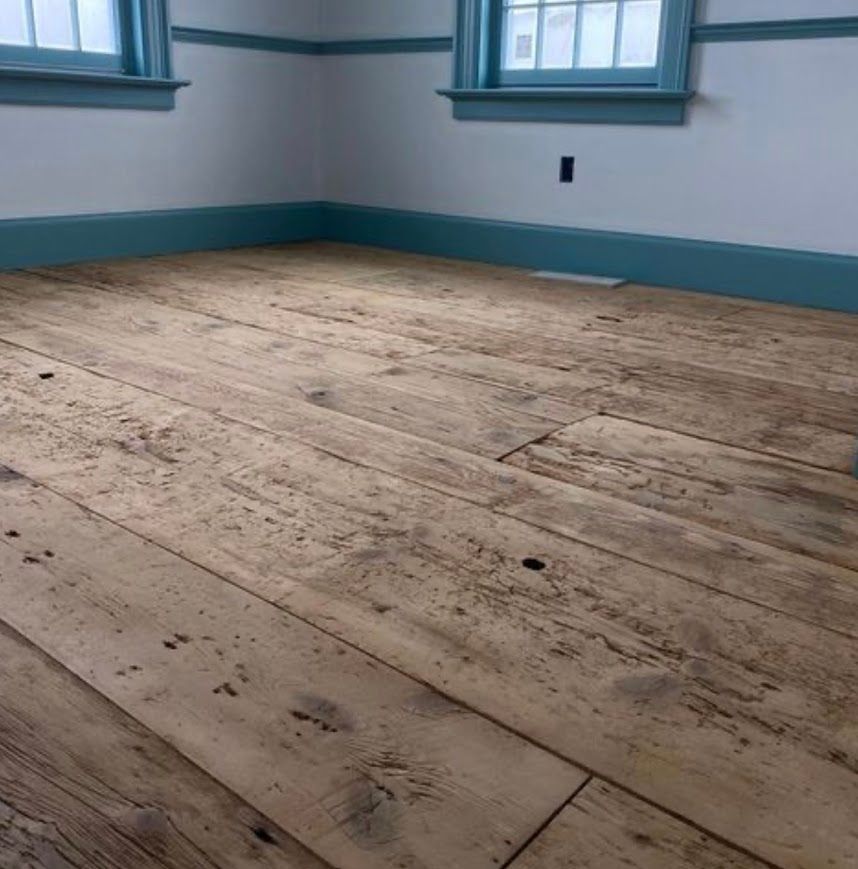
Hand-scraped floors bring a warm, rustic charm to a space. This texture is designed to look like antique flooring shaped by craftsmen years ago. Each board has unique markings and gentle grooves that add visual depth and character.
These floors are ideal for farmhouse, rustic, or traditional styles. A key advantage is that the varied surface helps hide small scratches and dents from everyday life, making it a forgiving option for families with kids or pets.
Wire-Brushed Wood Floors
Wire-brushed floors strike a nice balance between smooth and heavily textured surfaces. The process involves using steel bristles to brush the wood, pulling away the softest fibers and exposing the stronger, natural grain.
This creates a subtle texture you can see and feel, adding character without looking too rustic. Wire-brushed floors are great at concealing minor wear and tear, so they stay beautiful in busy homes. They fit well in many settings, from contemporary to classic.
Distressed Wood Floors
Distressed textures give new wood the look of beautifully aged material. This style often combines several techniques, like hand-scraping and special staining, to create a floor with a sense of history.
This choice is perfect for rooms where you want to add a feeling of heritage and timelessness. Like other textured options, the varied surface is great at hiding the dings and scuffs that come with an active home.
How to Choose the Right Texture for Your Home
Making the right decision involves balancing style with your daily needs. Here are a few key things to consider.
Think About Your Lifestyle
How much foot traffic will your floors see? For high-traffic areas like hallways, kitchens, and living rooms, a textured surface like hand-scraped or wire-brushed is a smart choice. The natural grooves and patterns help camouflage everyday wear.
If you have children or pets, these more forgiving textures will keep your floors looking great without constant worry. For quieter, less-used spaces, a smooth finish can provide that elegant touch you're looking for.
Consider Maintenance and Cleaning
Smooth floors are the easiest to keep clean. A quick sweep or vacuum is usually all that’s needed, as there are no grooves for dirt to settle into.
Textured floors may require a bit more effort, as dust can collect in the grain. However, many homeowners find that these floors are better at hiding dust between cleanings, which is a trade-off worth considering.
Match Your Home’s Style
Your floor should feel like a natural part of your home. Smooth floors often complement modern and minimalist designs with their clean, simple lines.
On the other hand, traditional or rustic homes are often enhanced by the character of hand-scraped or distressed textures. These styles echo a sense of history and craftsmanship that feels right in those settings.
The Bay & Bent Perspective on Texture
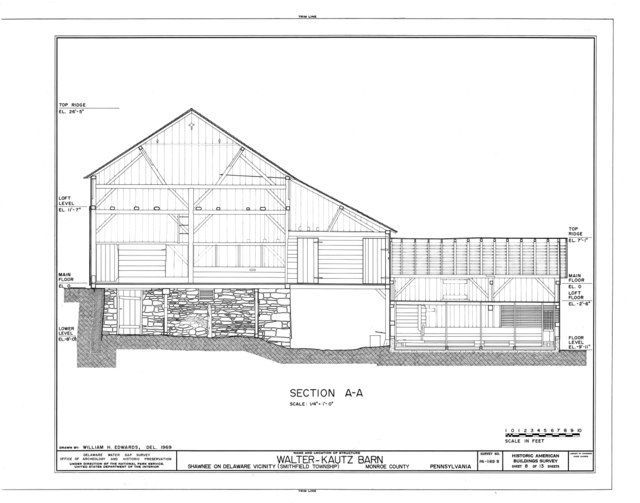
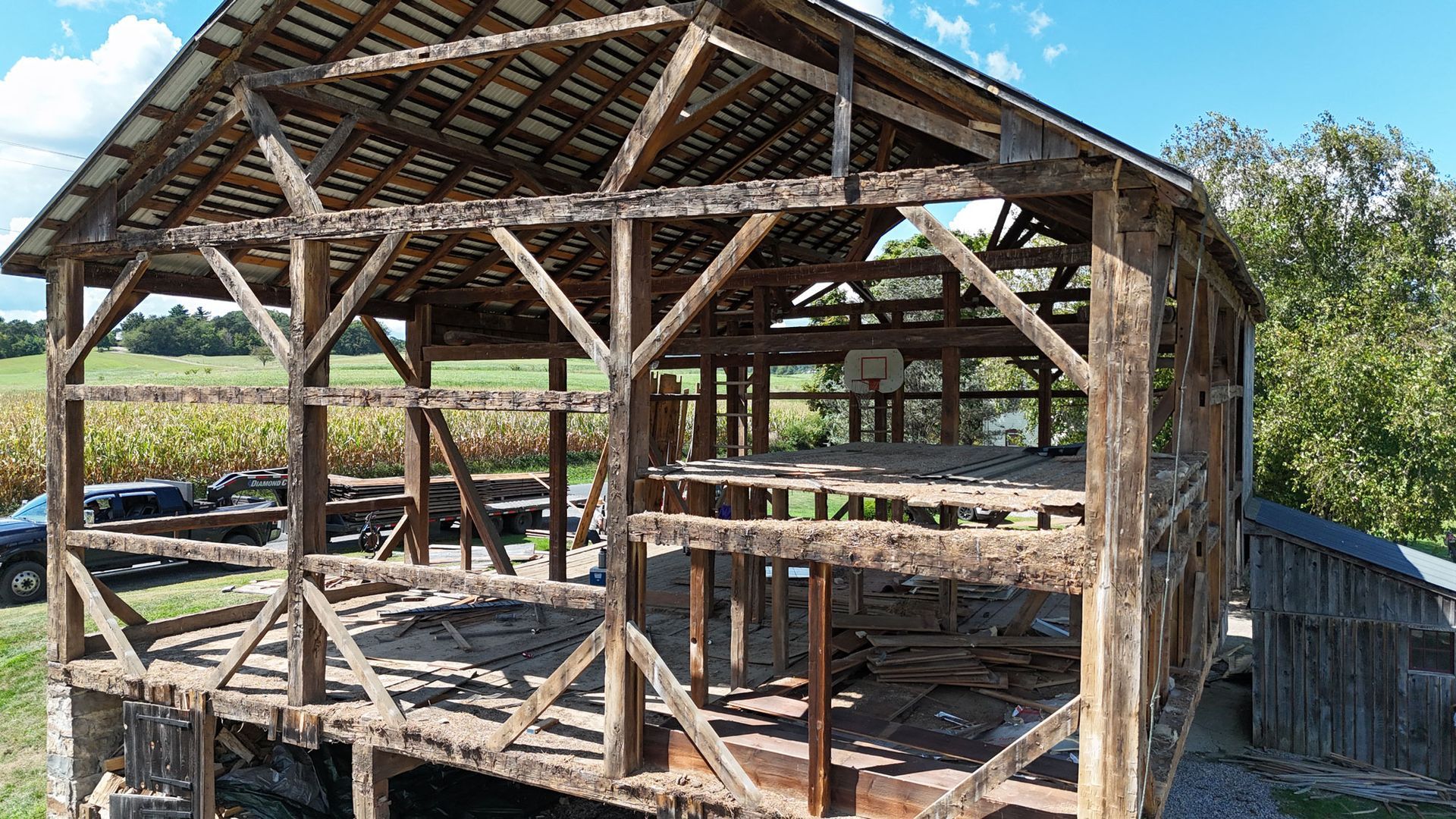
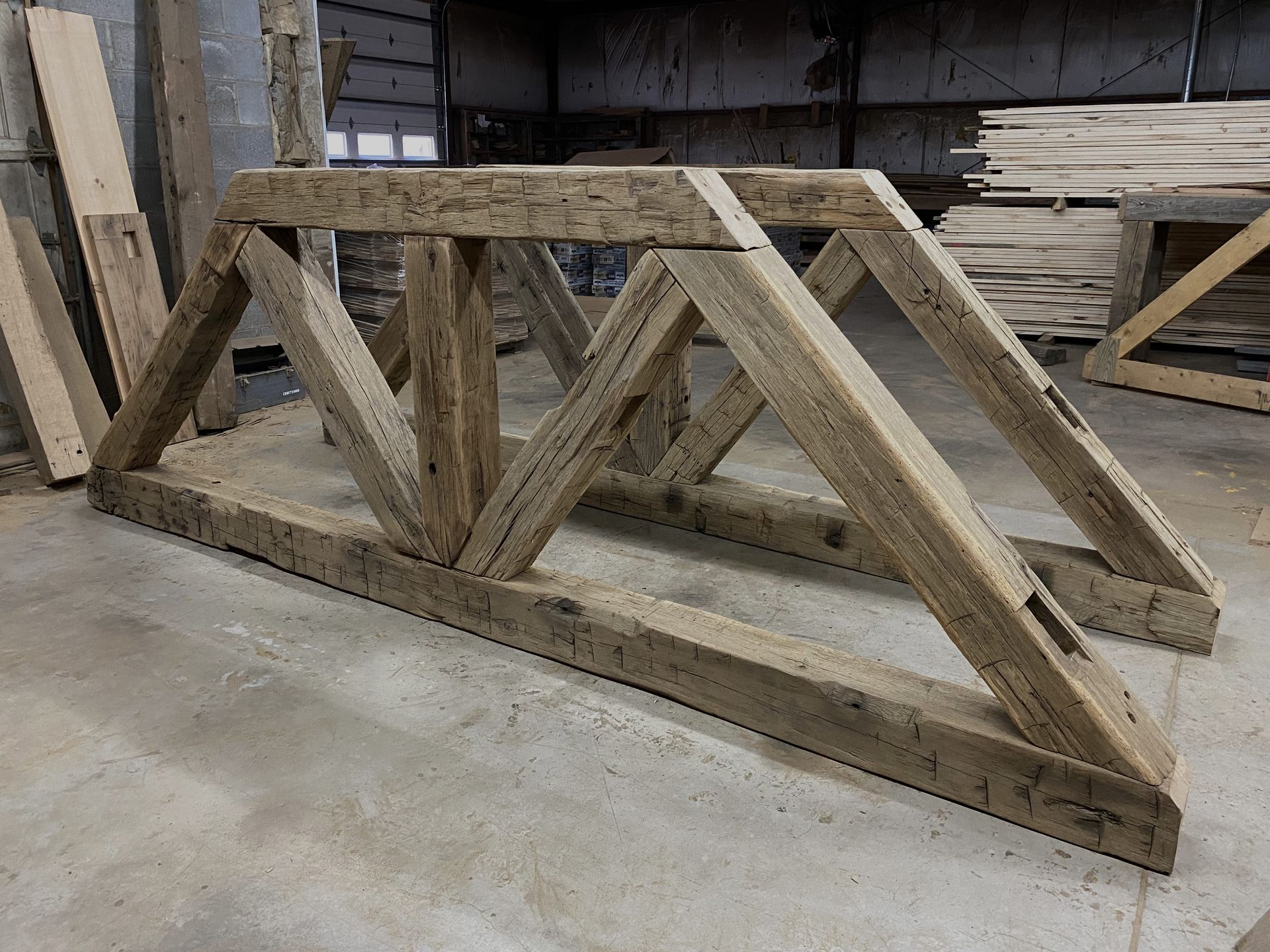
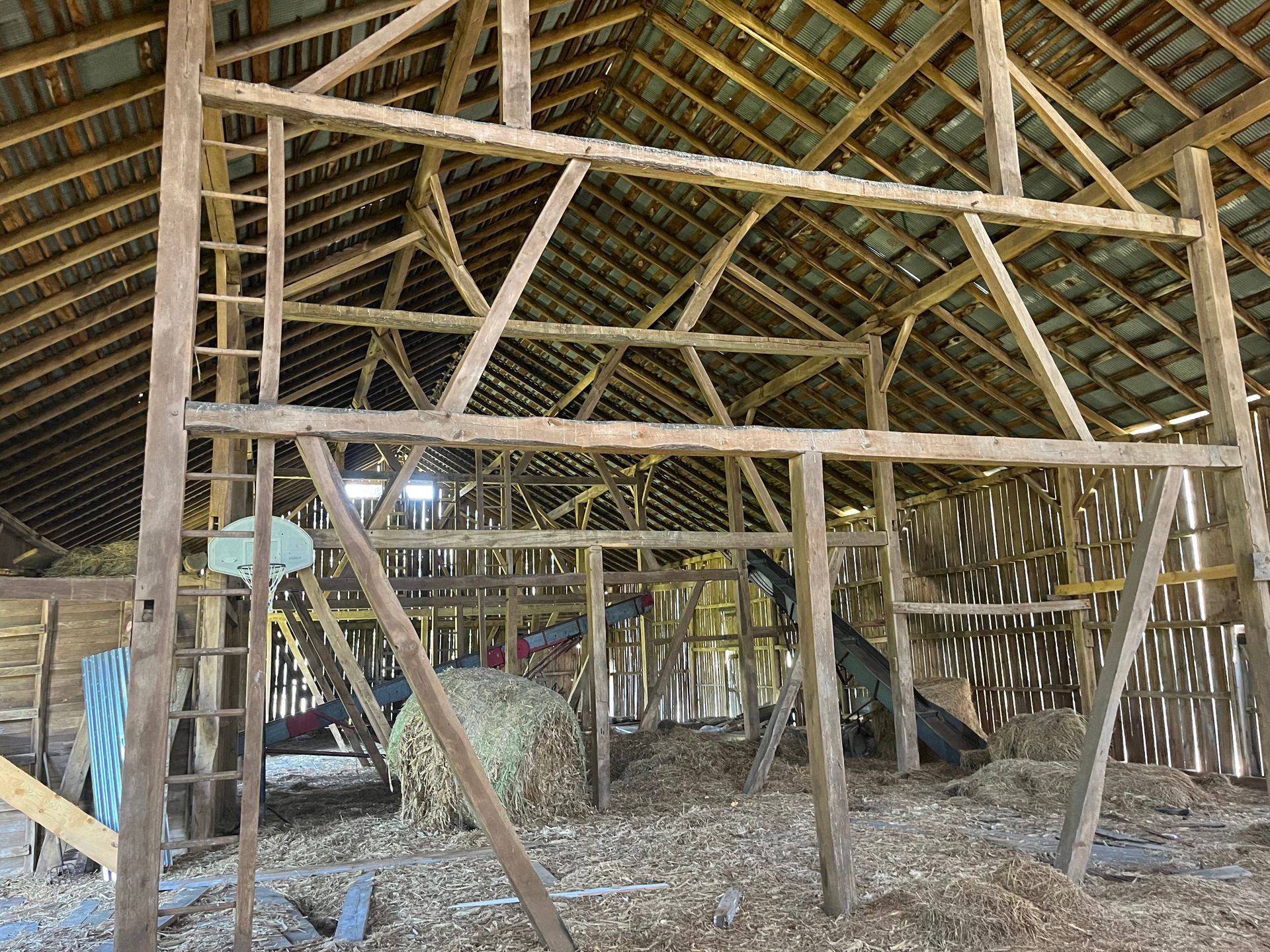
At Bay & Bent, our work with historic timber frames gives us a unique perspective on texture. We've spent years carefully taking apart century-old barns, and in doing so, we've come to appreciate what authentic texture truly is. It's something created by time, use, and the natural aging of quality wood.
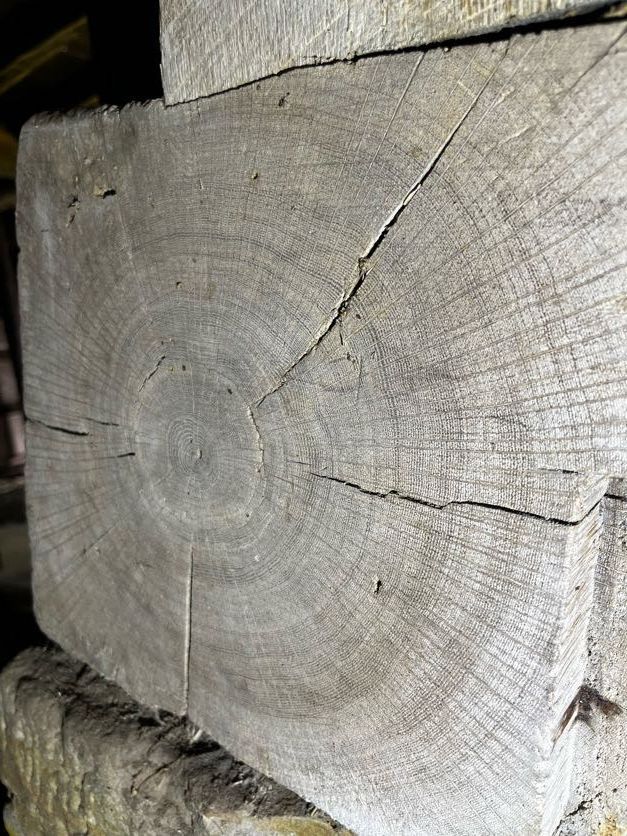
The reclaimed timber we source from these historic structures has a character that simply can't be rushed or replicated by machines. You can see the story of the wood in its surface, the original tool marks, the fine cracks from decades of changing seasons, and the rich color that only time can create. When we give these timbers new life in modern homes, we make sure to preserve that authentic texture that speaks to generations of quality craftsmanship.
Making Your Final Decision
Your floor is a long-term investment, so it’s important to choose a texture you’ll be happy with for decades.
Start by getting samples of a few different textures. Place them in your room and observe them for a few days. Notice how they look in the morning light, in the afternoon shade, and under artificial lights at night. Walk on them with bare feet to see how they feel.
Think about how each surface will fit into your family's life. The perfect wood floor texture balances beauty and practicality, reflecting both your style and your needs. Whether you prefer the clean look of a smooth finish or the rich history of a textured one, your floors will be the foundation for years of memories. Take your time, and choose the one that truly feels like home.