What is Timber Used For? 5 Inspiring Examples
What Is Timber Used For? 5 Creative Applications You’ll Love
People have built with timber for centuries, everything from simple homes to grand halls. What's changed is how far the material stretches today.
So what is timber used for now? Turns out, a lot more than framing a house. Here at Bay & Bent, we work with historic timber every day, and we've watched this material keep finding new uses without losing what made it good in the first place.
5 Ways Wood Still Shapes Construction
Here are five places wood is doing real work right now.
1. Mass Timber Construction
Picture a wooden building and you probably think cabin, maybe a farmhouse. Not anymore. Architects are now putting up buildings over 20 stories tall using mass timber, and it's starting to change city skylines.
Mass timber is made by layering and pressing wood together into large panels and beams. Engineered right, these pieces hold up like steel but weigh a fraction as much.
It's not just a novelty either. Mass timber builds tend to go up faster and quieter than concrete or steel jobs. The material also holds up better than people expect in a fire and performs well during seismic activity. It's a legitimate answer for anyone building tall and building smart.
2. Timber in Architectural Design
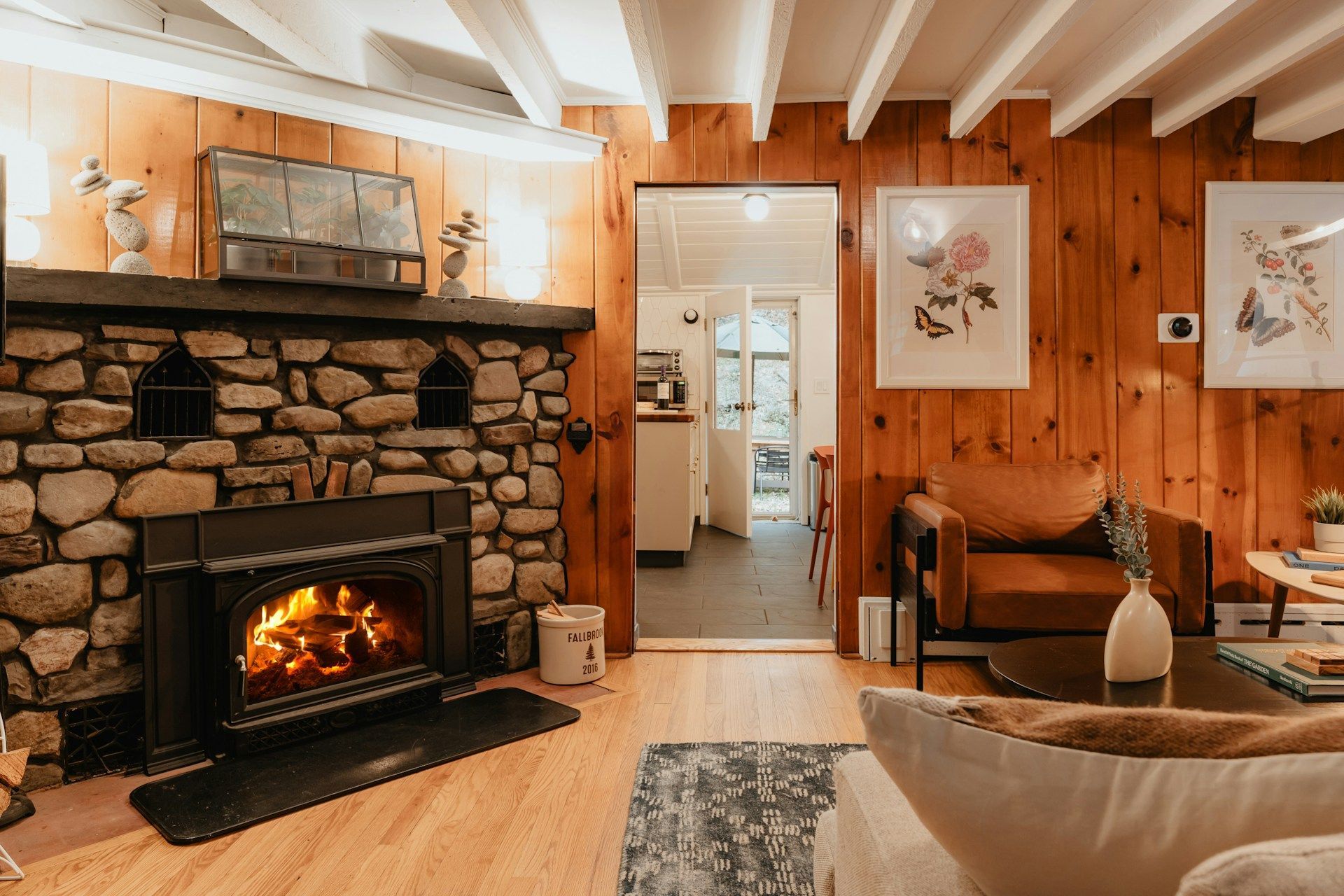
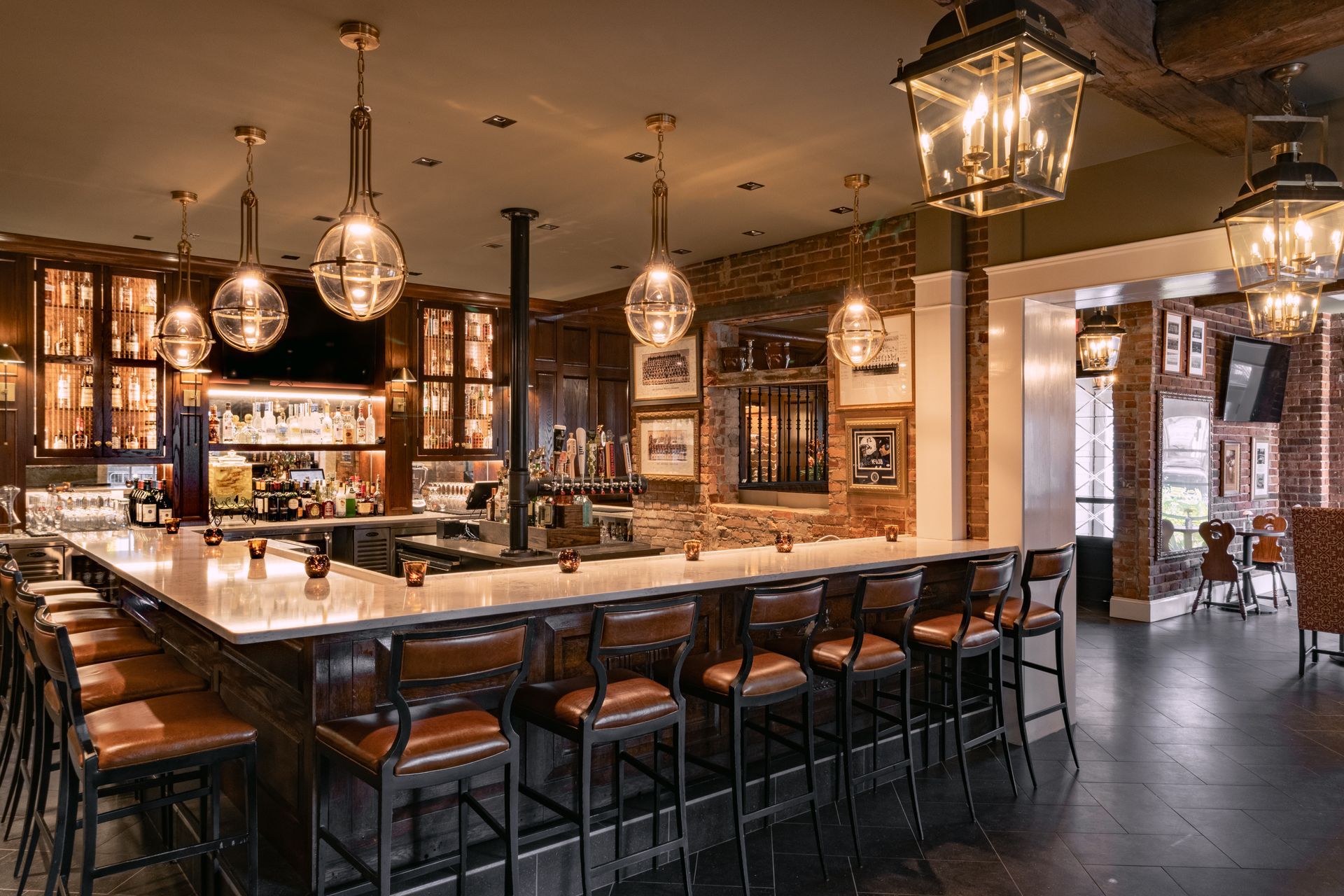
Past the structural frame, wood still does a lot of work as a design element. Flooring, wall paneling, decking. Designers keep finding new places to put it.
You'll see timber showing up in:
- Ceiling installations that pull the eye upward
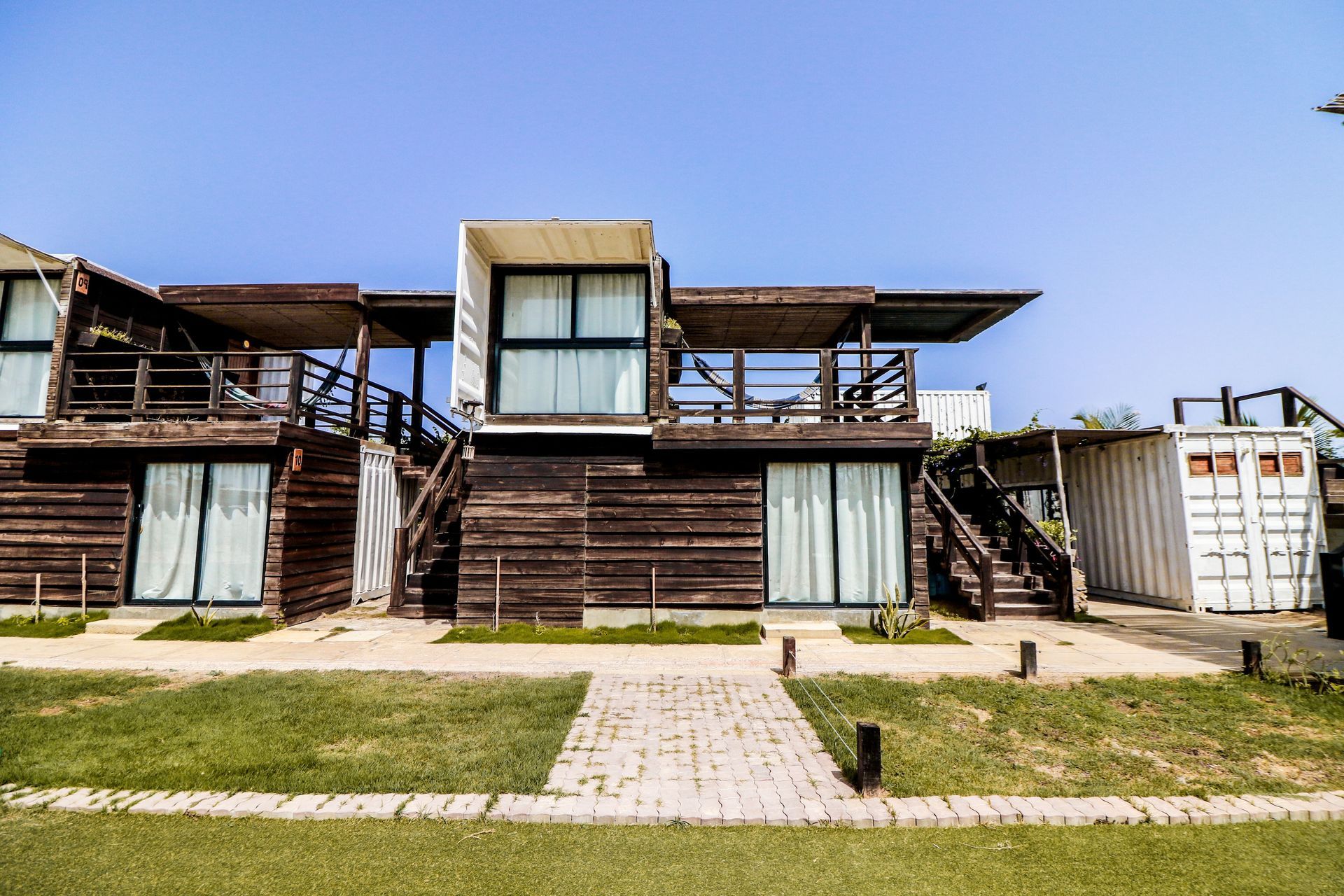
- Exterior facades with a natural, modern look
- Interior details like window frames, doors, and acoustic paneling
Wood ties a building back to something natural, which is probably why architects keep reaching for it. It softens a space without making it feel dated.
3. Furniture and Cabinetry
Timber's been the go-to for furniture and cabinets for a long time, and that hasn't changed. It's strong, it's workable, and it holds a joint well. Modern tools let craftsmen cut tighter joints and show off the grain in ways that used to take a lot more hand labor.
Because wood carries a high strength-to-weight ratio, it handles stress without adding bulk, which is exactly what you want in a chair leg or a table frame. Custom cabinetry built from solid wood does more than store your stuff. It adds real value to a room.
4. Engineered Wood in Big Structures
Glued laminated timber, or glulam, is now carrying loads in bridges and large buildings that used to require steel or concrete. These beams and columns hold serious weight.
Cross-laminated timber, or CLT, goes even further, covering floors, walls, and roofs. Between glulam and CLT, architects can now design most of a building in wood. For anyone chasing more sustainable materials, that's a real option, not just a talking point.
5. Preserving History Through Reclaimed Timber
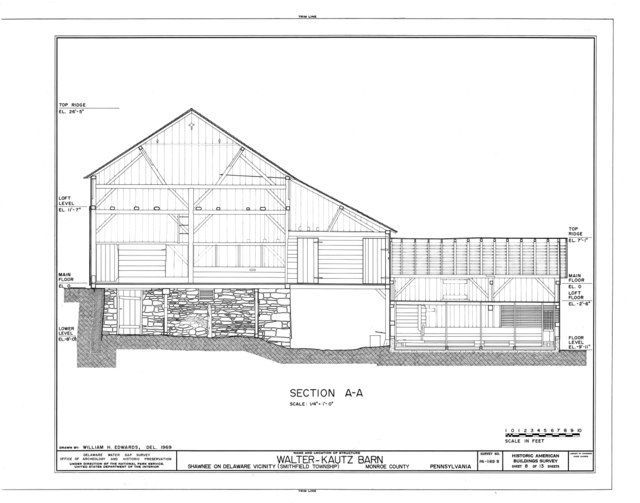
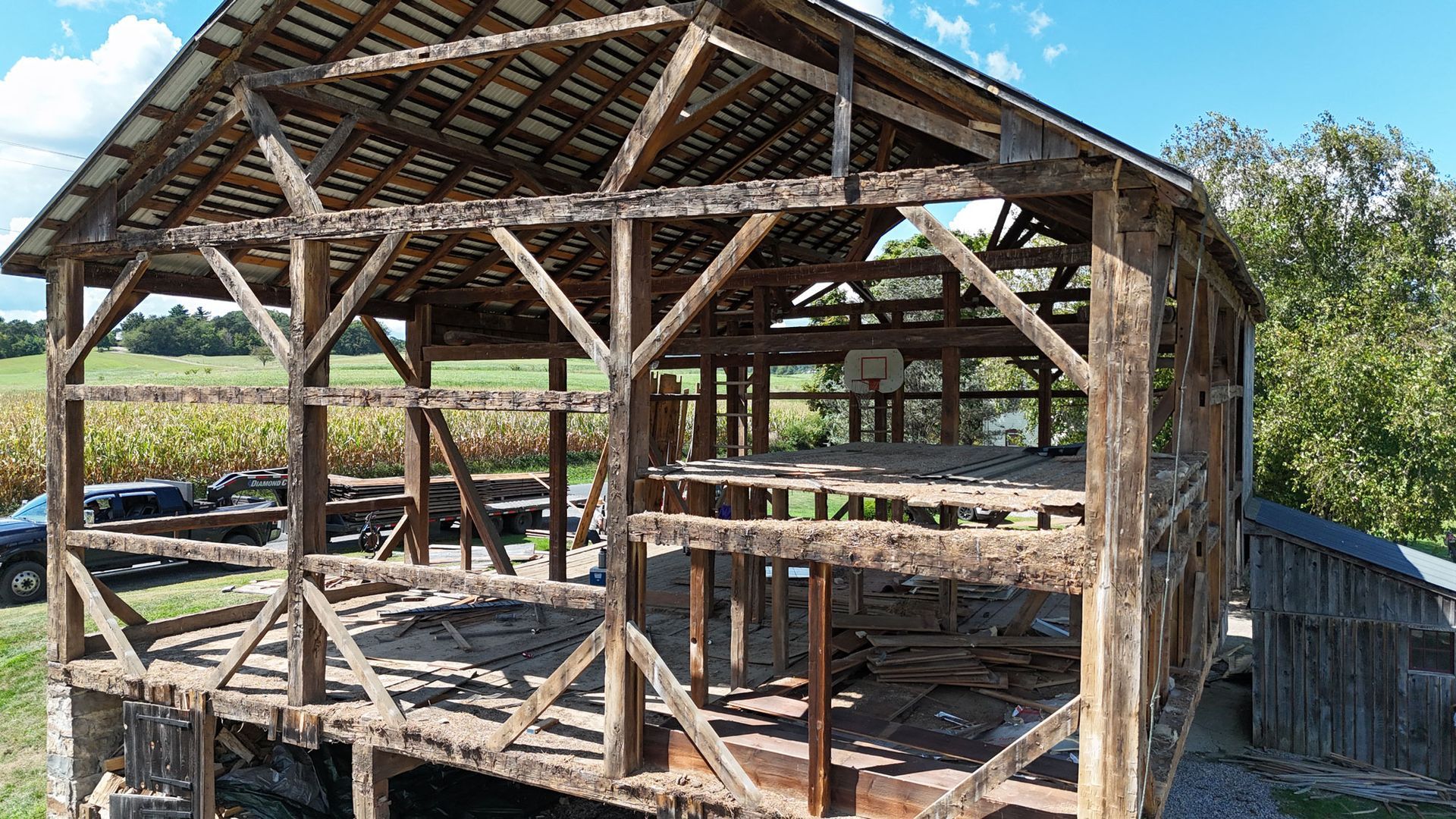
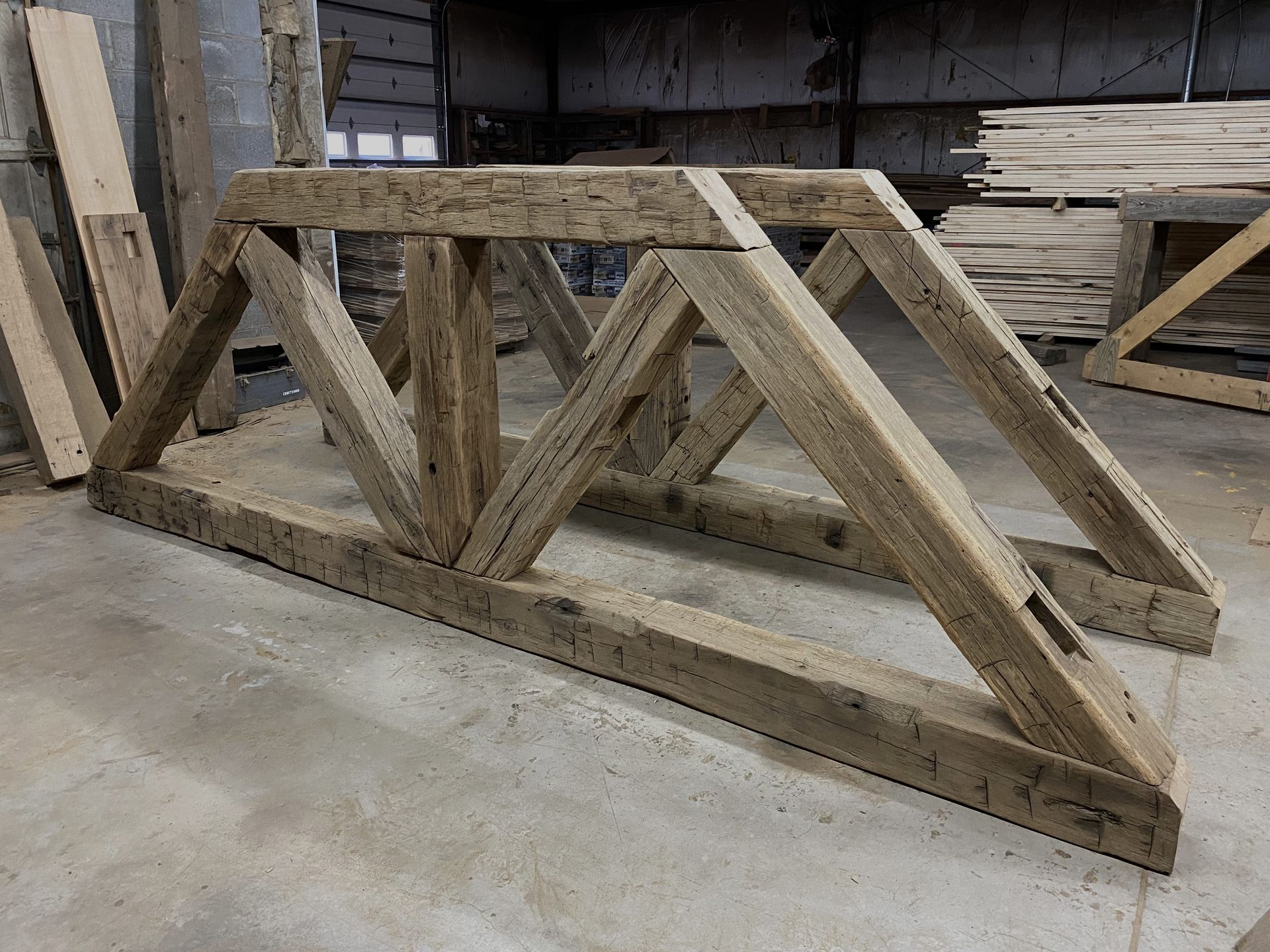
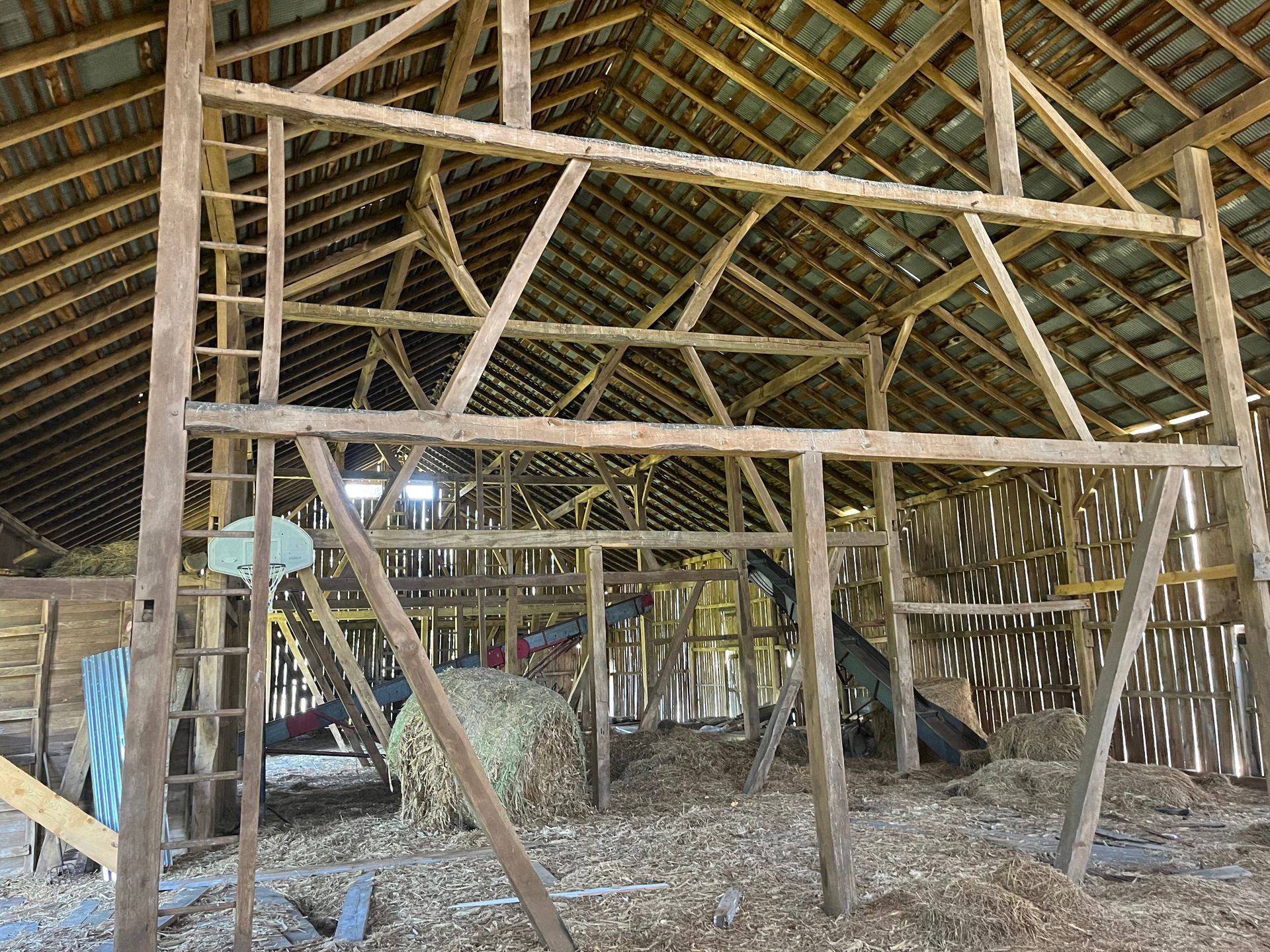
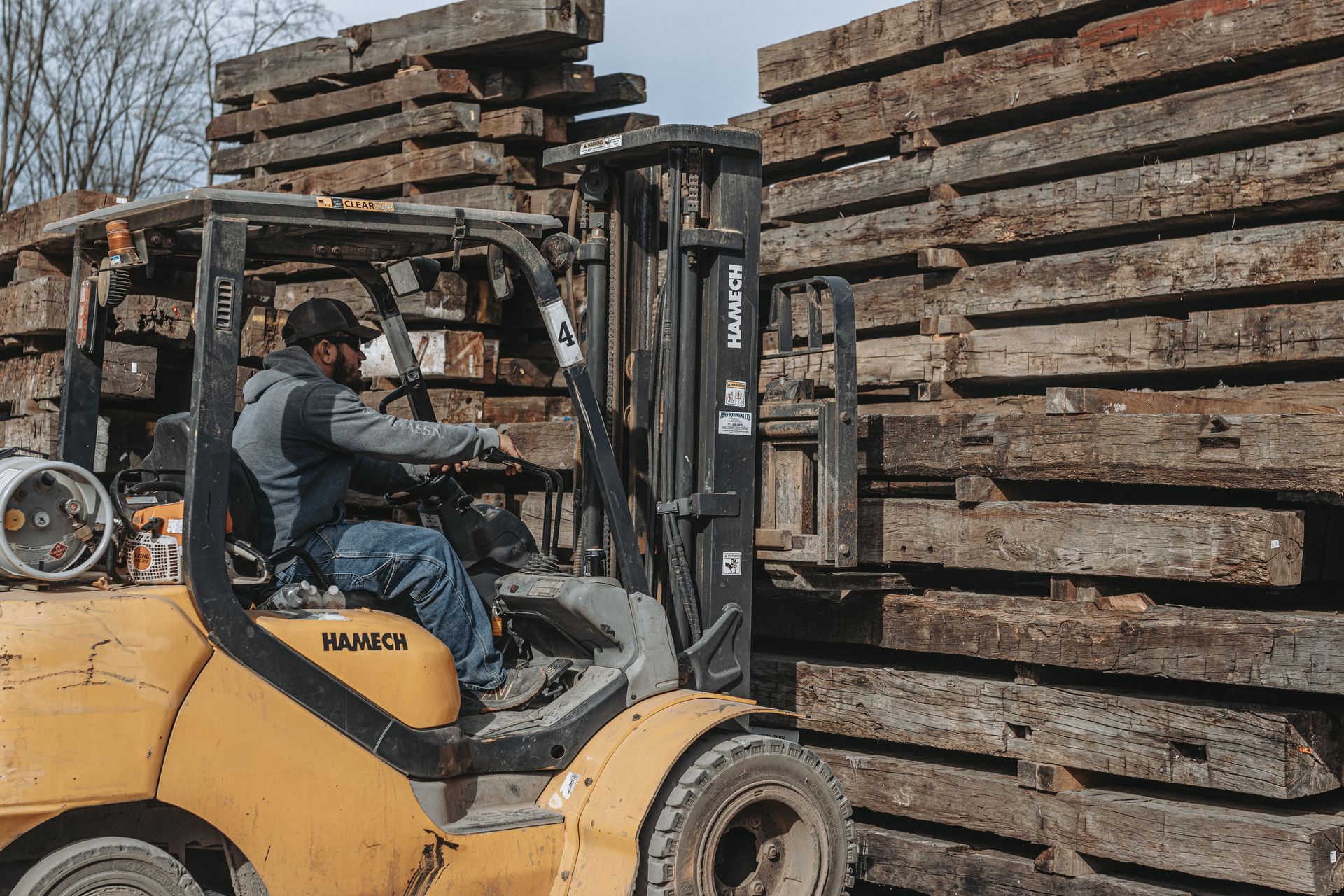
This is the part we care about most. At Bay & Bent, we travel the country tracking down old barn frames, take them apart by hand, and bring them back to the shop for restoration.
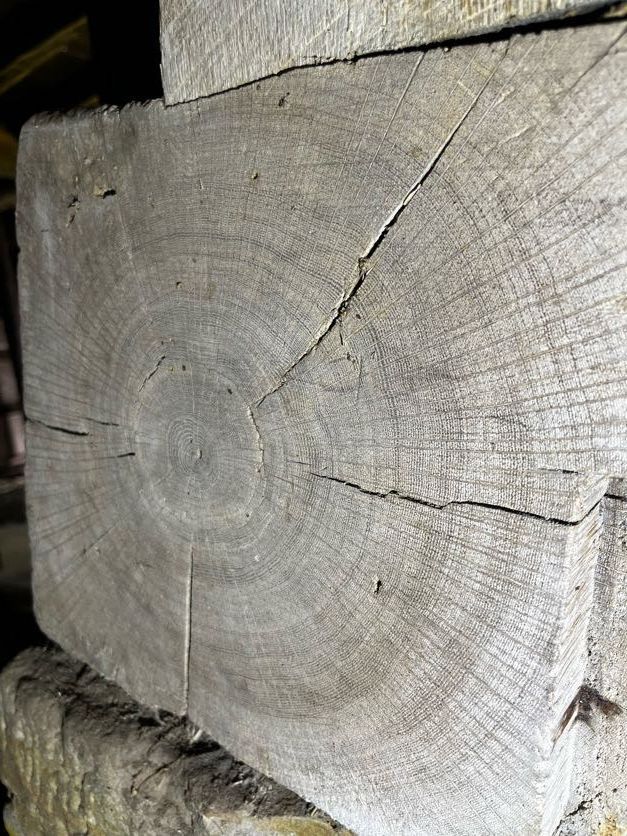
We repair every piece using the same joinery techniques these frames were built with originally, so they're ready to stand another century in a new home, office, or venue. Old-growth timber like this has a grain and density you won't find in new lumber, because it came out of forests that don't exist anymore.
Choosing a historic frame isn't just a design decision. It's a way of carrying a piece of real history into a new build.
Why Timber Holds Up as a Material
- Strong and workable. Wood handles both stretching and compression well, which is why it works for something as small as a chair leg or as large as a structural beam. It's also easy to cut, shape, and join, which is part of why it's stayed a favorite across generations of builders.
- Good for the environment. Trees pull carbon out of the air as they grow, and that carbon stays locked in the wood even after it's milled and built into a structure. That's a real contrast to concrete, which releases a large amount of carbon just in production. Timber sourced from well-managed forests also supports a renewable supply and healthier ecosystems.
Want to Learn the Craft Yourself?
If you want to go deeper into timber work, check out The Wood Carpenter. It's a solid resource for joinery tutorials and timber techniques, useful whether you're just starting out or you've been at this a while.
Where Timber Is Headed
New technology keeps opening up what's possible with wood, from 3D printing with wood fiber to automated builds that cut down on waste. But even with all that innovation, the basic appeal of timber hasn't changed. It still brings warmth and texture into a space in a way most materials can't match.
From
reclaimed barn frames to towers going up 20 stories high, timber keeps connecting where building has been to where it's headed next.