10 Creative Ways to Use Reclaimed Materials in Your Home
Reclaimed Materials: 10 Inspiring Ideas to Transform Your Home
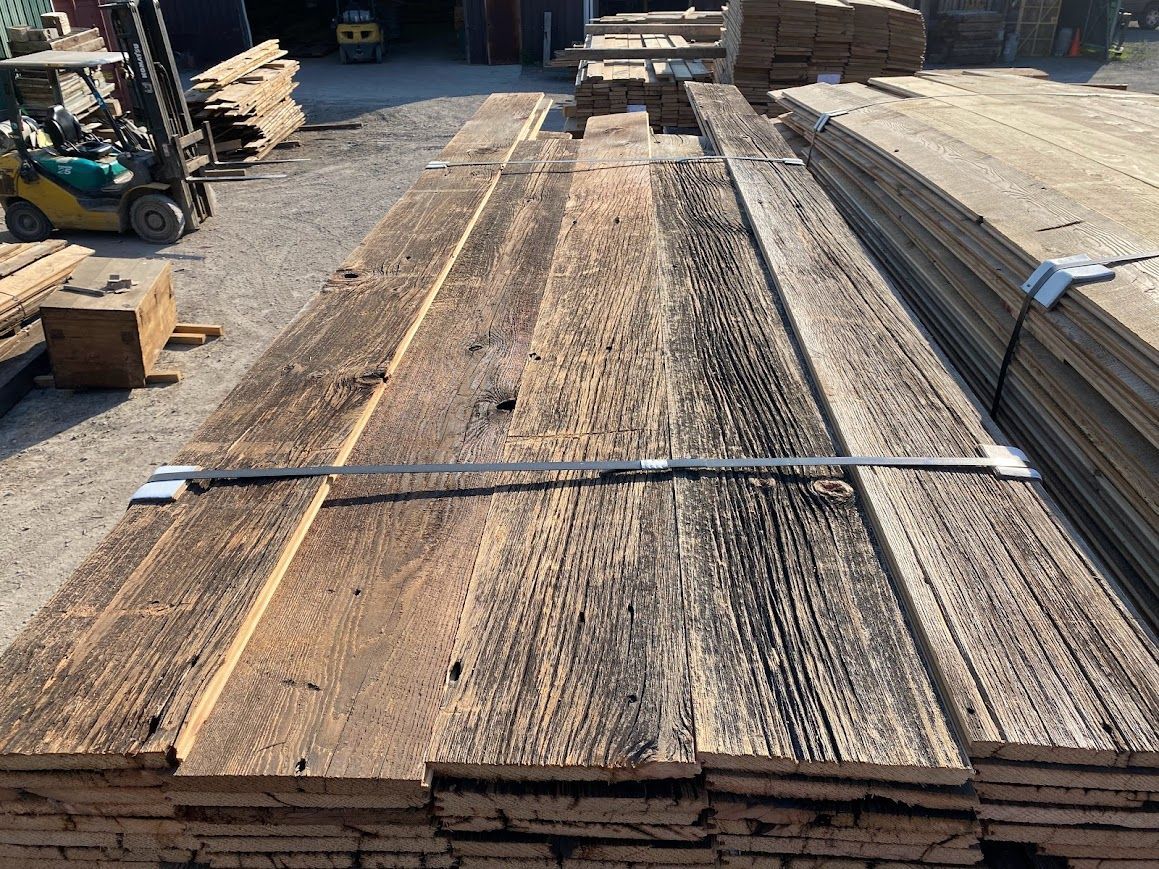
Adding reclaimed materials to your home does more than just update your decor. It brings a piece of history into your living space, reduces waste, and helps you create a home that feels both unique and full of character. Whether you love the look of old barn wood or the charm of salvaged metal, these materials offer endless ways to get creative.
At Bay & Bent, we're passionate about preserving America's architectural heritage. We see firsthand how materials that have lived a whole life can bring a special quality to a new home. They come with built-in personality, from the nail holes in old boards to the rich color that only time can create. These details add warmth and a lived-in feel that brand-new materials simply can't replicate.
In this article, we will explore ten creative home decor ideas using reclaimed materials. We'll show you how to incorporate sustainable design into your home while adding timeless beauty.
1. Accent Wall
A reclaimed wood accent wall can transform any room. The natural differences in color, grain, and texture create a visual focal point that draws the eye. It’s a simple way to add warmth and character, making a space feel more intentional and balanced.
2. Custom Kitchen Island
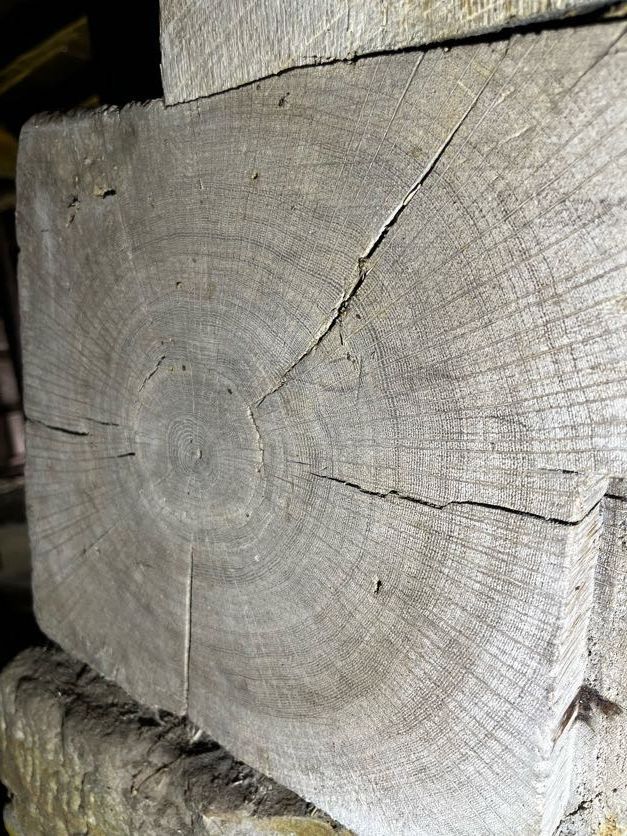
An old wooden beam can become a beautiful and functional kitchen island. Its solid presence and weathered look make it the centerpiece of your kitchen. Plus, it provides a durable surface for cooking and gathering with family. This is a perfect example of how sustainable design can be both practical and stylish.
3. Install Floating Shelves
Turn salvaged wood planks into floating shelves. They are great for storage and also act as conversation starters. Each mark and imperfection on the board tells a story of its past life, adding a unique touch to your walls.
4. Build a Headboard
Use reclaimed wood planks to create a striking headboard for your bedroom. You can arrange them vertically or horizontally to match your style. The natural patterns and textures add a layer of warmth, making your bedroom feel cozy and inviting.
5. Ceiling Beams
Exposed beams or planked ceilings made from reclaimed wood add architectural interest to any room. This design element draws the eye upward, which can make a room feel larger and more open. It’s a popular choice for adding a touch of rustic charm to modern homes.
6. Craft One-of-a-Kind Furniture
Reclaimed materials are perfect for building furniture that is both functional and artistic. From coffee tables to dining benches, you can create truly one-of-a-kind pieces. Because you're using salvaged wood or metal, your furniture will have a history and character you can't find in mass-produced items.
7. Garden and Landscape
Many reclaimed materials are weather-resistant, making them ideal for outdoor projects. Use them to build planters, fences, or garden benches. They blend seamlessly into natural surroundings, adding a rustic and established feel to your outdoor space.
8. Unique Bathroom Vanity
Repurpose an old dresser or wooden sideboard into a bathroom vanity. This home decor idea combines modern function with rustic style, creating a spa-like feel. It’s a sustainable design choice that adds a lot of personality to a small space.
9. Room Divider
Create flexible living areas with a room divider made from reclaimed materials. You can use old doors, windows, or wooden screens to separate spaces without completely blocking light. This adds privacy and style while maintaining an open feel.
10. Whitewashed Wood
For a more contemporary take on rustic design, consider using whitewashed reclaimed wood. Lighter finishes and softer colors are becoming popular in interior design. A whitewashed accent wall or furniture piece offers the texture of old wood with a fresh, modern twist.
Why We Believe in Historic Materials
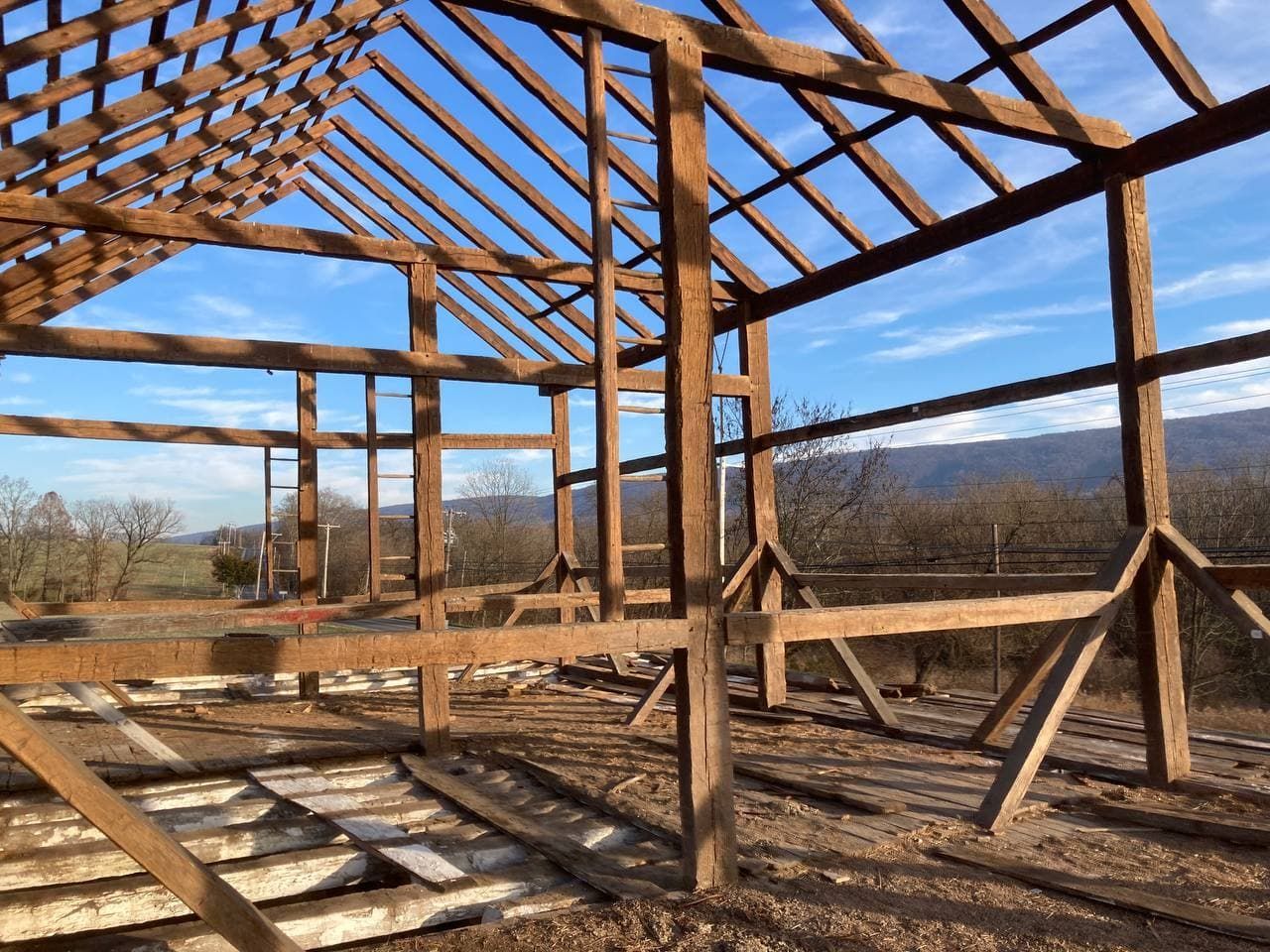
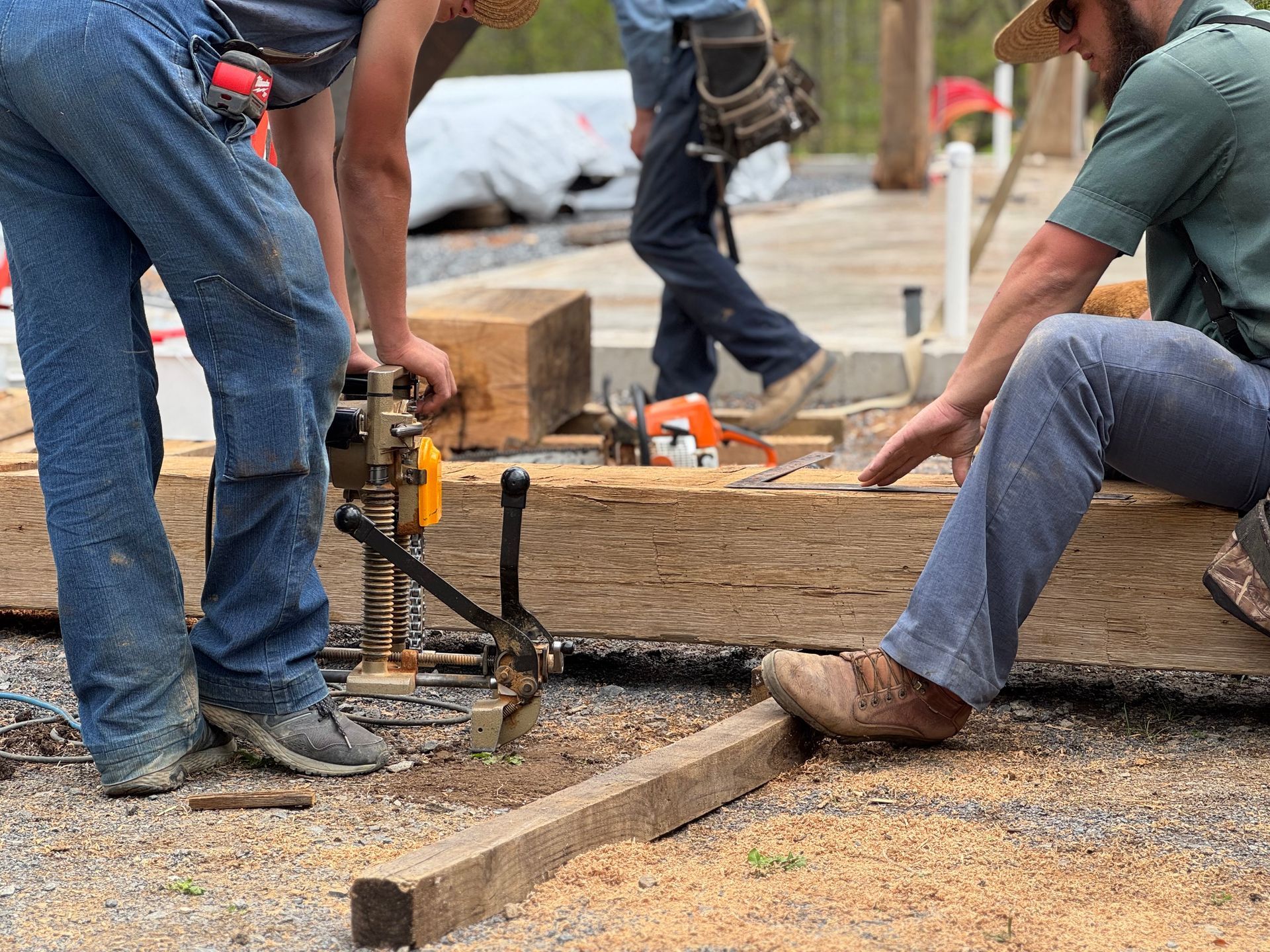
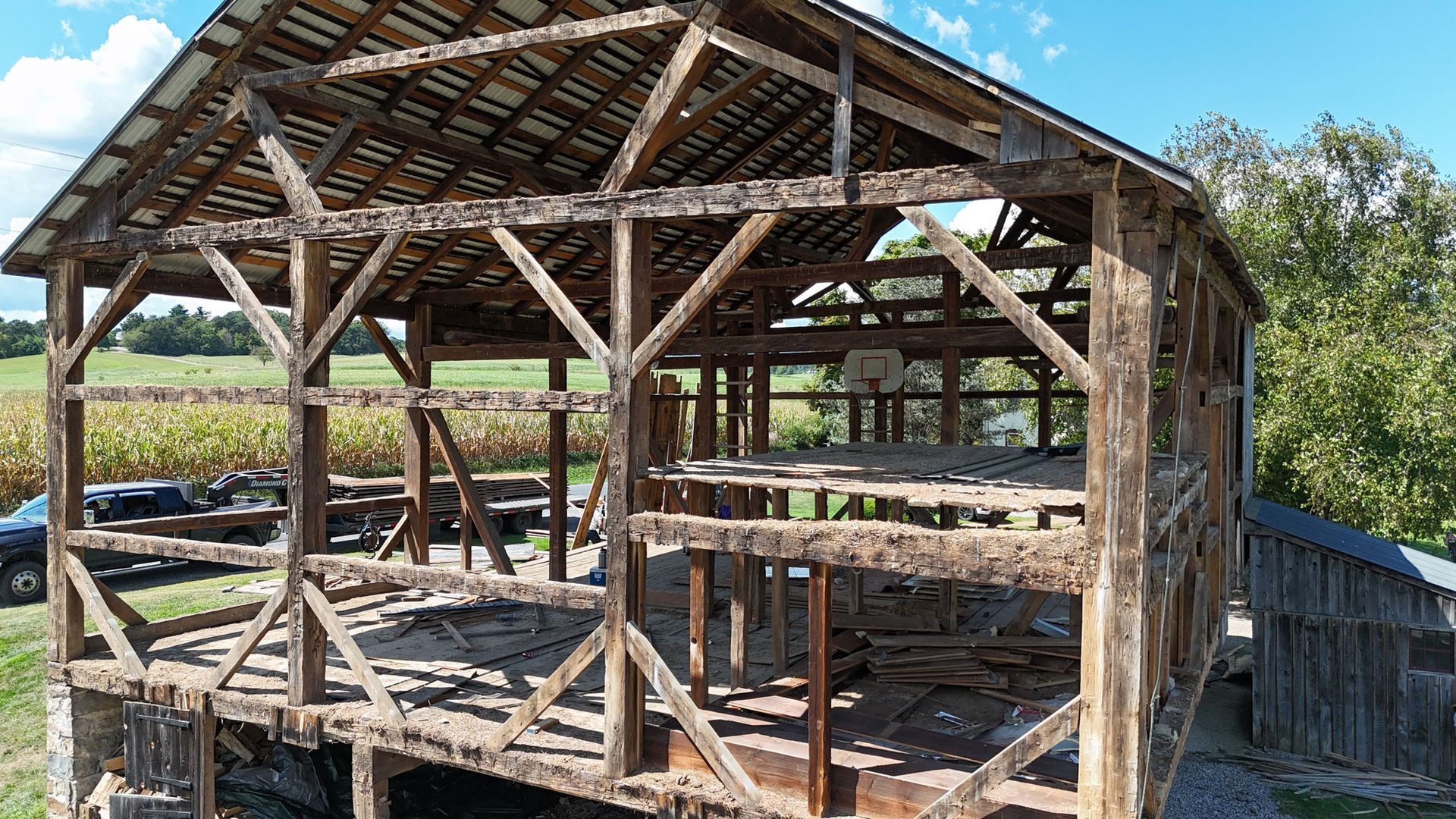
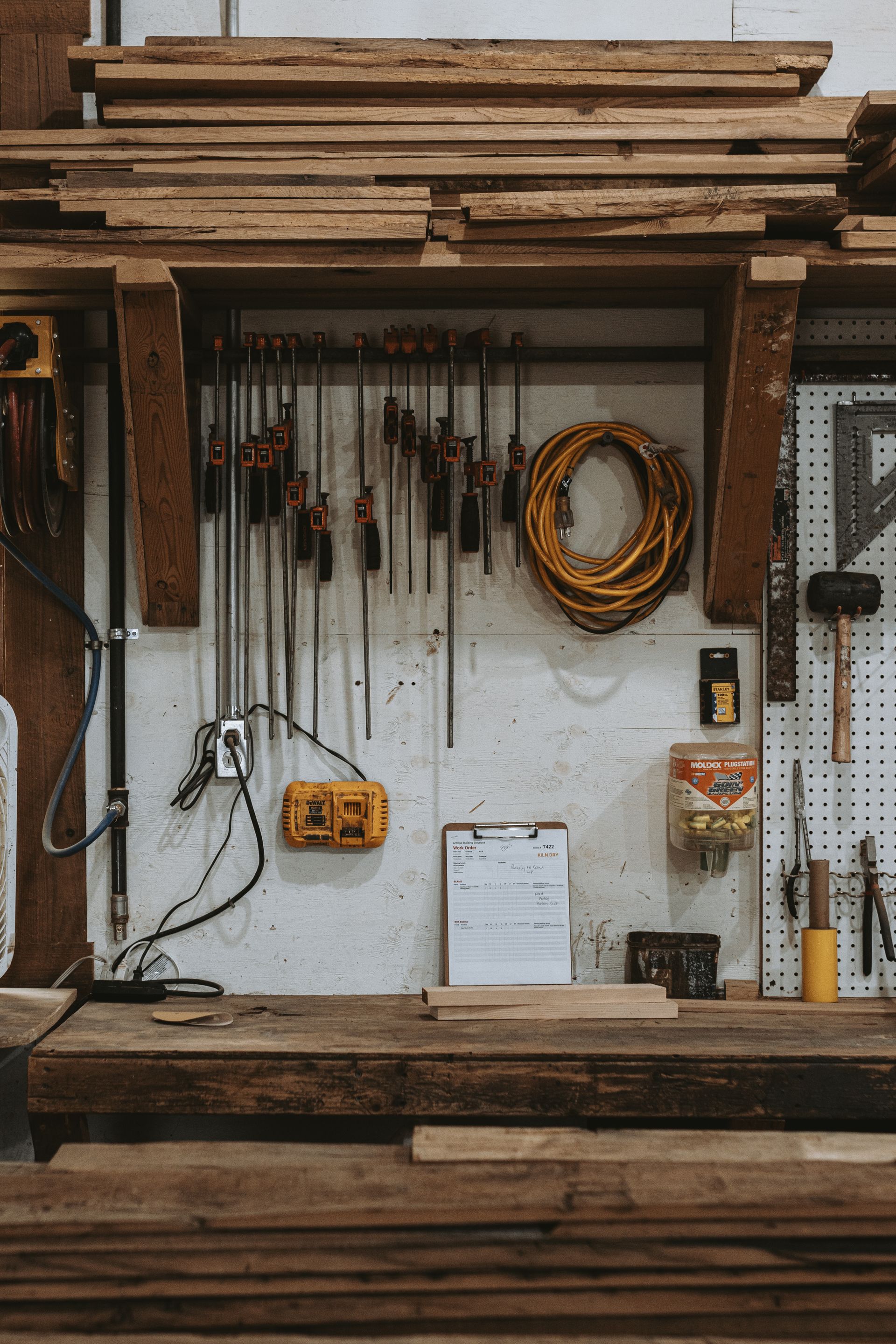
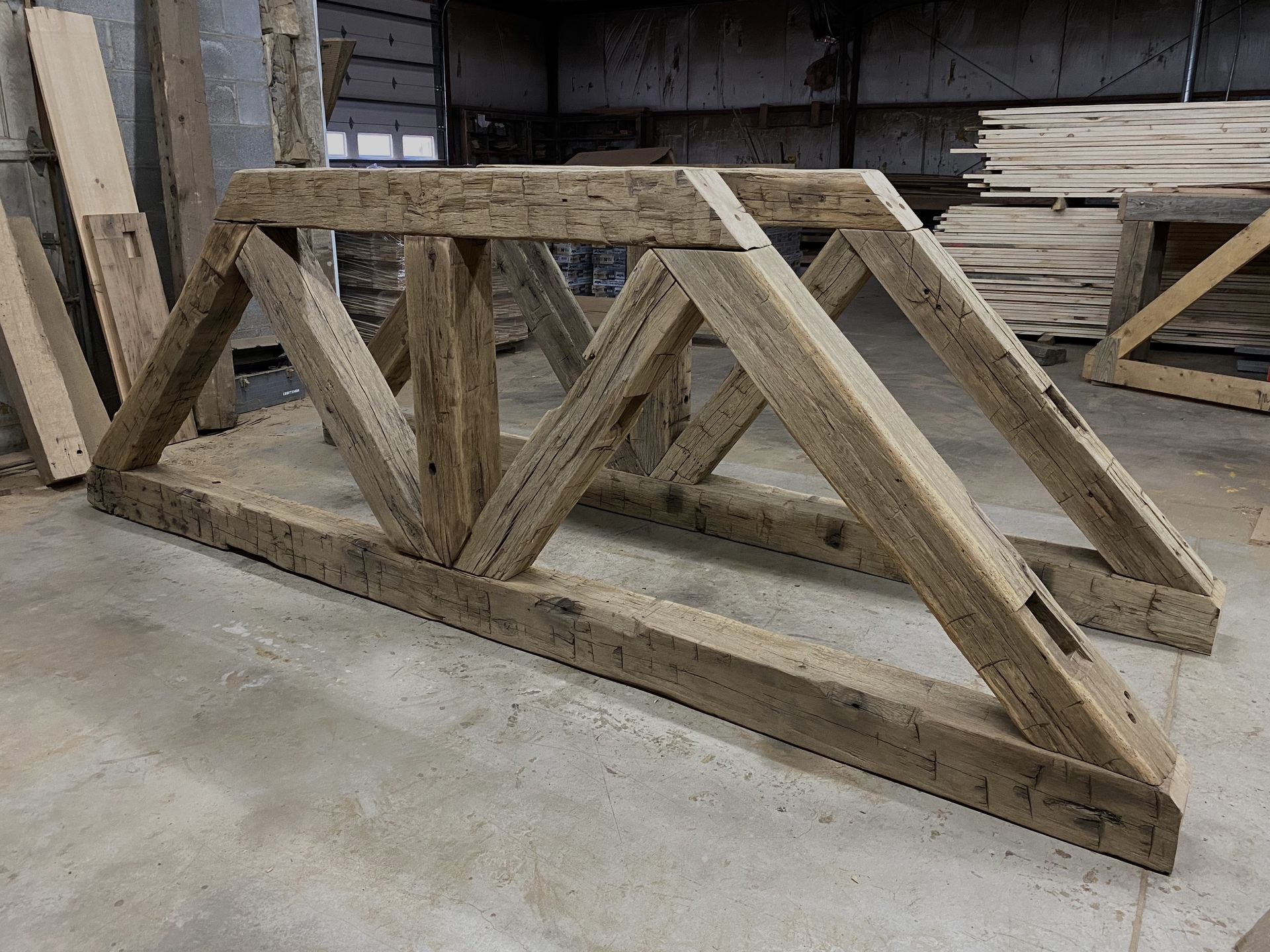
Our team at Bay & Bent travels the country to find and preserve historic barn frames. We carefully take them apart, timber by timber, and bring them back to our facility. There, our craftspeople restore each piece, getting it ready for a new life in a modern home.
This process is about more than just salvaging wood. It’s about honoring the generations of builders who created these structures by hand. When you use historic timber, you connect with that legacy of craftsmanship. You also ensure these materials continue their story instead of ending up in a landfill.
Getting Started with Sustainable Design
When choosing reclaimed materials, think about both how they look and how you'll use them. Find pieces that fit your home's style and meet your needs. While quality reclaimed wood may cost more at first, its durability and character make it a great long-term investment.
Working with these materials often requires special care. They may need to be cleaned, prepared, or installed by professionals who understand their unique qualities. Partnering with experts helps ensure your project is a success.
By choosing materials with a past, you are making a positive impact. Every reclaimed beam represents a step toward more sustainable living and a victory against waste. You’re not just decorating your home, you’re preserving stories and protecting the environment for the future.