Reclaimed Hand Hewn Beams vs New Timber – Surprising Facts
key differences between reclaimed beams and new timber
When you're planning a construction project, you might wonder if reclaimed hand-hewn beams are worth it compared to new lumber. The answer might surprise you. These historic timbers offer benefits you might not expect.
What Makes Hand-Hewn Beams Special
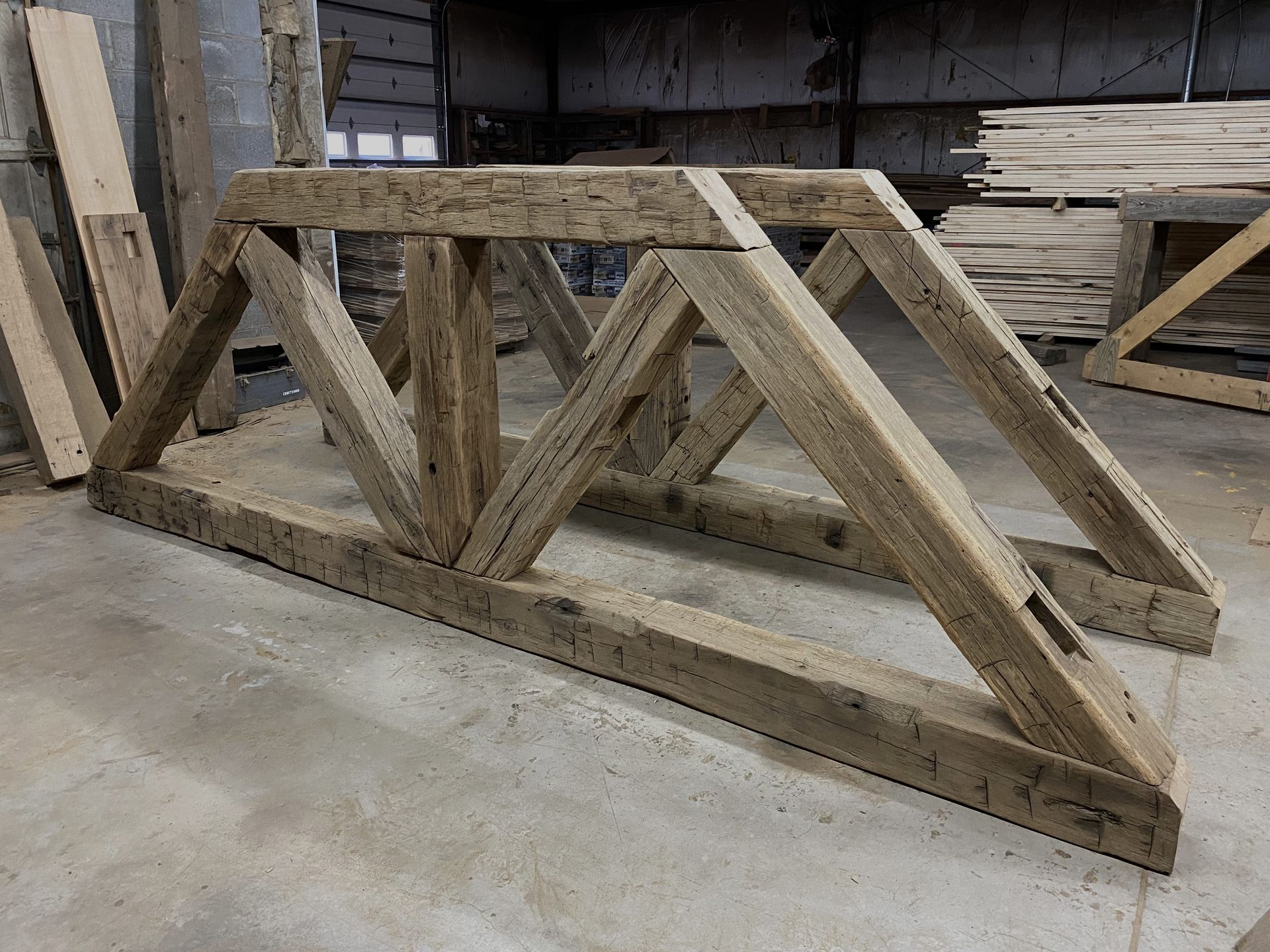
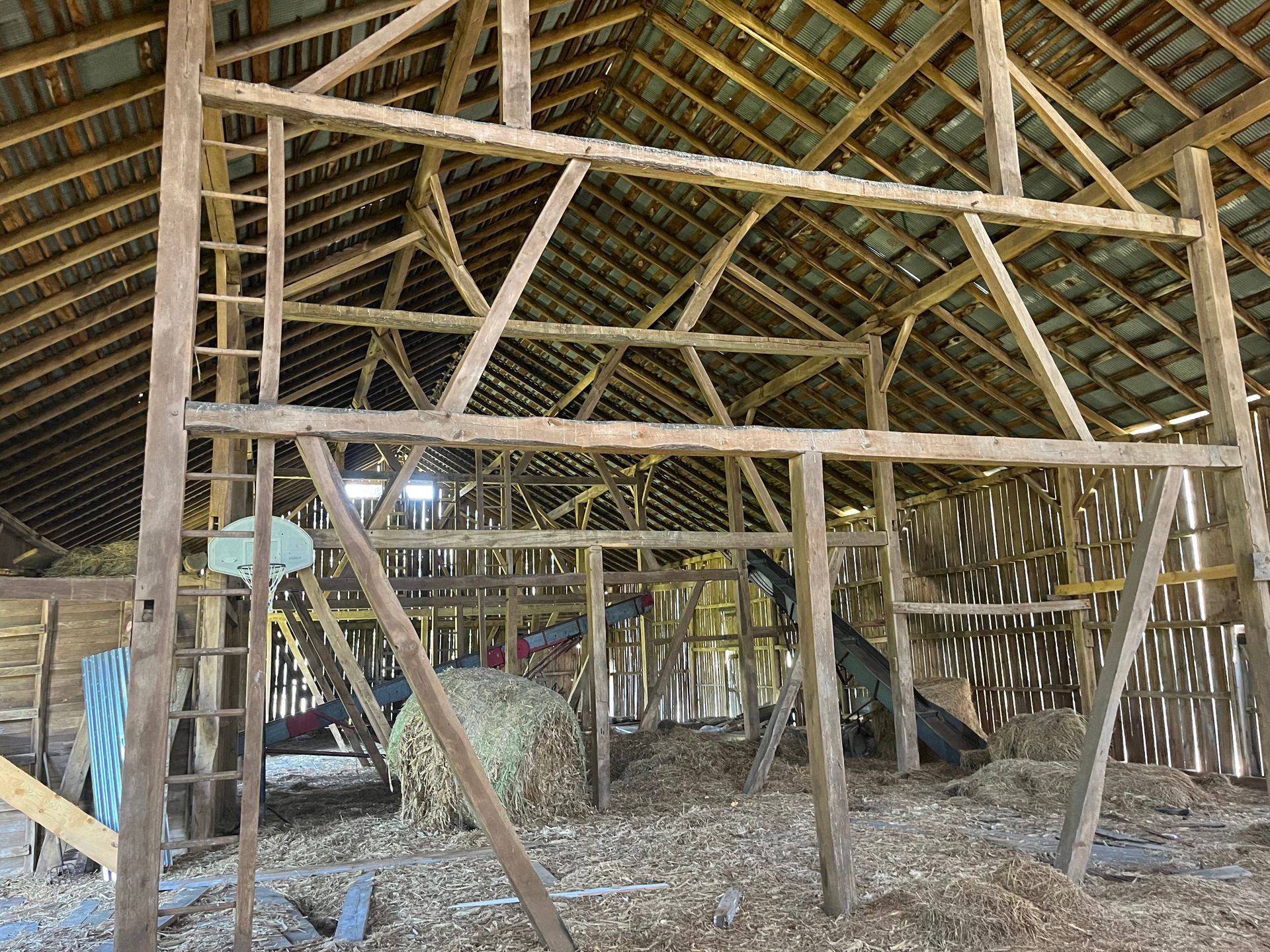
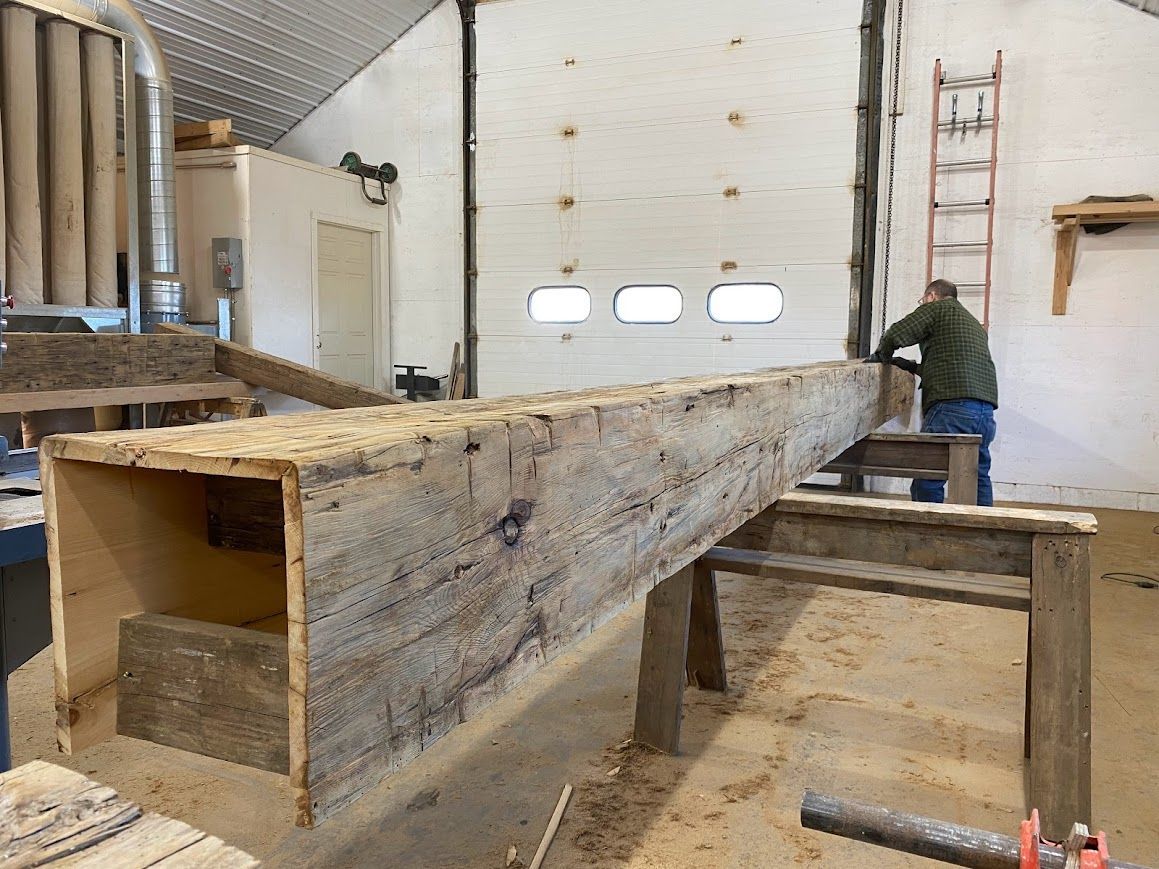
Hand-hewn beams are crafted from trees cut and shaped by skilled workers using tools like broadaxes and adzes. Unlike modern, machine-made lumber, these beams have unique markings and imperfections that reflect human hands.
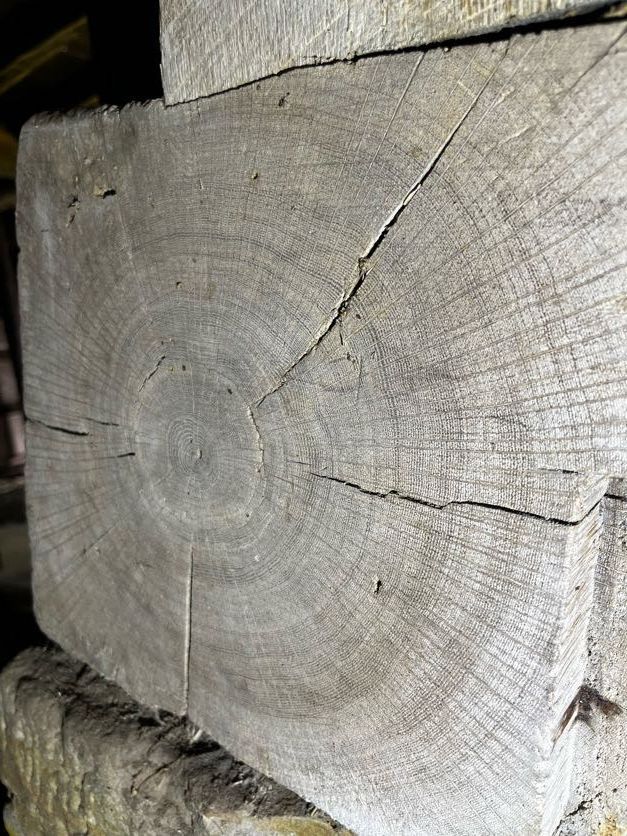
Most reclaimed hand-hewn beams are 100 to 300 years old. They come from trees grown in old-growth forests, which no longer exist. These trees grew slowly, resulting in timber with tight grain patterns and incredible strength compared to today’s fast-growth wood.
Stronger Than You Might Think
One surprising fact is that reclaimed hand-hewn beams are often stronger than new wood. Old-growth timber has a dense grain structure, which makes it tough and stable.
Another factor is how these beams were dried over time. Unlike new lumber, which can warp or crack as it dries, reclaimed beams have already gone through this process naturally. They've reached a steady state, making them less likely to change over time.
Better for the Environment
Choosing reclaimed beams helps reduce waste and saves timber from going into landfills. It also means fewer trees need to be cut down for new wood. Reclaimed beams store carbon from the atmosphere, making them an eco-friendly option.
Since these beams are salvaged and restored, their production uses far less energy than producing new lumber. No new trees need cutting, and there’s less transportation involved compared to shipping fresh wood from mills.
What About the Cost?
Reclaimed hand-hewn beams usually cost more up front than new lumber. However, they can save money in the long run. Their stability means fewer repairs and less maintenance. Clients also value their authentic look.
Homes or buildings featuring reclaimed beams tend to sell better. Many buyers are drawn to their unique, sustainable details, which increases the property’s value.
Not All Beams Are Equal
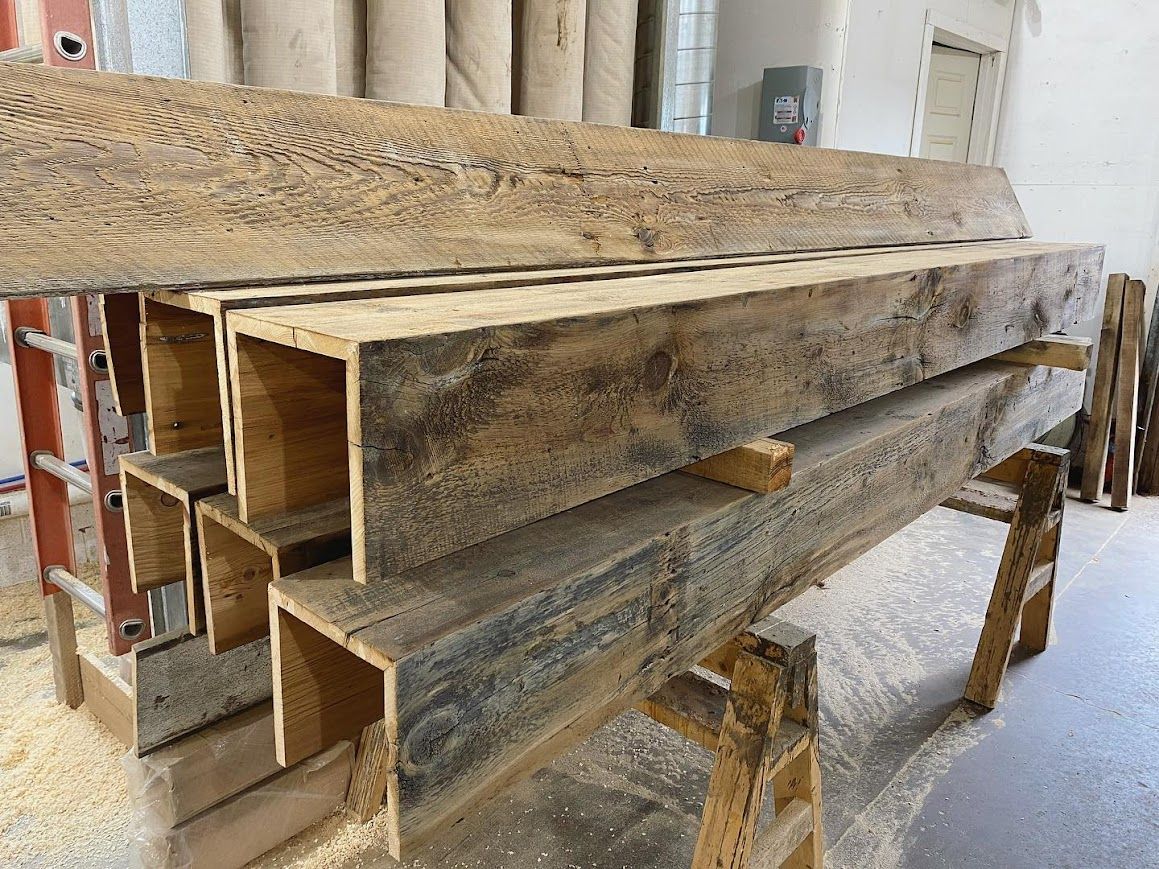
Reclaimed hand-hewn beams come in different qualities. The condition of the wood depends on its source, storage, and restoration process. Beams from various regions or time periods may have different levels of strength or appearance.
It’s important to work with experts when buying reclaimed timber. Professionals can spot problems like insect damage or rot that might not be visible to everyone. Getting high-quality beams ensures they look and perform their best.
Our Experience
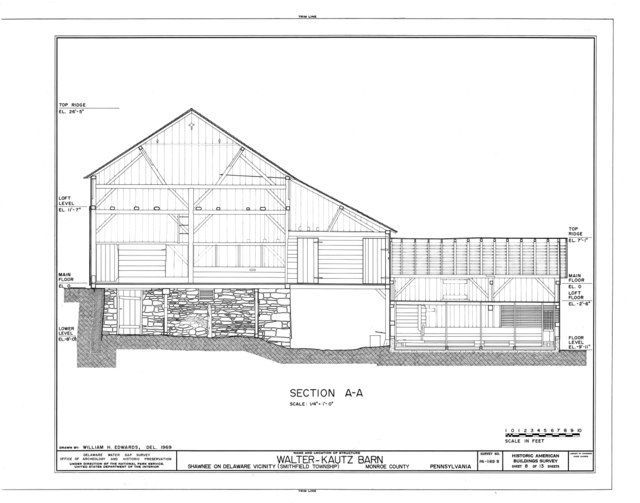
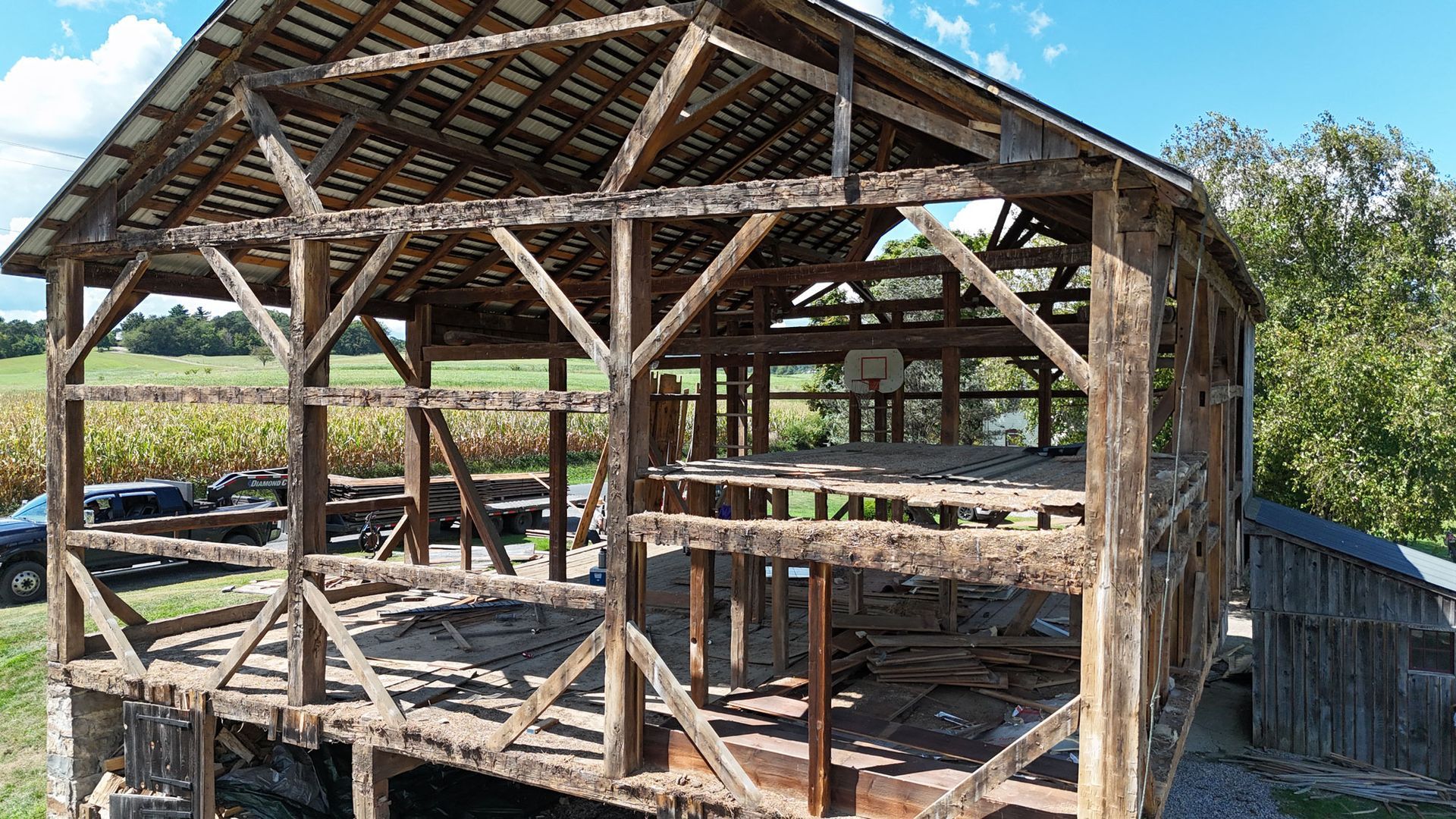
At Bay & Bent, we’ve spent years studying and working with historic timber from across the country. We carefully disassemble old barn frames, respecting their craftsmanship, and restore each beam at our facility.
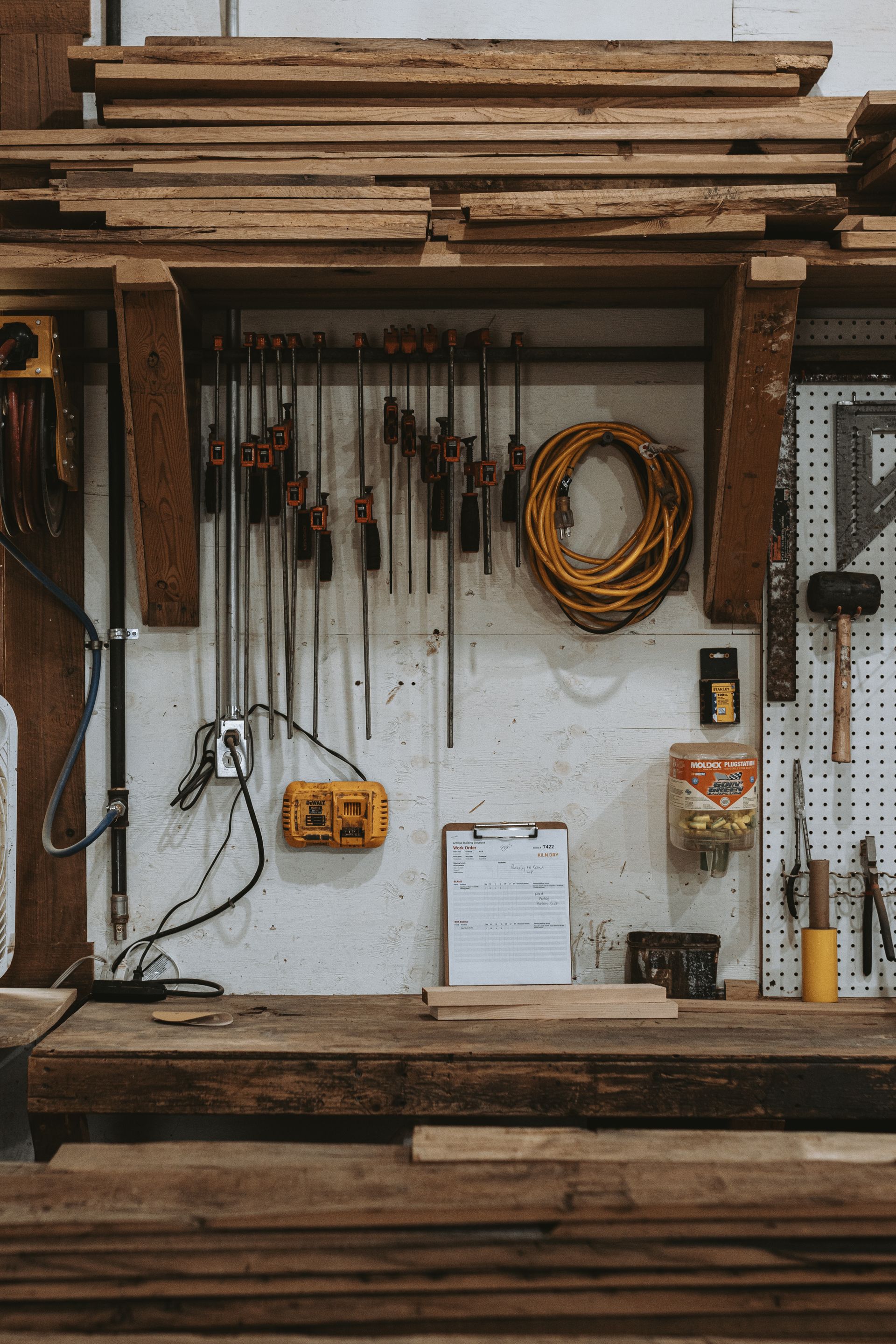
Our process ensures the beams keep their historic charm while meeting today’s structural standards. We’ve seen how these unique pieces can completely transform projects, combining beauty and durability.
Final Thoughts
Reclaimed hand-hewn beams offer advantages that new timber can’t match. They come from higher-quality old-growth wood, provide strong and stable performance, benefit the environment, and offer unique charm. However, they do require expert handling to make the most of these benefits.
If your project values authenticity, sustainability, and durability, reclaimed beams are often worth the investment. The important part is to work with trusted suppliers who know how to address the unique challenges and benefits of historic timber.
Whether you choose reclaimed or new wood, understanding these differences will help ensure your project turns out just as you want.