Planning Old Barn Renovations? Here's What to Know Before You Start
Your guide to a successful barn revival
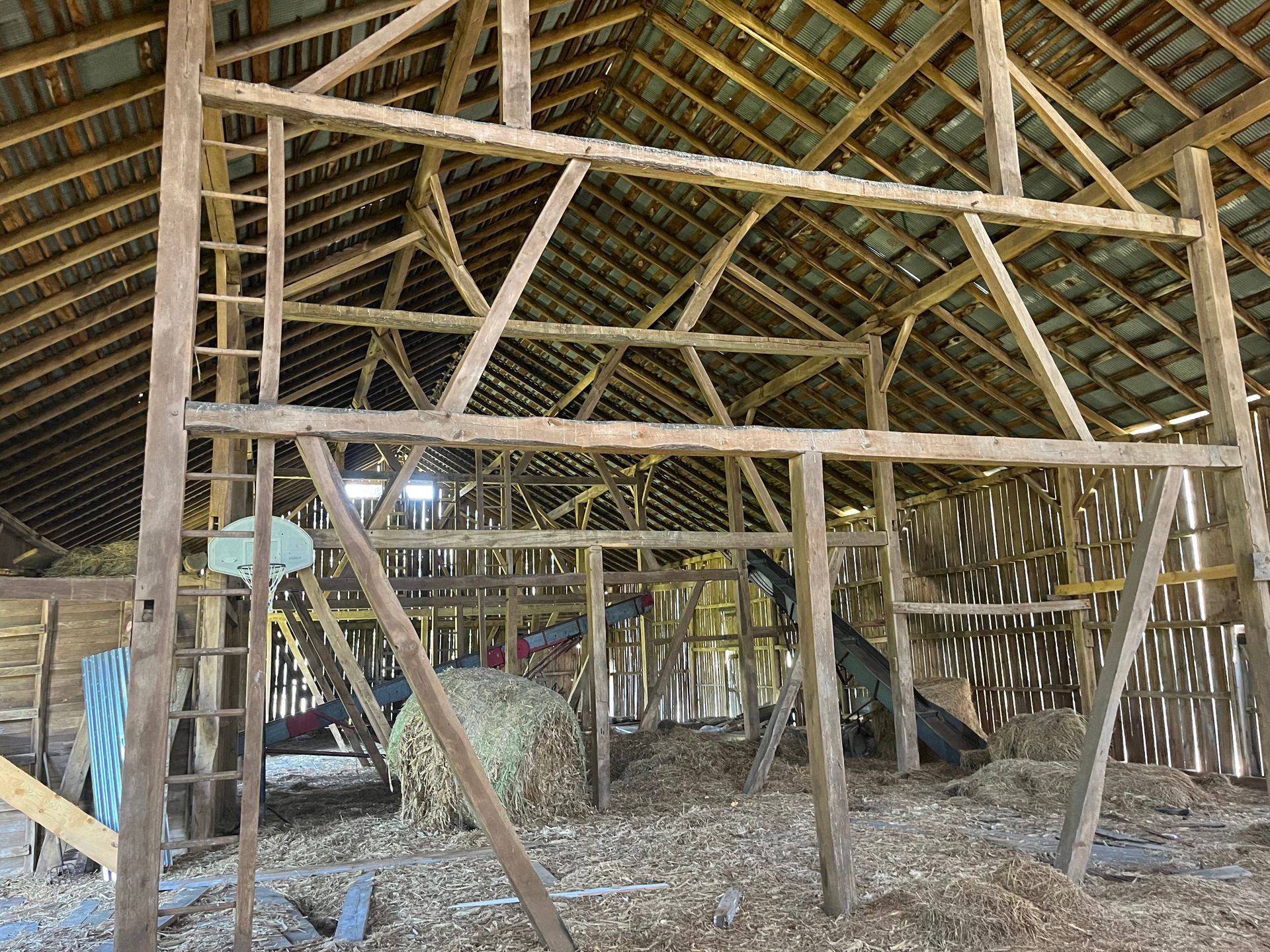
There's something special about old barns. Maybe it's the weathered wood that's stood strong for over a century, or the hand-hewn beams that craftsmen shaped with their own tools.
Whatever draws you in, renovating an old barn is both exciting and challenging. Before you start knocking down walls or raising new ones, here's what you need to know to do it right.
Understanding What You're Working With
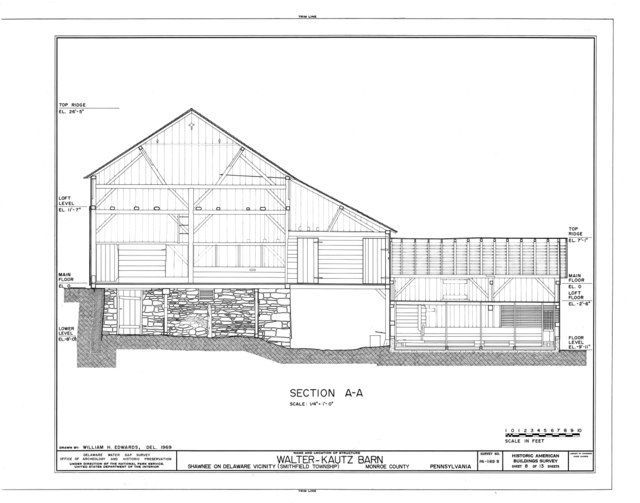
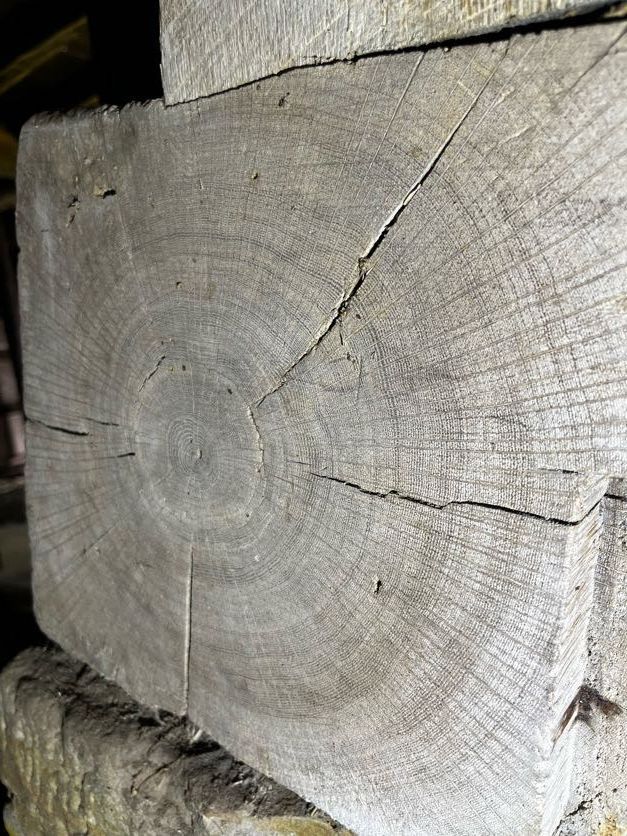
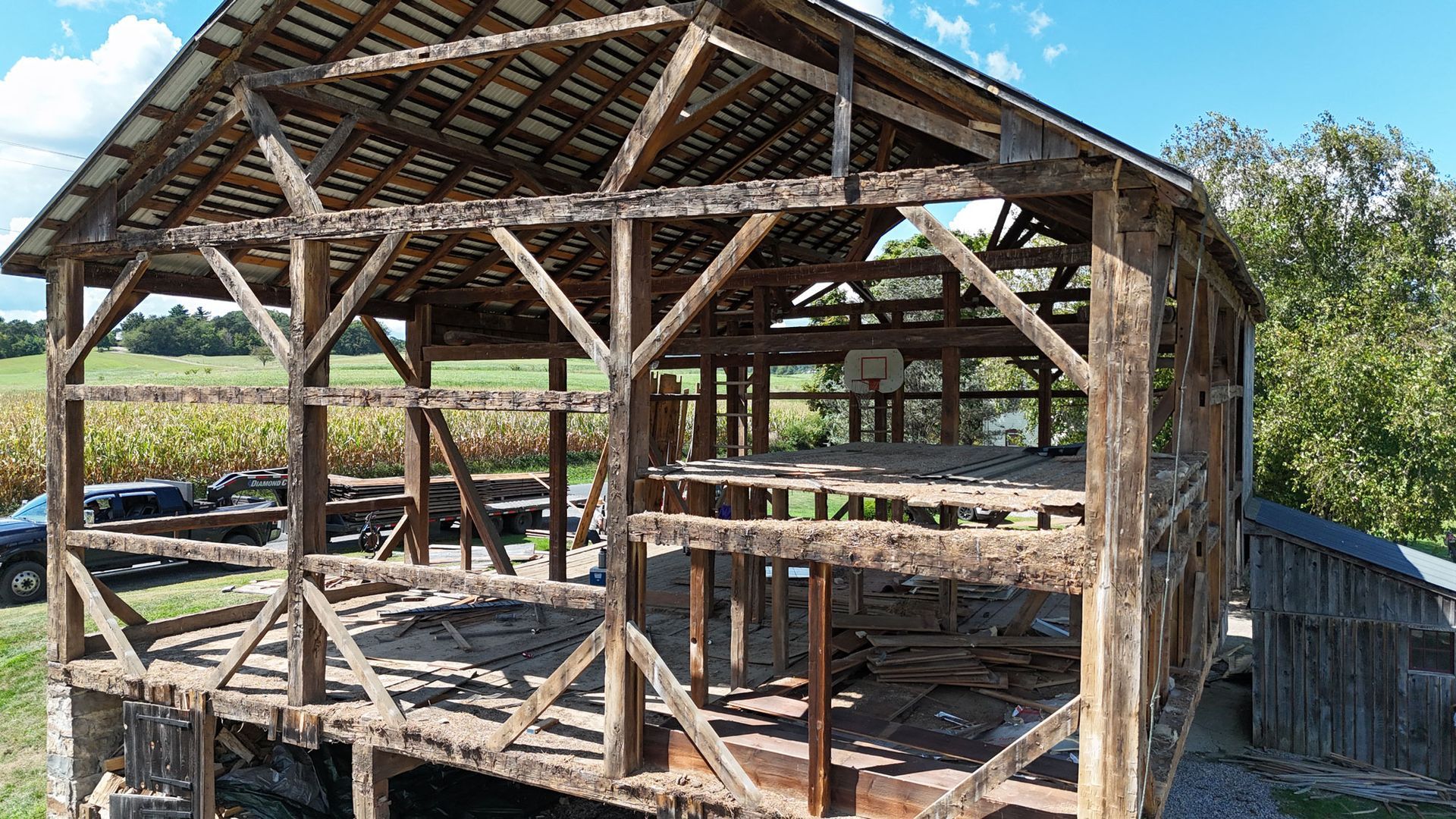
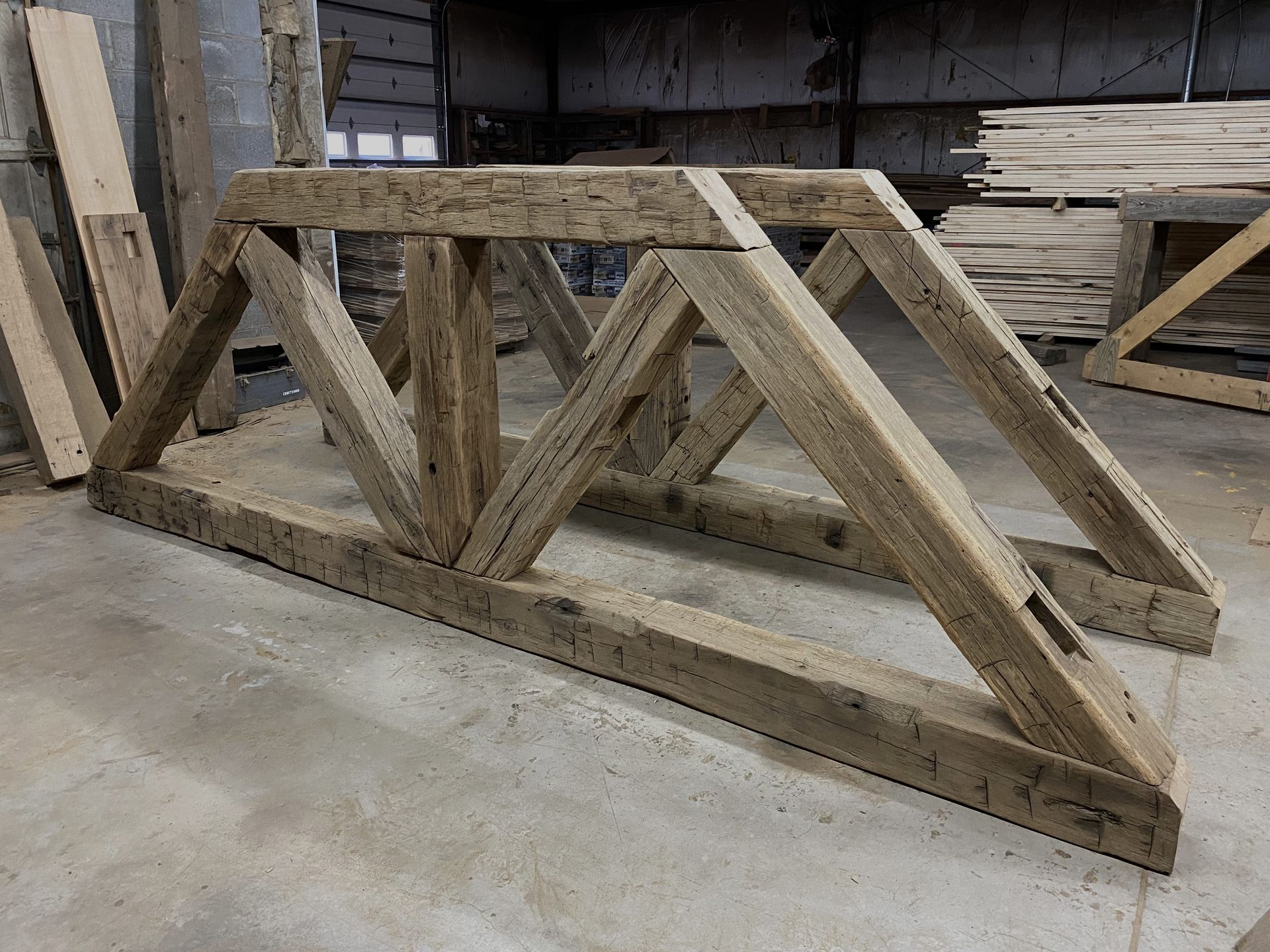
Old barns weren't built the same way modern structures are. Most historic barns from the 1700s to mid-1800s used timber frame construction, which means large wooden posts and beams fit together with joints instead of nails. These joints, mortise and tenon connections, wooden pegs, and dovetails, were carved by hand and designed to last generations.
Before starting any renovation, you need to assess the condition of your barn. Look for:
- Structural integrity: Are the main posts and beams solid, or are there signs of rot?
- Foundation issues: Many old barns sit on stone foundations that may have shifted over time
- Roof condition: A leaking roof can destroy even the strongest timbers
- Pest damage: Termites, carpenter ants, and powder post beetles can weaken wood from the inside
Hiring a structural engineer who specializes in historic buildings is worth every penny. They can tell you what's salvageable and what needs replacing.
The Real Cost of Barn Renovations
Let's be honest, renovating an old barn isn't cheap. The appeal of "free" or cheap old wood disappears quickly when you factor in the actual work involved.
Budget considerations include:
- Structural repairs and reinforcement
- New foundation work if needed
- Roof replacement or repair
- Insulation and weatherproofing
- Electrical and plumbing installation
- HVAC systems
- Windows and doors
- Interior finishing
Many barn renovation projects cost between $200 to $400 per square foot, though this varies widely based on location, condition, and your vision for the space. A 2,000-square-foot barn could easily run $400,000 to $800,000 or more for a complete renovation.
Permits and Regulations
Here's where things get tricky. Converting a barn into a livable space means meeting modern building codes, which can be challenging with historic structures.
You'll likely need:
- Building permits: Required for any structural changes or conversions
- Zoning approval: Agricultural buildings may need rezoning for residential or commercial use
- Septic and well permits: If you're not connected to municipal systems
- Electrical permits: All new wiring must meet current code
- Historic preservation approval: Some barns may be protected structures
Start by contacting your local building department early in the planning process. Some townships are more flexible with barn conversions than others, and you want to know what you're dealing with before investing too much time or money.
Preservation vs. Modernization
One of the biggest decisions you'll face is how much of the original character to preserve. Do you want exposed hand-hewn beams and weathered wood, or a more polished, modern look?
Most successful barn renovations strike a balance. They keep the architectural elements that make the barn special, the timber frame structure, original siding, and historical details, while updating everything else for comfort and safety.
Consider what elements tell the barn's story:
- Original timber frame joinery
- Hand-hewn beam marks and Roman numerals (used by builders to identify pieces)
- Weathered exterior siding
- Hardware and hinges
- Hay loft openings and doors
These features give your renovated barn authenticity and character you can't replicate with new materials.
DIY vs. Professional Help
Can you renovate a barn yourself? Maybe some parts, but probably not all of it. Timber frame work requires specialized knowledge and equipment. Raising heavy beams, repairing mortise and tenon joints, and ensuring structural stability aren't typical DIY projects.
Professional barn restoration specialists understand:
- How to assess and repair traditional joinery
- Which timbers can be salvaged, and which need replacement
- How to integrate modern building systems without damaging historic materials
- Proper techniques for weatherproofing while maintaining breathability
- Local building codes and historic preservation requirements
For cosmetic work like painting, installing flooring, or finishing interior spaces, DIY can save money. For structural work, hire professionals who know what they're doing.
Insulation and Climate Control
Old barns were never designed for human comfort. They're drafty, poorly insulated, and hard to heat or cool efficiently. Making a barn comfortable year-round requires careful planning.
Your insulation options include:
- Spray foam: Excellent air sealing, but hides beautiful timber
- Rigid foam panels: Good insulation value, can be covered with interior walls
- Natural fiber insulation: Sheep's wool or cotton batts breathe well with old wood
- External insulation: Preserves interior timber while improving efficiency
The key is balancing thermal performance with maintaining the character of your space. Many people choose to insulate between new interior walls while leaving the timber frame exposed.
A Better Alternative
Here's something most people don't consider until they're deep into a renovation: sometimes, the barn you have isn't the barn you need. The structure might be too compromised, too small, or simply not right for your vision.
That's where we come in. At Bay and Bent, we've spent nearly three decades sourcing the finest historic timber frames across the country. We travel to find pre-Civil War barns dating back to the late 1700s through the mid-1800s, structures built from old-growth forests with craftsmanship you simply don't see anymore.
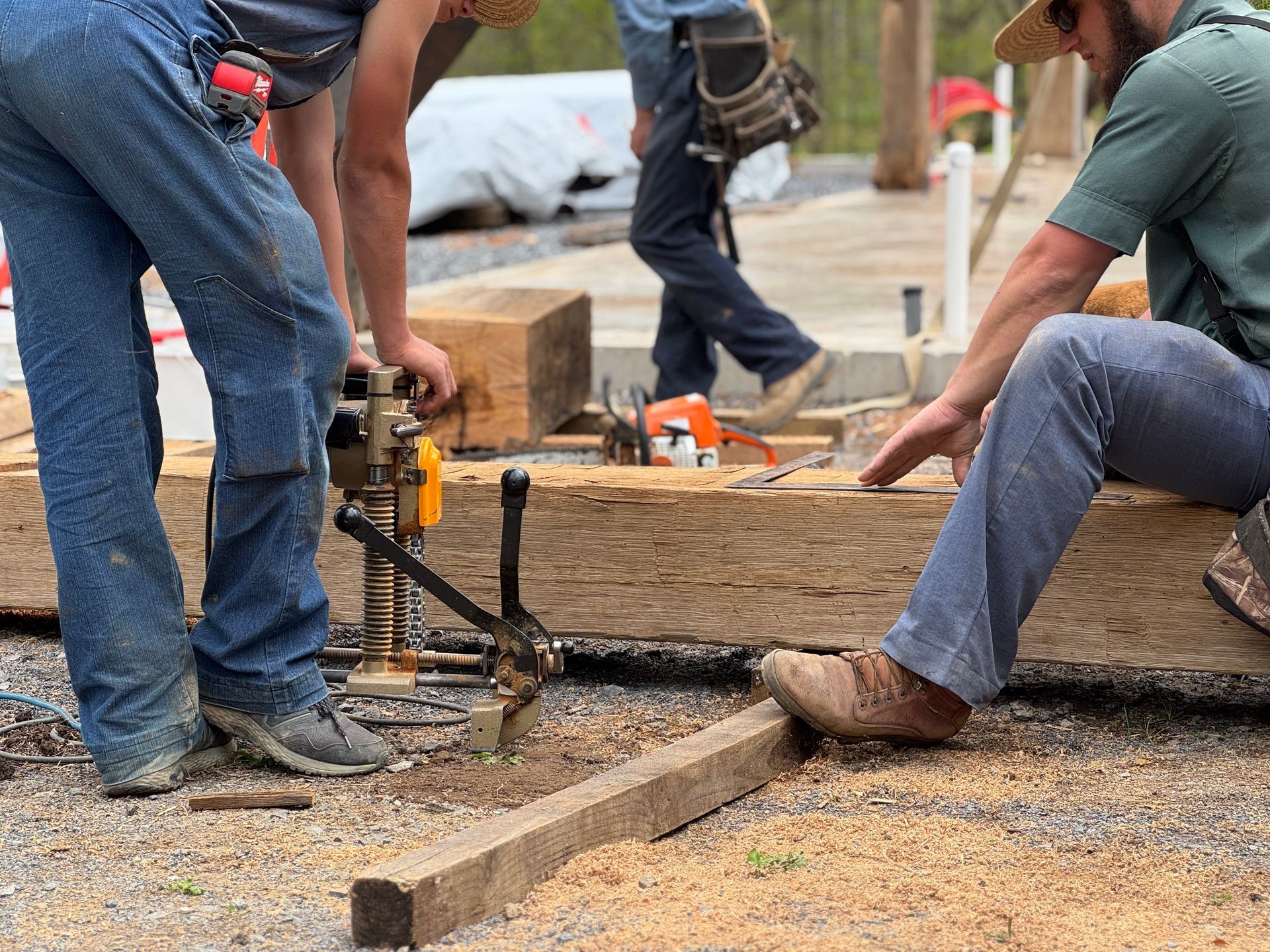
Our process is different from typical renovation work. We carefully dismantle these historic frames, preserving every beam, joint, and piece of character. Back at our facility, our skilled craftsmen repair and restore each timber, ensuring the frame is structurally sound while maintaining its authentic historical integrity. Then we deliver these remarkable frames anywhere in the world, ready to be raised as the foundation for your dream home or event space.
We don't restore barns on-site or work on structures that individuals already own. Instead, we focus on what we do best: finding exceptional historic frames and preparing them for their next century of life. When you start with one of our carefully selected and restored frames, you're beginning with a solid foundation, both literally and historically.
Learn more about our process and the historic frames we offer.
Making It Work for Modern Living
Converting a barn means more than preserving old wood, it means creating a functional space for how you actually live.
Think through:
- Open concept vs. divided spaces: Barns naturally lend themselves to open floor plans, but you'll need private areas, too
- Ceiling heights: Take advantage of the barn's volume with vaulted ceilings or add a second floor
- Natural light: Old barns are often dark inside; plan for plenty of windows
- Storage: Historic character is great, but you still need closets and storage
- Kitchen and bathrooms: These modern necessities need careful integration
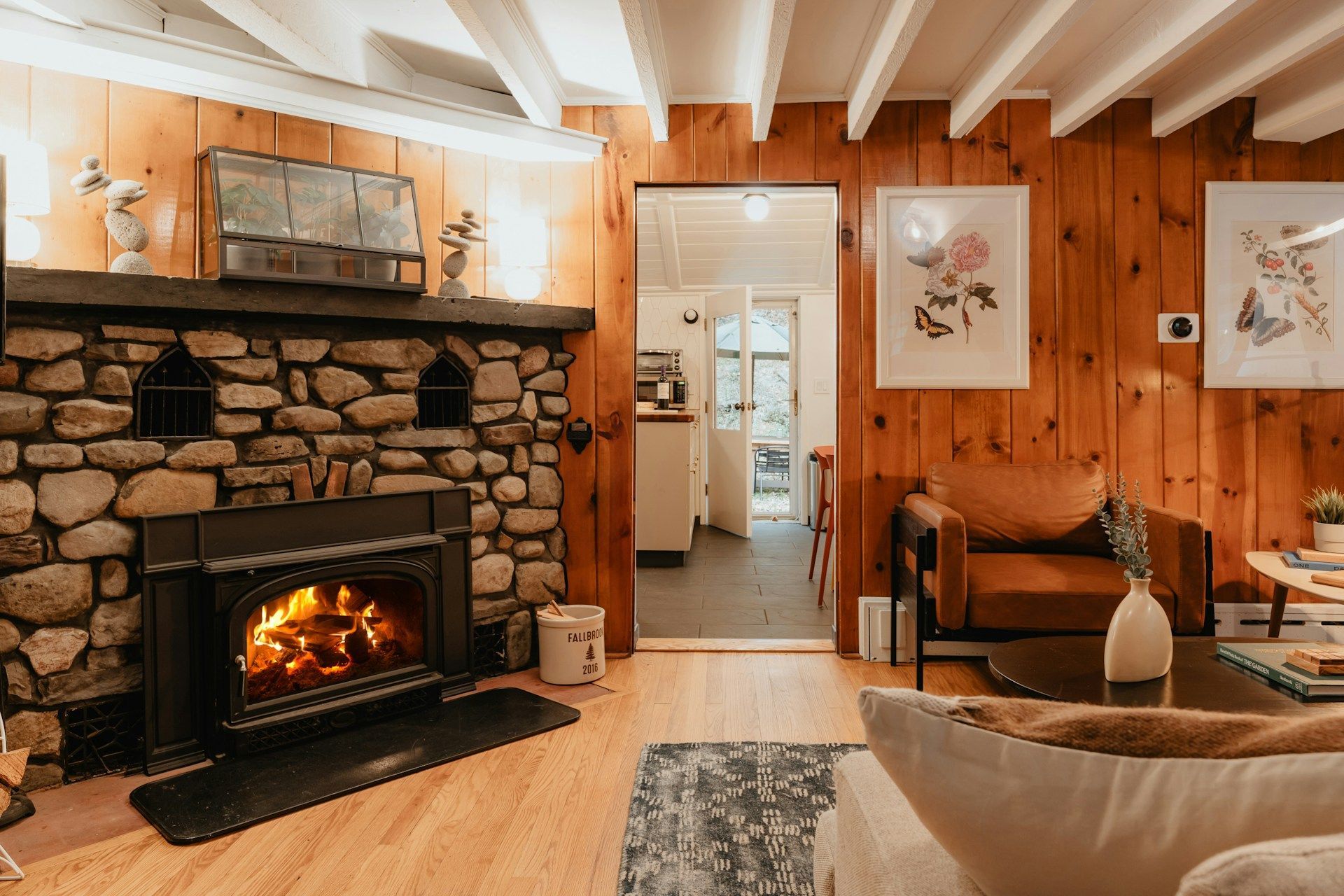
The best barn conversions feel both historic and livable. You should sense the building's history while enjoying modern comfort.
Timeline Expectations
Barn renovations take time. Depending on the scope of work, expect:
- Planning and permitting: 3-6 months
- Structural repairs and restoration: 3-6 months
- New systems installation (electrical, plumbing, HVAC): 2-4 months
- Interior finishing: 3-6 months
Total timeline: 12-24 months for a complete renovation, sometimes longer for complex projects or if you encounter unexpected issues (which you probably will).
Don't rush it. These buildings have stood for 150 years or more, taking the time to do the renovation right means they'll stand for another 150.
Is Barn Renovation Right for You?
Before jumping in, ask yourself honestly:
- Do you have the budget for a proper renovation, including unexpected costs?
- Can you commit to a multi-year project?
- Are you prepared to work with historic building specialists rather than standard contractors?
- Does your local zoning allow barn conversions?
- Are you willing to compromise on some modern conveniences to preserve historic character?
If you answered yes to these questions, renovating an old barn can be incredibly rewarding. You're not just creating a living space, you're preserving a piece of history and craftsmanship that deserves to be appreciated for generations to come.
The key is going into it with your eyes open, a realistic budget, and respect for both the building's history and the skilled craftspeople who can help bring your vision to life.