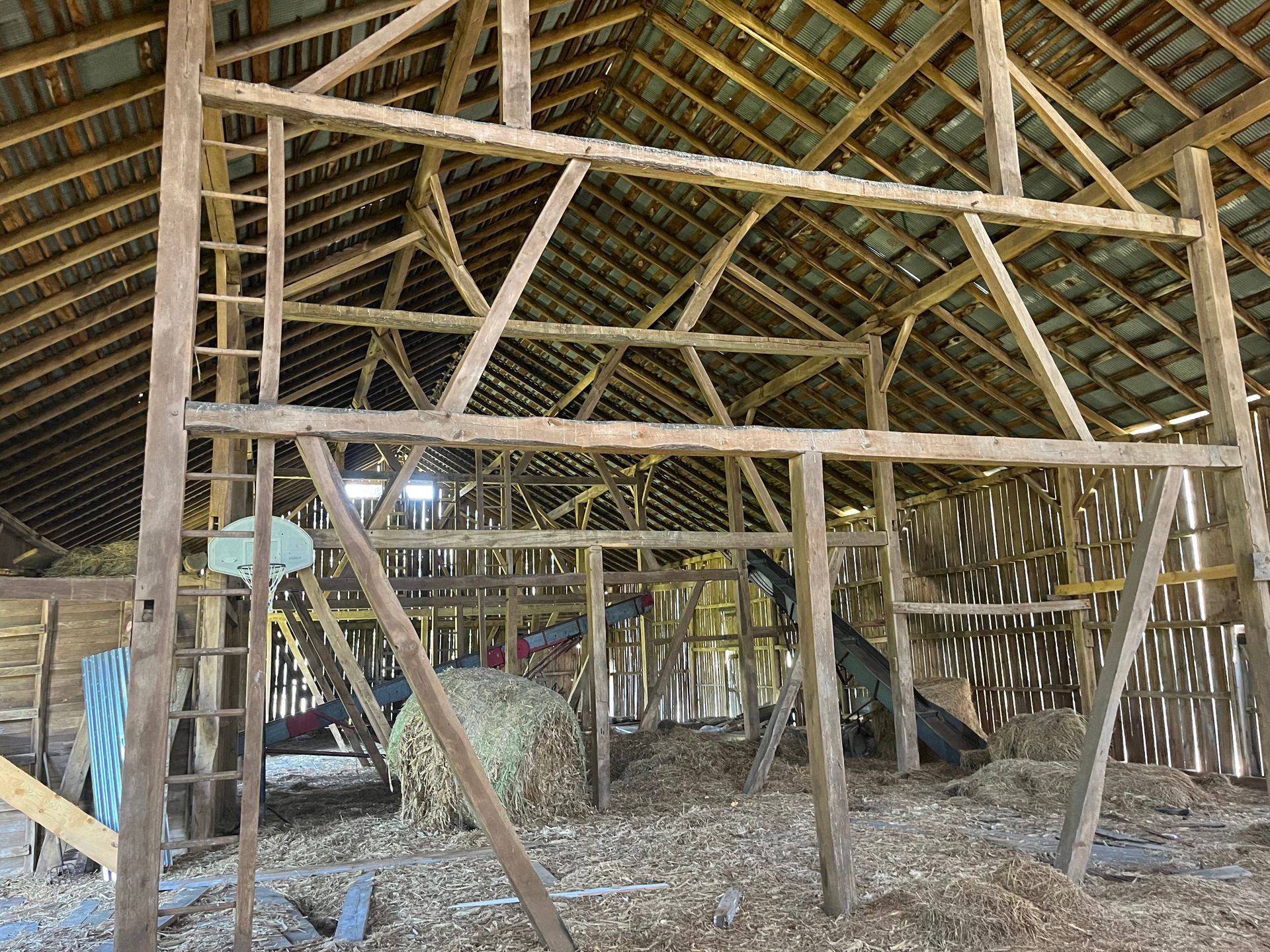
Why Barn Conversion Architects Are Redefining Rural Living
How barn conversion architects blend heritage with modern rural living
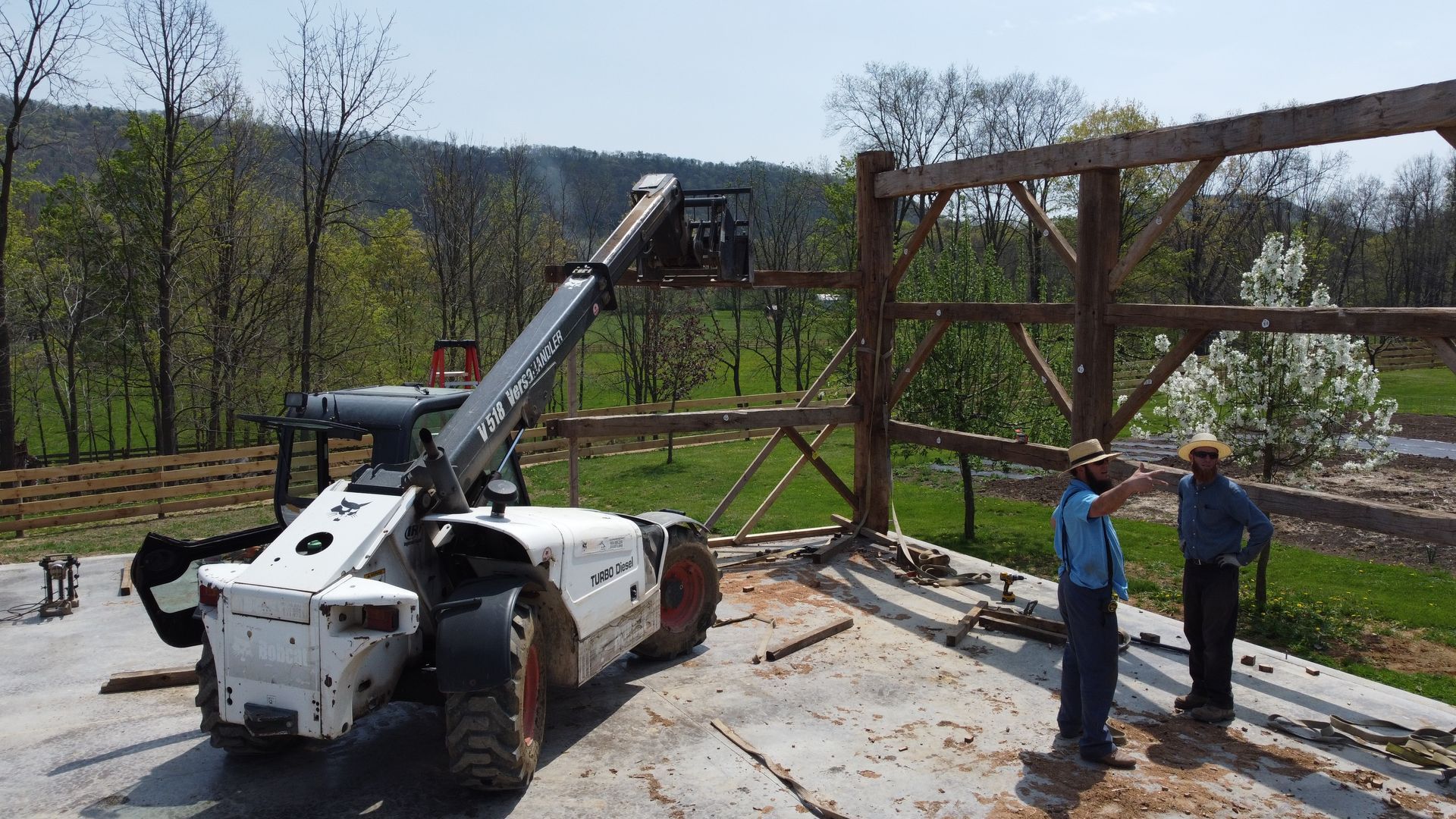
Barns have long been symbols of rural heritage, but today they’re being reimagined into stunning homes, studios, and community spaces.
Thanks to the creativity of barn conversion architects, these once utilitarian structures are now at the heart of a new wave of countryside living.
The Rise of Barn Conversions
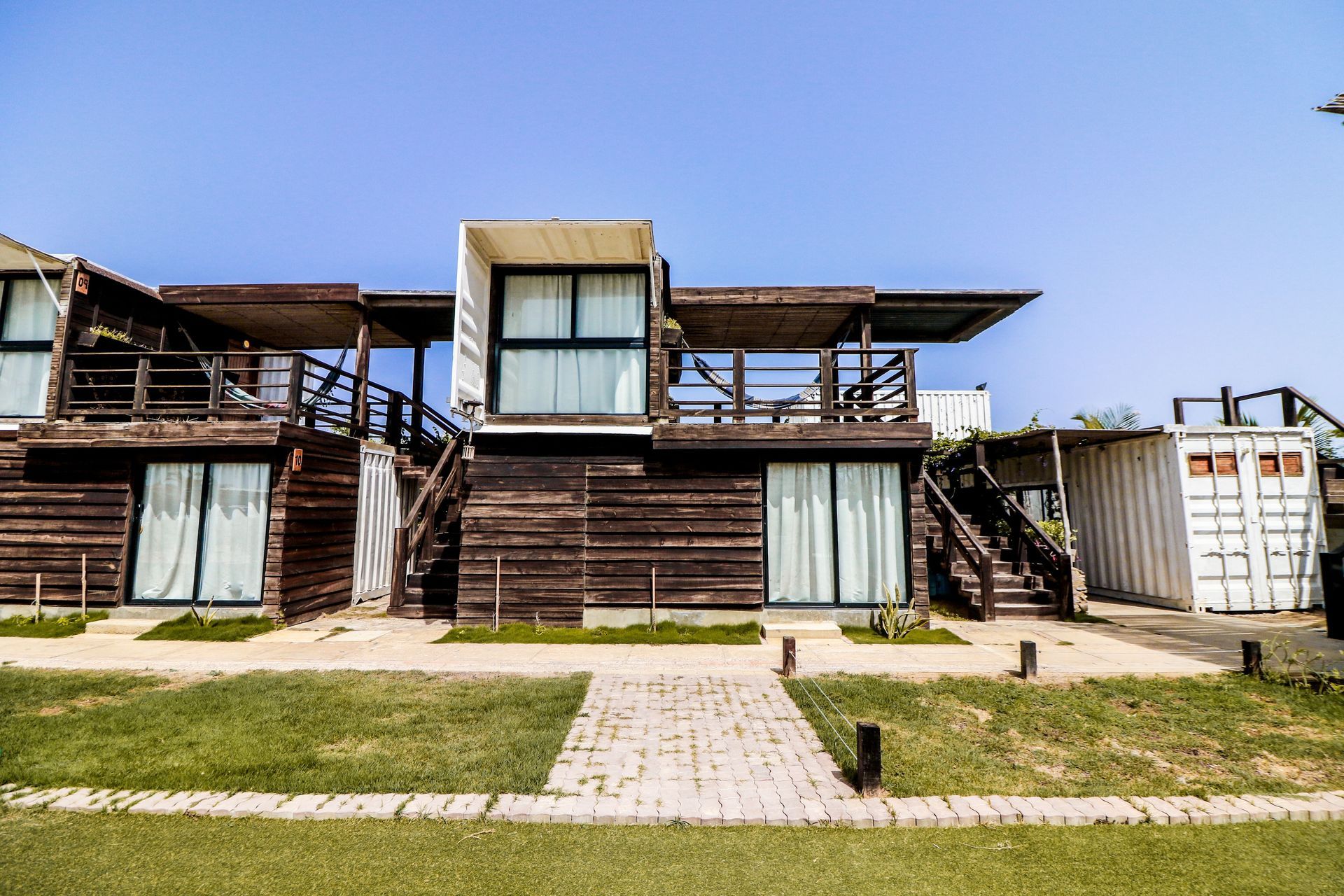
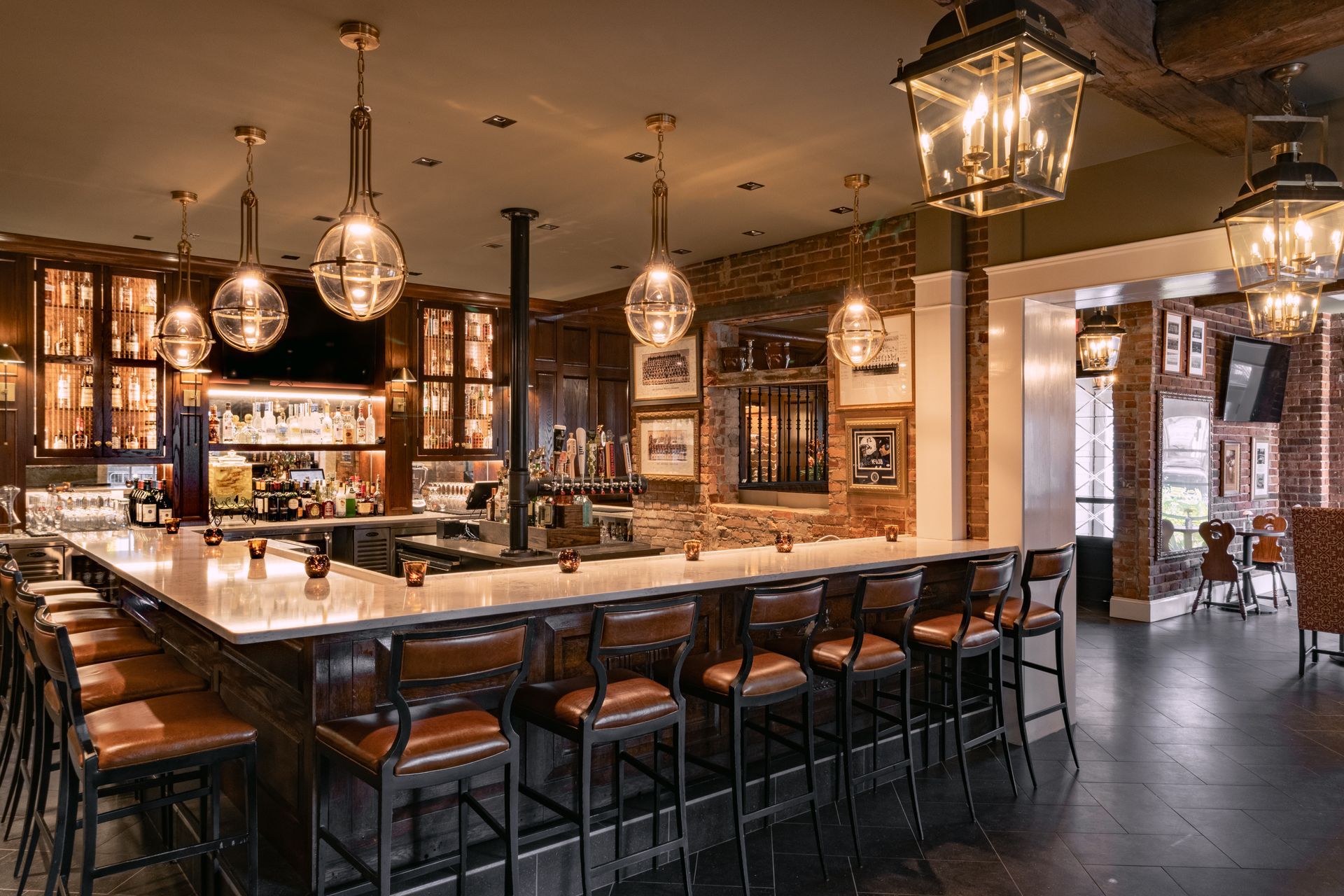
Across Europe and North America, barn conversions are gaining momentum. Recent projects showcase how architects are transforming barns into light-filled homes, restaurants, and cultural venues. This trend isn’t just about aesthetics; it’s about sustainability.
By repurposing existing structures, architects reduce waste, preserve local character, and create unique living environments that stand apart from cookie-cutter housing developments.
Why Barn Conversion Architects Matter
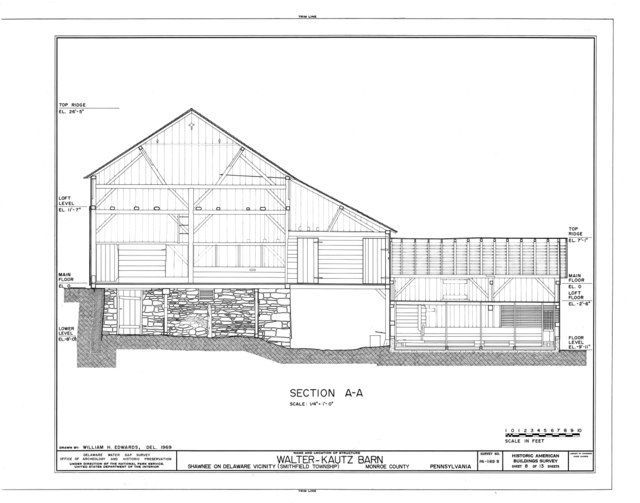
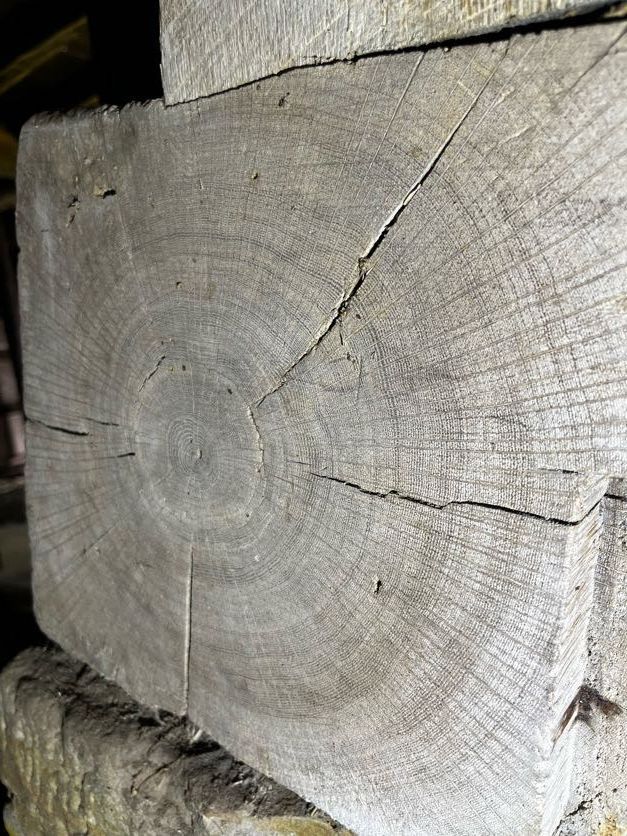
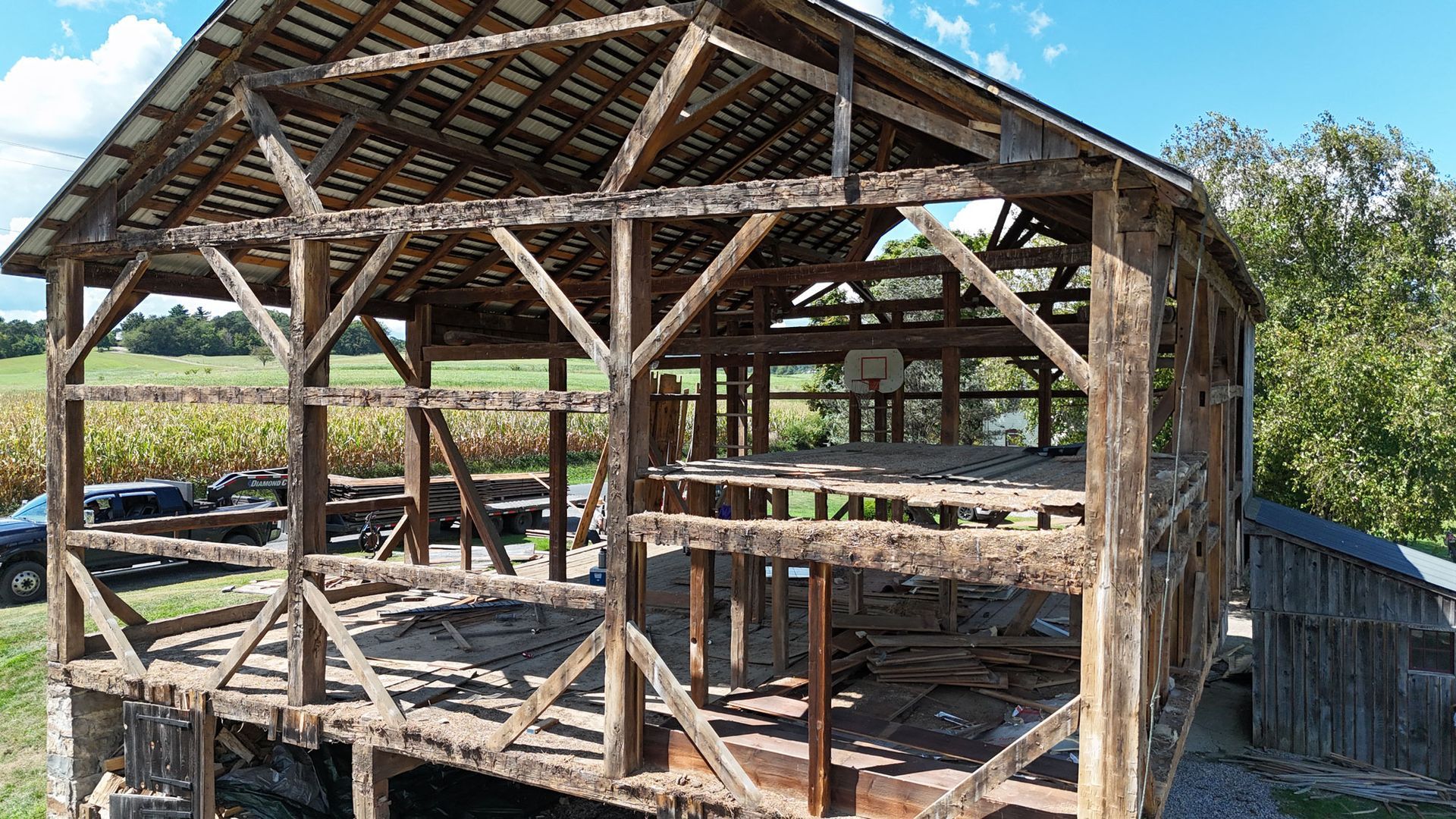
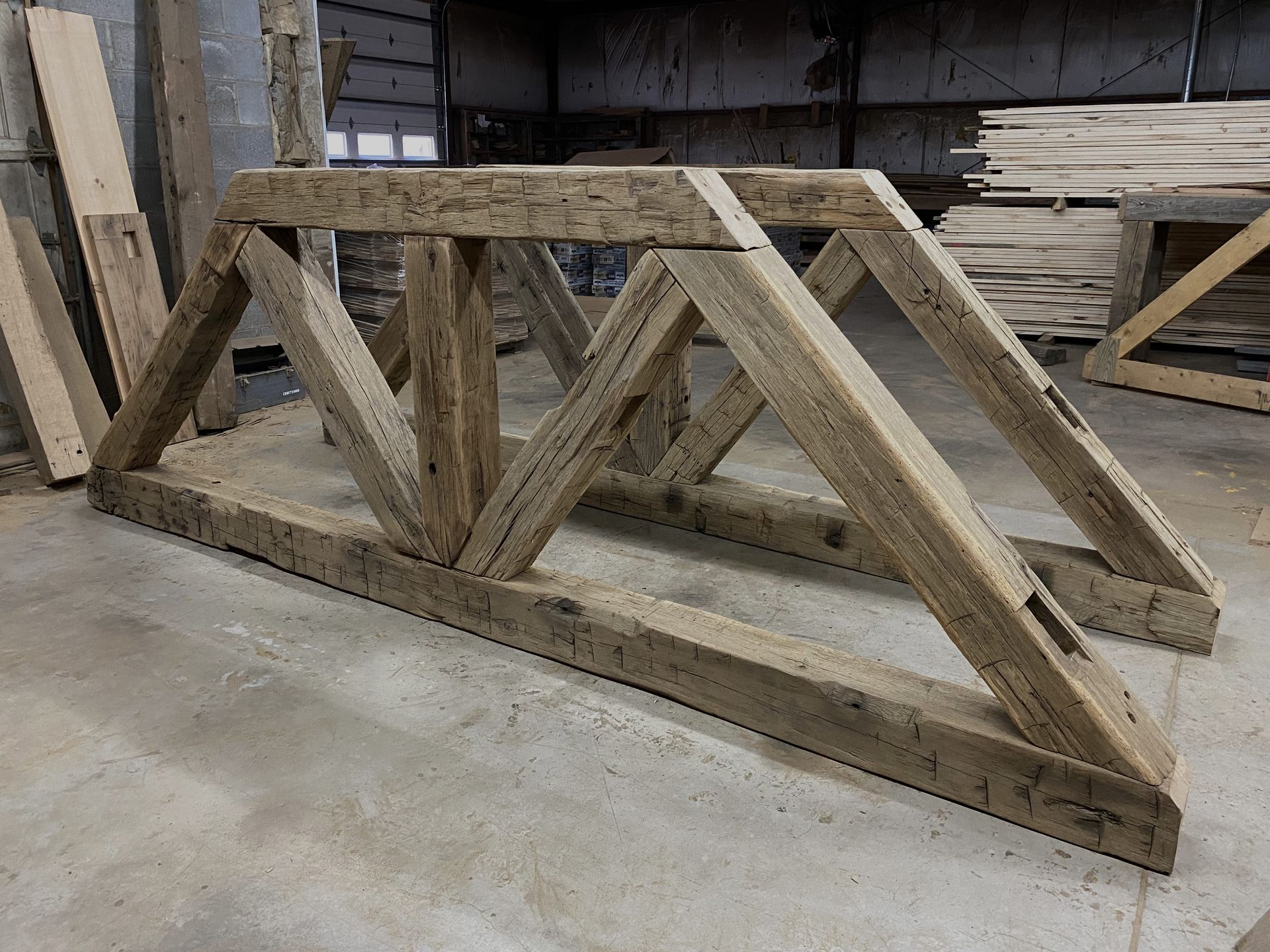
Barn conversion architects bring specialized expertise that goes beyond standard residential design. They understand the challenges of working with historic timber frames, stone walls, and irregular layouts.
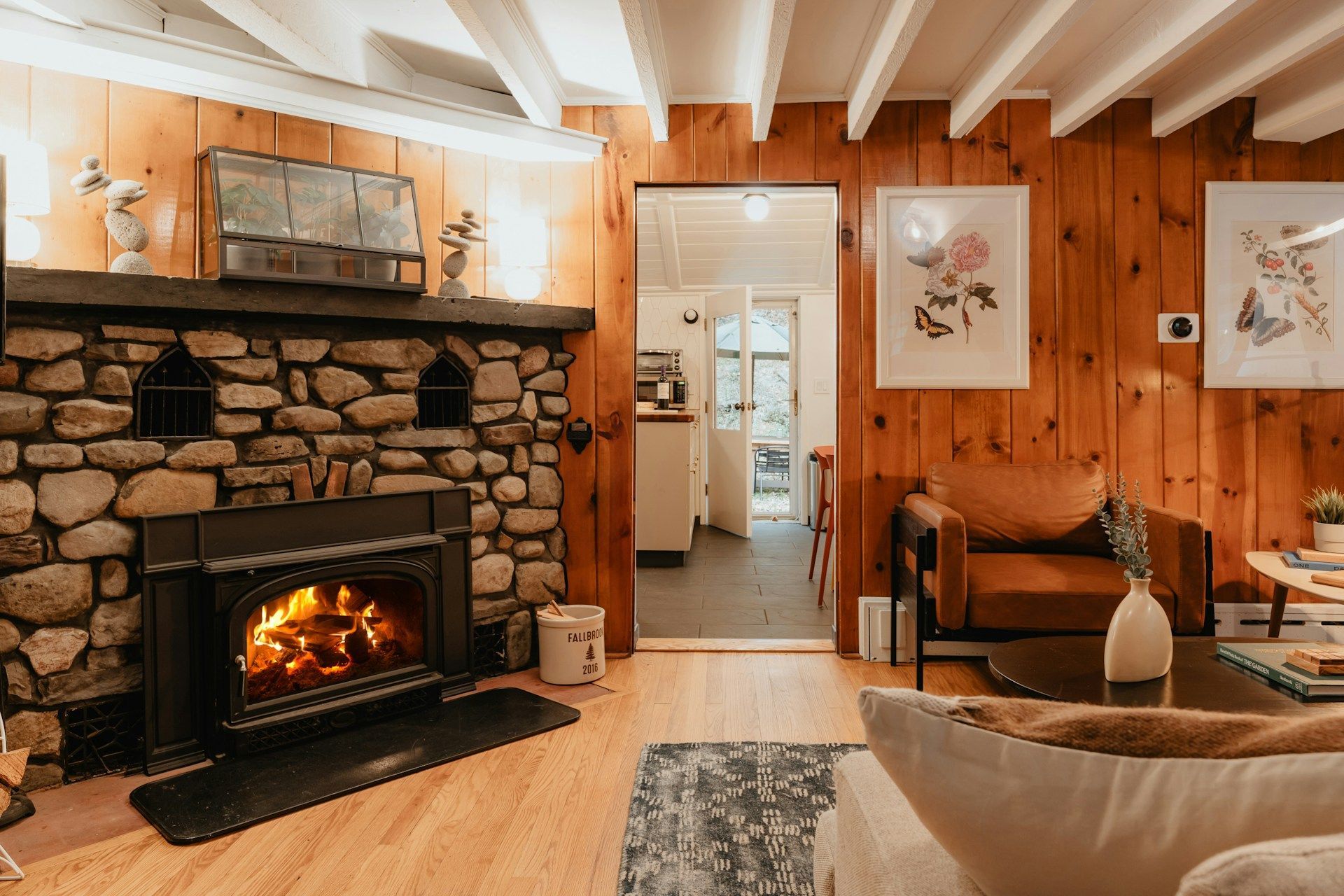
More importantly, they know how to balance modern comforts with rustic charm.
Key contributions include:
- Sustainable design: Using reclaimed materials and energy-efficient systems.
- Adaptive reuse: Giving new life to structures that might otherwise fall into disrepair.
- Community impact: Creating spaces that foster gatherings, creativity, and local pride.
- Modern functionality: Integrating open-plan living, natural light, and smart technology.
Current Trends
Architectural trends in 2025 emphasize eco-conscious living and multi-functional spaces. Many barn conversions now feature:
- Green roofs and solar panels to reduce environmental impact.
- Flexible interiors that can shift from family living to work-from-home studios.
- Minimalist aesthetics that highlight natural materials like timber and stone.
- Biophilic design, connecting residents to nature through expansive windows and garden integration.
These innovations show how barn conversion architects are not just preserving history, they’re actively shaping the future of rural living.
Bay & Bent: Leading the Way
At Bay & Bent, we believe barn conversions are more than architectural projects; they’re opportunities to redefine rural lifestyles.
Our team specializes in mixing heritage with modern design, ensuring every project respects the past while embracing the future.
We’re passionate about creating spaces that inspire, whether it’s a countryside retreat, a creative studio, or a family home.
Conclusion
Barn conversion architects are proving that rural living doesn’t have to mean outdated or impractical spaces. By combining sustainability, design innovation, and respect for tradition, they’re turning barns into vibrant homes and community hubs. For anyone considering a barn conversion, working with specialists ensures that your project is both beautiful and future-ready.