Flat Grain Lumber Care Tips for Longer Durability
Care Tips to Maximize the Durability of Flat Grain Lumber
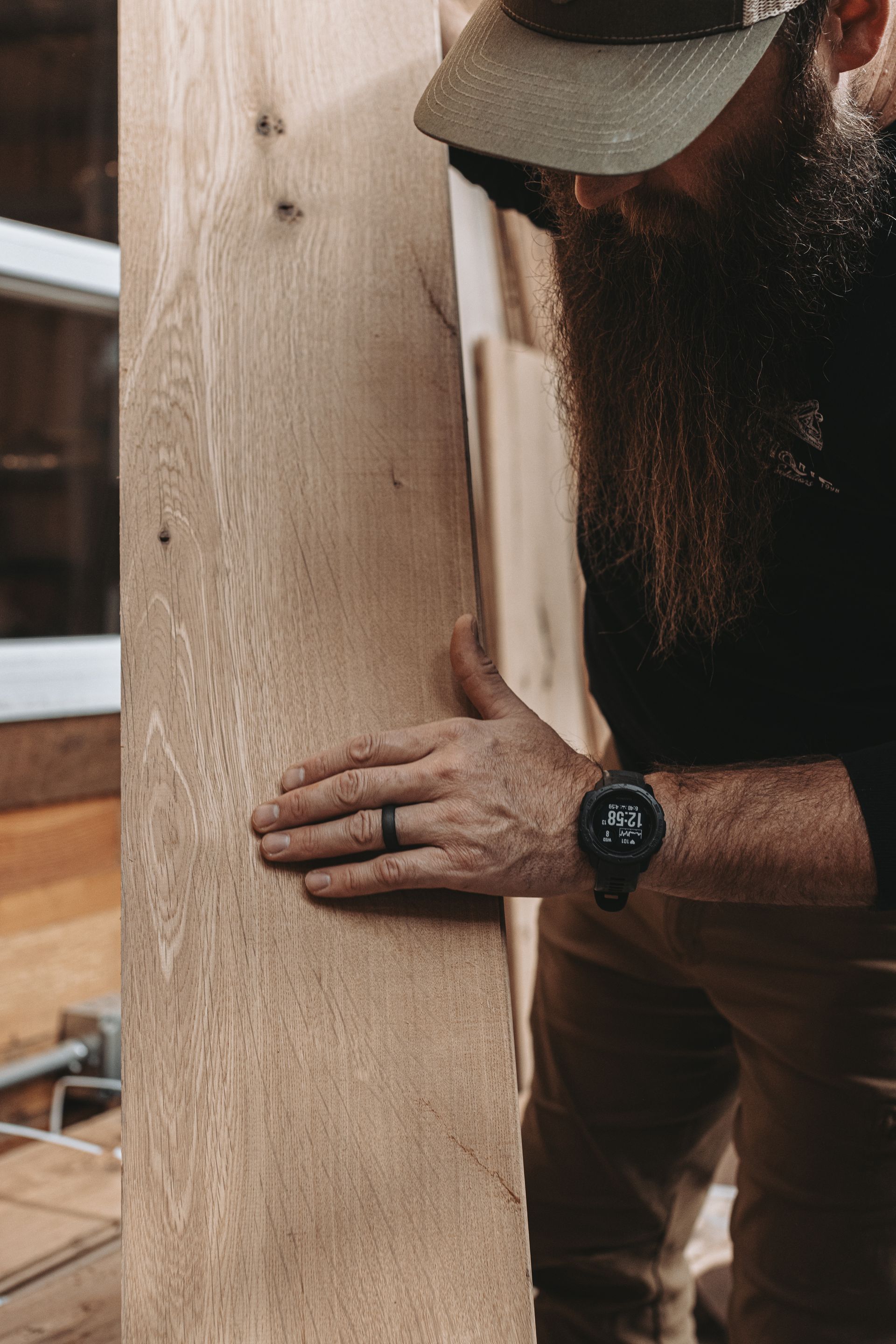
Flat grain lumber, known for its stunning cathedral patterns and flowing grain lines, is a favorite for building and woodworking projects. While it may not be as stable as vertical grain lumber, it can last for decades with the right care.
The secret? Learning to work with its natural features instead of against them. Here's everything you need to know to keep your flat grain lumber looking and performing its best.
What Makes Flat Grain Lumber Unique?
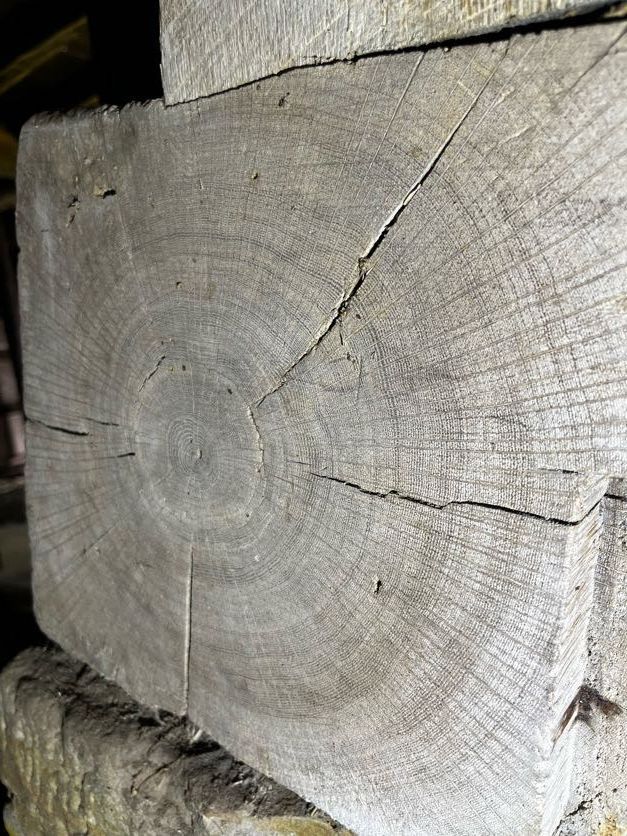
Flat-grain lumber behaves differently because of how its growth rings are oriented. These rings lie flat across the face of the board, making it more prone to changes in size as the seasons and humidity levels shift. But don't worry, with a little planning, this movement can be managed.
Seasonal Changes
Flat-grain lumber expands and shrinks more across its width than its length. These changes follow the weather, so understanding your local climate can help you predict when the boards might move the most.
The Beauty in the Grain
Flat-grain lumber's unique patterns come with areas of varying density. These variations can sometimes lead to uneven movement or small cracks (called "checking") if not properly cared for.
Managing Moisture for Longer Lifespan
Moisture is the biggest factor in preserving flat-grain lumber. Here's how to keep it in check:
1. Start With the Right Moisture Level
Choose lumber that's been dried to the right moisture content for where you’re using it. For indoor projects, aim for 6-8% moisture content. For outdoor uses, go for 12-15%.
2. Acclimate Slowly
Before installing the lumber, give it time to adjust to the environment. Stack it with small spacers (called "stickers") in between for airflow, and leave it in the installation space for about a week.
3. Keep an Eye on Humidity
A moisture meter is a great tool to track humidity levels in your lumber. By staying ahead of seasonal shifts, you can minimize surprises and keep your boards in top shape.
4. Ensure Good Ventilation
Airflow is key to preventing problems like moisture buildup and warping. Whether your lumber is indoors or outdoors, make sure there’s space for air to circulate around it.
Installation Tips for Long-Term Success
The way you install flat-grain lumber also plays a big role in how well it holds up over time. Here are some tips to get it right:
Account for Movement
Flat-grain lumber will expand and contract with the seasons, so design your projects to allow for this. Use features like slotted holes or flexible connectors to accommodate the natural changes.
Use the Right Fasteners
- Pick fasteners (like screws or nails) that are strong and won’t rust over time.
- Drill small starter holes near the ends of the boards to prevent splitting while you fasten them.
Leave Room to Breathe
When installing boards side by side, leave small gaps for expansion. The size of the gap depends on the board width and how much climate variation you expect.
Add Plenty of Support
Flat grain boards can be more prone to sagging due to their natural movement. Add extra support underneath to keep them stable.
Protecting the Surface for Lasting Beauty
The right finish helps keep your flat-grain lumber looking great and performing well. Here’s how to ensure it stays protected:
Seal It Up
Apply a sealer to slow down how quickly the wood absorbs and releases moisture. Pay special attention to sealing the ends of the boards, as this is where moisture can cause the most trouble.
Pick a Flexible Finish
Choose finishes that can move with the wood instead of cracking as it expands and contracts. For outdoor projects, penetrating finishes often work better than glossy coatings.
Block UV Damage
Sunlight can be tough on flat-grain wood, causing surface wear and uneven drying. Add a UV-protective finish or keep the wood shaded to minimize this.
Regular Maintenance is a Must
Inspect your lumber regularly and reapply finishes as needed, especially in outdoor settings where the elements are harsher.
Avoiding Common Issues
With some basic precautions, you can prevent problems like cracks, cupping, and twisting. Here's how:
Prevent Cupping
- Install boards with the bark side facing up.
- Keep moisture exposure even on both sides of the board.
- Add plenty of support to help the boards stay flat.
Minimize Checking
- Seal the ends of the boards as soon as you cut them.
- Avoid letting the wood dry too quickly during installation.
Manage Twisting and Bowing
- Start with straight, properly dried boards.
- Add support and fasteners where needed to keep the lumber secure.
Stop Splits Early
- Drill pilot holes for fasteners, especially near edges.
- Don't over-tighten screws or nails, as this can strain the wood.
Species and Climate Considerations
Every type of flat grain lumber has unique needs.
- Softwoods like pine and fir might need extra care to handle resin or pitch.
- Hardwoods like oak and maple can have different movement patterns, so choose fasteners and finishes accordingly.
- Climate also matters. High humidity or coastal areas will require more moisture protection compared to dry, inland regions.
Maintenance for the Long Run
Caring for flat grain lumber is an ongoing task, but it doesn’t have to be overwhelming. Set up a schedule to inspect, clean, and retouch your finishes to keep the wood looking its best.
- Monthly: Check for early signs of cracks or warping.
- Seasonally: Inspect finishes and monitor moisture content.
- Yearly: Do a deeper clean, reapply finishes, and tighten any fasteners.
Make Your Lumber Last
Flat grain lumber is a beautiful and versatile material with a few quirks that are easy to manage once you understand them. By acclimating it slowly, leaving room for seasonal movement, and protecting it with the right finishes, you can keep it performing well for years to come.
At Bay & Bent, we’ve seen how proper care transforms wood, whether it’s a modern project or a historic restoration. With a little time and attention, you can enjoy the beauty and functionality of your flat-grain lumber for generations. Take the time to care for it, and it’ll return the favor by standing strong and looking stunning in your projects.