Timber Frame Restoration Process: Common Challenges and Solutions
Expert solutions for common issues
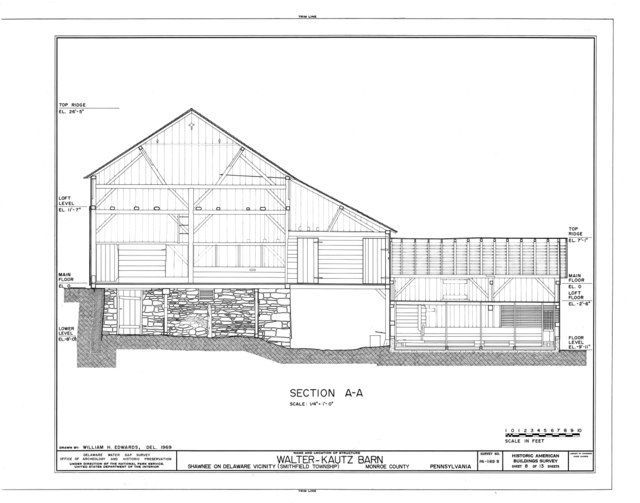
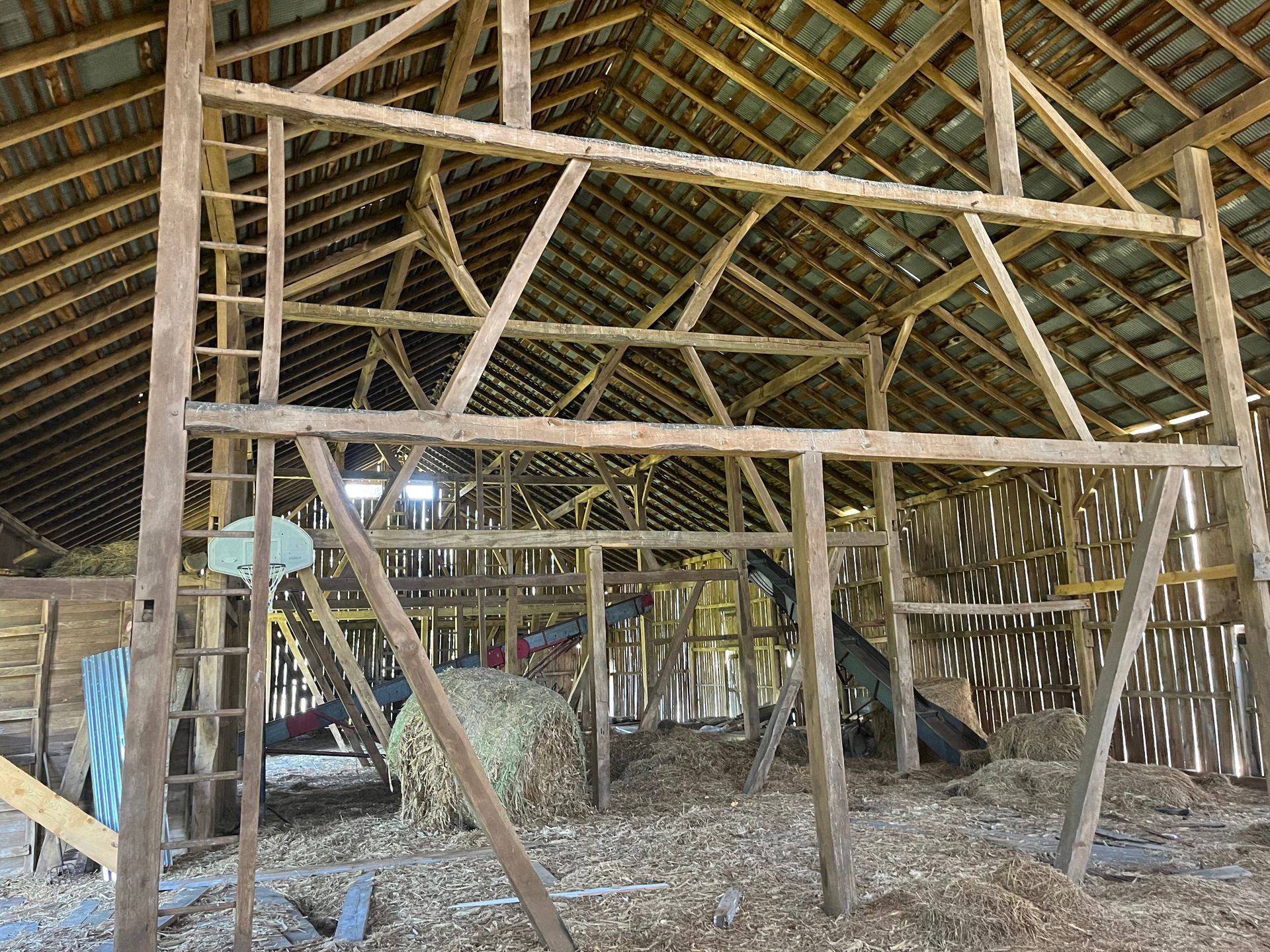
Bringing a historic timber frame back to life is a rewarding journey that connects us to the past. These structures, with their massive beams and handcrafted joints, tell a story of craftsmanship and resilience. The timber frame restoration process isn't just about repairs; it's about preserving a piece of history for future generations. It requires a delicate balance of traditional techniques and modern expertise to ensure these buildings stand strong for centuries more.
Whether you own a historic barn or are considering acquiring one, understanding the restoration process is key. It helps you appreciate the complexities involved and make informed decisions.
Let's explore the common hurdles in these projects and the expert solutions that make a successful restoration possible.
Common Challenges
Restoring a structure that has weathered decades, or even centuries, comes with a unique set of challenges. What you see on the surface often isn't the full story.
Hidden Rot and Decay
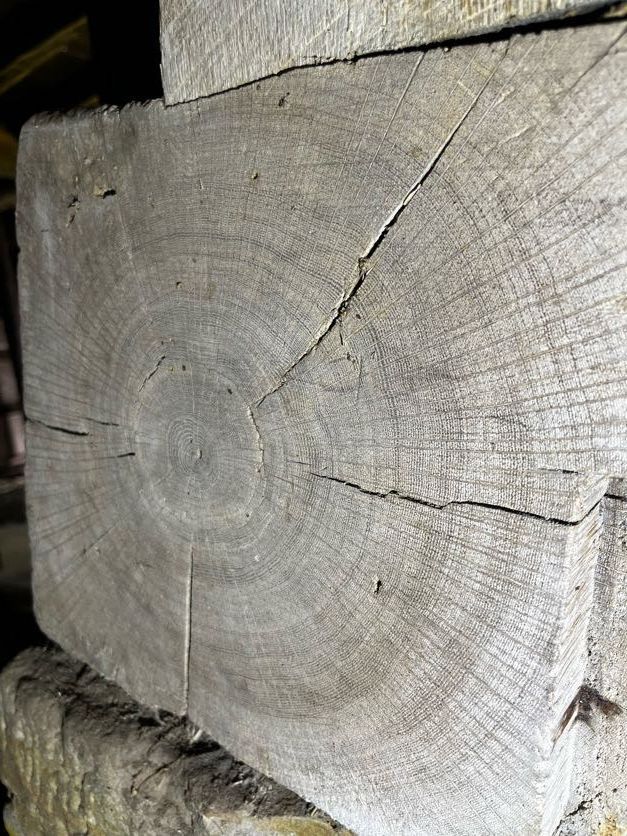
One of the most frequent issues is rot. Moisture is the primary enemy of wood, and years of exposure can lead to decay that isn't immediately visible. A small, discolored patch on a beam might be the only sign of extensive internal damage. If left unaddressed, this hidden rot can compromise the structural integrity of the entire frame.
Pest Damage
Insects like powderpost beetles and carpenter ants can cause significant harm over time. They tunnel through timbers, weakening them from the inside out. While some damage might be from a long-gone infestation, it's crucial to determine if pests are still active. Simply patching over old damage without addressing an active problem is a recipe for future failure.
Structural Imbalances
Timber frames are complex systems where every component works together. Over time, foundations can settle unevenly, or previous, improper repairs can shift loads in unintended ways. This can cause beams to sag, joints to loosen, and the entire structure to become unstable. Identifying and correcting these imbalances is critical for a lasting restoration.
Material Mismatches
Using the wrong materials for repairs can cause more harm than good. For example, modern, kiln-dried lumber behaves differently from the air-dried, old-growth timber found in historic frames. Using mismatched wood species can lead to uneven shrinking and swelling, putting stress on the joints.
Similarly, applying modern cement-based mortars can trap moisture against the wood, accelerating decay instead of preventing it.
Solutions for a Successful Restoration
Overcoming these challenges requires a thoughtful and knowledgeable approach. With the right techniques and expertise, restorers can preserve the frame's history while ensuring it meets modern standards of safety and durability.
Start with a Thorough Inspection
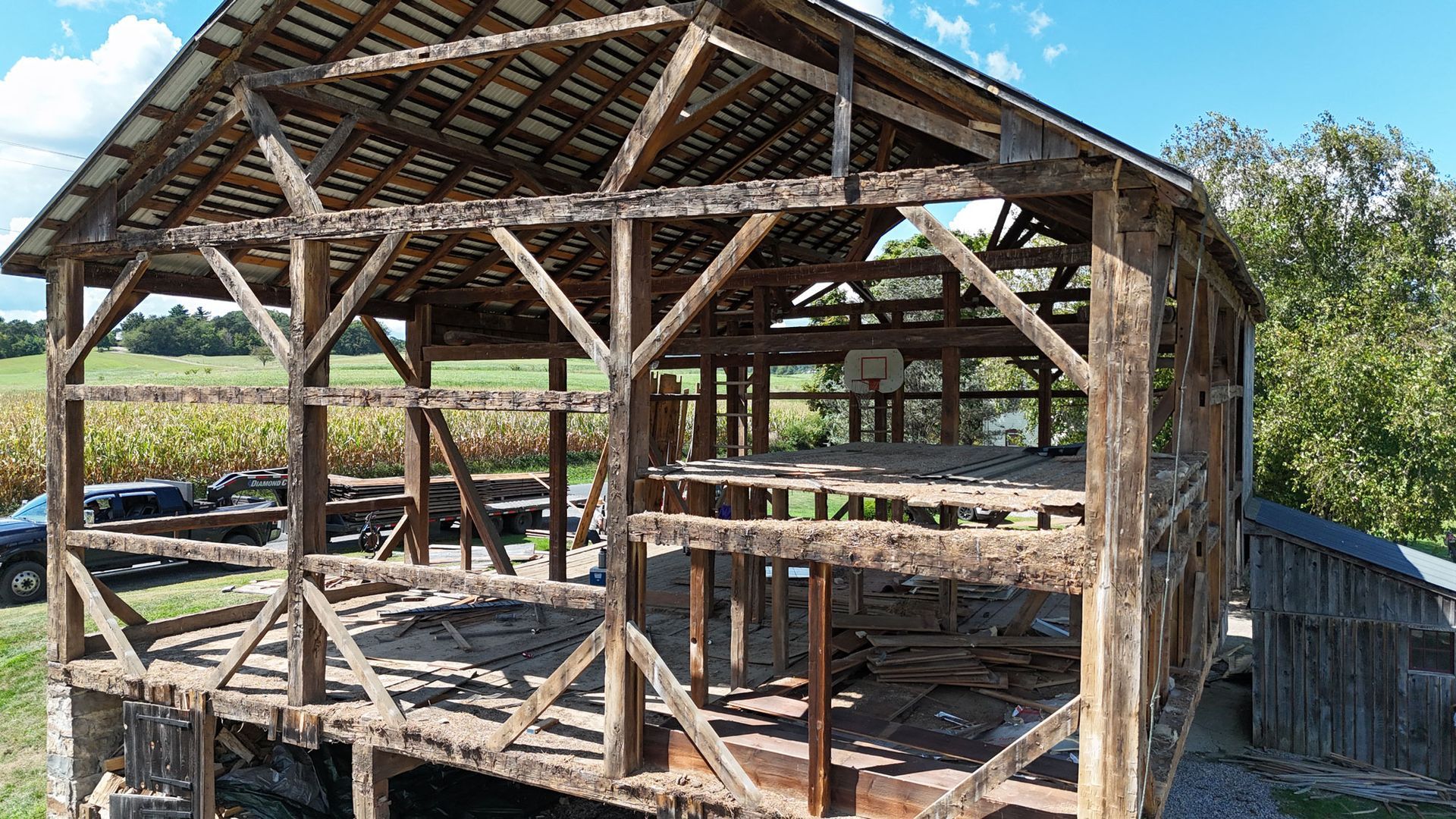
A successful restoration always begins with a detailed assessment. This goes far beyond a quick visual check. Experts may need to carefully disassemble parts of the frame to inspect joints and the interior of beams. This process helps uncover hidden rot, active pest infestations, and structural weaknesses before any repair work begins. Every beam and joint should be documented and labeled, creating a roadmap for reassembly.
Use Period-Appropriate Materials
Honoring the original craftsmanship means using materials that match the building's history. Whenever possible, repairs should be made with reclaimed timber of the same species and age as the original frame. This ensures compatibility and maintains the structure's authentic character.
When it comes to sealants or mortars, breathable, lime-based products are often a better choice than modern cements, as they allow the wood to breathe and release moisture naturally.
Traditional Joinery with Modern Reinforcement
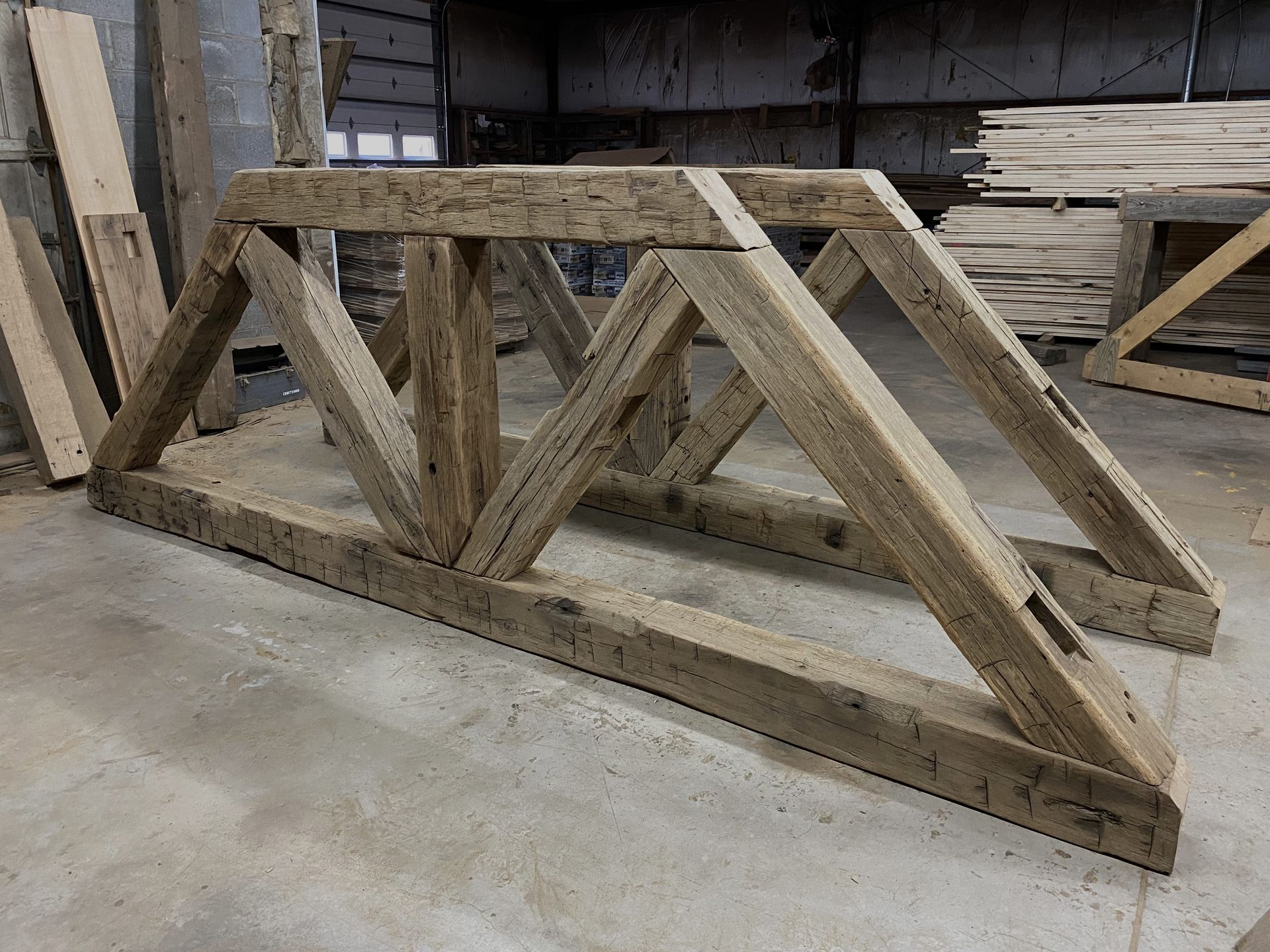
The goal is to strengthen the frame without sacrificing its historical character. This often involves a blend of old and new. Restorers can repair damaged joints using traditional mortise-and-tenon techniques, securing them with wooden pegs just as the original builders did.
In cases where modern building codes require additional support, steel reinforcements can be discreetly integrated in a way that doesn't detract from the frame's appearance.
Address the Root Cause
Effective solutions treat the cause of the problem, not just the symptom. If a beam is rotted due to a leaky roof, fixing the beam without repairing the roof is a temporary fix at best. A comprehensive restoration addresses underlying issues like poor drainage, foundation problems, or inadequate ventilation to protect the frame from future damage.
A Partner in Preservation
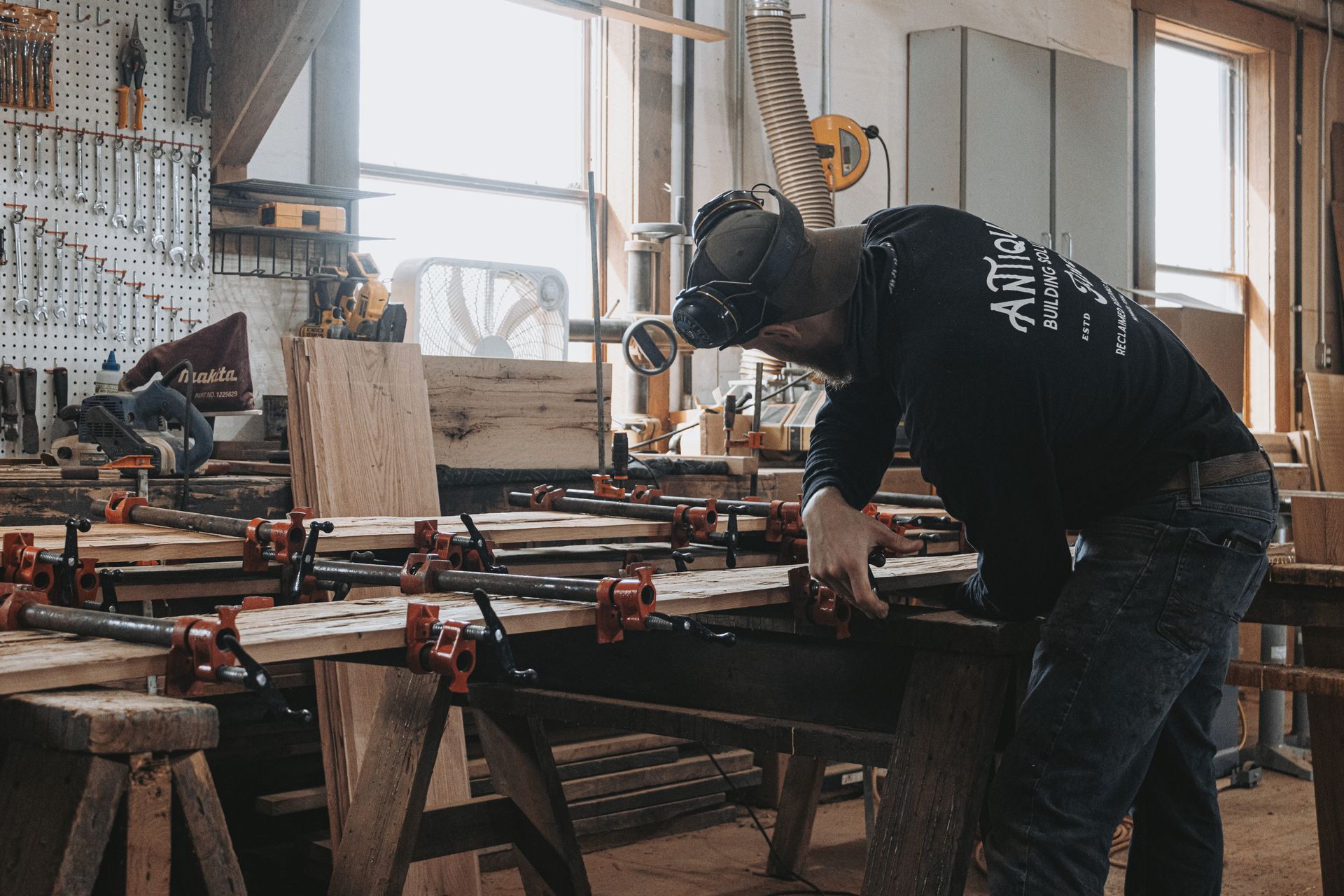
Navigating the timber frame restoration process requires specialized knowledge and a deep respect for history. At Bay & Bent, we’ve built our reputation on a unique approach that ensures the highest level of quality and care. Instead of attempting complex repairs on-site where conditions can be unpredictable, we carefully dismantle historic frames and transport them to our controlled workshop environment.
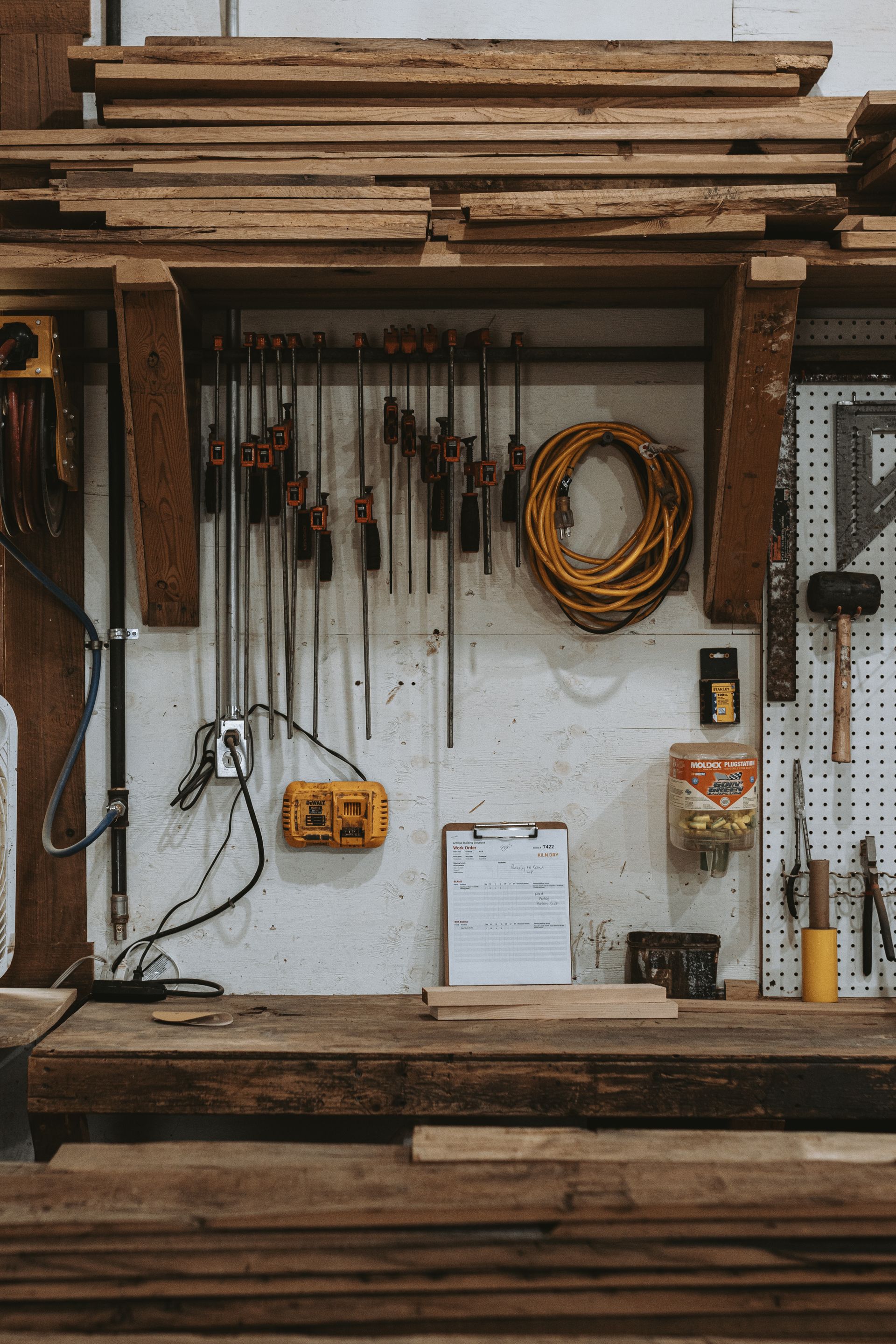
This method allows us to conduct a complete assessment of every timber, make precise repairs using period-correct methods, and ensure the entire frame is structurally sound before it’s delivered for reassembly. We combine a passion for preservation with the expertise to create beautiful, lasting structures. If you’re inspired by the stories held within these historic frames, we invite you to learn more about our team and our mission.
Frequently Asked Questions (FAQs)
How much does timber frame restoration cost?
The cost can vary widely depending on the size of the frame, its condition, and the extent of repairs needed. A thorough assessment is the best way to get an accurate estimate. Generally, the process of dismantling, restoring, and re-erecting a frame is a significant investment, but one that preserves a valuable historical asset.
How do you insulate a historic timber frame?
Modern insulation can be integrated without compromising the frame's beauty. Structural Insulated Panels (SIPs) are a popular choice. These panels are applied to the exterior of the frame, creating a highly efficient thermal envelope while leaving the historic timbers exposed on the interior.
What about insects in the wood?
During a professional restoration, every piece of timber is inspected for insect activity. If active pests are found, the wood is treated. Methods can include applying borate solutions or kiln-drying the timbers to ensure any infestation is eliminated before the frame is reassembled.
A Legacy Worth Preserving
The timber frame restoration process is more than a construction project; it’s an act of stewardship. By carefully overcoming challenges like decay and structural weakness, we can ensure these magnificent buildings continue to inspire for generations to come. Whether you're just beginning to explore the idea or are ready to save a structure, working with professionals who understand the nuances of historic timber is the key to a successful outcome.