Why Everyone’s Obsessed with Recycled Timber Right Now
A Sustainable & Strong Building Choice
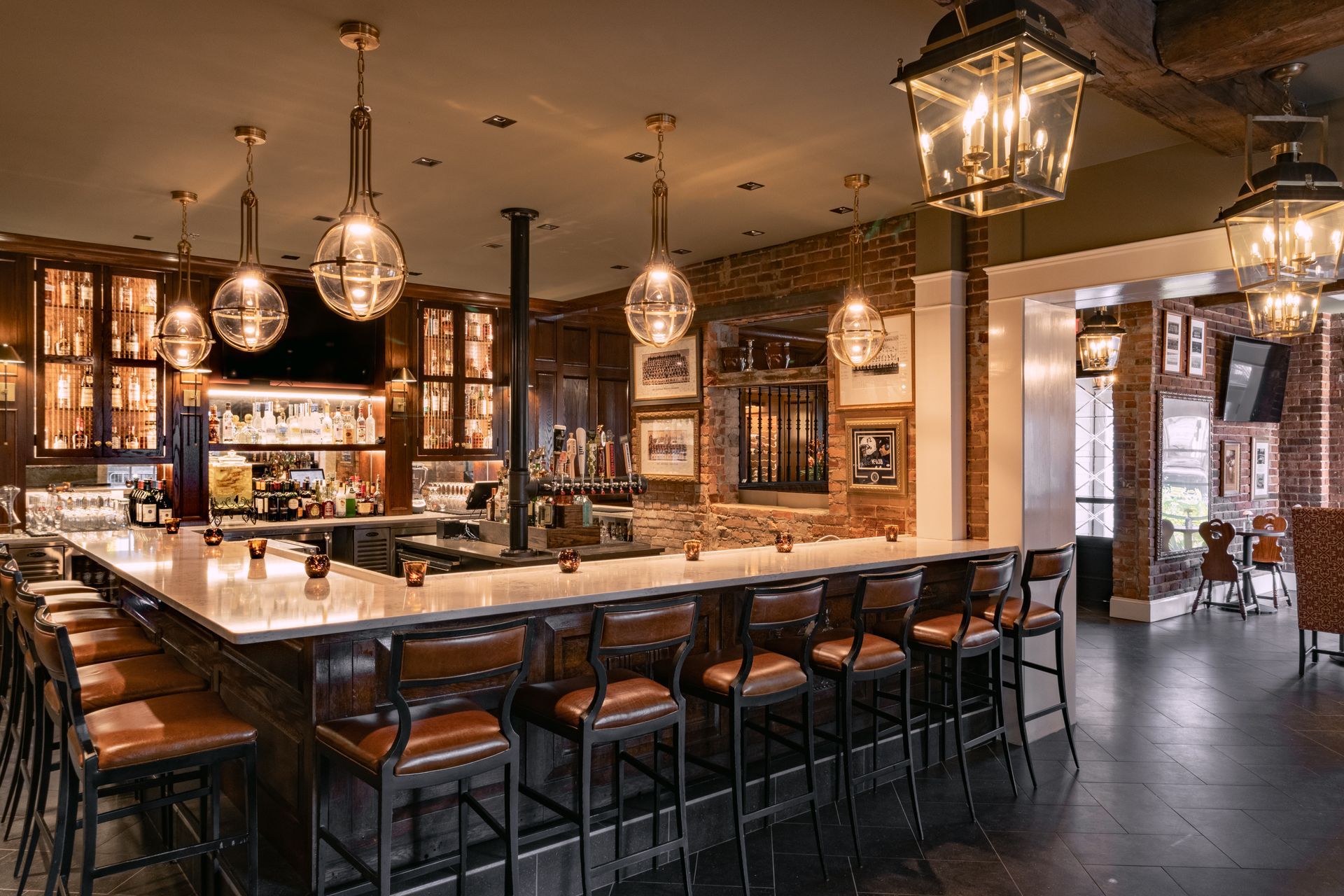
Walk into a new coffee shop or a modern home, and you will probably notice it. Recycled timber is showing up everywhere, from beautiful ceiling beams to unique dining tables. This isn't just a quick trend. It's a smart choice for building and design, and we're here to explain why.
We've seen firsthand why so many people are choosing reclaimed wood. It offers a blend of history, quality, and sustainability that new materials simply can't match. Let’s explore why recycled timber has become such a popular and valuable material.
What is Recycled Timber?
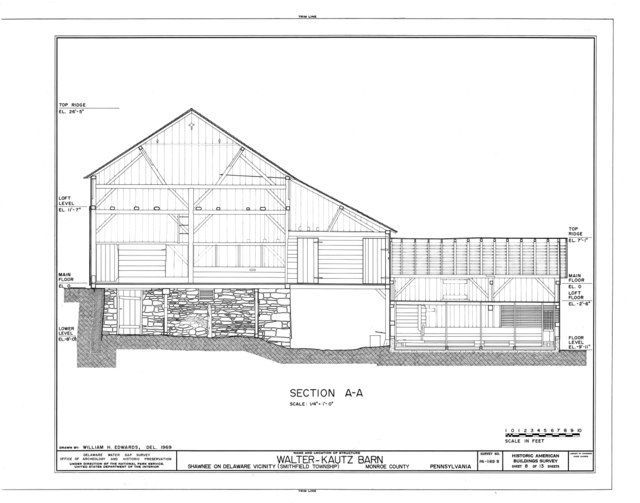
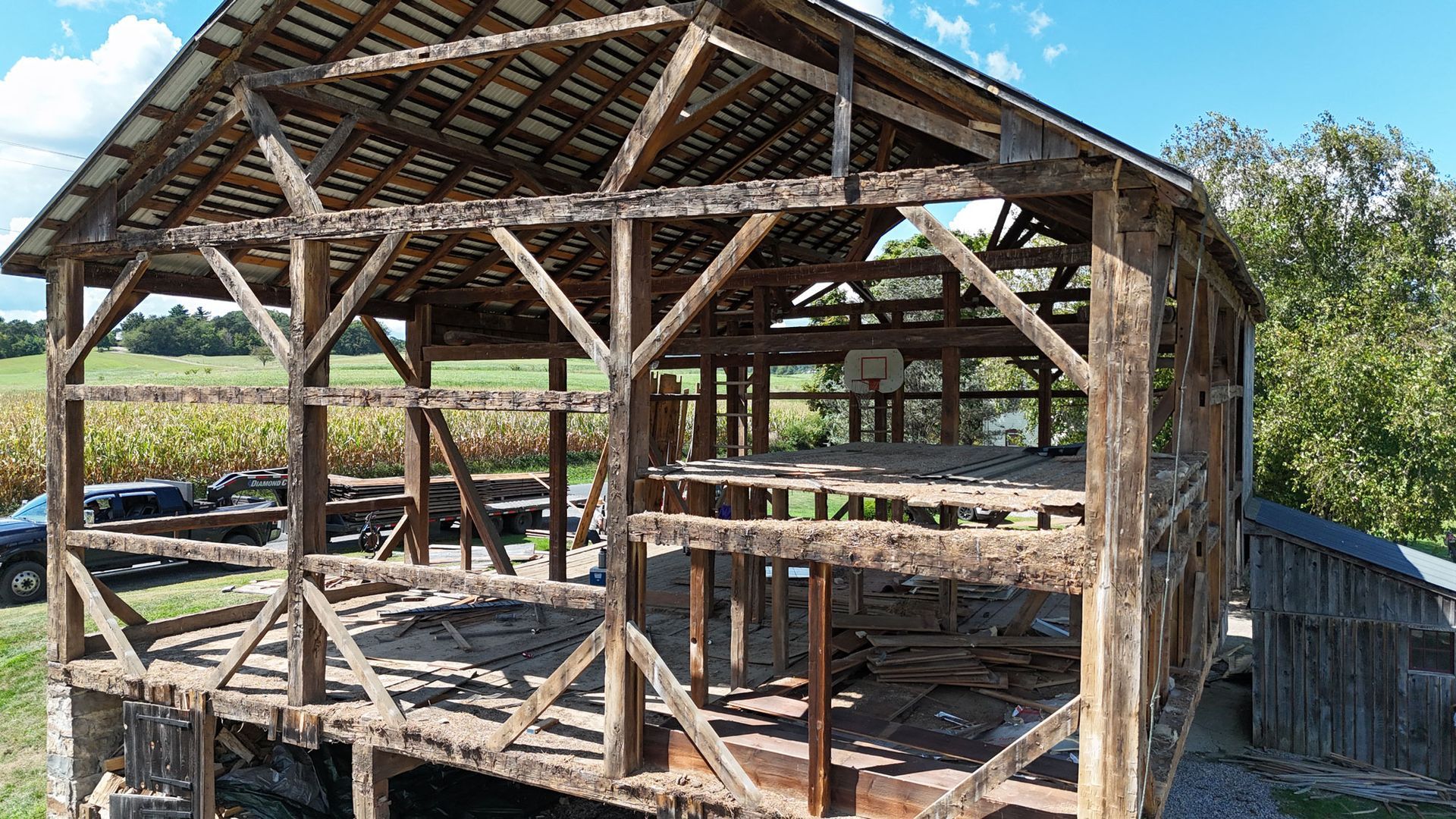
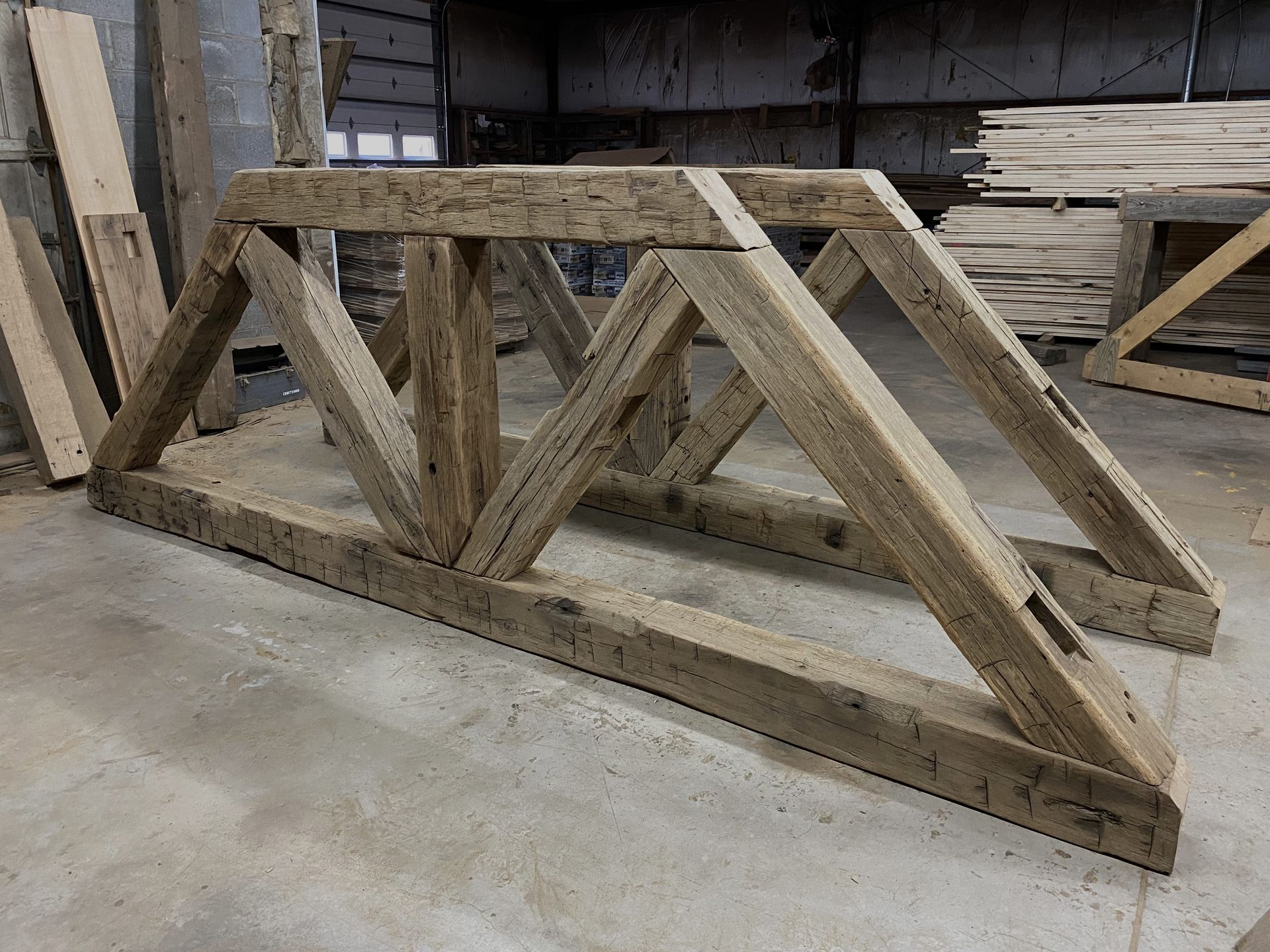
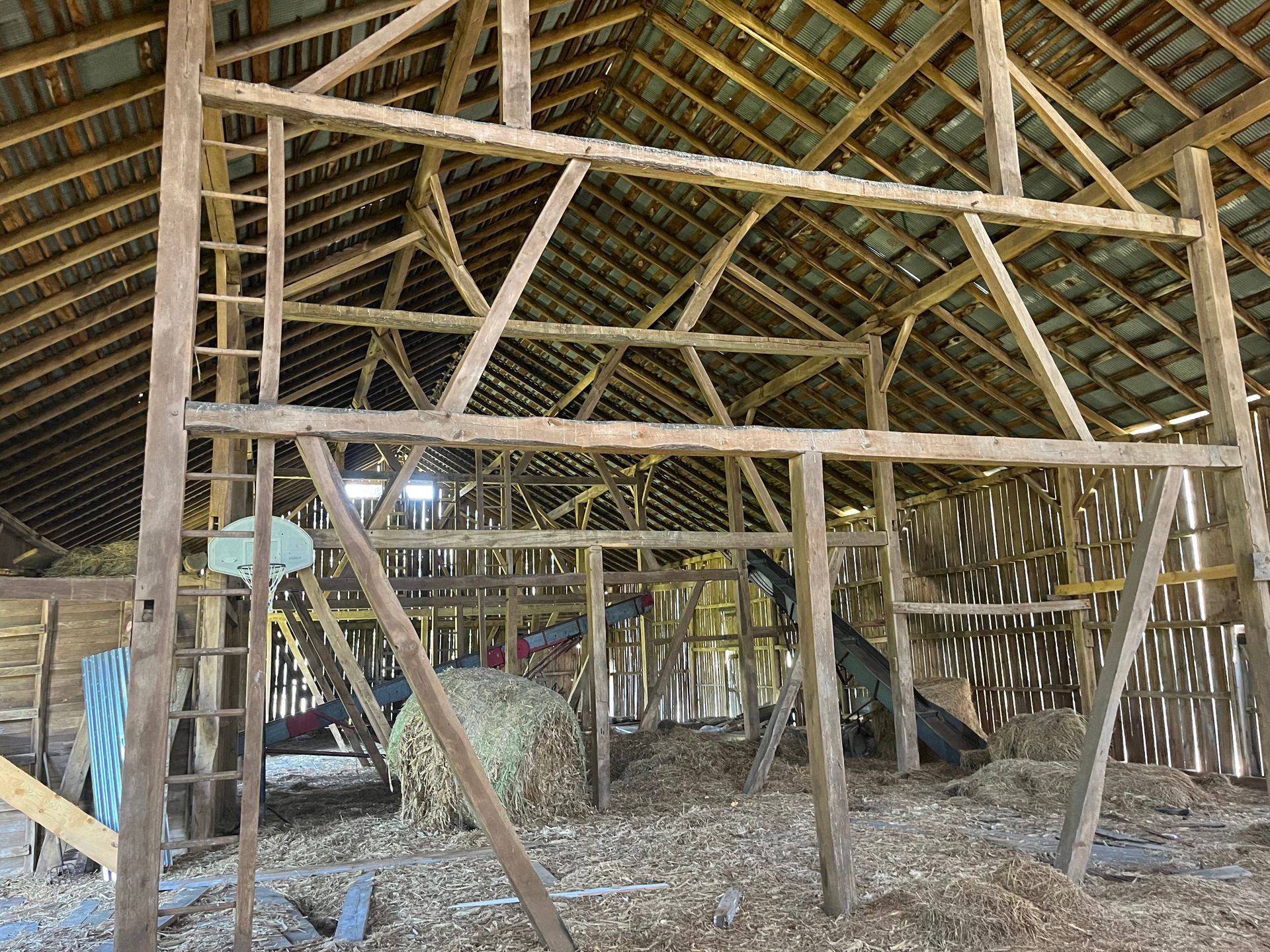
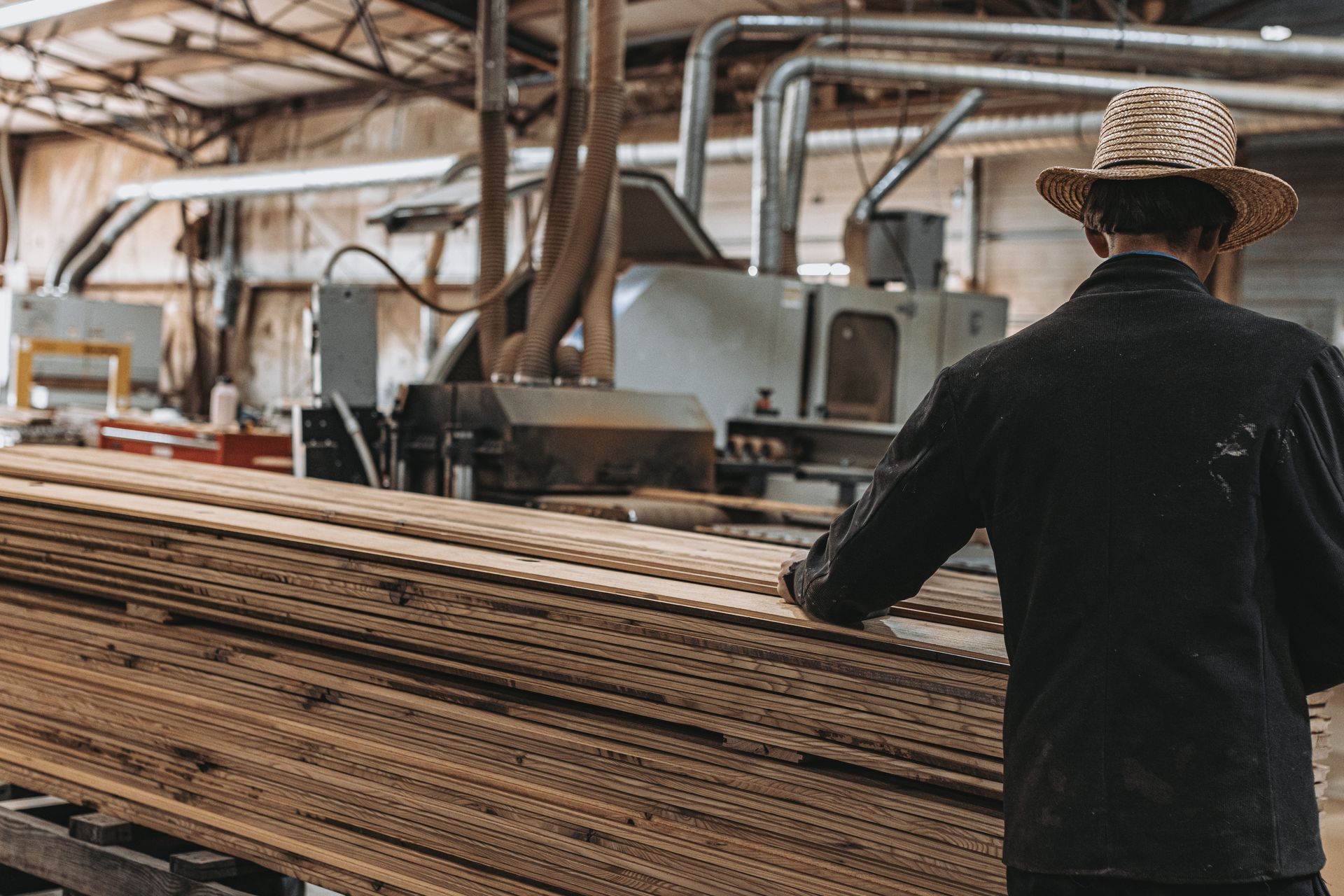
First, let's clarify what we mean by recycled timber, also known as reclaimed wood. This is wood that has been used before in another structure. It often comes from old barns, factories, warehouses, and even old homes that are being taken down. Instead of being thrown away, this wood is saved, treated, and given a new purpose.
This process gives old wood a second life. It’s a key part of the move toward more sustainable building materials. By choosing recycled timber, you are preserving a piece of the past while building for the future.
The Story Behind Every Piece of Wood
One of the most special things about recycled timber is that every piece has a history. A thick beam might have supported a barn roof for over a hundred years. Those floorboards could have been part of a schoolhouse where generations of children learned. When you use reclaimed wood, you bring that unique story into your own space.
At Bay & Bent, we have a deep respect for this history. We travel the country to find and carefully dismantle historic timber frames. Each piece tells a story of American heritage, and we love that our work allows these stories to continue in new homes and buildings around the world.
Why Old Wood is Often Better
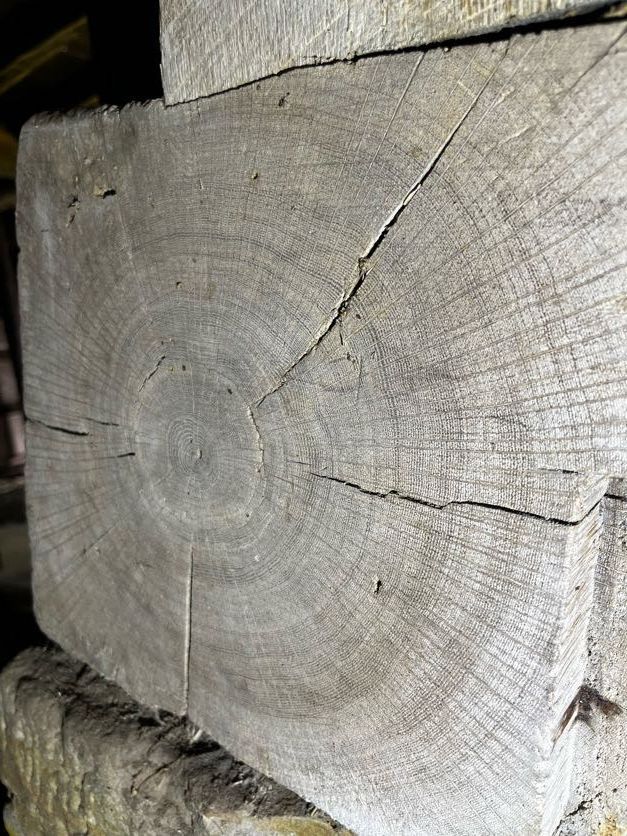
You might be surprised to learn that old timber is often stronger and more durable than new wood. The trees used for buildings long ago were typically old-growth trees. These trees grew slowly, which made their wood very dense and strong. You can't find this quality in most of the faster-growing trees harvested today.
Over many decades, this old wood has also gone through a natural aging process. It has been exposed to changes in temperature and humidity, making it incredibly stable. This means recycled timber is less likely to warp or twist than new lumber, making it a reliable choice for construction.
A Smart Choice for the Environment
Using recycled timber is one of the best things you can do for the planet when building. It’s a leading example of sustainable building materials in action. When you choose reclaimed wood, you are helping in several important ways.
Reducing Waste and Saving Forests
First, it keeps perfectly good wood out of landfills. Every year, tons of usable wood are thrown away when old buildings are demolished. Recycling this timber prevents waste and gives a valuable resource a new purpose.
It also reduces the need to cut down new trees. Our forests are essential for clean air and a healthy planet. By using reclaimed wood, we help preserve our natural forests for future generations. This directly supports sustainable forestry practices.
Lowering Your Carbon Footprint
Creating new lumber takes a lot of energy. From cutting down the tree to transporting it and drying it in a kiln, the process has a significant carbon footprint. Recycled timber has already gone through all of that. Its journey to your project is much shorter and uses far less energy, making it a low-carbon building material.
Versatility
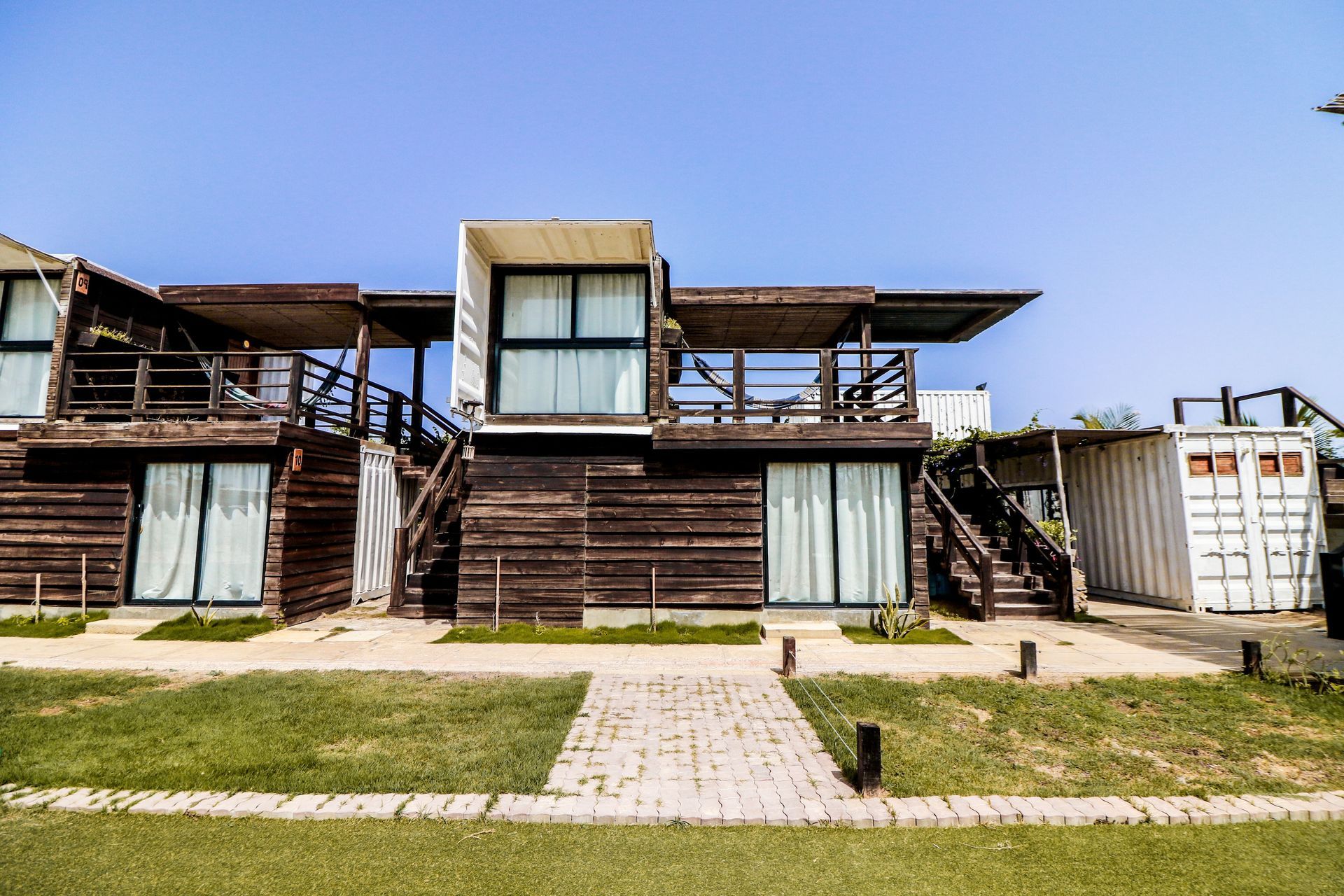
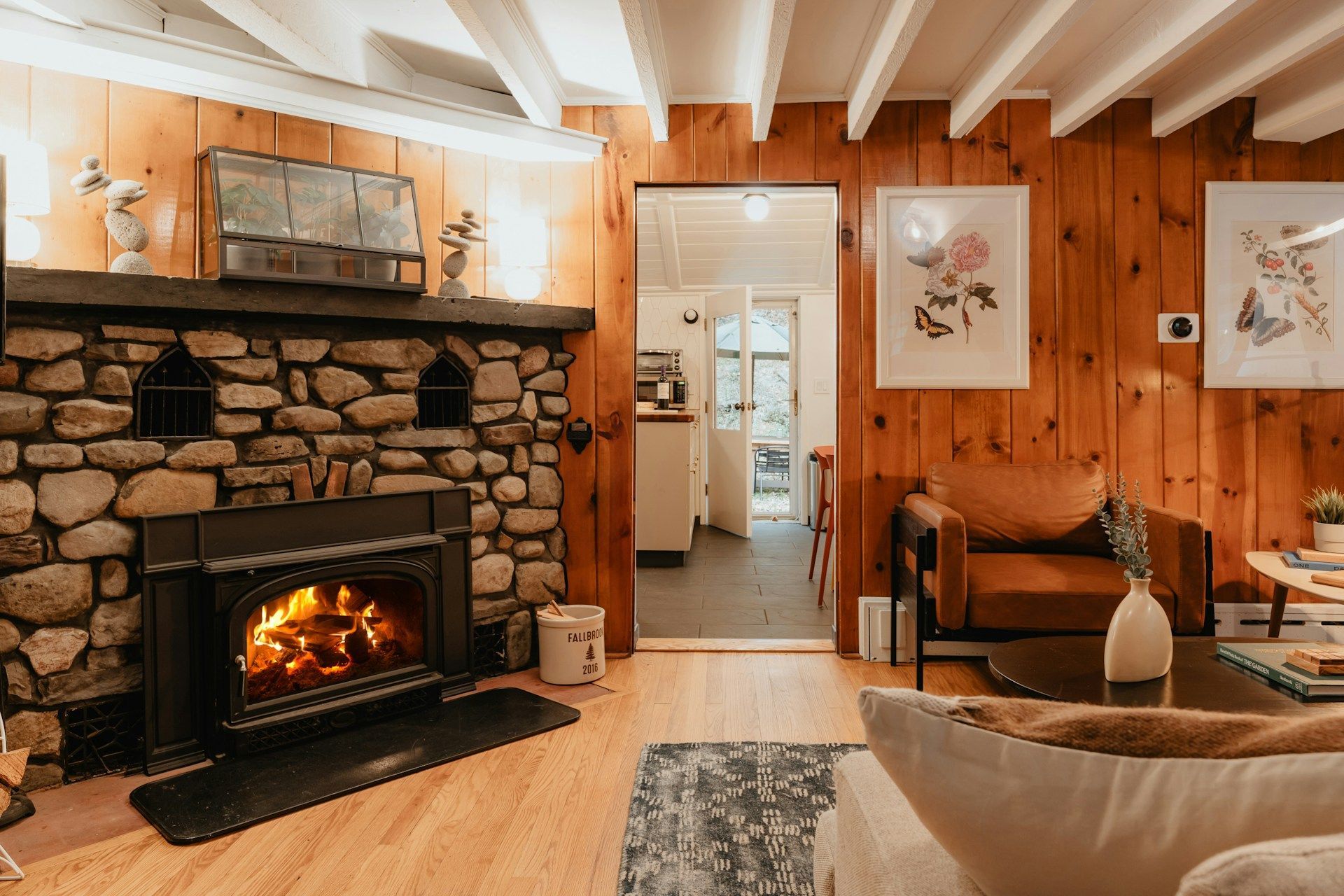
Recycled timber is not just for one style of design. It works beautifully in almost any setting. Whether you want a cozy, rustic farmhouse look or a sleek, modern industrial feel, reclaimed wood can fit right in. The natural colors and textures that come from decades of aging are something that designers often try to create artificially.
The variety is another major plus. You can find reclaimed wood from different types of trees and original structures. For example:
- Oak from old barns gives a strong, traditional feel.
- Heart Pine from factory floors has a rich, warm color.
- Chestnut from old mills is rare and has a unique grain.
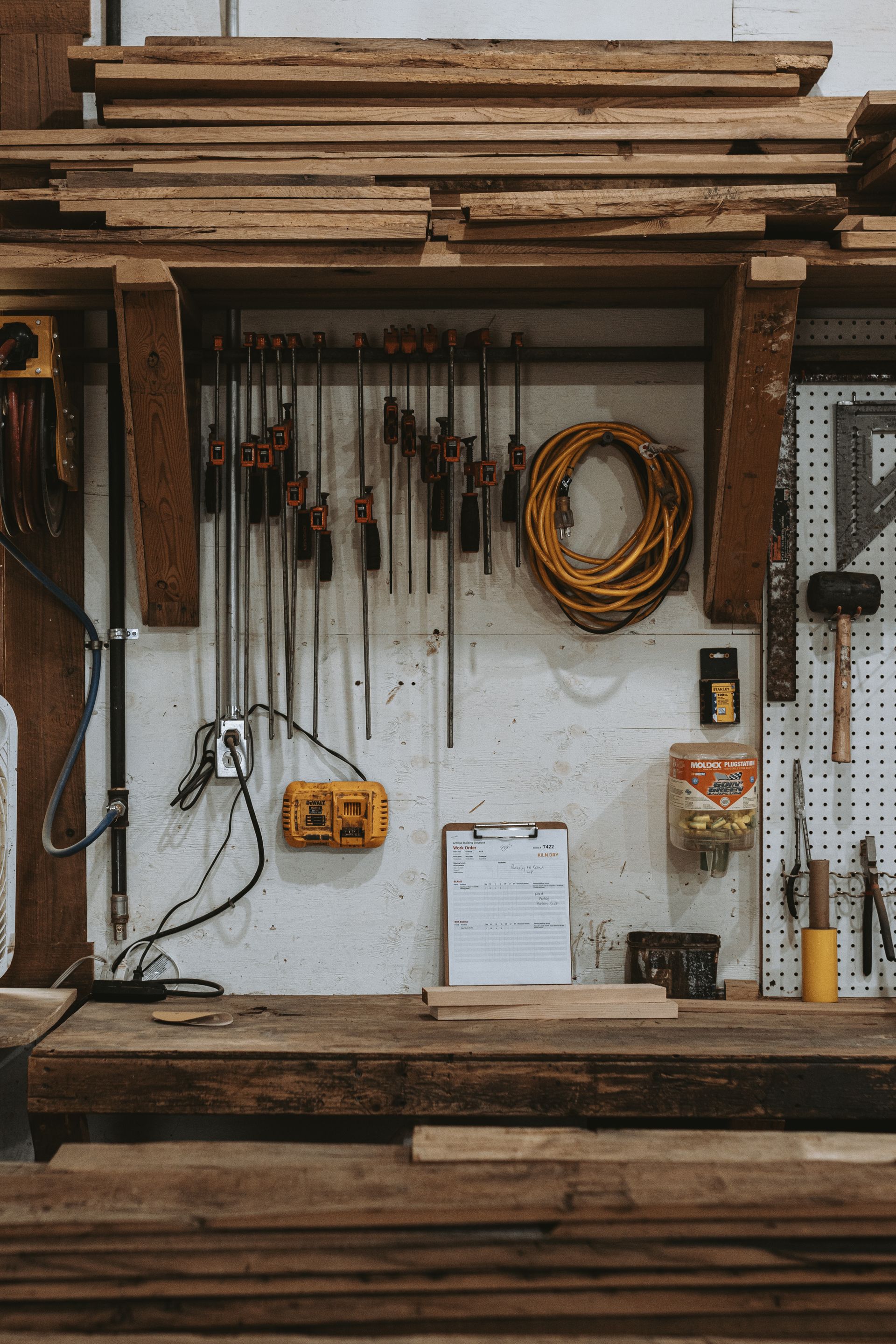
Each type of wood brings its own look and character, allowing you to create a space that is truly one-of-a-kind.
Is Recycled Timber a Good Investment?
While recycled timber can sometimes cost more upfront than new lumber, it is a wise long-term investment. Its superior durability means you will spend less on repairs and maintenance over the years. Buildings with high-quality, lasting materials are built to stand the test of time.
Furthermore, homes and buildings that feature reclaimed wood often have a higher property value. The unique character and sustainable story of recycled timber are very appealing to today's buyers. It adds a level of quality and craftsmanship that makes a property stand out.
The Future of Sustainable Building
The movement toward sustainable building materials is growing stronger every year. Architects, builders, and homeowners are all looking for ways to create beautiful spaces that are also good for the environment. Recycled timber is at the heart of this movement.
As experts who live and breathe this work, we see the demand for reclaimed wood growing. It offers the perfect combination of beauty, strength, and environmental responsibility. Choosing recycled timber means you are not just building a structure; you are preserving history and making a positive impact on the planet.