Old Timbers Are the Secret Designers Don’t Want You to Know
Reclaimed Wood Guide: Using Old Timbers in Your Home
Have you ever walked into a room and felt an instant sense of warmth and history? Chances are, the space featured reclaimed wood. These old timbers, with their rich textures and deep colors, bring a unique character that new materials just can't match. They hold stories within their grain, making any home feel special.
At Bay & Bent, we have a deep passion for historic wood. We believe it's the key to creating beautiful, meaningful spaces. This guide will show you why designers love old timbers and how you can use reclaimed wood to add timeless style to your own home.
What Makes Old Timbers So Special?
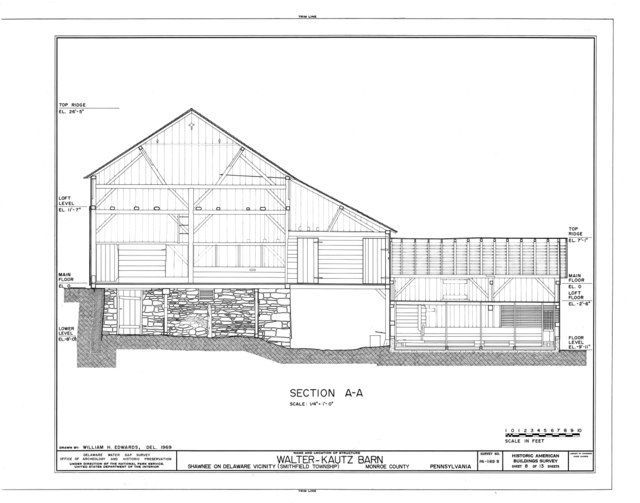
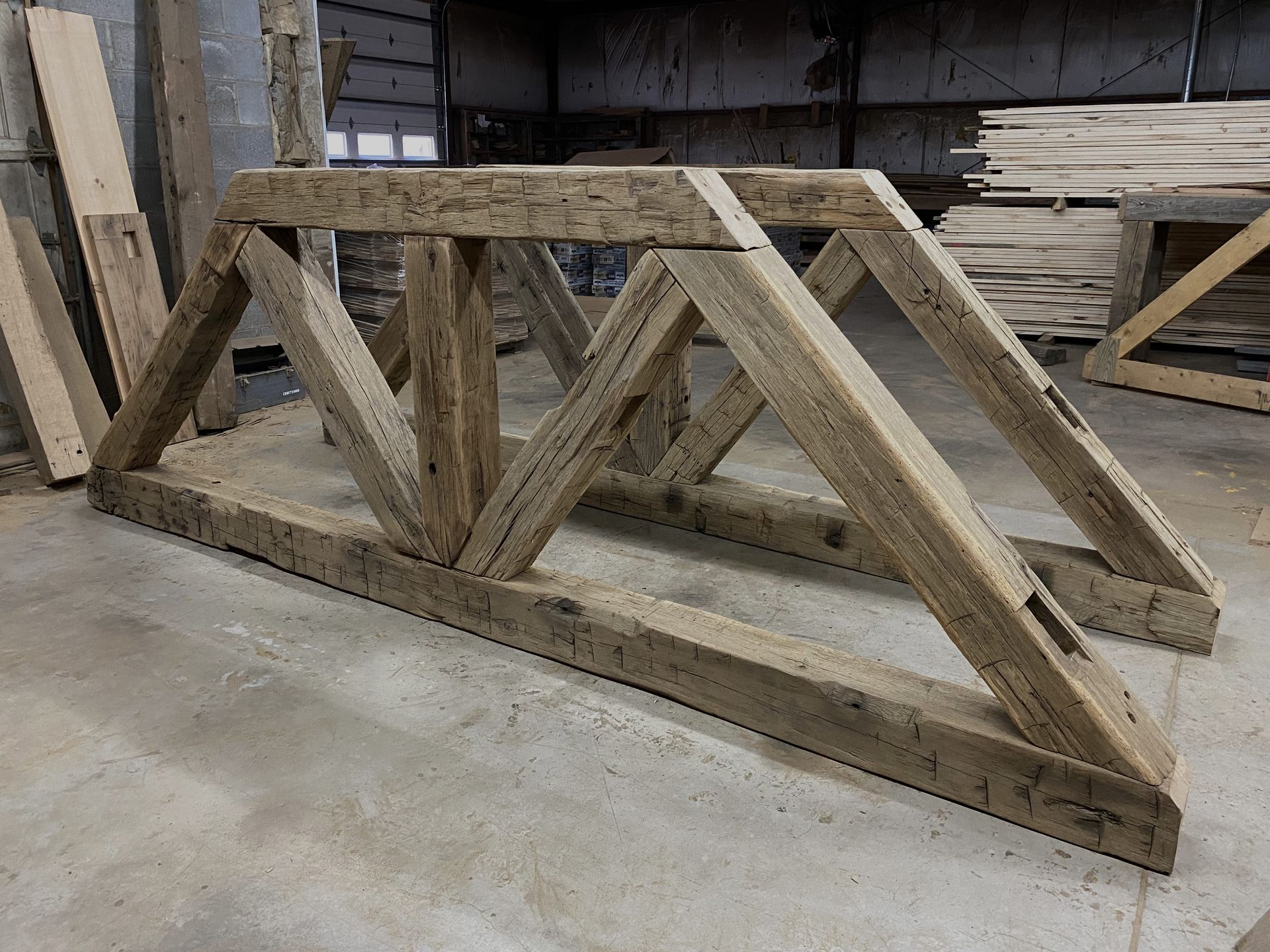
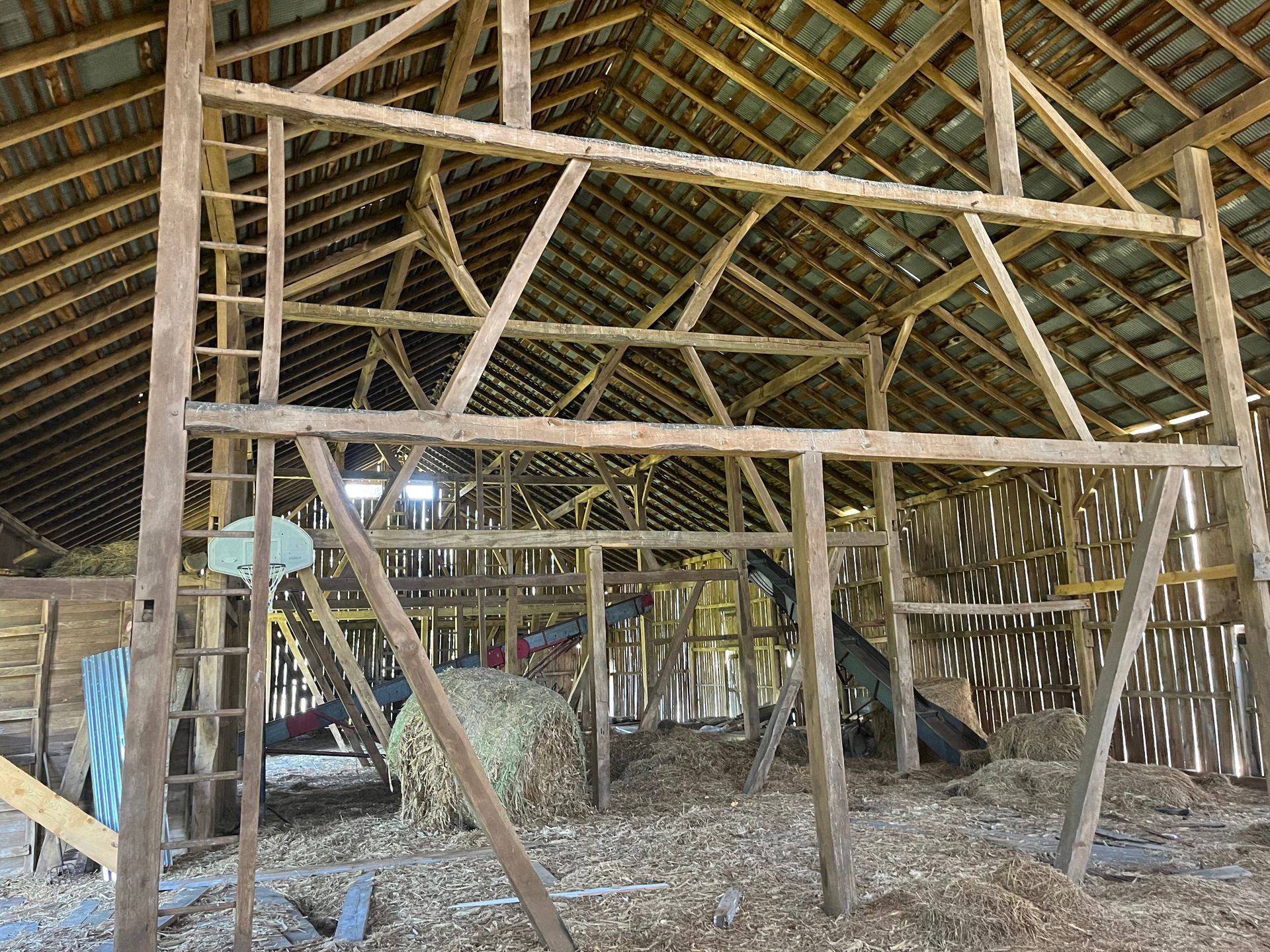
Old timbers are wood pieces recovered from historic structures like old barns, factories, and warehouses. Unlike new lumber, this wood has aged for decades, sometimes even centuries. This natural aging process gives it a look and feel that is impossible to create artificially.
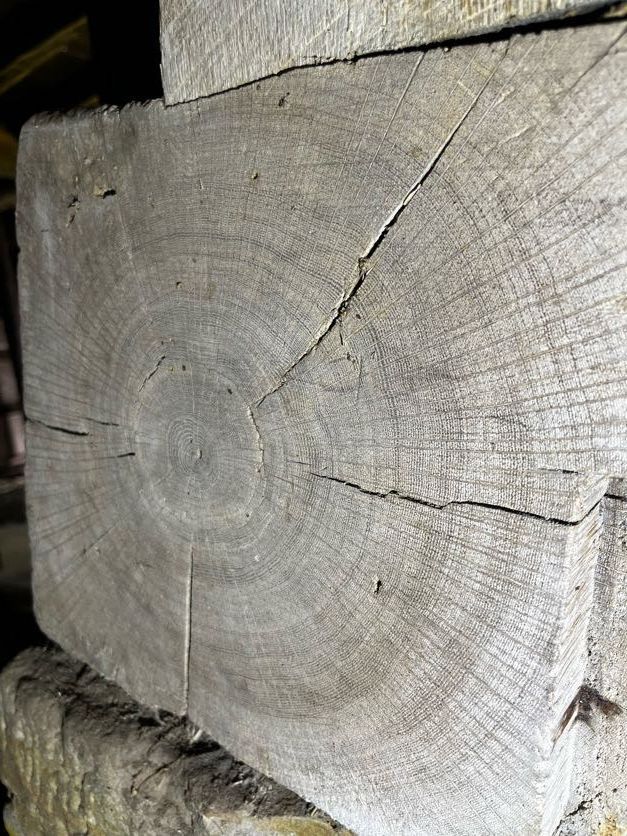
The magic is in the details. The sun, wind, and rain have left their marks, creating beautiful patterns and a rich patina. You might find old nail holes, saw marks, or slight imperfections that tell the story of the wood's past life. This history is what makes each piece of reclaimed wood truly one-of-a-kind.
Why Designers Choose Reclaimed Wood
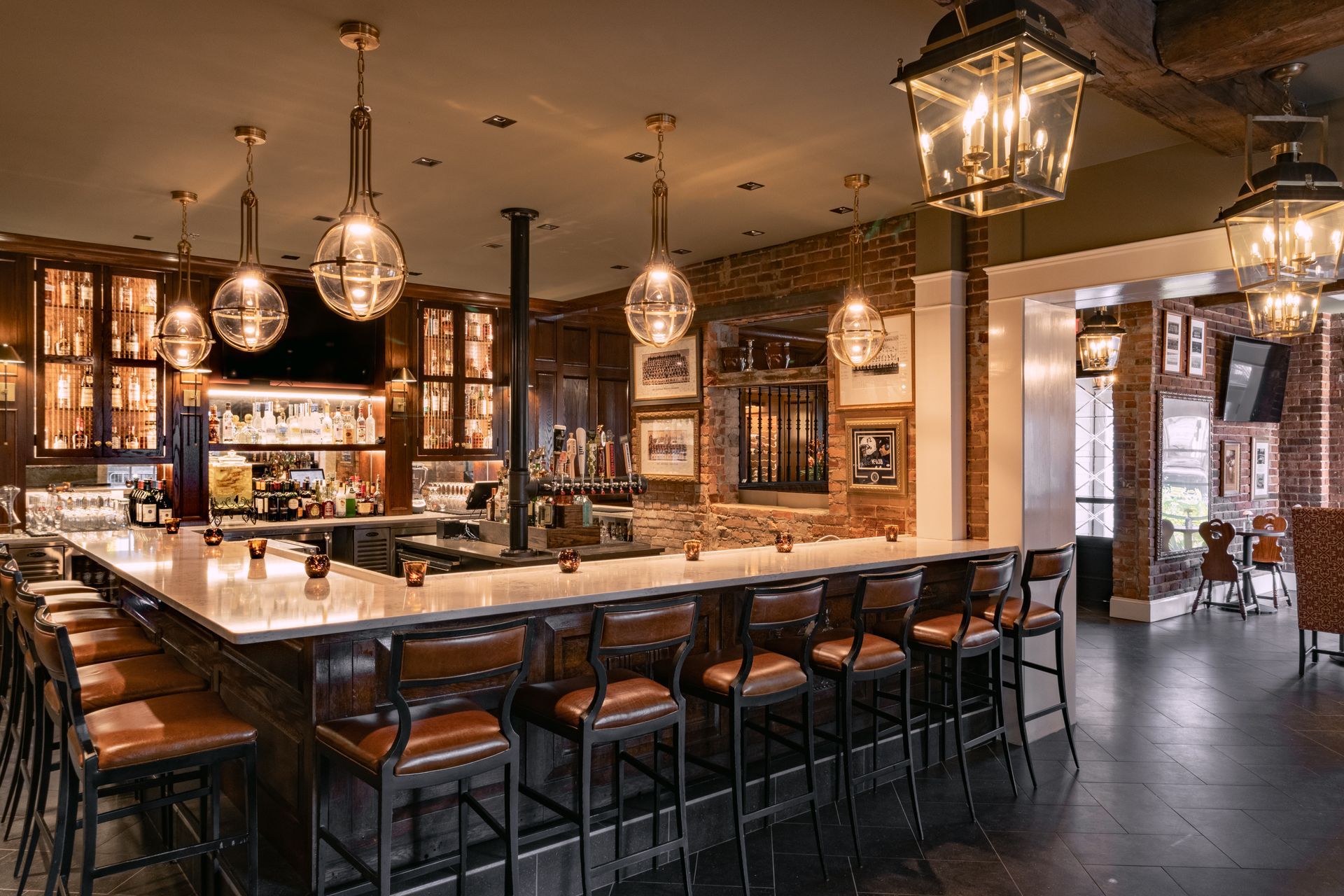
Designers are always looking for materials that offer both beauty and authenticity. Reclaimed wood delivers on both fronts, which is why it has become a staple in luxury interiors. It fits perfectly with many popular styles, from rustic farmhouse to modern industrial.
Here are a few reasons why old timbers are so popular in modern design:
- Unmatched Character: Each beam and plank has a unique story. This adds a layer of depth and soul to a space that you can't get with mass-produced materials.
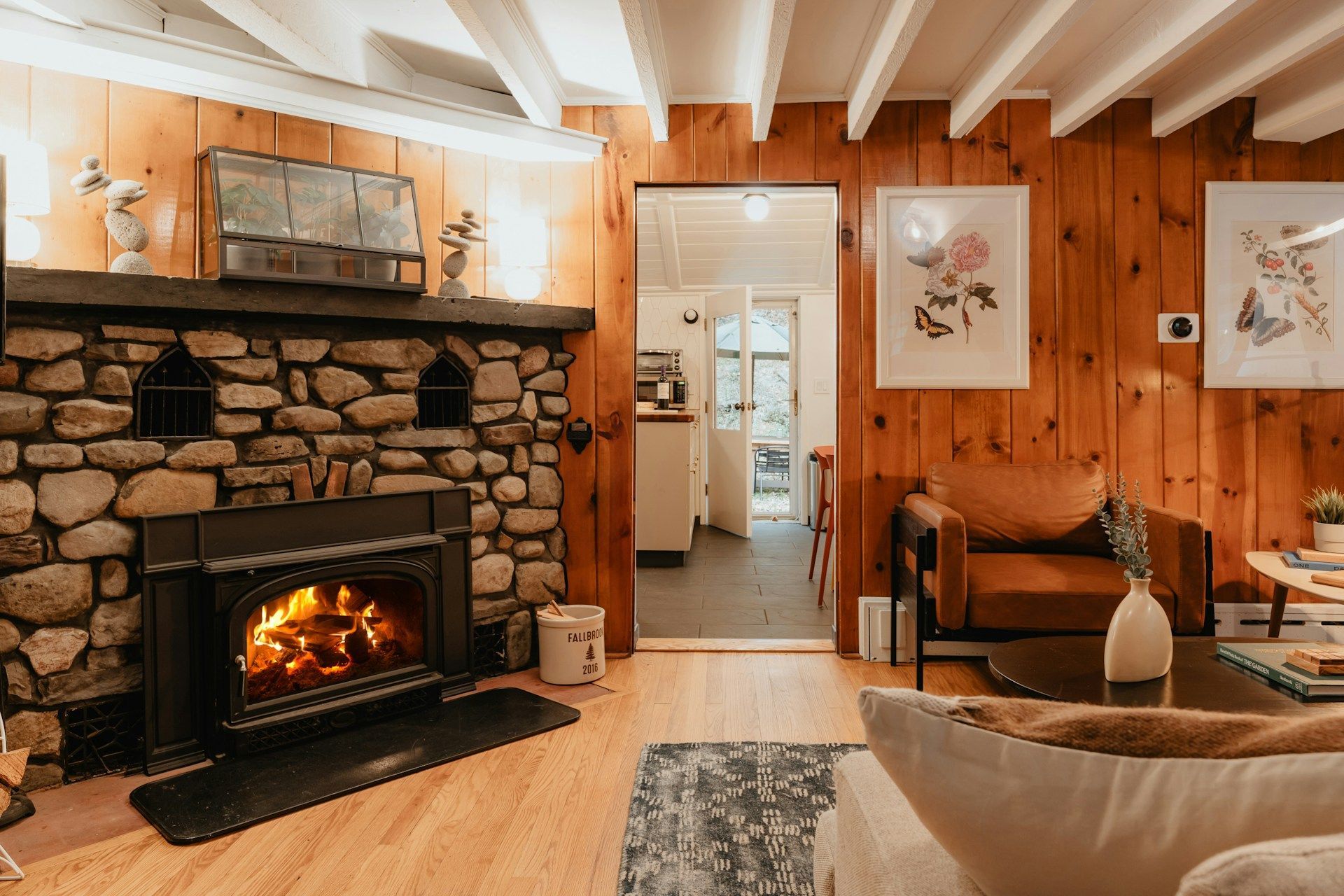
- Versatility: Reclaimed wood can be used in many ways. It works as stunning ceiling beams, feature walls, kitchen islands, custom furniture, and fireplace mantels.
- Sustainable Design: Choosing reclaimed wood is an environmentally friendly choice. It keeps valuable materials out of landfills and reduces the need to cut down new trees. This makes it a core element of sustainable design.
Our Story at The Bay & Bent
Our journey at Bay & Bent is fueled by a love for American history and craftsmanship. We travel the country to find historic structures with the best old timbers. We see ourselves as preservationists, saving wood that has proven its strength and durability over generations.
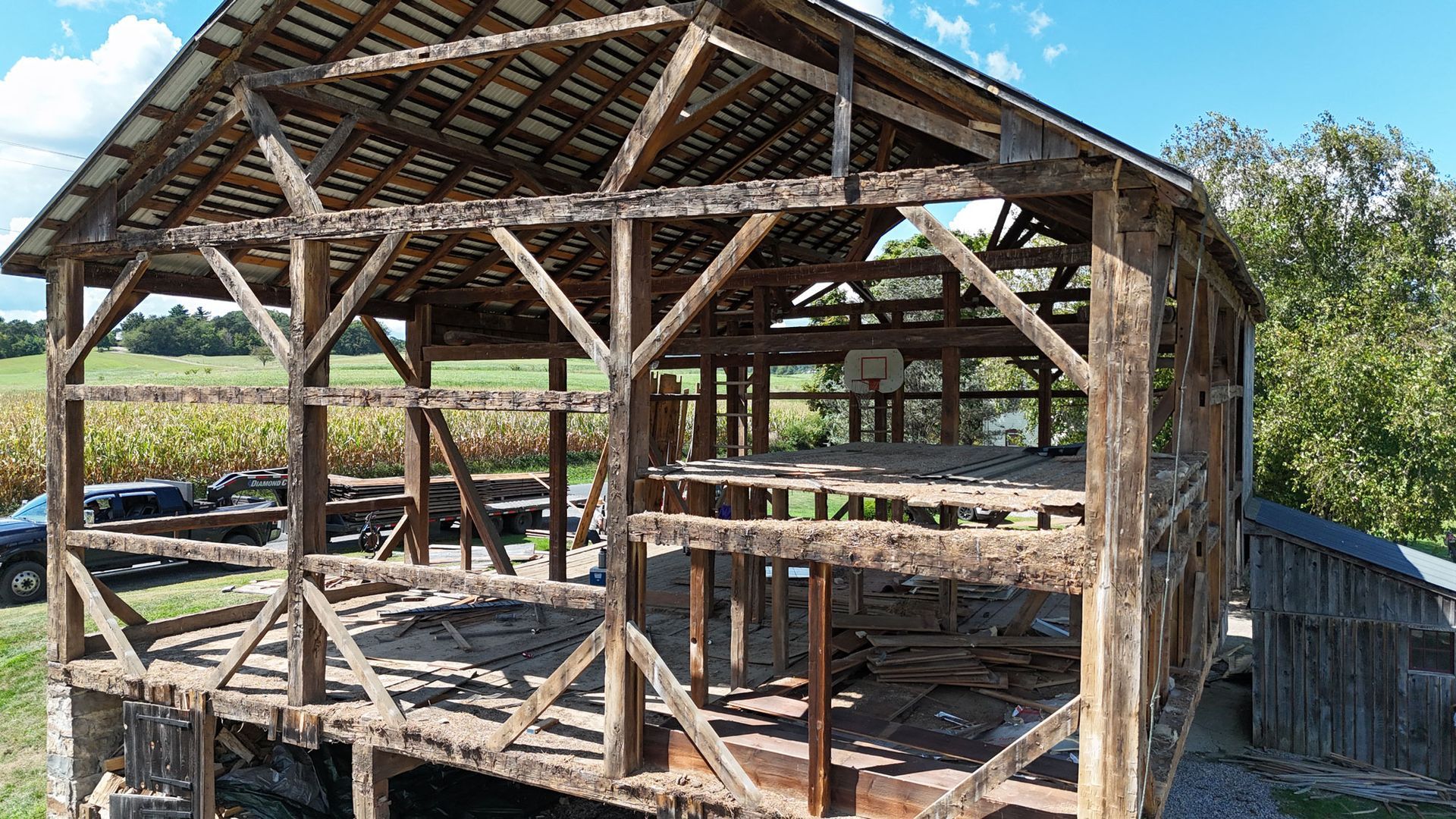
Our process is careful and detailed. We start by identifying barns and other buildings with exceptional wood quality. We then dismantle these structures by hand, piece by piece, to preserve the integrity of each timber.
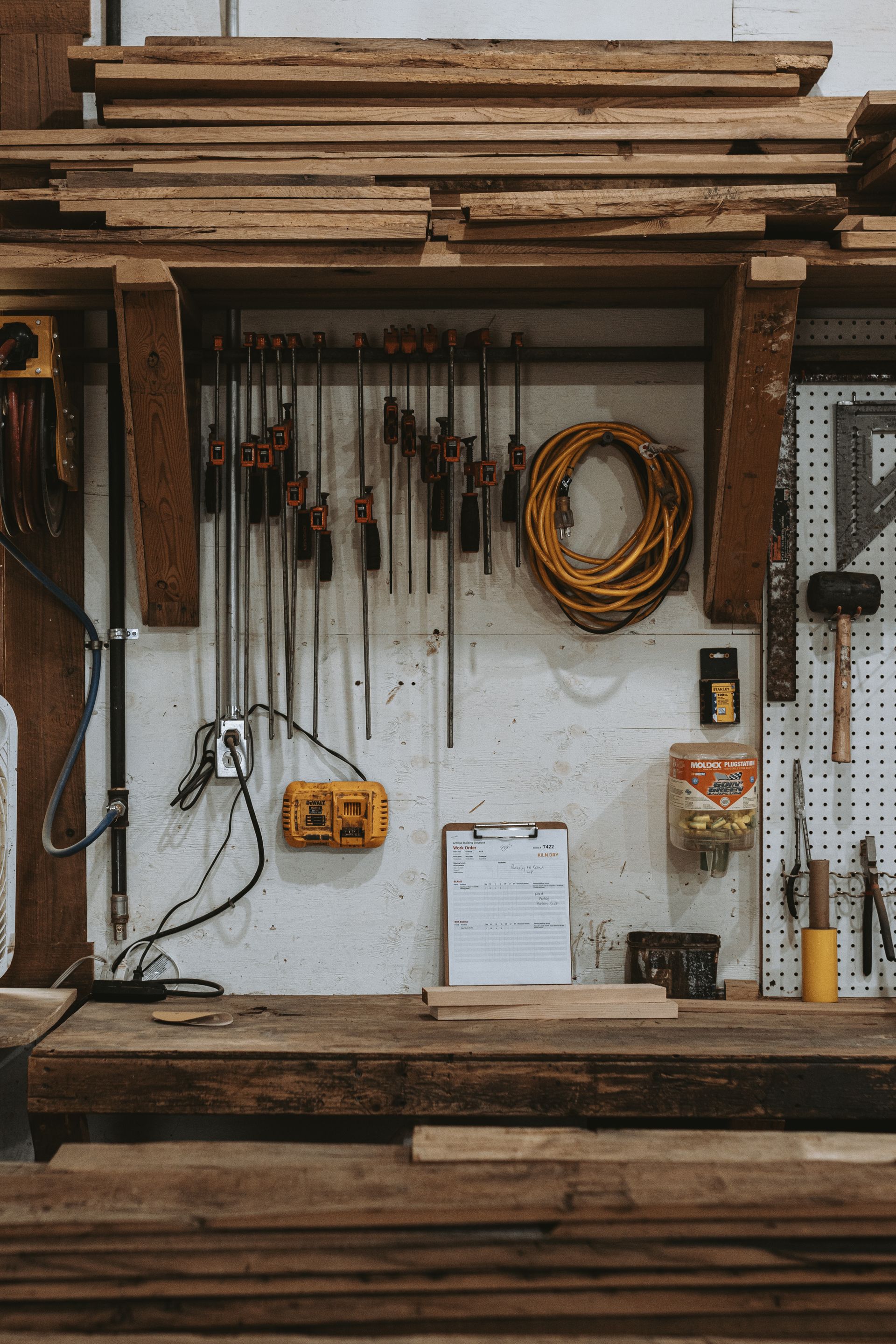
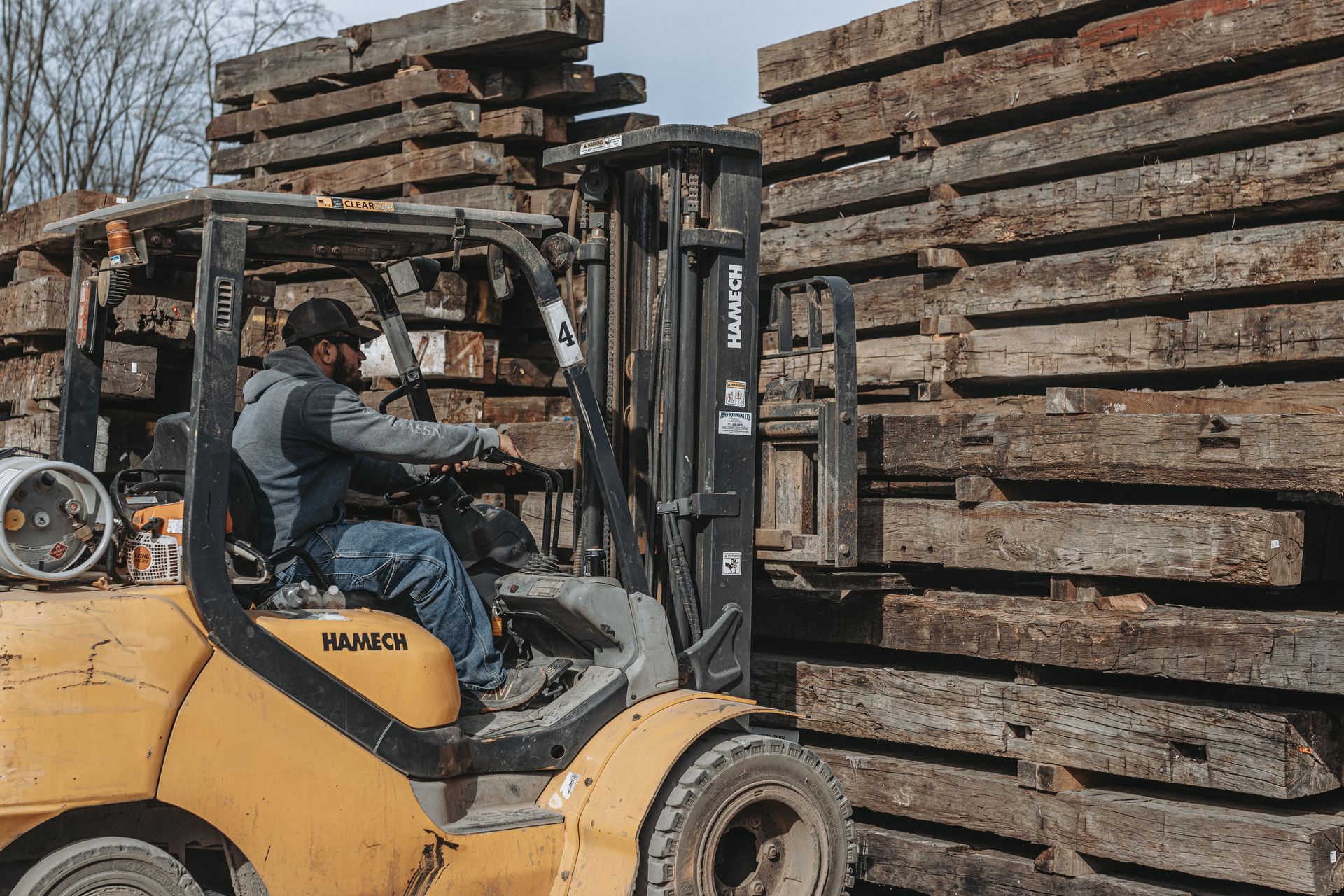
Back at our facility, every piece is inspected, cleaned, and repaired. We ensure the wood is ready for its new life in your project. We're not just selling wood; we are providing curated pieces of history that have been prepared for modern luxury interiors. Our focus is exclusively on these historic timber frames, and we ship them to clients all over the world.
How to Bring Old Timbers into Your Home
Incorporating reclaimed wood into your design can seem like a big step, but it's very adaptable. It can be the star of the show in a rustic room or a warm accent in a sleek, modern space.
Think About Scale
The size of the wood should match the size of your room. Large, heavy beams look incredible in rooms with high ceilings, as they add architectural interest without overwhelming the space. In smaller rooms, you can use reclaimed wood for a mantel, shelving, or a piece of furniture to add character without taking up too much visual space.
Play with Color and Texture
Old timbers come in a wide range of natural colors, from light, honeyed browns to deep, weathered grays. These tones act as a beautiful neutral backdrop that can complement almost any color scheme. Don't be afraid to mix the rough texture of reclaimed wood with smoother surfaces like metal, glass, or polished concrete for a dynamic, modern look.
Investing in Historic Wood
While reclaimed wood can have a higher initial cost than new lumber, it is a smart long-term investment. Its durability is proven; it has already stood strong for a hundred years or more. This means it will continue to look beautiful for many years to come in your home.
Homes with authentic, high-quality features are also more attractive to buyers. Using old timbers not only enhances your daily living experience but can also increase your property's value. It’s an investment in both style and sustainability.
How to Spot Authentic Old Timbers
Not all "reclaimed" wood is the same. True old timbers have aged naturally over a long period. Some sellers try to fake this look by artificially distressing new wood.
To find authentic pieces, look for genuine signs of age. This includes natural cracks (called "checking"), a weathered surface, and the deep, rich color that only comes from time. Real reclaimed wood feels solid and substantial. When you choose authentic old timbers, you are choosing a piece of history.
Wrapping it up
As more people look for ways to create unique and sustainable homes, the demand for authentic materials like reclaimed wood will only grow. Old timbers connect us to the past while helping us build a more responsible future. They offer the perfect blend of beauty, history, and sustainable design.
Using reclaimed wood in your home allows you to create a space that is not only beautiful but also full of soul. Whether you are planning a major renovation or just looking for a single statement piece, old timbers can transform your space.