Architectural Restoration Made Simple for Your Dream Home
Easy steps to restore your home
Owning a home with history is a special experience. Whether it's a Victorian beauty, a Craftsman bungalow, or a mid-century modern house, older homes have a charm that newer ones often can’t match. But the years can take their toll. Worn exteriors, outdated rooms, and damaged features may hide your home’s true character.
This is where architectural restoration steps in, bringing your home back to its best while keeping its original spirit.
Architectural restoration is more than a simple update; it’s a process of repairing and recreating a home’s classic character. It’s about respecting the past and making your house work for modern life.
In this guide, you’ll learn what architectural restoration means, why it matters, and how you can start your own project to create your dream home.
What Is Architectural Restoration?
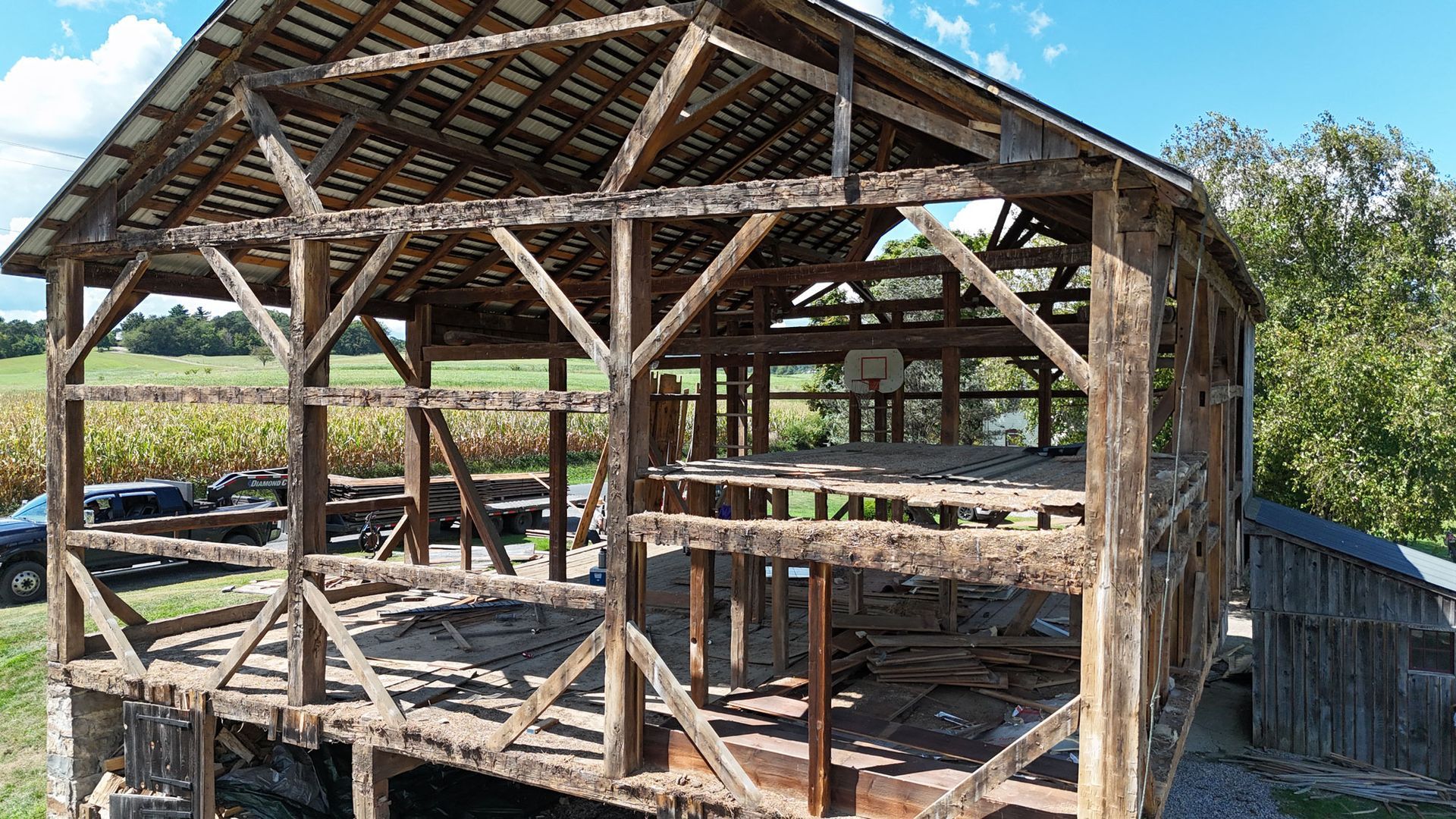
At its heart, architectural restoration means bringing a building back to how it looked at a certain time in history. Unlike a remodel that may change the house’s style, restoration keeps things true to the original.
The main goal is to save the old features that make a home special and important.
Restoration involves careful planning and work. It often includes:
- Repairing original materials: Fixing plaster, refinishing hardwood floors, or reglazing old windows.
- Recreating missing details: Restoring parts that were lost, like an old fireplace mantel or trim, as closely as possible to the original.
- Using the right methods: Professionals use techniques from the building’s era to make sure the work lasts and feels real.
- Adding modern systems with care: A good restoration includes things like new wiring or plumbing, but hides them so they don’t take away from the historic style.
Restoration is about balance. It keeps the spirit of the design while making sure the home is safe and comfortable for everyone.
Restoring Your Home
Restoring your home, instead of starting over, offers more than just a nice look. It adds value and makes your space truly special.
Honoring History and Craft
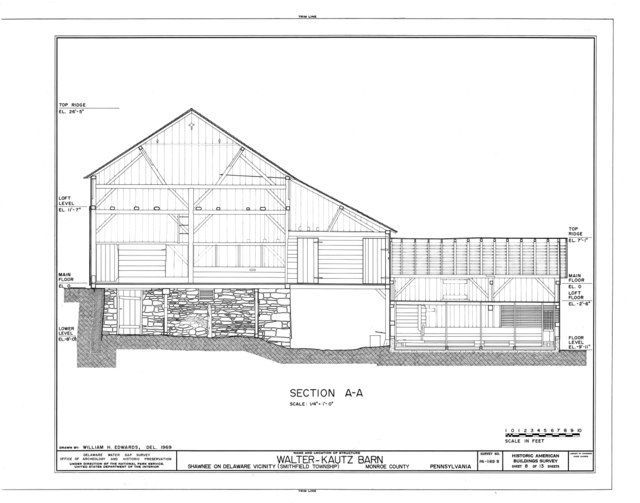
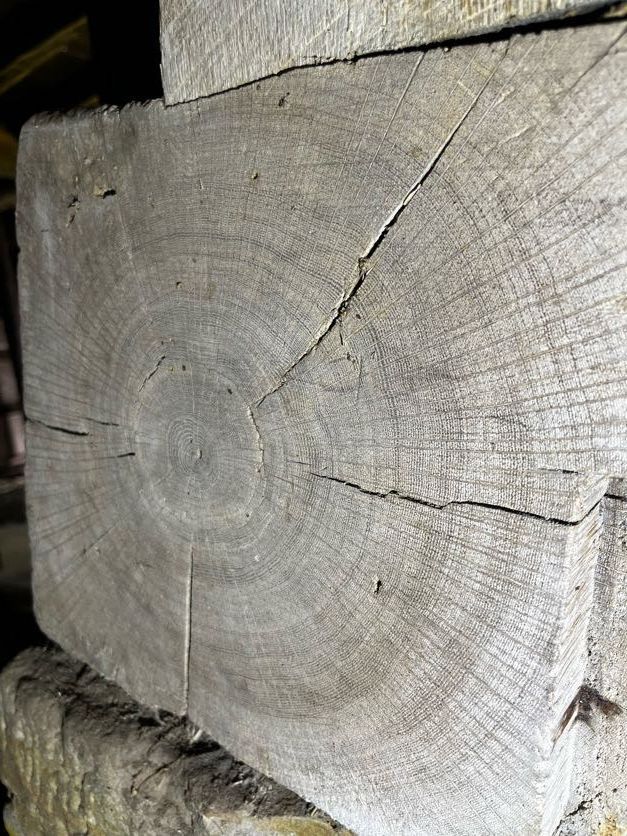
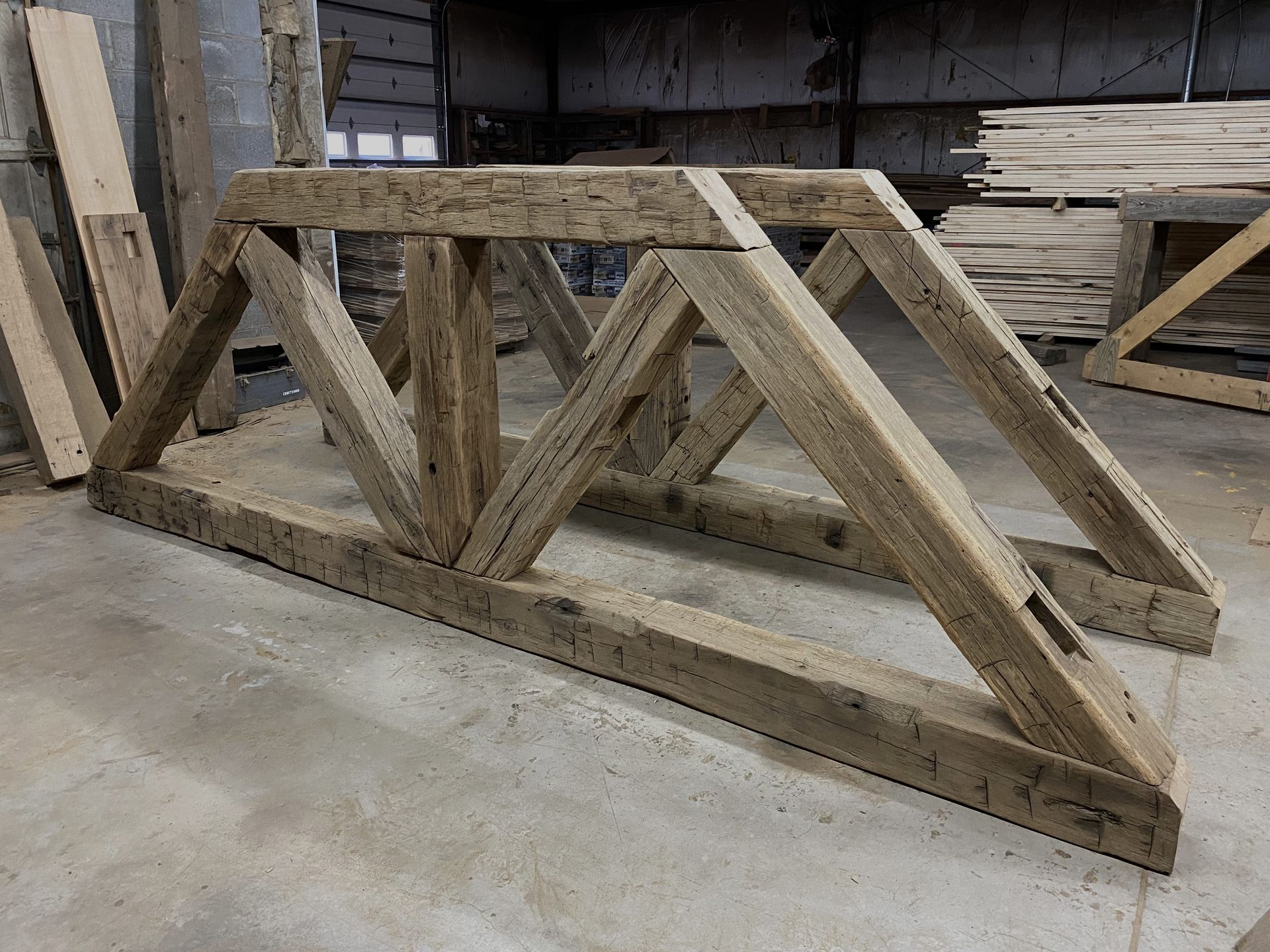
Older homes were often built by skilled hands with high-quality materials. Imagine hand-carved woodwork, fine brickwork, or custom glass.
Architectural restoration saves this work. When you restore, you help protect your home’s story and the craftspeople’s legacy. This connection gives your house an identity you can’t find in new builds.
Increasing Property Value
A well-done architectural restoration can raise your home’s value. Buyers like homes that blend old charm with reliable updates. When you keep the unique features that set your home apart, you also make a smart financial choice.
Sustainability and Environmental Benefits
Restoring is also good for the planet. You reuse most of your building instead of sending material to a landfill. This saves resources and cuts down on waste. Fixing wood windows or walls is often greener than swapping them for new, factory-made pieces.
Tips for your Home Restoration Journey
Starting an architectural restoration project can be a big job, but with the right steps, it’s very rewarding. Here are some tips to help you get started:
1. Do Your Research
Before you begin, learn about your home’s history. When was it built? What is its style? Old photos, archives, and local history groups can provide useful clues. This research helps you make the right choices and stay true to the home’s roots.
2. Break the Project Into Steps
Restoration is a big task, so divide it into stages. First, fix the most urgent problems like leaks or a damaged roof. When that’s done, work on things like siding, windows, and then the inside. Taking it step by step makes the job easier to handle.
3. Choose Materials That Match
Pick materials that look and feel like the originals. If you can’t save a part, find something very close to what was used before. You might look for old bricks, order custom moldings, or use real plaster. These choices matter for keeping your home’s true look.
4. Pay Attention to Windows
Windows shape your home’s style. Before swapping old wood windows for new ones, see if you can fix them. Old wood is often high-quality and long-lasting. With repairs and storm windows, they can be efficient and keep the home’s original charm.
The Importance of Working with Experts
DIY can be fun, but architectural restoration often needs special skills and knowledge. Success often depends on the team you choose.
Working with pros who know restoration makes sure the work is done right. Experts know how to repair old plaster, which mortar to use, and how to add modern systems without spoiling the look. A skilled architect and contractor will guide you through the process and help you avoid mistakes that could damage your home.
Partnering with Bay & Bent for Your Restoration
At Bay & Bent, we know every historic home has a story. We love helping you discover it and keep it alive for the future. Our team of designers, architects, and builders specialize in architectural restoration. We respect tradition but also use modern solutions so your home is both beautiful and practical.
Restoring a home is personal. We take time to learn your vision and the history behind your house. From research to finishing touches, we’re there every step of the way.
If you’re thinking about architectural restoration, we invite you to meet our team and see our approach. Learn more about what makes us different and how we can help with your project. Discover who we are and how we can bring out the best in your home.
Restoration is more than a building job, it’s about saving history. It’s your chance to connect with the past and create a home you’ll be proud of. With planning and the right help, you can make sure your home lasts for the next generation.