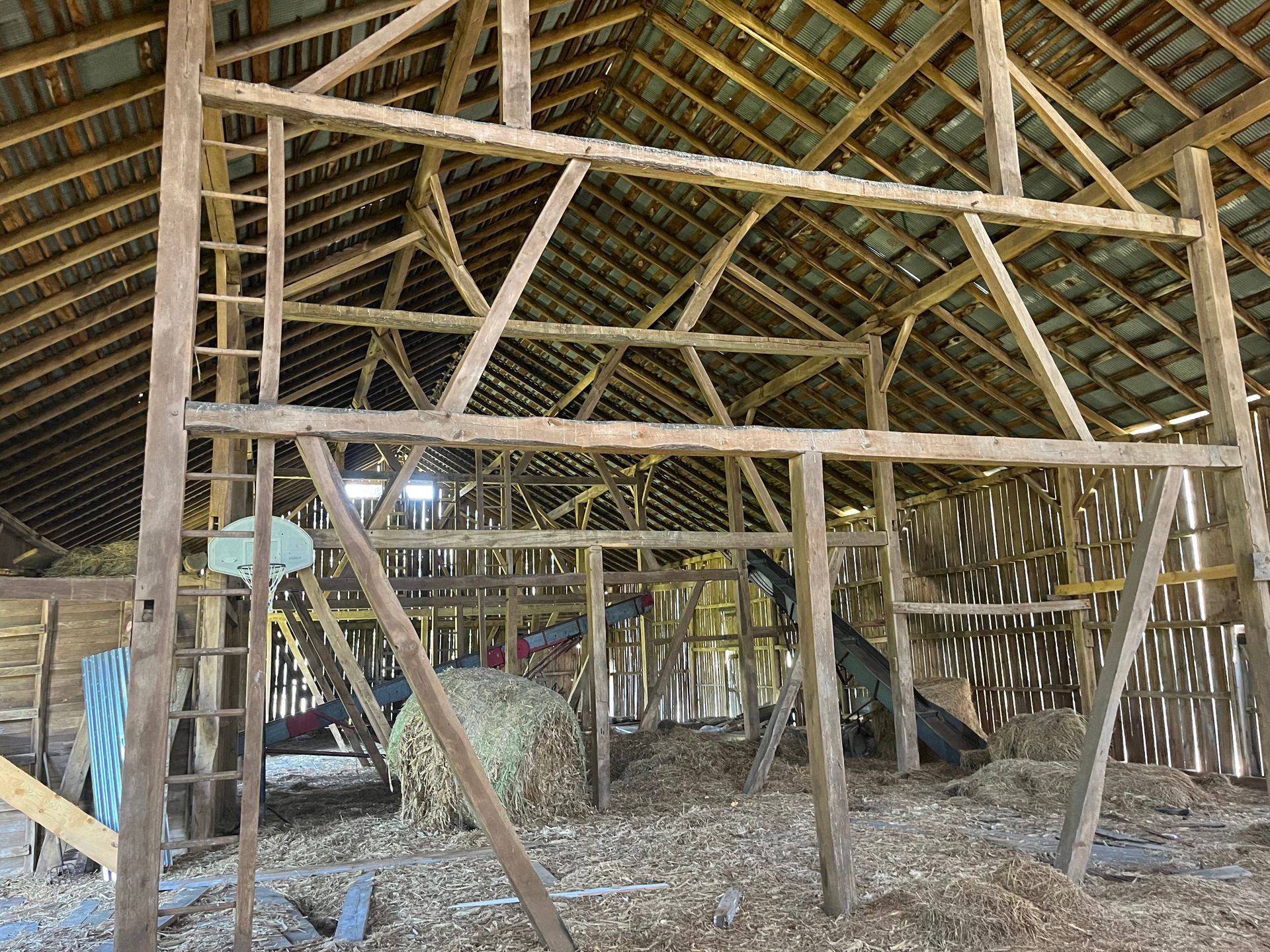
Historic Barn Event Venue Conversions 101: A Complete Guide
From rustic charm to modern venue
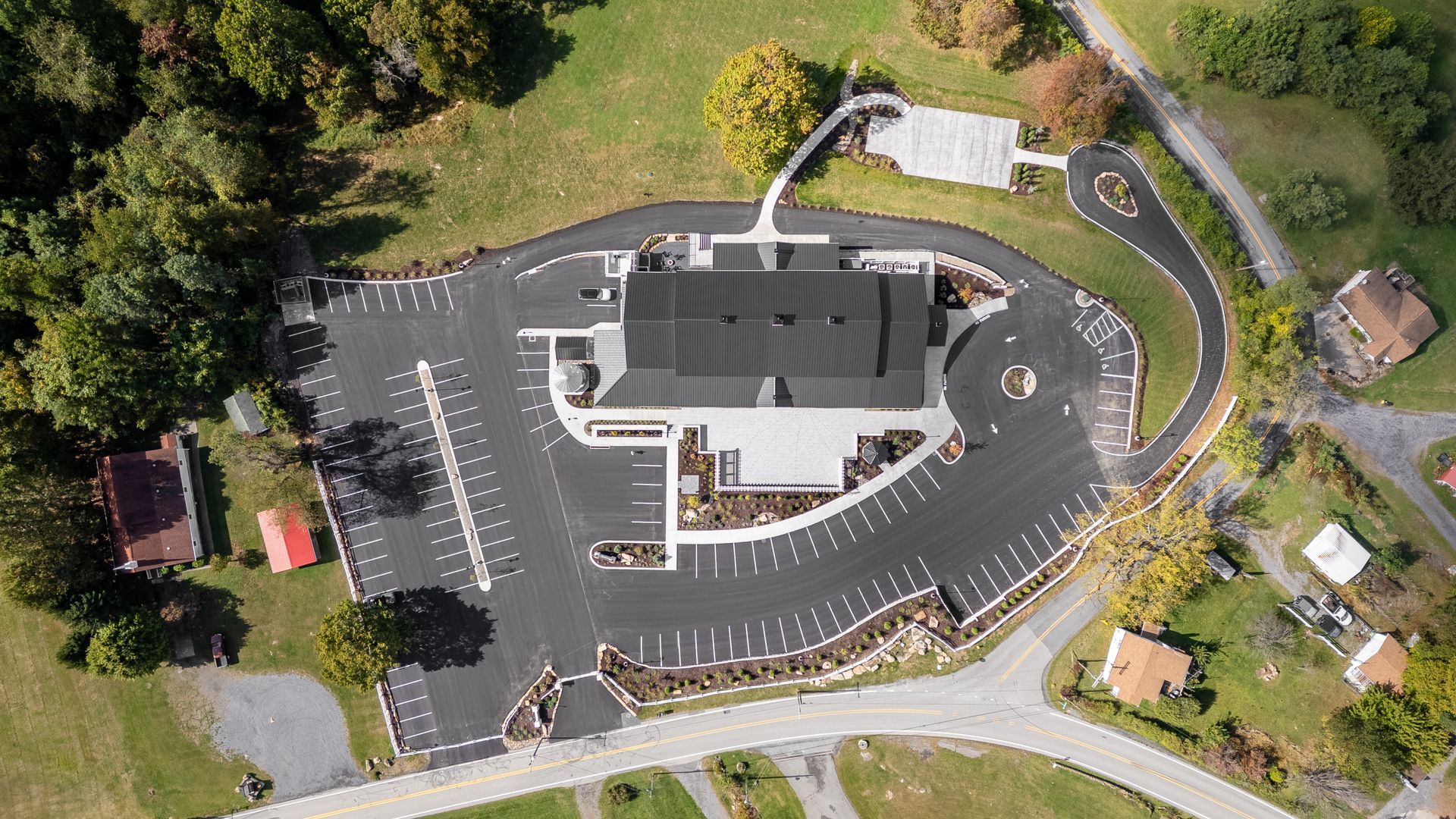
Historic barns are more than relics of rural history; they’re proof of hard work, tenacity, and the spirit of a bygone era. Today, with the rise of rustic, authentic event spaces, these classic structures have found new life as sought-after venues for weddings, gatherings, and milestone celebrations.
Transforming a historic barn into an event venue isn’t just about following a hot trend. It’s about honoring craftsmanship, sustaining local heritage, and unlocking the untapped value sitting right on your land.
But make no mistake: the process takes more than elbow grease and a love of old timber. Barn conversions demand careful planning, sound investment, and know-how, from navigating legal and zoning rules to reinforcing hundred-year-old frames and thoughtfully integrating modern comforts.
That is why, in this complete guide will walk you through every stage. You’ll get insights on assessing your barn’s potential, ensuring safety and code compliance, preserving that distinct rustic soul, and marketing your new space so it stands out from the herd.
Assessing Your Barn’s Potential
Before you start dreaming about booking fees, you need to take a hard look at what you’ve actually got. Not every barn is cut out for the hospitality business. Some are better left to the owls.
Walk the property with a critical eye. We aren't just looking for "rustic charm" here; we’re looking for bones.
- Size and Layout: Can you comfortably fit 150 people in there for a sit-down dinner? Is there room for a dance floor without grandma tripping over a support post? You need open space. If your barn is partitioned into tight horse stalls, you’re looking at significant demolition work.
- Location and Access: Is your farm easy to find, or will guests be navigating a dirt track that washes out every time it sprinkles? You need a road that can handle catering trucks, shuttle buses, and fancy sedans.
- The "Wow" Factor: What makes your barn special? Is it the cathedral-like ceiling? The view of the mountains? Identify that one thing that will make a bride stop scrolling and say, "That’s the one."
Legal and Zoning Requirements
I know, I know. You’d rather be sanding floors than reading municipal codes. But nothing shuts down a project faster than a zoning violation. Before you hammer a single nail, you need to know if you’re even allowed to host events.
Most farms are zoned for agriculture. Turning a barn into a venue changes that usage to "commercial" or "assembly." This is a big jump in the eyes of the law.
- Check with your local planning commission: Ask about "change of use" permits. Some rural areas have specific allowances for agri-tourism, which can be a loophole, but don't bank on it without asking.
- Noise Ordinances: Weddings are loud. If your neighbors are close enough to hear the DJ drop the beat at 10 PM, you’re going to have problems. Check local noise curfews.
- Liquor Licensing: If you plan on serving alcohol (or letting caterers serve it), the red tape gets thicker. Laws vary wildly by state and county, so do your homework early.
Structural Upgrades
A barn that held hay for 100 years might not hold a wedding party safely. Hay doesn't dance, and it definitely doesn't sue you if a floorboard snaps. Historic barn event venue conversions require bringing an agricultural structure up to commercial building codes.
The Foundation and Frame
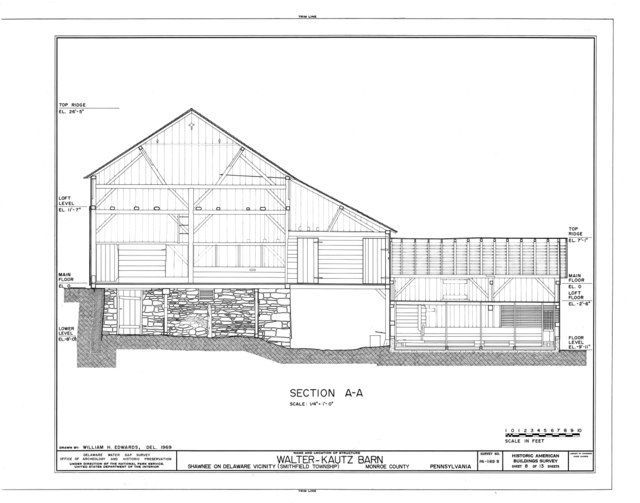
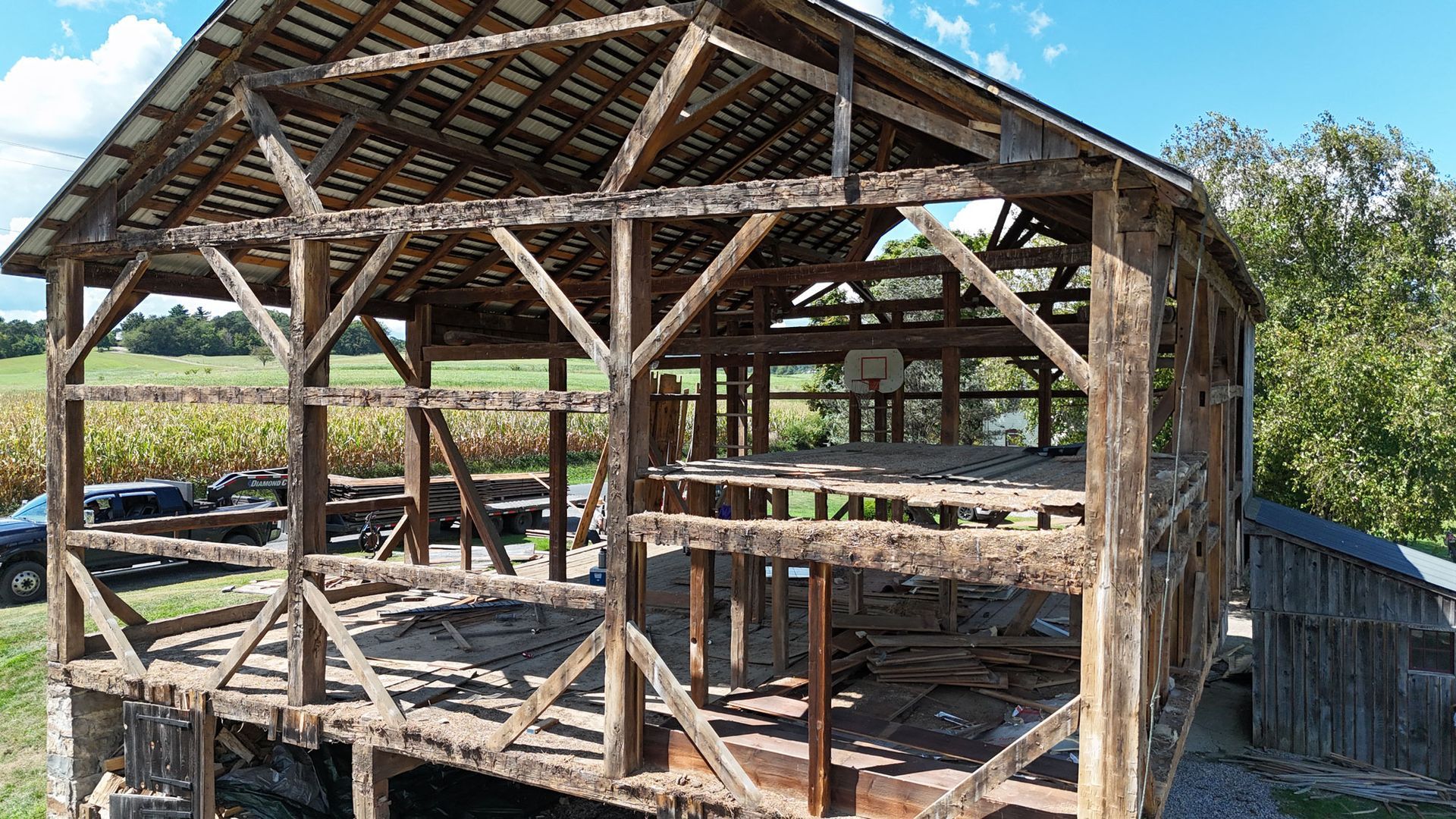
Start from the ground up. Many old barns were built on stone foundations that have shifted over time. You might need to pour new concrete footings or reinforce the existing stone. Timber framers are worth their weight in gold here; hire an engineer who specializes in historic structures to assess rot, insect damage, and load-bearing capacity.
The Utilities
Old barns are dark and drafty. To make it a viable venue, you need modern infrastructure:
- Electrical: You need enough juice to power a catering kitchen, a band’s sound system, and enough lighting to make the place glow. This usually means a complete rewiring job.
- HVAC: If you want to operate year-round, you need climate control. Insulating a barn without ruining the aesthetic is an art form. Consider radiant floor heating, it keeps the heat where the people are and doesn't require ugly ductwork.
- Plumbing: Nobody wants to use a porta-potty in a ballgown. You need real restrooms, which means septic capacity and serious plumbing work.
Preservation
This is the fun part. This is where you honor the craftsman who built the place. The goal is to modernize the function without killing the vibe. You want "rugged elegance," not "sanitized banquet hall."
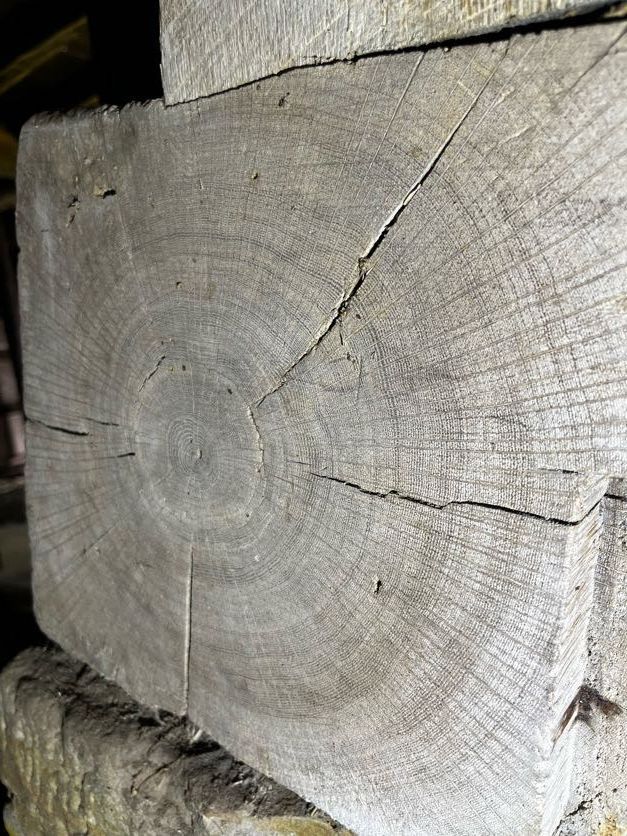
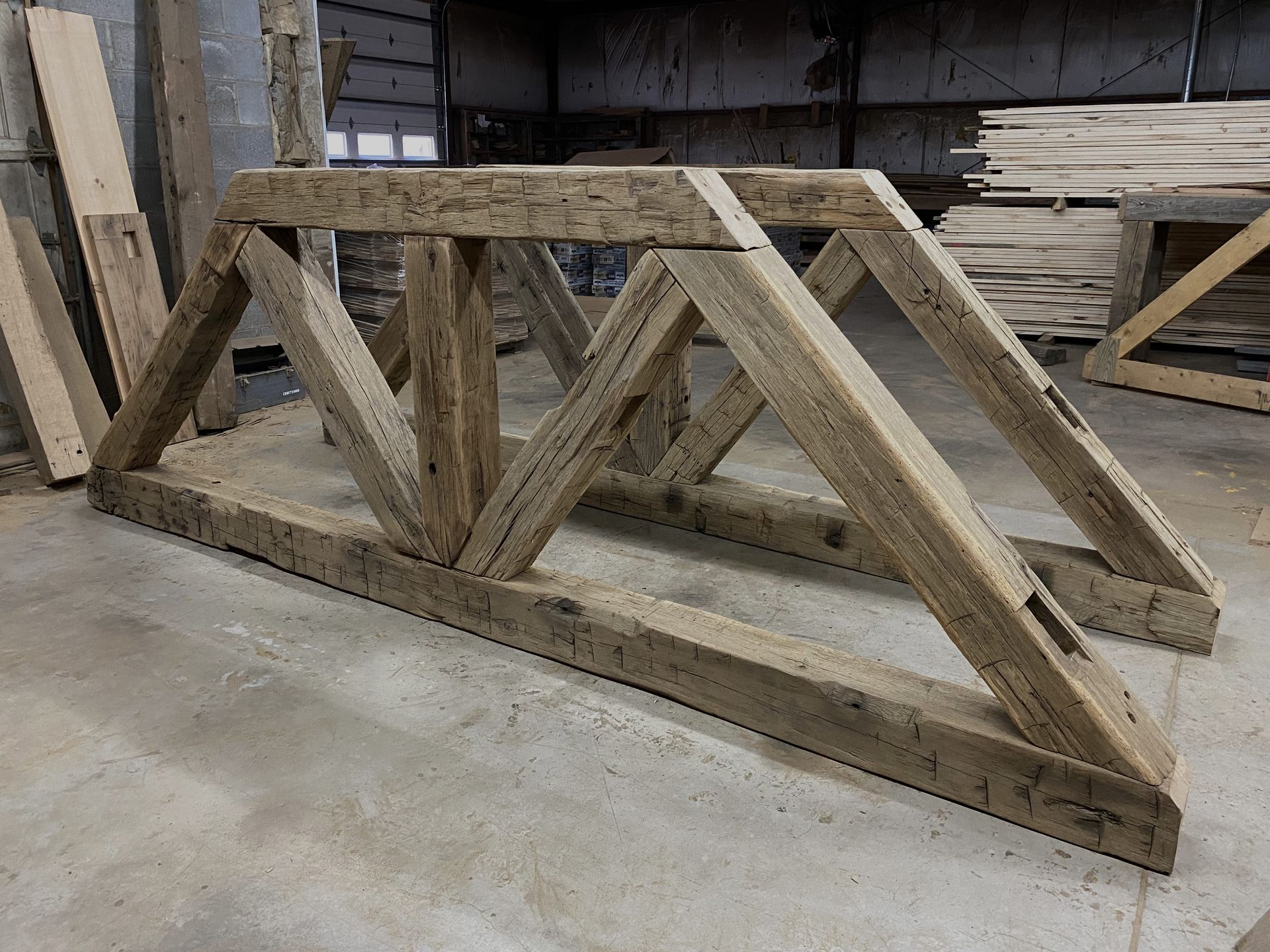
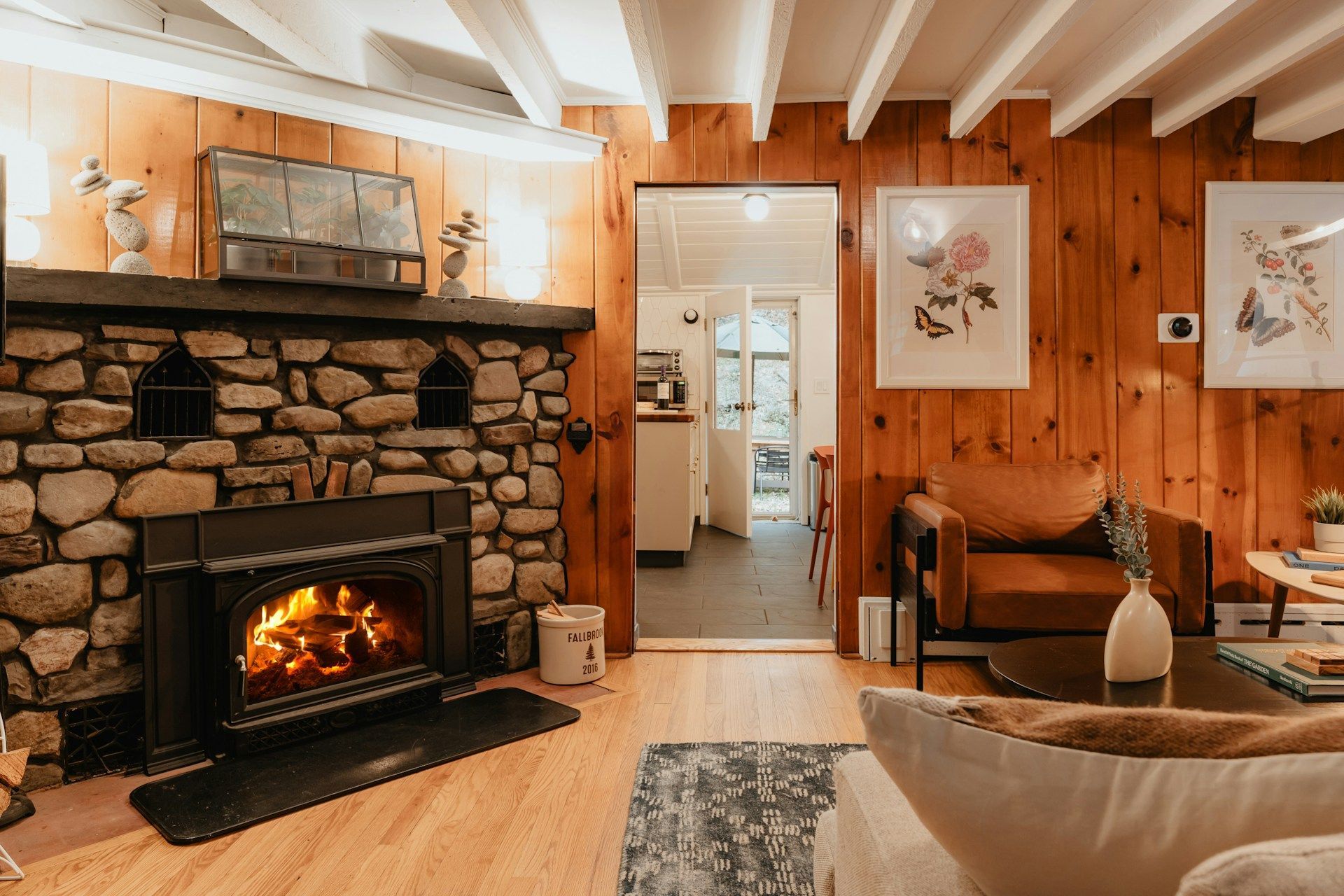
- Keep the Rough Edges: Don't drywall over everything. Leave those hand-hewn beams exposed. If the siding has weathered to a perfect silver-grey, seal it, don't paint it. The imperfections are the point.
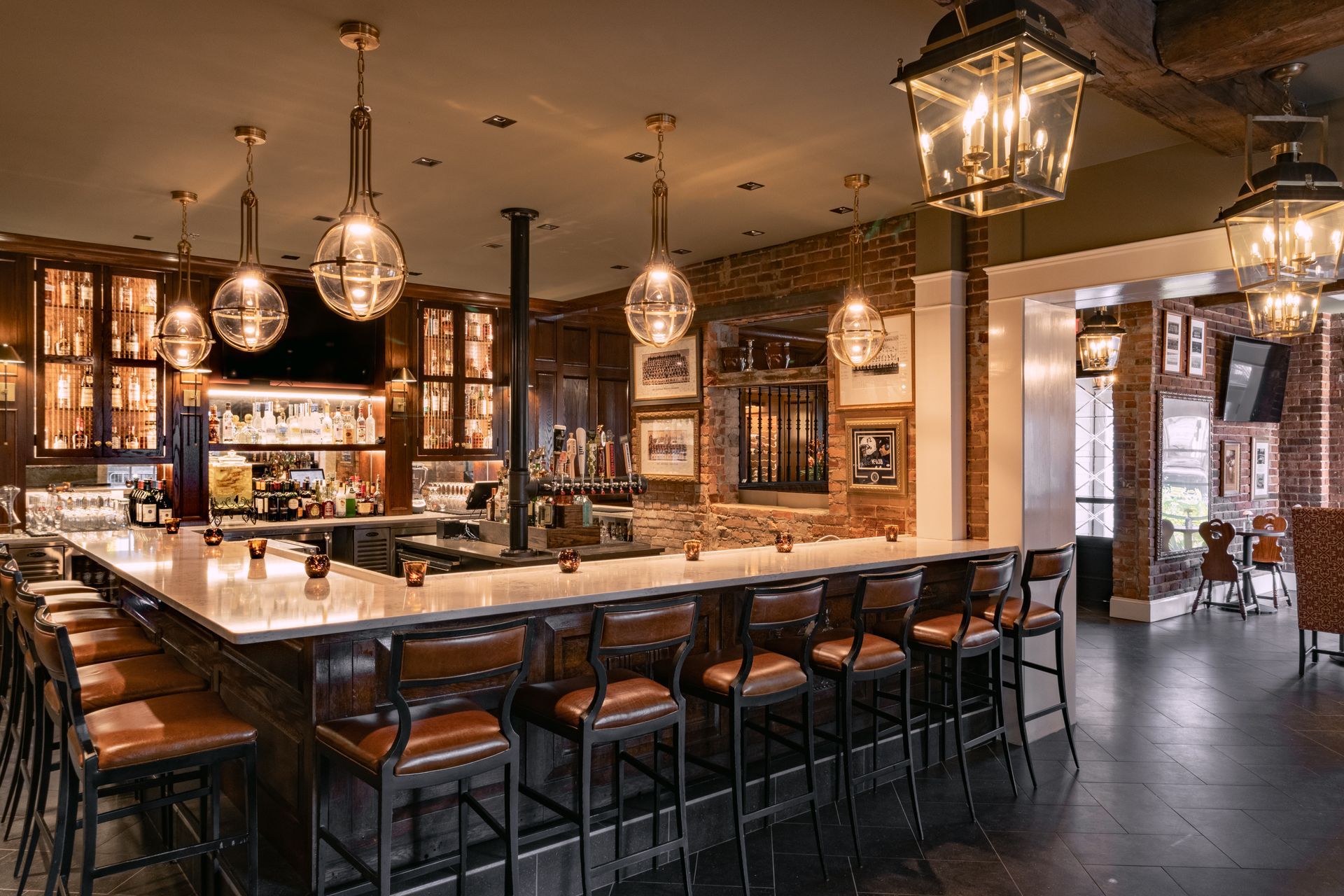
- Lighting is Everything: High ceilings can feel cavernous and cold at night. Use warm lighting to bring the scale down. Edison bulbs, wrought iron chandeliers, and subtle uplighting on the timber frame add drama without feeling too modern.
- Creative Reuse: Did you find old pulleys, ladders, or troughs during the clean-out? clean them up and use them. An old trough makes a killer beverage cooler. Ladders can be used to hang flowers. These authentic touches tell a story that new decor just can't match.
Bringing in the Experts: Bay & Bent
Look, I’m a guy who likes to get his hands dirty. I appreciate a good pair of boots and a job well done. But I also know when to call in the cavalry. Transforming a historic structure isn't just a renovation; it's a curation of history.
That’s where Bay & Bent come in. We aren't just designers; we’re storytellers who speak the language of wood, leather, and steel. We understand that a barn isn't just a building—it's a character in the story of your event.
At Bay & Bent, we specialize in taking rugged, raw spaces and polishing them until they shine, without losing that wild spirit. Whether it's sourcing vintage furniture that looks like it came off a cattle drive or designing a layout that flows as smoothly as good whiskey, we handle the details so you can focus on the big picture.
If you’re ready to give your venue a personality that stands out from the cookie-cutter crowd, check out who we are and what we stand for. We love vintage. We love cowboy stuff. And we know how to make it professional.
Learn more about the Bay & Bent team here.
Marketing Your Venue
Once the sawdust settles, you have to sell the dates. The market is competitive, so you need to stand out.
- Photography is Non-Negotiable: You cannot sell a visual product with bad photos. Hire a professional architectural photographer to capture the space empty, and then organize a "styled shoot" with local wedding vendors to show what it looks like dressed up.
- Tell the History: People love a backstory. Was your barn a dairy farm in the 1920s? Did your grandfather build it? Put that history on your website. It creates an emotional connection.
- Partner with Vendors: Be the venue that vendors love. If caterers and photographers have a good experience at your place, they will recommend you to their clients. Build a "preferred vendor" list of pros who know your space and match your rugged, quality vibe.
Conclusion
Historic barn event venue conversions are a labor of love. It’s about taking something that has stood the test of time and giving it a new purpose for the next generation. It’s hard work, sure. But standing in the back of the room, watching a room full of people celebrating under beams that were raised by hand a century ago? That’s a feeling you can’t buy.
Start with a solid assessment, respect the code, honor the history, and don't be afraid to ask for help when the heavy lifting starts.