Avoid These Costly Mistakes in Timber Frame Dismantling
How to deconstruct without destruction
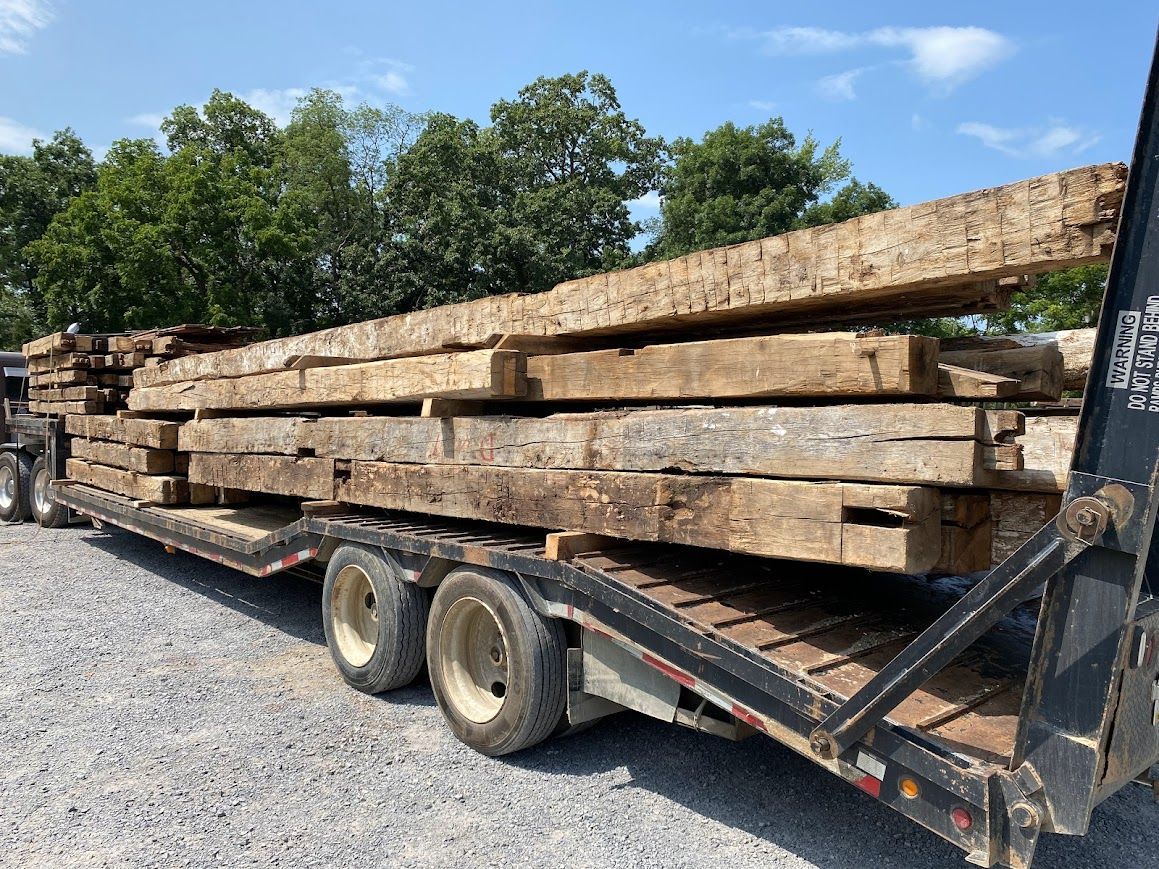
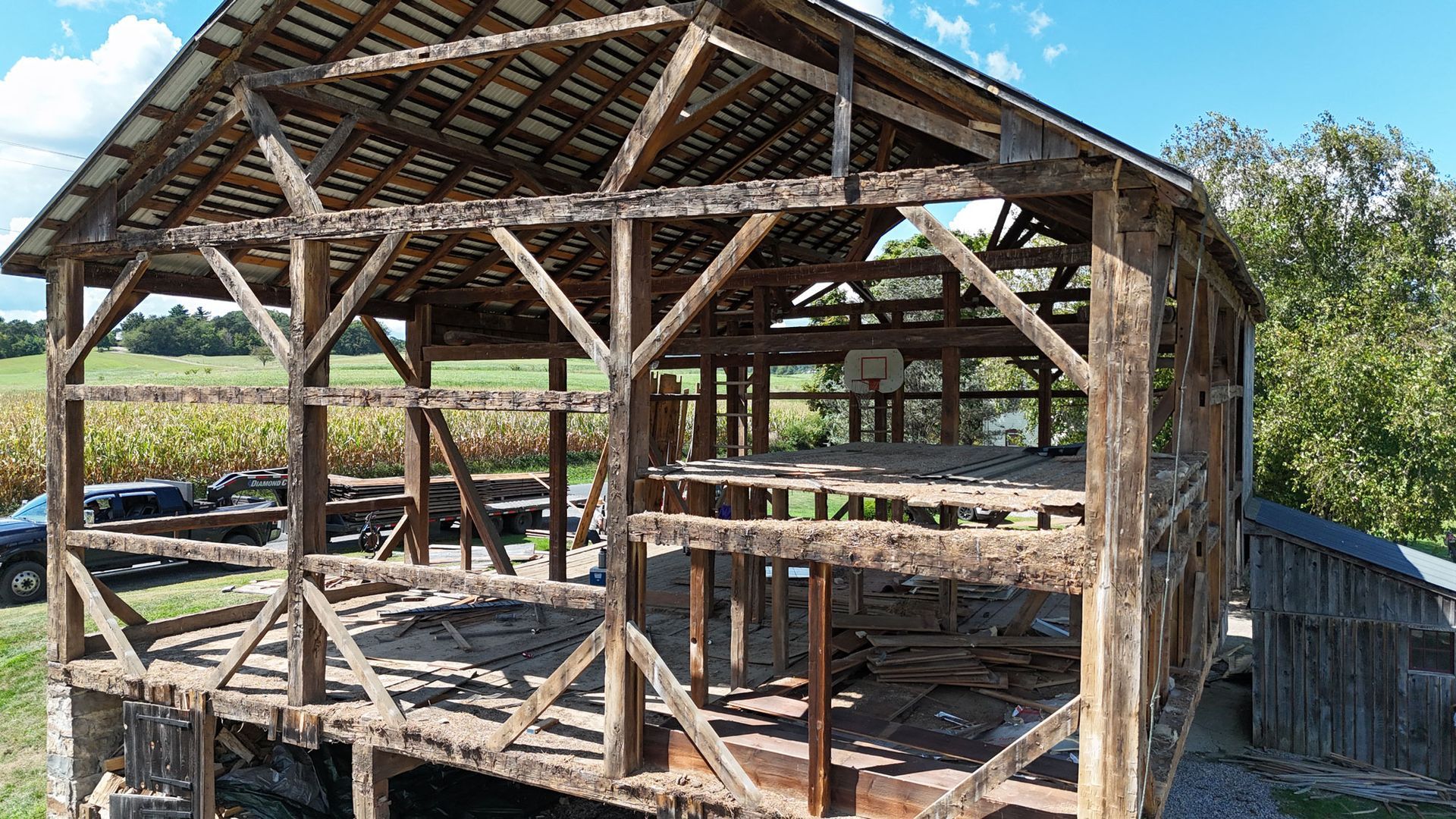
Timber frame dismantling is a delicate process that requires precision, expertise, and a deep respect for the structure's history. Whether you're salvaging materials for reuse or preparing for restoration, avoiding common mistakes can save you time, money, and frustration. Let’s explore the pitfalls to steer clear of and how to ensure a successful dismantling project.
1. Skipping a Thorough Assessment
Before dismantling begins, a detailed assessment is crucial. Overlooking this step can lead to costly errors, such as:
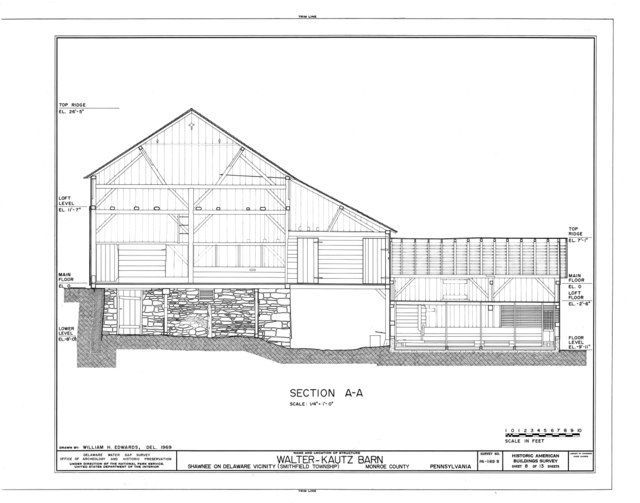
- Missing structural details: Failing to document joints, carpenter marks, or previous repairs can make reassembly a nightmare.
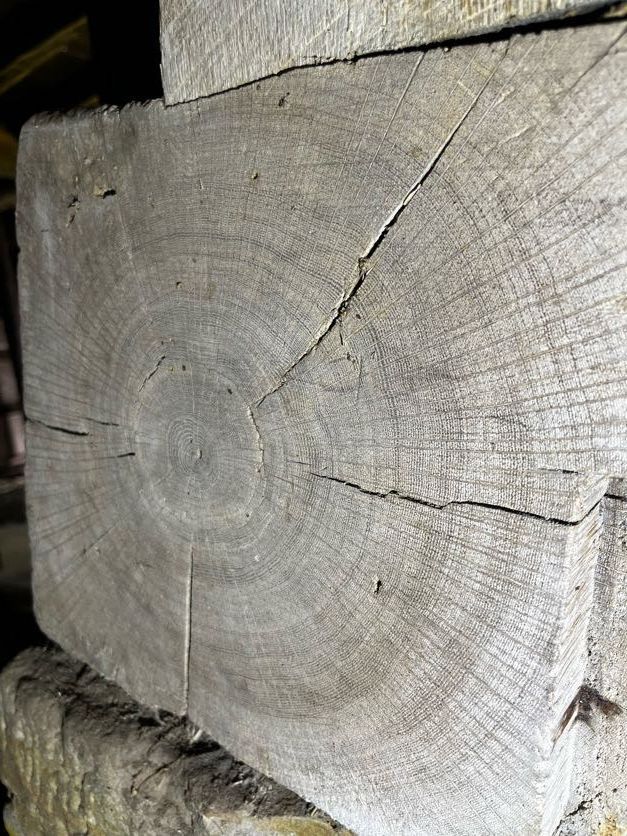
- Ignoring hidden damage: Issues like rot, pest infestations, or weakened joints may not be visible at first glance, but can compromise the entire project.
A comprehensive inspection ensures you understand the frame's condition and can plan accordingly.
2. Failing to Tag and Document Components
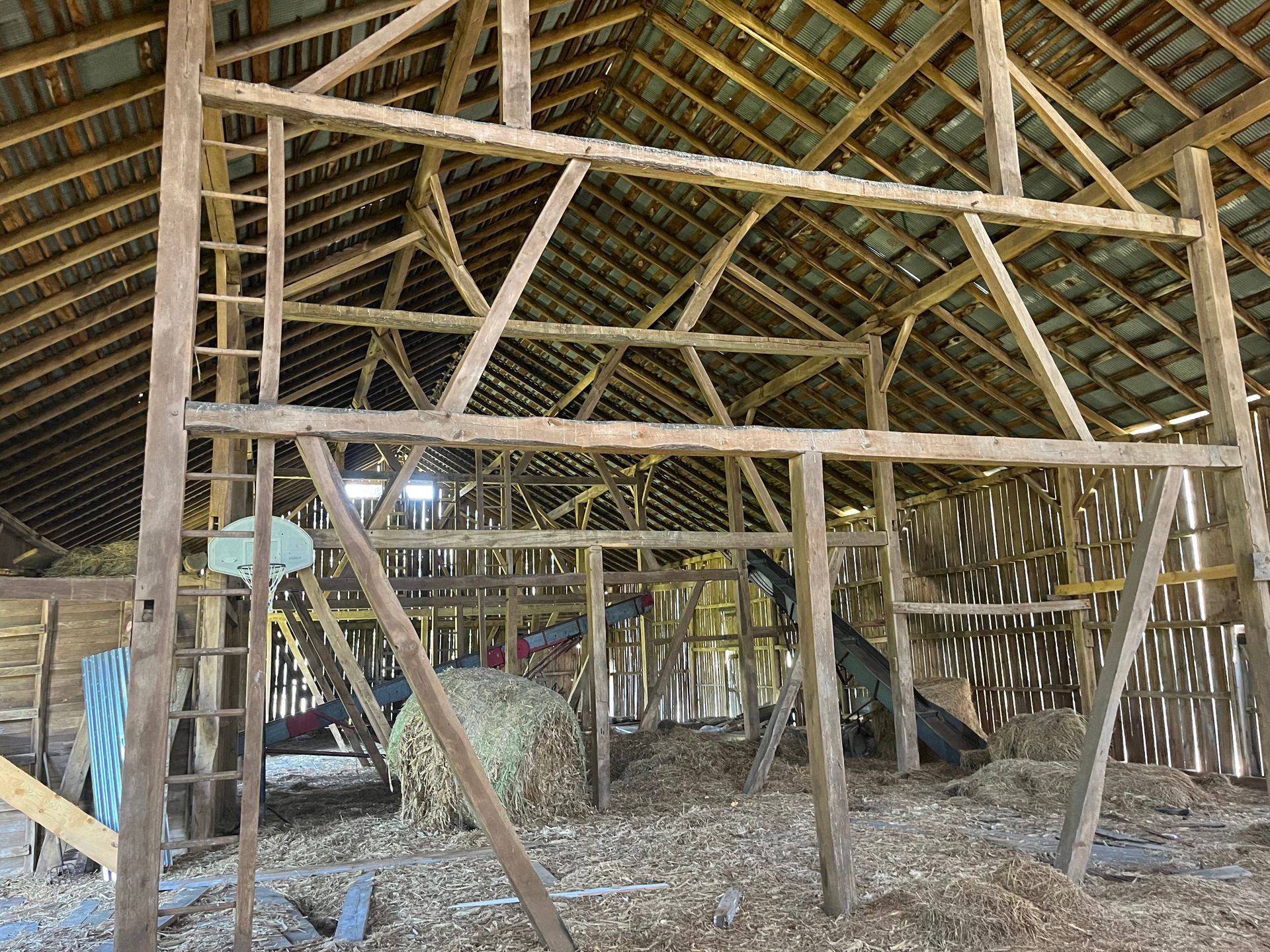
Timber frames are like giant puzzles, and each piece plays a specific role. Without proper tagging and documentation, reassembly becomes a guessing game. Use a consistent system to label each beam, joint, and brace, and take detailed photos throughout the process. This step is especially critical for preserving the frame's historical integrity.
3. Using the Wrong Tools or Techniques
Dismantling a timber frame isn’t just about taking it apart, it’s about doing so without causing damage. Common mistakes include:
- Overusing modern tools: Excessive use of power tools can damage the wood or alter its historical character.
- Improper handling: Dropping or mishandling beams can lead to cracks or splits, rendering them unusable.
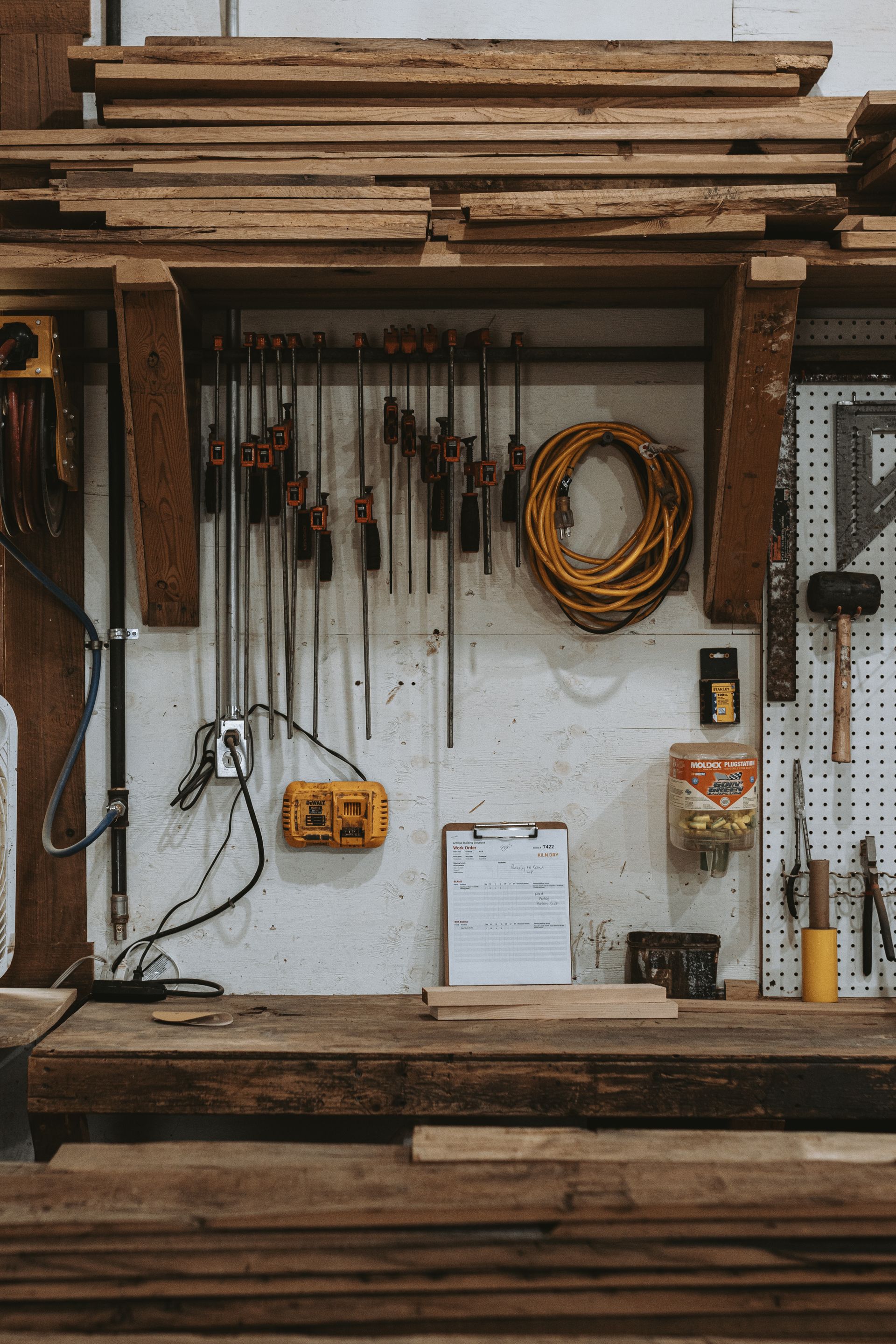
Invest in the right tools, such as mallets, framing chisels, and chain mortisers, and work with a team experienced in traditional joinery methods.
4. Neglecting Safety Measures
Timber frame dismantling involves heavy materials and complex structures. Skipping safety precautions can lead to accidents or injuries. Always:
- Use proper lifting equipment, such as cranes or gin poles.
- Ensure the structure is stable before starting work.
- Provide safety gear for all team members.
5. Overlooking Environmental Factors
Wood is sensitive to moisture and temperature changes. Improper storage during or after dismantling can lead to warping, cracking, or mold growth. Protect your materials by:
- Storing them off the ground.
- Covering them with waterproof tarps.
- Keeping them in a well-ventilated area.
Why Choose Bay & Bent for Your Timber Frame Needs?
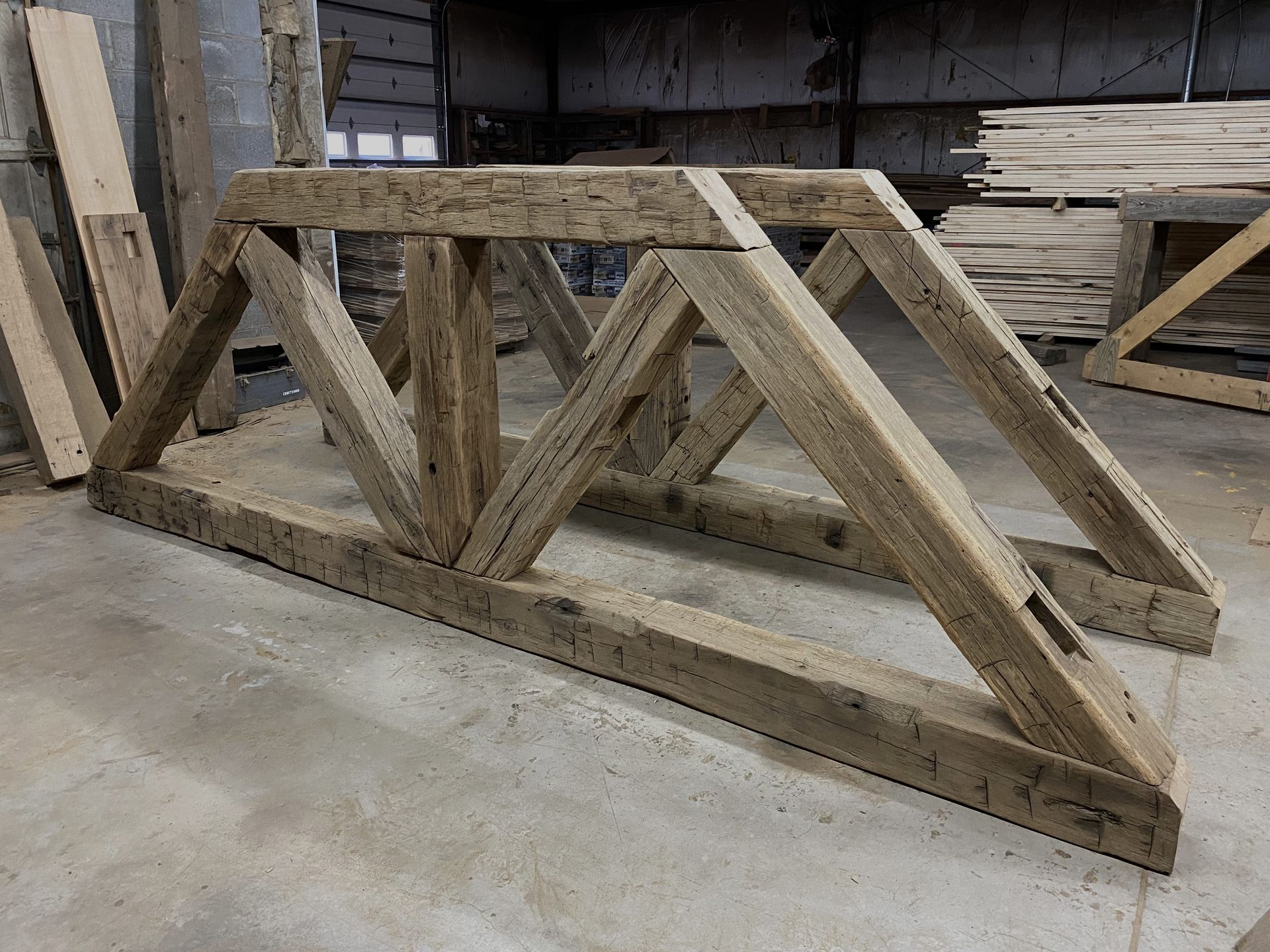
At Bay & Bent, we specialize in the careful dismantling and restoration of historic timber frames. Our unique approach involves transporting frames to a controlled workshop environment, where we can meticulously restore each piece using period-correct materials and techniques. This method ensures:
- Precision repairs: Every joint and beam is restored to its original strength and beauty.
- Historical integrity: We preserve the unique character of each frame while meeting modern safety standards.
- Ease of reassembly: Our detailed documentation and tagging system make reassembly seamless.
Whether you're restoring a historic barn or repurposing a frame for a new project, Bay & Bent provides the expertise and care needed to bring your vision to life. Learn more about our services at Bay & Bent.
Final Thoughts
Timber frame dismantling is as much an art as it is a science. By avoiding these common mistakes and working with experienced professionals, you can ensure a successful project that honors the history and craftsmanship of these remarkable structures. Ready to get started? Contact Bay & Bent today to discuss your timber frame needs.