Architectural Salvage Secrets You Need to Know
Reclaim, restore, and reimagine

Adding character to a home is a common goal, whether you're restoring an old house or starting with a new build. While modern home improvement stores offer convenience, they often lack the unique charm found in historic architectural elements. This is where architectural salvage comes in. It offers a way to bring history, craftsmanship, and a unique story into your living space.
This guide will walk you through the world of architectural salvage. We will cover what it is, where to find these treasures, and how to incorporate them into your home. You'll learn the benefits of using salvaged materials, from adding personality to promoting sustainability.
What is Architectural Salvage?
Architectural salvage refers to the materials and elements reclaimed from old buildings, homes, and other structures that are being renovated or torn down. Instead of ending up in a landfill, these pieces are saved and given a new life. Think of items that are part of the building itself: doors, windows, mantels, flooring, light fixtures, and hardware.
It's important to understand a few related terms. "Salvaged" is the broad term for any material that is reused from another building. "Reclaimed" and "repurposed" are similar, describing items used in a new way. "Recycled" materials, on the other hand, have had their basic structure changed, like melted-down metal. For our purposes, we'll focus on architectural salvage, where items are kept largely in their original form.
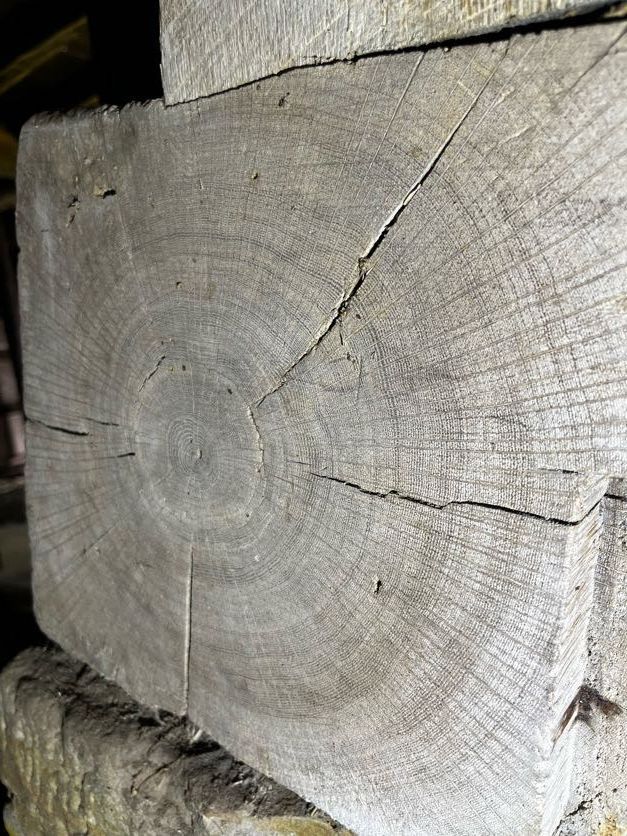
These pieces often come from an era when materials and craftsmanship were of a higher standard. You can find old-growth lumber that is dense and durable, intricate hardware forged by hand, and details that are simply not mass-produced today.
Benefits of Using Salvaged Materials
Choosing architectural salvage offers more than just aesthetic appeal. It provides a range of benefits for your home and the environment.
1. Character and History
Each salvaged piece has a story. An old door might have welcomed families for a century. A reclaimed wood beam may have supported a barn for generations. These items bring a sense of history and soul to a space that new materials cannot replicate. They show signs of a previous life, like the gentle wear on a doorknob or the rich patina on old wood, which adds depth and personality.
2. Quality and Durability
Many salvaged materials were made to last. Old-growth wood, for example, is harder and more resistant to pests and rot than most new lumber. Vintage hardware is often made of solid brass or forged iron, offering a weight and sturdiness that is rare in modern fixtures. By choosing salvage, you are often investing in higher-quality materials that have already stood the test of time.
3. Sustainability and Environmental Impact
Using architectural salvage is an environmentally friendly choice. When you reclaim materials, you are preventing them from going to a landfill, where they would contribute to waste. This practice reduces the demand for new resources, which in turn lowers the energy consumption and carbon emissions associated with manufacturing and transporting new products. It is a powerful way to support a circular economy and build more sustainably.
4. Cost-Effective Solutions
While some rare architectural salvage pieces can be expensive, many items offer great value. You can often find high-quality materials like hardwood flooring, solid wood doors, and unique light fixtures for a fraction of the cost of their new, high-end counterparts. With a little bit of searching and some restoration work, you can achieve a premium look on a budget.
Where to Find Architectural Salvage
Now that you know the benefits, where do you find these treasures? Architectural salvage can be found in a variety of places, from dedicated stores to online marketplaces.
Architectural Salvage Yards and Stores
These are the best places to start your search. They specialize in buying and selling reclaimed building materials. Inventory changes daily, so it pays to visit often. Get to know the staff and let them know what you are looking for. Following your local salvage shops on social media is also a great way to see new arrivals as soon as they come in.
Habitat for Humanity ReStores
ReStores are nonprofit home improvement stores that sell new and gently used furniture, appliances, and building materials. They are a good source for more common items like doors, windows, and cabinets.
Online Marketplaces
Websites like eBay, Facebook Marketplace, and Craigslist can be goldmines for architectural salvage. You can often find items directly from homeowners who are renovating. Be prepared to act fast and arrange for your own transportation.
Local Demolition Projects
Keep an eye out for renovation or demolition projects in your area. Sometimes, you can get permission from the property owner or contractor to salvage items before they are discarded. Always ask for permission first.
Tips for Shopping Architectural Salvage
Shopping for salvaged materials can feel like a treasure hunt. Here are some practical tips to help you find the perfect pieces for your home.
Know Your Measurements
Before you go shopping, measure the spaces where you plan to use salvaged items. Keep a running list of dimensions on your phone for doors, windows, and areas where you might add molding or a mantel. This will save you from buying something that doesn't fit.
Inspect for Structural Integrity
While a bit of cosmetic wear adds character, you should avoid items with major structural problems. Check wood for signs of rot, mold, or pest damage like termites. For items like a clawfoot tub, minor chips can be refinished, but large cracks or extensive rust may not be worth the repair effort.
Think About Restoration
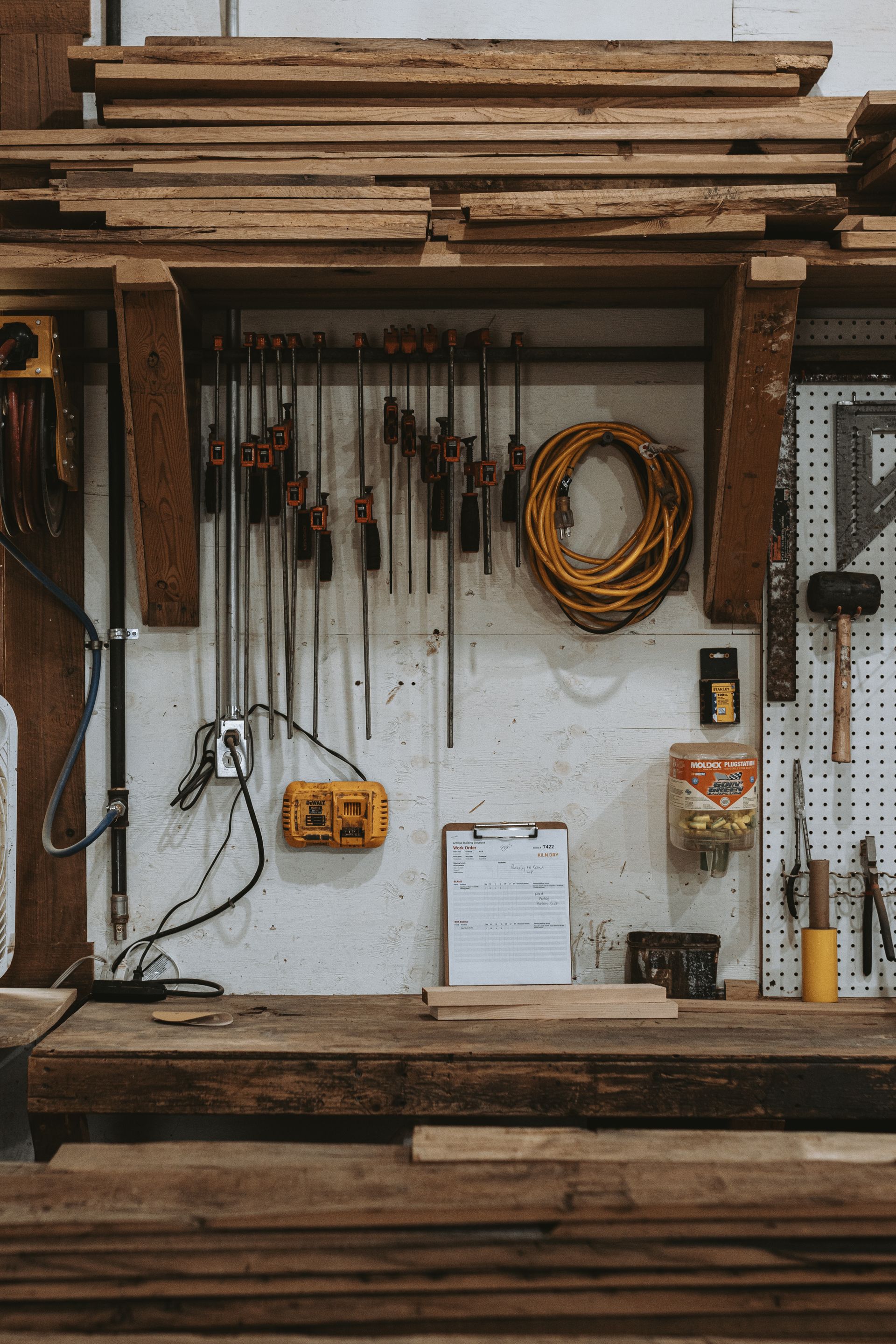
Most salvage pieces will need some cleaning or restoration. Be realistic about the amount of work you are willing to do yourself. Rewiring an old light fixture, for example, is a job best left to a professional. Stripping paint from a mantel can be a rewarding DIY project if you have the time and patience.
Think Outside the Box
Don't be limited by an item's original purpose. An old door can be turned into a headboard or a tabletop. Sections of antique tin ceilings can become a unique kitchen backsplash. A collection of old doorknobs can be displayed as art. Creativity is key to making architectural salvage work for you.
Start Small
If you are new to working with salvaged materials, start with a small, manageable project. Try refinishing a small piece of furniture or replacing the hardware on your kitchen cabinets. This will help you build skills and confidence before taking on a larger project like installing reclaimed flooring.
Don't Hesitate
One of the biggest rules of salvage shopping is that if you love something, buy it. Unique pieces don't last long. If you leave it behind to think about it, there's a good chance it won't be there when you return.
A Partner in Preservation
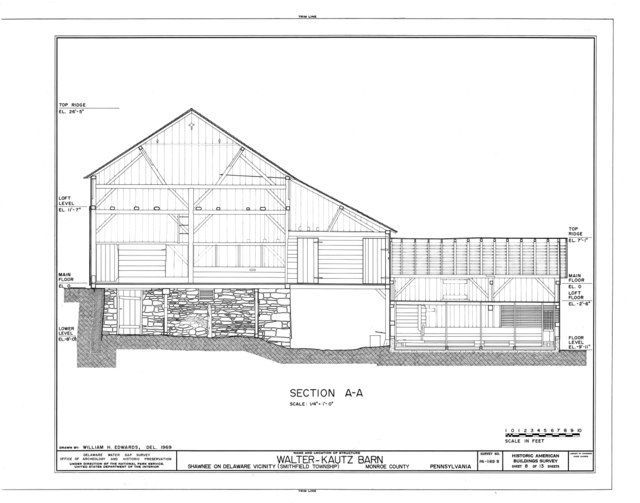
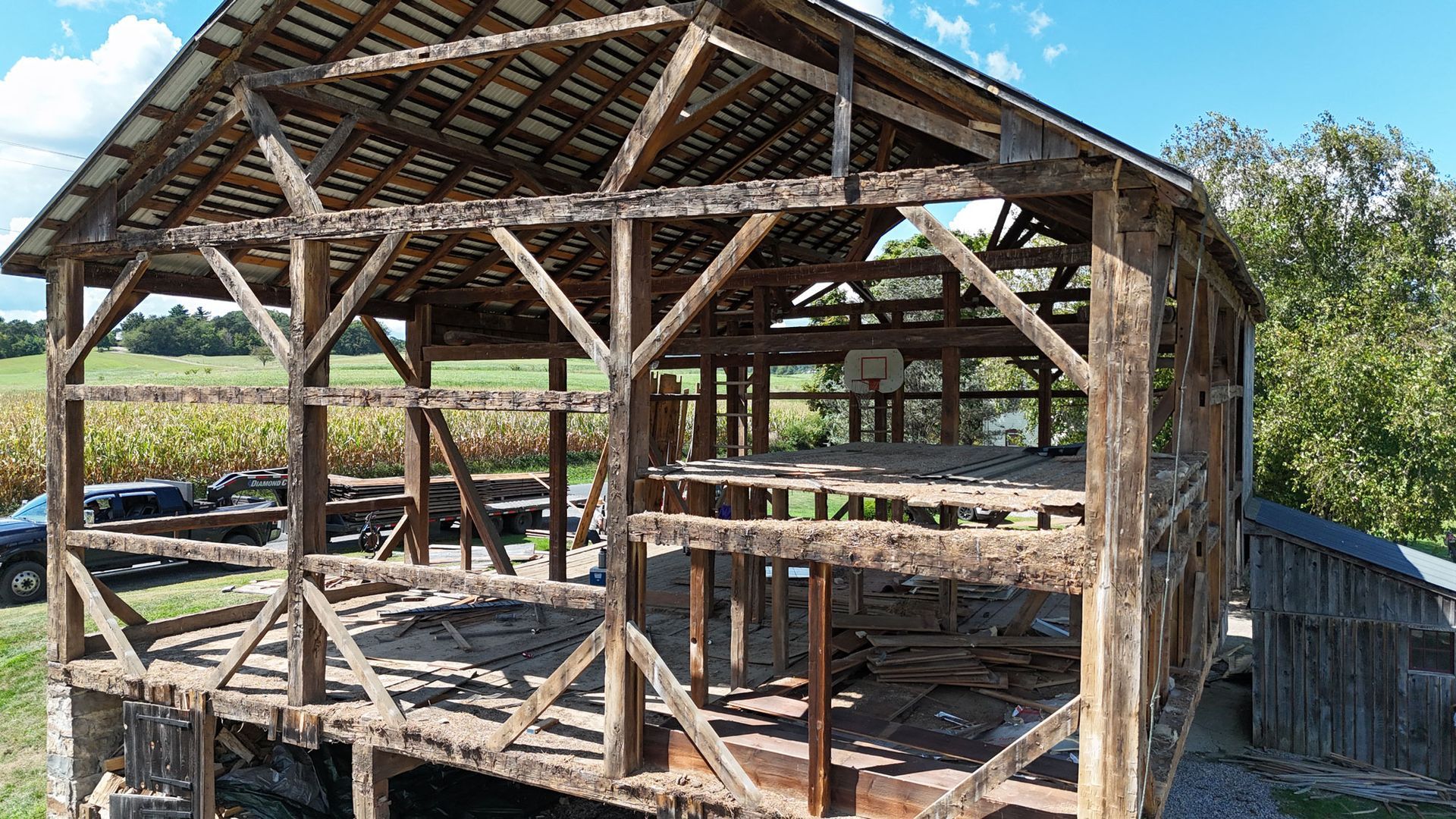
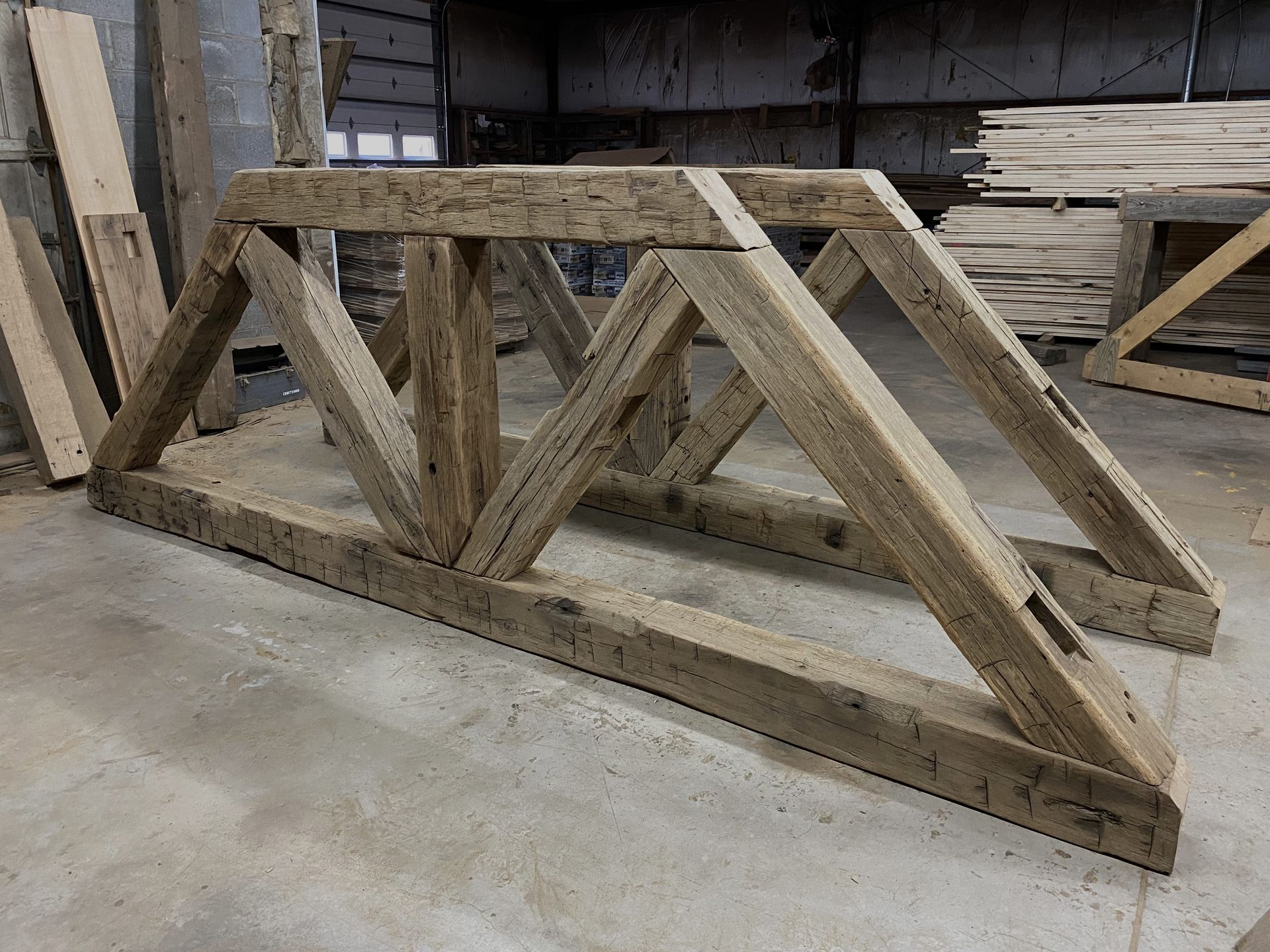
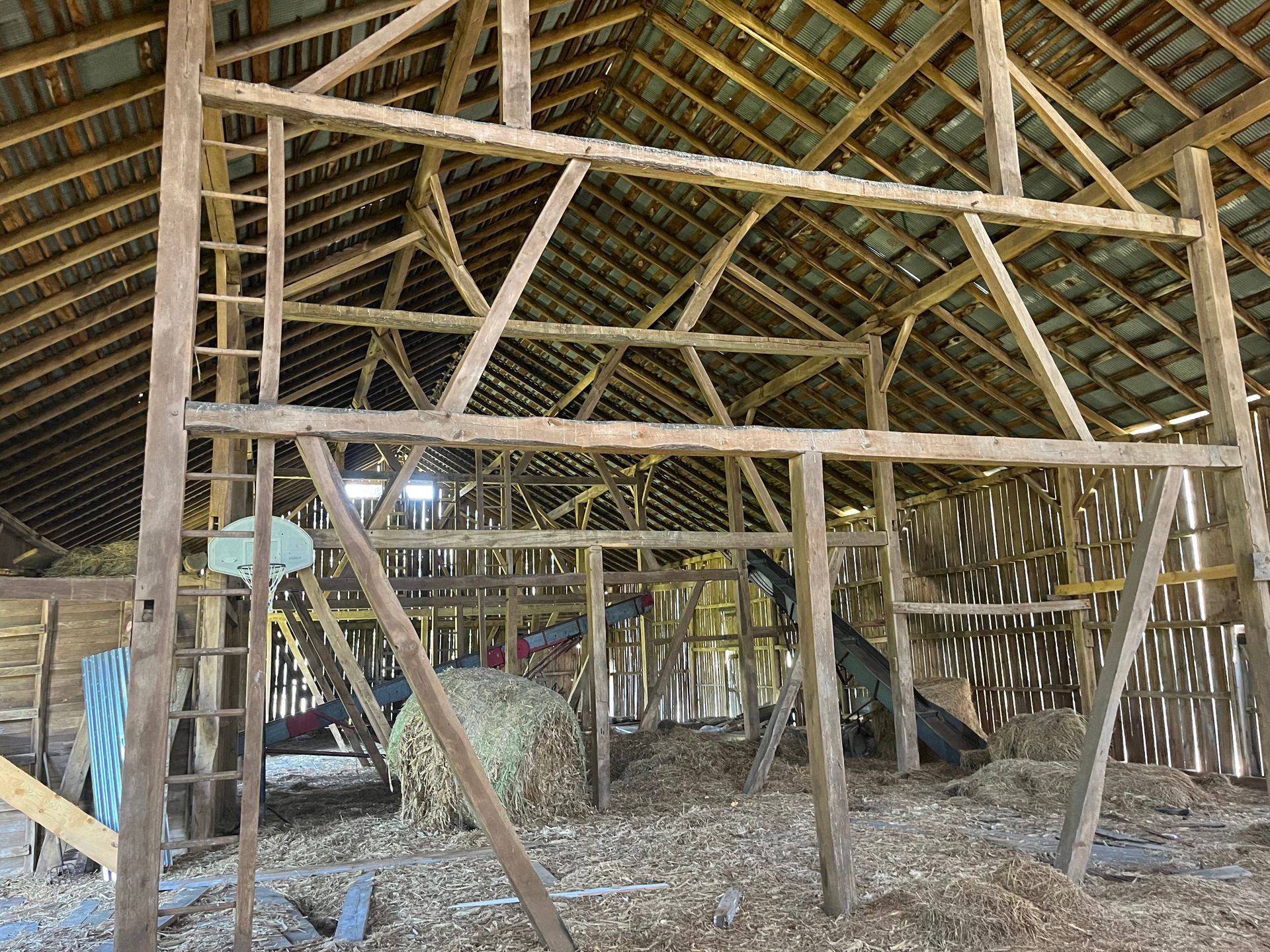
For those undertaking larger projects, especially those involving the core structure of a building, working with experts is essential. This is particularly true for historic timber frames, which form the beautiful, exposed skeletons of many heritage homes and barns.
At Bay and Bent, we specialize in preserving this architectural heritage. Founded in 1998, our passion is dismantling, restoring, and re-erecting historic timber frames. We believe these structures are architectural masterpieces that deserve a continued life. Since our beginning, we have carefully dismantled hundreds of pre-Civil War structures, each with its own unique history.
Our commitment to authenticity means we honor the original character of every timber frame. Our skilled artisans use their expertise to restore these structures, while our client-centered approach ensures your vision becomes a reality.
Sustainability is at the heart of what we do. By using reclaimed timber, we support a greener future while giving the past a new home. If you dream of transforming an antique barn into a stunning heritage home or event venue, we have the experience to guide your project.
Incorporating Salvage Into Your Home
You don't need to live in a historic house to use architectural salvage. These elements can add warmth and interest to any style of home.
- Doors: A vintage solid wood door can make a statement at your front entrance or add charm as an interior door. Sliding barn doors made from reclaimed wood are a popular choice for separating spaces.
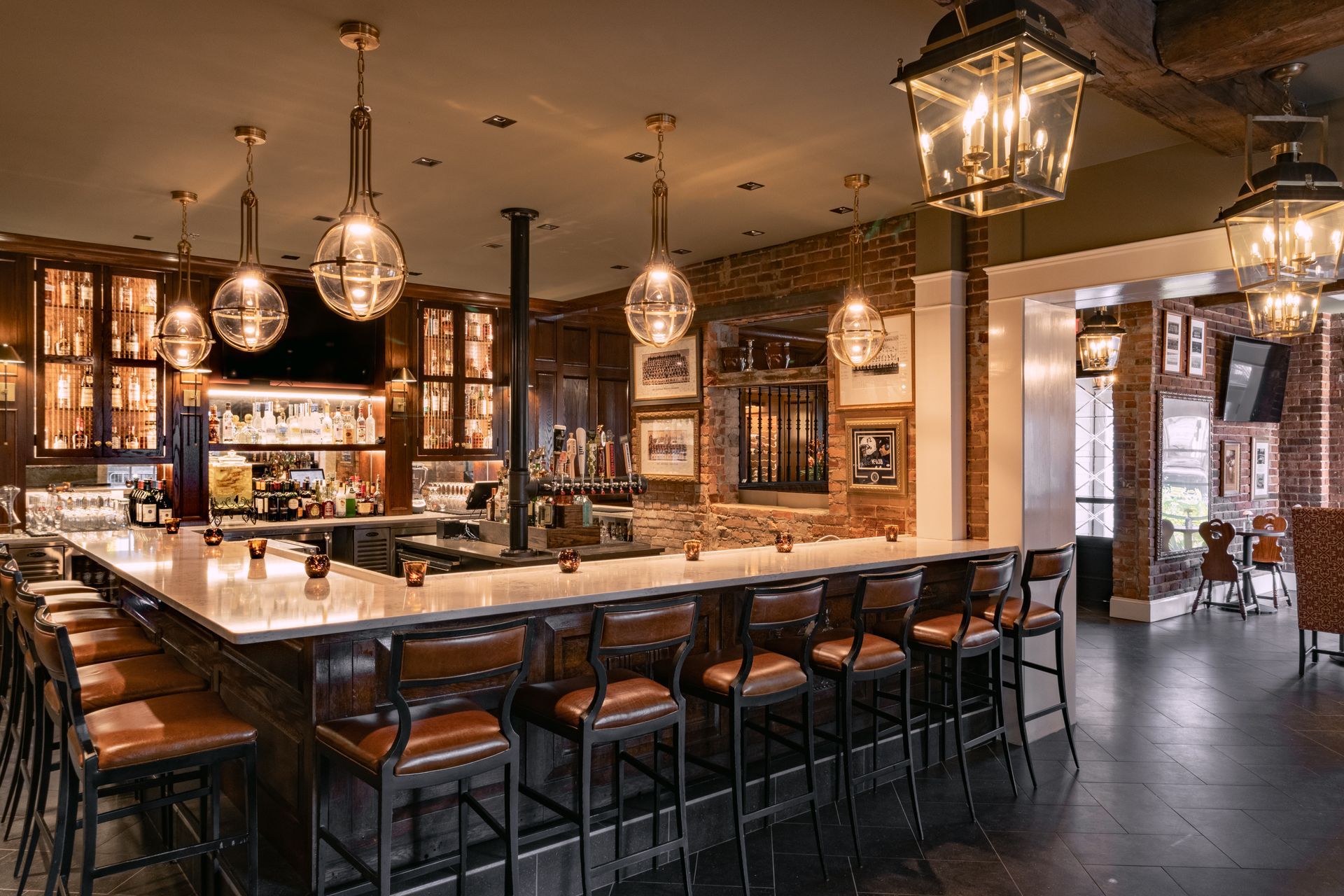
- Lighting: An antique chandelier can become the focal point of a dining room. Industrial-style pendant lights from an old factory can add a modern edge to a kitchen.
- Hardware: Replacing generic doorknobs and cabinet pulls with vintage glass, brass, or porcelain hardware is a simple yet impactful update.
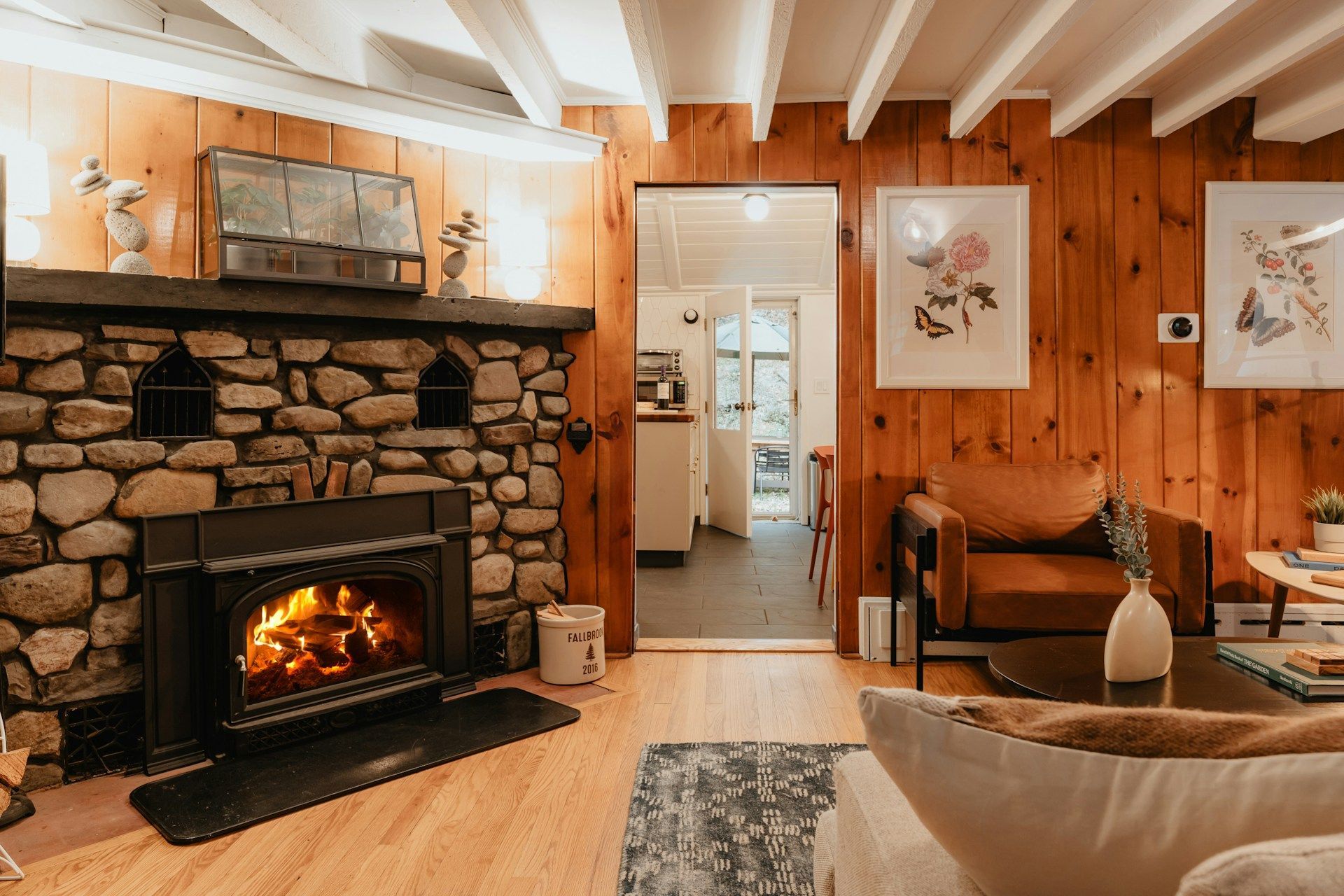
- Mantels: An ornate fireplace mantel from a Victorian home can add grandeur to a living room, even if it's just used as a decorative shelf.
- Flooring: Reclaimed hardwood or wide-plank pine flooring brings unmatched warmth and durability to a room.
Architectural salvage allows you to create a home that is truly your own. It's a way to connect with the past, make sustainable choices, and surround yourself with objects of beauty and quality. The next time you plan a home project, consider looking beyond the big-box stores. You might just find a piece of history waiting to become a part of your story.